2027 Animal Science Degree Completion Rates by Format: Online, Hybrid, and Campus Programs Compared

Co-Founder and Chief Data Scientist
Choosing how to complete an Animal Science degree often presents a difficult decision for prospective students balancing personal commitments, financial constraints, and learning preferences. While online formats offer flexibility, they may pose challenges in engagement and hands-on experience essential in this field. Hybrid programs blend in-person interaction with remote coursework but vary widely in structure and support. Traditional campus programs provide direct access to labs and faculty but demand more time and location commitment.
Completion rates differ significantly across these delivery formats, influenced by student motivation, resource availability, and program design. Understanding these differences is critical for aligning educational choices with career aspirations and realistic outcomes. This article compares online, hybrid, and campus Animal Science completion rates, examines factors driving student success, and offers insights for selecting the format that best supports degree completion and professional readiness.
Key Things to Know About Animal Science Degree Completion Rates by Format
- Online animal science programs show a 12% lower completion rate than campus formats, reflecting challenges in hands-on skill acquisition vital for career readiness.
- Hybrid formats boost completion rates by integrating practical labs with flexible learning, enhancing student engagement and long-term retention of applied animal science concepts.
- A 2024 study indicates campus students' completion rates exceed 75%, emphasizing the impact of direct faculty interaction and on-site resources on persistence and practical competency development.
- Key Things to Know About Animal Science Degree Completion Rates by Format Key Things to Know About Animal Science Degree Completion Rates by Format
- How Do Completion Rates Compare Across Online, Hybrid, and Campus Animal Science Programs? Completion Rate Comparison
- What Factors Have the Greatest Impact on Animal Science Degree Completion? Degree Completion Factors
- Which Animal Science Degree Format Is Hardest to Complete? Completion Difficulty
- How Does Each Animal Science Learning Format Affect Student Success? How Does Each Animal Science Learning Format Affect Student Success?
- How Does Enrollment Status Affect Animal Science Completion Rates? How Does Enrollment Status Affect Animal Science Completion Rates?
- Can Transfer Credits Improve Animal Science Degree Completion? Transfer Credits
- What Student Support Services Improve Animal Science Completion Rates? Student Support Services
- How Do Animal Science Completion Rates Affect Career Outcomes? Impact on Career Outcomes
- How Should Students Choose the Best Animal Science Learning Format? Choosing the Best Format
- What Are the Long-Term Pros and Cons of Each Animal Science Learning Format? Learning Format Pros & Cons
How Do Completion Rates Compare Across Online, Hybrid, and Campus Animal Science Programs?
Completion rates for animal science degree programs often reflect the diverse backgrounds and circumstances of students enrolled in each format rather than purely measuring program quality. Differences in these rates usually signal variations in student demographics, financial pressures, or time commitments, which influence persistence and graduation timelines. Hence, interpreting animal science degree completion rates by program format requires understanding that completion is as much about who students are as it is about how programs are delivered.
Completion rates differ between online, hybrid, and campus settings largely due to factors like work obligations, part-time versus full-time enrollment, and the level of direct support each format provides. Campus programs benefit from immersive engagement and structured schedules, supporting higher graduation likelihoods, while online students face challenges balancing studies with personal responsibilities amid less direct oversight. Hybrid models, blending online flexibility and in-person elements, tend to foster better outcomes than online-only programs but still depend heavily on the individual's ability to manage and integrate learning demands.
Prospective students comparing online hybrid campus animal science graduation rates should weigh these outcomes against their own learning preferences, career timelines, and available study time. Those seeking flexible scheduling might explore options including 1 year PhD programs online for accelerated paths, yet must consider the discipline's hands-on requirements. Matching program format with personal circumstances and professional goals remains critical for maximizing degree completion prospects rather than relying solely on raw completion statistics.
What Factors Have the Greatest Impact on Animal Science Degree Completion?
Completion of an animal science degree depends on a complex mix of personal motivation, academic readiness, and the quality of program supports rather than motivation alone. Many students overestimate the role of self-drive while underestimating challenges like financial stress, practical skill requirements, and the need for tailored advising. Successful graduates often navigate multiple factors simultaneously to persist through setbacks and competing priorities. The following key factors most strongly influence animal science degree completion outcomes.
- Academic Preparedness and Prior Knowledge: Students with a strong foundation in sciences and mathematics typically navigate animal science curricula more successfully, as these areas underpin courses in biology, chemistry, and animal physiology. Underprepared students face higher risks of attrition unless they proactively seek tutoring or remedial resources early in the program.
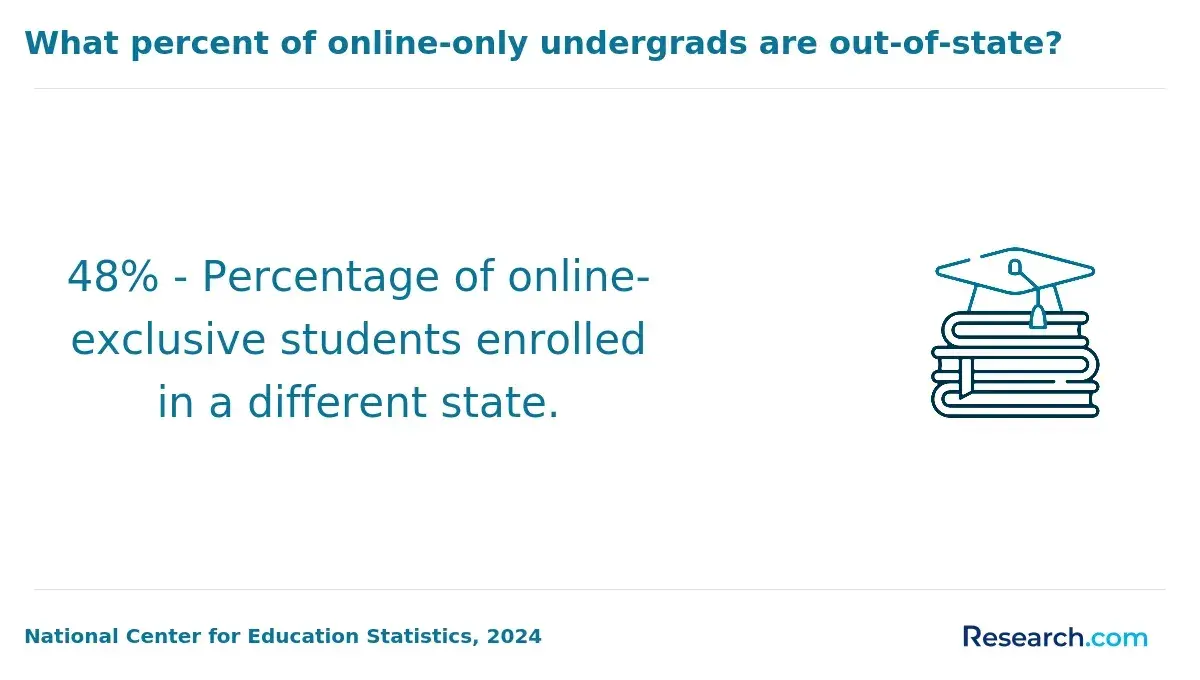
- Institutional Support Services: Access to academic advising, career counseling, and mental health resources greatly improves persistence, particularly for non-traditional students balancing work and family. According to a 2024 National Center for Education Statistics dataset, institutions with robust support services report up to 25% higher completion rates in animal science programs.
- Financial Stability and Aid Availability: Economic pressures consistently rank as a primary barrier to degree completion. Students managing tight budgets or lacking sufficient financial aid are more likely to pause or drop out. Applying for scholarships, work-study, or emergency funds can reduce dropout risk significantly.
- Engagement with Practical and Field Experiences: Given the hands-on nature of animal science, programs that integrate labs, internships, or fieldwork tend to have better completion rates. Students who take advantage of these opportunities deepen their skills and motivation, offsetting the isolation seen in purely online coursework formats.
- Self-Management and Time Prioritization: Especially for online or hybrid formats, self-motivation combined with effective time management is crucial. A report from the Community College Research Center shows that students maintaining regular advisor communication and structured study routines see up to 30% higher completion rates in online animal science courses.
- Alignment of Program Demands with Life Circumstances: Students balancing family, work, or other responsibilities succeed when program schedules and delivery formats accommodate their realities. For instance, while campus-based models suit younger students transitioning directly from high school, hybrid or online formats better serve working adults needing flexibility.
- Clarity of Career Goals and Curriculum Relevance: Persistence improves when students perceive coursework as directly linked to tangible career outcomes in animal science fields. Clear professional objectives motivate attendance, practical skill development, and longer-term commitment throughout typical completion timelines.
Considering the financial aspect is also essential for planning realistic pathways. Prospective students can benefit from researching criminal justice degree cost data for comparative context on program expenses and potential aid opportunities that might parallel animal science program funding options.
Which Animal Science Degree Format Is Hardest to Complete?
Completion rates reveal a clear gradient of difficulty across animal science degree formats, with campus-based programs showing approximately 68% completion, hybrid programs around 54%, and fully online programs near 45%, according to the National Center for Education Statistics in 2024. These differences highlight how the immersive nature of on-campus learning, which provides direct access to hands-on labs and immediate faculty interaction, strengthens persistence. Conversely, the online format's lack of practical engagement and greater balancing of life responsibilities can significantly hinder steady progress, while hybrid options offer a middle ground that still requires navigating logistical challenges.
Beyond raw numbers, real-world factors influence these outcomes. For example, a student working full time and living far from campus might find the hybrid model cumbersome, as coordinating on-site lab visits disrupts their schedule and adds travel stress. Meanwhile, the campus environment's structured routine fosters consistent study habits and peer support crucial for mastering animal science's practical competencies. Thus, the difficulty of completion often correlates with how well a format supports these time-sensitive, skill-based learning demands rather than inherent ease or rigidity.
The experience of one recent graduate illustrates these trade-offs. Initially choosing an online path for flexibility, they quickly found isolation and missing hands-on exposure demotivating, leading to delayed progress. Midway, they shifted to a hybrid program, which improved access to practical labs but introduced challenges juggling in-person sessions and a part-time job. Only after transferring to a traditional campus program did they feel fully supported to maintain momentum, citing daily access to faculty and facilities as the turning point that helped them finally complete their degree on schedule.
How Does Each Animal Science Learning Format Affect Student Success?
Success in an animal science degree program hinges less on the chosen delivery method and more on how well that format fits a student's personal learning habits, time availability, and external obligations. A format that supports a student's need for interaction, flexibility, or hands-on experience can significantly improve persistence and completion rates. Conversely, a mismatch risks disengagement or delays. Understanding these dynamics helps prospective students weigh trade-offs before committing to online, hybrid, or campus options. Key factors influencing success across these formats include the following.
- Student engagement and motivation: Campus environments foster direct interaction with faculty and peers, which often leads to greater motivation and accountability. Fully online learners may struggle with isolation, potentially decreasing persistence unless they self-manage strong discipline and engagement strategies. Hybrid formats can balance engagement by blending face-to-face components with flexible online study.
- Access to hands-on experiences: Animal science programs heavily depend on labs and practical skills. Campus formats naturally provide immediate access to these. Hybrid models preserve some in-person labs, giving students flexibility without sacrificing critical experiential learning. Fully online programs often find it challenging to replicate this, limiting skill acquisition and impacting degree readiness.
- Flexible scheduling and time management: Online formats offer unmatched schedule flexibility, benefiting students juggling work or family commitments. However, this can also lead to procrastination and lower completion rates, as noted by the National Center for Education Statistics (2024) showing online degree completion is roughly 10% lower than campus counterparts in similar fields. Hybrid learners can partially mitigate this by maintaining periodic on-campus responsibilities.
- Social support and sense of community: A sense of belonging supports persistence in demanding fields like animal science. Campus students benefit from peer networks and immediate support systems, while purely online students report weaker community ties. Hybrid students often experience improved satisfaction and retention because they engage with others both online and offline, according to recent findings from the National Student Clearinghouse Research Center.
- Access to academic advising and resources: On-campus students tend to have quicker, easier access to academic support and technical resources, which are crucial for resolving challenges that might otherwise derail progress. Online learners must proactively seek these services, which can be a barrier if they lack experience navigating virtual support systems. Hybrid formats offer a middle ground but still require strong self-advocacy.
How Does Enrollment Status Affect Animal Science Completion Rates?
Enrollment status remains one of the most influential factors affecting completion rates in animal science degree programs, but its impact varies greatly depending on a student's unique circumstances. Rather than merely the number of courses taken, the alignment of enrollment pace with individual life responsibilities and learning preferences determines success. Full-time students typically experience faster progress, but this is not universally the best choice, especially for those balancing work or family obligations. Below are key ways enrollment status shapes outcomes in animal science programs.
- Intensity of Academic Engagement: Full-time students often immerse themselves more deeply in coursework, research, and hands-on lab or field activities, critical components of animal science degrees. This immersion promotes steady progress and higher completion rates, especially in campus-based settings where access to faculty and facilities is immediate.
- Resource Accessibility: Comprehensive institutional support such as advising, tutoring, and internship placement tends to be more available to full-time students. Part-time students may face limited access due to scheduling conflicts, which can slow degree completion or reduce opportunities for practical experience.
- Flexibility versus Consistency Tradeoff: Part-time enrollment appeals to students juggling employment or family, offering flexibility but often at the expense of consistent academic momentum. Hybrid and online formats attract many part-time enrollees, but these modalities sometimes result in lower completion rates due to reduced campus immersion and peer interaction.
- Work-Life Balance Challenges: Students who enroll part time frequently balance rigorous external commitments, increasing the risk of extended time-to-degree or attrition. However, many gain relevant work experience concurrently, which may positively impact post-graduation employability despite longer degree timelines.
- Workforce Entry Timing: Full-time enrollment is linked with quicker degree completion and more robust networking or internship opportunities, facilitating earlier entry into animal science careers. Part-time students often delay workforce entry but may offset this with valuable concurrent employment experience.
- Program Format Impact: Campus programs tend to favor full-time enrollment for successful completion due to structured schedules and in-person engagement. Conversely, online programs offer unmatched convenience for part-time students but typically record lower completion percentages among those who are not fully invested.
- Completion Rate Discrepancies: According to the National Center for Education Statistics and analysis by the Chronicle of Higher Education, full-time animal science students graduate at rates approximately 25-30% higher than part-time peers, underlining enrollment status as a crucial predictor of success.
Prospective students should weigh these factors carefully and consider which enrollment status aligns with their life context and goals. For those assessing flexible-learning options or seeking to balance work and study, exploring specialized credentials or pathways such as a data science masters online can also supplement their skillset and enhance competitiveness in agricultural and scientific fields.
Can Transfer Credits Improve Animal Science Degree Completion?
Transfer credits can significantly impact the time it takes to complete an animal science degree, but their effectiveness varies by individual circumstances and program structures. Data from the National Student Clearinghouse Research Center (2024) shows that students who successfully transfer credits often graduate up to 40% faster than those who begin all coursework at one institution. This acceleration primarily arises from reducing repeated foundational classes, allowing students to focus sooner on advanced and specialized content.
However, the benefits of transfer credits are not guaranteed and depend on multiple aspects such as the relevance and applicability of the transferred coursework to degree requirements. For example, a student who has earned college credits through an associate degree at a community college with established articulation agreements with a campus animal science program is more likely to see a smoother and quicker pathway to graduation. Conversely, an online student whose prior credits don't align well with the institution's curriculum may face delays by needing to retake courses to meet core competencies.
Students who bring credits from military training, professional certifications, or experiential learning might encounter additional challenges in evaluation but have the potential to accelerate progress if those credits count toward degree milestones. Still, transfer credits that fall outside core learning outcomes or require remedial work can extend the time and cost to completion, offsetting potential gains.
To realistically assess if transferring credits will improve their timeline, prospective animal science students should obtain an official credit evaluation from their target school, carefully compare how many credits remain against standard program requirements, and consider their personal enrollment pace. This process helps identify whether transferred courses reduce workload meaningfully or only provide limited advancement.
Ultimately, transfer credits represent one of several factors influencing degree completion rates in animal science. While they often decrease redundancy and financial burden, their true value lies in aligning with institutional policies, degree plans, and individual academic goals.
What Student Support Services Improve Animal Science Completion Rates?
Student support services are critical in shaping degree completion rates for animal science students, yet their effectiveness varies by program format. Online learners often struggle with isolation and self-management, while hybrid and campus students face distinct challenges tied to modality transitions and academic rigor. Evidence from 2024 sources, including the Online Learning Consortium and the National Survey of Student Engagement, underscores that targeted interventions at key points can materially increase persistence and graduation. Below are several student support services proven to address barriers typical to each learning environment and help sustain academic momentum.
- Personalized Academic Advising: Tailored guidance on course selection and progress monitoring helps students navigate degree requirements effectively. Proactive advising reduces the risk of accumulation of unplanned credits, which delays completion and increases dropout risks.
- Real-Time Virtual Coaching: For online students, immediate access to academic coaching via synchronous sessions or 24/7 chat platforms combats feelings of isolation and fosters accountability. The Online Learning Consortium reports up to a 15% increase in completion rates where these are implemented.
- Integrated Tutoring Resources: Hybrid learners benefit when tutoring services are seamlessly accessible both remotely and on campus, supporting fluctuating schedules and reinforcing concepts regardless of location.
- Early-Alert Systems: Campus programs see improved retention by identifying academic warning signs early, allowing timely interventions such as counseling or supplemental instruction before issues escalate.
- Mental Health Counseling: Animal science curricula demand high cognitive and emotional stamina. Accessible mental health support is linked to lower dropout rates, especially in campus-based studies where stress can peak during intensive lab or fieldwork phases.
- Career Counseling and Development: Connecting coursework to clear post-graduate pathways motivates students across all formats to maintain focus and benchmark their progress against real-world job opportunities.
One recent graduate from an online animal science degree shared how she nearly withdrew during a challenging semester when juggling full-time work and family. What kept her engaged was a combination of weekly virtual advising check-ins and an around-the-clock academic chat service. These supports offered both clarity on upcoming deadlines and a sense of connection during periods of doubt. She reflected, "Knowing someone was just a message away made the difference between feeling lost and finishing on time." This scenario highlights that while student services aren't a panacea, their thoughtful integration aligned with learner needs can decisively influence completion outcomes.
How Do Animal Science Completion Rates Affect Career Outcomes?
Degree completion in animal science profoundly shapes career trajectories, linking educational attainment to tangible labor market advantages. While the choice between online, hybrid, and campus-based programs influences persistence, the fundamental benefit lies in finishing the degree.
A recent 2024 study found that bachelor's degree holders in animal science have notably higher employment rates and earnings compared to non-completers, illustrating that completion is crucial to unlocking opportunities. Below are key impacts of completing an animal science degree on career outcomes.
Students weighing format options should consider how each supports degree completion, given its foundational role in improving job outcomes. For those unable to attend traditional programs, exploring flexible alternatives like an online PhD no dissertation pathway may complement career goals, but the core completion of an animal science bachelor's remains a pivotal step toward achieving lasting success in this field.
How Should Students Choose the Best Animal Science Learning Format?
Selecting the best learning format for an animal science degree involves more than convenience; it shapes how effectively students complete their programs and prepare for employment. The 2024 National Center for Education Statistics and Community College Research Center data show campus-based programs achieve higher completion rates, largely due to structured schedules and immersive labs. Meanwhile, students with demanding work or family obligations often find online or hybrid formats necessary despite possible challenges with engagement. Realistically assessing personal circumstances and educational goals is key. Below are fundamental factors to consider when choosing a format for animal science program completion rates comparison.
- Time Management and Scheduling Flexibility: Campus programs require regular physical attendance that can conflict with full-time jobs or family duties. Online options offer flexibility around personal commitments but demand strong self-discipline. Students should honestly evaluate how consistent their availability is and how well they manage deadlines before committing.
- Access to Hands-On Training: Animal science heavily depends on practical skills gained through labs and direct mentorship. Campus and hybrid formats provide more immersive, supervised experiences crucial for employers valuing demonstrated competencies. Students lacking local access to such resources might struggle with fully online tracks that limit hands-on interaction.
- Self-Motivation and Learning Styles: Success online correlates with students' ability to stay motivated independently and engage with asynchronous content. Those who thrive in peer interaction and real-time feedback typically perform better in campus or hybrid environments where social interaction is richer.
- Technology and Internet Reliability: Reliable high-speed internet and familiarity with digital platforms are essential for online learning. Students in areas with unstable connectivity face added stress, negatively affecting course completion rates compared to on-campus peers.
- Career and Employability Outcomes: Employers in animal science increasingly expect graduates to exhibit practical experience alongside academic credentials. Choosing formats that enhance tangible skills and networking opportunities can significantly impact long-term career prospects and readiness.
- Personal Responsibilities and Support Systems: Family obligations and work commitments strongly influence the likelihood of degree completion. Hybrid formats can offer middle ground by balancing flexibility with scheduled in-person components, ideal for those juggling multiple roles.
- Prior Experience with Online Learning: Students familiar with virtual education tools tend to navigate online programs more successfully. Considering enrollment in foundational or general education courses online before diving into specialized animal science coursework can build necessary skills.
For a detailed comparison of accredited program options, refer to ALA-accredited schools as a benchmark for evaluating quality and standards in online learning environments relevant for animal science students.
What Are the Long-Term Pros and Cons of Each Animal Science Learning Format?
Each learning format for an animal science degree carries distinct long-term implications that influence not only degree completion but also career readiness and practical skills. Campus, online, and hybrid programs present unique benefits and challenges that align differently with various student needs and life situations. Below are key factors prospective students should evaluate when choosing their educational path.
- Completion Rates and Retention: Campus programs generally show higher completion rates due to structured schedules and close faculty interaction, while online programs face lower rates, partly from limited engagement. Hybrid formats often improve retention by blending flexibility with hands-on learning, appealing to students balancing obligations.
- Practical Skill Development: In-person access to labs is critical in animal science for skills like animal handling. Campus formats offer direct experience, online relies on simulations that may fall short, and hybrids provide practical opportunities but require travel coordination.
- Flexibility and Accessibility: Online education suits working professionals or those with family responsibilities by removing geographic barriers. Campus programs can restrict access for non-traditional students due to time and travel demands, while hybrids offer a middle ground.
- Networking and Career Opportunities: On-campus presence fosters stronger connections with faculty and peers, enhancing job prospects. Online formats may limit networking but allow connections across wider regions. Hybrids combine local and remote networking advantages.
- Financial Considerations: Campus programs often involve higher costs for housing and commuting. Online options can reduce expenses yet may require investment in technology. Hybrids incur mixed costs with occasional travel.
- Long-Term Employability in Technical Roles: Hands-on experience from campus or hybrid studies better prepares graduates for technical animal science careers. Online graduates may need supplementary practical training to meet employer expectations, according to 2024 National Center for Education Statistics data.
References
- Can I Study Animal Science Courses Online? https://www.stonebridge.uk.com/blog/veterinary/animal-science-courses-online-or/
- Animal Science https://www.deltacollege.edu/academics/degrees-certificates/animal-science
- Agricultural Science, BS - Animal Science Option https://www.ucmo.edu/academics/programs/majors/chst/agriculture/degree-in-animal-science/
- BSAS https://www.bisas.org.uk/blog/the-future-of-animal-science-in-higher-education/
- Agriculture Animal Science https://www.mtsac.edu/transfer/degree-animal-science.html
- Making sure you're not a bot! https://www.iastatedigitalpress.com/air/article/13042/galley/12786/download/
- Animal Science https://sequoiasadulted.com/pathways/whats-next-animal-science.asp
- [PDF] Animal use for teaching and research purposes - RECIIS (Fiocruz) https://www.reciis.icict.fiocruz.br/index.php/reciis/article/download/507/1834/2990
- Animal Science | Advanced Certificate https://www.acsedu.co.uk/courses/science/advanced-certificate-in-animal-science-vsc003-645.aspx
- BSc (Hons) Animal Science and Conservation (Top-up) https://www.ucmyerscough.ac.uk/courses/higher-education/animal-studies/bsc-hons-animal-science-and-conservation-top-up/
Other Things You Should Know About Animal Science
Yes, workload intensity can vary notably by format and influences completion likelihood. Online programs often condense material into more self-directed study, requiring strong time management but fewer in-person commitments. Campus programs may demand more hands-on lab work and scheduled field experiences, which increase weekly time investment but also provide structured learning that can enhance retention. Hybrid programs mix these elements, so students face both independent study challenges and in-person requirements, demanding flexibility that not all learners can sustain consistently.
Career-focused students should prioritize formats that balance completion likelihood with relevant experiential components. Campus programs typically provide direct access to labs, internships, and networking crucial for fields like animal science, which can justify a higher workload that supports career readiness. However, if a student's schedule or location limits campus attendance, a hybrid program often offers the best compromise by maintaining some hands-on elements while supporting more flexible pacing, improving chances of completing without sacrificing essential skills.
Employer perception can indirectly affect student motivation, thereby influencing completion. Campus degrees in animal science often carry traditional prestige, signaling robust practical skills, which may pressure students to finish but also provide motivation aligned with job market expectations. Online degrees, while growing in acceptance, sometimes raise concerns about hands-on competencies, which can discourage students who value employer recognition. Hybrid formats typically strike a middle ground but require students to demonstrate their applied skills proactively to gain equivalent employer confidence.
Peer interaction varies sharply by format, affecting persistence and program completion. Campus settings naturally offer immersive social and academic networks crucial for collaborative learning and emotional support during demanding labs and projects. Online formats often lack real-time engagement, which can isolate students and hinder motivation, though some offer virtual communities that partially fill this gap. Hybrid programs provide periodic in-person collaboration, which tends to support completion better than fully online formats by fostering a sense of belonging without requiring full-time campus presence.