2027 Animal Science Student Debt Report: Borrowing, Monthly Payments, and Repayment Risk

Co-Founder and Chief Data Scientist
Animal science programs often require extensive hands-on experience, internships, and specialized equipment, which influence borrowing behavior uniquely compared to other disciplines. The field's varied entry points-from immediate workforce placement to graduate school pursuit-further complicate repayment pathways. According to 2024 data from the National Center for Education Statistics, nearly 40% of animal science students carry federal loans, reflecting diverse financing needs tied to program demands.
Monthly payment burdens must be understood alongside fluctuating salary prospects that depend heavily on sector and region. The age distribution of animal science students, with a notable share over 25, suggests evolving educational access and a shift toward mid-career upskilling within the workforce.
Key Things to Know About Animal Science Student Debt
- Students in animal science programs face average monthly loan payments that often extend beyond five years, revealing a crucial tradeoff between debt size and repayment duration affecting financial flexibility.
- Employers increasingly prefer candidates with hands-on experience alongside degrees, implying that graduates relying solely on academic credentials may encounter longer loan repayment periods due to delayed workforce entry or underemployment.
- Recent data shows 36% of animal science graduates delay repayment to pursue further specialization, highlighting timing-related debt consequences driven by sector-specific skill demands and career advancement strategies.
- Key Things to Know About Animal Science Student Debt Key Things to Know About Animal Science Student Debt
- How Much Student Loan Debt Do Animal Science Graduates Typically Have at Graduation? Average Studen Loan Debt
- What Factors Have the Biggest Impact on Animal Science Student Loan Debt? Student Debt Key Factors
- What Is the Average Monthly Student Loan Payment for Animal Science Graduates? Average Monthly Payment
- How Do Repayment Rates Compare Between Public and Private Institutions? Public vs. Private Institution Repayment Rates
- Do Online Animal Science Graduates Have Different Repayment Outcomes Than Campus-Based Students? Online vs. On-Campus Student Loan Repayment
- Which Industries Provide the Best Financial Return Relative to Borrowing Costs? Which Industries Provide the Best Financial Return Relative to Borrowing Costs?
- Does Student Debt Affect Which Jobs Animal Science Graduates Accept? Does Student Debt Affect Which Jobs Animal Science Graduates Accept?
- What Factors Increase Student Loan Repayment Risk for Animal Science Graduates? Loan Repayment Risk Factors
- How Can Animal Science Students Reduce Student Loan Debt While Earning Their Degree? Tips to Reduce Student Debt
- How Should Prospective Students Evaluate Borrowing Risk Before Enrolling? Evaluating Student Debt Risk
How Much Student Loan Debt Do Animal Science Graduates Typically Have at Graduation?
Data from early 2024 indicates that graduates holding degrees in animal science generally accumulate student loan debt between $25,000 and $40,000 by the time they finish their programs. These figures reflect combined costs including tuition, fees, and living expenses over the typical four-year course of study. Debt levels vary with factors such as whether the institution is public or private and regional tuition pricing, with public universities often offering lower tuition that reduces borrowing needs. The typical borrowing profile for animal science graduate student loan debt averages falls in line with broader agricultural and life sciences trends but can tilt higher for students attending private or out-of-state schools.
Variability in student loan debt is shaped by multiple affordability dynamics. Differences in tuition rates between in-state and out-of-state enrollment significantly impact total borrowing, as do scholarship and grant availabilities that help offset costs for some students. Program length can also fluctuate if students extend study time or supplement coursework with unpaid internships or research roles.
Enrollment status, particularly part-time versus full-time attendance, influences how expenses accumulate and how debt burdens form, emphasizing the nuanced financial planning necessary for many in animal science degree programs. For those seeking accelerated options, pathways such as the bachelor degree online in 2 years provide alternative models of managing cost and time investment.
These borrowing realities have practical consequences for graduates as they enter the workforce, where starting salaries in fields related to animal science-often under $50,000-can make student loan repayments challenging. Managing debt requires strategic budgeting and occasionally income-driven repayment plans to mitigate financial stress.
The degree of debt incurred can influence early-career decisions and long-term financial stability, underscoring the critical need for prospective students to assess borrowing levels alongside expected program outcomes and employment prospects. This assessment is especially relevant given the growing awareness of repayment risks tied to typical borrowing amounts for animal science students within the current educational affordability landscape.
What Factors Have the Biggest Impact on Animal Science Student Loan Debt?
Student loan debt for animal science students does not arise from a single factor but rather emerges from the complex interplay of institutional pricing structures, program choices, and individual financial circumstances. Borrowing levels fluctuate widely depending on how students navigate tuition costs, aid availability, and personal living expenses. Understanding these multivariate dynamics is crucial to grasp why debt burdens can diverge sharply even among peers in similar programs. Crucially, debt reflects not only sticker prices but also how enrollment patterns and financial behavior modulate the ultimate borrowing needs.
- Program Length and Degree Level: Extended enrollment in graduate programs significantly inflates borrowing. Because master's and doctoral programs in animal science often incur higher tuition rates and reduced grant eligibility, students pursuing advanced degrees tend to borrow substantially more. This extended timeline not only increases direct costs but also limits opportunities for full-time earnings, amplifying overall loan reliance.
- Institutional Tuition and Residency Status: The type of institution-public versus private-and whether a student qualifies for in-state tuition deeply affect debt accumulation. Public universities typically offer lower tuition, but out-of-state rates and private college price tags raise borrowing thresholds. Private institutions generally provide fewer subsidized aid options, pushing students toward higher loans to bridge cost gaps.
- Financial Aid Availability and Utilization: Unequal access to scholarships, grants, and work-study directly shapes borrowing levels. Because many animal science programs have limited dedicated aid, students with less aid coverage compensate with increased loans. This factor interacts closely with economic background; those from lower-income families often face a double bind of limited aid and smaller family contributions, escalating their debt burdens.
- Living Expenses and Economic Background: Geographic location and personal household resources influence borrowing beyond tuition. Students from modest economic means frequently rely more heavily on loans to cover housing, transportation, and everyday costs, which compound total debt. Since animal science careers often yield moderate starting salaries, high living expenses represent a significant loan repayment risk post-graduation.
- Enrollment Decisions and Borrowing Behavior: Patterns of full-time versus part-time attendance, program switching, and breaks in enrollment impact cumulative debt. Students extending study periods or lacking steady employment while enrolled tend to increase borrowing needs. Financial literacy and strategic borrowing choices also shape long-term debt outcomes in animal science education pathways.
According to the National Center for Education Statistics 2024 data, agricultural graduate students borrow approximately 25% more than undergraduates, illustrating how degree level amplifies debt. Additionally, a 2024 report from the Institute for College Access & Success finds animal science students at private institutions graduate with about $8,000 more loan debt on average than those who attend public universities. For those weighing their options, recognizing these core drivers behind student loan debt variation offers clearer insight into the financial tradeoffs embedded in animal science education financing, helping to align expectations and planning strategies.
Students seeking practical guidance on managing complex borrowing dynamics might also explore related fields like online clinical mental health counseling, another area marked by nuanced student debt challenges intertwined with career trajectories and aid structures.
What Is the Average Monthly Student Loan Payment for Animal Science Graduates?
Data from the U.S. Department of Education and the Federal Reserve in 2024 shows that animal science graduates typically face monthly student loan payments ranging from about $280 to $450. This variation reflects median borrowing levels around $25,000 to $30,000, which, when stretched over a conventional 10-year repayment schedule with standard federal interest rates, produce payments within this spectrum.
Compared to more capital-intensive fields, animal science students generally incur lower debt, resulting in more manageable monthly obligations consistent with entry-level salary expectations. Yet, these averages mask the complexity behind individual repayment amounts influenced by a combination of loan portfolio composition and repayment terms.
Monthly payment differences largely stem from the balance between federal and private loans, since private loans often carry higher interest rates, substantially increasing monthly costs. The type of repayment plan also plays a critical role; income-driven repayment arrangements can significantly reduce payments for graduates with variable or modest earnings common in agricultural and research roles.
Moreover, the diverse income landscape-from salaries in rural agricultural positions to biotechnology sectors-creates further disparity in what graduates can afford to pay each month. These factors collectively shape a financial picture that goes beyond simple amortization formulas, emphasizing the negotiation between income volatility, interest accumulation, and debt management strategies in the animal science workforce.
One graduate recalled hesitating to submit their application early in a rolling admissions cycle because they were still securing financial aid details and calculating potential student loan burdens. They found that waiting for clearer tuition and scholarship information, though nerve-wracking amidst competing deadlines, ultimately allowed for a more informed decision about enrollment timing and loan expectations. This experience highlighted the challenge of balancing admission urgency with financial preparation in a field where loan repayment and entry-level paylines demand careful planning well before graduation.
How Do Repayment Rates Compare Between Public and Private Institutions?
Recent data from the U.S. Department of Education and College Scorecard reveal distinct gaps in student loan repayment outcomes for animal science graduates emerging from public versus private institutions. Approximately 55% of graduates from public universities demonstrate meaningful progress on loan repayment within three years, whereas only about 48% of private institution alumni meet similar milestones.
Additionally, Federal Reserve data shows public institution borrowers experience lower default rates-around 7% compared to roughly 11% among private school graduates-highlighting a persistent disparity in post-graduation financial stability within a five-year post-completion window.
These differences are rooted in structural financial and labor market factors. Higher tuition at private institutions generally leads to larger loan balances, elevating repayment burdens for graduates despite potentially comparable or only modestly higher initial earnings. Graduates from public universities often benefit from regional job markets with relatively stable salaries, improving repayment capacity.
Furthermore, private institution students tend to depend more on unsubsidized or private loans, which have less favorable terms and increase financial strain over time. Variations in institutional financial aid distribution and borrower demographics also contribute, as public universities may attract students with stronger in-state ties and employment prospects that enhance loan servicing outcomes.
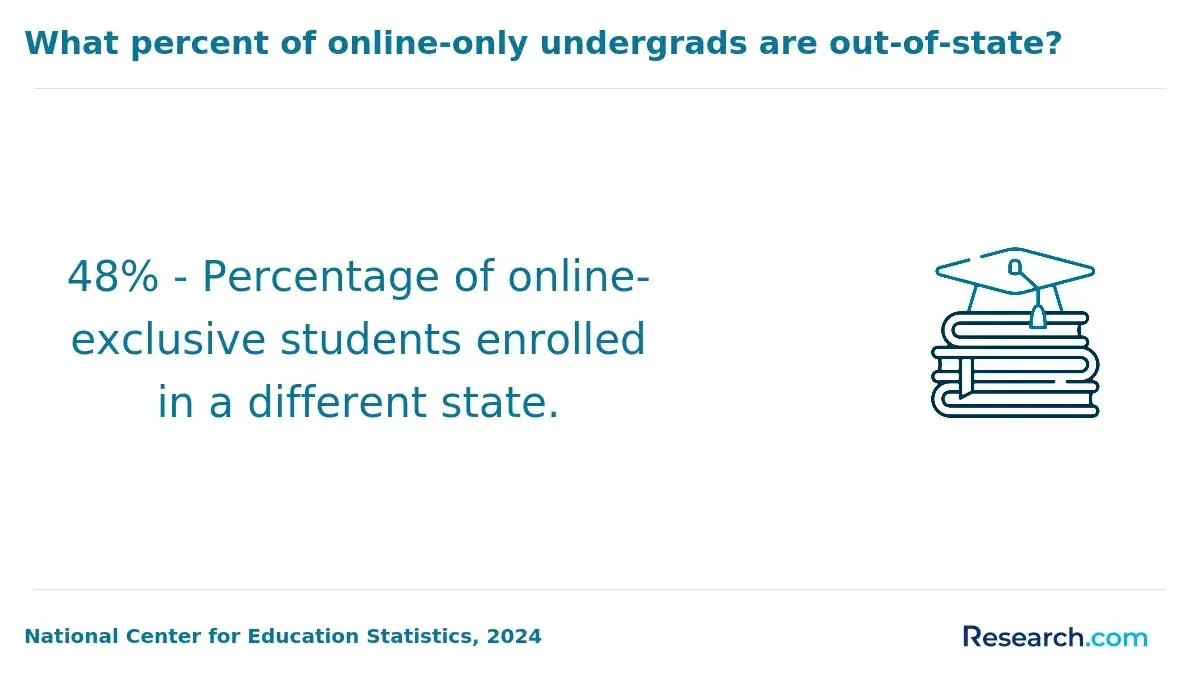
Do Online Animal Science Graduates Have Different Repayment Outcomes Than Campus-Based Students?
Recent data from high-authority education research organizations indicate that graduates from public institutions in animal science degree programs generally achieve higher student loan repayment rates than their private counterparts. The Institute for College Access & Success reports that public school graduates exhibit a 24-month repayment success rate roughly 8 percentage points greater than private college alumni.
This gap reflects complex dynamics beyond mere institutional categorization, including repayment challenges specific to online animal science student loan repayment differences, which often appear more pronounced among private, especially online-based, program graduates. These repayment variations further illustrate how comparing campus-based and online animal science graduate payments requires nuanced understanding of institutional finance and student outcomes.
The key factors driving these repayment disparities stem from notable differences in tuition costs, average borrowing amounts, and earnings potential after graduation. Public institutions typically charge lower tuition, resulting in smaller cumulative debt burdens and more manageable monthly loan payments. In contrast, many private programs, particularly those heavily weighted toward remote delivery, have higher tuition rates and encourage greater reliance on student loans, leading to elevated debt-to-income ratios.
Earnings outcomes are also influenced by institutional networks and employer ties, which tend to be stronger at traditional campus-based public universities, supporting steadier repayment capacity. These financial and employment realities compound to affect overall repayment behavior and long-term financial strain for graduates.
Such disparities in loan repayment between public and private animal science graduates carry significant implications for both student borrowers and institutional accountability. Higher repayment stress among private institution alumni may limit long-term economic mobility and shape perceptions of program value, influencing decisions for prospective students considering borrowing to finance their education.
Understanding these repayment trends in depth is essential for informed financial planning, especially for those exploring less traditional paths, including online degrees or alternative formats such as masters in organizational leadership online, which share some debt management challenges pertinent across disciplines.
Which Industries Provide the Best Financial Return Relative to Borrowing Costs?
Financial return for animal science graduates varies widely across industries, influenced not just by starting salaries but by earnings growth, job availability, and typical debt levels carried from education. Return on investment must be understood as balancing income progression against borrowing burdens rather than focusing on raw wage figures alone. Industry-specific hiring realities and pay trajectories shape how quickly graduates can manage student loan repayment and achieve financial stability.
- Veterinary Services: This sector generally offers the strongest financial return relative to student debt. Median salaries for early- to mid-career veterinarians often range between $80,000 and $100,000, supporting more rapid loan amortization despite significant educational expenses. The 15-year default rate for veterinary grads remains under 10%, reflecting a broad alignment between salary levels and typical debt loads in this field.
- Commercial Animal Production: Industries such as livestock operations and animal breeding present moderate returns by balancing stable hiring demand with salary growth over time. While entry salaries typically fall between $40,000 and $60,000, upward mobility and specialized roles in production systems can accelerate income increases, mitigating the longer-term impact of borrowing.
- Agricultural Research and Nutrition: Although these roles are directly relevant to animal science studies, median wages tend to be lower relative to veterinary careers and often fall into the $40,000 to $60,000 range. Combined with moderate borrowing levels, this translates to extended repayment periods and higher financial risk unless supplemented by grants or institutional support.
- Government and Nonprofit Animal Welfare: Positions in conservation, regulatory agencies, or nonprofit organizations offer valuable societal contributions but often lack competitive salaries necessary to swiftly offset educational debt. These roles may require alternative financial strategies given the tighter income margins relative to borrowing.
- Laboratory Technician and Extension Services: Entry-level positions in lab work or community extension programs demonstrate the lowest financial return relative to loan burdens, with salaries clustering near $35,000. Graduates in these paths face prolonged repayment schedules and elevated default risks unless supported by additional income streams or debt relief programs.
Does Student Debt Affect Which Jobs Animal Science Graduates Accept?
Student loan obligations heavily shape early employment choices for animal science graduates by imposing strict financial constraints that prioritize immediate income over ideal job fit. The typical debt-to-income ratio for many entering this field often compels graduates to select positions offering sufficient monthly earnings to cover loan repayments, which average about $350 per month as reported by the National Center for Education Statistics in 2024.
This necessity frequently leads to accepting roles outside specialized animal science sectors, such as general agriculture or sales, where salaries are comparatively higher but may not align with long-term professional objectives. Consequently, the pressure to maintain financial stability can eclipse opportunities for gaining relevant experience, delaying career trajectories that would otherwise support specialization or advancement within animal science.
The impact of student debt on job selection also varies significantly between those with high and low borrowing levels, influencing industry preference, geographic mobility, and career planning. Graduates burdened with larger debts tend to be less flexible in relocation, often moving toward urban or industrial centers that offer better pay but may disconnect them from preferred rural or fieldwork settings intrinsic to animal science.
This financial constraint narrows their employment options, sometimes at the cost of long-term professional growth and skill development through internships or graduate studies. In contrast, graduates with minimal debt can afford greater selectivity and may prioritize career alignment, reflecting a structural divide shaped by financial capacity rather than talent or ambition.
One animal science graduate recalled waiting anxiously during a rolling admissions cycle for internship confirmations that could enhance specialty skills highly valued in her field. With looming loan payments, she felt pressured to accept a less relevant but higher-paying role quickly, fearing income gaps might jeopardize her financial standing.
Her decision-making process was marked by hesitation and compromise-balancing the urge to invest in focused training against the immediate necessity to meet debt obligations-illustrating how timeline uncertainties and debt-related stress directly influence career path choices early on. This experience highlights the often-overlooked strategic considerations graduates must navigate amid the financial realities of the animal science labor market.
What Factors Increase Student Loan Repayment Risk for Animal Science Graduates?
Student loan repayment risk for animal science graduates is shaped by multiple interconnected factors spanning financial decisions, academic specialization, and labor market realities rather than a single element. This risk is closely tied to both the scale of borrowing and the stability of post-graduation earnings, which fluctuate significantly based on sector and geography. Increased borrowing without corresponding income growth intensifies the challenge of managing loan obligations over time. The complexity of repayment outcomes stems from how debt levels interact with employment conditions, institutional costs, and evolving economic trends.
- Modest Starting Salaries Relative to Debt: The median annual income for animal science graduates within five years post-degree hovers around $40,000 according to the National Center for Education Statistics. This income level often constrains borrowers' ability to cover monthly loan payments, especially for those with higher initial debt, diminishing financial flexibility and increasing repayment risk.
- Income Variability by Employment Sector and Location: Graduates employed in lower-wage roles such as agricultural extension or education face slower wage growth and limited advancement options compared to those in veterinary technology or research. Geographic constraints further compound repayment difficulties by restricting access to higher-paying positions.
- Loan Composition and Interest Rates: Many animal science students finance their education with a combination of federal and private loans. The higher interest rates and rigid repayment structures of private loans amplify repayment challenges, especially when income progression stalls or unexpected expenses arise.
- Financial Literacy and Borrowing Decisions: Insufficient understanding of loan terms and repayment plans can lead to over-borrowing or choosing repayment options misaligned with future earning potential, heightening the risk of default or financial strain.
These factors underscore the importance of prospective students, including those exploring universities that accept 2.0 GPA, to critically evaluate borrowing levels against realistic career earnings. A nuanced assessment of the factors increasing student loan repayment risk for animal science graduates is essential for managing long-term debt exposure effectively.
Moreover, understanding the impact of borrowing levels on animal science repayment outcomes reveals that a careful balance between educational investment and expected labor market returns is critical to reducing financial vulnerability post-graduation.
How Can Animal Science Students Reduce Student Loan Debt While Earning Their Degree?
Reducing student loan debt while completing an animal science degree requires deliberate academic planning, strategic financial aid use, and leveraging institutional opportunities. Effective strategies combine financial awareness with course efficiency and targeted resource application, limiting borrowing without sacrificing educational quality. Proactive decision-making throughout the degree ensures manageable debt levels aligned with future earning potential in this field.
- Begin at In-State Public or Community Colleges - Starting at a lower-cost institution for the first two years substantially reduces tuition expenses. This approach lowers upfront borrowing needs by nearly 40%, as reported by the National Center for Education Statistics, and enables students to matriculate to four-year programs with less accumulated debt.
- Pursue Scholarships and Grants Targeted to Animal Science and STEM Fields - Scholarships and grants provide non-repayable funding, critical in offsetting costs specific to animal science majors. Actively applying to federal aid programs and departmental awards can meaningfully reduce loan dependency during the academic journey.
- Engage in Paid Internships or Cooperative Education - Combining practical experience with income through paid positions decreases living cost reliance on loans. According to the U.S. Department of Education, paid experiential learning can cut average loan amounts by up to 15%, while enhancing employability post-graduation.
- Plan Academic Progress for Efficiency - Careful course scheduling that avoids excess credits and accelerates degree completion limits tuition and related expenses. This strategic pacing reduces cumulative borrowing by shortening time-to-degree without compromising learning outcomes.
- Leverage Institutional Financial Counseling and Resources - Utilizing campus-based financial aid advisors and budgeting tools ensures optimal aid package use and informed borrowing decisions. Students who engage with these resources demonstrate lower overall debt at graduation.
- Consider Alternative Credentialing Opportunities - In certain cases, shorter specialized credentials or certificates relevant to animal science may offer cost-effective pathways that reduce total educational spending, as seen in parallel fields such as year long MBA programs that balance time commitment and affordability.
- Maintain Cost-Conscious Living Habits During Study - While avoiding excessive austerity, students who limit discretionary expenditures preserve income that might otherwise be borrowed. Understanding the long-term implications of high monthly loan payments encourages more prudent financial behavior during the degree program.
Adopting such a multi-pronged approach informs effective strategies for reducing borrowing in animal science programs and helps maintain financial stability throughout and after graduation. Each tactic addresses specific phases of the degree path to contain debt while supporting career readiness.
How Should Prospective Students Evaluate Borrowing Risk Before Enrolling?
Evaluating borrowing risk before enrolling in an Animal Science degree program is essential for understanding the long-term financial implications tied to student debt. Borrowing risk fundamentally reflects a balance between the total anticipated debt load-including tuition, fees, and living costs-and realistic projections of post-graduation earnings potential. Without thorough analysis, students may inadvertently commit to debt levels that exceed their capacity to repay, impacting financial stability for years after completing their degree.
- Post-Graduation Employment Outcomes: Reviewing employment rates and underemployment statistics for animal science graduates helps assess how reliably a degree translates into gainful work, framing the likelihood of sufficient income to cover loan payments. Notably, about 25% of agriculture-related grads face underemployment within two years, signaling caution.
- Starting Salary Benchmarks: Comparing average entry-level wages against expected monthly debt obligations ensures borrowing stays within sustainable limits, generally aiming for debt payments under 8-10% of gross monthly income to avoid excessive financial strain.
- Total Debt Burden: Calculating the aggregate of tuition, fees, living expenses, and accrued interest enables realistic estimation of long-term repayment demands, a critical step to prevent underestimating true costs.
- Institutional Loan Default and Borrower Success Rates: Evaluating default statistics and borrower repayment outcomes at prospective schools provides insight into the relative financial risks associated with that program's graduates.
- Availability of Financial Aid and Alternatives: Considering scholarships, work-study, or assistantship opportunities can materially reduce loan dependence, improving debt-to-earnings ratios and repayment feasibility.
- Program Duration and Flexibility: Longer or inflexible programs can increase overall costs and delay earning potential, affecting total debt accumulation and repayment timelines.
- Career Advancement and Salary Growth Potential: Factoring in expected earnings increases over time supports a dynamic perspective on repayment capacity beyond entry-level salaries, helping determine manageable debt levels relative to longer-term income.
References
- Homepage https://up.poznan.pl/en
- What Is the Average Student Loan Debt for Veterinarians? | SoFi https://www.sofi.com/learn/content/average-student-loan-debt-for-veterinarians/
- Student Loan Debt by Major [2026]: Highest + Lowest Average Debt https://educationdata.org/student-loan-debt-by-major
- Student Debt Center - VIN Foundation https://vinfoundation.org/resources/student-debt-center/
- Average Monthly Student Loan Bill for Veterinarians - ELFI https://www.elfi.com/average-monthly-student-loan-repayment-for-veterinarians/
- Veterinary EduDebtology 101 https://www.vin.com/studentdebtcenter/default/default.aspx
- Veterinary Student Loans? Here Are a Few Things to Know About Repayment Plans Available | North Star Resource Group https://www.northstarfinancial.com/advisors/luke-strode-cfp%C2%AE/blog/student-loans-here-are-a-few-things-to-know-about-repayment-plans-available/
- How to Fix the Veterinarian Student Loan Debt Problem | White Coat Investor https://www.whitecoatinvestor.com/veterinarian-student-loan-debt/
- The State of Student Debt - Veterinary Business Advisors https://veterinarybusinessadvisors.com/the-state-of-student-debt/
- Factors Affecting Loan Repayment Performance of Smallholder Farmers in Ethiopia https://www.sciencepublishinggroup.com/article/10.11648/j.aff.20200903.15
Other Things You Should Know About Animal Science
Programs with heavy lab work, internships, or research components often extend time to degree completion, increasing borrowing needs. Students in such intensive programs might face longer periods of accrued interest and higher overall debt, which can strain monthly repayment ability. Prioritizing programs with efficient credit requirements and clear pathways to degree completion can help minimize unnecessary borrowing and improve cash flow after graduation.
Many animal science careers start with modest salaries, especially in public sector roles or nonprofit organizations, making standard loan payments challenging. Graduates should realistically assess their repayment capacity against expected entry salaries and consider income-driven repayment plans or loan consolidation to avoid default. It is often advisable to prioritize reducing loan amounts during schooling to improve financial resilience in these lower-income early career phases.
Employers in agriculture, veterinary support, or research fields typically expect practical experience alongside academic credentials, influencing internship choices and potentially delaying full-time employment. This can affect timing and size of loan repayments due to deferred or part-time earnings. Choosing programs with strong employer connections and structured experiential opportunities can reduce employment gaps and improve early repayment feasibility.
Fluctuations in course intensity, seasonal fieldwork, or simultaneous research commitments may force some students to work fewer hours or take on additional debt to cover living expenses. This dynamic increases borrowing risk and monthly repayment burdens post-graduation. Students should weigh the tradeoff between workload demands and the need for supplementary income, aiming for programs that provide balanced scheduling or financial support mechanisms to limit excessive borrowing.