2027 Animal Science Skills Gap Analysis: What Employers Want vs What Degree Programs Teach

Co-Founder and Chief Data Scientist
Entering the job market with a degree in animal science can reveal a stark gap between academic preparation and employer demands. A recent graduate might find the practical skills needed for roles in livestock management, research, or agricultural technology underemphasized in their coursework. Employers increasingly seek candidates who combine technical knowledge with hands-on experience and soft skills, which are often inconsistently addressed in degree programs.
This mismatch can leave students uncertain about how to enhance their qualifications to meet real-world expectations. Understanding which competencies are prioritized by employers is critical for career advancement and program selection. This article analyzes the skills gap in animal science education and provides insights on aligning academic training with workforce needs to improve employability.
Key Things to Know About Animal Science Skills Gap
- Employers often expect applied skills like livestock management and data analysis that surpass standard animal science curricula, creating gaps that require targeted internships to meet real-world job demands.
- A 2024 study shows over 60% of animal science employers prioritize hands-on experience with emerging biotechnologies, indicating degree programs must integrate these advances or risk graduate underpreparedness.
- Students boosting career readiness benefit most from cross-disciplinary skills like GIS mapping and project management, translating technical knowledge into operational effectiveness before graduation.
- Key Things to Know About Animal Science Skills Gap Key Things to Know About Animal Science Skills Gap
- What Skills Do Employers Expect From Animal Science Graduates? Employer Expectations
- What Do Animal Science Degree Programs Typically Teach? Program Curriculum
- Where Is the Biggest Skills Gap Between Animal Science Programs and Employers? Biggest Skills Gap
- Which Technical Skills Are Most Important for Animal Science Careers? Technical Skills
- Which Workplace Skills Matter Beyond Technical Knowledge? Workplace Skills
- How Do Internships and Real-World Experience Improve Career Readiness? Career Experience
- How Can Students Close the Animal Science Skills Gap Before Graduating? Closing Skills Gap
- How Is the Animal Science Job Market Changing Employer Skill Requirements? How Is the Animal Science Job Market Changing Employer Skill Requirements?
- How Do Different Animal Science Programs Compare in Career Preparation? How Do Different Animal Science Programs Compare in Career Preparation?
- How Should Students Choose a Animal Science Program That Builds Career-Ready Skills? Choosing a Program
What Skills Do Employers Expect From Animal Science Graduates?
Employers hiring animal science graduates in 2024 prioritize a combination of technical expertise and professional skills that address the increasingly complex landscape of agriculture and biotechnology. Recent reports from LinkedIn and Lightcast identify a strong employer preference for candidates skilled in data analysis, genetics, and digital livestock management systems. Such capabilities are essential due to the growing role of precision agriculture and sustainable farming methods. Furthermore, the animal science job market skills extend well beyond technical knowledge, as effective communication and collaboration with diverse stakeholders remain crucial for navigating those roles.
The expectation to adapt quickly and remain current with scientific advancements is notably high, reflecting the dynamic nature of genetics, nutrition, and environmental science in animal production. Graduates who engage in hands-on learning or internships often demonstrate stronger workplace readiness, especially when they supplement their core knowledge with certifications or specialized training in areas like bioinformatics or sustainable practices. Employers seeking animal science graduates frequently require proficiency in data-driven decision-making platforms and diagnostic software as part of their baseline qualifications.
Below are key skills commonly expected from animal science graduates that align with employer needs across sectors, based on the 2024 labor market analysis.
- Technical Proficiency: Employers value graduates who master genetics, animal health management, and digital monitoring tools. These skills are often acquired through focused coursework combined with practical lab or field experience, contributing to efficiency and innovation in livestock production.
- Communication Skills: Clear, effective verbal and written communication is essential for coordinating with farmers, veterinarians, and regulatory agencies. Students typically develop this skill through group projects, presentations, and stakeholder engagement activities that mirror real-world demands.
- Data Analysis Capability: The ability to interpret complex datasets informs decisions related to animal welfare and production outcomes. This skill is increasingly emphasized within animal science curricula incorporating statistics and bioinformatics, making graduates more competitive.
- Adaptability and Lifelong Learning: Given the rapid advancement of technologies and scientific knowledge, employers expect graduates to demonstrate ongoing professional development. Engagement in workshops or obtaining certifications, such as those found in specialized BCBA programs, supports this readiness.
- Teamwork and Collaboration: Success in animal science roles requires working effectively within multidisciplinary teams. Collaborative experiences during education, including internships and research projects, enhance graduates' interpersonal skills and leadership potential.
- Problem-Solving: Employers look for graduates who can analyze and resolve challenges in animal health and production systems through innovative approaches. Practical, experiential learning that simulates field scenarios strengthens this capacity.
- Regulatory Awareness: Understanding animal welfare laws and environmental regulations is critical for compliance and ethical decision-making. This knowledge is often embedded in core courses and reinforced through case studies and certification programs.
What Do Animal Science Degree Programs Typically Teach?
Animal science degree programs consistently aim to ground students in the biological and management principles that underpin livestock and companion animal care. While program details vary, a core curriculum balances scientific disciplines with practical applications relevant to agriculture, veterinary support, and animal production industries. Despite this emphasis, many curricula still underrepresent skills like digital literacy or business management, which increasingly shape employability in modern animal-related careers. For instance, a graduate working in dairy nutrition may need to integrate data analysis software with nutritional science to optimize herd health and milk yield. The following list outlines the primary core animal science curriculum subjects found in most programs.
- Animal Biology Fundamentals: Students typically study anatomy, physiology, and genetics to grasp how animals function and adapt. This foundation is essential for all subsequent technical training and supports roles in research, veterinary fields, and production management.
- Nutrition and Feed Science: Curriculum focuses on formulating balanced diets, understanding metabolic processes, and optimizing feed efficiency. Knowledge here directly impacts animal health and productivity, making it crucial for roles in farming, feed industry, and animal welfare.
- Reproductive Management: Courses cover breeding techniques, hormonal regulation, and reproductive technologies. Mastery in this area enables graduates to improve herd genetics and sustainability, addressing industry demands for efficient reproduction.
- Health and Disease Prevention: Programs incorporate disease biology, epidemiology, and preventive care. Understanding these concepts prepares students to support veterinary teams or implement herd health protocols, critical for minimizing economic losses.
- Agricultural Economics and Ethics: Students engage with the financial, regulatory, and ethical considerations in animal agriculture. This interdisciplinary knowledge encourages responsible management and compliance with welfare standards, reflecting industry shifts toward sustainability and public accountability.
- Environmental Sustainability: Reflecting recent trends, about 72% of accredited programs now integrate sustainability principles, teaching how animal agriculture intersects with ecosystem health. Graduates learn to balance production goals with environmental stewardship to meet evolving societal and regulatory expectations.
- Limited Soft Skills Training: Less than 40% of curricula, according to the Higher Education Research Institute, provide structured instruction in transferable skills like project management and communication. This gap can pose challenges for graduates entering roles requiring teamwork, leadership, or interdisciplinary collaboration.
Supplementing formal education with internships or targeted bootcamps, including game design courses online, can help bridge these gaps. Prospective students should weigh which mode-online, hybrid, or campus-best supports exposure to such real-world tools and workflows, which ultimately affects their employability and career trajectory.
Where Is the Biggest Skills Gap Between Animal Science Programs and Employers?
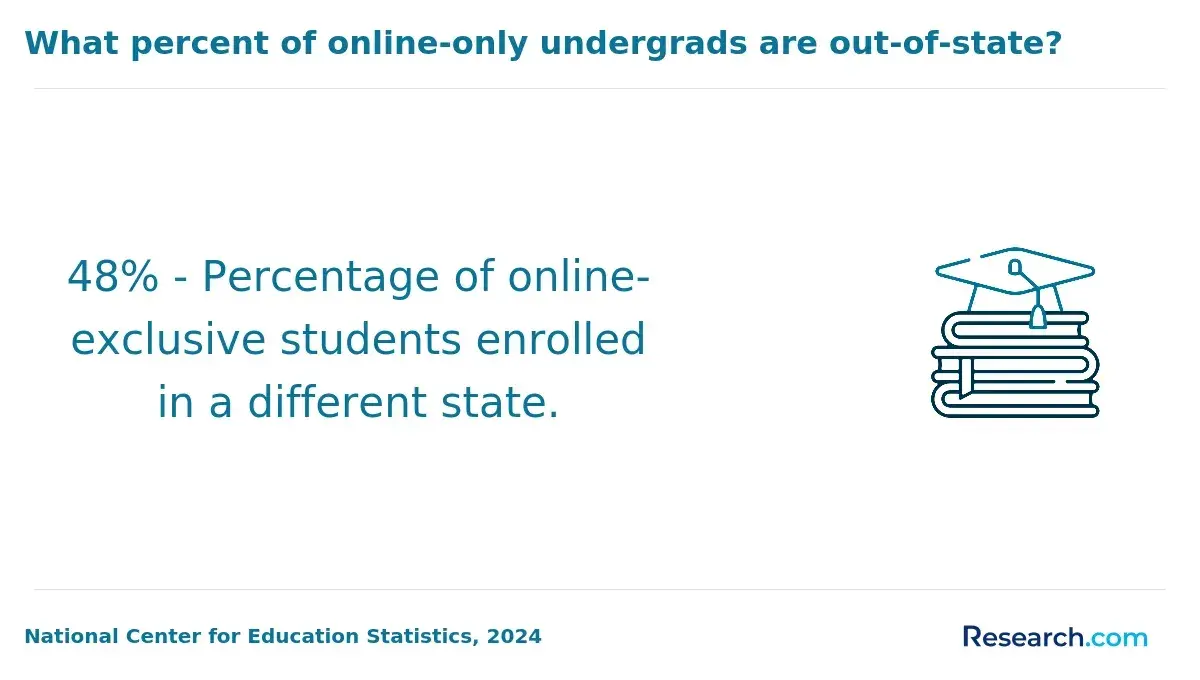
Employer expectations often outpace typical animal science programs in several critical areas beyond foundational knowledge. While graduates may excel in anatomy, physiology, and nutrition concepts, employers increasingly highlight tech proficiency and interdisciplinary skills as essential for on-farm success. According to a 2024 report from the U.S. Department of Agriculture, nearly 60% of employers find recent graduates underprepared for integrating advanced livestock technologies and data-driven management tools in practical settings. The following points summarize where the largest skills gaps most frequently appear and suggest ways students can bridge these divides through targeted experiential learning.
- Applied Technical Skills: Animal science curricula tend to focus on theories over hands-on experience with technologies like precision agriculture, digital monitoring, and bioinformatics. This leaves graduates less confident managing modern farm operations. Internships involving real-world tech applications or certifications in agri-tech platforms can help close this gap.
- Interdisciplinary Problem-Solving: Employers seek individuals who combine biological knowledge with skills in environmental science, policy, and sustainability. Many programs fall short here, limiting graduates' capacity to address complex, cross-field challenges. Participating in cross-disciplinary projects or workshops expands students' integrative thinking and adaptability.
- Communication and Business Acumen: Surveys from the National Institute of Food and Agriculture reveal that graduates frequently lack the business skills needed to navigate regulations, interpret economic data, and engage stakeholders effectively. Experiential opportunities like agribusiness internships, case competitions, or coursework in business fundamentals improve this critical competency.
- Practical Industry Readiness: The gap between academic training and everyday employer demands often results from insufficient exposure to farm-level work environments where operational decision-making occurs. Early involvement in cooperative extension programs or hands-on farm management internships offers clearer insights into workplace realities.
One recent graduate recalled feeling overwhelmed when their first role required managing a herd using a complex digital tracking system unfamiliar from their studies. Initially hesitant to ask for help, they quickly recognized that proficiency with this technology was vital and sought out additional online courses and peer collaborations to build confidence. This experience underscored how real-world tasks often demand immediate application of skills not emphasized sufficiently in formal education and highlighted the importance of proactive skill acquisition before entering the workforce.
Which Technical Skills Are Most Important for Animal Science Careers?
Technical skills translate academic learning into practical work performance, making them critical for animal science graduates aiming to meet employer standards. As agricultural and biological industries adopt new technologies and data-driven methods, traditional hands-on expertise alone no longer suffices. Those who combine foundational knowledge with digital proficiency gain a competitive edge, enabling them to enhance animal health and production outcomes in real-world settings. For example, applying data analytics to herd health monitoring can identify disease patterns earlier, improving intervention strategies and reducing economic losses. Below are key skills that consistently align with employers' needs and foster career resilience in animal science.
- Data Management Proficiency: Employers increasingly prioritize the ability to collect, interpret, and use data through specialized software, including animal health monitoring programs and Geographic Information Systems (GIS). Developing this skill typically involves coursework with data analytics tools and internships where students manage real animal production datasets, supporting better decision-making and operational efficiency.
- Genetics and Biotechnology: Expertise in gene editing and molecular diagnostics is in rising demand, reflecting advances in biotechnology that shape breeding and disease resistance programs. Hands-on laboratory training and learning current biotechnological methods enable graduates to contribute to innovation-driven projects and long-term genetic improvements.
- Laboratory and Biosecurity Skills: Proficiency in sample collection, laboratory analysis, and adherence to biosecurity protocols remains foundational. These skills are honed through rigorous lab classes and fieldwork, ensuring graduates can maintain research integrity and animal health standards in professional environments.
- Applied Nutrition Formulation: The capacity to design balanced diets using nutrient requirement models and dedicated software supports improved feed efficiency and animal welfare. Students develop this competence through nutrition-focused courses combined with software simulations, preparing them to optimize diets under diverse production conditions.
- Animal Behavior and Welfare Assessment: Strong observational skills and welfare evaluation techniques directly impact productivity and regulatory compliance. Practical experiences in on-farm settings and behavior analysis help students develop judgment critical for promoting ethical and effective management practices.
- Integrated Technology Use: Combining computer literacy with field expertise, such as reproductive technologies and herd health management tools, enhances real-time problem solving and record keeping. Fluency in these technologies is often cultivated through interdisciplinary projects and exposure to current agricultural information systems.
- Regulatory Knowledge and Record-Keeping: Understanding compliance with environmental, animal welfare, and safety regulations, along with proficiency using digital record-keeping software, ensures operational transparency and sustainability. Training usually includes policy review and software application exercises, preparing students to navigate complex regulatory landscapes throughout their careers.
The Council on Agricultural Science and Technology reported in 2024 that over 70% of animal science employers now list advanced data and biotechnology skills as essential, reflecting the sector's ongoing shift toward technology-integrated roles.
Which Workplace Skills Matter Beyond Technical Knowledge?
Success in animal science careers hinges on more than technical expertise alone. Employers consistently highlight the growing importance of professional competencies that enable graduates to navigate complex workplace dynamics and evolving industry challenges. According to the U.S. Department of Agriculture's National Institute of Food and Agriculture 2024 workforce report, over 70% of animal science employers identify durable skills as critical hiring factors beyond domain knowledge. For prospective and current animal science students, mastering these additional capabilities can markedly improve employability and long-term career trajectories. Below are key workplace skills essential beyond technical proficiency.
- Effective Communication: Employers demand the ability to clearly translate scientific data into actionable insights for stakeholders with diverse expertise. Students can build this skill through presentations, interdisciplinary projects, and internships, enhancing their influence in collaborative environments.
- Critical Thinking and Problem-Solving: Addressing issues like sustainability and biosecurity requires analytical reasoning and innovation. Practical case studies and experiential learning opportunities provide hands-on situations to develop solutions under real-world constraints.
- Teamwork and Collaboration: Animal science roles often intersect with environmental science, veterinary medicine, and business sectors. Engaging in group research and cross-disciplinary coursework fosters the ability to work effectively in diverse teams while managing conflicts constructively.
- Professional Work Ethic: Time management, accountability, and resilience are vital, especially in fieldwork or research roles where dependable performance under pressure is expected. Students benefit from structured project deadlines and reflective practice to build these habits.
- Adaptability and Learning Agility: The animal agriculture industry evolves rapidly, demanding flexibility to integrate new technologies and regulations. Cultivating a mindset open to continuous learning helps graduates remain relevant amid shifting career landscapes.
- Interpersonal Negotiation Skills: Navigating stakeholder interests requires diplomacy and persuasive communication. Participation in leadership roles or stakeholder engagement simulations can strengthen these abilities.
- Data Interpretation and Storytelling: Beyond raw data analysis, conveying compelling narratives is crucial for influencing multidisciplinary teams and policy discussions. Coursework emphasizing technical writing and visualization techniques supports this skill.
The challenge for animal science programs is to integrate these essential soft skills with rigorous scientific training to align with employer expectations. As students consider their educational pathways, they may also explore complementary credentials or training, such as lMFT programs, which offer models for incorporating durable skills development in professional contexts.
How Do Internships and Real-World Experience Improve Career Readiness?
Classroom instruction in animal science often emphasizes theoretical knowledge but tends to fall short in cultivating the practical skills and applied judgment employers demand. Real-world experiences like internships enable students to translate academic concepts into tangible problem-solving within professional environments, fostering confidence and situational awareness. For instance, managing livestock nutrition in a commercial setting requires adaptability and quick decision-making that lectures cannot simulate. Such immersive learning enhances not only technical proficiency but also critical thinking and professional maturity, which are essential for navigating the complexities of animal science careers.
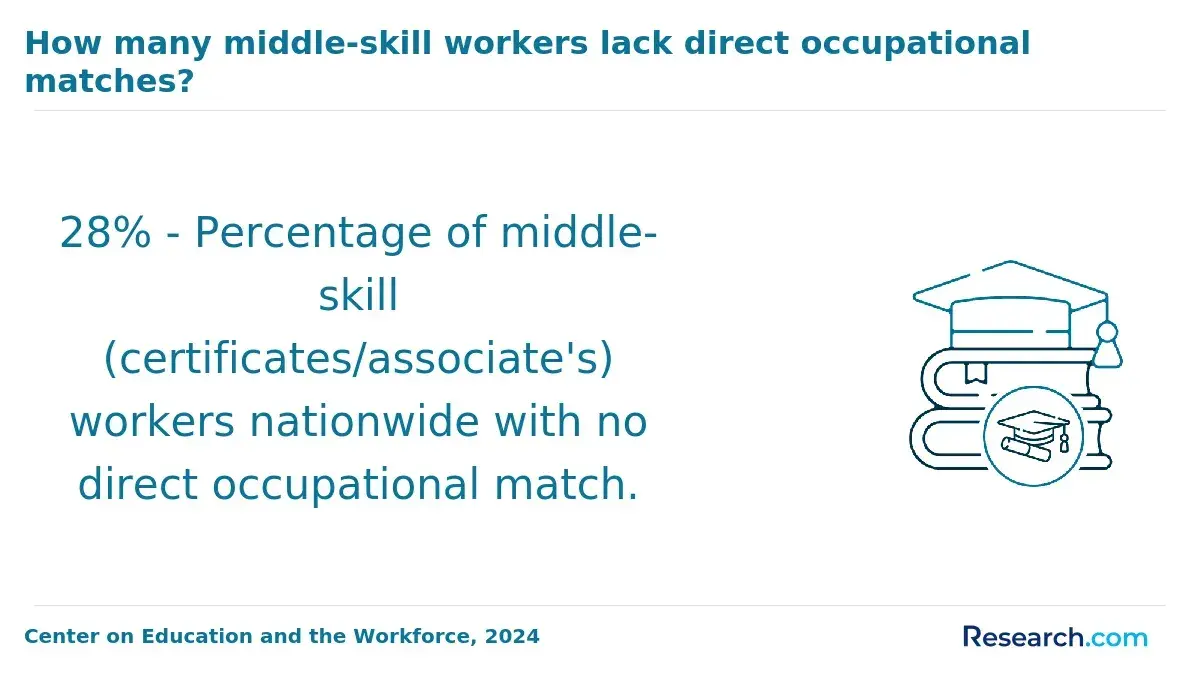
Internships and related experiential learning provide crucial opportunities to refine specialized technical skills, develop effective workplace communication, and understand industry norms. Engaging directly with employers exposes students to the dynamic expectations and evolving technologies in the field while expanding their professional networks. However, access to high-quality experiences varies by program and sector, making strategic selection important. According to a 2024 report from the National Association of Colleges and Employers, over 70% of animal science employers prefer candidates with internship experience, and graduates who complete such placements enjoy a 25% higher job placement rate within six months post-graduation, underscoring the tangible benefits of these experiences.
To maximize the impact of experiential learning, students should pursue internships early alongside applied projects that challenge them to integrate classroom theories with real-world scenarios. Building strong mentorship relationships and continuously reflecting on workplace lessons help solidify professional skills and clarify career intentions. Yet, internships alone are insufficient for full career readiness; they must be combined with sustained academic effort, skill development, and proactive career planning to truly prepare graduates for a competitive and ever-changing workforce.
How Can Students Close the Animal Science Skills Gap Before Graduating?
Students aiming to enter the animal science workforce don't have to wait until graduation to develop the skills employers demand. Building practical competencies alongside academic study gives graduates a distinct advantage, often smoothing their transition into full-time roles. Numerous 2024 reports from the National Center for Education Statistics and the Council on Undergraduate Research reveal that early immersion in workplace realities through internships and research significantly boosts employability. With intentional planning, students can strategically bridge their skills gap well before completing their degree. Below are key tactics to consider.
- Substantive Internships: Securing internships that involve meaningful responsibilities-not just observation-helps students engage with real-world challenges, enhancing problem-solving and technical skills. Employers value candidates who have navigated workplace dynamics firsthand, so seek roles offering hands-on tasks related to animal management, lab work, or regulatory compliance.
- Undergraduate Research: Participating in faculty-led or independent research deepens analytical and experimental know-how. The 2024 Council on Undergraduate Research shows students involved in research have higher employability ratings. Identifying projects that align with industry needs, such as data analysis or nutrition studies, fills critical skill gaps employers report.
- Project-Based Learning: Collaborating on interdisciplinary projects sharpens communication, teamwork, and innovation. These exercises simulate complex problems typical in animal science fields, fostering adaptability that traditional lectures don't provide. Prioritize courses or clubs offering group research, case competitions, or community outreach.
- Professional Certifications: Earning certifications in areas like animal handling, lab animal care, or food safety provides tangible proof of competence. The USDA's 2024 workforce development data confirms certified graduates often command higher starting salaries and greater career mobility. Certifications also help graduates stand out in competitive job markets.
- Networking and Mentorship: Building relationships with industry professionals and faculty mentors can open doors to internships and research opportunities. Engagement beyond the classroom increases awareness of employer expectations and emerging trends, allowing students to tailor their learning effectively.
- Skill Gap Assessment: Regularly evaluating personal competencies against employer demands lets students target weak areas. Incorporate feedback from supervisors or career services to prioritize skills such as experimental design, data interpretation, or regulatory knowledge.
A previous graduate recalled hesitating to apply for a research assistantship early in their program, unsure if their skills were adequate. After encouragement from a professor, they accepted the role, which required designing feeding trials for livestock. This experience exposed them to both expected tasks and unforeseen problems like inconsistent data collection. Navigating these challenges before graduation reduced anxiety during job interviews and fostered confidence in adapting to workplace uncertainty. The graduate credits this blend of research and hands-on troubleshooting as pivotal in closing their skills gap prior to entering the labor market.
How Is the Animal Science Job Market Changing Employer Skill Requirements?
Technological innovation, automation, and shifting industry priorities are reshaping the animal science job market trends 2024, demanding a hybrid skill set that marries traditional animal management expertise with advanced technical abilities. Employers now seek proficiency in digital tools, bioinformatics, and precision farming, reflecting a broader move toward sustainability and data-driven decision making. For example, a livestock specialist might be expected not only to manage herd health but also to analyze genetic data to improve breeding outcomes-a clear shift from purely experiential knowledge to integrated analytic competency.
These evolving employer skill demands in animal science underscore the importance of continuous learning and adaptability. Alongside technical skills such as environmental impact assessments and automated monitoring, soft skills like critical thinking and effective communication have become essential, facilitating collaboration among diverse stakeholders. Labor market analytics from Lightcast point to a persistent gap between graduate preparedness and the sophistication expected in digital literacy and applied analytics, highlighting why hands-on experience and interdisciplinary training cannot be overlooked in academic programs.
Students aiming to meet these workforce demands should combine core animal science coursework with internships, applied projects, and professional networking to develop real-world problem-solving skills. Engaging in certifications or cross-disciplinary studies can further enhance employability in a competitive labor market. Additionally, exploring fields like photography degree online can sharpen digital proficiency and creativity, providing valuable complementary skills. Integrating these elements cultivates a resilient career foundation aligned with long-term industry transformation.
How Do Different Animal Science Programs Compare in Career Preparation?
Career preparation in animal science depends on more than the degree title alone; it involves how well programs integrate practical skills with academic knowledge to meet evolving employer demands. Graduates from programs emphasizing hands-on learning are generally more adaptable in the workforce than those from theory-heavy curricula. As recent 2024 data from the National Agricultural Statistics Service and the Association of Public and Land-Grant Universities confirm, programs offering cooperative education and industry partnerships report higher early career employment rates. Consider these critical factors when comparing animal science program effectiveness in workforce preparation.
- Experiential Learning Integration: Programs that embed internships, laboratory work, and cooperative education opportunities enable students to develop real-world skills and confidence. The availability and quality of these experiences vary widely, so prospective students should assess how well each program connects academics with industry practice to maximize career readiness.
- Interdisciplinary Curriculum: Some programs blend genetics, nutrition, business, and emerging technologies like precision agriculture, better preparing graduates for diverse roles. Broad-based curricula cultivate adaptability, a key employer expectation, especially for addressing complex challenges like animal welfare and supply chain sustainability.
- Soft Skills Development: Effective programs emphasize communication, teamwork, and problem-solving alongside technical expertise. These competencies are increasingly valued by employers and often differentiate candidates when academic performance is comparable.
- Industry Partnerships and Networking: Access to strong partnerships can accelerate job placement through direct industry exposure and connections. Students should examine how programs facilitate industry engagement, which impacts their workforce readiness and long-term career opportunities.
For example, a graduate from a program lacking structured internships but excelling in theory may struggle to secure immediate employment compared to peers with hands-on experience. When evaluating animal science degree programs for career readiness, align your preferences and goals with program strengths to bridge the gap between academic preparation and workforce expectations. For insights on career outcomes and salary trajectories related to biology-focused roles, reference research such as the FBI profiler salary report.
How Should Students Choose a Animal Science Program That Builds Career-Ready Skills?
Choosing between online, hybrid, and campus animal science learning formats involves weighing distinct long-term benefits and challenges tied to career readiness and skill development. Recent 2024 data from the National Center for Education Statistics shows that experiential learning and industry collaboration significantly improve employment outcomes, which vary by format. Below are key considerations to guide students in selecting a format aligned with their goals and circumstances.
- Hands-On Experience: Campus programs offer direct access to labs and internships, critical for practical skills employers seek. Hybrid formats balance this with online flexibility, while fully online students must seek local opportunities independently.
- Networking Opportunities: Campus learning facilitates ongoing face-to-face industry connections and mentorships, boosting job placement. Hybrid allows some in-person interaction; online formats rely more on virtual networking tools.
- Flexibility and Accessibility: Online formats provide unmatched schedule flexibility and access for working students or those in remote areas. Hybrid programs partially blend flexibility with in-person benefits; campus formats require fixed attendance.
- Curriculum Adaptability: Accredited programs across all formats are increasingly integrating emerging topics like data analytics and regulatory compliance, but campus programs often update courses more swiftly through close industry ties.
- Technology Skills Development: Online and hybrid learners often gain stronger digital communication and remote collaboration skills, essential in modern animal science roles.
- Long-Term Career Support: Schools with robust career services-common in campus and hybrid formats-tend to provide better mentorship, resume assistance, and employer connections beneficial after graduation.
References
- Animal Science Course Field Experiences Provide Opportunities ... https://nactajournal.org/index.php/nactaj/article/download/132/71/2077
- Animal Science Internships Abroad - Animal Health & Care https://www.ceastudyabroad.com/job-description/animal-sciences
- Animal Science Skills (Animal Care) - Cork College of FET - Douglas Street Campus https://douglasstreetcampus.ie/our-courses/applied-sciences/animal-science-skills-animal-care/
- Ultimate Guide to Skills Gap Analysis (2026) https://www.eubrics.com/blog/skill-gap-analysis
- Animal Science: Lucrative Careers (Six-Figure Salary!) https://degreefromanywhere.com/animal-science-lucrative-careers/
- BSAS https://www.bisas.org.uk/undergraduates-and-early-career/ec-education
- Poll Results: Keys to a Successful Animal Science Job Search https://continentalsearch.com/animal-science-job-search-poll/
- How to Stand Out as a Candidate in Animal Science? - The Aicila Group https://aicila.com/how-to-stand-out-as-a-candidate-in-animal-science/
- Animal Science Degree- Best Schools, Major & Programs https://www.onlinedegree.com/bachelors/animal-science/
- Animal Science Degree Career Guide: Paths and Opportunities https://collegedegree.education/animal-science-degree-career-guide-paths-and-opportunities/
Other Things You Should Know About Animal Science
Degree programs often emphasize theoretical understanding, which can leave graduates underprepared for hands-on challenges employers expect them to navigate immediately. Employers value candidates who can apply concepts to real-world animal health, husbandry, and production scenarios without extensive additional training. Students should prioritize programs that integrate applied labs, fieldwork, or partnerships with industry, as these better position graduates to meet workplace demands and reduce the onboarding gap.
While deep technical skills can enhance specialization, employers increasingly seek versatility due to evolving agricultural technologies and regulatory landscapes. Graduates with a broader skill set-including data literacy, communication, and project management-tend to adapt more smoothly to diverse roles. Prioritizing interdisciplinary training alongside core animal science knowledge can yield greater long-term career flexibility and resilience in a shifting job market.
Programs heavily focused on research develop critical thinking and experimental design skills but may underdeliver on the practical competencies and soft skills required by employers. This can delay readiness for roles centered around farm management, animal welfare compliance, or product development. Students must weigh their career goals carefully: those aiming for academia or advanced R&D might thrive, but those targeting immediate industry positions should seek opportunities to complement research-heavy curricula with internships or applied experiences.
Significant differences in how animal science programs sequence courses and allocate time to experiential learning create inconsistencies in graduate readiness. Programs with fragmented or overly rigid curricula can hinder students from tailoring their learning to sector-specific demands, creating gaps employers notice. Prospective students should evaluate curriculum flexibility and opportunities to customize their education toward practical skill acquisition to optimize their career-readiness upon graduation.