2027 Forensic Science Degree Outlook Through 2030: Enrollment, Salary, and Hiring Projections

Co-Founder and Chief Data Scientist
Deciding whether to pursue or continue a forensic science degree requires careful analysis beyond headline growth or salary figures. Although enrollment in forensic science programs grew by 7% nationally in 2023, this rise masks uneven graduate supply and regional demand disparities, which often produce intense competition in saturated urban job markets. Rising credential requirements and automation in certain forensic disciplines further complicate prospects, altering hiring patterns across crime labs and private sectors.
Solely focusing on projected job openings or average salaries risks overlooking these nuanced challenges. This article examines forensic science enrollment, salary patterns, hiring projections, industry demand, geographic opportunity, and evolving workforce trends through 2030 to inform smarter education and career choices.
Key Things to Know About the Forensic Science Degree Outlook Through 2030
- Rising enrollment in forensic science programs outpaces job openings, indicating potential graduate oversupply; this tradeoff suggests applicants must differentiate through specialization or advanced credentials to remain competitive.
- Employer surveys from 2024 reveal increased demand for forensic experts skilled in digital evidence analysis, shaping hiring toward candidates with combined cyber and traditional forensic expertise.
- Delays and higher costs in obtaining forensic science clearance and certification mean candidates should anticipate longer timelines and budget accordingly, impacting career entry and progression speed.
- Key Things to Know About the Forensic Science Degree Outlook Through 2030 Key Things to Know About the Forensic Science Degree Outlook Through 2030
- How is Forensic Science Degree Enrollment Expected to Change Through 2030? Enrollment Trends Through 2030
- How Many Forensic Science Graduates Will Enter the Workforce by 2030? Graduate Workforce Entry Projections
- What Are the Hiring Projections for Forensic Science Graduates Through 2030? Hiring Projections Through 2030
- Which Forensic Science Careers Will Experience the Most Job Growth? Fastest-Growing Career Paths
- What Is the Salary Outlook for Forensic Science Graduates Through 2030? Salary Outlook Through 2030
- Which Industries Will Hire the Most Forensic Science Graduates by 2030? Top Hiring Industries
- Where Will Demand for Forensic Science Graduates Be Strongest? Strongest Geographic Demand
- Which Forensic Science Specializations Will Be Most in Demand by 2030? Which Forensic Science Specializations Will Be Most in Demand by 2030?
- How Will AI and Technology Affect Forensic Science Careers Through 2030? How Will AI and Technology Affect Forensic Science Careers Through 2030?
- Is a Forensic Science Degree Worth Pursuing Based on 2030 Projections? Degree Value Through 2030
How is Forensic Science Degree Enrollment Expected to Change Through 2030?
Forensic science degree enrollment trends in the US through 2030 reflect a nuanced interplay between steady interest and external labor market pressures. While annual enrollments are projected to rise modestly, typically by around 3% to 5%, this growth does not occur in isolation. For instance, increased demands for practical experience and advanced certifications mean programs emphasizing applied learning and internships may attract more candidates, leading to uneven growth across institutions. With rising competition for limited spots at larger research universities and specialized forensic colleges, prospective students should weigh how program capacity and selectivity might impact their admission chances and career readiness.
Projected growth of forensic science graduates in North America by 2030 also intersects with evolving employer expectations and budget constraints within forensic labs, producing tradeoffs between supply and demand. A growing share of programs now integrates technology and interdisciplinary skills, but candidates must consider the risk of oversaturation in some regional job markets, where budget fluctuations affect hiring volumes.
Meanwhile, demographic shifts expand applicant pools, particularly among first-generation and minority students, intensifying admission competition and influencing educational equity. These trends suggest that students and educators will need to monitor workforce signals closely and possibly pivot to specialized areas or complementary skill sets to maintain favorable employability outcomes in a complex forensic science landscape.
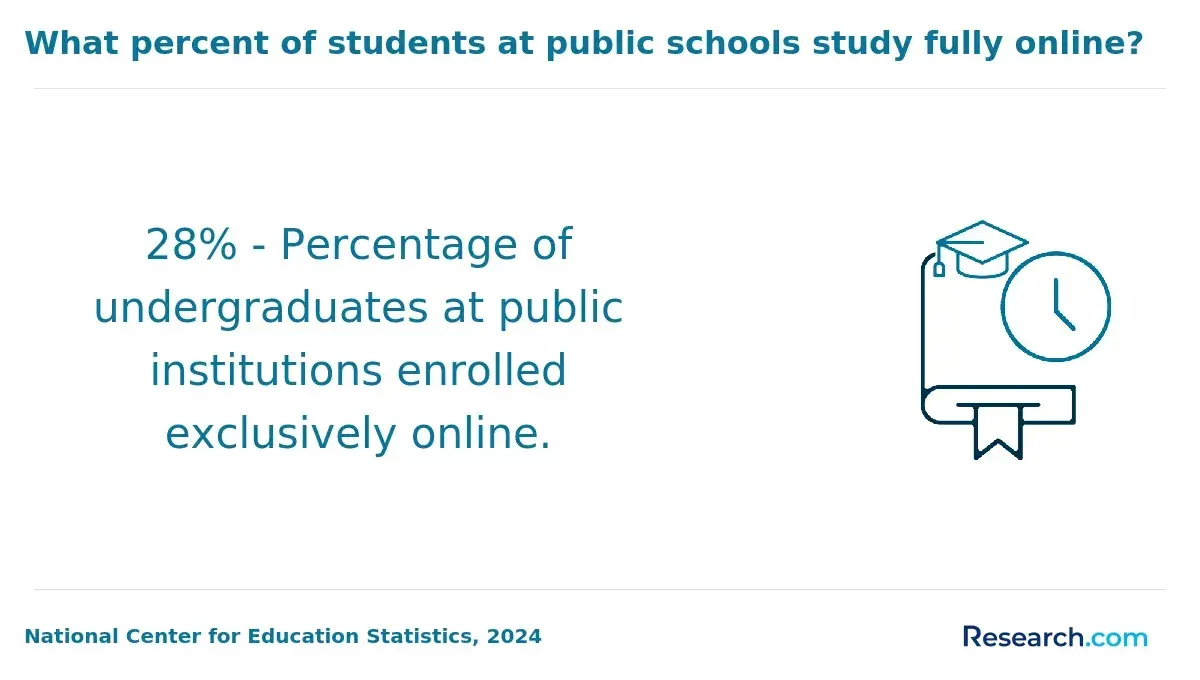
Shifts in program delivery, such as the expansion of online options in related fields, may further reshape enrollment dynamics, although forensic science's hands-on nature limits full virtualization. Students balancing career goals with financial and time commitments might explore related accelerated tracks, similar to accelerated MHA programs online, to optimize education-to-employment transitions. Ultimately, prospective students should approach forensic science degree enrollment projections with a strategic perspective that accounts for institutional capacity, realistic job market scenarios, and the evolving criteria hiring agencies prioritize to maximize the return on their educational investment.
How Many Forensic Science Graduates Will Enter the Workforce by 2030?
Graduate output in forensic science alone does not dictate workforce opportunity, as multiple factors mediate the translation of degree completions into actual job market entrants. For example, despite projected yearly increases in degree awards-estimated to approach nearly 4,000 graduates by 2030-only about 70% of those holders enter roles directly related to forensic science or criminal justice within a couple of years, reflecting choices toward advanced education, certifications, or alternative fields.
Enrollment growth aligns with gradual expansions in program capacity and student demand, but this must be contextualized with the uneven geographic distribution of forensic facilities and periodic hiring freezes driven by budget constraints. Therefore, prospective graduates should weigh how hands-on experience and specialized skills influence employability, acknowledging that supply growth may heighten competition especially in concentrated urban or state markets.
Recent data from national education and labor agencies indicate forensic science is a field experiencing steady but measured expansion, supported by a forecasted 8% growth rate in forensic technician jobs through 2032, faster than many other occupations. However, this favorable outlook does not smooth over practical hiring realities, where internship experience, technological proficiency, and adaptability often separate successful candidates from peers.
Moreover, demographic shifts and the increasing role of online or hybrid learning models may alter the profile of graduates entering the workforce, with some opting to delay entry in favor of gaining credentials that better align with emerging forensic methodologies. Thus, the interplay between degree production and meaningful employment opportunities requires considered navigation rather than reliance on degree counts alone.
One recent graduate's experience highlights these dynamics: graduating amid a cohort expanding due to rising enrollments, they faced a job market where many competitive positions attracted similarly credentialed peers. This student engaged extensively in internships and supplemental training to distinguish themselves, mindful that not every new graduate could seamlessly secure a forensic science role immediately.
Their cautious optimism reflected awareness that increasing pipeline volume necessitated strategic positioning, balancing the risk of delayed entry against the benefit of enhanced qualifications. This individualized approach underscores how supply projections intersect with practical decision-making at the career threshold.
What Are the Hiring Projections for Forensic Science Graduates Through 2030?
Employer demand for forensic science graduates through 2030 appears moderate and geographically uneven, influenced by sector-specific funding and regional crime patterns rather than uniform growth. While the U.S. Bureau of Labor Statistics projects an 11% employment increase for forensic science technicians from 2022 to 2030, this growth translates to roughly 1,200 annual job openings that include replacement positions, indicating actual entry-level opportunities are limited and competitive. Prospective graduates relying solely on national growth rates risk overlooking localized shortages or oversupplies and the nuanced hiring practices that favor specialized expertise and advanced credentials.
Forensic science careers increasingly demand technical proficiencies in areas like digital forensics and DNA analysis, with employers showing preference for candidates holding master's degrees or certifications, especially in federal or high-profile crime lab settings. Additionally, integration of artificial intelligence and machine learning into forensic workflows may reduce demand for some routine technical tasks while simultaneously creating roles focused on technology management and data interpretation. Students and current degree holders should therefore critically assess their skill development and consider geographic mobility to align with the variable labor market and evolving employer expectations over the next decade.
Which Forensic Science Careers Will Experience the Most Job Growth?
Job growth in forensic science through 2030 is concentrated in roles involving advanced technology, with forensic computer specialists and digital forensic analysts leading employment gains due to the rise of cybercrime and data breach investigations. While these positions show growth rates nearing 19%, students should consider that entering these fields often requires specialized training beyond a traditional forensic science degree, including cybersecurity skills and familiarity with digital evidence protocols. Forensic science technicians continue to see solid demand at around 14%, but automation and evolving lab technology mean those without cross-disciplinary expertise or advanced analytical skills may face increased competition and slower growth prospects.
Emerging areas such as forensic bioinformatics and toxicology offer promising opportunities linked to personalized medicine and complex chemical analysis, though these fields currently represent smaller employment pools and require domain-specific knowledge. It is important for candidates to weigh regional demand fluctuations and the tradeoff between high percentage growth in niche roles versus broader job volume in more established forensic science careers.
For individuals evaluating how to align their education with workforce realities, supplemental training in digital tools or interdisciplinary methods can improve employability and salary outcomes more effectively than focusing solely on traditional laboratory techniques. Prospective students might also explore options through online schools for medical billing and coding as adjunct fields supporting forensic administration and healthcare-related aspects.
What Is the Salary Outlook for Forensic Science Graduates Through 2030?
Salary projections for forensic science graduates through 2030 must be considered within a complex context of inflation rates, shifting labor demand, evolving credential expectations, and rapid technological advancements. Growth in compensation is not uniform and depends heavily on sectoral shifts and the professional's ability to adapt to new skill requirements.
Forensic science roles tied to public agencies may see slower wage increases compared to private sector positions focused on digital or biochemical specialties. Graduates who invest in advanced certifications and hands-on experience generally have a clearer path to higher pay, but this often comes with delayed entry-level earning potential or geographic relocation. The following points summarize key factors shaping salaries for forensic science graduates going forward.
- Inflation and Wage Adjustments: Annual salary increases often lag behind inflation, particularly in government labs where budgets are constrained. While median pay for forensic science technicians was roughly $65,000 in 2024, real wage growth depends on public funding and private sector competitiveness.
- Demand for Specialized Skills: Expertise in areas like digital forensics, DNA analysis, or forensic accounting commands a premium, often 15%-30% above generalist salaries. Specialized certifications accelerate earning potential and differentiate candidates in competitive markets.
- Sectoral Employment Variability: Private firms and consulting roles tend to offer higher salaries than public forensic labs, but job security and benefits may be stronger in public agencies. Professionals must weigh compensation against long-term stability and geographic mobility.
- Experience and Career Trajectories: Entry-level wages start near $45,000-$50,000 but can grow 3%-5% annually with relevant experience, reaching $70,000-$85,000 mid-career. Internship or postgraduate training is critical for improving hireability and negotiating higher salaries.
- Regional Labor Market Differences: Job opportunities and salary ranges vary considerably by location. Urban centers with dense legal and law enforcement sectors typically offer better pay but also higher living costs, affecting net earnings.
- Technological Change Impact: Advances in forensic technologies require ongoing professional development. Those who fail to keep pace with emerging tools risk stagnated wages or reduced job prospects.
- Credential Inflation: Increasing competition raises the baseline education and certification requirements. Graduates holding only a bachelor's degree may see slower salary growth compared to those with specialized postgraduate credentials.
A recent forensic science graduate faced a cautious job market upon completing their degree in 2024. Though offered an entry-level position in a regional government lab, the initial salary was $47,000-close to the lower quartile and insufficient to cover urban living expenses comfortably. Negotiation attempts were restrained by budget limits and a surplus of qualified applicants.
The graduate weighed accepting the offer against relocating to a private firm in a neighboring city offering $55,000 but with less job security and longer commute times. Ultimately, they chose the government role to gain critical experience, recognizing the need for certification and advanced skills to improve future earning potential. Their pragmatic approach reflects the common financial trade-offs graduates navigate when translating academic qualifications into sustainable income early in their careers.
Which Industries Will Hire the Most Forensic Science Graduates by 2030?
Hiring trends through 2030 for forensic science graduates will hinge on shifts in technology, regulation, and demand for specialized services across various sectors. Industry growth combined with workforce replacement needs shapes not only volume but also access to roles requiring distinct skills. For example, cybersecurity's rapid expansion demands dual expertise, while government agencies offer stability tempered by hiring constraints. Assessing these trajectories reveals nuanced tradeoffs between job availability, required credentials, and competitive pressures.
Below are five key industries expected to lead in forensic science graduate employment by 2030.
- Government Agencies: Federal, state, and local law enforcement remain primary employers due to ongoing needs for evidence analysts in criminal investigations. While this sector offers relative stability and public service appeal, budget and hiring restrictions can limit openings. Candidates benefit from familiarity with regulatory standards and strong chain-of-custody protocols.
- Private Forensic Laboratories: Growing outsourcing to private labs drives demand for specialists in DNA, toxicology, and chemical residue analysis. These roles often require balancing scientific rigor with client expectations and fast turnaround, placing a premium on technical precision and communication skills.
- Healthcare Industry: Rising employment in medical examiner offices and pathology departments aligns with demographic aging and expanded autopsy rates. Opportunities favor those with forensic pathology credentials or interdisciplinary training, especially given the need for medical-legal expertise.
- Cybersecurity and Digital Forensics: One of the fastest-growing fields, driven by increased cybercrime incidents. Graduates with IT certifications or digital forensic experience find enhanced access here, requiring continual skill updates to address evolving technology threats.
- Emerging Technology Firms: Innovative companies focused on AI-enhanced forensic tools offer roles blending data science and forensic analysis. This niche favors graduates who can integrate forensic knowledge with advanced analytics competencies.
Understanding the diverse industry dynamics behind forensic science graduate employment by industry 2030 supports informed decisions for students and professionals alike. Those planning to specialize may also consider complementary credentials or experience to strengthen their market position. For example, individuals interested in expanding their career options might explore a shortest online nurse practitioner program to leverage interdisciplinary skills in healthcare-related forensic applications.
Where Will Demand for Forensic Science Graduates Be Strongest?
Demand for forensic science graduates will be unevenly distributed across industries and regions, influenced heavily by local law enforcement funding, urban crime rates, and specialized sector growth. For example, metropolitan hubs like Washington D.C. and Los Angeles offer more concentrated opportunities due to the density of federal agencies and advanced forensic laboratories, whereas smaller or rural areas may provide fewer openings despite similar crime statistics.
Candidates must weigh these geographic differences alongside cost of living and competitive applicant pools, as high-demand markets often require advanced cross-disciplinary skills and certifications that go beyond general forensic training.
Growth in employment is not solely rooted in traditional law enforcement roles but increasingly driven by sectors such as digital forensics within cybersecurity firms, biotech companies focusing on toxicology, and government intelligence units addressing homeland security.
Employer expectations now favor candidates with hybrid expertise capable of integrating chemical analysis with digital evidence management, which creates practical tradeoffs in educational pathways and professional development. While national projections indicate a 14% growth rate through 2032, relying on averages obscures significant variability tied to regional judicial reforms and sector-specific demand spikes that influence hiring volume and qualification standards.
Which Forensic Science Specializations Will Be Most in Demand by 2030?
Projected employment trends in forensic science through 2030 reveal significant divergence by specialization, reflecting broader shifts in technology and criminal activity. While digital forensics roles are expanding quickly due to escalating cybercrime and electronic evidence reliance, traditional forensic sciences hold steady but with less dynamic growth. Students must weigh factors like regional labor markets and evolving skill demands against their aptitudes and long-term adaptability.
For example, a candidate comparing digital forensics to forensic toxicology might consider that digital roles, while growing faster, require continuous technological proficiency and certifications, whereas toxicology maintains stable demand with a focus on biochemical expertise, particularly around opioid detection. Such tradeoffs should inform specialization choices to balance current opportunities with sustainable career viability.
Here are specializations projected to see notable demand variations:
- Digital Forensics and Cybercrime Investigation: Driven by a 25% projected growth rate reported by employment analyses, this specialization requires mastery of data recovery, encryption, and cyber-incident analysis, catering to law enforcement and corporate security sectors facing rising cyber threats.
- DNA and Molecular Biology Forensics: Essential for violent crime resolution, this field sustains steady demand by leveraging advances in genetic sequencing and database integration, rewarding proficiency in molecular techniques and legal standards for evidence admissibility.
- Forensic Toxicology: Focused on detecting opioids and emerging substances, this specialization meshes laboratory skills with public health implications, growing mildly as overdose-related investigations persist and evolve with novel drug trends.
- Forensic Accounting and Financial Crime Analysis: Responding to the complexity of financial fraud, this area emphasizes multidisciplinary expertise bridging accounting principles and investigative methodologies, increasingly favored by hiring managers handling white-collar crime.
- Forensic Chemistry: While stable overall, automation and screening innovations temper growth, so candidates benefit from integrating digital analytics and cross-disciplinary knowledge to enhance their marketability.
- Digital Fraud Investigation: Growing alongside cybercrime, this niche requires skills in data analytics and financial systems, appealing to agencies and firms combating identity theft and electronic deception.
How Will AI and Technology Affect Forensic Science Careers Through 2030?
The impact of artificial intelligence on forensic science jobs in the US will largely augment and redefine responsibilities rather than simply automate them. Routine functions like fingerprint comparison and DNA matching are increasingly handled by AI systems, shifting entry-level roles toward oversight and validation tasks. Professionals unable to adapt to these changes risk stagnating, as employers demand skills in complex data interpretation and critical thinking alongside technical proficiency. Forensic scientists who combine robust analytical abilities with understanding of AI outputs will likely command greater job security and advancement opportunities.
Technology trends shaping forensic science career growth through 2030 emphasize specialization in digital forensics and management of algorithm-driven tools within legal frameworks. Hiring projections from sources like McKinsey indicate moderate job growth concentrated in roles requiring expertise in data literacy, machine learning basics, and ethical oversight of automated processes. Education programs emphasizing interdisciplinary approaches and practical applied projects will provide more value, while static curricula may leave graduates less employable. Current degree holders should consider continuous upskilling and certifications tailored to these evolving demands.
Prospective students evaluating their options can gain relevant skills by balancing traditional forensic science coursework with technology-focused modules. Those interested in exploring advanced nursing pathways while adapting to fast-changing technology might also find value in a RN to NP bridge program, highlighting the broader trend toward integrating technical and specialized knowledge across disciplines. Overall, the field's future rewards adaptability, continuous learning, and an ability to manage both automated tools and the human judgment essential for accurate, ethical forensic analysis.
Is a Forensic Science Degree Worth Pursuing Based on 2030 Projections?
Projected employment growth for forensic science technicians is notably above average, with a 14% increase through 2032 according to the U.S. Bureau of Labor Statistics. However, this positive trend masks significant variability in outcome depending on specialization, geographic location, and employer type. For instance, graduates without relevant internships or certifications may face underemployment, especially given starting salaries around $40,000 that often do not offset degree costs. Students weighing enrollment in forensic science programs must carefully consider these factors alongside tuition, program duration, and the competitive landscape shaped by adjacent fields like criminal justice.
Enrollment in forensic science has leveled off in recent years, reflecting a saturated market and stable demand. Median salaries hover near $62,000, with top practitioners earning over $100,000, but real-world outcomes heavily depend on technical expertise and practical experience, which many employers prioritize.
This underscores a need for career strategies emphasizing adaptable, technology-savvy skills and geographic flexibility, as higher-paying roles cluster in federal agencies and urban centers. Those considering alternative paths might also explore an online speech pathology degree for military veterans, which represents another steady healthcare-related sector.
Forensic science degree future job market in the United States will require close attention to evolving employer expectations and credentialing standards. Current students and educators must focus on bridging academic preparation with real-world applications to mitigate employment risks. While growth projections are encouraging, the balance of supply and demand in local job markets and the availability of entry-level training opportunities remain decisive factors for long-term career viability.
References
- Careers in forensic science https://www.justice-ni.gov.uk/articles/careers-forensic-science
- Will Forensic Science Technicians be replaced by AI & Robots? https://willrobotstakemyjob.com/forensic-science-technicians
- European Forensic Institute Bachelor's and Masters programmes https://eufor.eu/programmes/
- Guide To Forensic Science Careers | LearnHowtoBecome.org https://www.learnhowtobecome.org/career-resource-center/forensic-science-careers/
- How will Artificial Intelligence Affect Jobs 2025-2030 | Nexford University https://www.nexford.edu/insights/how-will-ai-affect-jobs
- Forensic Science Careers UK Requirements: Complete Guide to Professional Entry and Advancement https://pathologylabtraining.co.uk/biomedical-sciences/forensic-science-careers-uk-requirements
- Wheaton launches new majors in forensic science and medical science - Wheaton College Massachusetts https://wheatoncollege.edu/news/wheaton-launches-new-majors-in-forensic-science-and-medical-science/
- CSI/AI: The Potential for Artificial Intelligence in Forensic Science - ISHI News https://www.ishinews.com/csi-ai-the-potential-for-artificial-intelligence-in-forensic-science/
- Universities Investing in More Degrees to Keep Up with Growing Forensics Industry https://www.forensicmag.com/3594-All-News/617933-Universities-Investing-in-More-Degrees-to-Keep-Up-with-Growing-Forensics-Industry/
- The future of AI in forensic science https://www.bcit.ca/news/stories/the-future-of-ai-in-forensic-science/
Other Things You Should Know About Forensic Science
Many forensic science programs differ significantly in how they balance theoretical coursework versus practical lab experience. Since employers increasingly prioritize candidates with strong, demonstrable skills in evidence handling and analytical instrumentation, students should favor programs offering extensive lab work, internships, or cooperative education opportunities. A highly theoretical curriculum without practical application may hinder job readiness despite strong academic performance, so prioritizing hands-on training improves employability and better aligns with workforce expectations.
Salary and employment prospects vary widely by region due to differences in crime rates, law enforcement budgets, and state-level investment in forensic services. Graduates should realistically assess their willingness to relocate to states or metropolitan areas with higher demand and better pay rather than expecting uniform opportunities nationwide. Staying in lower-demand regions may mean accepting entry-level salaries and fewer advancement options, making geographic flexibility a critical strategic consideration.
While specializing can open doors to niche roles with higher pay or leadership potential, overly narrow expertise risks limiting adaptability as technologies and forensic methods evolve. Graduates are generally better served developing a solid foundational knowledge across multiple forensic areas combined with one or two specializations. This approach enhances flexibility in a shifting job market and aligns with employer preference for candidates who can handle diverse casework and cross-disciplinary challenges.
Forensic science roles often involve high-pressure environments, irregular hours, and responsibility for critical legal outcomes, which contribute to burnout in some sectors. Prospective students and graduates should weigh program duration and intensity alongside post-graduation lifestyle implications. Selecting programs that incorporate stress management training or emphasize work-life balance within forensic disciplines can better prepare candidates for the psychological demands of the profession and reduce early-career attrition.