2027 Forensic Science Affordability by State: Where Students Pay the Most and Least

Co-Founder and Chief Data Scientist
Choosing between two forensic science programs separated by thousands of dollars in tuition can upend the financial plans of many students. When a program in one state charges 50% more than a similar in-state option elsewhere, the decision isn't just about sticker price but the ripple effect on debt and living expenses. A 2024 study from the National Center for Education Statistics found that students in states with higher tuition often borrow substantially more, increasing long-term financial burdens. For prospective forensic science students, understanding these state-level cost patterns is crucial to balancing education quality with affordability and minimizing debt risk. This article examines forensic science affordability by state to help identify where degree pathways are financially viable or costly, enabling more informed enrollment choices.
Key Things to Know About Forensic Science Affordability by State
- State tuition disparities often reflect varying levels of public funding, forcing out-of-state forensic science students to pay up to 3 times more, which significantly alters net cost and access to top regional employers.
- Lower sticker prices in some states correlate with limited forensic lab partnerships, meaning cheaper education may restrict hands-on experience and weaken employability in competitive markets.
- Rising costs of attendance beyond tuition-especially housing-compound affordability issues; those relying on online forensic science programs must assess time-to-completion tradeoffs affecting timely labor market entry.
- Which States Have the Most Affordable Forensic Science Degree Programs? Most Affordable State Programs
- Which States Have the Highest Forensic Science Degree Costs? Highest State Tuition Costs
- How Much Does a Forensic Science Degree Cost by State? Degree Costs by State
- Why Does Forensic Science Affordability Vary So Much Between States? State Affordability Variations
- How Do In-State and Out-of-State Tuition Rates Affect Forensic Science Affordability? In-State vs. Out-of-State Rates
- How Does the Cost of Living Impact Overall Forensic Science Affordability by State? Living Costs and Affordability
- Which States Offer the Best Value for a Forensic Science Degree? Best Value State Degrees
- What Financial Aid and Scholarship Opportunities Can Reduce Forensic Science Costs? What Financial Aid and Scholarship Opportunities Can Reduce Forensic Science Costs?
- Are Online Forensic Science Degree Programs More Affordable Than On-Campus Options? Are Online Forensic Science Degree Programs More Affordable Than On-Campus Options?
- Is a Forensic Science Degree Worth the Cost Based on Career Outcomes and ROI? Degree ROI and Outcomes
Which States Have the Most Affordable Forensic Science Degree Programs?
States with more affordable forensic science degree programs typically combine lower in-state tuition with strong public funding and targeted financial aid, creating a cost structure that directly benefits local students. For example, Wyoming's public universities maintain tuition rates near $5,000 annually due to substantial state subsidies and competitive institutional pricing strategies driven by fewer higher education providers. This scenario illustrates how students residing in such states face fewer financial barriers and can complete degrees with less debt, while out-of-state learners often encounter substantially higher rates, making cross-state enrollment a complex financial decision rather than a straightforward cost-saving choice.
Affordability also shifts when considering the availability of online forensic science programs, which help reduce indirect costs such as housing and commuting, thereby influencing enrollment patterns beyond traditional geographic boundaries. States like Mississippi leverage online degree tracks alongside low regional living costs to attract budget-conscious students who prioritize overall expenses, not just tuition.
These state-level variations in tuition, residency rules, and educational infrastructure mean that students weighing forensic science tuition costs in the United States must evaluate how these factors will impact both their immediate finances and long-term educational value, especially when comparing programs across states. Some may further explore online DNP programs as alternative pathways addressing affordability through flexible delivery models.
Finally, differences in funding priorities reflect policy choices that affect institutional capacity to offer affordable tuition without compromising quality. States investing actively in higher education tend to have lower average costs and more comprehensive financial support options, which can influence degree completion rates and employability outcomes in forensic science fields. For students seeking the most affordable forensic science degree programs by state, these financial and structural trade-offs must be balanced against individual circumstances such as residency status, program format, and career timelines to make informed, sustainable educational investments.
Which States Have the Highest Forensic Science Degree Costs?
States with the highest costs for forensic science degrees often reflect complex tuition models shaped by limited public funding and the predominance of research-intensive institutions. For example, despite generous public university networks, California and New York universities charge tuition that exceeds the national average by roughly 40%, partly due to reduced state subsidies and expensive urban living. This means students must evaluate whether the access to advanced labs and professional networks in these regions justifies the substantial premium, especially since many employer hiring criteria prioritize practical skills and certifications over institutional prestige. Residency restrictions and the scarcity of affordable in-state seats can further complicate financial planning for out-of-state applicants, nudging some toward online or community college alternatives that may better balance cost with education quality.
Forensic science students weighing their options should also consider how living expenses compound tuition disparities in metropolitan centers where housing and daily costs can represent almost half of total outlays. The concentration of private or specialized programs in these areas pushes prices even higher compared to states with broader public college availability. Consequently, students with limited budgets face strategic decisions: whether to accept higher costs for perceived long-term benefits, pursue lower-cost degrees elsewhere, or rely heavily on financial aid that might not fully offset expenses. The impact on post-graduate debt and early-career flexibility is a critical tradeoff, often requiring careful assessment of local job markets alongside educational investment.
A student from a midwestern state shared how the dilemma of enrolling in a high-cost California forensic science program versus a more affordable in-state option shaped their path. Initially attracted by the reputation and facilities in California, they hesitated due to out-of-state tuition and the steep cost of living. After extensive comparisons, including exploring online program options and financial aid packages, they ultimately chose an in-state university offering a solid curriculum with manageable expenses. The decision was tinged with uncertainty about missing networking opportunities but reflected a cautious confidence in balancing quality with realistic financial limits.
How Much Does a Forensic Science Degree Cost by State?
Tuition costs for forensic science degrees differ markedly across states, reflecting a complex interplay of public versus private institution pricing, residency status, and regional economic factors. For example, attending a public in-state program in Wyoming or North Dakota could cost under $6,000 annually, while private universities in states like New York and California often charge more than $20,000 without in-state discounts. This gap forces students to weigh whether paying a premium at a private or out-of-state school justifies the potential access to specialized resources or networks, especially given that out-of-state fees can be two to three times higher than in-state rates.
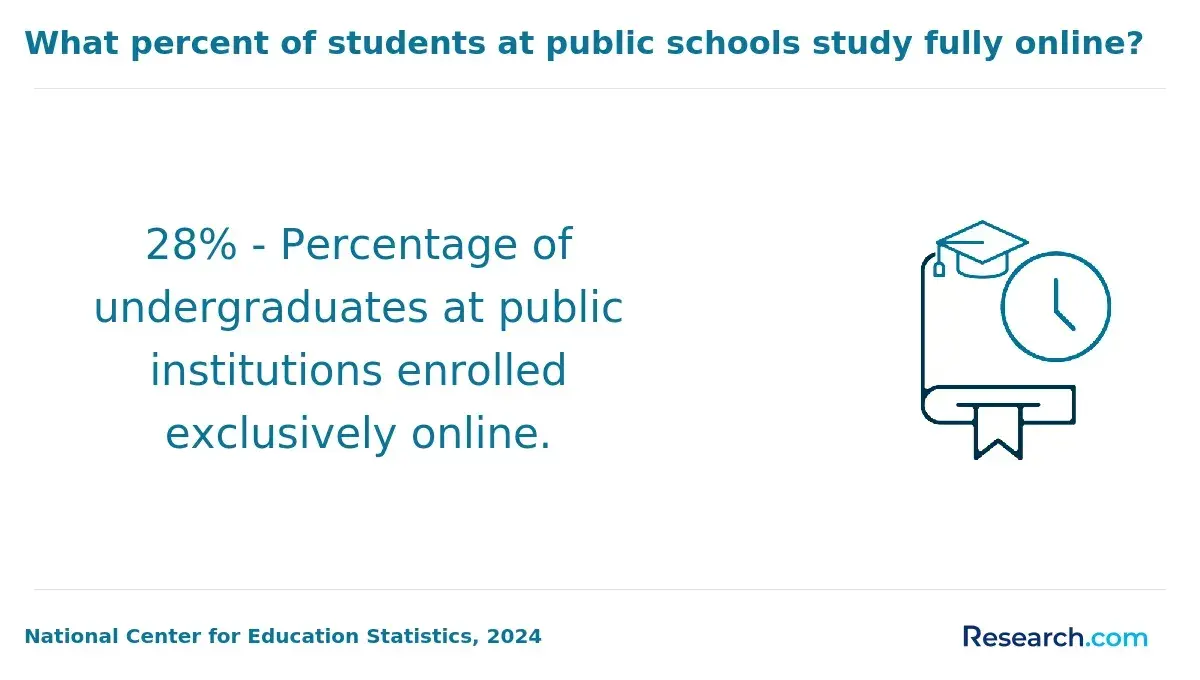
These variations have significant implications for financial planning and career strategy. A student from Washington considering relocation might face tuition exceeding $30,000 as a non-resident, plus the added burden of higher living expenses typical of West Coast urban centers. Such factors influence decisions about whether to pursue online alternatives, seek states with more generous STEM-focused scholarships, or choose programs aligned with more favorable funding structures. Data from the National Center for Education Statistics in 2024 indicates average public in-state tuition typically falls between $5,500 and $12,000 for forensic science, highlighting how careful selection based on cost and long-term employability considerations can substantially reduce reliance on borrowing and improve return on investment.
Why Does Forensic Science Affordability Vary So Much Between States?
Differences in state funding levels and institutional mixes significantly shape forensic science tuition cost differences by state, creating a complex affordability landscape. For example, states in the Midwest often offer lower tuition at public institutions due to stronger state investments, while regions like the West Coast and Northeast face higher costs driven by reduced public appropriations and a larger share of private programs. Residency policies and financial aid availability also impact net prices; states that aggressively subsidize in-state students or provide targeted STEM aid can relieve some cost burdens, but without these support structures, prospective students may find few affordable options close to home. This patchwork of funding and policy choices influences enrollment patterns, sometimes pushing students to consider online programs or transfer to less expensive states, though this can complicate licensing and employment prospects given regional differences in forensic science workforce demands.
Cost-of-living disparities further compound regional differences, as states with higher operating expenses tend to pass these costs onto students through tuition and fees. This means that even programs with similar baseline funding can have widely divergent price points when adjusted for local economic conditions. As a result, learners must weigh not only sticker prices but also living costs and institutional capacity constraints, since popular forensic science programs may limit seats or increase fees to manage demand. These factors underscore the importance of strategic long-term planning for students who are budget-conscious and mindful of how affordability influences program accessibility, completion timelines, and career pathway options.
For those evaluating options across states, examining regional factors influencing forensic science educational expenses is essential for making informed decisions that align with both financial realities and workforce outcomes. For example, students interested in allied fields may explore a HIM degree, which has overlapping regional demand dynamics in healthcare systems and can present different affordability considerations.
How Do In-State and Out-of-State Tuition Rates Affect Forensic Science Affordability?
Differences between in-state and out-of-state tuition rates heavily influence where and how students pursue forensic science degrees, often shaping the feasibility of completing such programs within typical timeframes. With average in-state tuition at public four-year institutions near $10,000 annually and out-of-state costs more than doubling that amount according to the National Center for Education Statistics 2024, students must weigh whether relocating to establish residency or leveraging regional tuition reciprocity agreements is financially worthwhile. States that participate in compacts like the Western Undergraduate Exchange or Academic Common Market can mitigate these barriers, but eligibility restrictions and limited program availability complicate access. Consequently, students facing higher out-of-state rates might postpone graduation, reduce course loads, or opt for online programs with flat tuition to avoid exacerbating debt while needing timely acquisition of specialized lab experience critical for employability.
Public institutions' residency-based funding models create a substantial financial divide, pressuring students to navigate residency rules or evaluate private colleges and online alternatives where tuition does not fluctuate by state, albeit often at a higher baseline price. Forensic science programs demand resources that extend beyond tuition-housing, transportation, and lab fees-intensifying the burden on out-of-state enrollees. Strategic enrollment decisions thus hinge on understanding these cost layers and anticipating how they impact total educational investment and future career positioning in a field reliant on practical proficiency and certification. Without careful planning, out-of-state students risk incurring debt levels that can delay entry into forensic laboratories or prosecution agencies where budget-conscious hiring prevails.
A forensic science graduate recounted uncertainty after choosing an out-of-state public university, despite the significant tuition hike. Initially hopeful that the program's reputation justified the expense, the student later grappled with the challenge of maintaining full-time status while managing unexpected living costs and limited financial aid eligibility tied to residency. Residency reclassification took a year to process, forcing reliance on loans during critical semesters. This experience underscored how tuition disparities extend beyond sticker price, influencing not only educational choices but also financial stress and confidence in career-readiness outcomes.
How Does the Cost of Living Impact Overall Forensic Science Affordability by State?
The affordability of earning a forensic science degree varies significantly by state due to regional living expenses, which often outweigh differences in tuition fees. For example, students attending programs in California or New York face substantially higher housing costs-up to 75% above the national average-than those in more rural or midwestern states, fundamentally altering total education expenses. This discrepancy forces students to reconsider not only where they study but also their living arrangements, transportation methods, and overall budgeting strategies, impacting financial aid needs and their potential exposure to long-term student debt.
Transportation and healthcare costs further complicate these financial decisions. In states with limited public transit such as Texas or Florida, car ownership expenses add considerable financial burden that may be avoided in urban areas with robust transit systems, although these places often have higher rents and food prices. Additionally, students in states like Massachusetts or Hawaii encounter elevated healthcare spending, adding yet another variable that affects the practical affordability of forensic science education. Those weighing enrollment options must look beyond sticker tuition prices and assess these broader economic factors to ensure sustainable educational pathways.
For students seeking flexibility, online learning can mitigate some regional cost challenges; however, evaluating programs remains essential for managing total expenses realistically. Those interested in alternatives might explore online sonography programs as a comparative example of how access to remote education can affect affordability and scheduling. Ultimately, cost of living and forensic science degree affordability by state demand a nuanced approach that addresses all living costs and employment market conditions relevant to each student's situation.
Which States Offer the Best Value for a Forensic Science Degree?
Determining the best value for a forensic science degree requires weighing tuition alongside factors like degree completion rates and regional job markets. States such as North Carolina and Texas offer a compelling balance, with public university in-state tuition averaging $9,000 to $12,000 annually, below the national average, and graduation rates exceeding 60%. This combination reduces the overall cost and time to workforce entry, which is crucial since prolonged study can significantly inflate debt and delay earnings. Conversely, states with lower tuition but fewer program options, like Wyoming and Montana, may limit specialization and force relocation post-graduation due to smaller local job markets.
Financial aid and public funding policies further complicate the affordability picture. For instance, Wisconsin and Michigan prioritize grants and scholarships that help decrease students' net costs and debt, an important distinction from merely low sticker prices. While states with higher tuition and living expenses, such as California and Florida, often provide stronger employment prospects and median starting salaries, this upfront investment may prove worthwhile given the higher likelihood of job placement within a year. Students must consider eligibility for in-state tuition, residency qualifications, and whether online or out-of-state programs will impact their total expenses and career trajectories.
Ultimately, affordability for forensic science students is less about picking the cheapest state and more about evaluating long-term financial and professional outcomes. A state with moderately higher tuition but robust workforce demand and supportive financial aid could yield better net value than a low-cost option with limited career pathways. Practical decision-making should incorporate public versus private institution costs, degree completion efficiency, and local forensic science job availability to align educational investment with realistic employment opportunities and sustainable debt management.
What Financial Aid and Scholarship Opportunities Can Reduce Forensic Science Costs?
Federal financial aid, particularly Pell Grants, plays a pivotal role in reducing the upfront cost of forensic science degrees for low-income students nationwide; nearly six million undergraduates benefit from Pell support annually, underscoring its critical reach. Yet, the extent to which these grants alleviate costs varies considerably by state, especially where in-state tuition is high or aid eligibility hinges on residency and FAFSA completion timing. For instance, a student relocating from a state with generous aid to one with limited support may face significantly higher net expenses, highlighting the importance of careful planning and understanding state-specific eligibility rules that can affect aid renewal and stacking policies.
State and institutional scholarships often target merit-based recipients, which may advantage high achievers but leave gaps for otherwise vulnerable students who could benefit from need-based assistance. Additionally, tuition reciprocity agreements in border regions provide a practical avenue to access lower in-state rates while attending an out-of-state program, mitigating costs in states with expensive public colleges. Employer-sponsored education benefits present an alternative financing strategy, especially for working forensic science students who can integrate professional experience with education, reducing dependency on loans but sometimes requiring a tradeoff with work commitments. Collectively, these diverse funding sources involve operational complexities that prospective students should weigh to optimize their educational investment and long-term career flexibility.
Are Online Forensic Science Degree Programs More Affordable Than On-Campus Options?
Online forensic science degree programs often show a nominal tuition advantage, averaging 15-25% less per credit hour than on-campus programs, but this does not automatically translate into greater affordability. Students must weigh this against the addition of technology fees, specialized software costs, and the need for reliable internet, which can offset some savings. Moreover, comparing the cost of an online forensic science degree online affordability in the US requires careful attention to state residency policies, since many public institutions charge higher tuition for out-of-state remote learners, limiting the financial benefit for some.
The cost comparison of online versus on-campus forensic science programs also hinges on ancillary expenses. Students attending campus programs often incur roughly $8,000 per year in housing and transportation, a cost avoided entirely by remote learners. Yet, this saving may be counterbalanced by differences in financial aid access; in-state scholarships and grants may favor campus attendance, whereas online students face restricted aid options. For example, working adults prioritizing flexible schedules might lean toward online formats despite potentially higher net costs, but those seeking careers that emphasize hands-on laboratory experience might accept higher on-campus costs as an investment in employability.
Prospective students should factor long-term career implications alongside immediate expenses, including how the delivery model impacts skill acquisition valued by employers. Those uncertain about the timeline or requirements for related professions can also explore resources such as how long does it take to become a pharmacist for insights on career pathways. Ultimately, data-driven decisions on pursuing a forensic science degree online affordability in the US depends on individual circumstances, enrollment status, and the balance of cost, convenience, and educational outcomes specific to each learner's goals.
Is a Forensic Science Degree Worth the Cost Based on Career Outcomes and ROI?
The value of a forensic science degree depends heavily on state-specific tuition costs, completion rates, and local labor markets, which directly affect career outcomes for forensic science graduates by state. For instance, candidates in high-cost states face significantly higher student debt, which can offset elevated salaries typical in urban centers. Conversely, states like Wyoming and New Mexico offer substantially lower tuition, reducing financial barriers but often accompanied by fewer immediate job opportunities or lower salaries. Evaluating ROI requires more than tuition comparison; students must weigh opportunity costs, debt burden, program quality, and alignment with their long-term career goals.
Graduation rates around 55-65% emphasize the risk of non-completion, which severely undermines return on investment. Steady job growth projected at 14% through 2030 indicates enduring demand but increasingly favors applicants with advanced degrees or certifications. Graduates aiming for supervisory roles face additional educational expenses but can substantially enhance lifetime earnings. For budget-conscious learners, examining regional career outcomes alongside affordability is critical, as is considering geographic mobility after graduation. Exploring pathways through options like best online CAHIIM accredited health information management degree programs may also provide flexible alternatives aligned with workforce needs.
References:
- Forensic Scientist Salary: State-by-State Median Guide https://www.allcriminaljusticeschools.com/forensics/salary/
- Unlocking the Value of Forensic Science: Intelligence, Cost-Benefit Analysis, and Front-End Strategies - ISHI News https://www.ishinews.com/unlocking-the-value-of-forensic-science-intelligence-cost-benefit-analysis-and-front-end-strategies/
- Forensic Science and Investigation Scholarships - Awards & Eligibility https://www.forensicscolleges.com/blog/resources/forensics-scholarships
- 2025 Most Affordable Online Forensic Science Master's Degrees https://www.onlineu.com/most-affordable-colleges/forensic-science-masters-degrees
- 50 Most Affordable Forensic Science School Programs | UniversityHQ https://universityhq.org/best-colleges/rankings/most-affordable-forensic-science-schools/
- scholarships for forensic science students https://campaigns.dmu.edu/uploaded-files/iVUxo6/3AD103/scholarships_for-forensic_science-students.pdf
- Top Forensic Science Universities in USA: Courses & Fees https://amberstudent.com/blog/post/top-forensic-science-universities-in-usa-courses-fees
- Scholarship Program - AFTE https://afte.org/about-afte/scholarship-program/
- The College Affordability Gap: Insights and Impact on Families https://encoura.org/resources/wake-up-call/the-college-affordability-gap-insights-and-impact-on-families
- Unlocking the value of forensic science: Intelligence, cost-benefit analysis and front-end strategies https://www.police1.com/investigations/unlocking-the-value-of-forensic-science-intelligence-cost-benefit-analysis-and-front-end-strategies
Other Things You Should Know About Forensic Science
Forensic science programs vary in duration depending on state educational systems and degree requirements, directly influencing total cost. Longer programs typically mean more tuition installments and extended living expenses, which can outweigh a lower per-credit-hour rate. Students should weigh program length alongside tuition rates, as a shorter, more intensive program might be more cost-effective and reduce opportunity costs, especially if rapid entry into the workforce is a priority.
While lower tuition states may appear more affordable initially, states with limited lab facilities, internships, or forensic agency collaborations can compromise hands-on experience critical in this field. Employers often value applied skills, so students should carefully consider whether savings on tuition balance against potential gaps in practical training. Prioritizing states that offer robust experiential learning may increase employability, justifying a higher upfront cost through stronger career outcomes.
States vary in licensing or certification requirements for forensic science roles, potentially complicating job prospects for graduates trained elsewhere. Students must research how a degree from a particular state aligns with target employment markets, as additional certification steps can add time and expense post-graduation. Selecting a program aligned with licensure standards in desired work locations can reduce hurdles and improve workforce integration efficiency.
More affordable public universities often offer forensic science programs embedded within broader science departments, which might limit specialized resources or networking access. Private institutions may provide tailored curricula and industry connections but typically come with higher tuition. Cost-conscious students should evaluate whether the increased investment in private programs translates into significantly better job placement or advanced skill development, balancing potential wage premiums against upfront educational expenses.