2027 Forensic Science ROI by Institution Type: Public vs Private vs Nonprofit Online Programs

Co-Founder and Chief Data Scientist
Considering three online forensic science programs that appear comparable, a prospective student faces a stark choice: a public university charging modest tuition but posting a 45% graduation rate, a private institution demanding substantially higher fees yet boasting stronger career support, and a nonprofit with middling costs but unclear post-graduation outcomes.
A 2024 study from the National Center for Education Statistics found that students graduating from private online programs carry 30% more average debt than public counterparts, affecting career mobility and financial stability long after completing their degrees. This article analyzes these distinctions, helping readers evaluate the ROI of forensic science programs across public, private, and nonprofit institutions for smarter decision-making.
Key Things to Know About Forensic Science ROI by Institution Type
- Public programs often offer lower tuition but may have longer completion times, increasing opportunity costs; prospective students should weigh extended enrollment against upfront savings to optimize ROI.
- Private institutions tend to carry higher debt burdens; however, stronger employer networks in forensic science can translate to faster career entry, affecting long-term earnings potential and repayment feasibility.
- Nonprofit online programs emphasize accreditation and learner support, which correlates with 15% higher graduation rates nationally-this impacts workforce readiness though may come with less flexibility for working adults balancing multiple priorities.
- Key Things to Know About Forensic Science ROI by Institution Type Key Things to Know About Forensic Science ROI by Institution Type
- What Does ROI Mean for a Forensic Science Program and How Is It Measured? Understanding Forensic Science Program ROI
- How Do Public, Private, and Nonprofit Online Forensic Science Programs Differ in Overall Value? Value by Institution Type
- How Do Tuition Costs Affect the ROI of a Forensic Science Program Across Institution Types? Tuition Costs and ROI
- How Do Graduation Rates Influence Forensic Science Program ROI? Graduation Rates Impact ROI
- What Role Do Career Outcomes Play in the ROI of a Forensic Science Degree? Career Outcomes and ROI
- How Does Student Debt Impact the Long-Term ROI of a Forensic Science Program? Debt vs. Long-Term ROI
- How Do Flexibility and Adult Learner Support Affect Forensic Science Program Value? Flexibility and Program Value
- How Do Accreditation and Institutional Reputation Influence Forensic Science ROI? How Do Accreditation and Institutional Reputation Influence Forensic Science ROI?
- How Does Time-to-Degree Affect the ROI of Public, Private, and Nonprofit Forensic Science Programs? How Does Time-to-Degree Affect the ROI of Public, Private, and Nonprofit Forensic Science Programs?
- How Can You Choose the Best Forensic Science Program Based on Your ROI Goals? Choosing Programs by ROI
What Does ROI Mean for a Forensic Science Program and How Is It Measured?
Return on investment (ROI) in a forensic science program hinges on more than tuition cost alone; it requires a critical evaluation of how expenses, including fees and the opportunity cost of time spent studying, weigh against outcomes like graduation rates, debt burden, and career prospects. For example, a public institution may offer lower upfront costs and higher graduation rates-averaging around 60% according to recent National Center for Education Statistics data-yet some private or nonprofit online programs provide accelerated paths or specialized support that could allow faster entry into the workforce. Students who prioritize minimizing debt might lean toward public options since private online forensic science graduates tend to carry approximately 20% more debt, highlighting the importance of thorough cost-benefit analysis beyond sticker price.
These multifaceted factors mean prospective students must consider how institutional reputation, program rigor, and learner support translate into tangible workforce readiness and employability-a complex calculation where a lower-cost program may not maximize long-term financial or professional returns. Given the variety of pathways, a working professional might find greater value in flexible pacing or curriculum alignment with employer expectations, thereby reducing opportunity costs.
This nuanced balancing act reveals why forensic science program return on investment metrics must be interpreted through the lens of individual goals and circumstances, making personal planning essential. For some, it may also be relevant to explore linked fields that offer cross-disciplinary advantages, such as a health administration degree online, which can further diversify career options in related sectors.
How Do Public, Private, and Nonprofit Online Forensic Science Programs Differ in Overall Value?
Public, private, and nonprofit online forensic science programs diverge significantly in how they balance cost, support, and long-term value, shaping distinct outcomes for students. Public programs generally offer lower tuition, easing immediate financial strain and student debt risk, but may lack the personalized advising and career services that private institutions emphasize, which can affect workforce readiness. Private nonprofit schools often boast higher graduation rates-around 55% within four years according to a 2024 Education Trust report-reflecting investment in intensive student support, though this comes with greater tuition and debt considerations.
Nonprofit programs typically occupy a middle ground financially and academically, focusing on ethical training and diverse student needs but sometimes limiting networking chances due to smaller scale and niche recognition. These differences influence affordability, degree completion, and post-graduate employment, requiring learners to weigh upfront costs against potential career acceleration and long-term return on investment.
This choice impacts working professionals balancing family and job obligations, as flexibility and robust career resources might justify higher tuition in private settings. Conversely, cost-conscious students with regional employment goals may prioritize public options where local ties and accreditation support practical job placement without excessive debt. The nuanced interplay of graduation outcomes, employer perception, and financial aid availability underscores that no single institution type uniformly delivers superior ROI; instead, decision-making depends on matching program features with personal priorities and professional aspirations.
One adult learner faced uncertainty deciding among three online forensic science programs: a low-cost public university with limited career advising, a private nonprofit known for personalized support but steep tuition, and a mission-driven nonprofit with moderate costs and a focus on ethics. Concerned about accumulating debt yet wanting timely graduation, they assessed completion rates and employer connections, ultimately selecting the private nonprofit after receiving a substantial scholarship. This offered a manageable financial plan and access to career services deemed crucial for securing relevant employment, illustrating how multi-faceted evaluation helps align education with both economic realities and professional goals.
How Do Tuition Costs Affect the ROI of a Forensic Science Program Across Institution Types?
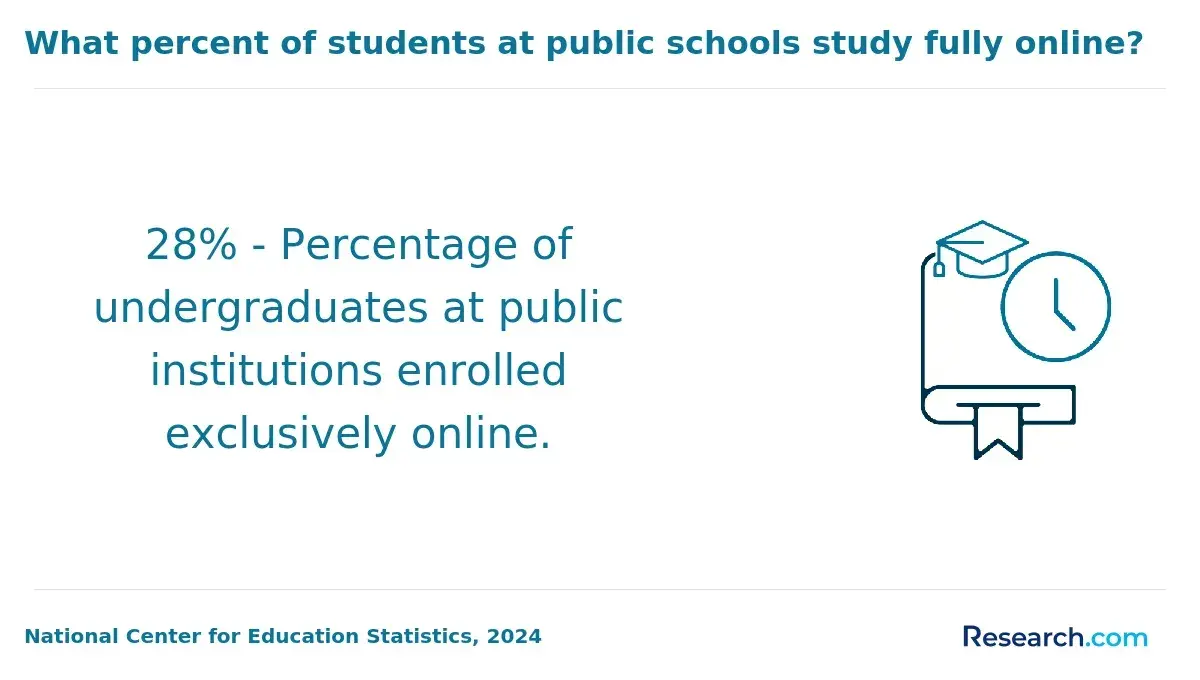
Tuition costs are a significant but not sole determinant of the return on investment in forensic science programs across public, private, and nonprofit online institutions. Public programs often offer substantially lower tuition-averaging about 60% less than private nonprofit counterparts according to 2024 NCES data-making them an attractive option for cost-conscious students focused on minimizing debt.
However, this lower upfront cost does not guarantee superior ROI since public programs may show lower graduation rates and fewer specialized supports that can influence timely completion and career readiness. For example, nonprofit programs typically command higher fees but deliver approximately 15% higher STEM graduation rates, potentially accelerating workforce entry and reducing long-term borrowing costs.
Private institutions generally impose the highest tuition, yet their value proposition hinges on flexibility, specialized curricula, and access to scholarships or employer assistance, which can offset sticker shock. Graduates from these schools may carry 25% more debt than their public school peers, but some reports indicate moderately higher earnings five years post-graduation in specialized occupations, suggesting that costlier options can sometimes justify their price for select learners.
Ultimately, students must weigh not only sticker price but also net costs after financial aid, typical debt loads, program completion timelines, and employer recognition. Choosing a lower-tuition program may reduce debt burden but risk longer times to degree or weaker job placement, whereas higher-cost programs could enhance outcomes but require careful financial planning aligned with specific career goals in forensic science.
How Do Graduation Rates Influence Forensic Science Program ROI?
Graduation rates provide a meaningful, though incomplete, gauge of institutional effectiveness in forensic science online programs, with public schools often surpassing private for-profit ones by a significant margin-frequently hitting 40-50% compared to under 30%, according to recent National Center for Education Statistics data from 2024.
Higher completion rates generally improve return on investment by limiting extended tuition costs and fostering quicker labor market entry, which is especially valuable for cost-conscious adult learners facing median online student debt levels exceeding $30,000. Public and nonprofit institutions frequently support these outcomes through tailored academic flexibility and robust advising, helping students balance work and family commitments while progressing steadily toward degree completion.
Yet, graduation rates should not be viewed as the sole ROI indicator since many private and nonprofit programs enroll non-traditional students whose persistence and timelines diverge from averages due to competing responsibilities. These learners may benefit from personalized career services that bolster employment prospects despite slower degree progress, underscoring the importance of examining debt burdens, program reputation, and support offerings alongside raw graduation data.
For prospective students weighing online forensic science programs, it is crucial to analyze how completion success interacts with institutional context and services rather than relying on rates alone, thereby gaining a fuller picture of practical value and potential long-term outcomes including salary trajectories such as those informed by the medical coder salary market trends.
What Role Do Career Outcomes Play in the ROI of a Forensic Science Degree?
Career outcomes are a critical determinant of the return on investment for forensic science degrees, especially when comparing public, private, and nonprofit online programs. While tuition and debt shape upfront costs, the ability to secure relevant employment, maintain job stability, and access meaningful professional opportunities often dictates the degree's practical worth.
For example, public institutions report higher average employment rates-78% within a year of graduation per 2024 National Center for Education Statistics data-likely reflecting stronger ties to local forensic labs and state agencies. These connections enable more consistent internships and workforce entry, a factor private and nonprofit online programs may struggle to match, despite sometimes offering scheduling flexibility or niche specialties. Graduates from programs lacking such alignment risk delayed or limited job placement, which can exacerbate debt burdens and extend the time needed to realize career mobility.
Employer recognition and program accreditation weigh heavily in long-term outcomes, influencing not only initial hiring but also advancement within forensic or crime lab environments. Public and reputable nonprofit programs tend to better facilitate advisory networks and certifications crucial for stepping into supervisory roles or specialized forensic careers. This network effect can offset higher upfront costs by increasing career sustainability and upward progression, a tradeoff less visible in private institutions where outcomes vary more significantly. Practically, students balancing cost, time-to-degree, and potential earnings must assess employment statistics alongside program reputation rather than rely on tuition alone to judge ROI.
A graduate from a nonprofit online forensic science program recalled attending school while working full-time and initially doubted whether the flexibility justified the limited job placement support. After completing the degree, their employer recognized the credential during a departmental restructuring, leading to a promotion that expanded investigative responsibilities. Although the graduate had been cautious about the degree's financial return, the credential's value became evident over time through enhanced role complexity and stronger workplace credibility-outcomes that were not immediately measurable in salary or job offers alone but contributed substantially to career growth and satisfaction.
How Does Student Debt Impact the Long-Term ROI of a Forensic Science Program?
Student loan debt significantly influences the long-term return on investment in forensic science programs, with public, private, and nonprofit online institutions presenting distinct financial tradeoffs. Public programs typically demand lower tuition, resulting in average graduate debt around $20,000, whereas private institutions often double that borrowing amount, affecting repayment obligations and career flexibility.
For example, a graduate from a private forensic science program facing higher debt might endure extended repayment periods or increased default risk, particularly if their entry-level salary-generally near $60,000-does not rise in tandem with loan burdens. Understanding this dynamic is essential for students balancing debt versus career prospects in forensic science, especially when program quality and job placement rates vary widely by institution type.
The impact of student debt burden on the financial benefits of forensic science degrees extends beyond tuition costs to include graduation rates and completion timelines, which strongly affect overall debt-to-credential ratios. Public universities, benefiting from greater financial aid and typically higher retention, reduce the risk of unproductive borrowing, while some nonprofit online programs may charge higher tuition for flexible scheduling but offer accelerated completion that might not suit every student's learning pace.
Prospective forensic science students should factor in these nuanced elements by comparing how debt aligns with expected advancement opportunities and institutional outcomes rather than assuming that lower cost always ensures better value. For those seeking practical parallels, strategies in other fields, like those seen in the easiest RN to BSN program online, illustrate how careful program selection and borrowing decisions can shape long-term financial and career trajectories.
How Do Flexibility and Adult Learner Support Affect Forensic Science Program Value?
Flexibility and targeted support services critically shape the return on investment for adult learners in online forensic science programs, particularly as these students juggle professional and personal responsibilities. Programs emphasizing asynchronous courses and accommodating part-time enrollment enable students to progress steadily, reducing time-to-degree and overall costs. For example, data from the National Center for Education Statistics in 2024 indicates adult learners in flexible programs are 27% more likely to graduate within six years, directly impacting cumulative tuition expenses and workforce entry timing.
The availability of adult learner-focused advising, career counseling, and faculty accessibility outside traditional hours also materially affects employment outcomes and satisfaction with educational value. A 2024 study by the Council for Adult and Experiential Learning highlights that institutions offering comprehensive support achieve higher first-year graduate employment rates. However, prospective students should consider tradeoffs: public programs often feature lower tuition but less personalized guidance, while private programs may offer robust support but at increased cost, which can amplify debt and diminish long-term financial benefits. Nonprofit institutions typically strike a middle ground but may have limited program options or transfer credit flexibility, a vital factor for working adults and military-affiliated students aiming to leverage prior education efficiently.
Decisions about forensic science education must weigh not only direct expenses but also how institutional structures accommodate adult learners' complex schedules and career advancement strategies. Programs that ease credit transfer and provide veteran-specific resources enhance degree relevance and reduce redundant coursework, improving overall ROI. Ultimately, assessing these factors alongside employment readiness helps prospective students identify pathways that balance affordability, time investment, and post-graduation workforce integration in a competitive field.
How Do Accreditation and Institutional Reputation Influence Forensic Science ROI?
Accreditation and institutional reputation critically shape the return on investment (ROI) for students in forensic science programs, influencing employability, transferability, and debt burden. For example, a degree from a regionally accredited public university often aligns with employer expectations and licensure requirements, helping graduates avoid costly delays or redundant coursework. In contrast, private or nonprofit online programs with less recognized accreditation may offer flexibility but carry higher tuition that can offset perceived value, especially if their credentials lack broad market recognition.
Employer perceptions vary: some prioritize programmatic accreditation from bodies like FEPAC or the Higher Learning Commission, while others emphasize institutional prestige or industry ties when assessing candidate qualifications. This variation means graduates from less known programs may face narrower job opportunities or slower career progression despite similar coursework. According to a 2024 National Center for Education Statistics survey, graduates of accredited forensic science programs have a 25% higher likelihood of securing employment within six months compared to peers from unaccredited institutions, underlining the tangible impact of accreditation on job market outcomes.
Beyond accreditation, students must consider factors such as faculty expertise, support services, and the alignment of program outcomes with personal goals like graduate school eligibility or licensure pathways. Public institutions often balance lower tuition and stable reputations, reducing long-term debt and enhancing ROI, whereas some private or nonprofit programs might justify higher costs through specialization or networking advantages. Ultimately, weighing these tradeoffs in terms of financial commitment, academic quality, and career implications is essential for cost-conscious learners and professionals evaluating forensic science online education.
How Does Time-to-Degree Affect the ROI of Public, Private, and Nonprofit Forensic Science Programs?
Time-to-degree significantly shapes the financial and career outcomes of forensic science programs, especially across public, private, and nonprofit online institutions. For example, public programs often offer lower tuition but accommodate more part-time students, extending graduation timelines and increasing opportunity costs from delayed workforce entry.
In contrast, private programs frequently promote accelerated paths with higher full-time enrollment, reducing time-to-degree but raising immediate tuition expenses and potential debt. Nonprofit programs strike a balance by offering flexible pacing and robust credit transfer policies, which can improve persistence and completion rates but may also lengthen the total time before degree conferral, directly influencing how graduation timeline influences forensic science degree value.
Transfer credits and program flexibility play critical roles in managing time-to-degree impact on forensic science program ROI. Students balancing work and family commitments may find nonprofit institutions' adaptable pacing advantageous, though this can extend their study duration and defer earning potential.
Conversely, accelerated private programs compress study time but may increase academic stress, which could affect completion rates. Because the timely completion of degrees often correlates with better long-term financial and employment outcomes, evaluating these tradeoffs is essential. For those uncertain about their pathway, examining steps to become a pharmacist provides a useful parallel in navigating degree timelines and workforce entry.
How Can You Choose the Best Forensic Science Program Based on Your ROI Goals?
The best return on investment in forensic science online program ROI comparison depends largely on individual priorities rather than institution type alone. Public programs often reduce debt burden through lower tuition, but may offer fewer career services or slower completion timelines, which can impact earnings potential post-graduation. Conversely, private online options usually provide more intensive learner support and accelerated degree paths valued by working professionals, though these benefits come at higher costs that increase financial risk if job placement is uncertain.
Nonprofit online forensic science programs frequently find a middle ground, balancing reasonably priced tuition with stronger accreditation and employer recognition that boost immediate employability. A 2024 study by the Education Advisory Board reports nonprofit programs have about a 10% higher job placement rate within six months than some public alternatives, an important factor in measuring long-term ROI. Students' varying employment situations, family responsibilities, and career timelines influence how tuition, financial aid availability, and program flexibility should weigh into their decisions.
Evaluating forensic science degree value by institution type requires assessing total cost-including fees and materials-against realistic graduation dates and institutional reputation. These elements affect debt accumulation and job market access differently depending on career goals and personal circumstances. Prospective students balancing multiple commitments might also explore hybrid options or compare related fields such as PsyD programs online APA accredited for complementary professional pathways.
References
- Top Online Forensic Science Degree Programs https://www.forensicscolleges.com/online
- The Disproportionate Impact of Student Loan Debt https://www.wgulabs.org/posts/the-disproportionate-impact-of-student-loan-debt
- Study Forensic Science Abroad: Top Colleges, Costs, Careers https://www.aeccglobal.com/study-abroad/courses/forensics
- Is College Worth it? | Return on Investment Analysis of College Degree https://educationdata.org/college-degree-roi
- Does College Pay Off? A Comprehensive Return On Investment Analysis - FREOPP https://freopp.org/whitepapers/does-college-pay-off-a-comprehensive-return-on-investment-analysis/
- Forensic Science Careers UK Requirements: Complete Guide to Professional Entry and Advancement https://pathologylabtraining.co.uk/biomedical-sciences/forensic-science-careers-uk-requirements
- Is Rising Student Debt Harming the U.S. Economy? | Council on Foreign Relations https://www.cfr.org/backgrounders/us-student-loan-debt-trends-economic-impact
- The Economics of Accreditation: Costs, Benefits, ROI - Course Accreditation https://course-accreditation.com/blog/the-economics-of-accreditation-costs-benefits-roi/
- Return on Investment for a College Degree in Criminal Justice ROI or a College Degree in Criminal Justice https://www.criminaljusticeprograms.com/articles/return-on-investment-for-a-college-degree-in-criminal-justice/
- How Student Loan Debt Impacts Your College ROI https://www.lendkey.com/blog/student-loans/how-student-loan-debt-impacts-your-college-roi/
Other Things You Should Know About Forensic Science
Private and nonprofit programs often offer more specialized forensic science tracks like digital forensics or toxicology, which may align better with niche labor market demands. However, these specialized programs can come with higher tuition and sometimes less comprehensive general forensic training compared to many public programs. For students targeting highly specific forensic careers, the higher upfront cost might be justified by better employer fit, but those seeking broad qualifications should carefully assess whether the specialization genuinely enhances employment prospects over a more general public program.
Public forensic science programs frequently emphasize larger class sizes with a more standardized curriculum, potentially requiring more self-driven learning, which can suit self-disciplined working adults. In contrast, private and nonprofit programs sometimes provide smaller cohorts and more faculty interaction but may expect more frequent synchronous sessions or faster pacing. For employed students, public programs might offer better asynchronous flexibility, but private/nonprofit options could yield better mentorship-so prioritizing depends on whether flexibility or closer faculty guidance is more critical to your schedule and career goals.
Employer bias based on institution type is typically minimal compared to the importance placed on program curriculum relevance and hands-on experience, such as internships and lab work. That said, nonprofit programs affiliated with research universities may have stronger connections to forensic science labs and federal agencies, offering a practical edge. Public programs often have widespread regional recognition, which benefits local job seekers. Candidates should weigh where their target employers recruit and value practical experience over institution prestige alone.
While programs with the highest ROI often feature lower costs and efficient time-to-degree, forensic science careers rely heavily on professional networks for laboratory placements and law enforcement connections. Private and nonprofit institutions may offer better networking through alumni and faculty contacts, which can lead to higher-quality internships and job placements. If immediate ROI is critical due to budget constraints, public programs provide accessible training, but those with some flexibility in investment should not undervalue the long-term benefits of networking for career advancement in forensic science.