2027 Forensic Science Degree Completion Rates by Format: Online, Hybrid, and Campus Programs Compared

Co-Founder and Chief Data Scientist
A prospective student faces a complex decision when choosing how to complete a forensic science degree: whether to enroll in an online, hybrid, or traditional campus program. Each format presents distinct challenges and advantages that affect the student's ability to persist and graduate. Factors such as access to resources, hands-on experience, scheduling flexibility, and peer engagement play critical roles in shaping outcomes.
Understanding completion rates across these formats requires examining more than raw numbers. It involves analyzing how delivery methods align with student needs, learning styles, and career demands in forensic science. This article compares online, hybrid, and campus program completion rates, explores key factors influencing student success, and offers guidance for selecting the format best suited to achieving educational and professional goals.
Key Things to Know About Forensic Science Degree Completion Rates by Format
- Online forensic science degree programs report a 15% lower completion rate than campus formats, reflecting challenges in sustaining hands-on lab engagement crucial for skill mastery and professional readiness.
- Hybrid formats see marginally higher completion rates, as combining in-person labs with remote theory enables practical competence retention while accommodating diverse student schedules.
- A 2024 study indicates students in campus-based forensic science degrees benefit from direct faculty mentorship, significantly improving persistence rates and aligning outcomes with applied forensic workforce demands.
- Key Things to Know About Forensic Science Degree Completion Rates by Format Key Things to Know About Forensic Science Degree Completion Rates by Format
- How Do Completion Rates Compare Across Online, Hybrid, and Campus Forensic Science Programs? Completion Rate Comparison
- What Factors Have the Greatest Impact on Forensic Science Degree Completion? Degree Completion Factors
- Which Forensic Science Degree Format Is Hardest to Complete? Completion Difficulty
- How Does Each Forensic Science Learning Format Affect Student Success? How Does Each Forensic Science Learning Format Affect Student Success?
- How Does Enrollment Status Affect Forensic Science Completion Rates? How Does Enrollment Status Affect Forensic Science Completion Rates?
- Can Transfer Credits Improve Forensic Science Degree Completion? Transfer Credits
- What Student Support Services Improve Forensic Science Completion Rates? Student Support Services
- How Do Forensic Science Completion Rates Affect Career Outcomes? Impact on Career Outcomes
- How Should Students Choose the Best Forensic Science Learning Format? Choosing the Best Format
- What Are the Long-Term Pros and Cons of Each Forensic Science Learning Format? Learning Format Pros & Cons
How Do Completion Rates Compare Across Online, Hybrid, and Campus Forensic Science Programs?
Completion rates for forensic science degree programs often reflect differences in student demographics and circumstances more than intrinsic program quality. Students enrolled in on-campus programs frequently have distinct advantages such as fewer external obligations and more structured environments, which contribute to higher graduation rates. These nuances make it essential to interpret forensic science degree completion rates by program format within the context of who is enrolling and their respective lifestyles rather than treating these rates as direct indicators of educational excellence.
Variations in completion outcomes among online, hybrid, and campus forensic science programs usually stem from factors such as work commitments, enrollment intensity, and the degree of academic support available. Online students often juggle jobs or family responsibilities, benefiting from flexible schedules but facing challenges like limited direct interaction and self-motivation demands. Hybrid formats offer a middle ground by combining in-person engagement with some flexibility, while campus programs typically provide immersive experiences but less adaptability. Ultimately, success hinges as much on individual student circumstances and discipline as on the learning mode itself, which complicates straightforward comparisons of graduation success in online hybrid and campus forensic science programs.
Prospective students should weigh completion rate data alongside their personal learning preferences, available time for study, and external responsibilities to select the setting that best suits their needs. For example, a working professional managing family duties might find hybrid or online options more viable despite slightly lower average completion rates, especially if they align with career goals that demand continued employment during study. Those seeking a streamlined path with greater academic immersion may lean toward campus programs. Additionally, students exploring alternatives might consider related fields, such as PharmD online programs, where different balance points between flexibility and completion exist.
What Factors Have the Greatest Impact on Forensic Science Degree Completion?
Degree completion in forensic science programs depends on a complex interplay of personal circumstances, academic preparedness, and program design rather than motivation alone. Factors such as learning format, student support, and foundational skills significantly influence persistence, but these work together rather than in isolation. Recognizing this helps prospective students better assess which challenges might arise and where to focus their efforts. Below are key factors shaping forensic science degree completion.
- Academic Preparedness and Foundational Skills: Students with strong science and math backgrounds tend to remain on track more consistently, as forensic science coursework is demanding and technical. Those lacking these skills face greater risks of falling behind unless they pursue bridging courses or additional tutoring early on.
- Access to Student Support Services: Robust academic advising and peer interaction increase persistence, especially for those new to college environments. According to the National Center for Education Statistics, STEM-related degree completion rates rise by 15% when these supports are present, a factor particularly important in challenging programs like forensic science.
- Learning Format and Engagement Opportunities: Fully online forensic science learners often struggle with fewer hands-on experiences and feelings of isolation, which can lower completion rates by about 12%. Hybrid models that combine online flexibility with in-person labs help mitigate these challenges by maintaining skill competency and social connection.
- Financial Stability and Life Pressures: Non-traditional students balancing work, family, and education face greater risk of interruption or delay. Flexible but structured program designs that include synchronous sessions and proactive progress monitoring can help these students maintain momentum toward degree completion.
- Student Engagement and Interaction: Active participation with peers and instructors fosters a sense of belonging and accountability. Forensic science programs that encourage group work and on-campus collaborations typically see higher graduation rates due to enhanced engagement, which is especially beneficial for students prone to disengagement in remote settings.
- Preparatory and Bridging Programs: Courses introduced before or at the start of the forensic science curriculum to strengthen core competencies can increase persistence by up to 20%. These interventions help level the playing field for students entering with varied academic backgrounds.
- Program Structure and Flexibility: Well-structured programs balancing rigor with adaptability allow students to manage external demands without sacrificing academic progress. This is a key factor for students pursuing online or hybrid forensic science degrees while juggling employment or family responsibilities.
Prospective students weighing options may find that incorporating elements of self-directed learning and supplementary preparation, such as through self paced college courses, provides added resilience against common barriers to completion. Ultimately, success is shaped by how well a student's personal situation aligns with the demands and supports offered by their chosen forensic science program format.
Which Forensic Science Degree Format Is Hardest to Complete?
Recent data from the National Center for Education Statistics and the Council of Graduate Schools reveals marked differences in completion rates among forensic science degree formats: online programs average 40-50%, hybrid models 60-70%, and traditional campus-based formats exceed 75%. These disparities underscore more than just convenience-they reflect the tangible impact of program design on student persistence. Campus settings offer structured environments, consistent peer interaction, and direct faculty access, all vital for a discipline demanding hands-on lab work and critical analysis. Meanwhile, fully online learners often struggle with isolation and distractions, which can impede steady progress despite flexible scheduling.
Hybrid programs try to reconcile these challenges by blending remote coursework with face-to-face sessions, thereby improving engagement while retaining some flexibility. However, this dual approach requires balancing competing demands and strong self-management, which not every student finds straightforward. Adult learners juggling work and family may find hybrid or online formats appealing but risk higher attrition without robust support. Conversely, younger full-time campus students benefit from immersive resources and fewer external tensions, contributing to their higher completion rates despite less flexibility.
One forensic science graduate recalled choosing a hybrid program out of necessity, balancing a part-time job and childcare. Initially uncertain about managing the alternating online and in-person requirements, she found the in-person labs indispensable for mastering techniques but struggled to keep pace with remote coursework amid unpredictable work hours. Ultimately, her success hinged on developing disciplined routines and seeking out faculty guidance proactively-the very elements that, if lacking, often derail hybrid candidates who underestimate the effort involved in juggling both modalities.
How Does Each Forensic Science Learning Format Affect Student Success?
Student success in forensic science programs hinges less on the format alone and more on how well that format fits an individual's learning style, time availability, and external commitments. Enrollment choices that align with personal discipline and interaction preferences tend to produce higher completion rates. For instance, a working adult balancing family responsibilities might thrive in a hybrid program's flexibility, while someone seeking direct mentorship and hands-on labs may benefit more from campus instruction. Below are key factors illustrating how learning modalities influence the likelihood of finishing a forensic science degree.
- Access to Immediate Academic Support: Campus formats typically provide real-time assistance through in-person tutoring, faculty office hours, and lab access, which fosters persistence in challenging forensic science courses. Students requiring frequent guidance tend to complete at higher rates in this environment, unlike some fully online learners who face delayed responses and fewer interactive opportunities.
- Engagement and Peer Interaction: Face-to-face settings promote stronger peer networks essential for collaborative problem-solving fundamental to forensic science labs. Hybrid programs blend online flexibility with periodic in-person engagement, generally enhancing motivation compared to fully remote formats where isolation can impede progress, especially for learners less self-directed.
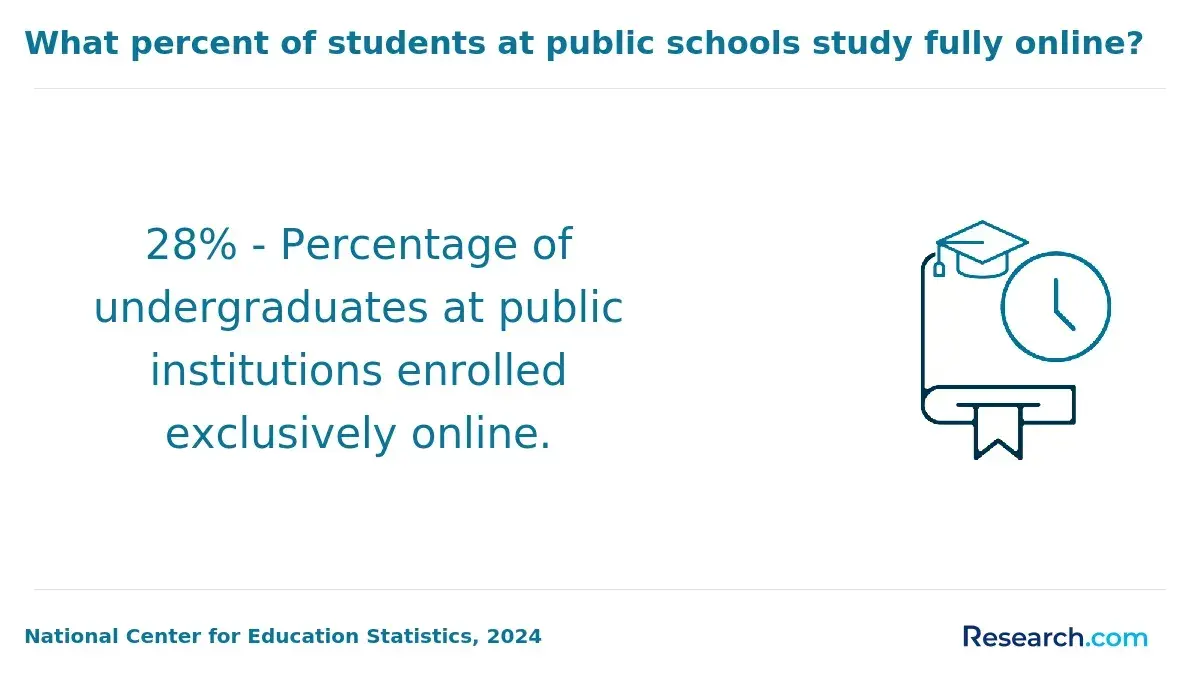
- Flexibility Versus Accountability: Online programs offer maximum scheduling freedom, an advantage for those juggling jobs or family. However, without structured checkpoints available in campus or hybrid settings, students may struggle with self-discipline, leading to lower completion rates documented by the National Center for Education Statistics in 2024.
- Hands-On Experience Requirement: Forensic science heavily relies on laboratory skills and physical evidence analysis. Campus programs inherently support this through dedicated facilities, while fully online courses must supplement with virtual labs or occasional on-site components, which may not fully replicate practical training needed for workforce readiness.
- Balancing External Responsibilities: Hybrid formats provide a compromise by allowing students to meet personal obligations while maintaining periodic campus attendance for experiential learning, reflected in improved degree completion relative to online-only students per recent National Student Clearinghouse data.
- Student Isolation and Motivation: Online learners often face psychological barriers such as isolation and diminished motivation due to lack of community. Institutions with robust online engagement practices can narrow this gap, but individual resilience remains critical for success in remote forensic science study.
- Program Structure and Course Rigor: Programs with clear milestones, frequent assessments, and integrated support across all formats tend to yield better outcomes. Campus settings often embed these features naturally, while online and hybrid programs must intentionally design them to prevent attrition in technically demanding fields like forensic science.
How Does Enrollment Status Affect Forensic Science Completion Rates?
Enrollment status is a critical factor influencing forensic science degree completion rates, yet its impact varies widely depending on a student's personal circumstances rather than merely the number of courses taken. For many learners, especially those balancing work or family responsibilities, part-time enrollment offers necessary flexibility but often comes with tradeoffs in persistence and momentum. Full-time students generally benefit from structured pacing and continuity, which leads to higher completion rates, but this can demand significant time and resource commitments not feasible for all. Below are key ways enrollment status shapes degree outcomes for forensic science students.
- Completion Rate Disparities: Nationwide data reveal that full-time forensic science students graduate at rates approximately 25-30% higher than part-time peers, reflecting the benefits of sustained academic engagement and cohort progression. Prospective students should weigh this statistic against their readiness to commit full-time.
- Impact of Consistent Academic Engagement: Full-time enrollment fosters a regular schedule of coursework and laboratory access, which is essential for mastering sequential forensic science concepts. Students able to maintain this rhythm often avoid knowledge gaps that may delay graduation.
- Flexibility for Life Commitments: Part-time programs accommodate work, caregiving, and other responsibilities but require disciplined self-management to prevent interruptions. For students with unpredictable schedules, hybrid formats can provide a middle path by combining flexibility with in-person support.
- Resource Accessibility: Campus-based full-time students typically enjoy better access to faculty office hours, labs, and study groups, which contribute to smoother progress. Part-time students, especially fully online learners, must proactively seek virtual support to offset fewer direct interactions.
- Extended Timeframes and Risk of Attrition: Stretching courses over longer periods increases exposure to unforeseen life events that can derail studies. Part-time students should realistically assess their risk tolerance and leverage institutional advising and counseling services to stay on track.
- Momentum and Motivation Challenges: Maintaining motivation without the immersive environment full-time enrollment provides can be difficult. Structured cohorts and fixed schedules help minimize attrition by promoting peer connections and academic accountability.
- Program Format Synergy: Forensic science degree completion rates by enrollment status improve modestly in hybrid programs compared to fully online or campus part-time options. This indicates a balanced approach where flexibility and support coexist enhances persistence.
For those evaluating the best route forward, understanding enrollment's real-world effects on persistence and degree completion is vital. Unlike many health or business degrees, forensic science demands cumulative skills mastered through sequenced learning, which can be disrupted under part-time pacing without adequate support. Students interested in flexible options may also consider exploring the best online MHA programs to compare how different fields manage part-time and full-time enrollment challenges.
Can Transfer Credits Improve Forensic Science Degree Completion?
Transfer credits can meaningfully shorten the time to complete a forensic science degree, particularly for students entering with prior college coursework, military training, or professional education. Data from the National Student Clearinghouse Research Center (2024) shows that students who transfer credits have a 15% higher chance of graduating within the standard timeframe than those starting a program entirely from scratch. This advantage often arises because relevant transfer credits eliminate the need to retake foundational or general education courses, reducing redundancy and allowing students to focus directly on core forensic science topics.
However, the impact of transfer credits is not uniform and depends heavily on institutional policies and how well transferred courses align with forensic science program requirements. Some campus-based programs maintain strict credit acceptance criteria that may force students to repeat similar courses, negating potential time savings and sometimes delaying graduation. In contrast, online and hybrid formats often provide more flexible credit evaluations, enabling a clearer pathway that respects prior learning and accelerates progression.
For example, a working professional with an associate degree in a related science field enrolling in an online forensic science program might transfer many credits covering general education and introductory science courses. This allows them to bypass repetitive classes and concentrate on specialized forensic science coursework, potentially finishing months or even a year sooner. Conversely, if the transferred credits do not closely match the forensic science curriculum, a student might still face a full course load, limiting the benefit of transfer credits.
Prospective students should carefully assess how transfer credits fit within their chosen program by requesting an official credit evaluation and comparing the number of remaining required credits to their intended course load. Understanding articulation agreements, departmental policies, and any course equivalencies can clarify whether accepting transfer credits will truly expediate degree completion, or if other factors-such as course sequencing and scheduling-may influence outcomes. Transfer credits are an important but not sole factor in successful forensic science degree attainment.
What Student Support Services Improve Forensic Science Completion Rates?
Student support services shape persistence and graduation outcomes in forensic science degree programs across online, hybrid, and campus formats. Data from 2024 analyses by the National Center for Education Statistics show a clear association between targeted support and higher completion rates. The effectiveness of these services varies with program delivery, highlighting the need for tailored approaches. Below are key support mechanisms linked to better degree attainment.
- Academic Advising with Format-Specific Access: Consistent guidance from advisors who understand the nuances of online, hybrid, or campus learning helps students navigate complex forensic science curricula. Timely intervention based on proactive advising correlates with improved retention, especially when advisors adapt to students' schedules and learning environments.
- Hands-On Laboratory Support: On-campus students benefit from immediate access to physical labs that reinforce technical skills essential in forensic science. This direct engagement facilitates deeper learning, while virtual labs for online and hybrid students must strive to offer comparable experiential rigor.
- 24/7 Tutoring and Academic Assistance: Around-the-clock tutoring services, particularly critical for online learners, reduce attrition by addressing doubts promptly. Responsive tutoring that aligns with forensic science topics mitigates isolation and sustains momentum in rigorous courses.
- Career Counseling Aligned to Forensic Science: Services connecting academic achievements with forensic science job markets increase motivation and clarity on long-term goals. Tailored career support helps maintain focus on program completion by emphasizing employability within a competitive field.
- Mental Health and Wellness Resources: Forensic science students face unique stressors; accessible mental health services contribute to persistence by helping manage academic pressure and personal challenges, a factor underscored in the 2024 Educause report.
- Integrated Learning Management Systems: Hybrid programs that implement seamless LMS platforms provide centralized resources, enhancing communication and reducing logistical barriers across different delivery modes.
- Early-Alert Monitoring Systems: Programs employing technology to identify at-risk students allow institutions to intervene before disengagement escalates, directly improving completion probabilities.
One recent online forensic science graduate shared that initial hesitation about studying remotely was eased when she consistently connected with her academic advisor via live chat and benefited from a 24/7 virtual tutoring center. Despite balancing a full-time job and family responsibilities, the proactive outreach and mental health counseling offered by her program kept her engaged during particularly stressful periods. Her experience underscores how integrated support tailored for online learners can make the difference between dropping out and crossing the graduation stage.
How Do Forensic Science Completion Rates Affect Career Outcomes?
Completion rates in forensic science degree programs strongly influence career trajectories through tangible impacts on employability, earnings, and professional development opportunities. Students who complete their bachelor's degree on time have notably higher chances of securing a relevant job within their first year, according to recent data from a 2024 government labor study. This finding highlights how finishing a forensic science program well validates critical technical skills and noncognitive traits, such as persistence and adaptability, which employers highly value. Considering the documented differences in degree completion rates among online, hybrid, and campus formats, students must realistically assess these factors in relation to their goals. Below are key ways completing a forensic science degree shapes career outcomes:
- Increased employment prospects within forensic and criminal justice sectors: Completing the degree signals mastery of complex scientific techniques and communication skills essential for forensic analysts and technicians. Graduates with completed credentials typically outperform partial completers when competing for entry-level positions, especially in federal or state labs with strict degree requirements.
- Higher earning potential and promotion opportunities tied to credential attainment: A bachelor's degree in forensic science often opens pathways to specialized certifications and graduate programs, which correlate with measurable salary gains and advancement. The Bureau of Labor Statistics reports a median wage premium of approximately 20% for degree holders versus non-completers in forensic-related fields, underscoring the financial value of perseverance to graduation.
- Greater access to advanced certifications and graduate education: Degree completion is a prerequisite for many credentialing bodies and graduate programs that further professional standing. Those who do not finish face systemic barriers to such credentials, limiting their competitive positioning in the forensic science workforce.
- Program format impacts completion likelihood and skill development: Campus and hybrid learners generally show higher completion rates than online-only students, who must compensate for format-related challenges through enhanced self-discipline. However, online graduates who do persist often demonstrate superior time-management skills, which can foster long-term career resilience and growth.
These dynamics align with broader research on forensic science degree completion impact on career success, emphasizing the importance of program choice and personal circumstances. Students weighing program formats may also consider accelerated paths; for related options, see accelerated pharmacist programs as an example of how time-efficient completion can intersect with career advantages in scientific fields.
How Should Students Choose the Best Forensic Science Learning Format?
Students choosing the best forensic science degree format must weigh multiple real-world factors that impact their ability to complete the program and meet career goals. Data from the National Center for Education Statistics (2024) shows that degree completion rates differ notably among online, hybrid, and campus formats, influenced heavily by student characteristics and external obligations. Selecting a format aligned with one's lifestyle and learning preferences is essential for sustained success. Below are key considerations for those evaluating how to choose forensic science program online, hybrid, or campus.
- Time Management and Self-discipline: Online programs demand high self-motivation and scheduling discipline. Students who thrive with structured routines may find campus or hybrid settings better support their focus, reducing dropout risk.
- Access to Hands-on Experience: Forensic science requires practical skills often gained through labs and direct observation. Campus-based formats generally provide superior hands-on opportunities, while hybrid programs blend this with remote learning flexibility.
- Work and Caregiving Commitments: Students juggling jobs or family duties frequently prefer online or hybrid options for their adaptable schedules. However, managing these demands alongside studies requires proactive use of academic support to avoid lower completion rates common in fully online programs.
- Social Interaction and Networking: Peer engagement and faculty interaction enhance motivation and professional connections. Campus programs excel here, although some hybrid formats successfully incorporate community-building elements missing in purely online settings.
- Geographic and Financial Constraints: Campus attendance may not be feasible due to location or cost. Online and hybrid formats can reduce relocation or commuting expenses but may necessitate investing in reliable technology and a dedicated study environment.
- Prior Academic Preparation: Students with strong foundational skills and experience managing independent study generally perform better in online formats. Those needing more guided instruction might achieve higher success through campus or hybrid arrangements.
- Program Support Infrastructure: Availability of tutoring, advising, and career services tailored to each format impacts degree completion and career readiness. Vetting how a program supports students in your preferred format is critical before enrollment.
For example, a working parent pursuing a forensic science degree may benefit from a hybrid program that allows weekly in-person labs combined with flexible online lectures, balancing family needs with essential practical training. This approach often leads to higher retention compared to fully online or strictly campus tracks. Students can also explore options like an accelerated BCBA program online to understand innovative models of flexible advanced study that support non-traditional learners. Ultimately, success in the best forensic science degree format for student success depends on realistic alignment between learning environment and life circumstances rather than a one-size-fits-all solution.
What Are the Long-Term Pros and Cons of Each Forensic Science Learning Format?
Long-term outcomes of forensic science programs vary significantly by learning format, influencing completion rates, skill acquisition, and career readiness. Campus programs frequently deliver higher graduation rates due to immersive, structured environments with direct lab access. Online formats cater to flexibility but may challenge hands-on training, while hybrid options offer a balance of theory and practice. These differences critically affect employability and professional growth. Below are key factors prospective students should consider when selecting their forensic science learning pathway.
- Completion Rates and Persistence: Campus programs boast the highest completion rates-up to 85% per 2024 studies-due to scheduled classes and mentoring. Online learners often face lower rates near 60%, primarily from reduced engagement. Hybrid formats hover around 75%, benefiting from flexible schedules paired with required in-person labs, ideal for working adults seeking balance.
- Practical Skill Development: Hands-on lab experience is paramount in forensic science. Campus students gain consistent access to specialized facilities, enhancing technical proficiency. Hybrid learners receive targeted in-person labs but may have fewer total hours. Online students rely heavily on simulations, which still lag behind real-world practice, sometimes hindering initial job performance.
- Employer Perceptions and Networking: Employers often prefer campus-trained graduates for demonstrated teamwork and direct mentorship experience. Hybrid students gain moderate networking opportunities during lab sessions. Online graduates may need to proactively build professional connections post-graduation to offset fewer in-person interactions.
- Accessibility and Scheduling Flexibility: Online programs excel for students balancing jobs or family, offering asynchronous coursework. Campus learning usually requires relocation or commuting, which may limit access for nontraditional students. Hybrid programs offer compromise by requiring occasional campus visits, challenging for some but manageable for others.
- Long-Term Career Advancement: Studies from major education organizations show campus graduates typically report faster skill mastery translating to earlier promotions. Hybrid graduates catch up over time with practical exposure. Online degree holders might pursue additional certifications or workplace training to bridge gaps, particularly for highly technical forensic roles.
References
- Forensic Science https://www.riosalado.edu/degrees-certificates/behavioral-science-and-human-services/forensic-science-3183-aas
- Forensic Science - Brewton-Parker Christian University https://bpc.edu/divisions/mathematics-and-natural-sciences/forensic-science/
- Forensic Science Majors https://www.hamline.edu/academics/undergraduate/forensic-science
- 2025 Most Popular Online Forensic Science Degrees https://www.onlineu.com/degrees/forensic-science
- Top Online Forensic Science Degree Programs https://www.forensicscolleges.com/online
- Forensic Science - Wayne Community College | Goldsboro, NC https://www.waynecc.edu/programs/forensic-science/
- Forensic science | Subject guides https://www.whatuni.com/advice/subject-guides/forensic-science/
- Forensic Science and Analysis - Atlantic Technological University https://www.atu.ie/courses/bachelor-of-science-honours-forensic-science-and-analysis
- Blogs https://aifset.com/blogs/career-opportunity-after-enterance-exam.html
- Careers in Forensic Science https://www.aafs.org/careers-forensic-science
Other Things You Should Know About Forensic Science
Lab-intensive forensic science courses pose a notable challenge for online students, often resulting in lower completion rates compared to campus and hybrid formats. Programs that lack sufficient in-person lab components can leave students struggling to meet practical requirements, making completion less feasible without physical access to specialized equipment. For those prioritizing seamless hands-on training, hybrid or campus formats typically offer structural advantages that improve the likelihood of finishing the degree on time.
Networking opportunities are critical in forensic science careers, and campus programs naturally foster these connections more effectively than online formats, which can affect completion motivation. Students with limited in-person interaction may feel isolated, reducing engagement and persistence. Hybrid programs provide a middle ground, offering periodic face-to-face interaction that can reinforce commitment and increase completion rates by building professional relationships and peer support.
While online forensic science programs offer flexibility that can accommodate work and personal commitments, this often comes with increased self-discipline demands that impact completion rates. Students who need adjustable schedules may find online formats preferable but must be prepared for the rigors of independent learning. Conversely, campus programs enforce structured timelines and frequent assessments, which can foster timely completion for those who thrive under consistent oversight. Prioritizing firm structure over flexibility may be advisable if completion speed is paramount.
Employers in forensic science frequently prioritize graduates with verified hands-on experience, which campus and hybrid students are more likely to acquire during their studies. Graduates from fully online programs might face challenges demonstrating this practical proficiency, potentially impacting job competitiveness immediately post-completion. Prospective students aiming to maximize employability should consider formats that integrate supervised lab work and internships, recognizing that these features often correlate with higher completion rates due to enhanced program engagement.