2027 Online BA in Psychology - Mental Health: Choosing a Degree for Bilingual Mental Health Resource Navigation
Audited and Verified:
Our Editorial and Data Verification Process
Research.com uses government datasets, official education statistics and primary institutional information to support its career and degree guides. Our review process checks factual accuracy, occupational definitions, source dates and the requirements associated with the credentials discussed.
How This Article Was Fact-Checked
Our editorial team verifies salary estimates, employment projections, education requirements and program information against original data providers and official organizations. Salary figures are checked against the relevant occupational definitions and reporting periods. Information about licensure, accreditation and required in-person training is reviewed separately.
Fact-checked and verified on:

Co-Founder and Chief Data Scientist
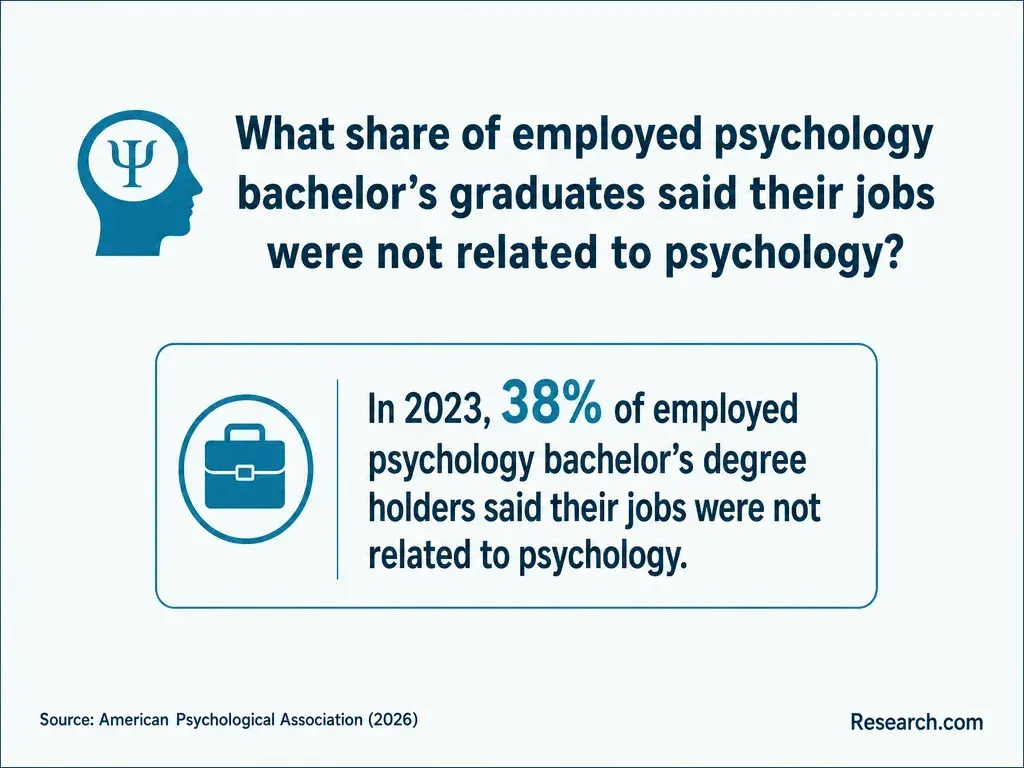
If you want to help people find mental health services in more than one language, a psychology BA may build useful knowledge, but it may not be the most direct qualification for the work. Effective resource navigation also depends on language proficiency, knowledge of local services, confidentiality, and clear boundaries around clinical care.
This guide is for prospective students and community-service workers comparing an online degree with more targeted training. It explains what to look for in a program and how to decide whether the investment fits your intended role.
Key Things You Should Know
- An online psychology BA can support nonclinical referral and outreach work; it does not qualify graduates to diagnose conditions or provide therapy. For bilingual navigation, assess language proficiency and supervised practice separately from psychology coursework.
- A typical bachelor's path takes about four academic years before transfer credit or part-time pacing changes the timeline.
- Compare the degree's remaining cost and required field experience with employer training, community health worker preparation, or a role-specific credential before enrolling.
What Is an Online BA in Psychology for Mental Health Resource Navigation?
It is a psychology bachelor's degree used to prepare for nonclinical service navigation: helping someone identify appropriate resources, understand access steps, and connect with an agency or provider. The navigator might explain how to request an appointment, identify language-access options, and follow up on a referral. They do not decide whether a person has a disorder or which treatment the person needs.
"Mental health" in a degree description may refer to electives rather than an officially named concentration. Likewise, an online BA may teach psychological science without offering bilingual coursework or a navigation placement.
Check the catalog for the awarded degree, required courses, and opportunities to practice referral work. Broader undergraduate psychology degree program choices can help frame that comparison, but the best fit depends on what this particular curriculum lets you do.
For someone already working in a community organization, a full BA makes most sense when a bachelor's degree is needed for advancement or when broad psychology and research preparation serves a longer-term goal. If the immediate goal is making better referrals in an existing job, targeted language-access and service-navigation training may be faster and less costly.
What Careers Can a Psychology Bachelor's Degree Support in Mental Health Navigation?
Look for jobs by duties, not just titles: "navigator," "coordinator," and "advocate" mean different things across employers. The comparison below shows where a BA may help and what else an applicant may need.
| Potential role | Relevant work | Qualification to check |
| Resource or intake navigator | Explain service options, document requests, and connect people with providers | Employer requirements for language proficiency, records systems, and supervised onboarding |
| Community health worker | Conduct outreach and help people access health and social services | State or employer training and certification rules, where applicable |
| Recovery-support worker | Connect people with recovery resources and provide support within an assigned role | Any required peer credential, lived-experience criteria, or substance-use training |
Relevant experience in outreach, public benefits, customer service, or community interpretation can be as important as the major. A supervised placement can demonstrate accurate referrals, respectful communication, and documentation without implying clinical competence.
If substance-use services are the target, compare the actual duties and credentials across career options in recovery services before choosing coursework.
What Accreditation Should an Online Psychology Bachelor's Program Have?
Start by confirming that the college or university holds recognized institutional accreditation and that it applies to the institution awarding the online BA. Check the accreditor's current directory, then confirm the degree and delivery arrangement with the school. Institutional accreditation matters for degree recognition and can affect eligibility for federal student aid; it does not establish that a program teaches bilingual navigation.
Do not reject a general psychology BA because it lacks APA accreditation. APA accreditation applies to specified professional psychology doctoral programs and related training, not general bachelor's psychology majors.
Nor should a concentration label be taken as proof of eligibility for counseling or social-work licensure. This distinction matters when comparing other specialized degrees, including forensic psychology admissions and education planning: verify recognition for the actual credential and profession, not for a neighboring field.
Requirements vary, but psychology majors commonly cover research methods, statistics, development, social behavior, and psychological disorders. For navigation, the most useful additions may be community mental health, health disparities, ethics, substance use, interpersonal communication, and a relevant language course. Studying disorders helps a navigator understand terminology; it does not authorize screening, diagnosis, or treatment.
Evaluate the sequence, not just the course list. Ask whether statistics precedes research methods, whether mental health electives run often enough for your schedule, and whether an internship requires daytime hours or an approved local site.
An online lecture can be asynchronous while group work or field experience is not. If later graduate study is a possibility, compare research depth and prerequisites rather than assuming a faster degree is sufficient preparation; comparing accelerated MS psychology options is a separate decision from becoming ready for an entry-level navigator role.
Applicants generally need to meet the institution's undergraduate admission rules; transfer applicants must also provide records for credit evaluation. Requirements for GPA, prior coursework, and entry to the major differ by school. Ask for an official degree audit showing not only credits accepted, but which general education, psychology, statistics, and residency requirements those credits satisfy.
If you already hold a bachelor's degree, check whether the target employer actually requires psychology as the major before paying for a second one. Graduate study is justified only when it serves a distinct goal.
For example, forensic psychology graduate programs with shortened study plans address a different specialization, not a shortcut into bilingual resource navigation. Ask admissions and career staff what preparation your intended role requires.
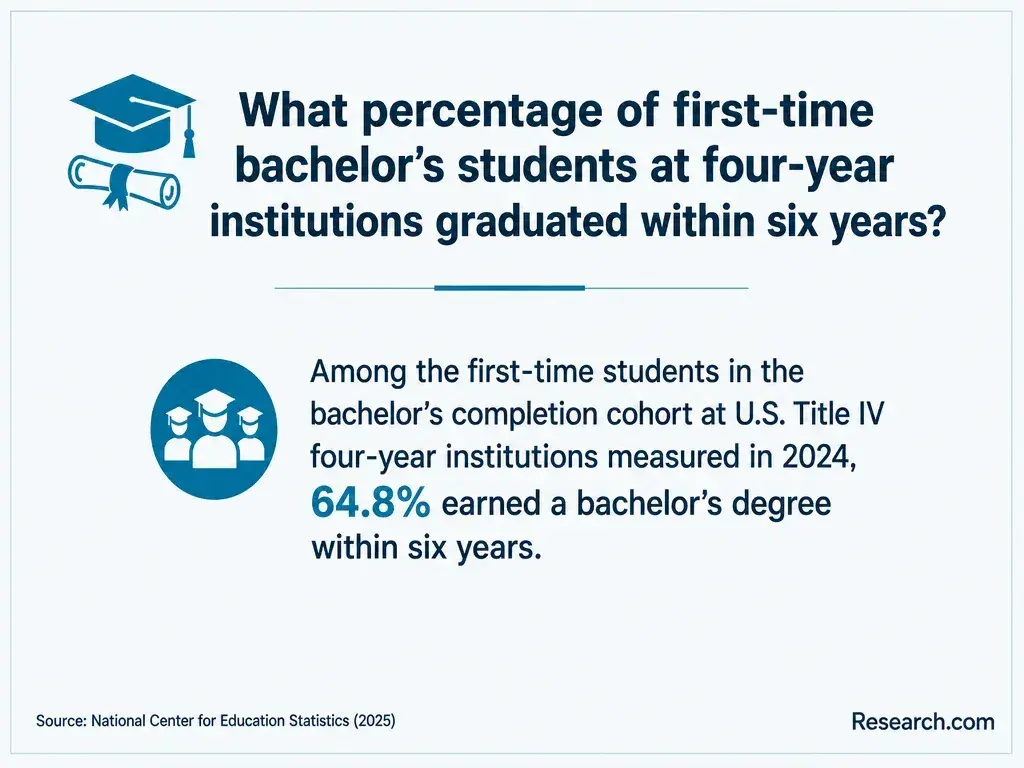
A bachelor's degree is commonly planned as four academic years of full-time study, but a student's remaining time depends on the approved transfer audit, course availability, and enrollment pace. Online delivery may eliminate a commute without eliminating scheduled meetings or placement travel. Before enrolling, map the remaining required courses by term and ask when each is next offered.
Compare total remaining cost, not a per-credit advertisement: tuition, mandatory fees, books, technology, and any placement-related travel all matter. Request a school-specific estimate using your approved credits and intended pace, and ask how reduced enrollment would affect aid.
If your goal is substance-use service work, comparing the financial value of addiction counseling bachelor's study can sharpen the comparison, but only after confirming which education the target job accepts.
A psychology BA is academic preparation, not authorization to practice psychotherapy, diagnose conditions, or use a protected clinical title. Licensed counseling, social work, and psychology follow different educational, supervised-experience, examination, and state-board rules.
If the long-term goal is therapy, identify the intended license and state before selecting a graduate program. The BA may help you prepare to apply, but a general psychology master's degree is not automatically licensure-qualifying either.
Planning the time and cost of a counseling master's is relevant to that separate path; confirm the specific program against the licensing board's rules. For a navigation goal, clinical licensure may be unnecessary.
There is no single salary or employment projection for "bilingual mental health navigator" or for graduates of a psychology BA. Pay depends on the employer, location, responsibilities, language requirements, and experience.
For a defensible benchmark, consult the latest U.S. Bureau of Labor Statistics figures for the occupation matching the job's duties, such as community health workers or social and human service assistants, and note the wage reference year and projection period. An occupation-wide median is not an offer to a new graduate.
Compare actual local postings for required credentials and pay ranges, then weigh those opportunities against the degree's remaining cost and time. Graduate study should have its own purpose and budget; graduate psychology tuition and program value is a separate comparison, not evidence that an MS will raise a navigator's pay.
How Can Students Choose a Reputable Online Psychology Degree Program?
Build a shortlist around the job you want, then request written answers from each school. A program's online format, mental health electives, and institutional accreditation are starting points; none proves that bilingual practice or a usable placement is available.
If speed is a priority, compare shorter routes to an online psychology major against their course schedules and applied-learning opportunities, not just the advertised completion time.
Use these checks to turn program descriptions into a decision you can verify:
- Confirm the awarding institution's accreditation, exact degree name, and whether "mental health" is a formal concentration or a set of electives.
- Obtain a degree audit and a term-by-term plan showing course availability, live-session requirements, remaining credits, and estimated total charges.
- Ask who approves placements, whether a local community organization can qualify, what supervision is required, and whether bilingual navigation duties are permitted.
- Compare those answers with local job postings and ask an employer whether a BA, targeted training, or a specific credential is preferred.
Choose the BA when it fills a real education requirement and offers accessible practice in the work you intend to do. If the gap is chiefly knowledge of local referrals or language-access procedures, start by asking whether supervised workplace training can fill it.
Other Things You Should Know About Psychology Programs
Follow the organization's language-access procedure and arrange an approved interpreter or appropriate staff member. Do not guess at sensitive information or rely on a companion to interpret without checking policy and the person's wishes.
Use only your organization's approved records system and retention rules. A personal spreadsheet or device can expose confidential information, even when created to make follow-up easier.
Only the college can approve credit or an academic placement. Ask about site eligibility, supervision, learning objectives, and documentation before assuming volunteer hours will count.
Usually, a guide you created without confidential client information can demonstrate your skills, subject to your school's and site's permissions. Remove internal-only details and check that the listed resources are still accurate.
- Behavioral Health Career Descriptions | samhsa.gov https://www.samhsa.gov/about/careers/behavioral-health-workforce/careers-by-state/descriptions
- Cost of Attendance (Budget) | 2025-2026 Federal Student Aid Handbook https://fsapartners.ed.gov/knowledge-center/fsa-handbook/2025-2026/vol3/ch2-cost-attendance-budget
- Requirements Related to the Practice of Counseling - NCBI https://www.ncbi.nlm.nih.gov/books/NBK259170/
- Communication in refugee and migrant mental healthcare | sciencedirect.com https://www.sciencedirect.com/science/article/pii/S0168851023002348
- Online Bachelor's in Psychology | University of Kansas https://online.ku.edu/undergraduate-programs/online-bachelors-psychology
- Training in Cultural Competence for Mental Health Care | springer.com https://link.springer.com/article/10.1007/s11013-024-09867-3
- Counseling & Therapy (Graduate Education Required) | ucdavis.edu https://yellowcluster.ucdavis.edu/psychology-career-pathways/helping-professions/counseling-and-therapy-careers
- Undergraduate and Graduate Tuition and Fees | Purdue Global https://www.purdueglobal.edu/tuition-financial-aid/undergraduate-graduate-tuition-and-fees/
- Bachelor of Arts in Psychology with a concentration in Mental Health | Avila https://online.avila.edu/degrees/undergraduate/bachelor-psychology-mental-health/