2027 Forensic Science Tuition Inflation Report: How Fast Are Program Costs Rising?

Co-Founder and Chief Data Scientist
Rising tuition in forensic science programs reflects distinct pressures tied to the discipline's specialized demands. Investments in advanced laboratory technology, costly simulation equipment, and compliance with evolving accreditation standards have intensified operational costs. Faculty with expertise in emerging forensic techniques and increased clinical training requirements further drive resource allocation upward.
According to the National Forensic Science Technology Center's 2024 report, enrollment grew by 8% as workforce demand expanded, intensifying institutions' need to balance quality hands-on instruction with limited budgets. These factors contribute to tuition inflation that differs markedly from broader higher-education trends and reveals tensions between program accessibility and professional rigor.
Key Things to Know About Forensic Science Tuition Inflation
- Tuition inflation for forensic science programs outpaces general higher education costs by over 5% annually, suggesting a rising investment barrier that may delay or deter degree completion timelines.
- Employers increasingly seek specialization alongside forensic science degrees, so cost-driven program selection tradeoffs risk graduates lacking niche skills, potentially weakening early-career competitiveness.
- Heightened program expenses narrow access for underrepresented groups, amplifying workforce diversity challenges and pressuring institutions to balance affordability with curriculum depth in forensic science education.
- Key Things to Know About Forensic Science Tuition Inflation Key Things to Know About Forensic Science Tuition Inflation
- How Much Has Forensic Science Tuition Increased Over the Past Decade? Tuition Increased
- How Does Forensic Science Tuition Inflation Compare to Overall Inflation? Tuition Inflation
- Which Types of Schools Have Experienced the Fastest Forensic Science Tuition Growth? Tuition Growth by School Type
- What Factors Are Driving Rising Costs in Forensic Science Degree Programs? Tuition Cost Drivers
- How Does Forensic Science Tuition Growth Vary by State and Region? Tuition Growth by State
- Are Online Forensic Science Programs Becoming More Affordable Than Campus-Based Programs? Online Program Affordability
- How Have Financial Aid and Scholarships Changed as Forensic Science Tuition Has Increased? Impact on Financial Aid and Scholarships
- How Does Rising Forensic Science Tuition Affect Student Debt After Graduation? Impact on Student Debt
- Do Higher-Cost Forensic Science Programs Deliver Better Career Outcomes or Earnings? Impact on Career Outcomes
- What Do Current Tuition Trends Suggest About the Future Cost of a Forensic Science Degree? Tuition Trends
How Much Has Forensic Science Tuition Increased Over the Past Decade?
Tuition for forensic science programs in the United States has experienced a notable increase over the past decade, with data from the National Center for Education Statistics and the U.S. Department of Education College Scorecard indicating that average undergraduate tuition at public institutions rose by nearly 40% in inflation-adjusted terms between 2014 and 2024. Private colleges offering these programs often reported tuition hikes exceeding 50%, signaling cost growth well beyond general inflation. This decade-long trend underscores wider patterns in higher education pricing, where specialized programs like forensic science carry steeper financial burdens due to rising operational complexities and growing student interest.
Several factors underlie these tuition increases, including reduced state funding that shifts more costs to students and families, as well as institutional investments in advanced forensic technology and laboratory facilities essential for hands-on training. Enrollment growth in forensic science has further enabled schools to raise prices, leveraging demand despite price sensitivity. These drivers reflect the broader dynamic where program quality and the need for up-to-date technical resources justify tuition growth but also create challenges for affordability. Prospective students must carefully weigh these financial demands because rising tuition may limit access and affect workforce diversity, especially for those facing greater economic barriers.
Given these tuition trends, students should consider the long-term implications of their investment, balancing the cost against expected job market outcomes where practical experience and certification often accompany a degree to enhance employability. Increasing educational expenses could lead to higher borrowing or influence program choices, pushing some toward more affordable options such as cheapest ADN online programs or similar pathways in related fields. A nuanced understanding of forensic science tuition increase rate in the United States is critical for informed decisions around affordability, scholarship opportunities, and return on investment within this competitive academic and professional landscape.
How Does Forensic Science Tuition Inflation Compare to Overall Inflation?
Tuition inflation for forensic science programs has consistently outpaced general consumer price inflation, with recent figures showing yearly increases in the range of 5-7% compared to a roughly 3.4% rise in the Consumer Price Index reported by the U.S. Bureau of Labor Statistics. Data from the National Center for Education Statistics and the College Board highlight this widening gap, underscoring how the cost trajectory for forensic science tuition diverges notably from broader inflation trends.
This discrepancy reflects more than just rising costs; it points to field-specific pressures such as the need for cutting-edge lab technology and specialized faculty that contribute to faster tuition growth than seen in many other disciplines. When comparing forensic science tuition inflation rates in the United States to the national inflation trends, it becomes clear that these programs face unique cost escalations that outstrip general economic inflation.
The underlying structural drivers of this gap reveal a complex interplay between institutional funding shifts and operational cost increases. Reduced state funding for public institutions, frequently coupled with expanding administrative overhead and investments in advanced forensic science resources, drives tuition upward independently of standard inflationary forces. Additionally, the expansion of student services and infrastructure tailored to maintain accreditation standards and respond to evolving forensic methodologies inflates program budgets.
These factors reinforce the persistent divergence between forensic science program costs and overall inflation, reflecting broader reallocations of resources within higher education. This inflation gap carries significant implications for students navigating affordability and long-term value decisions. Rising tuition above wage growth in related fields may extend the time needed to recover educational investments, influencing borrowing patterns and financial stress.
Prospective learners must weigh these cost pressures carefully, especially given the evolving employer expectations for competencies in current forensic technologies that compel ongoing program adaptation. Those analyzing educational pathways alongside labor market outcomes might also consider how tuition inflation impacts enrollment choices and the perceived return on investment compared to other science disciplines, including opportunities in highest paying biology jobs.
Which Types of Schools Have Experienced the Fastest Forensic Science Tuition Growth?
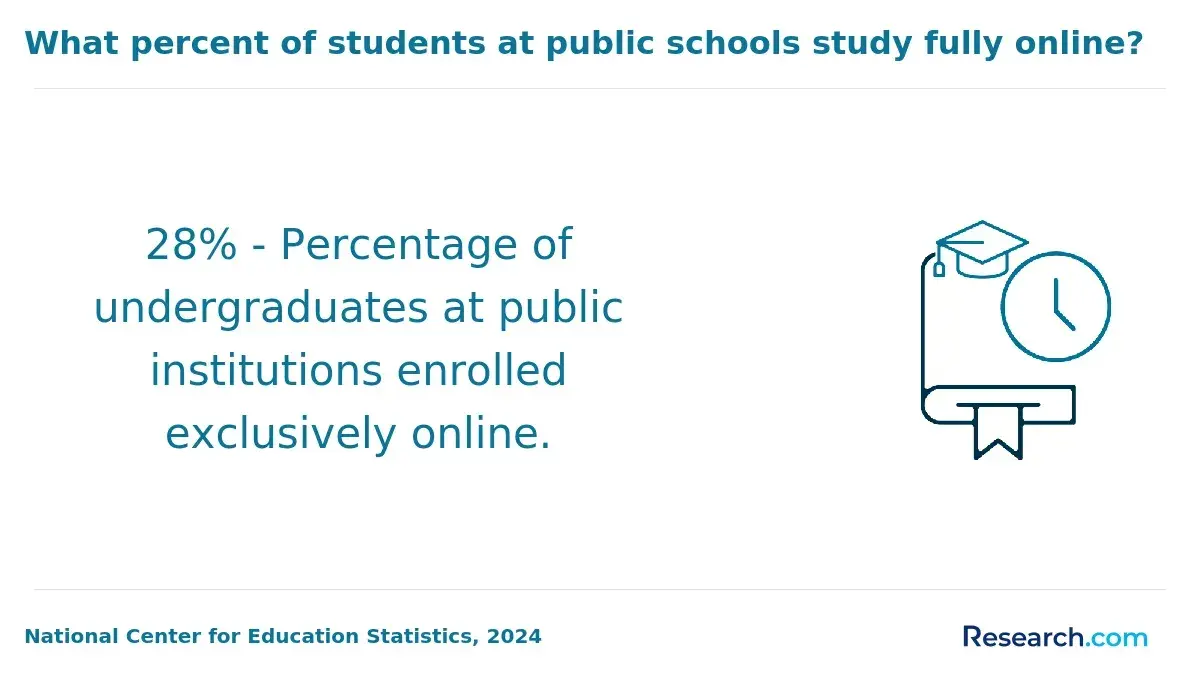
Tuition growth for forensic science degree programs varies widely according to institutional type, funding origins, and program structures. Differences in public versus private financing, program specialization costs, and enrollment demand shape how schools adjust pricing. Recognizing these distinctions is critical for assessing both cost trajectories and the relative value of forensic science education in different environments. Recent data from the National Center for Education Statistics highlights these disparities, showing faster tuition increases concentrated in specific sectors.
- Private For-Profit Institutions: These schools often face fewer regulatory constraints and rely heavily on tuition as their primary revenue source, leading to aggressive tuition hikes. Their business models emphasize growth and profitability, which can drive rapid price inflation, especially in high-demand fields like forensic science where marketing and hands-on training create cost pressures.
- Public Universities: Although facing funding cuts and enrollment fluctuations, public institutions typically manage tuition growth more conservatively due to state oversight and budget allocations. Their broader missions and subsidies result in more stable, moderate increases compared to the private for-profit sector.
- Research-Intensive Universities: These campuses incur elevated costs from advanced laboratory facilities and specialized faculty, which can push tuition higher. However, they often supplement expenses with grants and endowments, softening tuition growth despite the resource intensity of forensic science programs therein.
- Regional Colleges and Community Colleges: Generally focused on local access and workforce development, these institutions maintain relatively low fees with slower tuition growth. Their smaller scale and public funding models reduce incentives to raise prices sharply, offering more affordable forensic science pathways for adult and nontraditional students.
- Online Universities: The rise of virtual forensic science programs adds complexity; some leverage lower operational expenses to moderate tuition, while others charge premiums for flexible delivery and accelerated formats. Variability within this sector depends on institutional reputation and investment in digital infrastructure.
What Factors Are Driving Rising Costs in Forensic Science Degree Programs?
The increasing costs associated with forensic science degree programs stem from a complex interplay of institutional, regulatory, and economic forces rather than a single, isolated factor. These programs face unique financial pressures due to their specialized nature, requiring sustained investment in high-tech laboratory equipment and rigorous accreditation compliance. Moreover, shifts in higher education funding models mean that institutions must recalibrate resources across competing demands while maintaining program quality, which consequently drives tuition upward.
Cost growth is thus a product of evolving operational frameworks that include expanding administrative functions and heightened expectations for student services, all operating within a landscape of fluctuating public support and growing market demand. Key contributors to rising expenses include diminished public funding, particularly at state-supported universities, which has led to greater dependence on tuition revenue to sustain program operations. Faculty costs have escalated as forensic science programs increasingly seek specialized instructors with applied expertise, a necessity given employer expectations for graduates trained on current methodologies and technologies.
Simultaneously, the expansion of administrative staff to manage compliance, student advising, and technological infrastructure adds layers of overhead. Investment in digital tools, virtual labs, and data management systems also reflects an ongoing institutional commitment to blended learning environments, further amplifying costs. According to a 2024 report from the National Center for Education Statistics, annual tuition and fees in forensic science-related fields have increased by around 5.5% since 2020, a rate surpassing general inflation and emphasizing the persistent upward cost trajectory.
How Does Forensic Science Tuition Growth Vary by State and Region?
Tuition growth for forensic science programs varies significantly across U.S. states and regions, reflecting deeper structural differences rather than merely geographic distinctions. State funding policies, the balance between public and private institutions, and regional economic conditions heavily influence these disparities. Forensic science tuition increases by region are shaped by how states allocate appropriations to higher education, the reliance on out-of-state or private funding, and local cost-of-living pressures. These factors produce uneven tuition inflation rates that go beyond simple location, impacting accessibility and affordability in meaningful ways.
Key drivers of variation include the level of state appropriations to public universities and how much these institutions compensate for funding shortfalls by raising tuition or fees. States with well-funded public university systems typically show more moderate growth in forensic science program costs, while regions with limited state support often rely on a mix of private institutions or out-of-state tuition premiums. Additionally, regions with higher living expenses, such as the Northeast and West Coast, tend to show higher rates of forensic science tuition inflation.
The presence of research-intensive universities and specialized forensic facilities can also increase tuition as programs invest in cutting-edge labs and accreditation compliance. This interplay highlights how institutional priorities and regional labor market demands influence state-by-state forensic science program cost growth. These disparities affect student mobility and program selection, with prospective students weighing the trade-offs between tuition growth, program quality, and long-term return on investment.
Rising tuition in higher-cost regions may not always correspond with proportional improvements in educational value or job market competitiveness, potentially limiting access for lower-income students and influencing workforce diversity. Students facing significant cost increases might explore alternatives, such as interstate enrollment or programs with different pricing structures, including ultrasound tech programs online, to manage affordability. Understanding the nuanced regional and institutional mechanisms behind tuition changes is critical for making informed decisions in forensic science education pathways.
Are Online Forensic Science Programs Becoming More Affordable Than Campus-Based Programs?
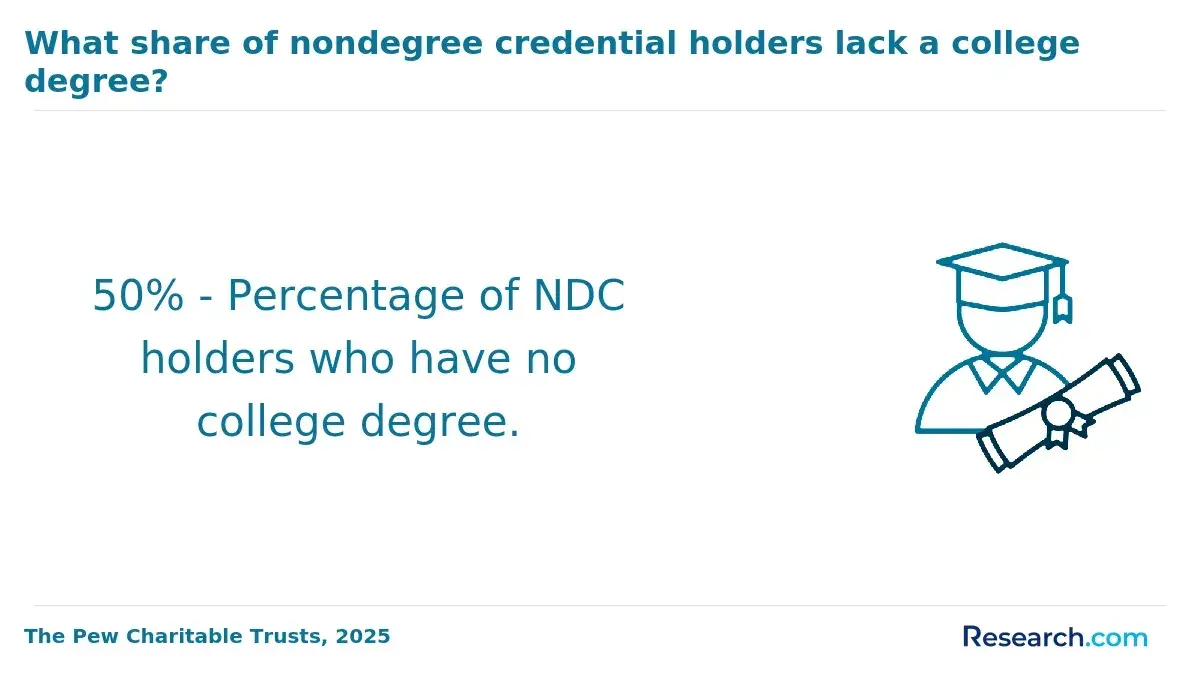
Tuition trends reveal that online forensic science programs generally experience slower inflation compared to their campus-based counterparts, making them increasingly attractive from a cost perspective. Data from the National Center for Education Statistics in 2024 shows campus forensic science tuition rising by about 5-6% annually, while online program costs increase more moderately at roughly 2-3% per year.
This discrepancy reflects differing institutional approaches to pricing: campus programs often factor in fixed costs related to physical infrastructure and on-site services, whereas online programs leverage scalable digital delivery, enabling more restrained fee growth. Despite this seeming affordability advantage, the overall educational value cannot be assessed through tuition numbers alone, as other factors like hands-on components and employer valuation also influence long-term outcomes.
These pricing divergences stem from structural differences in how institutions allocate resources between modalities. On-campus programs bear higher overhead costs from maintaining specialized laboratory facilities, dedicated physical spaces, and in-person faculty labor. Conversely, online programs invest in robust learning management systems, digital content development, and technology support, costs that are substantial but benefit from economies of scale and wider student reach.
Faculty workload models may also shift, with online instruction requiring more upfront design and synchronous coordination. Additionally, student support services such as advising or tutoring must be adapted for remote access, influencing ongoing expenditure. The relatively slower tuition escalation among online forensic science offerings suggests a strategic balancing of these cost centers, with institutional priorities and market dynamics shaping whether affordability gaps persist or narrow over time.
How Have Financial Aid and Scholarships Changed as Forensic Science Tuition Has Increased?
As tuition costs for forensic science programs have consistently risen by roughly 4-6% annually over recent years, the evolution of financial aid and scholarships has been uneven and complex. Institutional aid packages, particularly merit-based scholarships, have expanded selectively to attract competitive applicants, especially at publicly funded universities or those with strong ties to law enforcement. However, need-based aid growth has generally failed to keep pace with inflation-adjusted tuition increases, reducing its effectiveness in offsetting real cost burdens. This shifting balance has led many institutions to lean more heavily on loans and work-study options, creating an increasingly layered and fragmented aid landscape for students pursuing forensic science degrees.
Several factors drive these trends. Federal and state grant funding, typically a critical support for lower- and middle-income students, has experienced nominal growth that, when adjusted for tuition inflation, amounts to a relative decline in purchasing power. Meanwhile, competition for top candidates has incentivized schools to deploy merit scholarships strategically, often using these awards as a tool to both attract and retain students with strong academic credentials. This tuition discounting approach benefits certain applicants but can simultaneously tighten institutional budgets and redirect financial aid away from broader need-based programs. Additionally, private institutions frequently maintain or reduce scholarship budgets, shifting more costs onto students and increasing reliance on personal borrowing.
The net effect for many forensic science students is an affordability gap that narrows only incrementally despite rising tuition. Evidence from recent reports highlights growing student debt levels relative to median starting salaries in the field, suggesting that increased borrowing may be compensating for stagnant real aid levels rather than family resources or scholarships mitigating costs. These dynamics influence not only the actual net price paid but also students' program choices, with financial aid structures reinforcing disparities in access depending on socioeconomic background and institutional funding models. Understanding these financial aid patterns is vital for prospective students to gauge long-term return on investment and manage potential debt burdens effectively.
How Does Rising Forensic Science Tuition Affect Student Debt After Graduation?
Rising forensic science tuition directly contributes to significantly higher borrowing levels, as students increasingly depend on loans to cover escalating program costs. With annual tuition inflation rates outpacing wage growth, the total amount financed tends to exceed original estimates, pushing many graduates into deeper debt. Forensic science programs also often include extended durations for lab work and certification expenses, adding to upfront costs not sufficiently mitigated by financial aid. This trend drives students to accumulate larger loan balances, intensifying post-graduation repayment burdens.
Critical factors shaping these borrowing patterns include growing gaps between tuition costs and available financial aid, which disproportionately affect students at private institutions where fees are steeper compared to public schools. Interest accrual during multi-year study periods further inflates debt, especially for those who must rely on unsubsidized federal or private loans. Post-graduation incomes for forensic science roles, such as crime lab technicians, frequently range from $45,000 to $55,000 annually, creating a constrained repayment environment given these elevated debt levels.
Such disparities underscore challenges in managing debt-to-income ratios and highlight the importance of understanding the rising costs of forensic science tuition and student loan impact in the United States. This financial strain often leads to prolonged repayment schedules, increased likelihood of default, and dependence on income-driven repayment plans or loan forgiveness programs that may or may not fully alleviate burdens. These realities influence prospective students' program selection, weighing the perceived value of forensic science degrees against long-term affordability.
Adult learners, who frequently balance additional financial responsibilities and career transitions, experience distinct repayment dynamics. For further context on shifting tuition structures within related fields, see the Chamberlain vs Capella RN to BSN program comparison. National data shows that average student debt after completing forensic science degrees in North America typically ranges from $35,000 to $45,000, reinforcing the crucial need for informed financial planning amid these rising tuition pressures.
Do Higher-Cost Forensic Science Programs Deliver Better Career Outcomes or Earnings?
The question of whether higher-cost forensic science programs deliver better career outcomes or earnings is nuanced and resists simple conclusions. While recent 2024 data from the National Center for Education Statistics and the U.S. Bureau of Labor Statistics indicate that graduates from more expensive private and specialized programs may report starting salaries roughly 5% to 10% above the median for lower-cost public institutions, tuition alone is not a reliable predictor of long-term success.
The real determinant lies in how the program prepares students for labor market demands rather than how much it charges. Analysis of forensic science program tuition versus graduate earnings reveals that a higher sticker price often correlates with increased student debt, which can negate initial salary advantages by delaying financial stability. Several critical factors beyond cost heavily influence career outcomes. Institutional reputation matters where it aligns with recognized accreditation bodies such as the Forensic Science Education Programs Accreditation Commission (FEPAC).
Equally important are programs featuring strong internship pipelines and established employer partnerships, particularly with regional forensic labs and law enforcement agencies, which cement practical experience and job placement opportunities. Regional differences in forensic science degree career outcomes also play a role; geographic location can affect not only earning potential but also access to specialized labs and technology training. Alumni networks and program specialization depth often provide added leverage in navigating competitive job markets, underscoring the complexity behind earnings and employment statistics that go beyond tuition pricing.
Prospective students should approach forensic science program selection by carefully weighing affordability against these qualitative curriculum and network factors rather than assuming higher cost equates to superior outcomes. Evaluating return on investment requires scrutinizing tuition costs alongside real-world employment and salary trajectories, factoring in student debt burdens and local job market conditions. For those researching options, reviewing which LPN programs are easiest to get into offers an analogy in assessing program accessibility and alignment with career objectives. Balancing cost with program characteristics that enhance employability remains critical for informed decision-making in the forensic science education landscape.
What Do Current Tuition Trends Suggest About the Future Cost of a Forensic Science Degree?
Recent tuition trends indicate that the cost of pursuing a Forensic Science degree is on an upward trajectory, rising faster than general inflation. Data from the National Center for Education Statistics in early 2024 reports an average annual increase of approximately 4.5% in tuition and fees for science and technology-related bachelor's programs over the past five years. This trend reflects systemic inflationary pressures within higher education, compounded in Forensic Science programs by the cost of specialized equipment, accreditation demands, and faculty expertise. Historical growth rates suggest that absent major structural reforms, future costs are likely to continue outpacing typical consumer inflation, posing significant affordability challenges over the next decade.
Key drivers behind this trend include strained institutional funding models that increasingly shift costs to students, growing demand for highly specialized Forensic Science skills, and expanded online and hybrid program offerings that carry different cost structures. Universities are investing significantly in technology-enhanced education and student support services, which, while improving accessibility and flexibility-particularly for adult learners-also contribute to overall price growth. At the same time, institutions must balance the high fixed costs associated with laboratory facilities essential for Forensic Science education, constraining their ability to lower expenses despite changing enrollment patterns.
These dynamics mean prospective students should anticipate rising debt burdens and carefully weigh the long-term value of Forensic Science degrees against alternative credentials or certifications. Rising tuition may drive greater scrutiny from employers who balance formal education with practical experience when evaluating candidates. In this environment, understanding nuanced tuition projections and their implications is critical for informed decision-making, particularly for adult learners managing competing financial and personal commitments.
References:
- Universities Investing in More Degrees to Keep Up with Growing Forensics Industry https://www.forensicmag.com/3594-All-News/617933-Universities-Investing-in-More-Degrees-to-Keep-Up-with-Growing-Forensics-Industry/
- Criminal Justice Technology - Forensic Science - Forsyth Tech Community College https://www.forsythtech.edu/program_tracks/criminal-justice-technology-forensic-science/
- Tuition fees and costs - Master Forensic Science https://www.uva.nl/shared-content/programmas/en/masters/forensic-science/tuition-fee/tuition-fees-and-costs.html
- Forensic Scientist Salary: State-by-State Median Guide https://www.allcriminaljusticeschools.com/forensics/salary/
- Fact check/Does research show that federal student aid increases tuition https://ballotpedia.org/Fact_check/Does_research_show_that_federal_student_aid_increases_tuition
- Top Online Forensic Science Degree Programs https://www.forensicscolleges.com/online
- Tracking College Tuition Growth https://www.richmondfed.org/publications/research/economic_brief/2024/eb_24-23
- Why College Is Too Expensive — And How Competition Can Fix It - FREOPP https://freopp.org/whitepapers/why-college-is-too-expensive-and-how-competition-can-fix-it/
- Investigating the future of forensics | American Association for the Advancement of Science (AAAS) https://www.aaas.org/membership/depth/investigating-future-forensics
Other Things You Should Know About Forensic Science
Rising tuition often corresponds with programs investing in specialized labs and technology-intensive courses, which increase instructional costs. Students must critically assess whether the higher price reflects tangible enhancements in hands-on learning or merely administrative expenses. Prioritizing programs offering rigorous practical training may justify steeper tuition spikes, as experiential learning directly affects workplace readiness and employability in forensic science.
Increases in tuition sometimes accompany extended program durations or additional certification components that extend time to degree. While longer programs might provide more comprehensive expertise, they also raise direct and opportunity costs for students. Prospective learners should examine whether such lengthening aligns with clearly defined career advantages, balancing time investment against potential salary improvements or job placement rates post-graduation.
As program costs rise, financial barriers disproportionately affect students from marginalized or lower-income backgrounds, potentially shrinking the talent pipeline in forensic science. Institutions and policymakers must consider targeted financial support and flexible payment models to prevent losing qualified candidates. Without such measures, growing tuition could stifle efforts to diversify the field, which is crucial for improving investigative practices and justice outcomes.
Employers prioritize practical skills and certifications over sticker price, so tuition inflation alone rarely affects hiring decisions. Students should weigh program reputation, access to internships, and faculty expertise more heavily than cost increases. Choosing a mid-cost program with strong employer connections often offers superior returns compared to expensive options with less practical focus, making informed assessments of value more important than tuition trends alone.