2027 Forensic Science Degree Oversupply or Undersupply? Student Volume vs Employer Demand

Co-Founder and Chief Data Scientist
Choosing to pursue a forensic science degree demands careful evaluation of whether graduate output matches labor market needs. In 2024, forensic science programs nationwide produced approximately 3,200 graduates, while the Bureau of Labor Statistics projects only a 6% growth in relevant job openings through 2032-indicating potential saturation in key regions. This imbalance raises concerns about underemployment and heightened competition, especially where employer requirements now emphasize advanced technical skills and specialized certifications. Geographic disparities further complicate the landscape, with some areas facing acute talent shortages and others overwhelmed by graduate inflows. This article analyzes student volume, employer demand, job growth, regional factors, and skill gaps to clarify if forensic science offers sustainable opportunities or mounting competition.
Key Things to Know About Forensic Science Graduate Supply and Employer Demand
- Graduate completions in forensic science increased by 12% since 2022, but geographic clustering of employers in large metro areas limits job availability elsewhere, emphasizing the need for location flexibility among graduates.
- Employers report skill mismatches in specialized forensic disciplines, particularly digital forensics, indicating that broad degrees may reduce immediate employability despite growing overall job openings.
- Rising competition for entry-level positions requires longer job search durations, increasing education costs and delaying career start, thus affecting decisions on pursuing advanced certifications versus immediate employment.\
- Key Things to Know About Forensic Science Graduate Supply and Employer Demand Key Things to Know About Forensic Science Graduate Supply and Employer Demand
- Is There an Oversupply or Undersupply of Forensic Science Graduates? Graduate Oversupply or Shortage
- How is Forensic Science Degree Enrollment Changing? Degree Enrollment Trends
- How Many Forensic Science Graduates Enter the Workforce Each Year? Annual Graduate Workforce Entry
- Does Job Growth Support the Rising Supply of Forensic Science Graduates? Job Growth Versus Supply
- How Competitive is the Entry-Level Market for Forensic Science Graduates? Entry-Level Market Competition
- Which Industries Have the Greatest Demand for Forensic Science Graduates? Top Hiring Industries
- Where are Forensic Science Graduates Most in Demand? Top Geographic Demand
- Which Forensic Science Specializations and Degree Levels Face the Strongest Demand? Which Forensic Science Specializations and Degree Levels Face the Strongest Demand?
- Are Employer Skill Gaps Affecting Demand for Forensic Science Graduates? Are Employer Skill Gaps Affecting Demand for Forensic Science Graduates?
- What is the Future Supply-and-Demand Outlook for Forensic Science Graduates? Future Supply-Demand Outlook
Is There an Oversupply or Undersupply of Forensic Science Graduates?
The supply of forensic science graduates nationally roughly aligns with employer demand when viewed at the aggregate level, with the U.S. Bureau of Labor Statistics projecting a modest 5% growth in forensic science technician roles over the coming decade. However, this aggregate data masks substantial regional disparities that moderate any simplistic interpretation of oversupply or undersupply. Metropolitan hubs in California, Texas, and the Northeast experience chronic talent shortages, especially for specialties like digital forensics or biomolecular analysis, forcing many employers to compete aggressively for candidates with advanced training. Conversely, rural and smaller markets face an oversaturation of entry-level forensic science professionals, driving extended job searches and heightened competition despite a stable national demand profile, illustrating how geographic and specialization factors heavily influence workforce dynamics.
Employers increasingly favor candidates with graduate-level credentials or post-graduate certifications, significantly raising the bar for bachelor's degree holders entering the field. This credential inflation means even when graduate volumes match available roles by raw numbers, many applicants are effectively competing in a narrower pool favoring practical experience and specialized skill sets, often acquired through hands-on internships or advanced coursework. Emerging forensic disciplines, such as forensic toxicology and crime scene reconstruction, are expanding more rapidly and highlight a growing mismatch between traditional program outputs and evolving employer expectations. Prospective students must weigh these nuances carefully, as simply relying on overall forensic science graduate supply figures obscures both the variation in regional forensic science job market shortages and graduate trends and the strategic importance of targeted skill development, which can be critical for long-term career viability in this field. For those considering alternative healthcare specialization routes, programs such as MSN to DNP programs online continue to grow in demand among allied disciplines, underscoring shifts in the broader labor-market landscape.
How is Forensic Science Degree Enrollment Changing?
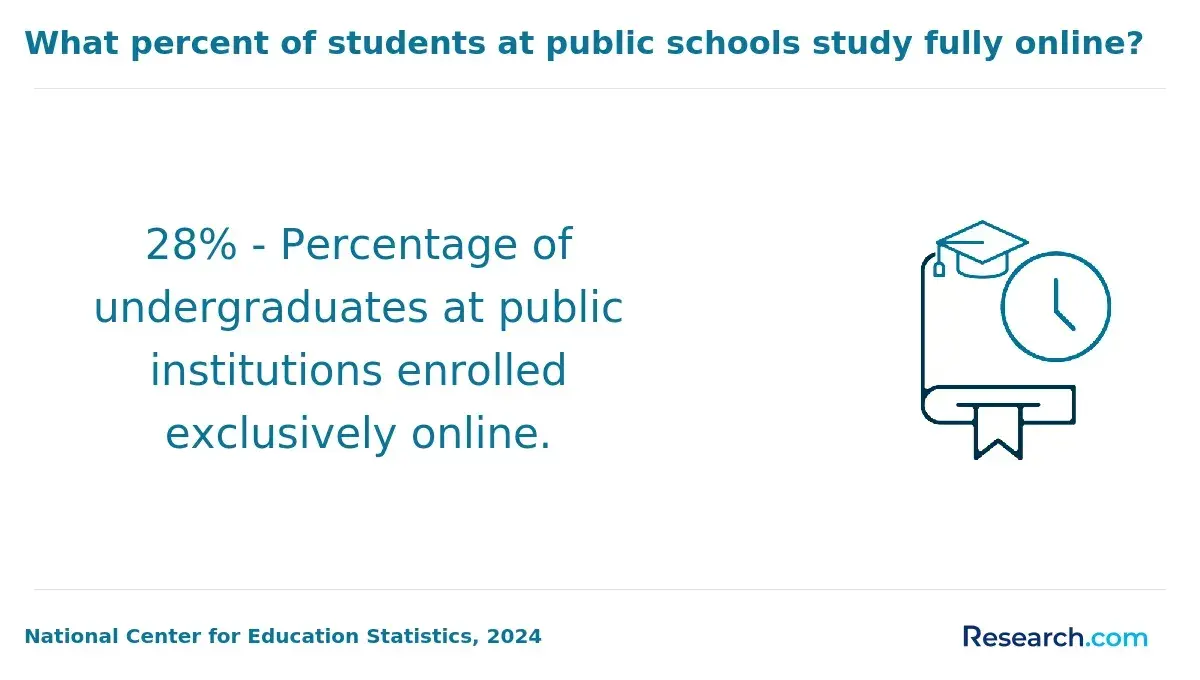
Enrollment growth in forensic science degree programs is concentrated mainly at the bachelor's level and through increasing online availability, which attracts a wider demographic including working adults and diverse populations. Despite modest overall student volume growth, this does not necessarily ease the competitive job market due to employer demand favoring candidates with hands-on experience and advanced credentials beyond a degree. Using national enrollment figures as a proxy for workforce opportunity can be misleading since regional labor markets vary widely, and oversupply in common specializations may coexist with local shortages in niche roles. The 2024 data from the National Center for Education Statistics highlights that associate and certificate programs are stagnating or declining, signaling a possible shift toward more comprehensive educational preparation but also potentially contributing to higher graduate competition without corresponding increases in job openings.
This uneven enrollment distribution influences how graduates fare in the workforce, emphasizing the importance of selecting programs that align closely with employer needs, especially concerning practical skills and certifications. Economic conditions and institutional capacity expansions that facilitate online program growth can dilute cohort quality if not paired with rigorous experiential learning, complicating workforce readiness. Meanwhile, the slow pace of demand growth in forensic roles underscores a critical tradeoff for students: pursuing broader or higher-level credentials may improve employability but also prolong educational investment amid uncertain labor market absorption. Educators and policymakers should weigh these patterns carefully to avoid misallocating resources toward training supply that overshadows genuine demand.
A current forensic science student recalls that their program's recent admission cycles have seen noticeably larger cohorts, partly due to new online courses aimed at remote learners. While this increase in enrollment reassured some peers about the field's vitality, others expressed concern about the intensifying competition for internships and laboratory placements, vital for career entry. The student noticed a growing diversity in classmates' backgrounds and motivations, yet observed that many felt uncertain whether the uptick in forensic science graduates nationally actually translated to more local job chances or simply meant competing against a larger applicant pool. This ambivalence reflects the broader challenge of interpreting enrollment growth within the nuanced realities of forensic workforce dynamics.
How Many Forensic Science Graduates Enter the Workforce Each Year?
Evaluating whether the supply of forensic science graduates exceeds employer demand requires more than just comparing annual degree completions. Data from sources like the National Center for Education Statistics and IPEDS show that around 3,000 to 4,000 students earn bachelor's degrees in forensic science or closely related fields annually in the U.S., but this figure doesn't capture nuances such as degree specialization, online versus in-person enrollment, or graduates who pursue advanced studies or alternative career paths. Many graduates delay direct entry into forensic roles due to further education, certification requirements, or the need for internships that provide essential hands-on experience employers prioritize.
When cross-referencing graduate output with market demand, only about half of these graduates secure positions closely aligned with their field within a couple of years, highlighting a disconnect between volume and actual labor absorption. Forensic science employment opportunities are unevenly distributed geographically and limited by the specialized nature of roles, constrained agency budgets, and competition for entry-level jobs. Employers often seek candidates with practical experience that raw graduation numbers don't reflect, meaning many degrees do not immediately translate into workforce readiness. Misinterpreting graduation statistics as direct indicators of workforce supply risks overlooking these critical quality and timing factors, which shape career prospects and hiring dynamics in this niche sector.
Does Job Growth Support the Rising Supply of Forensic Science Graduates?
Though labor projections indicate an 8% growth in forensic science occupations by 2032, this pace does not match the accelerating output of graduates from forensic science programs. Employers often prioritize candidates with specialized certifications or advanced degrees, limiting the number of true entry-level positions available. A forensic science graduate without geographic flexibility or additional credentials may face significant competition not only from peers but also from adjacent disciplines like biology and criminal justice, leading to underemployment or extended job searches.
Replacement hiring due to retirements offers steady openings in some government and public health laboratories, but these positions largely offset attrition rather than create new roles. Regional disparities further complicate job prospects; urban centers typically sustain greater demand, whereas rural areas show minimal expansion. For educators and students weighing forensic science graduate job market growth, understanding these nuances is essential to avoid oversupply pitfalls and align training with employer demand and labor realities.
Prospective students should weigh these factors carefully and consider targeted specializations or credentials to improve employability. This is similar to examining fields with overlapping labor market dynamics, such as medical coding, where understanding how much does medical coding pay is vital for career decisions. Realistic workforce planning will require balancing program output with actual employer needs to mitigate risks associated with workforce saturation and unmet graduate expectations.
How Competitive is the Entry-Level Market for Forensic Science Graduates?
The entry-level market for forensic science graduates in 2024 is marked by intense competition, driven less by stagnant job growth and more by an imbalance between new graduates and the specific skills employers demand. While technician positions are projected to grow moderately, the influx of graduates annually exceeds these opportunities. Employers prioritize candidates with practical laboratory experience, certifications, or internships, creating a barrier for purely academic entrants. The situation varies by region and subfield, making some job markets disproportionately crowded. The following points clarify the main dynamics shaping competition:
- Applicant Volume: In many metropolitan areas, job postings attract over 20 applicants per position, indicating saturated candidate pools that lower individual hiring chances.
- Experience Requirements: Most employers expect 1-3 years of hands-on forensic lab work or related internships, disadvantaging recent graduates who lack this background.
- Demand Concentration: Federal and state agencies typically offer more forensic science roles than smaller jurisdictions or private labs, intensifying rivalry where openings are limited.
- Skill Specialization: Certifications and specific forensic methodologies can differentiate candidates, increasing employability in niches like criminalistics or toxicology.
- Geographic Disparities: Urban centers show heavier competition compared to rural or less traditional forensic hubs, prompting graduates to weigh relocation or broader role flexibility.
- Employer Expectations: Practical reliability and demonstrated precision are critical, often outweighing academic credentials alone in hiring decisions.
- Underemployment Trends: Many new graduates accept roles outside forensic disciplines or in adjunct support positions, reflecting a misalignment between supply and suitable job slots.
A recent forensic science graduate described pursuing over thirty applications across varied agencies and states, frequently meeting rejection due to required prior lab experience. Despite multiple interviews, competing with seasoned candidates repeatedly prevented offers. This graduate ultimately shifted focus toward forensic support roles in smaller facilities and complemented their résumé with certification courses. While the process was discouraging and prolonged, such strategic adaptations became necessary to navigate a job market where graduate supply surpasses entry-level demand but where tactical positioning can improve outcomes.
Which Industries Have the Greatest Demand for Forensic Science Graduates?
Demand for forensic science graduates is markedly concentrated in sectors where specialized analytical skills meet structured operational needs, rather than diffused evenly across the economy. This dynamic reflects both employer size and regulatory context, with significant implications for graduates navigating employment options amid variable competition and credential requirements. Comparing industries reveals divergent pathways: while law enforcement offers volume and role clarity, private consulting demands niche expertise but fewer openings. Differentiating these environments helps clarify which settings may align better with an individual's experience level, certifications, or career priorities. Key industries generating the strongest employer demand for forensic science graduates include the following:
- Law Enforcement Agencies: Highest volume demand exists in local, state, and federal law enforcement, including forensic labs and crime scene units. These employers prioritize graduates with hands-on experience, certifications in forensic methodologies, and the ability to work under legal scrutiny. Entry roles focus on evidence processing with advancement into criminal justice or supervisory positions.
- Private Consulting Firms: Increasingly sought for forensic accountants, fraud examiners, and litigation experts, private consultants require advanced specialization and strong communication skills. Job openings are fewer but typically offer higher compensation for those able to provide expert testimony and complex data evaluation, reflecting growing regulatory complexity.
- Healthcare and Pharmaceuticals: Niche demand in forensic toxicology and pathology supports investigations related to compliance and cause-of-death determinations. Employers often seek candidates with scientific research backgrounds and certifications in toxicology, with opportunities for involvement in litigation support and cutting-edge studies.
- Cybersecurity Sector: Expanding roles at technology companies and government agencies blend forensic science with cybercrime investigation. Required skills include digital forensics and knowledge of evolving cyber threats, favoring graduates who combine technical IT proficiency with forensic credentials.
- Regional Variations: Geographic demand shifts influence employer needs significantly. Graduates must consider local law enforcement funding, private sector presence, and specialized industries-impacting competition intensity and job availability. This regional lens aligns closely with evolving data on forensic science employment by industry sectors.
- Education and Certification Requirements: Supplemental certifications, such as specialized forensic techniques or digital forensic credentials, strongly affect employability across sectors. Employers frequently look beyond degree holders to candidates with demonstrated applied expertise, underscoring the value of practical experience.
- Emerging Industry Intersections: Adjacent fields such as insurance fraud examination and regulatory compliance reflect evolving forensic demands, highlighting the need for interdisciplinary skills and adaptability. Graduates balancing technical training with soft skills may find more resilient career prospects.
Forensic science degree supply must be assessed in light of these industry-specific demand profiles and competitive realities. Education candidates evaluating labor markets should also investigate pathways such as online associate radiology tech programs that offer alternative or complementary STEM skills relevant in some forensic or healthcare contexts. Ultimately, a nuanced understanding of forensic science employment by industry sectors and regional demand trends for forensic science graduates is indispensable for informed career decision-making.
Where are Forensic Science Graduates Most in Demand?
National demand statistics for forensic science graduates often obscure significant regional disparities influenced by local crime rates, budget priorities, and the density of law enforcement agencies. Graduates targeting large metropolitan areas with abundant job postings, such as Los Angeles or New York City, encounter intense competition alongside higher living costs and employer preferences for advanced certifications or specialized expertise. For example, a graduate in Ohio might find themselves competing in an oversupplied market with relatively fewer openings, prompting difficult decisions about relocation or upskilling to stay competitive in higher-demand regions.
Employer demand extends beyond traditional crime labs into private consulting firms and sectors like cybercrime investigation, where interdisciplinary skills are increasingly valued. Rural areas and some southeastern states often report genuine workforce shortages but may lack the employer infrastructure or salary incentives found in urban centers, influencing graduates' willingness to relocate. The interplay between job availability, local credential requirements, and cost of living means that a high volume of listings in one area does not automatically translate to better career prospects without considering these nuanced factors.
Data from 2024 labor market analyses underscore that prospective forensic science professionals must weigh the practical implications of market saturation versus opportunity gaps. Hiring freezes and budget constraints can create temporal distortions in demand, particularly in public agencies. Understanding these fluctuations and aligning skills with emerging needs-like digital forensics or data analytics-can be critical to navigating the fragmented labor market landscape effectively rather than relying solely on headline job counts.
Which Forensic Science Specializations and Degree Levels Face the Strongest Demand?
Employer demand within forensic science is unevenly distributed, closely tied to specific specializations and degree levels rather than spread uniformly. Certain subfields, particularly those involving laboratory and digital evidence, face persistent shortfalls of qualified candidates relative to available jobs. By contrast, areas with higher graduate output but moderate job growth experience greater competition. For instance, a graduate with a master's degree in digital forensics typically encounters more openings and employer preferences than a bachelor's degree holder in crime scene investigation, where demand is more saturated. This reflects broader labor-market dynamics reported by the U.S. Bureau of Labor Statistics and corroborated by regional workforce data in 2024. Key specialization and credential combinations driving current hiring trends include:
- Forensic Toxicology Advanced Degrees: Agencies and public health sectors increasingly require master's level or higher toxicologists to conduct complex analyses of biological samples. Demand is fueled by public safety priorities and constrained candidate pools.
- Digital Forensics Specialists: Rapid growth in cybercrime and electronic evidence has created sustained openings for technicians and scientists with expertise in digital evidence handling and forensic software. Employer preference often tilts toward candidates holding graduate credentials and relevant certifications.
- Forensic DNA Analysis Professionals: Sustained investment in DNA databases elevates demand for analysts skilled in molecular techniques, with many federal and state labs seeking candidates with specialized training and at least a bachelor's degree, preferably advanced degrees.
- Forensic Chemistry Experts: Master's degree holders remain in demand for interpreting chemical evidence in criminal investigations, especially within government laboratories benefiting from targeted funding.
- Forensic Biology Graduates: Entry-level opportunities exist but face high competition due to greater graduate volume. Candidates with additional experience or certifications improve employability.
- Crime Scene Investigation Roles: While demand exists across jurisdictions, many positions require field experience and may offer lower entry-level salaries, increasing competition among bachelor's-level candidates.
Are Employer Skill Gaps Affecting Demand for Forensic Science Graduates?
The challenge in forensic science hiring does not stem from a straightforward shortage of graduates but rather from employer skill gaps that affect demand for candidates with relevant applied competencies. Positions requiring advanced digital forensics, statistical analysis, and emerging technologies often remain open because many graduates lack specialized experience or certifications aligned with employer needs. For example, a forensic laboratory may reject well-credentialed applicants without hands-on proficiency in AI-assisted evidence processing or industry-standard software, reflecting a credential mismatch in the labor market that complicates assumptions of oversupply or undersupply in this field.
Employer skill gaps in forensic science hiring also emphasize soft skills such as critical thinking, ethical judgment, and communication, which are unevenly developed in many traditional programs. Consequently, competition intensifies for roles where technical knowledge must be paired with professional readiness, internships, and relevant training. This dynamic results in uneven demand elasticity-vacancies may persist despite a nominal pool of degree holders, especially where regional market forces or specialized requirements differ. Prospective students and current graduates should carefully evaluate program content, prioritize experiential opportunities, and develop a blend of technical and interpersonal skills to improve alignment with employer expectations and hiring realities.
Addressing these complex workforce realities requires navigating tradeoffs between broad forensic science curricula and targeted skill development that meets labor market specificity. Graduates weighing options might consider pathways that emphasize certifications, applied projects, or cross-disciplinary expertise, rather than relying solely on degree completion. For those comparing fields, resources like cheapest online school psychology programs illustrate how differentiated program offerings affect employability outcomes. Awareness of employer skill gaps and forensic science graduate credential mismatch in labor market trends improves decision-making, situating candidates to better meet evolving industry demands.
What is the Future Supply-and-Demand Outlook for Forensic Science Graduates?
Targeted job searches generally outperform high-volume, unfocused applications because they enable graduates to align their qualifications closely with specific employer needs. Forensic science graduates often face intense competition due to the imbalance between the number of graduates and job openings, particularly in urban centers where demand saturates rapidly. A graduate focusing solely on generic forensic technician roles without differentiating their skill set or tailoring resumes to specific job descriptions risks extended unemployment or underemployment, whereas prioritizing entry-level positions with clear alignment to their practical experience-such as digital forensics analyst or DNA lab technician-improves hiring prospects. Allocating effort toward geographic areas with reported shortages and tailoring application materials to industry terminology also increases the likelihood of interview invitations.
The future supply and demand for forensic science graduates is not uniform across regions; prospective job seekers must research localized labor market conditions rather than relying on national averages. Demonstrating relevant skills through internships or specialized projects directly addressing employer priorities often outweighs bulk applying. Additionally, timing applications to coincide with hiring cycles and leveraging market data enhances interview conversion rates. While some fields offer alternative paths, such as related healthcare roles or certifications like those found in the quickest medical billing and coding certificate online programs, graduates must calibrate expectations around employer demand and competitive supply to optimize outcomes in forensic science graduate employment outlook in the United States.
References
- Forensic Workforce Survey https://www.smithgroup.com/forensic-workforce-survey
- Employers will increasingly focus on graduates’ skills over technical knowledge https://wonkhe.com/blogs/employers-will-increasingly-focus-on-graduates-skills-over-technical-knowledge/
- Universities Investing in More Degrees to Keep Up with Growing Forensics Industry https://www.forensicmag.com/3594-All-News/617933-Universities-Investing-in-More-Degrees-to-Keep-Up-with-Growing-Forensics-Industry/
- Forensic Science Degree Guide (Associate, Bachelors & Masters) https://www.allcriminaljusticeschools.com/forensics/forensic-science-degree/
- Careers in Forensic Science https://www.aafs.org/careers-forensic-science
- The Rising Demand for Forensic Science Professionals: How to Get Started https://aligncareer.in/the-rising-demand-for-forensic-science-professionals-how-to-get-started/
- Challenge https://www.voced.edu.au/content/ngv:63375
Other Things You Should Know About Forensic Science
Programs differ widely in the extent and quality of hands-on lab work, internships, and collaborations with law enforcement or forensic labs. Since employer demand strongly favors candidates with real applied experience, students should prioritize programs that integrate substantial, supervised practical components rather than those relying mainly on theoretical coursework. This investment in experiential learning shapes readiness and employability more than the prestige or size of the program.
Specialized programs targeting niche forensic techniques can enhance depth but limit career flexibility, especially if market demand shifts or local job opportunities are scarce. Conversely, broader degrees covering multiple forensic disciplines may dilute technical mastery but improve adaptability across different roles. Prospective students must weigh the risk of over-specialization against the benefits of wider skill sets to best match their career goals and regional employer needs.
Many employers value advanced degrees for forensic science roles that involve complex analyses or supervisory responsibilities, but these come with increased time and financial costs. For entry-level technical positions, a well-rounded bachelor's degree paired with strong practical experience often suffices. Students should assess whether their target job requires graduate study or if immediate workforce entry with an undergraduate degree and relevant internships aligns better with their timeline and financial situation.
Accreditation ensures curriculum alignment with industry standards and often facilitates access to internships and professional networks, critical factors in a competitive job market. Although these programs may have higher admission thresholds and student volume, the long-term benefits in employability and credential recognition usually outweigh these entry challenges. Prioritizing accredited programs is advisable when aiming for careers in forensic fields with formal certification or licensure requirements.