2027 Entry-Level Hiring Trends for Forensic Science Graduates: Where New Grads Have the Best Odds

Co-Founder and Chief Data Scientist
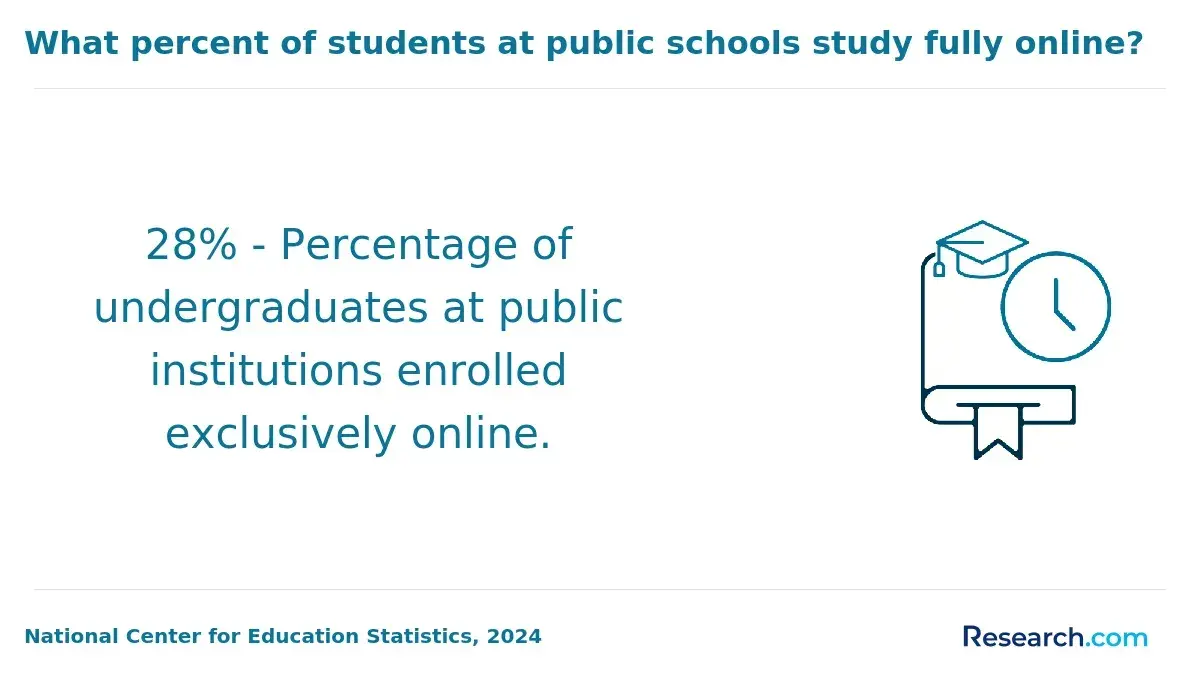
Recent forensic science graduates face a critical challenge: choosing where to focus their entry-level job search amid uneven demand and widespread employer preference for prior experience. Many openings still require hands-on exposure, pushing new graduates toward oversaturated markets like crime labs in major cities. A 2024 survey by the National Forensic Science Technology Center found that only 28% of entry-level postings explicitly waive experience requirements, signaling a skill and experience gap that many graduates must strategically navigate. Understanding which roles, industries, and regions actively invest in training newcomers can prevent wasted effort and improve hiring outcomes.
This article identifies the entry-level roles, industries, locations, skills, and hiring conditions that offer forensic science graduates the best odds of securing their first professional position.
Key Things to Know About Entry-Level Hiring for Forensic Science Graduates
- Employers favor candidates with specialized lab techniques over broad generalist skills, reflecting a shift toward hands-on competencies that challenge generalist graduates without focused training to secure entry roles.
- Entry-level positions concentrate heavily in metropolitan police and government labs, signaling applicants targeting rural or private sectors face significantly reduced hiring opportunities.
- Recent data show 42% of new forensic science grads delay job search to gain unpaid internships, exposing a tradeoff between immediate income and skill-building critical to viability in competitive markets.
- Key Things to Know About Entry-Level Hiring for Forensic Science Graduates Key Things to Know About Entry-Level Hiring for Forensic Science Graduates
- What Is the Entry-Level Hiring Outlook for Forensic Science Graduates? Entry-Level Hiring Outlook
- What Are the Best Entry-Level Jobs for Forensic Science Graduates? Best Entry-Level Jobs
- Which Industries Hire the Most Entry-Level Forensic Science Graduates? Top Hiring Industries
- Where Do Forensic Science Graduates Have the Best Hiring Odds? Best Entry-Level Markets
- What Starting Salaries Can Entry-Level Forensic Science Graduates Expect? Entry-Level Salaries
- Which Skills and Certifications Help Forensic Science Graduates Get Hired? Top Skills and Certifications
- How Much Experience Do Entry-Level Forensic Science Jobs Require? Entry-Level Experience Requirements
- What Do Employers Look for in New Forensic Science Graduates? What Do Employers Look for in New Forensic Science Graduates?
- How is AI Affecting Entry-Level Hiring for Forensic Science Graduates? How is AI Affecting Entry-Level Hiring for Forensic Science Graduates?
- How Can Forensic Science Graduates Improve Their Job Search Results? Job Search Strategies
What Is the Entry-Level Hiring Outlook for Forensic Science Graduates?
Entry-level hiring demand for forensic science graduates exhibits significant unevenness, influenced by geographic location, employer expectations, and skill specialization. While the U.S. Bureau of Labor Statistics projects a 14% employment growth for forensic science technicians from 2022 to 2032-faster than average-this positive outlook masks competitive pressures where many agencies prefer candidates with practical experience. For instance, a recent graduate focusing solely on traditional lab roles in smaller rural jurisdictions may face prolonged job searches compared to peers in metropolitan areas like Washington D.C. or Chicago, where larger forensic infrastructure expands entry-level openings.
Employers increasingly value candidates with interdisciplinary skills, including digital forensics and data analysis, reflecting shifts in technology and workflow automation. Graduates relying only on conventional laboratory training may find themselves at a disadvantage as automated and AI-driven tools become standard. The forensic science graduate employment outlook is further complicated by competition from experienced professionals and those holding advanced degrees, often contending for the same entry-level roles. Strategic decisions, such as seeking internships or targeting specialized units, are critical to navigating this landscape effectively and enhancing prospects.
Those pursuing forensic science careers should also consider cross-sector opportunities and related fields where demand is steady or growing, avoiding oversaturation in traditional positions. Engaging with diverse skill sets and agencies that emphasize digital and crime scene capabilities can improve hiring odds in a crowded market. For students exploring alternatives or complementary training, programs like the cheapest online nursing programs may offer tangential insight into allied criminal justice or healthcare sectors, broadening potential pathways within public safety and forensic support services.
What Are the Best Entry-Level Jobs for Forensic Science Graduates?
Strong entry-level positions for forensic science graduates are those that balance immediate accessibility with relevant skill application and clear advancement routes. Roles such as forensic laboratory technician or evidence technician typically require only a bachelor's degree and provide structured, on-the-job training that builds practical expertise valued by employers.
Demand remains steady for these roles, especially in government and municipal labs where turnover drives hiring, making them reliable entry points despite often modest starting salaries. In contrast, positions like digital forensic analyst, while offering higher growth potential aligned with cybersecurity trends, commonly require additional technical certifications, limiting accessibility for recent graduates without specialized credentials.
Crime scene technician roles offer hands-on evidence handling experience but often depend on supplemental training or internships, making them a competitive but fruitful target for graduates who invest in relevant auxiliary skills. A notable indicator from recent employment data shows an 8% annual increase in postings for crime scene-related jobs, reflecting growing law enforcement investment in forensic capabilities.
However, graduates who prioritize roles misaligned with their skill sets or miss investing in critical certifications risk stalling early career momentum. Geographic concentration also plays a role; regions with dense forensic science employment and law enforcement funding present the best opportunities for early-career progression.
A recent forensic science graduate recalled weighing an offer as a forensic laboratory technician against a digital forensic trainee position. Although the latter aligned with long-term interests in cybersecurity, the technician role provided clearer immediate employment and a direct path to becoming a forensic chemist within a well-established state crime lab.
Despite initial disappointment about delaying entry into digital forensics, the graduate viewed the laboratory technician job as a pragmatic step to gain credible experience and credentials that would subsequently improve competitiveness for specialized roles, underscoring the importance of realistic role selection based on current qualifications and labor market realities.
Which Industries Hire the Most Entry-Level Forensic Science Graduates?
Entry-level forensic science roles are predominantly found within public sector agencies, including local, state, and federal law enforcement and government laboratories, which together account for about 60% of early-career positions, according to the U.S. Bureau of Labor Statistics (2024). These agencies maintain consistent hiring due to steady workforce retirements, mandated certifications, and ongoing needs driven by public safety funding. Roles such as forensic technician and crime lab analyst often require less prior experience, making them primary entry points for new graduates, especially in major metropolitan areas like California and Texas where forensic infrastructure and crime rates create higher demand.
Conversely, private sector opportunities-particularly in forensic consulting, pharmaceuticals, and cybersecurity-are growing but more specialized and project-dependent. Here, employers prioritize candidates with niche expertise in digital forensics or toxicology, and job stability may fluctuate with contract cycles and regulatory changes. This sector's faster but less predictable advancement paths contrast with the public sector's structured tenure-based promotions. Graduates targeting private industry should weigh the potential for accelerated growth against increased job volatility and often higher entry expectations for technical certifications.
Geography plays a significant role in hiring likelihood, with urban centers concentrated in states like Florida exhibiting more openings due to well-funded forensic operations and analyst turnover. Digital transformation in forensic investigations is shifting demand toward interdisciplinary skills combining technical acumen with forensic knowledge, further raising qualification thresholds but broadening specialized opportunities. Understanding these sectoral and regional nuances enables graduates to tailor applications strategically rather than uniformly targeting the largest hiring pool, balancing immediate access against long-term career stability and growth potential.
Where Do Forensic Science Graduates Have the Best Hiring Odds?
Hiring odds for forensic science graduates hinge more on the density of specialized employers and the availability of entry-level openings than on geographic location alone. For example, large metropolitan areas like Washington D.C., Los Angeles, and Chicago concentrate government labs and law enforcement agencies, resulting in higher job postings but also increased competition.
Graduates targeting these hubs must balance the benefit of abundant opportunities against elevated living costs and the challenge of standing out among candidates with strong credentials and internship experience. Conversely, smaller regions with workforce shortages may offer easier entry but often provide less diverse roles and limited advancement pathways, which can impact long-term career development.
Top entry-level forensic science jobs by region often align with public-sector demand in large agencies, where structured training and clear progression exist, compared to private sector or digital forensics roles that are growing, particularly in remote-friendly positions. Remote work expands access but typically requires advanced technical skills, narrowing the candidate pool.
The U.S. Bureau of Labor Statistics notes that forensic science technician roles are growing slightly faster than average, but competition remains stiff due to limited specialized listings in federal agencies. Graduates should weigh local applicant volume, employer size, specialization fit, internship access, and networking opportunities carefully when deciding where to focus their job search to avoid misaligned expectations and suboptimal career outcomes.
Investing in certifications and targeting states actively enhancing forensic infrastructure-such as California, Texas, and Florida-can improve prospects, but decisions should also consider the balance of job availability and quality of professional development. For those exploring accelerated pathways to enter this competitive labor market, a fast track program may provide an efficient route while building relevant experience and credentials valued by employers.
What Starting Salaries Can Entry-Level Forensic Science Graduates Expect?
Starting salaries for entry-level forensic science graduates are shaped by multiple variables beyond the degree itself, including geographic location, employer sector, and specific technical competencies. Median wages reported by the U.S. Bureau of Labor Statistics for all forensic science technicians reached about $62,000 in 2023, but entry-level offers generally fall below this figure, often ranging between $45,000 and $55,000. For instance, a graduate hired in a high-cost urban area like California may see an offer closer to $53,000, while rural settings typically offer starting figures near $40,000. Additional credentials, prior internships, and specialized skills can push new hires toward the upper thresholds.
Below are key factors that influence these starting salary patterns.
- Geographic Variation: Urban centers and states with higher living costs consistently provide higher salaries to offset expenses; however, this often means more competitive job markets and less flexibility in remote work options.
- Public Versus Private Sector: Public agencies prioritize benefits and job stability, often offering lower starting pay, while private firms may propose higher base salaries plus performance incentives but with less guaranteed long-term security.
- Technical Specialization: Roles focusing on digital forensics or toxicology command premium pay due to demand for niche expertise and advanced training requirements.
- Experience and Certifications: Internships and certifications related to forensic accrediting bodies enhance bargaining power, enabling starting salaries at the higher end of typical entry-level ranges.
- Employer Training Programs: Employers offering structured training may start candidates at lower salaries in exchange for valuable skill development and long-term opportunity growth.
- Regional Labor Shortages: Certain subfields or locations experiencing talent scarcity can drive salary offers upward to attract qualified graduates.
A recent forensic science graduate recalls weighing two offers: one from a suburban government lab with strong pension benefits but a $42,000 starting salary, and another from a private crime lab in a nearby city offering $50,000 but minimal benefits and uncertain job stability. Without extensive hands-on experience, the graduate hesitated to choose the higher salary that came with fewer professional development promises. The decision underscored the complex tradeoffs new entrants face between immediate income and potential for skill acquisition and career resilience.
Which Skills and Certifications Help Forensic Science Graduates Get Hired?
Employers hiring forensic science graduates increasingly emphasize applied skills, digital fluency, and tangible job readiness evidence alongside academic credentials. This shift reflects the operational realities of forensic roles, where theoretical knowledge must translate into accurate, timely case processing and clear communication with investigative teams.
For example, a new graduate familiar with digital forensic tools and capable of demonstrating internship projects on crime scene analysis stands a better chance at securing entry-level positions than one relying solely on degree completion. Hiring managers also look for certifications that verify specialized competencies, although these typically complement rather than replace hands-on experience. Balancing credential investments with practical skill development is essential for improving employment prospects across varying forensic sectors.
Below are key forensic science graduate certification requirements and skills that enhance hiring outcomes:
- Evidence Analysis Skills: Crucial for federal and state forensic labs, this involves interpreting physical and digital evidence. Candidates benefit from internships or portfolios showcasing real casework rather than just coursework.
- Digital Forensic Tools: Proficiency with software like Axion or Forensic Toolkit (FTK) is valued by agencies focusing on cybercrime and digital evidence, where certifications add credibility but practical software experience is decisive.
- Laboratory Techniques: Knowledge of forensic chemistry, DNA analysis, and toxicology basics appeals to private labs and public crime labs alike. Practical lab experience and related certifications like ABC support entry-level hireability.
- Communication and Documentation: Employers require concise, clear reporting skills to liaise effectively with law enforcement and legal teams. Demonstrated writing ability in technical reports can differentiate candidates.
- Statistical and Data Interpretation: Skills in statistical software or data visualization tools help graduates stand out by enabling deeper evidence pattern recognition and clearer presentation of findings.
- Certifications in Specialized Disciplines: While not universally mandatory, certifications addressing crime scene processing or specialized forensic areas can distinguish applicants focused on niche roles.
- Transferable Skills and Experience: Attention to detail, project management, and ethical judgment shown through internships or documented projects provide baseline qualifications essential for progression.
Graduates should tailor their skill-building and certification choices to their target sectors, weighing costs and time against realistic employability benefits. Those exploring further education options can consider online ABSN programs that offer accelerated paths in allied fields potentially complementary to forensic contexts. Prioritizing well-rounded, evidence-based competencies enhances hires' ability to meet employer expectations in competitive forensic science entry-level markets.
How Much Experience Do Entry-Level Forensic Science Jobs Require?
Entry-level forensic science roles frequently present ambiguous experience expectations, with many job listings combining "no prior experience" language alongside requests for one to two years of related activity. This experience often encompasses internships, academic projects, volunteer work, or practicums rather than conventional full-time employment, reflecting the employer's broader interpretation of qualified candidate backgrounds. For instance, a graduate applying for a crime laboratory technician position might find that hands-on internships and a robust capstone project portfolio are sufficient, whereas a forensic toxicologist role typically demands a blend of formal certifications and demonstrated practical experience due to its technical complexity.
The disparity in experience requirements depends heavily on job specialization, employer size, and prevailing labor-market conditions. Smaller agencies or less competitive sectors may prioritize transferable skills from research or volunteer contexts, while larger organizations frequently use experience thresholds as initial screening tools, raising standards when applicant volume surges and easing them during shortages. According to LinkedIn Workforce Insights, about 40% of entry-level forensic listings permit applications without prior work, yet many still expect some form of relevant engagement, underscoring the importance of evaluating whether unpaid or project-based activities align with a particular posting's criteria.
Graduates should critically assess whether stated experience requirements serve as strict cutoffs or flexible preferences, recognizing that in forensic science, "1-2 years' experience" often signals a desire for demonstrable competency rather than traditional job tenure. Submitting applications supported by certifications, internships, and tangible portfolios can outweigh the absence of paid employment, particularly when employer demand fluctuates. Understanding these nuances aids forensic science graduates in targeting realistic openings and tailoring their applications to reflect diverse, nontraditional experiences valued across the field.
What Do Employers Look for in New Forensic Science Graduates?
Employers assessing entry-level forensic science graduates increasingly weigh practical job readiness over academic credentials alone. Recruiters scrutinize candidates' capacity to apply technical skills in real-world settings, emphasizing demonstrated experience with relevant tools and procedures. Communication prowess and adaptability to evolving technologies, such as artificial intelligence and digital forensics, are also critical evaluation criteria.
For example, a lab manager hiring a new analyst may pass over a high-GPA candidate lacking internship experience in favor of one who successfully completed forensic software projects and presented detailed case analyses during academic research. These priorities reflect a labor market where applied competence often outweighs theoretical knowledge. Key qualities employers seek include the following:
- Applied Experience: Employers prioritize internships or project work that show candidates can translate classroom theory into practical forensic analysis, a factor that in a 2024 NACE survey proved more influential than grades alone.
- Technical Fluency: Familiarity with laboratory protocols, evidence handling, and digital forensics software signals readiness for routine tasks and compliance with chain-of-custody demands prevalent in forensic operations.
- Communication Skills: Clear written and oral reporting capabilities, often evidenced through internship presentations or case summaries, are essential for collaboration with legal and law enforcement stakeholders.
- Certifications Differentiation: While not mandatory, credentials like those from the American Board of Criminalistics enhance candidacy by demonstrating specialized knowledge, correlating with a 15% increase in interview opportunities per Handshake hiring data.
- Adaptability and Problem Solving: Employers value situational judgment and teamwork aptitude demonstrated via scenario-based assessments or collaborative coursework, reflecting the multidisciplinary nature of forensic investigations.
How is AI Affecting Entry-Level Hiring for Forensic Science Graduates?
Entry-level hiring in forensic science is increasingly shaped by AI's role in automating routine tasks such as evidence categorization and database queries, shifting employer preference toward candidates with data literacy and proficiency in digital tools. In practical terms, a candidate focusing solely on traditional lab techniques may find fewer opportunities, especially within forensic support roles where automation exposure reaches 32%-40%. Employers now favor applicants who demonstrate ability to collaborate with AI systems, interpret complex outputs, and apply analytical reasoning, reflecting a distinct tradeoff between technical versatility and foundational forensic knowledge.
The artificial intelligence recruiting trends for forensic science graduates reveal evolving recruitment methods, including AI-enhanced applicant screening that prioritizes programming and statistical software skills alongside core forensic competencies. This change is not uniform across all employers or industries; crime labs utilizing predictive analytics present more hybrid entry-level roles where data analytics is valued, while some sectors still emphasize human judgment over automation-ready skills. For new graduates, aligning job applications with these differentiated expectations and emphasizing adaptability to AI-augmented workflows can improve competitiveness.
Students navigating these changes should also consider hands-on experience through internships that integrate technology, as well as diversifying skill sets beyond forensic-specific knowledge. These practical responses parallel trends in other technical fields and can enhance long-term employability without relying solely on AI proficiency. For those interested in expedited educational routes that complement this evolving skill set, programs like accelerated FNP programs online illustrate the growing market for condensed, applied training options in related disciplines.
How Can Forensic Science Graduates Improve Their Job Search Results?
Graduates focusing their job search on narrowly defined roles such as forensic technician, crime lab analyst, or digital forensics specialist consistently outperform those submitting broad, generic applications. A forensic science graduate targeting geographic regions with high concentrations of forensic labs or law enforcement agencies can avoid prolonged job searches and the risk of settling for underemployment.
For example, a recent graduate who prioritized states projecting growth in forensic infrastructure secured multiple interviews within three months, whereas peers applying indiscriminately often faced stagnant responses. Identifying the best entry-level forensic science jobs in the US requires deliberate market research to align skills with employer demand rather than volume-based submission.
Employers increasingly use automated tracking systems that emphasize keyword alignment, making resume precision crucial. Including specific competencies like chromatographic analysis, crime scene documentation, and certifications significantly increases the chance of human review, according to Indeed Hiring Lab.
Practical experience through internships or project work adds essential proof of readiness beyond academic credentials. Networking also plays a strong supporting role, with referrals boosting offer rates, but timing applications to match hiring cycles amplifies results. Given these realities, allocating effort to well-matched roles rather than mass applications improves interview conversion rates and overall outcomes for forensic science graduate job search strategies.
Graduates should consider leveraging resources such as the best easiest MPH online programs to get into to explore complementary fields or skill sets that enhance versatility in the market. Strategic focus, informed by data and real-world hiring patterns, is indispensable in navigating the competitive landscape faced by forensic science degree holders entering the workforce.
References:
- Will Forensic Science Technicians be replaced by AI & Robots? https://willrobotstakemyjob.com/forensic-science-technicians
- Forensic Sciences Careers https://www.dea.gov/careers/forensic-sciences
- How Will AI Affect Forensic science technicians? Exposure: 5/10 https://chatgpt.ca/blog/ai-job-exposure/forensic-science-technicians
- Blogs https://aifset.com/blogs/career-opportunity-after-enterance-exam.html
- AI's Impact on Graduate Jobs: A 2025 Data Analysis | IntuitionLabs https://intuitionlabs.ai/articles/ai-impact-graduate-jobs-2025
- Is AI responsible for the rise in entry-level unemployment? | Revelio Labs https://www.reveliolabs.com/news/macro/is-ai-responsible-for-the-rise-in-entry-level-unemployment/
- Tips for Students Pursuing Careers in Forensic Science https://forensicstats.org/blog/tips-for-students-pursuing-careers-in-forensic-science
- Breaking into a career in forensics | New Scientist https://www.newscientist.com/article/mg19426083-800-breaking-into-a-career-in-forensics/
- Top Forensic Science Career Guide | Forensic Science Online https://www.forensicscienceonline.org/top-careers/
- Forensic Scientist Salary: State-by-State Median Guide https://www.allcriminaljusticeschools.com/forensics/salary/
Other Things You Should Know About Forensic Science
Programs with extensive lab work or formal internships directly affect your employability by providing hands-on experience that employers expect from day one. Graduates from programs lacking these elements often face steeper learning curves on the job, which can limit early career advancement. Prioritizing programs that embed real casework simulations or field placements better positions graduates for roles in competitive markets where practical skills outweigh theoretical knowledge.
Larger metro areas typically offer more entry-level forensic science positions, but these come with sharper competition and often higher demands on workload adaptability and technical proficiency. For many graduates, targeting mid-sized or regional markets with fewer openings but less saturated applicant pools can yield faster employment and better career growth opportunities early on. Weighing the tradeoff between quantity of jobs and competitive intensity is essential for realistic job search strategies post-graduation.
Employers increasingly favor candidates with cross-disciplinary expertise, such as data analytics or legal knowledge, alongside core forensic science skills. This implies that new grads may need to deliberate whether to pursue additional certifications or coursework as part of their education, even if it extends time or costs. Balancing specialization with skill diversification can determine initial job accessibility and influence long-term career flexibility.
Accepting temporary roles can provide crucial field experience and professional networking, which often outweigh the drawbacks of job instability in the short term. However, relying too heavily on contract positions may delay building a stable career path and benefits. Graduates should prioritize securing permanent roles when possible but consider temporary work strategically as a means to bridge employment gaps and demonstrate capability to future employers.