
2027 Nurse Executive Leader Degree vs. Certificate: Which Should You Choose?

Co-Founder and Chief Data Scientist
Today's students and professionals face important decisions when choosing between earning a degree or a certificate in nurse executive leader. Both options can significantly advance a career in nursing leadership but differ in length, cost, and depth of study. Understanding these distinctions is essential for aligning educational choices with career goals and life commitments.
A nurse executive leader degree typically offers comprehensive training and may open doors to higher executive roles, while a certificate can provide targeted skills for quicker career advancement.
With nursing leadership roles growing 12% faster than average job growth, this article will compare key differences to help you determine the ideal path for your professional development.
Key Points About Nurse Executive Leader Degree vs. Certificate Programs
- Degree programs provide comprehensive leadership training and tend to offer higher salary potential, with graduates earning up to 20% more than those holding certificates.
- Certificates focus on specialized skills development and faster completion, ideal for professionals seeking targeted advancement without full degree commitment.
- Degrees often require more clinical practice and research, enhancing long-term growth, while certificates emphasize practical application for immediate workplace impact.
What Are the Differences Between Nurse Executive Leader Degree and Certificate Programs?
Both nurse executive leader degrees and certificate programs offer pathways to advance in healthcare leadership, but they vary significantly in structure, scope, and outcomes. Understanding these differences can help students choose the option that aligns best with their career goals and available time for education.
Below is a comparison of key distinctions between these two educational paths.
- Career Advancement: Degree programs typically prepare students for higher-level management roles with broader responsibilities, while certificate programs often target specific skills useful for immediate application.
- Depth of Learning: Degrees offer comprehensive coverage of healthcare leadership theories, policy, and strategic management, suitable for learners wanting an in-depth understanding. Certificates are usually concise, emphasizing practical tools and techniques for current leaders needing quick skill enhancement.
- Time Commitment: Degree programs require longer commitment and more coursework, fitting those who can invest time in extended study. Certificates are shorter, accommodating working professionals needing flexible learning schedules.
- Curriculum Focus: Degree curricula integrate leadership principles with broader healthcare systems knowledge, beneficial for those seeking a well-rounded education. Certificates tend to concentrate on specific competencies, ideal for targeted professional development.
How Long Does It Take to Complete a Nurse Executive Leader Degree vs. a Certificate Program?
Completion time is a key consideration for students deciding between a nurse executive leader degree vs. certificate. Understanding how long each option takes helps align educational goals with career plans and personal commitments.
- Typical Duration: Nurse executive leader degree program length typically spans one to two years of full-time study following a Bachelor of Science in Nursing (BSN). Part-time students may extend this to three years or more. In contrast, the nurse executive leader certificate completion time is generally shorter, lasting 12 to 15 months full-time.
- Flexibility: Both degree and certificate programs commonly offer full-time and part-time pacing options. Degree programs usually demand more credit hours and often include clinical or project-based work, which can extend the timeline. Certificate programs focus on specialized leadership coursework with fewer credits.
- Factors Affecting Timeline: Program structure, prior experience, and transfer credits influence duration for both degrees and certificates. Degrees require an undergraduate nursing degree, while certificate programs are typically designed for nurses who already hold a master's degree.
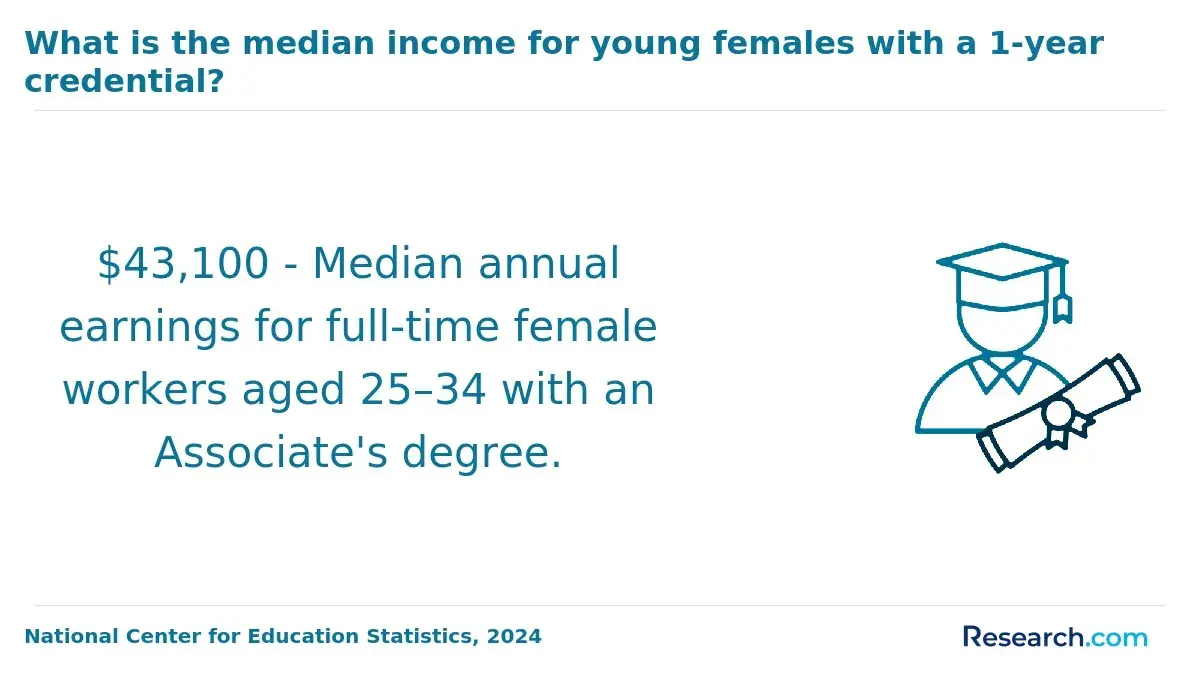
Students interested in accelerated options might explore a 6 month associate degree, which represents one pathway to faster credential attainment in nursing education.
Can You Complete a Nurse Executive Leader Degree or Certificate Entirely Online?
The growth of online education has expanded access to advanced nursing leadership programs, making it possible to pursue a nurse executive leader degree or certificate entirely online.
Many universities, such as Purdue University Northwest, Northwest Missouri State University, and Purdue Global, offer accredited nurse executive MSN degrees or postgraduate certificates with flexible formats tailored for working professionals.
These online Nurse Executive Leader programs often feature asynchronous coursework, allowing students to balance their studies with work and personal commitments. Some institutions, including The University of Alabama, provide online degrees highly ranked for nursing leadership and administration, enhancing the appeal of remote learning options.
While nurse executive leader certificate online coursework can be completed fully online, most programs require hands-on practicum hours or internships to fulfill licensure or certification standards.
These practical experiences, typically completed at a student's current workplace or an approved healthcare facility, are crucial for developing leadership skills in real-world settings.
When deciding between a degree and certificate, consider the necessity of hands-on training and whether internships can be arranged remotely. Choosing an online format that fits your professional goals, learning style, and schedule is key.
For more information on lucrative credential options, explore the best online certificate programs that pay well.
Admission requirements play a vital role in choosing between a nurse executive leader degree and a certificate program, as they affect your eligibility and the level of professional experience expected. Understanding these requirements will help you decide which path aligns best with your credentials and career objectives.
Below is a clear, side-by-side comparison of typical admission standards for both program types.
Admission Requirements for Nurse Executive Leader Degree Programs
- Educational Background: Applicants usually need a Bachelor of Science in Nursing (BSN) from an accredited institution, though some programs require a Master of Science in Nursing (MSN) or a related master's degree.
- GPA Minimum: Most degree programs ask for a minimum undergraduate GPA of 3.0 on a 4.0 scale.
- RN Licensure: A current, active, and unencumbered Registered Nurse (RN) license is mandatory.
- Professional Experience: At least one year of recent RN experience is required; some programs also want two years of management experience at the director level or higher.
- Transcripts and Documentation: Official transcripts, a resume or CV, and sometimes a personal statement and professional references must be submitted.
- Background Check: Some programs require a criminal background check.
- Additional Coursework: Completion of an undergraduate statistics course with a grade of C or better may be necessary.
Admission Requirements for Nurse Executive Leader Certificate Programs
- Educational Background: A bachelor's degree in nursing is generally required, but a master's degree is not typically needed for certificate program eligibility criteria.
- RN Licensure: Applicants must hold a current and unencumbered RN license.
- Background Check: An approved criminal background check is usually part of the admission process.
Certificate programs tend to have fewer admission requirements than degree programs, focusing more on foundational credentials and active licensure rather than substantial clinical or leadership experience.
This makes them a more accessible option for nurses seeking specialized leadership training without pursuing a full graduate degree. For those exploring career advancement options, it's helpful to also review what major make the most money to align educational choices with career goals.
Knowing the number of credits required for nurse executive leader programs helps students effectively plan their academic schedules and balance other life responsibilities. Understanding the difference in credit expectations between degree and certificate options offers clarity on the time and effort involved.
Here is a comparison of typical credit demands for nurse executive leader degrees versus certificates:
- Degree Programs (DNP or MSN): These usually require between 30 and 46 graduate-level credit hours, often completed over one and a half to three years depending on the program structure.
- Certificate Programs: Certificates typically involve 12 to 18 credits, designed to be completed within a year, focusing on targeted leadership skills rather than broad academic content.
Reflecting on this, a student pursuing a nurse executive leader certificate shared that choosing the certificate path was a practical decision.
He noted, "Balancing work and study was challenging, but the shorter credit load allowed me to focus intensively on leadership skills without overwhelming my schedule." He appreciated how the program's condensed timeline made it possible to quickly apply new knowledge in his role.
"It wasn't just about getting credits; it was about gaining skills that I could immediately use," he explained. His experience highlights how credit requirements directly influence the feasibility and relevance of educational choices for busy professionals.
Tuition costs are a crucial factor when deciding between a degree and a certificate in nurse executive leader programs because they directly impact your financial investment and return on education. Comparing these costs helps in choosing the best pathway aligned with your budget and career goals.
Below is a detailed comparison of average tuition ranges for nurse executive leader degree programs versus certificate programs.
Average Tuition for Nurse Executive Leader Degree Programs
- Tuition Range: Degree programs like the Master of Science in Nursing (MSN) with a leadership focus typically range from $18,000 to $57,000 in total tuition, with a median cost near $37,500.
- Cost per Credit: Tuition varies between approximately $480 per credit at public universities to over $1,690 per credit at private institutions, with required credits usually between 34 and 56.
- Public vs. Private Schools: Public universities usually offer more affordable tuition, especially for in-state students, starting around $18,000, while private colleges may charge more than $43,000 for the full program.
- Online vs. On-Campus: Many MSN leadership programs are available online, often maintaining similar tuition costs to on-campus options but reducing additional expenses like commuting or housing.
- Program Length: Degree programs typically span 18 to 36 months of part-time study, and longer durations can increase costs through additional fees and materials.
Average Tuition for Nurse Executive Leader Certificate Programs
- Tuition Range: Post-master's or graduate certificate programs in nurse executive leadership usually cost between $5,000 and $15,000, making them a more affordable alternative to degrees.
- Cost per Credit: Certificate programs tend to charge between $400 and $1,000 per credit, with most requiring 12 to 20 credits, contributing to lower overall expenses.
- Public vs. Private Schools: Tuition at public universities is generally lower, while private institutions may approach the higher end of the certificate tuition range.
- Online Availability: Most certificate programs are offered online, providing flexibility to continue working while studying and helping to manage costs effectively.
- Program Duration: Certificates typically can be completed within 6 to 12 months, minimizing tuition and ancillary expenses compared to full degree programs.
When evaluating options, the average cost of nurse executive leader degree programs is considerably higher than the nurse executive leader certificate program tuition fees, which reflects differences in program length, depth, and credential value.
For those seeking cost-effective education pathways, exploring accredited online colleges with no application cost can also be beneficial to reduce upfront expenses and ease access to quality nurse leadership education.
Transferring certificate credits toward a nurse executive leader degree is sometimes possible but depends heavily on institutional policies, accreditation, and course relevance. Some universities design their certificate programs to align closely with their degree offerings, enabling partial credit transfer.
Regional accreditation plays a key role, as credits from accredited programs are more widely accepted. However, transferability often hinges on whether the certificate coursework matches the degree curriculum requirements, so not all credits may qualify for transfer.
There are usually caps on how many credits can be transferred, frequently limited to around half of the degree or certificate requirements. Some schools demand a minimum grade—such as a B or better—for credits to be accepted.
Because policies vary and may change, it's crucial to communicate with the admissions office of the degree program before enrolling in a certificate. Doing so ensures that students can make informed decisions and make the most of their prior coursework.
Reflecting on this, a student who transitioned from a nurse executive leader certificate to a degree shared her experience. She recalled feeling uncertain initially about which credits would transfer but found the process rewarding once she engaged with advisors.
"It was a bit nerve-wracking not knowing if my efforts would count toward the degree," she said, emphasizing the importance of early inquiries. Ultimately, she managed to transfer a significant portion of her certificate credits, which eased her path through the degree program and reinforced her commitment to advancing her education.
Certificate programs in nurse executive leadership are generally not accredited in the same manner as nurse executive leader degree programs.
Degree programs, like a Master of Science in Nursing (MSN) focused on executive leadership, receive accreditation from recognized agencies such as the Commission on Collegiate Nursing Education (CCNE) or the Accreditation Commission for Education in Nursing (ACEN).
In contrast, certificate programs often lack independent accreditation but gain value if offered by an accredited institution and aligned with professional certifications like Nurse Executive-Board Certified (NE-BC) or Nurse Executive Advanced-Board Certified (NEA-BC) through the American Nurses Credentialing Center.
While these certificates are respected credentials, they differ from academic degrees and are governed by national nursing organizations.
Accreditation is important because it verifies program quality, affects eligibility for federal financial aid, and influences hiring decisions, as many employers prefer or require accredited degrees. It also impacts the transferability of credits and the recognition of qualifications in the healthcare industry.
Prospective students should verify that degree programs hold CCNE or ACEN accreditation and that certificate programs support eligibility for recognized certification exams.
Additionally, evaluating faculty qualifications, curriculum alignment with professional standards, and institutional reputation is essential. Always confirm accreditation status through acknowledged accrediting bodies before enrolling in any nurse executive leadership program.
Both nurse executive leader degrees and certificate programs can expand career opportunities in healthcare leadership, but they often prepare individuals for different levels of responsibility and organizational roles. Understanding the distinctions between these credentials helps clarify the types of positions graduates may pursue.
Below is a comparison of common career paths associated with each credential.
Jobs You Can Get with a Nurse Executive Leader Degree
- Chief Nursing Officer (CNO): Oversees nursing operations across an entire healthcare facility, ensuring compliance with policies and quality care standards.
- Vice President of Nursing: Provides strategic leadership for nursing departments, focusing on innovation and organizational goals.
- Director of Nursing Services: Manages nursing staff and resources, coordinating programs to enhance patient outcomes.
- Clinical Operations Manager: Supervises clinical workflows and supports interdisciplinary teams to optimize efficiency and care delivery.
- Healthcare Administrator: Leads administrative functions within health organizations, combining nursing expertise with business management.
Jobs You Can Get with a Nurse Executive Leader Certificate
- Nurse Manager: Directly oversees nursing units, managing staff schedules and day-to-day operations to maintain quality care.
- Assistant Director of Nursing: Supports senior leaders in department administration and helps implement nursing policies.
- Clinical Supervisor: Monitors clinical practices and provides guidance to nursing teams in patient care settings.
- Unit Manager: Coordinates activities within specific hospital units, focusing on efficient patient care delivery.
- Quality Improvement Coordinator: Drives initiatives to enhance clinical practices and patient safety across departments.
Salary potential often varies significantly between nurse executive leader degree holders and those with a nurse leadership certificate. Generally, degree holders command higher starting wages due to advanced education and broader career opportunities.
Below is a side-by-side comparison of starting salaries for graduates of each program type.
- Average Salary for Nurse Executive Leader Degree Holders: Graduates with a master's degree or higher often begin with salaries ranging from $100,000 to $135,000 annually, depending on the specific executive role and geographic region.
- Nurse Leadership Certificate Starting Salary Comparison: Certificate holders typically start between $68,000 and $99,500 per year, with many entering lower-level supervisory positions at the lower end of this scale.
- Experience and Education Level: Advanced degrees in nurse executive leadership generally lead to higher salaries than certificates, and prior clinical or management experience further boosts earning potential for both groups.
- Industry and Location Influence: Urban areas and large hospital systems usually offer greater compensation compared to rural settings or smaller organizations, affecting salary ranges for all graduates.
- Career Outlook: Degree holders have access to a wider array of executive roles and higher salary ceilings, while holders of nurse leadership certificates may require further education to progress significantly.
These figures are based on national averages and provide realistic guidance for those weighing the differences between a nurse leadership certificate and a nurse executive leader degree. For more detailed educational options, explore the top online trade schools.
Here's What Graduates of Nurse Executive Leader Programs Say About Their Degree or Certificate
- Finley: "I chose the nurse executive leader certificate program because I wanted a focused, faster-paced learning experience that fit my busy schedule. The certificate gave me essential leadership skills without the higher costs associated with a full degree, which averaged around $15,000 more. It was a smart investment for advancing my career quickly and effectively. "
- Colby: "Pursuing the nurse executive leader degree was transformative for me, offering a deeper and more comprehensive understanding of healthcare leadership over a longer, more immersive timeline. While the degree cost considerably more-often double the certificate price-the broader curriculum opened doors to executive roles that the certificate alone couldn't. Reflecting on my journey, I believe the degree was a crucial step in my career development. "
- Serena: "Having completed both the nurse executive leader certificate and degree programs, I appreciate how they complement each other. The certificate provided a quicker, cost-effective foundation and immediate skill application, while the degree expanded my expertise and leadership potential more broadly. Balancing cost, depth of learning, and career goals is vital, and combining both programs gave me a well-rounded advantage in healthcare management. "
Other Things You Should Know About Nurse Executive Leader Degrees
In 2027, Nurse Executive Leader degree holders can pursue advanced leadership positions such as Chief Nursing Officer (CNO) or Director of Nursing. These roles often require strategic planning skills, influencing policy, and improving healthcare systems, offering significant professional growth compared to certificate holders.
Most Nurse Executive Leader programs in 2027 require prior nursing experience to ensure candidates have practical insights into healthcare environments. Degree programs often demand several years of leadership experience, while certificate programs might be more lenient, allowing those with fewer years but strong foundational skills.
Choose a program accredited by the Commission on Collegiate Nursing Education (CCNE) or the Accreditation Commission for Education in Nursing (ACEN). Accreditation is important for quality review, financial aid eligibility, and employer recognition, and some graduate nursing employers require it for leadership roles.
- Academic Catalog https://catalog.memphis.edu/preview_program.php
- 2025 Best Clinical Nurse Leader Programs - Online & Campus https://www.registerednursing.org/clinical-nurse-leader/programs/
- Nurse Leadership Roles: The Differences Among Nurse Executives, Administrators, And Managers | NurseJournal.org https://nursejournal.org/resources/nurse-exec-vs-admin-vs-manager/
- Clinical Nurse Leader (CNL) | University of Nevada, Reno https://www.unr.edu/nursing/academics/clinical-nurse-leader
- Certification vs Degree: Which Advanced Nursing Route is Right For You? https://online.norwich.edu/online/about/resource-library/certification-vs-degree-which-advanced-nursing-route-right-you
- The Alphabet Soup of Certifications and Credentials: Part 1 - Nurse Leader https://www.nurseleader.com/article/S1541-4612(19)30138-7/fulltext
- Nurse Executive Certification For MSN & DNP Graduates | USAHS https://www.usa.edu/college-health-sciences/school-of-nursing/nurse-executive-role-specialization/
- Graduate Certificate in Nursing Executive Leadership and Management https://www.msoe.edu/academics/certificates/graduate-certificate-in-nursing-executive-leadership-and-management/


