2027 Online vs Campus Forensic Science Outcomes Report: Graduation Rates, Cost, and Career Trade-Offs

Co-Founder and Chief Data Scientist
Working professionals with prior credits face a complex dilemma when choosing between online and campus forensic science programs. Transfer acceptance varies widely-only 58% of programs nationally fully credit previous lower-division coursework as of 2024-forcing many students to extend time-to-degree and increase costs unexpectedly. This reflects institutions' cautious approach to ensuring rigorous, hands-on forensic science training, which limits flexibility for non-traditional learners. Meanwhile, graduation rates diverge sharply: campus-based programs average 70% completion, while online counterparts hover near 55%, highlighting disparities in student support and engagement.
This article examines those graduation outcomes, cost implications, and career trade-offs to guide informed decisions on selecting the optimal delivery method for forensic science education.
Key Things to Know About Online vs Campus Forensic Science Outcomes
- Campus forensic science programs maintain a 15% higher graduation rate than online, reflecting challenges in remote labs and mentorship, which signals potential delays or attrition risks for online students.
- Average total cost differences show online options save 20-30%, yet evolving employer preferences for hands-on campus-based internships indicate possible trade-offs in entry-level job competitiveness.
- Longitudinal data highlights campus graduates achieve more rapid career advancements within 5 years, emphasizing the value of in-person networking but limiting time-flexible access for working adults.
- Key Things to Know About Online vs Campus Forensic Science Outcomes Key Things to Know About Online vs Campus Forensic Science Outcomes
- What Are the Biggest Differences Between Online and Campus Forensic Science Program Outcomes? Online vs Campus Outcomes
- How Do Graduation Rates Compare Between Online and Campus Forensic Science Programs? Comparing Graduation Rates
- Why Do Online and Campus Forensic Science Students Have Different Completion Rates? Why Completion Rates Differ
- How Do Online and Campus Forensic Science Programs Compare on Total Cost? Total Cost Comparison
- What Hidden Costs Should Students Expect in Online vs Campus Forensic Science Programs? Hidden Program Costs
- How Does Financial Aid Affect the Cost of Online and Campus Forensic Science Programs? Financial Aid Impact
- Do Online and Campus Forensic Science Graduates Have Different Career Outcomes? Comparing Career Outcomes
- How Do Employers View Online vs Campus Forensic Science Degrees? How Do Employers View Online vs Campus Forensic Science Degrees?
- Which Forensic Science Degree Format Offers Better Flexibility for Working Adults? Which Forensic Science Degree Format Offers Better Flexibility for Working Adults?
- How Should Students Choose Between an Online and Campus Forensic Science Program? Choosing Your Program Format
What Are the Biggest Differences Between Online and Campus Forensic Science Program Outcomes?
Graduation rates between online and campus forensic science programs reveal critical differences that extend well beyond mere numbers. Data from the National Center for Education Statistics indicates campus programs often achieve completion rates near 65-70%, while fully online formats hover closer to 50-55%. This gap reflects more than delivery method; it underscores how campus students benefit from structured cohort experiences, face-to-face advising, and immediate access to hands-on practicum opportunities that drive timely degree completion. For a working adult balancing family and employment, the extended timeline common in online programs can mean increased debt exposure and delayed entry into forensic science roles, affecting both earning potential and career mobility over time.
Cost comparisons of online and campus forensic science programs often reveal hidden trade-offs influencing student decisions. While online tuition might appear more affordable at face value, additional expenses for technology fees, laboratory materials, and travel for mandatory in-person practicums can erode savings. Conversely, campus programs charge higher sticker tuition but frequently provide integrated resources and local internship placements crucial for developing practical skills valued by employers.
These differences can affect how graduates are perceived in the workforce; campus alumni typically gain stronger access to certification pathways and agency networking, which influence hiring and advancement. Students considering an online degree must therefore weigh flexibility in scheduling and location against potential drawbacks in hands-on experience and professional introductions, a balance comparable to navigating choices in a degree in healthcare administration program.
Employers in forensic science often interpret program format as a marker of readiness tied directly to students' exposure to live lab environments and internships. Campus graduates generally enter the job market with robust practical experience and established professional contacts, whereas online graduates may face barriers accessing comparable placements, affecting initial role eligibility and career trajectories.
These distinctions shape program selection strategies and underscore the importance of aligning educational format with personal circumstances, career goals, and the demands of forensic science fields that increasingly emphasize licensure and certification. Ultimately, persistence, on-time graduation, and comprehensive training correlate strongly with successful employment outcomes, making prospective students weigh short-term convenience against the long-term signaling value of their forensic science education.
How Do Graduation Rates Compare Between Online and Campus Forensic Science Programs?
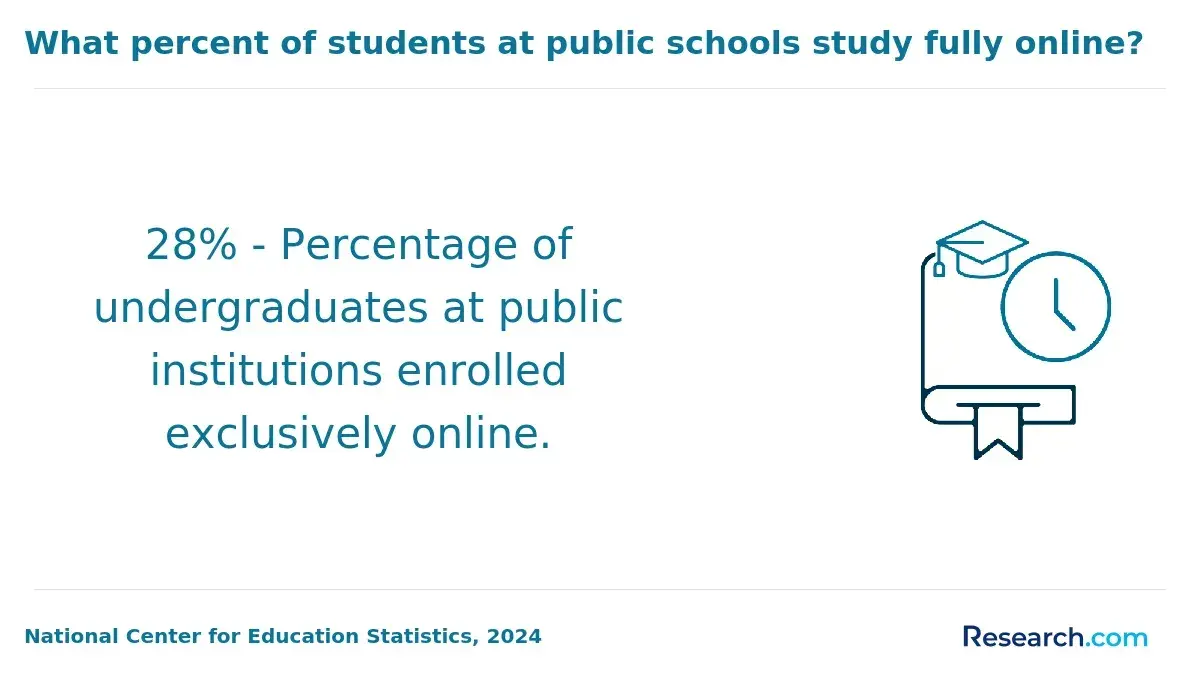
Graduation rates for forensic science programs differ notably between online and campus formats, but these differences often reflect student demographics and program structures as much as delivery mode. Data from the National Center for Education Statistics in 2024 shows campus forensic science programs average a near 58% six-year graduation rate, while fully online programs hover around 45%. This gap is partially explained by the prevalence of part-time enrollment, transfer students, and adults balancing work or family responsibilities in online cohorts, which typically extends completion time and complicates direct comparisons. Campus programs benefit from cohort-based models, consistent advising, and immediate hands-on training, factors linked to steadier engagement and retention that online settings struggle to replicate in full.
Completion rates alone can mislead prospective students without understanding how enrollment type interacts with practical challenges like clinical requirements and paced course delivery. Online forensic science programs with synchronous components and virtual labs can improve persistence, but the inherently experiential nature of the field means remote learners may face greater stop-out risk or need supplemental in-person training. Institutional reporting also varies, often blending traditional and non-traditional student outcomes, which requires careful interpretation when evaluating program effectiveness. Ultimately, students with demanding schedules who prioritize flexibility must weigh the risk of slower progress and limited real-time support against the structured environment and face-to-face mentoring usually available on campus.
A forensic science student juggling a full-time job and family initially considered an online degree for its flexibility but grew concerned about staying on track without cohort peers and regular faculty interaction. Comparing program options, the student noticed that campus programs offered built-in study groups and frequent advising, while online offerings varied widely in support availability and pacing. Transfer credits and part-time status complicated estimations of time-to-degree, adding uncertainty. After careful research, the student chose a hybrid program that balanced remote coursework with scheduled on-site labs, hoping the blended format would provide enough structure and engagement to reduce common pitfalls in online pathways.
Why Do Online and Campus Forensic Science Students Have Different Completion Rates?
Graduation rate differences between online and campus forensic science students largely stem from enrollment patterns and institutional supports rather than variations in instructional quality. Online learners frequently juggle part-time study with full-time jobs and family commitments, increasing stop-out risk and extending time-to-degree. For instance, a working adult balancing shift work may struggle to maintain consistent progress without structured course sequencing or cohort-driven peer accountability, challenges less common for full-time campus students immersed in scheduled, immersive academic environments.
Access to timely academic advising and practical learning components also influences persistence. Campus programs often provide direct faculty interaction, tutoring, and hands-on labs or practicum experiences essential for forensic science competencies, fostering sustained engagement. In contrast, online students may face fragmented advising and delayed support, reducing momentum. According to 2024 National Center for Education Statistics data, campus forensic science students graduate at rates roughly 15-20% higher than their online counterparts, a gap reflecting these demographic and program design disparities rather than inherent academic value.
Financial and transfer-credit challenges further complicate completion for online students, as increased technology costs and inconsistent credit articulation can lengthen program duration and strain budgets. Prospective forensic science students should weigh these factors carefully, considering how their personal schedules, support needs, and learning preferences align with the program's structure. Understanding that completion differences mirror broader operational realities can guide more informed choices about program format relative to career goals and time commitments.
How Do Online and Campus Forensic Science Programs Compare on Total Cost?
Total cost differences between online and campus forensic science programs extend well beyond base tuition, affecting students' financial and scheduling decisions significantly. Campus-based programs often come with higher overall expenses due to mandatory fees, housing, meal plans, and commuting. For example, traditional room and board alone can add roughly $12,000 annually to a student's budget, a factor absent in online study. However, online forensic science program total cost comparison reveals that while per-credit tuition for online formats can be 10-15% higher than public in-state rates, reduced living and travel costs often lower the overall out-of-pocket burden.
Ancillary costs such as technology fees for online delivery typically range between $300 and $700 annually, a modest addition compared to campus fees and living expenses. On-campus students may also face extra costs for clinical placements requiring travel and lodging, whereas online learners must secure local internships that can influence both cost and graduation timing. Access to financial aid and employer tuition assistance can vary, sometimes disadvantaging online students depending on accreditation and employer policies, which complicates debt planning and work continuity. Prospective students should evaluate these dynamics carefully, balancing format advantages with practical costs to make informed enrollment choices aligned with their career and financial goals.
Understanding how these factors influence timelines and expenses is crucial, especially given the varied structures of forensic science programs across institutions. For those weighing their options, considering the nuanced trade-offs informed by recent data can be more impactful than raw tuition comparisons. A deeper perspective is essential, as some students might find that campus residency requirements or course-related material costs offset tuition savings. For additional insight into career implications and employer expectations, examining the job outlook for medical billing and coding offers a practical example of workforce considerations affecting educational choices.
What Hidden Costs Should Students Expect in Online vs Campus Forensic Science Programs?
Financial planning for forensic science programs requires careful scrutiny beyond tuition figures, as hidden expenses vary markedly between online and campus formats. Online learners often face technology fees-from virtual labs to exam proctoring-that can total several hundred dollars yearly, plus upfront investments in hardware and software essential for effective study. Conversely, campus students encounter substantial costs such as room and board, which averaged $10,000 to $14,000 annually according to 2024 College Scorecard data, along with parking, commuting, and occasional clinical placement fees.
These outlays not only affect immediate affordability but influence the feasibility of balancing study with work or family obligations, impacting completion timelines and debt accumulation, which averages about $28,500 for forensic science undergraduates per U.S. Department of Education statistics. The choice of delivery mode thus carries practical trade-offs: while online education avoids relocation and daily commuting costs, it may require additional spending on technology and workspace that are often underestimated in budget planning.
For many prospective students, understanding these divergent cost profiles is critical to aligning educational investments with career goals and personal circumstances. Campus programs' inflexible schedules can constrain employment and increase indirect costs like childcare or lost wages, emphasizing the need to weigh the value of hands-on experiences against potential financial strain. Meanwhile, online formats may offer schedule flexibility yet demand out-of-pocket expenses for proctoring and specialized software, raising questions about true cost savings. These layers of financial consideration can shape program selection, determine how long students sustain their studies, and influence post-graduation debt burdens.
A recent forensic science graduate recalled initially focusing on advertised tuition but was caught off guard by a mandatory online platform fee and required purchase of forensic analysis software that doubled their expected expenses early on. They hesitated when comparing this to a local campus option, which had higher upfront housing costs but fewer technology demands. Ultimately, they appreciated having mapped these hidden costs in detail, noting, "I realized it wasn't just about saving money upfront but about how each expense affected my study schedule and ability to keep working." This awareness proved crucial for managing finances and workload without compromising graduation progress.
How Does Financial Aid Affect the Cost of Online and Campus Forensic Science Programs?
Financial aid mechanisms significantly reshape the cost landscape between online and campus forensic science programs, often narrowing apparent price differences when viewed superficially. Students considering campus forensic science program financial aid benefits should recognize that institutional scholarships and assistantships-particularly those tied to research or lab work-are more accessible on campus, sometimes providing tuition remission or stipends not typically extended to fully online learners due to residency and program restrictions. Conversely, online students can leverage employer tuition reimbursement plans and veterans' benefits, which support working professionals managing education alongside employment but may coincide with part-time enrollment, influencing aid eligibility and increasing time-to-degree.
Grant aid from federal and state sources usually applies uniformly across delivery modes, but online forensic science students often encounter additional technology fees or mandatory course materials that slightly increase net cost. Additionally, on-campus students face higher living expenses that financial aid seldom offsets, complicating any direct tuition cost comparison. As a real-world example, students borrowing for online programs tend to carry lower average debt-around $25,000 versus $30,000 for campus peers-reflecting employer aid and part-time status tradeoffs. Prospective students must analyze not only sticker prices but also how financial aid affects net cost and borrowing, particularly in relation to enrollment intensity and residency requirements intrinsic to their program choice.
Decision-makers evaluating the financial aid impact on cost of online forensic science programs should incorporate personal employment situations, access to campus-specific scholarships, and eligibility for federal aid, bearing in mind these factors influence graduation pacing and total debt burden. Those weighing alternatives may find useful parallels in other fields, such as the online MBA healthcare sector, where aid portability and work integration are similarly critical considerations.
Do Online and Campus Forensic Science Graduates Have Different Career Outcomes?
Graduates from campus forensic science programs often enter the job market with a tangible advantage in practical experience and local professional connections, which many employers prioritize. According to recent data from the American Academy of Forensic Sciences, over 70% of hiring managers favor candidates who have completed in-person internships, reflecting stronger readiness and direct familiarity with equipment critical to the role.
Conversely, online graduates benefit from flexible scheduling and geographic reach but face the challenge of independently securing quality fieldwork and navigating licensure requirements, which are sometimes embedded more seamlessly in campus curricula. This dynamic means employers in traditional forensic labs may be subtly influenced by transcript notations indicating program format or question the depth of hands-on training, factors that can affect early career placement and progression.
Career development in forensic science also hinges significantly on access to alumni networks and career services, which tend to be more robust on campus through events and face-to-face advising. Data from the Integrated Postsecondary Education Data System reveals that online students often experience slower professional momentum in the first years following graduation, partly due to limited networking opportunities.
However, where online programs proudly maintain strong accreditation and partner with local forensic agencies for field internships, graduates can offset some of these gaps. Ultimately, decision-making around delivery format must weigh institutional reputation, program design, and personal circumstances-such as balancing work commitments-since these factors converge more decisively than cost or graduation rates alone in shaping career pathways within forensic science.
How Do Employers View Online vs Campus Forensic Science Degrees?
Employer assessments of online versus campus forensic science degrees hinge less on delivery method and more on demonstrable academic quality and experiential rigor. A 2024 National Association of Colleges and Employers report notes that 67% of employers hold neutral to favorable views toward online degrees when programs have regional accreditation and institutional standing. In forensic science, however, hiring managers often scrutinize whether the program includes substantial hands-on components such as internships or lab practicums, which are traditionally stronger in campus settings but increasingly embedded in hybrid or online models that maintain strict professional standards.
From a hiring perspective, the degree's format matters less than evidence that graduates meet practical and certification criteria expected in forensic laboratories. Employers may probe more deeply into candidates' applied experiences and the program's alignment with Forensic Science Education Programs Accreditation Commission standards to verify that online credentials carry equivalent industry validity. Those balancing work and study may find well-structured online degrees advantageous if they incorporate meaningful field exposure and come from institutions with recognized reputations, though students with limited prior experience might gain clearer access to networking and hands-on learning in campus environments.
Ultimately, while online forensic science degrees are no longer an automatic barrier in hiring, selection committees weigh accreditation, curriculum rigor, and real-world training more heavily. The distinction becomes a pragmatic question of how each delivery mode supports the acquisition of trusted forensic competencies and certifications critical to employee readiness. This nuanced employer stance underscores the importance for prospective students to evaluate program transparency and experiential quality above format labels when forecasting graduates' career mobility and long-term employability.
Which Forensic Science Degree Format Offers Better Flexibility for Working Adults?
Flexibility in forensic science degree programs for working adults hinges less on online versus campus labels and more on structural and scheduling nuances. While online forensic science programs designed for adult learners often offer asynchronous coursework that supports diverse work schedules and caregiving responsibilities, the necessity of in-person labs and practicum reduces pure online convenience. For example, an adult learner working variable shifts may benefit from online lectures but still must coordinate limited onsite labs, creating intermittent conflicts that affect pacing and graduation timing.
Campus-based programs, including evening and hybrid formats, often follow cohort models with fixed schedules, which can enhance peer engagement but constrain rescheduling options and exacerbate commuting costs and time-factors that increase the risk of delayed completion or dropping out. In contrast, the rolling admissions and the ability to pause studies without penalty in many online formats better accommodate interruptions, potentially improving persistence despite sometimes less direct faculty interaction. These dynamics influence overall cost exposure and career continuity, as prolonged time-to-degree can increase personal and employer tuition burdens while extending workforce absence.
Given these trade-offs, prospective students comparing flexible forensic science degree options for working adults should weigh the balance between structured campus support and more adaptable online pacing within their work-life context. This includes assessing employer tuition policies often aligned with online formats and understanding how program design impacts not only academic progression but also practical employability outcomes such as autopsy tech salary prospects and field readiness.
How Should Students Choose Between an Online and Campus Forensic Science Program?
Graduation rates and real-world preparation carry disproportionate weight when choosing between online and campus forensic science degrees. Campus programs report a median six-year completion rate near 65%, compared to roughly 45% for fully online options, reflecting stronger persistence supported by faculty interaction and structured lab access. For example, a student balancing caregiving duties may appreciate online program flexibility, but must weigh potential challenges in finishing coursework on a less regimented schedule or securing meaningful field internships that influence employer perception and career entry.
Cost comparisons reveal that campus forensic science degrees often entail annual expenses around $28,000, including tuition and ancillary costs like relocation or commuting. Online programs may list lower tuition, but hidden technology fees and varying financial aid levels can narrow savings, complicating total cost assessments. Since many employers prefer candidates with accredited lab and field experience, students should consider how delivery format affects access to these elements and networking opportunities, both critical for professional readiness and long-term mobility. Aligning choices with individual career aims and personal circumstances remains paramount when evaluating the best factors for choosing online versus campus forensic science degrees.
Those seeking adaptable options amid work or family commitments may find online degrees offer unmatched schedule flexibility, yet campus-based learning often provides superior access to hands-on training and alumni networks enhancing job prospects. For prospective students wanting detailed information on complementary health information programs or interdisciplinary options, exploring the best online health information management degree CAHIIM accredited offerings can provide broader context on related workforce opportunities. Comparing costs and outcomes of online and campus forensic science programs requires pragmatic consideration of persistence, credential quality, and career trajectory rather than default assumptions about format superiority.
References
- Financial Aid Tips for Criminal Justice Students https://www.criminaljusticeprograms.com/financial-aid/
- 2025 Most Popular Online Forensic Science Degrees https://www.onlineu.com/degrees/forensic-science
- Forensic Science Majors https://www.hamline.edu/academics/undergraduate/forensic-science
- The Hidden Costs of College: What Students Don’t Plan For – The Coach Space https://thecoachspace.com/blog/hidden-costs-of-college/
- Forensic Science BSc (Hons)/MSci at De Montfort University https://www.dmu.ac.uk/study/courses/undergraduate-courses/forensic-science/forensic-science-bsc-msci-degree.aspx
- Bachelor's in Forensic Science https://www.ccis.edu/degrees/forensic-science-bachelor
- B.Sc. Forensic Science Scope in India: Career Opportunities https://rntu.ac.in/blog/bsc-hons-agriculture-scope-in-india
- European Forensic Institute Bachelor's and Masters programmes https://eufor.eu/programmes/
- How employers see your online degree https://www.calcoast.edu/news/truth-about-how-employers-view-your-online-degree
- Top Forensic Science Colleges & Universities https://www.forensicscolleges.com/
Other Things You Should Know About Forensic Science
Campus programs typically provide direct access to forensic labs and physical equipment, which is essential for mastering technical skills such as evidence handling and analytical instrumentation. Online programs often rely on virtual simulations or remote lab kits, which may not fully replicate the tactile proficiency and situational judgment gained on campus. This gap can affect readiness for employers who expect graduates to demonstrate hands-on competencies from day one, making in-person training more beneficial for skill-intensive forensic roles.
Campus programs generally offer more organic opportunities for mentoring and professional networking through in-person interactions, internships, and local forensic community connections. In contrast, online students might face challenges building these relationships, as virtual settings often lack informal touchpoints where students connect with faculty and peers. Since networking frequently translates into job leads and career advancement in forensic science, students who prioritize these opportunities should weigh campus programs more heavily.
Online learners often manage their studies alongside existing jobs or personal commitments, but securing and completing mandatory fieldwork or internships can be more complicated due to geographic constraints. Campus students may find institutional partnerships with local agencies easier to access on site, helping integrate hands-on experience with coursework. Online students must proactively seek and coordinate such placements, which adds complexity and can delay graduation or affect real-world preparedness.
Campus programs may better position students for upward mobility due to stronger alumni networks, in-person career services, and more frequent access to guest lectures by forensic experts. While online programs improve accessibility, they can sometimes limit exposure to the nuanced culture and expectations of forensic workplaces. Prospective students focused on leadership or specialized forensic science roles should consider campus options to leverage richer professional connections and experiences that influence career progression.