2027 Forensic Science Career Outcomes by Degree Level Report: Pay, Employment, and Advancement Patterns

Co-Founder and Chief Data Scientist
Deciding whether to pursue a certificate, bachelor's, or master's degree in forensic science often hinges on understanding how each level translates into real career outcomes. For example, a 2024 study from the National Institute of Justice highlights that individuals with advanced degrees in forensic science have a 22% higher likelihood of securing supervisory roles within five years compared to those holding only a bachelor's. This statistic reflects significant workforce mobility tied to degree level, influencing both job stability and access to leadership positions.
This article analyzes pay, employment rates, and advancement trends across degree levels to equip readers with data-driven guidance for their forensic science career pathways.
Key Things to Know About Forensic Science Career Outcomes by Degree Level
- Associate degrees in forensic science often lead to technician roles with limited advancement, reflecting a tradeoff between lower upfront education costs and narrower career trajectories compared to higher degrees.
- Employers increasingly require bachelor's degrees for core forensic analyst positions, indicating workforce preference for comprehensive technical training and affecting entry-level access for certificate holders.
- Master's and doctoral graduates demonstrate higher credential attainment but face longer educational timelines and costs; this timing impacts career entry and can delay practical income despite advanced opportunities.
- Key Things to Know About Forensic Science Career Outcomes by Degree Level Key Things to Know About Forensic Science Career Outcomes by Degree Level
- What Career Outcomes Can Students Expect From Each Forensic Science Degree Level? Career Outcomes by Degree
- How Much Do Forensic Science Graduates Earn by Degree Level? Salary by Degree Level
- Which Forensic Science Degree Level Offers the Strongest Employment Prospects? Best Degrees for Employment
- What Entry-Level Jobs Can You Get With a Forensic Science Degree? Entry-Level Career Opportunities
- How Do Forensic Science Degree Levels Affect Career Advancement and Promotion Opportunities? Career Growth by Degree
- Is a Forensic Science Degree Worth It Based on Salary, Employment, and ROI? Salary, ROI, and Value
- How Do Associate, Bachelor's, Master's, and Doctoral Forensic Science Degrees Compare? Comparing Degree Levels
- Which Industries and Employers Hire Forensic Science Graduates by Degree Level? Which Industries and Employers Hire Forensic Science Graduates by Degree Level?
- What Skills, Credentials, and Experience Improve Forensic Science Career Outcomes? What Skills, Credentials, and Experience Improve Forensic Science Career Outcomes?
- Which Forensic Science Degree Level Is Best for Your Career Goals? Choosing the Right Degree
What Career Outcomes Can Students Expect From Each Forensic Science Degree Level?
Career outcomes in forensic science show clear divergence across degree levels, with tangible impacts on employment access, advancement, and pay trajectories. For example, individuals holding associate degrees or certificates often secure technical positions such as forensic technicians or evidence clerks, roles that emphasize foundational laboratory skills but offer limited upward mobility without further study.
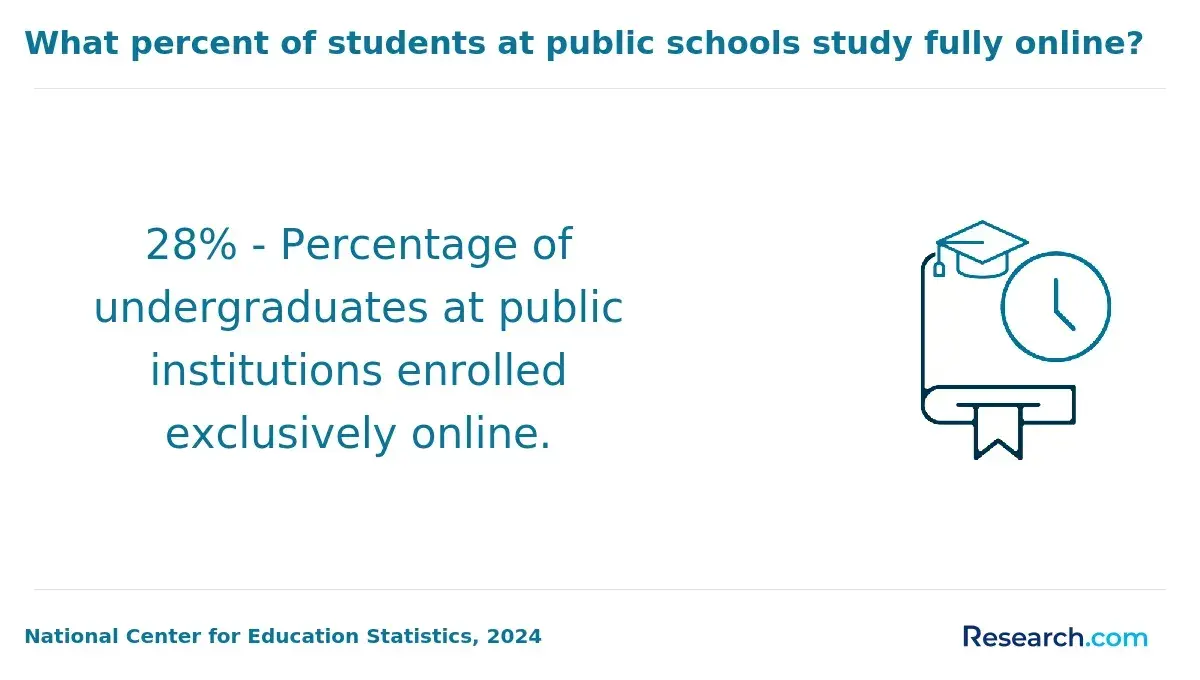
Employers commonly expect bachelor's degrees for analyst or investigator roles, reflecting a preference for candidates with comprehensive scientific training and critical thinking abilities; the 2024 NCES data highlights that bachelor's graduates enjoy higher employment rates and stronger alignment between degree content and job functions. For transfer students or working professionals, this creates a crucial decision point where investing additional time to attain a bachelor's can significantly expand job prospects compared to entering the workforce with a shorter credential.
Master's degrees in forensic science unlock supervisory and specialized roles requiring advanced technical expertise and leadership capabilities seldom accessible to those with only undergraduate qualifications. Those pursuing graduate study typically engage deeply with research methodologies and certification processes, aligning with employer expectations for leadership and specialized positions like forensic chemists or digital examiners.
Doctoral graduates, while a smaller population, tend to occupy academic, research, or policy development roles characterized by high autonomy but often face longer job search phases due to niche specialization demands. In weighing time investment against career outcomes, adult learners and military-affiliated students must consider how incremental credentials influence both certification readiness and role mobility.
This integrates employment and pay trends for forensic science graduates with practical transfer planning and prior credit use considerations, all essential to informed workforce decision-making. For those seeking efficient educational pathways, alternatives such as the fastest medical assistant program model illustrate how focused, accelerated training can also support placement goals in allied fields where flexibility and rapid role readiness matter.
How Much Do Forensic Science Graduates Earn by Degree Level?
However, the time and financial investment to obtain a graduate degree can reduce immediate income and delay career progression, making it essential for adult learners or career changers to consider their ability to leverage transfer credits, local employer demands, and geographic wage variations before committing to extended study.
Beyond base pay, degree elevation also correlates with greater job stability and promotion prospects. For instance, unemployment rates for master's graduates are reported below 3%, substantially lower than the roughly 5% seen among associate degree holders, signaling that higher credentials may ease transitions within a competitive job market. Yet, many employers prioritize hands-on experience and accredited training alongside academic achievements, meaning candidates who secure internships or certifications often outperform on salary growth.
Practical considerations such as the total time to completion, cost of advanced degrees, and required supplemental credentials often have a larger cumulative impact on long-term earnings than the degree label alone. These factors can be particularly decisive for working professionals balancing employment with education or for military-affiliated students seeking rapid credential enhancement to improve job placement.
One forensic science graduate recalled initially targeting a bachelor's degree due to a desire for supervisory roles but hesitated after reviewing local job postings that often required a master's for specialized lab work. After completing the bachelor's, the graduate gathered firsthand insights through internships, realizing that some entry-level positions favored experience over advanced degrees.
Faced with tuition costs and transfer credit limits, the graduate postponed a master's to build practical skills, concluding it was more strategic to enter the workforce promptly and pursue graduate education later if employer demands evolved. This cautious approach reflected the nuanced interplay between degree status, real-world hiring patterns, and personal circumstances shaping earning potential across the forensic science field.
Which Forensic Science Degree Level Offers the Strongest Employment Prospects?
Forensic science employment prospects are most favorable for those holding a bachelor's degree, which aligns with common employer expectations and credentialing standards across crime labs and governmental agencies. While associate degrees and certificates can facilitate a quicker entry as technicians, these credentials often limit upward mobility and access to more stable, better-compensated positions. For example, a bachelor's degree holder might secure a forensic technician role with clearer pathways to supervisory duties, whereas an associate degree graduate may remain confined to lower-responsibility tasks without additional qualifications or experience.
Advanced degrees, such as master's or doctorates, offer distinct advantages in specialized or leadership capacities, including forensic consulting, academic positions, and roles requiring research expertise, but do not automatically confer higher initial employment rates. Many institutions still prioritize practical field experience alongside graduate credentials, meaning that extended study can delay workforce entry without guaranteeing immediate job advantages. According to recent data from the National Center for Education Statistics, approximately 85% of forensic science bachelor's graduates find related employment within a year, compared to roughly 60% of those with associate or certificate credentials.
The decision to pursue further education versus entering the workforce earlier reflects a tradeoff between immediate job access and longer-term role flexibility. Regional labor market demands and certification requirements, such as those from recognized criminalistics boards, also influence which credential level offers the best return on investment. Students aiming to transition into supervisory or highly specialized roles should weigh the benefits of advanced degrees and embedded internships, while those prioritizing faster entry to gain experience may consider transferring credits upward or combining work with continued study to balance practical demands with credential requirements.
What Entry-Level Jobs Can You Get With a Forensic Science Degree?
Entry-level roles available to forensic science graduates vary significantly depending on degree level, prior experience, and employer expectations. Associate degree holders typically face limitations to technician or support positions and often require supplemental certifications or extensive on-the-job training to qualify for analyst roles.
In contrast, bachelor's degree graduates are more competitive for forensic science entry-level job opportunities due to their combination of academic coursework and practical internships, which many employers prioritize to ensure readiness for complex lab procedures. Forensic roles often demand demonstrated hands-on experience, making internships or cooperative education programs critical for candidates to advance beyond basic entry points.
Master's degree holders generally find increased access to supervisory or specialized analytical positions that require deeper knowledge of quality assurance and instrumentation, which associate and bachelor's degrees may not fully provide. Geographic factors also influence opportunities, with urban centers typically offering more forensic jobs and better training infrastructure. According to the U.S. Bureau of Labor Statistics, employment growth in forensic science technician roles remains steady but moderate, reflecting ongoing demand shaped by law enforcement budgeting and investigative needs.
Prospective students weighing degree options should consider how their chosen path affects both immediate employability and long-term mobility, especially if they plan graduate study or certification, as many employers view academic credentials alone as insufficient without accompanying technical skill development or fieldwork experience. For more information on the value of flexible learning, exploring the best accredited self-paced online colleges can help balance education with practical career planning.
How Do Forensic Science Degree Levels Affect Career Advancement and Promotion Opportunities?
Promotions and leadership opportunities in forensic science are increasingly tied to holding a bachelor's degree or higher, as many employers now require this level of education for mid-tier technical roles and supervisory responsibilities. Associate degrees often suffice for entry-level positions, but upward mobility tends to stagnate without a bachelor's or relevant certifications that confirm advanced skills. For those with work experience or prior credits, pursuing a master's or doctoral degree can open pathways to management, forensic consulting, or specialized research roles, where analytical expertise and supervisory readiness become critical.
Data from the U.S. Bureau of Labor Statistics confirms that these advanced credentials frequently align with positions overseeing complex investigations, while continuing education plays a key role in meeting licensure requirements and maintaining competitiveness as job postings increasingly favor candidates with higher qualifications.
Practical considerations for adult learners or transfer students include evaluating how accredited programs and transfer-credit options can accelerate qualification for promotion without redundant coursework. Many forensic science professionals experience a plateau in career progression without further credentials, so aligning degree advancement with certifications and relevant experience becomes essential for leadership mobility.
Conversely, jumping directly into the workforce with an associate degree may offer earlier employment but limits access to supervisory roles and higher pay tiers. This tradeoff highlights the importance of strategically balancing immediate career entry against the longer-term benefits of additional education tailored to evolving employer expectations and credential standards within forensic science agencies.
One forensic science student, after years working as a crime lab technician with an associate degree, hesitated before committing to a bachelor's program. Their employer required a bachelor's for a competitive promotion to a supervisory position. Although anxious about managing coursework alongside full-time shifts, the student recognized that enhancing credentials would not only make them eligible for leadership but also boost confidence in handling complex cases. This careful consideration of timing and degree level ultimately shaped their decision to pursue advanced studies rather than remain at a career bottleneck.
Is a Forensic Science Degree Worth It Based on Salary, Employment, and ROI?
Salary prospects and employment stability for forensic science degree holders depend heavily on the level of education achieved and the ability to enter the workforce without prolonged delays. Those with bachelor's degrees typically find steady entry-level roles with median wages that trail behind other STEM fields, while advanced degrees often unlock federally focused or supervisory positions commanding higher pay and greater job security. Considering the return on investment for forensic science careers, prospective students must weigh program costs-often substantial when including living expenses and extended graduate study-against realistic timing to workforce entry and the competitive landscape favoring applied experience or certifications alongside academic credentials.
Decision-making around pursuing forensic science degrees can be complex, especially for adult learners, transfer students, or working professionals balancing education with other commitments. In regions where demand fluctuates, the ability to transfer credits or pursue part-time study, such as through ASN online programs, can mitigate costs but may extend completion times and limit access to essential hands-on training critical for employer readiness. Practical outcomes hinge on not just degree completion but networking, internships, and credentials that address underemployment risks reported among graduates lacking practical experience.
Ultimately, evaluating forensic science degree salary and employment outcomes requires aligning educational pathways with personal circumstances, local labor markets, and long-term career goals. Opting for additional education should account for opportunity costs and the realistic potential for salary gains and advancement. These decisions are nuanced, with effectiveness dependent on whether students can efficiently complete programs and leverage emerging credential preferences that influence career mobility and financial returns over time.
Related fields such as forensic psychology master's programs can provide additional pathways into specialized roles involving behavioral analysis, criminal justice, and forensic assessment. These programs may appeal to students seeking to combine psychological expertise with investigative or legal applications.
How Do Associate, Bachelor's, Master's, and Doctoral Forensic Science Degrees Compare?
Choosing between associate and bachelor's degrees in forensic science sharply influences initial job roles and long-term trajectory. Associate degree holders often enter as technicians or assistants with limited specialization and slower wage growth, making advancement contingent on further study or experience accumulation. Bachelor's degrees remain the baseline for most forensic analyst and investigative positions, offering greater access to court testimony roles and technical fields like digital forensics. Data from the U.S. Bureau of Labor Statistics highlights that bachelor's degree holders consistently achieve higher median earnings and lower unemployment compared to those with only an associate degree, emphasizing the practical payoff of the additional investment in time and cost.
Master's credentials primarily serve individuals targeting managerial, research-intensive, or niche forensic specialties such as toxicology or DNA analysis, but the upfront financial and time demands do not automatically translate into higher starting salaries. Instead, these degrees often facilitate mid-career promotions and eligibility for supervisory roles, especially when combined with relevant certifications or hands-on experience. Doctoral degrees are largely confined to academic, policy, or consultancy tracks rather than operational laboratory roles, where employers prioritize practical expertise and certification. For working adults, weighing the extended study period and potential debt against the relatively narrow range of roles requiring doctoral qualifications is critical to avoid overinvestment that fails to yield proportionate professional returns.
Licensure and credentialing requirements frequently favor bachelor-level education, with transfer pathways enabling some associate degree holders to bridge upward, although time-to-degree and cumulative debt should guide decision-making. The interplay between degree level, workforce demand, and employer expectations underscores that for many, stacking credits with targeted experiential learning may yield stronger employability than singular focus on degree accumulation. Consequently, prospective students must consider how degree choices align with desired job functions, flexibility in career changes, and leadership ambitions within forensic science, balancing immediate workforce entry with longer-term advancement prospects.
Which Industries and Employers Hire Forensic Science Graduates by Degree Level?
Hiring in forensic science distinctly reflects degree level, with associate degree holders typically employed by local law enforcement, crime labs, and technician roles focused on evidence collection and routine analysis. These positions demand practical skills and field experience rather than advanced credentials, which limits upward mobility into supervisory or research positions. For example, an associate holder may excel in a crime lab technician role but face barriers moving directly into forensic analyst or leadership roles without further education or certification.
Bachelor's degree graduates often qualify for state and federal agencies, including the FBI, as well as private consulting firms, with around 15-20% higher median starting salaries than those with associate degrees according to 2024 labor data. This degree level serves as a baseline for certifications and opens access to specialized forensic analyst or crime scene investigator positions. Employers prioritize a foundational balance of scientific knowledge and technical proficiency here, positioning degree holders for a wider range of assignments and some advancement potential compared to technicians.
Master's and doctoral graduates generally fill specialized, senior scientific, research, or leadership roles that require advanced project management, grant writing, and publication experience, though these roles are fewer and often regionally concentrated. Such degrees meet licensure and supervisory preferences present in public and some private sector jobs, enabling access to case review and policy influence but without guaranteed immediate salary or volume advantages. Certificate programs, by contrast, complement other credentials and typically target niche technical skills without serving as standalone qualifications for independent forensic positions.
What Skills, Credentials, and Experience Improve Forensic Science Career Outcomes?
Forensic science technical certifications and professional experience impact career advancement more decisively than degree level alone. Employers expect entry-level candidates to demonstrate applied laboratory skills through internships or practicum settings, where evidence handling and instrumentation competence are essential. For example, a bachelor's degree graduate who combines certifications from recognized boards and documented hands-on experience typically outperforms a graduate with a master's degree but limited practical exposure, especially when competing for supervisory tracks. This credential stacking—integrating degrees, certifications, and targeted applied learning—directly enhances employability, promotion readiness, and career mobility within forensic science.
Soft skills such as communication and leadership complement technical qualifications, enabling forensic scientists to translate complex analyses into credible testimony and reports. Working adults and military-affiliated students often leverage prior experience alongside associate or bachelor's degrees to enter the field quickly, balancing technical readiness with real-world constraints. Advanced degrees prioritize specialization, licensure eligibility, and higher-level management roles but may delay immediate employment gains. The strategic decision to pursue graduate studies or additional credentials must weigh these trade-offs carefully against career goals and the availability of relevant internships or apprenticeships, which substantially improve both job retention and advancement outcomes.
Prospective students can benefit from examining the practical value of credit transfer and prior experience integration, tailoring their educational pathway accordingly. For those considering alternative STEM-related options, reviewing resources and answers to pressing questions such as "What can you do with a bioinformatics degree?" offers insight into related career trajectories that intersect with forensic science competencies.
Ultimately, understanding how advanced degree benefits and credential requirements in forensic science employment align with market demands equips learners to make informed decisions that balance specialization, leadership capacity, and operational readiness within the discipline.
Which Forensic Science Degree Level Is Best for Your Career Goals?
The choice of forensic science degree level critically shapes employment access and long-term mobility in this field. For example, associate degrees can expedite entry into the workforce but generally confine graduates to limited roles with modest pay and few advancement prospects.
By contrast, bachelor's degrees align more closely with employer expectations for foundational lab skills and field experience, resulting in broader employment opportunities and greater eligibility for certifications linked to specialized techniques. The analysis of forensic science degree pay and employment comparisons from the U.S. Department of Education's College Scorecard shows about 75% employment within two years for bachelor's graduates, highlighting a practical tradeoff between time-to-completion and workforce readiness.
Graduate degrees, including master's and doctoral programs, better equip students for leadership roles, supervisory positions, and advanced research, meeting increasing employer demand for higher qualifications in forensic science. Nearly 40% of advanced roles require master's or above, and these credentials often facilitate licensure pathways crucial for technical and investigative specialization.
However, they involve significant opportunity costs given the higher tuition and debt, emphasizing the importance of credit transfer strategies, especially for working adults or those transitioning from related disciplines. Adult learners considering flexible paths should also weigh accelerated bachelor's options or part-time graduate study carefully, balancing workload intensity against completion risks. Those interested in understanding program differences more broadly might want to research the different types of counseling degrees for complementary insights on credential impact in allied fields.
References
- How Much Does A Forensic Scientist Make? A Salary Overview https://www.salemu.edu/blog/how-much-does-forensic-scientist-make/
- Careers in forensic science https://www.justice-ni.gov.uk/articles/careers-forensic-science
- Guide To Forensic Science Careers | LearnHowtoBecome.org https://www.learnhowtobecome.org/career-resource-center/forensic-science-careers/
- Return on Investment for a College Degree in Criminal Justice ROI or a College Degree in Criminal Justice https://www.criminaljusticeprograms.com/articles/return-on-investment-for-a-college-degree-in-criminal-justice/
- The Forensic Science Jobs You Can Pursue with Qualifications https://www.stonebridge.uk.com/blog/distance-learning/the-forensic-science-jobs-you-can-pursue-with-qualifications/
- Forensic Scientist Salary: State-by-State Median Guide https://www.allcriminaljusticeschools.com/forensics/salary/
- Forensic Science and Investigation Career Paths https://www.oxfordhomestudy.com/OHSC-Blog/forensic-science-and-investigation-career
- PhD in Forensic Science Doctoral Degree Programs https://www.forensicscolleges.com/programs/forensic-science/phd-in-forensic-science
- Forensic Science Degree Programs https://www.criminaljusticedegreeschools.com/degrees/forensic-science-degree/
- Forensic Science Graduate Jobs (with Salaries) - SEEK https://au.seek.com/forensic-science-graduate-jobs
Other Things You Should Know About Forensic Science
Higher degree levels typically demand significantly more time and intensive study, which can affect employment and life balance during your education. For example, master's and doctoral programs often require research, internships, or lab experiences that extend beyond standard coursework, potentially limiting part-time work or family time. If immediate workforce entry or balancing work and study is a priority, bachelor's or associate degrees might be more practical despite potentially slower long-term advancement.
While master's and doctoral degrees can open specialized roles, the incremental pay and advancement benefits are often modest compared to the added education cost and time. Many forensic science employers prioritize hands-on experience and certifications over advanced degrees, which means pursuing graduate study may not guarantee better job security or salary. Carefully evaluate whether specialized academic credentials align with targeted job requirements or if practical experience might yield a better return.
Degree level alone is not the sole determinant of employment success; program reputation, industry partnerships, and practical training opportunities often matter more. Programs with strong internship connections and active employer engagement tend to enhance job placement across all degree levels. If possible, prioritize programs that facilitate real-world forensic applications and professional networking rather than merely focusing on whether the degree is bachelor's, master's, or higher.
Employers in forensic science fields frequently value certifications and demonstrated technical skills as much or more than the specific degree held. For many roles, a bachelor's degree supplemented with relevant certifications and validated lab experience can outweigh a higher degree lacking practical credentials. Candidates should assess how their degree choice, combined with certifications and work experience, aligns with the prevalent hiring standards rather than assuming higher degrees automatically confer an advantage.