2027 Forensic Science Degree Popularity by Gender, Region, and Degree Level

Co-Founder and Chief Data Scientist
A student examining forensic science enrollments may find that gender ratios shift dramatically between states, with women comprising over 70% of forensic science graduates in some regions but fewer than 50% in others as of 2024. Such variation affects not only peer dynamics but also regional workforce compositions and employer expectations. Likewise, bachelor's degree completions have surged in urban institutions, while rural areas see stronger associate degree enrollment, reflecting differing access and career requirements. Interpreting these trends requires understanding how geography and degree level shape both educational opportunities and labor market integration.
This article analyzes forensic science degree popularity by gender, region, and degree level to guide informed educational and career decisions.
Key Things to Know About Forensic Science Degree Popularity by Gender, Region, and Degree Level
- Women comprise nearly 65% of forensic science undergraduates in 2024, reflecting a gendered field entry that influences workplace culture and diversity initiatives but may limit varied perspective recruitment.
- Southern U.S. institutions show 20% higher enrollment in forensic science degrees, linked to regional crime lab growth, signaling local workforce demand yet possibly constraining geographic mobility for graduates.
- Master's-level enrollment growth outpaces bachelor's by 15% recently, indicating employer preference for advanced credentials, though this raises cost and time commitments that affect student access and debt burden.
- Key Things to Know About Forensic Science Degree Popularity by Gender, Region, and Degree Level Key Things to Know About Forensic Science Degree Popularity by Gender, Region, and Degree Level
- How Does Job Market Demand Influence Forensic Science Degree Popularity? Market Demand and Degree Popularity
- How Does Online Forensic Science Degree Enrollment Compare to Traditional Campus Programs? Online vs. Campus Enrollment
- What Degree Level Is Most Common Among Forensic Science Students? Most Common Degree Levels
- How Do Enrollment Trends Differ Between Associate, Bachelor's, Master's, and Doctoral Forensic Science Degrees? Enrollment Trends by Degree Level
- How Popular Is the Forensic Science Degree Compared to Other College Majors? Degree Popularity vs. Other Majors
- Why Is the Forensic Science Degree More Popular in Certain States and Regions? Regional Popularity Drivers
- What Demographic Groups Are Driving Growth in Forensic Science Degree Programs? Growth by Demographic Groups
- What Is the Future Outlook for Forensic Science Degree Enrollment by Gender, Region, and Degree Level? What Is the Future Outlook for Forensic Science Degree Enrollment by Gender, Region, and Degree Level?
- How Have Forensic Science Degree Enrollment Trends Changed Over the Past Decade? How Have Forensic Science Degree Enrollment Trends Changed Over the Past Decade?
- Where Is the Forensic Science Degree Most Popular Across the United States? Geographic Popularity Analysis
How Does Job Market Demand Influence Forensic Science Degree Popularity?
Labor market demand shapes forensic science degree popularity unevenly across gender, region, and degree level, as employer expectations increasingly emphasize specialized competencies beyond the degree itself. For example, urban centers with dense law enforcement and forensic facilities, such as Washington D.C. and California, show higher enrollment rates due to clearer employment pathways and greater regional job availability, reflecting broader regional employment trends affecting forensic science degree popularity. Women pursuing these degrees may encounter both encouraging and limiting factors tied to workforce demographics and hiring biases, influencing participation rates despite a growing share of programs actively promoting inclusivity. Prospective students must weigh such geographic and institutional variables against labor market signals when selecting programs that align with their career ambitions and local employment conditions.
Job market demand frequently impacts degree level choices as well, with bachelor's programs seeing steady growth while interest in graduate study often correlates with specialized fields like digital forensics or molecular biology, fields where employer requirements elevate the value of advanced credentials. However, rising job openings do not always translate into proportional increases in enrollment due to credentialing hurdles, practical experience prerequisites, and geographic disparities in forensic science job availability. Prospective students should also consider that enrollment growth alone may not mirror workforce absorption, as some graduates transition to adjacent disciplines or pursue further education. Those evaluating a forensic science degree's long-term relevance must navigate these complex labor market dynamics alongside educational quality and accessibility, while also recognizing practical cost considerations such as the medical billing and coding classes cost in related healthcare sectors that sometimes draw similar student demographics.
How Does Online Forensic Science Degree Enrollment Compare to Traditional Campus Programs?
Online forensic science programs have seen enrollment growth nearly twice as fast as traditional campus-based ones over the past five years, driven largely by students balancing work and family obligations who require flexible scheduling. This shift is especially notable in rural or underserved regions, where limited local educational infrastructure makes online options the most accessible path to degree attainment. In contrast, traditional programs typically attract younger students who benefit from structured, face-to-face lab experiences critical for hands-on skill development. Such demographic and geographic differences influence overall enrollment patterns, with online formats expanding participation among adult learners and non-traditional students but sometimes at the expense of direct access to practical forensic environments.
Completion rates tend to slightly favor campus programs, reflecting the advantages of in-person faculty interaction and tightly scheduled curricula, though this gap is narrowing as online programs enhance virtual engagement and support services. Employers in forensic science fields generally prioritize demonstrated skills and experience over degree modality, but students enrolled online often face challenges securing local internships or lab work, which can affect preparation for technical roles. Therefore, prospective students must weigh accessibility and flexibility against the potential need for on-site training components, balancing these factors against individual career goals and regional workforce demands.
One graduate recalled hesitating between a nearby campus program and an online degree from a reputable but distant institution. Living in a small town without local forensic labs, the student found the campus program offered more peer interaction but inflexible scheduling clashed with full-time employment. Choosing the online route, the student initially worried about missing hands-on experiences but later appreciated the ability to learn asynchronously while arranging intermittent visits to a local community college lab. This dual approach alleviated concerns about isolation and skill gaps, illustrating the nuanced tradeoffs students navigate when comparing forensic science program formats.
What Degree Level Is Most Common Among Forensic Science Students?
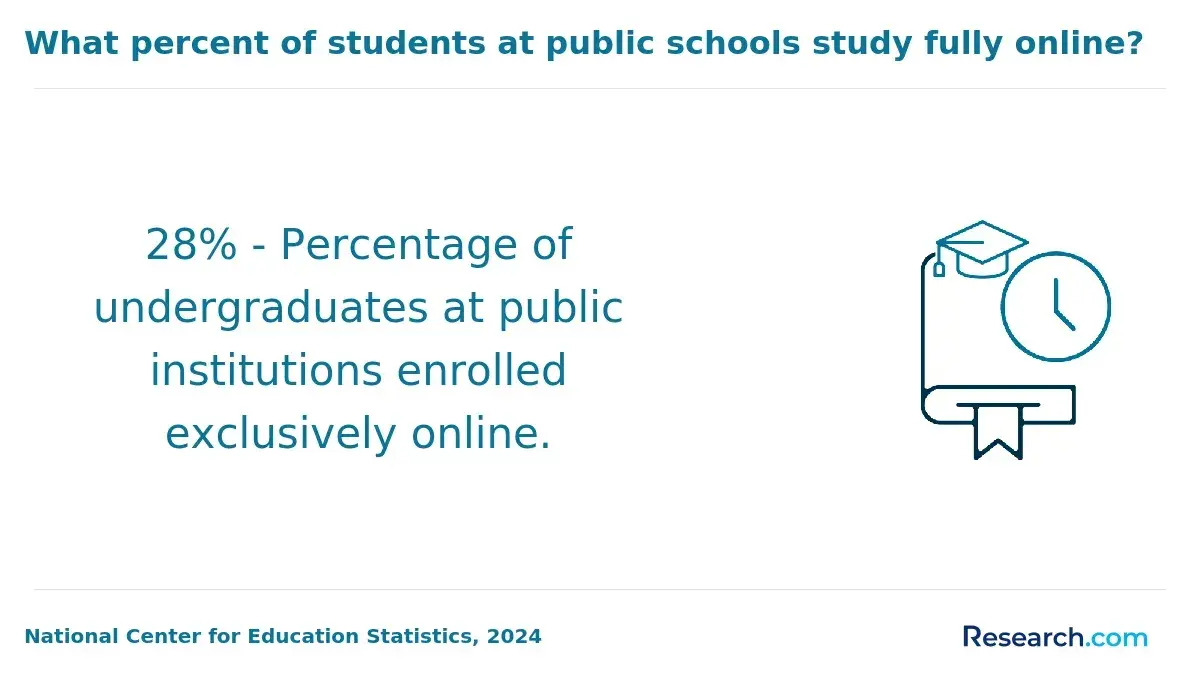
The predominance of bachelor's degrees among forensic science students reflects clear workforce realities: most entry-level positions, particularly in crime laboratories and law enforcement, set the bachelor's as a minimum credential. This level balances foundational science education with specialized forensic coursework, providing practical readiness for immediate employment. According to the National Center for Education Statistics 2024 data, about 65-70% of forensic science enrollees pursue bachelor's degrees, underscoring how employer expectations and traditional academic pathways converge to shape student choices.
Associate degrees, while less common, often serve as accessible entry points into forensic-related roles such as crime scene technicians or lab assistants, though they generally represent under 15% of enrollment. These shorter programs are frequently used as stepping stones toward more advanced study rather than final qualifications, limiting their direct career impact for many. Conversely, master's programs capture 15-20% of students, driven by the need for advanced analytical skills and supervisory qualifications, with distance learning options expanding their reach. Doctoral programs enroll the fewest students-typically below 5%-reflecting the degree's focus on research and academic careers rather than frontline practice, which affects their appeal and practical relevance for most workforce entrants.
These enrollment patterns illustrate the tradeoffs students face between accessibility, immediate employability, and long-term specialization. Regional variations in institutional offerings and demographic factors also influence degree-level choices, with community colleges funneling students into associate programs and research universities producing more graduate degree holders. For those assessing educational pathways, recognizing how degree level intersects with job market demand and institutional availability provides critical insight into aligning academic investment with career objectives in forensic science.
How Do Enrollment Trends Differ Between Associate, Bachelor's, Master's, and Doctoral Forensic Science Degrees?
Enrollment trends by degree level in forensic science reveal distinct patterns connected to workforce demands and educational tradeoffs. Associate degrees primarily appeal to students targeting entry-level or support roles, with many programs concentrated regionally in community colleges, reflecting notable regional differences in forensic science associate and bachelor's degrees. These programs offer faster, lower-cost pathways but often limit advancement without further education. In contrast, bachelor's degrees represent the largest enrollment segment, reflecting their role as the baseline requirement for most forensic technician and analyst positions, with completions rising 8% over five years according to National Center for Education Statistics 2024 data.
Master's degree programs in forensic science are expanding faster than undergraduate offerings, driven by the need for specialized skills and credentials in competitive urban and research-centric areas. The 12% increase in master's enrollment reported in the 2024 Survey of Graduate Enrollment underscores this shift toward advanced expertise and diverse student representation. Meanwhile, doctoral programs remain highly selective and relatively stable in enrollment, attracting those focused on research innovation and academic leadership rather than direct forensic practice, thus presenting a significant barrier to entry due to their rigorous demands.
Prospective students must weigh the practical outcomes inherent in each degree level. For example, individuals pursuing faster workforce entry might consider an associate degree or even explore options like a 6 month LPN program for allied health roles, while those aiming for long-term specialization should plan for graduate study. Understanding how enrollment trends by degree level in forensic science correspond to evolving employer expectations and regional educational availability is essential for informed decision-making and career trajectory planning.
How Popular Is the Forensic Science Degree Compared to Other College Majors?
The relative scarcity of forensic science degrees in higher education signals a specialized rather than mainstream academic pursuit, typically comprising less than 1% of undergraduate degree completions nationwide according to recent National Center for Education Statistics data from 2024. This limited popularity reflects how the discipline draws a focused student base aligned with specific career paths in law enforcement and forensic analysis rather than broad scientific fields such as biology or chemistry, which command far larger enrollments. Steady growth around 3% annually in forensic science degree conferrals suggests increasing institutional and public interest, yet geographic concentration near law enforcement hubs means program access and peer networks remain uneven, affecting student experiences and specialization opportunities.
Graduate programs in forensic science are notably fewer and smaller compared to related disciplines like psychology or public health, creating a constrained pipeline for highly specialized roles and prompting employers to sometimes prefer candidates with cross-disciplinary qualifications. Gender representation tends to be more balanced here than in other scientific areas, which may support diversity in the workforce but does not directly correlate with program expansion or hiring volume. For prospective students, choosing forensic science involves weighing the benefits of focused training against limited program availability and competition shaped by smaller cohorts and regional demand.
One graduate recounted discovering the relative rarity of forensic science during undergrad academic advising, noting the contrast between her small cohort and the hundreds in broader STEM majors. She recalled feeling uncertain initially-wondering if the limited enrollment implied limited career prospects-until learning that the specialized nature of the field translated to more targeted job roles and closer faculty mentorship. This understanding helped her reassess the value of a niche degree despite its lower overall popularity on campus and in national completions.
Why Is the Forensic Science Degree More Popular in Certain States and Regions?
State and regional demand for forensic science professionals significantly influences degree popularity, often aligning with local criminal justice system complexity and employer concentration. For example, states like California and Texas, housing extensive law enforcement agencies and forensic laboratories, attract higher enrollments due to greater job market opportunities. This concentration creates robust local networks and practical training environments, affecting not only student recruitment but also perceptions of program value. Regions lacking such industry presence may offer fewer collaborative experiences, which can limit students' access to internships and employer connections, shaping their program selection and long-term career outlook.
Educational availability and public policy priorities further drive these patterns. Areas with more accredited universities offering specialized forensic science curriculums tend to report higher degree completion rates, especially where STEM and criminal justice funding support forensic science career pathways early on. Demographic factors also play a role, as states with larger college-age populations and diversity initiatives often see increased female and minority participation in forensic science degrees, affecting workforce composition. Prospective students evaluating their options should consider how these regional enrollment differences influence access to resources and professional integration. Those interested in comparative program models might also explore broader parallels with fields like dietitian master's programs, where geographic and institutional factors similarly impact educational outcomes and career trajectories.
What Demographic Groups Are Driving Growth in Forensic Science Degree Programs?
Shifts in forensic science degree enrollment increasingly reflect evolving workforce demands and accessibility factors rather than mere demographic change. Women now constitute nearly 65% of bachelor's degree earners in this field, a substantial increase driven by broader inclusion efforts in STEM and the intersection of science with criminal justice careers that often appeal to female students seeking applied analytical roles. This gender imbalance impacts classroom dynamics and peer networks, potentially influencing program culture and mentorship opportunities as institutions adapt to this dominant participation trend.
Geographically, growth is concentrated in the Southern and Western United States, with states like Texas, California, and Florida expanding offerings to meet regional employer needs tied to investments in law enforcement technology and crime lab modernization. The rise in online and hybrid formats has amplified enrollment among adult learners, particularly those aged 25 and older, reflecting career changers and reskilling efforts that align with public safety sector demands for technically skilled professionals. These patterns suggest that prospective students must weigh traditional campus experiences against flexible formats that cater to non-traditional learners, which in turn influence institutional resource allocation and program design.
At the graduate and certificate levels, expansion underscores employer preferences for specialized expertise capable of handling sophisticated forensic methodologies. This trend indicates that students with foundational degrees in biology or criminal justice may find advanced credentials necessary to remain competitive amid increasing technical complexity. However, while Hispanic and Asian American enrollment grows faster than other minority groups, Black or African American representation remains comparatively low, highlighting ongoing challenges in equity and inclusion that affect talent pipeline development across forensic science education and the broader forensic workforce.
What Is the Future Outlook for Forensic Science Degree Enrollment by Gender, Region, and Degree Level?
Enrollment in forensic science degree programs is expected to continue reflecting a significant gender imbalance, with women constituting about 65% of students according to recent National Center for Education Statistics data. This dynamic shapes both classroom composition and workforce pipelines, as female dominance persists partly due to sustained interest in applied sciences and law enforcement roles. Meanwhile, modest gains in male enrollment driven by advancements in technical and digital forensic fields suggest a gradual broadening of appeal, though these shifts remain uneven across sub-disciplines and degree levels.
Geographically, enrollment growth concentrates in metropolitan regions with strong forensic infrastructure, such as California, New York, and Massachusetts, linking program demand to local labor markets and public safety investment. Rural and Southern areas lag behind, constrained by fewer academic offerings and limited employer presence, though online forensic science degrees are progressively mitigating these disparities by expanding access. For prospective and current students, this regional concentration means educational and career opportunities are often tied closely to where one studies and works, necessitating strategic decisions around geographic mobility and program selection.
Bachelor's degrees continue to dominate forensic science enrollment, accounting for over 70% of students, but there is a growing preference among employers for candidates with graduate-level training, especially in specialized areas like forensic data analysis and emerging technologies. This trend reflects increased complexity in investigations and a premium on advanced expertise, influencing students' long-term choices about degree level and specialization. For workforce observers and graduates, these factors underscore the practical tradeoff between entering the field sooner at the bachelor's level versus the potential career advantages of pursuing a master's degree focused on technical proficiency.
How Have Forensic Science Degree Enrollment Trends Changed Over the Past Decade?
Long-term shifts in forensic science degree enrollment reveal critical insights about the evolving educational landscape and workforce demands. Over the past decade, the increases in forensic science degree enrollment trends in the United States have been largely concentrated at the associate and bachelor's degree levels, reflecting employer preference for entry-level qualifications rather than advanced graduate credentials. This growth is shaped by distinct regional patterns, with states like California, Texas, and New York showing higher participation due to robust criminal justice infrastructures and partnerships between major forensic labs and academic institutions.
Gender representation has also evolved, with female students now comprising approximately 60% of enrollment, indicating a gradual but consistent realignment of the demographic makeup in forensic science programs. However, the rise of online education modalities, such as online school psychology programs, highlights ongoing challenges for forensic science, where hands-on lab work remains a non-negotiable component of workforce readiness. Consequently, while distant learning options increase access for nontraditional and geographically remote students, they cannot fully substitute for in-person training, which continues to influence perceptions of degree relevance and graduate employability.
This landscape informs practical decision-making for prospective and current learners, emphasizing the importance of balancing program format, geographic location, and credential level against labor market realities. The changes in forensic science program popularity by region underscore how local industry presence and educational infrastructure significantly affect student demand and program availability. Graduates and workforce analysts should consider these patterns carefully, as they impact not only educational pathways but also how employers value forensic science credentials across diverse operational contexts.
Where Is the Forensic Science Degree Most Popular Across the United States?
Forensic science degree popularity is concentrated in states with strong institutional support and established industry demand rather than being evenly spread across the United States. Regions with major metropolitan areas and robust public safety infrastructure, such as the Northeast and Pacific Coast, offer more advanced programs and employment pipelines, reinforcing local enrollment in forensic science degrees. This clustering reflects how workforce needs and educational resources create professional ecosystems that attract and retain students, ultimately shaping regional labor markets and networking environments.
The top regions for forensic science degree enrollment typically coincide with states investing heavily in law enforcement and judicial services, which drive demand for forensic professionals. Midwestern states with accessible academic pathways and partnerships with government agencies also contribute to degree popularity by aligning program offerings with workforce opportunities. Conversely, less populous areas or states with limited public safety budgets report fewer completions, which impacts students' choices about where to study and work, given the regional reputation and practical training advantages found in these more concentrated academic markets.
Prospective students must consider these geographic patterns alongside their career goals, as attending programs in areas aligned with forensic science employer demand generally improves practical experience and job placement chances. Those interested in related fields could explore alternatives like MPH online programs with easy admission requirements that reflect similar workforce trends in healthcare and public safety. Understanding the nuanced distribution of forensic science degree popularity by state supports more informed decisions about education pathways and long-term professional outcomes.
References
- Forensic Science Degree Programs https://www.criminaljusticedegreeschools.com/degrees/forensic-science-degree/
- Forensic Science Degree https://universitycompare.com/guides/subject/forensic-science-degree
- Online Forensic Science Degree https://www.aiuniv.edu/degrees/criminal-justice/bachelors-forensic-science
- Influencing Forensic Science for a Decade: Remembering the 2009 NAS Report https://forensicstats.org/blog/influencing-forensic-science-for-a-decade-remembering-the-2009-nas-report
- How To Become a Forensic Scientist: Requirements & Steps https://www.forensicscolleges.com/blog/htb/how-to-become-forensic-scientist
- Associate in Forensic Science Degrees and Careers https://www.criminaljusticeprograms.com/specialty/associate-in-forensic-science/
- European Forensic Institute Bachelor's and Masters programmes https://eufor.eu/programmes/
- Forensic Workforce Survey https://www.smithgroup.com/forensic-workforce-survey
- 2025 Most Popular Online Forensic Science Degrees https://www.onlineu.com/degrees/forensic-science
- Universities Investing in More Degrees to Keep Up with Growing Forensics Industry https://www.forensicmag.com/3594-All-News/617933-Universities-Investing-in-More-Degrees-to-Keep-Up-with-Growing-Forensics-Industry/
Other Things You Should Know About Forensic Science
Gender disparities in forensic science degree enrollment can reveal important cultural or network support dynamics within programs. For example, programs with higher female enrollment may offer more collaborative or interdisciplinary learning environments, which some students prefer. However, prospective students should prioritize program quality, faculty expertise, and alignment with career goals over gender composition alone, as employer standards typically focus on skill and accreditation rather than demographics.
Regions with higher forensic science enrollment often have stronger local industry connections, internships, and lab resources, enhancing practical learning and job placement. Conversely, programs in less popular regions might face resource limitations but could offer smaller class sizes and more individualized mentoring. Students need to weigh the benefits of regional industry integration against factors like cost of living and personal circumstances when selecting a program.
Advanced degrees can increase competitiveness and open specialized career paths in forensic science, but their value diminishes if the student's target region lacks demand for such qualifications. Those aiming to work locally should assess job market specifics and consider whether a bachelor's or master's degree supplemented with practical experience may provide comparable outcomes without the added time and expense.
Higher degree levels generally entail greater academic rigor, research expectations, and more extensive hands-on training, which can be demanding but also more rewarding for deep expertise. Students must realistically assess their capacity to manage this workload alongside personal and financial commitments. Prioritizing programs with internships and lab components at any degree level is crucial, as practical skills are a key determinant of employability in forensic science.