2027 What Careers Can You Pursue With a History Degree? Salary Potential, Job Outlook, and Next Steps

Co-Founder and Chief Data Scientist
How can a history degree translate into a viable career with competitive salary potential? Many recent graduates worry about finding stable jobs beyond academia. Yet, the U. S. Bureau of Labor Statistics reports a 5% growth in employment for historians and related roles through 2032, reflecting steady demand. History graduates bring critical thinking, research, and communication skills valued in fields like museum curation, education, law, and public policy.
This article explores the various career paths open to history degree holders, examines salary expectations and job outlook, and outlines practical next steps to help graduates navigate the evolving job market effectively.
Key Things to Know About the Careers You Can Pursue With a History Degree
- Careers with a history degree span diverse industries, including education, law, public policy, and cultural heritage organizations, offering broad professional opportunities.
- The degree develops transferable skills such as critical thinking, research, and communication, valued in roles from journalism to business analysis.
- Advanced education can enhance salary potential and job growth; the U.S. Bureau of Labor Statistics predicts 5% growth for related occupations through 2031.
What Careers Can You Pursue With a History Degree?
A degree in history opens doors to a wide range of career paths across education, government, media, and more. According to the U.S. Bureau of Labor Statistics, employment in social science-related fields, including historians, is expected to grow about 5% over the next decade, highlighting steady demand. Exploring job opportunities with a history degree in the US can reveal diverse roles that leverage analytical and research skills.
Careers for history degree graduates often include:
- Historian: Historians research, analyze, and interpret past events by studying documents, archives, and other sources. This role is essential for museums, academic institutions, and government agencies seeking to preserve and explain history.
- Museum Curator: Curators oversee collections of artifacts and works of art. They create exhibitions and educational programs that connect audiences with cultural heritage, drawing heavily on historical knowledge.
- Archivist: Archivists organize and maintain historical records and documents, ensuring they are preserved and accessible for future study. Their work supports libraries, universities, and public institutions maintaining accurate historical data.
- Historical Consultant: These professionals advise film and media productions, write books or articles, and share expertise that enhances storytelling with historical accuracy. They demonstrate how history informs contemporary communication.
- Public Policy Analyst: History graduates in government or policy roles use historical patterns to guide decision-making and legislation. Critical thinking skills developed through history studies aid societal development and governance.
Students considering advanced degrees might explore options like the cheapest easiest master's degree programs to augment their history background and expand career opportunities.
What Are the Highest-Paying Careers With a History Degree?
A history degree develops critical thinking, research, and communication skills that open doors to various high-paying careers across multiple industries. Labor statistics show that many history-related professions offer annual salaries that can exceed $100,000, especially with added experience or advanced education. This salary potential in history-related professions makes the degree an attractive choice for students seeking both intellectual challenge and financial reward.
Careers that leverage a history background offer diverse opportunities, including the following roles:
- Corporate Historian: These experts preserve and research a company's historical records to support branding, legal issues, and strategic planning. Salaries typically range from $60,000 to $110,000, depending on industry and company scale.
- Lawyer: Many history graduates attend law school, utilizing their analytical and writing capabilities. Lawyers in fields like intellectual property or corporate law earn between $70,000 and $160,000 annually, with a history degree offering a solid foundation for legal analysis.
- Archivist: Archivists manage significant historical document collections for museums, universities, and governments. Salaries usually fall between $50,000 and $90,000, with higher pay common in federal roles or large institutions.
- Policy Analyst: By applying historical context to current issues, policy analysts advise governments or organizations. Their incomes range from $65,000 to $115,000, reflecting their impact on shaping public policy.
- College Professor in History: Professors combine teaching and research, often earning between $60,000 and $120,000. Advanced degrees and tenure further increase earning potential.
Graduates interested in maximizing their earnings or expediting degree completion might consider an online accelerated bachelor's degree program. Overall, the highest-paying careers for history degree graduates often combine academic preparation with specialized skills, enhancing wage growth and career flexibility.
What Is the Job Outlook for History Degree Careers?
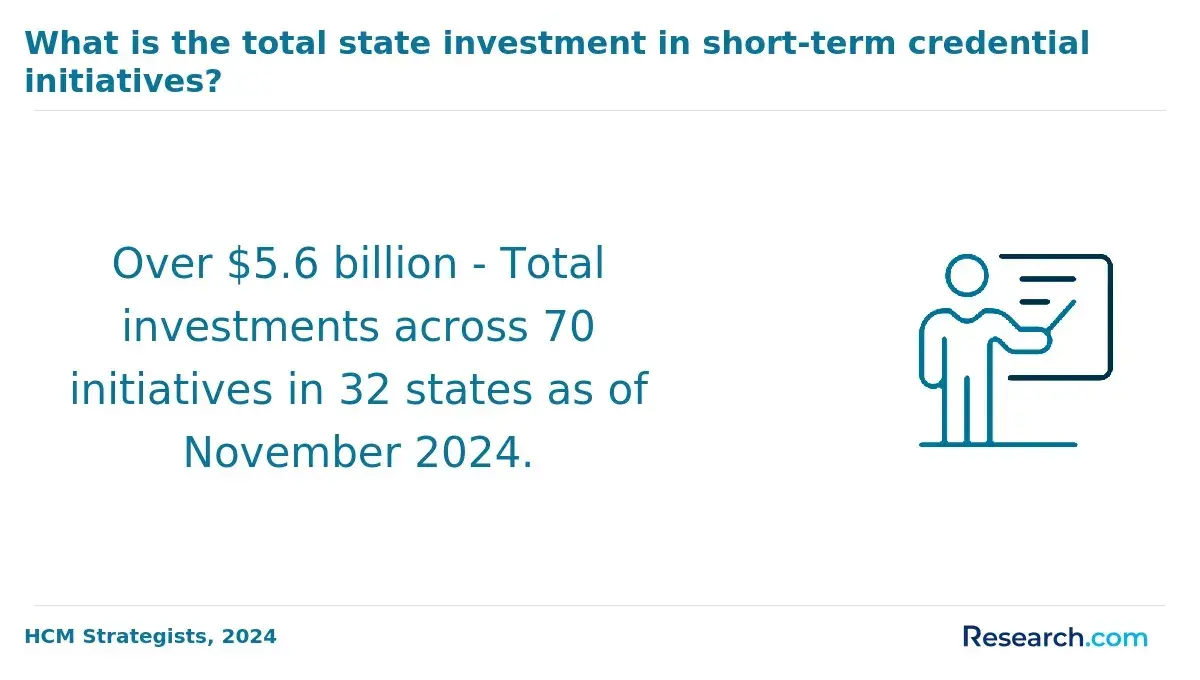
The job outlook for careers connected to a history degree remains steady, with consistent demand across multiple sectors such as education, museums, and cultural organizations. Employment growth is projected to be about 6% from 2022 to 2032, aligning with the average increase seen in many other professions. As technology advances, the need for professionals skilled in digital archiving and historical data management is expanding, offering new opportunities for those who combine historical knowledge with tech expertise. Despite occasional fluctuations caused by funding changes or shifting public interest, the core necessity for preserving and interpreting the past ensures ongoing roles in the field. Graduates who develop interdisciplinary skills often find their prospects enhanced in this evolving labor market.
When asked about the job outlook, a professional with a degree in History shared that navigating the job market can be unpredictable but rewarding. He explained, "Sometimes, it feels like you're juggling traditional skills alongside new expectations, especially with digital tools becoming essential." He added that patience and adaptability have been crucial, noting, "It took time to find positions that truly valued my background. The process involved persistence and learning how to present my skills in ways that match current demands." This combination of challenge and growth reflects many experiences within history-related careers today.
A degree in history equips graduates with strong research, analytical, and communication skills vital for various entry-level history degree jobs in the US. According to recent data, about 62% of graduates find work related to their field within six months, demonstrating steady demand for these abilities. This foundation supports various starting careers for history graduates across diverse sectors.
Common roles include:
- Research Assistant: In this role, individuals gather and evaluate data from numerous historical sources. The degree sharpens critical thinking and source analysis, enabling effective synthesis of complex information.
- Museum Assistant: Responsibilities include managing exhibits and facilitating educational programs. The knowledge of historical context gained during studies helps engage the public and maintain accurate displays.
- Archivist Technician: This position focuses on preserving and organizing historical documents. The attention to detail and understanding of historical significance fostered by the degree are essential for this role.
- Editorial Assistant: Supporting publishing or media by fact-checking and content review, graduates apply their research and writing skills to produce clear and precise information.
- Education or Outreach Coordinator (Entry-level): Crafting educational materials and programs requires the ability to communicate history in an engaging way, a competency honed throughout the degree.
For those interested in expanding skills beyond history-related careers, pursuing an online construction project management degree can offer additional opportunities in growing fields.
A degree in history develops versatile abilities that apply in numerous professional fields, particularly in roles requiring strong analytical and evaluative capacities. According to the National Association of Colleges and Employers, critical thinking and problem-solving remain among the most sought-after skills by employers, largely cultivated through history programs. These competencies enable graduates to navigate complex scenarios by interpreting diverse information sources.
History students typically sharpen the following skills:
- Critical Thinking: This involves assessing various types of evidence, recognizing underlying biases, and constructing well-supported arguments. Coursework usually includes analyzing primary documents and contrasting viewpoints to build these capabilities.
- Research Skills: Students learn to conduct comprehensive research by exploring archives, databases, and scholarly materials, enhancing their ability to collate and synthesize information effectively.
- Effective Communication: Crafting clear, structured essays and papers trains students to articulate ideas persuasively and tailor their messages for different audiences.
- Attention to Detail: A careful examination of historical texts fosters meticulousness, an asset valuable in fields demanding precision.
- Contextual Understanding: By situating events within broader social, political, and cultural frameworks, students develop nuanced perspectives that support strategic and contextual problem-solving.
When discussing her experience, a history degree graduate reflected on how balancing extensive research projects with tight deadlines was initially daunting. She emphasized that learning to sift through overwhelming amounts of information and distill key insights became second nature over time. "What stood out was how these challenges sharpened my ability to manage complex tasks under pressure," she said, highlighting that her training helped her confidently approach multifaceted problems in her professional life with clarity and thoroughness.
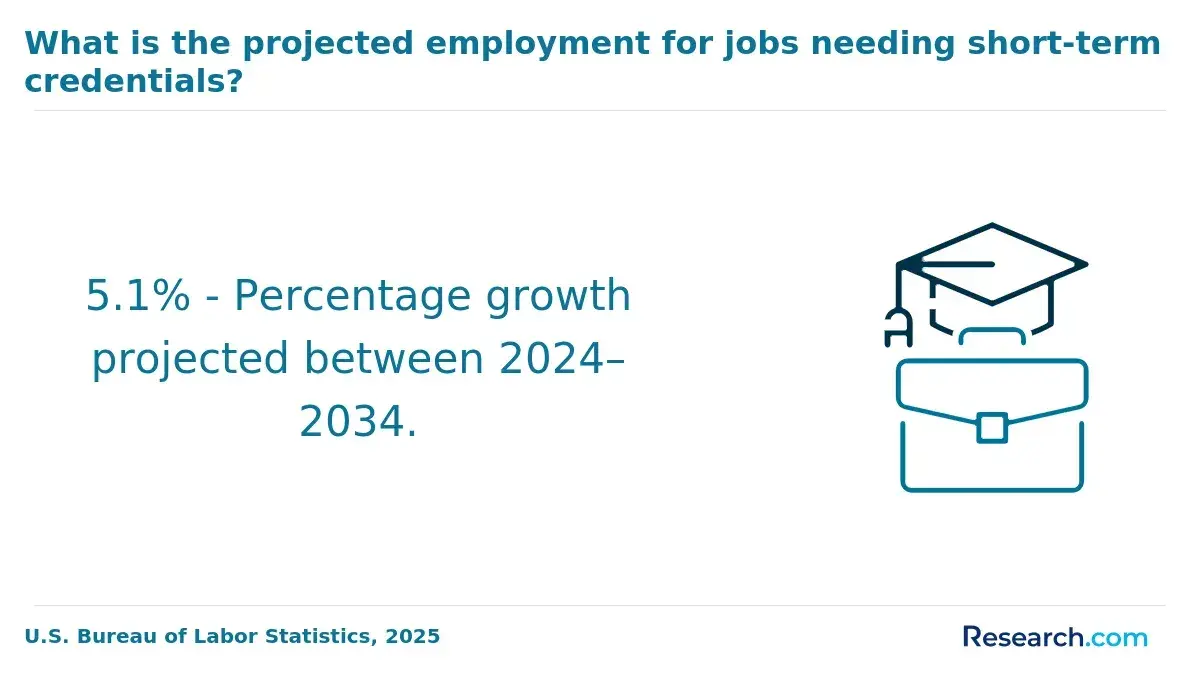
A bachelor's degree in history can open doors to professional roles that do not require further certifications or advanced degrees. Data shows nearly 45% of graduates with a bachelor's degree move into mid-level or specialized positions within five to seven years, reflecting how employers value the versatile skills developed through undergraduate study. These opportunities often involve enhanced accountability and strategic decision-making beyond entry-level duties.
Several roles that build on a history degree highlight how the discipline's core strengths apply to evolving career responsibilities:
- Historical Consultant: Professionals in this role provide expert advice to organizations such as museums or media companies on authentic historical representation. Their ability to conduct in-depth research and critically evaluate sources ensures accurate and effective storytelling.
- Archivist or Records Manager: This position entails maintaining valuable documents and managing information systems, requiring expertise in organizing complex data and understanding historical context. History graduates excel here thanks to their analytical training and attention to provenance.
- Cultural Resource Manager: Overseeing the preservation of historical sites, these managers collaborate with governmental bodies or private developers to safeguard cultural heritage, leveraging their knowledge of regulatory environments and historical significance gained through study.
- Policy Analyst or Researcher: Drawing on strong research and communication skills, history graduates evaluate social and political trends to support policy development. Their capacity for comparative analysis of past and present informs well-founded recommendations.
- Corporate Communications Specialist: This role involves managing messaging within and outside organizations, where history graduates' strengths in narrative construction and critical interpretation enhance engagement with diverse audiences.
Many careers connected to a history degree demand additional certifications or advanced education beyond a bachelor's degree to qualify for employment or career growth. For example, over 60% of historians working in research or education hold a master's degree or higher, highlighting the value of postgraduate credentials. These qualifications often provide specialized skills and knowledge that enhance professional credibility.
Key career paths where further certification or graduate study is commonly required include:
- Archivists and Curators: These professionals typically hold a master's degree in history, library science, or archival studies. Advanced education equips them to manage collections, perform detailed research, and preserve historical materials with expertise.
- Museum Professionals: Roles in museums often require graduate-level degrees or specific certifications to demonstrate proficiency in conservation, educational programming, or exhibit curation. Such credentials ensure higher standards of practice and trustworthiness.
- Historians and Researchers: A master's or doctoral degree is usually essential for conducting original research, publishing scholarly work, or teaching at colleges and universities. These advanced qualifications help establish authority in the field.
- Lawyers and Legal Analysts: While not exclusively linked to history degrees, those entering law generally need to attend law school and pass the bar exam. Their background in history can deepen legal understanding, but a Juris Doctor (JD) is mandatory.
- Government Archivists: Certification from recognized bodies like the Academy of Certified Archivists often improves job opportunities and shows professional competence in managing historical records.
These credentials not only deepen knowledge but also develop vital research, preservation, and ethical skills required to meet professional standards in competitive fields associated with history.
History graduates often find opportunities beyond traditional paths like teaching or museum work by leveraging their research, analytical, and critical thinking skills. Nearly 40% of humanities graduates, including history majors, transition into alternative career fields within a few years of graduation, showcasing the versatility of their degree. This adaptability helps history graduates explore diverse industries and roles.
Several non-traditional jobs for history degree holders include:
- Content Strategist: Content strategists plan and manage digital or print materials, requiring strong communication and analytical skills. History graduates are well-prepared for this role due to their experience analyzing complex information and crafting clear, engaging narratives through research projects.
- Policy Analyst: These professionals evaluate laws and regulations to inform decision-makers. History majors' training in contextual analysis and understanding of societal trends supports critical examination of policy impacts and historical precedents.
- Corporate Archivist: Corporate archivists organize and preserve company records and historical documents. History degrees develop skills in document analysis and cataloging that translate directly to this role in private sector settings.
- Digital Humanities Specialist: Combining technology with historical inquiry, this role involves creating digital archives, educational tools, or virtual exhibits. Graduates can apply their history knowledge alongside emerging technical skills to innovate in this interdisciplinary area.
Exploring alternative career options for history graduates is becoming increasingly important as industries seek versatile analytical thinkers who can contribute beyond academic environments. Some graduates may also choose to expand their qualifications by pursuing programs like a master of urban planning online, opening further interdisciplinary opportunities.
Salary potential for history graduates varies widely across the United States, influenced by several professional and educational factors. For instance, median earnings for history-related careers can differ by more than 30% depending on the industry and occupational field. Understanding these variances helps graduates make informed choices about their career paths and geographic locations.
The main factors influencing salary potential include:
- Industry Choice: Graduates working in government, law, or finance sectors often earn higher salaries than those in education or archiving. Consulting and management roles related to history also tend to offer better pay compared to museum or library positions.
- Level of Experience: Entry-level roles typically come with lower wages, but earning potential increases as history graduates gain experience and specialized skills. Senior and leadership positions generally command higher compensation, reflecting responsibility levels.
- Geographic Location: Regional salary differences for history degree holders in North America are significant. Urban areas with strong cultural institutions or government presence usually provide better pay than rural settings, impacted by local economic conditions.
- Specialization: Focusing on specific subfields like American, European, or military history can influence salaries. Fields tied closely to public policy, legal research, or technology applications often show more competitive compensation.
- Job Responsibility: Roles involving higher responsibility or leadership typically offer increased salary potential due to the greater expertise and accountability required.
For students exploring interdisciplinary opportunities, combining historical knowledge with relevant technical skills can broaden career options. Programs such as an online environmental engineering degree science and engineering highlight ways to integrate history with STEM fields, potentially enhancing salary prospects.
After earning a history degree, graduates typically follow several paths that blend immediate employment with further study or skills development. About 64% of bachelor's degree holders enter the labor market directly, emphasizing the need for early career planning and practical experience. Below are some common directions history graduates take to advance their careers.
- Entering the Workforce: Many graduates find roles within education, government agencies, nonprofits, museums, or archives. These positions leverage their analytical, research, and communication skills cultivated during their studies.
- Advanced Education: Pursuing a master's or doctoral degree in history or related disciplines such as law, public administration, or library science can open opportunities in academia, research, and leadership.
- Professional Experience: Internships and fellowships provide valuable hands-on experience, helping graduates build networks and clarify career goals while enhancing employability in history-linked fields.
- Career Development: Additional certifications or training in areas like data analysis, digital preservation, or foreign languages can broaden job prospects and strengthen resumes.
What Graduates Say About the Careers You Can Pursue With a History Degree
- Taylor: "Studying history opened my eyes to the complexity of human experiences across time, which is why I initially chose this degree. Deciding on a career wasn't easy, but I eventually found my passion in museum curation, where I get to preserve and interpret cultural artifacts. The degree has been invaluable in shaping how I approach storytelling and research in my profession."
- Cruz: "Reflecting on my time in a history program, I realize it taught me critical thinking skills that go beyond memorizing dates and events. When choosing a career, I leaned on these skills to explore roles in education and archival work. Having a history degree has made me a more analytical and thoughtful professional, especially when dealing with complex narratives."
- Luka: "I was drawn to history because it helps explain why societies function the way they do today. After graduating, I pursued a career in public policy, where my understanding of historical trends informs decision-making processes. Earning a history degree gave me a unique perspective that distinguishes me in a competitive field."
Other Things You Should Know About History Degrees
Advanced degrees such as a Master's in Library Science or a Law degree can complement a history degree, potentially leading to higher-paying roles in 2027. Graduates can leverage specialized knowledge to access positions in law firms, academia, or archival management.
Certifications can improve competitiveness for history graduates entering archives, museums, records management, or public history. Common options include the Academy of Certified Archivists’ Certified Archivist credential and the Institute of Certified Records Managers’ CRM certification, both of which require experience and passing exams.
In 2027, history graduates can pursue enriching careers in policy and government work. They can leverage their analytical and research skills for roles in public administration, legislative assistance, and policy analysis, benefitting from their understanding of historical contexts and decision-making processes.
- Working with History outside HE: a Guide to Professions beyond Academia https://blog.royalhistsoc.org/2022/07/24/working-with-history-outside-he-a-guide-to-professions-beyond-academia/
- HIST What can I do with my History degree? https://arts.ucalgary.ca/history/future-students/undergraduate/what-can-i-do-my-history-degree
- What you can do with a degree in... history https://www.unifrog.org/know-how/what-you-can-do-with-a-degree-in-history
- Career outlook https://clas.wayne.edu/history/programs/career-outlook
- Careers in History https://www.history.org.uk/student/resource/2914/careers-in-history
- What Can I do With a History Degree? | TEG London https://www.teg.london/what-can-i-do-with-a-history-degree/
- What can I do with a degree in History? https://history.tcnj.edu/for-students/careers/what-can-i-do/
- Careers for History Majors - AHA https://www.historians.org/news-publications/aha-booklets/careers-for-history-majors/
- What To Do With a Bachelors in History | National University https://www.nu.edu/blog/what-can-you-do-with-bachelors-in-history/
- What can you do with a history degree? https://www.wlv.ac.uk/news-and-events/wlv-blog/2022/december-2022/what-can-you-do-with-a-history-degree.php