2027 History Degree vs Bootcamp vs Certificate: Which Path Leads to Better Career Outcomes?

Co-Founder and Chief Data Scientist
Choosing between a history degree, a bootcamp, or a certificate can feel daunting for those seeking the best career outcomes. With varying salary potentials, employer preferences, and job placement rates, it's unclear which path offers the strongest return on investment and long-term growth. For example, recent data shows that bootcamp graduates experience a 20% higher initial salary increase compared to certificate holders, yet history degree holders tend to access broader professional networks crucial for advancement.
This article examines these educational routes-analyzing salary, employer demand, job success, and fit-to help readers make informed decisions about their career pathways.
Key Things to Know About Which Path Leads to Better Career Outcomes: History Degree, Bootcamp, or Certificate
- History degrees tend to offer stronger long-term career growth-especially in academia or public sector roles-despite often lower initial salary compared to tech bootcamp graduates.
- Bootcamps typically boast higher job placement rates shortly after completion but may lack employer recognition in traditional History-related fields.
- Certificates provide targeted skill upgrades with high return on investment for working professionals seeking flexible pathways without the time commitment of a full degree.
How Does History Degree Compare to Bootcamps and Certificates in Total Program Cost and Time to Completion?
Prospective history students face a key trade-off today-a traditional multi-year degree versus faster, lower-cost alternatives like bootcamps or certificates. Neither pathway is universally better; the right choice depends on individual goals and circumstances. A history bachelor's or associate's degree typically spans two to four years, offering an in-depth, research-focused education through accredited colleges or universities.
Bootcamps, lasting 8 to 26 weeks, provide intensive, practical skills training geared for quick entry into related fields such as digital archiving or data analysis. Professional certificates-often self-paced or instructor-led and available through platforms like Coursera, Google, or industry groups-are shorter still, focusing on specific competencies relevant to history careers.
When comparing history degree vs bootcamp total cost comparison and time to completion for history certificate and bootcamp programs, here are key data points from reputable sources like the National Center for Education Statistics (NCES), SwitchUp, and Course Report:
- Cost of a History Degree: Tuition ranges from $20,000 to $40,000 for a four-year public in-state bachelor's degree, with private institutions often exceeding $100,000. Part-time enrollment may extend duration but rarely reduces overall costs.
- Cost of Bootcamps: Prices vary from $7,000 to $20,000, with some offering income-share agreements or deferred payments to ease upfront expenses.
- Cost of Certificates: Generally the most affordable, many certificates cost less than $1,000 and often include financial aid options on platforms like Coursera.
- Time to Completion-Degrees: Full-time associate's degrees take about two years; bachelor's degrees usually require four, with part-time students taking longer.
- Time to Completion-Bootcamps: Typically 2 to 6 months full-time, emphasizing rapid skill acquisition and job market readiness.
- Time to Completion-Certificates: Duration varies widely-ranging from weeks to several months-offering flexibility through asynchronous learning.
While cost and duration provide necessary context, they do not fully capture each pathway's career value. Factors such as employer recognition, salary potential, job placement rates, networking opportunities, and long-term growth also profoundly influence outcomes. For learners exploring their options, examining pathways that align with their career aspirations and learning preferences is essential. For example, some might opt to combine a history degree with certificate programs or bootcamps for enhanced employability.
For those curious about alternative degree programs with affordable options in related fields, exploring an AI degree online can provide additional context on cost-effectiveness and time investment in comparison to traditional degrees and shorter programs.
What Career Outcomes Can History Degree Graduates Expect Compared to Bootcamp and Certificate Completers?
Career outcomes for history degree graduates vary considerably compared to those completing bootcamps or certificates-shaped strongly by industry expectations and the skills gained. Data from the Bureau of Labor Statistics (BLS), the National Association of Colleges and Employers (NACE), and Course Report's bootcamp reports shed light on employment rates, starting salaries, and job titles across these pathways.
- Employment Rate: History degree graduates generally see employment rates around 65-75% within six months, often entering education, research, or cultural resource management. Bootcamp completers-primarily in tech fields-often exceed 80% employment, reflecting high demand for roles like software development and data analysis. Certificate holders report varied rates, often 60-70%, with stronger outcomes in niche sectors.
- Median Starting Salary: Starting salaries for history degrees typically range from $40,000 to $50,000, influenced by market and institution prestige. Bootcamp graduates usually report $60,000 or more, due to targeted technical skills. Certificate earners often fall between $45,000 and $55,000, depending on industry relevance.
- Job Title Level at First Placement: Degree holders mainly begin as research assistants, teaching aides, or archivists-entry-level roles with clear advancement paths. Bootcamp completers enter as junior developers, data analysts, or digital project coordinators, with faster mobility in tech. Certificate earners start as specialists or technicians, balancing technical proficiency with limited early leadership.
- Outcome Gaps and Industry Trends: The differences between degree and non-degree paths remain large but are narrowing. Employers increasingly recognize bootcamp and certificate skills amid shifts toward skills-based hiring. However, a history degree still holds weight for roles requiring deep analytical thinking and research methodology. Employer preferences for history degree versus bootcamp and certificate credentials appear increasingly nuanced and context dependent.
- Data Credibility and Critical Evaluation: Many bootcamp outcomes are self-reported-susceptible to survivorship bias or selective disclosure. Seek independently audited data or endorsements from the Council on Integrity in Results Reporting (CIRR) for trustworthy verification.
- Beyond Credentials: Career results hinge not solely on credentials but also portfolios, networks, geographic location, and industry demand. Prospective learners should use these data points to ask sharper questions about fit and return on investment-not as definitive predictors of success. For those researching salary prospects, exploring the most lucrative college degrees can provide broader context around history degree salary comparisons with bootcamp and certificate holders.
Which History Pathway - Degree, Bootcamp, or Certificate - Offers the Highest Starting Salary for Graduates?
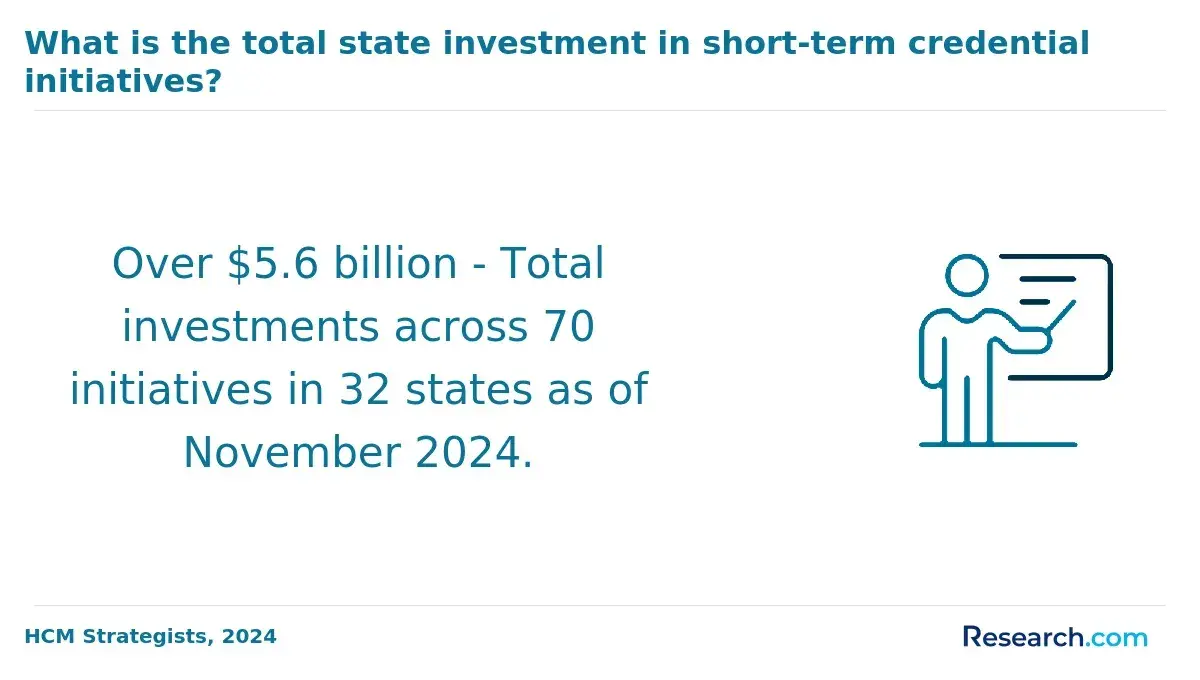
Entry-level salaries for history-related roles typically favor degree holders-those with bachelor's or higher qualifications-who command starting pay approximately 10% to 20% above peers from bootcamps or certificate programs, according to data from the BLS, NACE, LinkedIn Salary Insights, and Glassdoor. Median entry salaries for degree graduates generally range between $45,000 and $55,000 annually in occupations such as archivist, museum specialist, or research analyst.
These figures often climb into the mid-$60,000s early in a career, especially within government and nonprofit organizations that emphasize formal academic credentials.
- Bootcamp and Certificate Salaries: These pathways usually lead to more narrowly focused roles in technical or digital history sectors-like digital archiving or data curation-where starting salaries hover near $40,000 with slower initial growth, although some niche skills can command premium pay in startups or private companies.
- Employer Preferences: Larger firms and established institutions predominantly reward degrees with higher initial compensation, while startups and tech-driven employers often prioritize demonstrated skills and project experience over formal education, resulting in wider salary variability and sometimes lower starting pay.
- Geographic Effects: Urban centers such as Washington D.C., New York, and Boston amplify salary gaps, providing degree holders with better institutional opportunities, whereas bootcamp and certificate completers may find more openings in emerging or smaller markets.
- Long-Term Career Progression: Degree holders frequently advance more rapidly into management and specialized positions that require advanced credentials, widening salary differences over time. Bootcamp and certificate graduates may face slower upward mobility as many leadership roles mandate formal degrees.
- Individual Variation: Median salary data obscure significant personal factors-prior experience, program prestige, geographic mobility, and specialization strongly affect actual earnings. Evaluating these alongside credential types is key for accurate salary expectations.
Employer evaluation of history credentials varies widely depending on sector and job role, illustrating a move toward more nuanced skills assessments alongside traditional academic qualifications. According to LinkedIn Talent Insights and SHRM hiring surveys, holding a formal history degree remains a powerful indicator of foundational expertise and critical thinking-especially in government, consulting, and regulated fields where verifying credentials is essential. In these environments, degrees often serve as primary filters, outperforming bootcamps and certificates in screening candidates.
- Sector-Specific Preferences: Large organizations and government agencies generally require history degrees for roles related to research, archival work, and policy, emphasizing accredited education and thorough historical training.
- Emerging Flexibility: Startups and parts of the private sector are increasingly open to candidates from bootcamps and certificate programs, particularly when skills like digital archiving, data analysis, or public history are proven through portfolios.
- Skills-Based Hiring Initiatives: Some major tech firms and federal programs promote skills-first hiring to lower educational obstacles, but outcome data still show degree holders maintain an advantage in complex and compliance-heavy history careers.
- Actual vs. Stated Practices: While official policies endorse broader credential acceptance, many hiring managers admit a preference for degrees when candidates have comparable experience and abilities.
- Credential Signaling Nuance: Candidates aiming for academia or public history roles gain most from a formal degree, whereas those pursuing technical or community-based projects might benefit equally from bootcamps or certificates.
The ongoing dialogue on history degree employer preference comparison highlights that career success also depends on matching one's educational path to targeted sectors. For those exploring education options, considering online universities that are accredited can provide flexible, recognized degree pathways. Additionally, assessing the effectiveness of bootcamp versus certificate in History careers involves weighing factors like job placement rates, networking access, and long-term growth with sector-specific hiring realities in mind.
Exploring the differences between traditional history degree programs and alternative educational options like bootcamps and certificates can help aspiring learners make informed decisions about their academic and career paths. This comparison highlights key admission requirements, academic barriers, and the unique opportunities each pathway offers.
- GPA Minimums: Accredited history degree programs typically require a strong high school GPA, often around 3.0 or higher, to demonstrate academic preparedness for college-level coursework.
- Prerequisite Coursework: Applicants must usually complete foundational subjects such as English, social studies, and sometimes foreign languages, ensuring they have relevant skills for in-depth history study.
- Standardized Tests: While some programs remain test-optional, SAT or ACT scores have long served as a selection tool, especially in competitive degrees that use results to screen candidates.
- Letters of Recommendation: Programs often request references from educators who can attest to the student's motivation, aptitude, and reliability.
- Application Timelines: Fixed deadlines demand early planning, with many institutions requiring submissions months before classes begin.
Bootcamps and certificate programs contrast sharply with these requirements, offering open enrollment or minimal prerequisites such as a high school diploma. This accessibility broadens opportunities for learners-career changers, working adults, and those balancing family or financial challenges-who might otherwise struggle to meet traditional admissions criteria. However, because they lack selectivity, bootcamps and certificates shift the burden of credibility onto curriculum strength, instructor expertise, transparent outcomes, and official accreditation to convince employers of their value.
These differing admission standards also influence employer perceptions. Degrees, filtered through competitive processes, often signal a vetted academic foundation, while the less restrictive bootcamp and certificate routes must demonstrate quality through tangible skills and proven results.
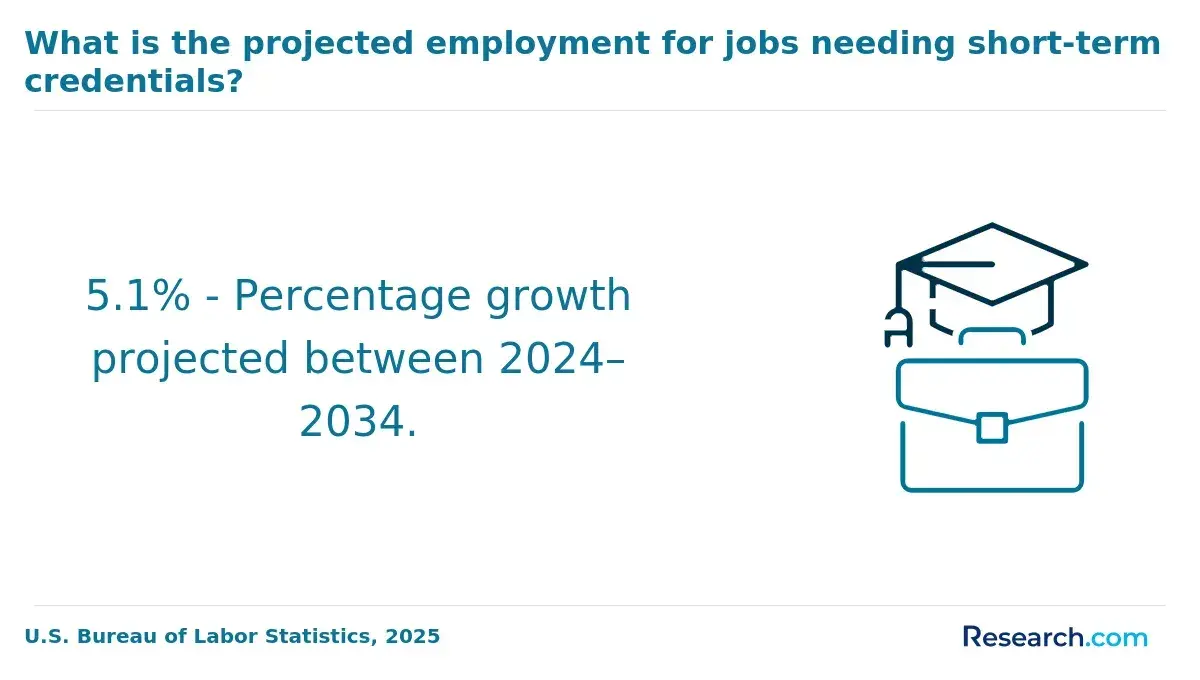
Understanding the varying levels of curriculum depth across different educational paths can help students make informed decisions about their learning journey. Here’s a look at how a history degree, a bootcamp, and a certificate program differ in terms of curriculum depth and focus.
- Degree Curriculum: Typically spanning multiple years, history degree programs blend general education with comprehensive major coursework that covers varied historical eras, regions, and research methods. Electives enable students to concentrate on specialized interests, while advanced degrees often require a thesis or capstone project that sharpens analytical and writing abilities. Though this pathway delays immediate workforce entry compared to quicker alternatives, it builds foundational knowledge and critical thinking skills that support career flexibility in academia, education, and research.
- Bootcamp Curriculum: Designed for rapid skill acquisition, history-focused bootcamps emphasize intensive, project-based learning aimed at imparting technical abilities such as archival software use or data visualization. Their streamlined approach prepares students for specific job roles quickly, prioritizing practical outcomes over the theoretical and historiographical depth found in degree programs. While excellent for immediate job readiness, bootcamps typically offer limited exposure to broader historical frameworks or research methodologies.
- Certificate Program Curriculum: Certificates range from introductory courses-common on platforms like Coursera-to advanced professional credentials issued by recognized industry organizations. Entry-level certificates focus on fundamental concepts and practical skills suitable for beginners or those complementing other qualifications. Higher-level certificates target seasoned professionals seeking specialization or deeper expertise. Employer perception of certificates varies by role and candidate background, with credentials often valued more for specific skill demonstration than extensive intellectual development.
Assessing return on investment (ROI) for History education pathways-degree programs, bootcamps, and certificates-requires factoring in all direct costs plus opportunity costs, then comparing these against salary increases over five and ten years. Opportunity cost means that a two- or four-year degree involves not only tuition but also foregone wages, which can significantly impact short-term ROI compared to shorter programs.
- Recent High School Graduate: With no income to sacrifice, this learner pays only upfront costs. Bootcamps, often under $15,000 and lasting months, typically reach positive ROI faster-within five years-because of low tuition and zero lost wages. Certificates generally have even lower costs and shorter durations, leading to quicker breakeven points but usually smaller salary premiums. Degrees cost more and require years out of the workforce, delaying ROI but potentially yielding greater earnings over ten years.
- Mid-Career Professional Leaving a $50,000 Job: Opportunity costs swell degree expenses to $200,000-$300,000 over four years, sharply reducing early ROI. Bootcamps minimize time away and tuition, producing positive ROI often within two to three years. Degrees may require a decade or longer to recoup total investment, despite eventual higher salary gains.
- Part-Time Learner Maintaining Employment: With continued income, opportunity cost is low-making tuition the primary expense. Certificates and degrees maintain value for long-term growth but may take longer to monetize. Bootcamps suit full-time study better but yield rapid salary increases when feasible.
ROI calculations draw on NCES data for costs, NACE benchmarks for salaries, and bootcamp outcome reports for accuracy. Still, financial return alone omits non-monetary benefits-employer credential preferences, networking, and specialized knowledge-where degree programs often lead. For some learners, longer-term advantages outweigh faster payback, reflecting their career goals rather than simple ROI comparisons.
Job placement data for history degree programs, bootcamps, and certificate pathways vary considerably due to differences in reporting methodology and how "placement" is defined. Degree programs commonly rely on independently audited sources like Integrated Postsecondary Education Data System (IPEDS) surveys or institutional career services reports that focus on employment directly related to history skills-such as research, teaching, and archival work. This offers a precise view of career relevance.
By contrast, many history bootcamps provide self-reported placement rates, sometimes audited by the Council on Integrity in Results Reporting (CIRR). These often include employment in broadly adjacent fields like general education or administration, inflating perceived success. Students comparing history bootcamp job placement rates should carefully consider these reporting nuances.
Certificate programs fall between these two extremes, with highly variable placement data depending on institutional definitions. Some emphasize relevance to certificate content, while others adopt broader criteria. Prospective students evaluating certificate programs versus degree job placement outcomes need to scrutinize these details closely.
- Reporting Methodology: Degrees use strict, independently gathered data versus bootcamps relying heavily on self-reporting and flexible definitions.
- Placement Definition: Degrees stress direct history-related roles; bootcamps may count unrelated employment; certificate program definitions vary widely.
- Career Services Impact: Robust career support-including employer partnerships, resume workshops, mock interviews, and alumni networks-significantly improves placement across all pathways.
- Data Transparency: Request detailed placement results covering role type, salary, and time-to-placement rather than accepting summary percentages.
Evaluating these factors helps determine the true value of any history educational path. For learners considering interdisciplinary options, reviewing outcomes of related fields-like blockchain degree programs-may provide additional insight into career trends and employer preferences.
Networking and alumni access represent some of the most durable and compounding assets across History degree programs, bootcamps, and certificate pathways. Professional networks often surpass formal instruction in value-especially as learners advance into senior roles-making it essential to assess how each pathway cultivates these connections.
- History Degree Programs: These programs offer comprehensive networking infrastructures. Alumni associations create both formal and informal engagement avenues, while career fairs link students with potential employers directly. Faculty typically hold industry contacts and provide mentorship or introductions. Greek life and professional organizations further foster peer networking and leadership development. Established institutions leverage regional and national employer relationships, enhancing job placement rates. The prestige and geographic reach of the university strongly affect the network's size and influence, frequently granting access to high-profile alumni and diverse industry connections. This depth of access highlights the benefits of investing in a long-term network-an advantage often evident in the career impact of bootcamp and certificate networking.
- Bootcamps: Bootcamp alumni networks are typically smaller and younger than those of degree programs, though some well-established bootcamps have developed vibrant referral cultures and employer pipelines. The cohort model encourages close peer bonds, and active online alumni communities support ongoing connections. For History students with technology-adjacent focuses, these networks can significantly enhance hiring opportunities, mentorship, and career growth, complementing more traditional alumni networking benefits in history degree programs.
- Certificate Programs: Credentials such as Google Career Certificates or Salesforce Trailhead offer access to provider-run professional communities. However, these networks are usually less comprehensive and personalized than those associated with degree programs or bootcamps. Job boards, mentorship, and virtual cohorts exist but may provide limited, consistent opportunities for meaningful long-term engagement with hiring managers or peers. Network value often depends on a certificate's industry reputation and a learner's proactive interaction with available resources.
For learners weighing educational options, understanding alumni networking benefits in history degree programs alongside the varied career impact of bootcamp and certificate networking informs pathway fit decisions. Those seeking a blend of formal education and expansive networks might also explore related opportunities like the child psychology masters programs, which similarly emphasize the importance of alumni engagement for career advancement.
Geographic factors heavily influence career outcomes for history graduates pursuing degrees, bootcamps, or certificates. In major metropolitan tech and business centers like San Francisco, New York, and Boston, bootcamps thrive due to proximity to concentrated employer networks. Graduates who stay local often benefit from higher placement rates and stronger connections. Conversely, those who move away tend to face fewer opportunities since bootcamp reputations and employer links may not transfer well outside their home city.
In mid-sized regional markets, outcomes are more mixed. Traditional degree holders typically have an advantage as local employers value familiar academic credentials. Bootcamp and certificate pathways can still add value but often rely on industries open to alternative qualifications or remote work setups.
Smaller or rural labor markets present the greatest challenges. Employer density and recognition of non-traditional paths lag behind, giving degree holders clearer prospects. Bootcamp and certificate completers may struggle with placement because of limited specialized employers and lower awareness of these credentials.
Remote work has somewhat bridged these geographic divides by enabling history graduates of all credential types to vie for remote roles with metropolitan-level pay. However, this has also broadened competition nationally, increasing candidate pools in every market.
- Employer Density: Bootcamp success clusters in metropolitan hubs with strong employer ecosystems.
- Credential Recognition: Degrees hold sway in smaller and regional markets where academic credentials are more trusted.
- Remote Work: Widens access but intensifies competition across locations.
- Placement Variance: Graduates relocating from a bootcamp's home market often experience reduced job placement rates.
According to Course Report's 2023 data, 78% of bootcamp graduates secured employment within six months-mostly in urban centers-underscoring geography's pivotal role in bootcamp outcomes.
Understanding what industry professionals and hiring managers truly prefer when reviewing resumes can significantly enhance your chances of standing out. In this guide, we'll explore the key elements that capture their attention and increase your chances of landing that next big opportunity.
- Degree Preference: Large corporations and government agencies often use formal History degrees as a critical screening tool-viewing them as proof of deep knowledge and commitment. Data from LinkedIn Talent Insights and SHRM surveys highlight that these employers tend to prioritize degree holders over non-degree applicants, especially in regulated sectors, displaying persistent traditional hiring biases despite evolving job market trends.
- Skills-First Evaluation: In contrast, startups and creative agencies favor demonstrated skills and practical results above formal credentials. Insights from Indeed hiring manager research indicate these employers emphasize portfolio quality, technical tests, and real-world project outcomes-allowing candidates with bootcamp experience or professional certificates to compete effectively alongside degree holders.
- Credential Shifts Since 2020: Since many major employers removed degree requirements from public job ads starting in 2020, hiring appears more inclusive. Yet, data reveals that the actual hires still predominantly hold degrees, particularly in government and large enterprise roles. This gap suggests that stated hiring policies have yet to fully reshape credential expectations in practice.
- Context Matters: Hiring preferences vary significantly by company stage and sector. While smaller firms and startups offer more flexibility to candidates with certificates or bootcamp training, traditional credential expectations remain dominant in large organizations and government entities.
- Research Recommendations: Job seekers should go beyond published preferences by conducting informational interviews with hiring managers and reviewing LinkedIn profiles of recently hired History professionals. These strategies illuminate how credentials are genuinely valued in specific niches and help tailor applications to meet employer expectations.
What Graduates Say About Which Path Leads to Better Career Outcomes: History Degree, Bootcamp, or Certificate
- Taylor: "Choosing the History degree was a transformative decision for me-while it took longer to complete than a bootcamp or certificate, the extensive networking opportunities and strong employer recognition led to impressive long-term career growth. The salary outcomes have steadily improved as I moved into leadership roles, which I believe wouldn't have been accessible without the rigorous academic foundation. For anyone seeking a comprehensive pathway with high return on investment over time, a History degree truly stands out."
- Cruz: "After completing a bootcamp, I found the immediate job placement rates to be the most compelling benefit-employers seemed to highly value the hands-on skills and practical experience it offered. Although the starting salary was initially lower compared to some degree holders, the quick entry into the workforce and ability to pivot in-demand skills made this route feel like a smart, efficient investment. For learners who prefer rapid career entry and adaptability, the bootcamp path fits perfectly."
- Luka: "Opting for a certificate program in history was ideal for my professional goals-I needed credible credentials without the time or financial commitment of a full degree. Employers appreciate these certificates as solid proof of domain expertise, especially alongside relevant work experience. While salary growth may not match degree holders initially, the certificate provides strong networking access and is a great fit for career changers seeking focused, flexible learning with tangible outcomes."
Other Things You Should Know About History Degrees
A History degree typically offers broader long-term career growth due to its comprehensive curriculum and deeper theoretical foundation. Degree holders often have better access to senior-level roles and academic or research positions, which require extensive knowledge and credentials. Bootcamps and certificates usually focus on specific skills or tools, which can lead to quicker entry into certain jobs but may limit advancement opportunities in the History field over time.
Recent high school graduates often benefit most from pursuing a History degree, gaining a well-rounded education and foundational expertise. Career changers may find bootcamps or certificates more practical since these paths provide targeted skills and faster completion times, allowing them to transition quickly into new roles. However, those aiming for roles requiring in-depth historical knowledge may still need a degree despite prior experience.
Yes. Most museum and archival employers require a bachelor’s in history, museum studies, archival studies, or library science, plus relevant internship or practicum experience. A bootcamp rarely meets these hiring standards, while certificates are usually accepted only as supplemental training or for entry-level support roles.
History degrees come from accredited institutions recognized by educational authorities, providing widely accepted credentials. Bootcamps and certificates often lack formal accreditation, which can limit their recognition among traditional employers in academia or research. However, some reputable bootcamps partner with universities or industry experts to increase legitimacy, but the overall credential weight remains lower than that of a degree.
- Alumni Networks: Universities vs. Corporations – Alumni Reach https://alumnireach.com/alumni-networks-universities-vs-corporations/
- College Degree vs. Bootcamp ROI Showdown https://oboe.com/learn/college-degree-vs-bootcamp-roi-showdown-1ir5xuv/evaluating-employment-outcomes-college-degree-vs-bootcamp-roi-showdown-2
- Geography and College Attainment: A Place-Based Approach https://www.higheredtoday.org/2017/06/19/geography-college-attainment-place-based-approach/
- Do Employers Verify Degrees? How (and How Often) They Do It https://validgrad.com/blog/do-employers-verify-degrees/
- Data Science Bootcamp vs Degree ROI: 2026 Analysis | Let's Data Science https://letsdatascience.com/blog/bootcamp-vs-degree-vs-self-taught-the-honest-roi-in-2026
- Alumni Networking: Why Your Degree Connections Matter More Than Your GPA | Joinee Articles https://www.joinee.io/articles/alumni-networking
- Computer Science Degree vs Bootcamp - Which Path Actually Gets You Hired? https://mentorcruise.com/blog/computer-science-degree-vs-bootcamp-which-path-actually-gets-you-hired-fb4a2/
- Career Certificates vs. Degrees: Which Path Makes Sense for You? - Washington Technical Institute https://www.washingtontech.edu/career-certificates-vs-degrees-which-path-makes-sense-for-you/
- Bootcamp vs College: Which Offers Better ROI in 2025? https://www.skillspire.net/post/bootcamp-vs-college-which-path-offers-better-roi-in-2025
- Coding Bootcamp vs Degree: Which Path Fits Your Tech Goals? https://sdgku.edu/blog/coding-bootcamp-vs-degree-which-is-right-for-you/