2027 Which History Degree Careers Offer the Best Return Without Graduate School?

Co-Founder and Chief Data Scientist
Is a bachelor's degree in history enough to secure a well-paying job without pursuing graduate studies? Many recent graduates face this question amid rising student debt, especially since the median annual wage for history-related occupations sits around $63,000.
While certain roles like archivist or museum technician may offer entry points without advanced degrees, others often demand graduate education to advance. Balancing education costs against earning potential is crucial for career planning.
This article explores which history degree careers provide the best financial return without requiring additional graduate schooling and offers insight into maximizing long-term career value.
Key Benefits of History Degree Careers That Offer the Best Return Without Graduate School
- Strong earning potential and average early salary growth of 5% annually enhance long-term return on investment for history graduates entering fields like archival management and historical research.
- Stable job demand in cultural resource management and museum curation offers steady career growth, supporting financial security without additional graduate credentials.
- Accessible entry requirements for many history careers allow faster workforce entry, enabling graduates to accumulate experience and income earlier than peers needing advanced degrees.
Which History Careers Offer the Best Return Without Graduate School?
Evaluating the return on investment (ROI) in history careers without graduate school is crucial for students weighing educational costs against future earnings.
Data shows that careers requiring only a bachelor's degree can still offer competitive compensation, about 20% lower than advanced degree roles but with less time and expense invested.
Below are several history careers known for delivering strong long-term ROI without the necessity of graduate education:
- Archivist Assistant: Archivist assistants support museums, libraries, and government agencies by preserving important historical documents and artifacts. This role provides a stable foundation and opportunities for specialization or managerial advancement, often attainable with just a bachelor's degree, making it a practical path for students seeking history degree careers with high salary without graduate school.
- Historical Researcher for Media: These professionals research historical content for documentaries, books, and educational media. The steady demand for accurate history material creates consistent work opportunities, and the role's flexibility allows for growth through freelance projects and contracts without requiring graduate credentials.
- Government Analyst (Entry-Level): History graduates use their analytical skills in government settings, contributing to policy development and community programs. Entry and mid-level positions typically require a bachelor's degree, offering a balance of meaningful work, steady income, and potential for advancement in public sector careers best suited for those searching for the best non graduate school jobs for history majors.
- Corporate Historian: Employed by corporations to document company heritage and manage archives, corporate historians blend storytelling and research skills to enhance brand identity. This growing niche offers history majors an accessible career path with solid long-term prospects without graduate study.
For history graduates who later decide to expand their qualifications, exploring the easiest masters programs in public history, museum studies, or archival science can provide a flexible route to higher-level positions.
Many of these programs are designed to accommodate working professionals and emphasize applied skills, making them a convenient option for career advancement without the intensity of traditional research-heavy graduate tracks.
What Are the Highest-Paying History Jobs Without a Master's Degree?
Evaluating salary potential without pursuing graduate education is essential for many history graduates seeking to maximize their return on investment.
According to the U.S. Bureau of Labor Statistics, the median annual wage for some history-related occupations without a master's degree can exceed $60,000, highlighting viable career paths directly after undergraduate studies.
Below are some of the highest-paying history jobs available to those with only a bachelor's degree:
- Historical Consultant: Historical consultants work with film productions, museums, and publishers to ensure historical accuracy in projects. They typically earn between $60,000 and $90,000 annually, leveraging their expertise to meet the demand for authentic portrayals in media and public history.
- Archivist: Archivists manage and preserve important historical documents and records. Many federal or corporate archivist roles offer salaries ranging from $55,000 to $85,000 with a bachelor's degree, especially when combined with practical experience and strong organizational skills.
- Corporate Historian: Corporate historians research and document the history of companies, contributing to brand identity and institutional legacy. Their annual salaries range from $70,000 to $100,000, reflecting the strategic importance of maintaining corporate history.
- Government Research Analyst: These analysts use historical data to support policy development in government agencies. They generally earn between $65,000 and $95,000 annually, offering a rewarding opportunity for history graduates interested in public service.
Which Industries Offer High Salaries Without Graduate School?
Selecting the right industry significantly impacts salary prospects for history bachelor's degree holders. Data from the U.S. Bureau of Labor Statistics reveals wage disparities exceeding 30% between sectors, emphasizing how industry choice can enhance earnings without advanced degrees.
Below are several fields known for offering competitive pay for history graduates:
- Government And Public Administration: This sector leverages the research and analytical skills typical of history graduates in policy formation and cultural resource management. Salaries commonly fall between $50,000 and $90,000 annually, benefiting from stable pay structures and comprehensive benefits.
- Financial Services: History graduates' critical thinking skills are valued in finance, where roles offer performance-driven compensation. Annual earnings often range from $60,000 to $100,000 or more, supported by bonuses and commissions.
- Information Technology And Data Management: Graduates can apply their analytical expertise to data curation and digital archiving within IT, securing mid-level salaries between $65,000 and $90,000 without graduate credentials.
- Publishing And Media: Communication and contextual analysis skills suited for these industries translate into salaries typically between $45,000 and $80,000, with added income potential through freelance and commission opportunities.
- Corporate Training And Human Resources: Firms tapping into the presentation and research abilities of history graduates offer compensation from $50,000 to $85,000 annually, reflecting growing demands in employee development.
When speaking with a history graduate about navigating early career decisions, he shared how challenging it was to identify industries that valued his degree without extensive additional schooling. He explained, "I initially felt uncertain whether my skill set would translate into well-paying jobs outside academia."
After exploring various sectors, he noted that focusing on companies open to diverse educational backgrounds helped him land competitive roles. "It took persistence to break into fields like corporate training, but the ability to use storytelling and research made a difference," he recalled.
His experience illustrates that understanding specific industry demands and demonstrating transferable skills can successfully overcome barriers to entering lucrative careers without graduate education.
Choosing entry-level history jobs that offer strong potential for growth is essential for graduates aiming to build a lasting career. The U.S. Bureau of Labor Statistics notes that many roles in the humanities and social sciences see career advancement rates exceeding 10% in mid-career stages.
Below are some promising positions that pave the way for upward mobility:
- Historical Researcher: This role develops vital skills in analyzing and interpreting data from various sources. Early experience here can lead to senior researcher or curator roles in museums and academic settings.
- Archivist Technician: Entry-level archivists manage and preserve collections while gaining expertise in digital archiving. These skills are highly transferable, helping individuals progress to archivist or records manager positions.
- Museum Assistant: Working closely with curators allows assistants to hone skills in exhibit design and public programming. This role often evolves into curator or museum director opportunities.
- Research Analyst in Public History: Applying historical knowledge to current policies and cultural projects, analysts build data interpretation and reporting abilities that lead to advisory or program management roles.
- Policy Assistant: Combining history with public affairs, this position offers entry into government or nonprofit sectors with clear paths toward leadership and strategy-focused jobs.
For those seeking affordable education options that support these career paths, cheap online colleges can provide flexible and cost-effective routes to earn a bachelor's degree in history.
Skill development plays a crucial role in boosting salary potential for history graduates, even when a master's degree is not pursued. Recent studies highlight that skills-based hiring can lead to wage increases averaging 15%. Focusing on valuable, transferable abilities can open doors to higher earnings and more responsibility.
Below are several essential skills that enhance compensation for history degree holders:
- Critical Thinking: The aptitude for analyzing complex information and forming well-reasoned conclusions is integral to making informed decisions. These skills are highly sought after because they support problem-solving and strategy, which directly contribute to increased job value and higher pay.
- Advanced Research: Expertise in gathering, validating, and synthesizing diverse sources empowers history professionals to produce accurate, insightful analyses. Such strong research capabilities enhance credibility and are crucial for roles demanding detailed investigations, thus improving salary prospects.
- Clear Communication: The capacity to convey intricate ideas convincingly, both in writing and speaking, enables better collaboration and leadership opportunities. Proficiency in communication helps history graduates secure impactful positions with greater earning potential.
- Digital Fluency: Comfort with data management tools, archives, and visualization software equips professionals to handle information more effectively. Digital skills are increasingly important for meeting employer expectations, boosting marketability and compensation.
A professional with a history degree shared that early in her career, mastering how to interpret and present research findings clearly made a notable difference.
She recalled feeling overwhelmed when tasked with complex data analysis but realized that developing digital literacy and communication skills opened unexpected opportunities.
"It wasn't just what I knew but how I could apply and explain it that mattered," she reflected. Over time, this approach helped her earn promotions without needing further formal education, proving the power of practical and transferable skills.
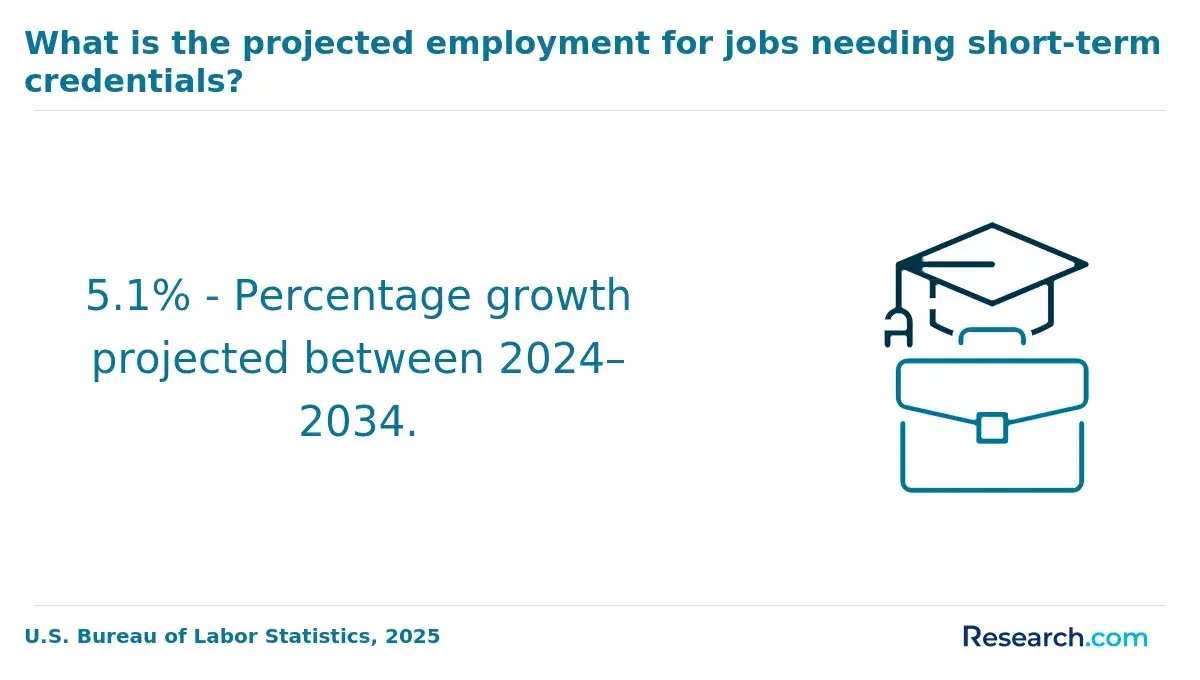
Certifications offer a practical alternative to graduate education by boosting specialized skills and professional credibility in history-related careers.
According to a 2023 report by the Institute for Credentialing Excellence, certified professionals often see up to a 15% increase in salary and greater hiring opportunities compared to those without advanced degrees.
Below are some well-established certifications that can enhance career advancement for history graduates:
- Certified Archivist: This credential, awarded by the Academy of Certified Archivists, verifies expertise in preserving and managing historical documents. It is highly valued in institutions like archives, museums, and libraries where trust in record stewardship is essential.
- Digital Archives Specialist: Offered by the Society of American Archivists, this certification focuses on skills in digital record preservation. With the rise of digital information, it equips professionals to manage digital collections in government, academia, and private sectors.
- Project Management Professional: Granted by the Project Management Institute, the PMP certification highlights leadership and organizational skills. It benefits history professionals involved in managing complex projects such as exhibitions or research initiatives.
- Certified Genealogist: Certified by the Board for Certification of Genealogists, this credential recognizes expertise in genealogical research. It is important in a niche field that demands accredited knowledge for quality and reliability.
- Grant Professional Certified: Provided by the Grant Professionals Certification Institute, this certification supports history professionals seeking roles in fundraising and grant writing. It emphasizes skills that help cultural organizations secure critical funding.
These certifications not only sharpen practical abilities but also demonstrate ongoing professional growth, enabling history graduates to advance their careers without the expense or time commitment of a master's degree.
Professional experience can significantly influence career growth, often serving as a strong alternative to graduate education in many history-related fields. Employers frequently value demonstrated skills, practical problem-solving abilities, and proven performance more than formal credentials, especially when candidates have a solid track record.
On-the-job learning enables individuals to develop expertise in areas like archival management, museum curation, or historical research, which are essential in numerous history careers. This real-world experience can lead to leadership opportunities without the immediate need for advanced degrees.
However, relying solely on experience has its limitations. Entry or promotion into certain roles, such as academic historian positions, archivist roles with certification requirements, or specialized historical consultant jobs, often requires graduate-level education.
Without advanced study, career advancement may be slower initially, and some employers might use formal educational qualifications as a hiring baseline.
Experience tends to be most valuable when paired with ongoing learning, relevant certifications, and a strong professional portfolio, especially in fields like public history and historical preservation, where practical skills can sometimes outweigh degree credentials.
Many history professionals weigh the benefits and drawbacks of continuing education, especially since advanced degrees often correlate with higher earnings.
Data from the U.S. Bureau of Labor Statistics shows that individuals with a master's degree in arts and humanities generally earn about 20% more than those holding only a bachelor's degree. Considering these factors, the trade-offs of not pursuing graduate education can significantly impact career opportunities.
Below are key limitations faced by history majors who stop at a bachelor's degree:
- Slower Advancement: Bachelor's degree holders may experience delayed progress in career tracks like museums, archives, and academia, where many senior or leadership roles require a graduate degree. This often means a longer timeline to reach top positions.
- Limited Role Access: Without the specialized training provided by graduate programs, candidates often have reduced access to senior or specialized roles such as curators or policy advisors. This narrows the field of opportunities and typically results in positions with less responsibility and lower pay.
- Competitive Disadvantages: Employers frequently use graduate degrees as a distinguishing factor in hiring, especially when multiple applicants have similar undergraduate backgrounds. This can put bachelor's degree holders at a disadvantage in competitive job markets.
- Network Limitations: Graduate studies help build professional networks crucial for obtaining fellowships, grants, or consulting jobs that may offer higher salaries. Without these connections, early career progression can be slower.
- Salary Growth Impact: The impact on salary growth without advanced history degree credentials is well documented, making long-term financial return on investment a key consideration for many graduates. Those seeking options for further study might explore the cheapest masters degree available to enhance their career prospects.
Return on investment (ROI) in education balances the time and expenses spent earning a degree against the financial and career benefits obtained afterward.
For bachelor's degree holders in history-related fields, the median annual salary is about $52,000, signaling the potential for solid earnings with strategic planning. Maximizing ROI in history degree career paths with highest return involves targeted choices that enhance long-term income and career growth.
Here are practical strategies to consider:
- Focus on High-Demand Areas: Specializing in applied history sectors such as archival science, museum curation, or historical research in government agencies positions graduates for higher starting salaries and stable employment.
- Build Transferable Skills: Strengthen abilities like digital literacy, data analysis, writing, and critical thinking. These skills are valuable across industries such as communications and public relations, increasing job options and earning potential.
- Early Internships and Networking: Gaining hands-on experience and professional connections early often leads to better job placements and salary offers, especially when internships align with history-related organizations or cultural institutions.
- Target Employers Who Invest in Growth: Large nonprofits, government bodies, and corporate history departments offer structured career advancement and competitive compensation, making them ideal employers for maximizing career growth after a history degree.
- Leverage Interdisciplinary Roles: Applying a history background in education, heritage tourism, or content development enhances value and income opportunities. Also, exploring fields like a project management degree online can complement history studies and broaden career paths.
Deciding if graduate school is worth it for history careers depends on your professional goals, industry demands, and expected return on investment. Data indicates that individuals with master's or doctoral degrees earn about 20% more on average than those holding only a bachelor's degree, highlighting the potential for advancement.
Yet, this payoff varies widely depending on the sector and role. Considering these factors can help clarify when to pursue a master's degree in history as part of your career path.
Graduate education typically offers clear benefits when aiming for specialized positions in archives, museums, or consulting that demand deep expertise. It also plays a key role for those seeking leadership or academic jobs where advanced degrees are often prerequisites.
Additionally, regulated professions, such as historical preservation, and research-focused careers requiring rigorous theoretical training usually necessitate graduate credentials.
For those focused on practical career routes with strong returns, exploring options like masters in child development online may provide alternative pathways without immediate graduate school commitment.
What Graduates Say About History Degree Careers That Offer the Best Return Without Graduate School
- Taylor: "Choosing not to pursue graduate school after my history degree was a deliberate choice that allowed me to enter the workforce earlier and gain practical experience. I focused on internships, networking, and building skills in archival research and digital tools, which paid off when I landed a job with a cultural heritage nonprofit. This path showed me that maximizing my undergraduate education with real-world applications can lead to a fulfilling career without additional formal education."
- Cruz: "Reflecting on my journey after earning a history degree, I realized the importance of versatility in my skillset. Instead of graduate studies, I invested time in learning project management and data analysis to complement my historical knowledge. This combination opened doors in corporate roles where my ability to contextualize information and manage teams proved invaluable, confirming that a history degree can be a strong foundation for diverse careers without needing a master's or PhD."
- Luka: "My history degree shaped my approach to problem-solving and critical thinking, skills that have been crucial in my career in public relations, even without graduate school. By actively seeking out complementary courses and certifications in communication, I bridged the gap between my academic background and professional demands. The ability to interpret complex narratives and communicate effectively has made all the difference in advancing my career."
Other Things You Should Know About History Degrees
A museum studies or archives certificate can help for entry-level museum jobs. Many programs require 12 to 18 credit hours and cover collections care, cataloging, and preservation. For federal archive roles, the National Archives and Records Administration sets qualification standards for archivists and technicians.
Yes, internships and volunteer work are crucial for gaining relevant experience and demonstrating commitment in history careers without graduate education. These activities provide hands-on skills in research, cataloging, and public engagement, making candidates more competitive for roles in museums, archives, and education. Many employers prioritize candidates who have practical experience alongside their academic background.
History graduates benefit from learning software tools used in data analysis, digital archiving, and presentation, such as GIS mapping, database management systems, and digital humanities platforms. Proficiency in these applications can differentiate candidates by enabling them to handle large datasets, create interactive exhibits, or manage historical collections more efficiently. Such skills are increasingly sought after in both public and private history-related roles.
Strong communication skills are vital for history graduates entering the workforce without advanced degrees. The ability to write clearly, present information effectively, and engage diverse audiences is important for positions in education, public history, and archival work. Employers value candidates who can translate complex historical information into accessible formats for the public, clients, or stakeholders.
- 22 Best Graduate Certificates & Diplomas History courses abroad 2026 https://www.hotcoursesabroad.com/study/training-degrees/international/graduate-certificate-diploma/history-courses/slevel/13-3-3/cgory/i2-3/sin/ct/programs.html
- The best entry-level jobs for history majors (with salary data) https://employedhistorian.com/history-major/entry-level-jobs/
- Impactful jobs for history degree graduates | Probably Good https://probablygood.org/degree-paths/history-jobs/
- Improving career prospects for history graduates beyond academia https://activehistory.ca/blog/2017/03/16/improving-career-prospects-for-history-graduates-beyond-academia/
- Master's Degree vs. Experience: What's More Valuable for Your Career? https://www.investopedia.com/articles/personal-finance/041415/masters-degree-vs-work-experience-which-one-more-valuable.asp
- What Can You Do With A History Degree? https://www.immerse.education/career-exploration/history/careers-for-history-majors/
- Five alternatives to a master's degree | edX https://www.edx.org/resources/alternatives-to-a-masters-degree
- History Degree Careers: 14 Jobs You Can Get With A History Degree - NCC Blog https://www.ncchomelearning.co.uk/blog/history-degree-jobs/
- What Can You Do with a History Degree? https://www.northcentralcollege.edu/news/2023/05/10/what-can-you-do-history-degree
- What Can You Do with That History Degree? Exploring the Data – AHA https://www.historians.org/resource/what-can-you-do-with-that-history-degree-exploring-the-data/