2027 Clinical Mental Health Counseling Degree Levels Explained: Bachelor's vs Master's vs Doctorate

Co-Founder and Chief Data Scientist
Choosing the right clinical mental health counseling degree poses a challenge for many aspiring counselors facing diverse career paths. For instance, someone aiming for licensure and direct patient care may wonder if a bachelor's degree is sufficient or if a master's or doctorate is necessary. Employment in mental health services is expected to grow 22% from 2020 to 2030, emphasizing the need for tailored education decisions. This article clarifies differences between bachelor's, master's, and doctoral levels, helping readers align education with professional goals and industry demands for a successful career in clinical mental health counseling.
Key Things to Know About Clinical Mental Health Counseling Degree Levels
- Bachelor's degrees offer foundational knowledge but limited specialization; master's programs deepen clinical skills and prepare for licensure, while doctorates emphasize research and advanced leadership in clinical mental health counseling.
- Bachelor's holders often enter supportive roles; master's graduates work independently as licensed counselors; doctorates lead research, administration, or academic positions within mental health settings.
- Completing a bachelor's typically requires four years and lower costs; master's degrees add two to three years with higher tuition; doctorates demand four to seven years and significant financial investment.
How Are Clinical Mental Health Counseling Degree Levels Structured Academically?
Choosing the right clinical mental health counseling degree level depends on understanding how academic structures differ between programs. These differences impact coursework, research demands, and professional readiness. Below is a summary of key academic distinctions among degree levels.
- Bachelor's Level: Provides a broad foundation with moderate coursework intensity, focusing on psychology, human development, and introductory counseling principles. Research opportunities are limited, preparing students mainly for entry-level roles or advanced study.
- Master's Level: Involves advanced theory, counseling techniques, and extensive supervised clinical practicum. Students often complete a capstone project or thesis, reflecting a higher academic rigor and practical application. This stage better aligns with increased academic requirements for clinical mental health counseling degrees.
- Doctoral Level: Emphasizes original research, independent study, and leadership development in the field. Candidates undertake comprehensive exams and a dissertation to contribute new knowledge, shaping policy and practice standards. This level demands the greatest academic complexity and professional responsibility.
The progression from foundational knowledge to specialized expertise and scholarly contribution helps students match their degree choice with career goals and time commitments. For those interested in related fields, exploring MSW online programs may provide additional pathways.
What Do You Learn in a Bachelor's Degree in Clinical Mental Health Counseling?
A bachelor's degree in clinical mental health counseling provides essential foundational knowledge designed to prepare students for entry-level careers or further graduate study in the field. This education integrates theoretical understanding with practical skills, equipping students to address mental health concerns effectively. The curriculum covers several critical areas that build both academic and experiential competencies.
- Core Coursework: Emphasizes developmental psychology, abnormal psychology, basic counseling techniques, and ethics, providing a comprehensive overview of human behavior and mental health disorders.
- General Education Components: Includes courses that develop critical thinking and cultural competence, ensuring students gain broad-based knowledge crucial for counseling diverse populations.
- Practical Learning: Hands-on opportunities such as internships, supervised fieldwork, and service learning help bridge academic theory to real-world practice, strengthening communication and empathy.
- Skill Development: Focuses on problem-solving, assessment methods, and professional responsibility, cultivating the interpersonal skills vital for effective counseling practice.
- Career and Graduate Preparation: Graduates are prepared for roles in social services and mental health support while also having the foundation to pursue advanced degrees, such as master's programs that offer licensure pathways.
The bachelor's degree curriculum for clinical mental health counseling emphasizes these skills and knowledge gained in clinical mental health counseling bachelor's programs to ensure students are ready for both practical work and continued education. For those interested in further study, options such as a fast track social work degree online offer accelerated paths to advanced clinical roles.
What Specializations Are Available in a Clinical Mental Health Counseling Master's Degree?
Specialization options in a clinical mental health counseling master's degree play a crucial role in helping students tailor their studies to specific professional paths and skillsets. They allow learners to concentrate on areas that match their career objectives and the populations or settings they wish to serve.
- Family and Marriage Therapy: Focuses on understanding relationship dynamics and systemic approaches to therapy. Courses often cover communication techniques, conflict resolution, and family dynamics, preparing graduates for roles in private practice or family service agencies.
- Addiction Counseling: Concentrates on assessment and treatment of substance use disorders. Coursework includes relapse prevention, detoxification processes, and recovery models, equipping students for work in rehabilitation centers or outpatient programs.
- Trauma and Crisis Intervention: Emphasizes interventions for individuals experiencing acute psychological distress or post-traumatic stress. Training covers crisis management, trauma-informed care, and resilience strategies, applicable in hospitals, emergency services, or community agencies.
- School Counseling: Prepares students to support mental health needs within educational settings. Topics include adolescent development, counseling techniques, and collaboration with educators, suited for careers in K-12 schools or youth programs.
- Gerontology Counseling: Specializes in mental health care for older adults. Coursework addresses aging-related challenges, cognitive changes, and end-of-life issues, leading to roles in senior care facilities or community health organizations.
Choosing the right doctoral degree in clinical mental health counseling is crucial, as it shapes your career trajectory in this evolving field. Enrollment in these programs has grown by nearly 15% over the past decade, highlighting increased demand for advanced expertise. The main types of doctoral degrees offer distinct pathways:
- Professional Doctorates: These emphasize practical skills and leadership in counseling, preparing graduates for clinical practice, supervision, and program management. Programs often focus on advanced counseling techniques and applied training.
- Research-Focused Doctorates: Primarily PhD programs, they concentrate on research, theory-building, and academic careers. Students engage deeply in extensive projects, dissertations, and teaching preparation at universities or research centers.
- Specialized or Interdisciplinary Tracks: These blend counseling with fields like public health, social work, or education, fostering a multidisciplinary approach to complex client and community needs. They often lead to roles in policy or integrated care systems.
When I spoke with a graduate of a doctorate clinical mental health counseling program about his experience, he described the process as both demanding and rewarding. "Balancing clinical hours with writing my dissertation was intense," he shared, emphasizing the emotional toll and resilience required. He also appreciated how the program pushed him to refine not just counseling skills but also leadership abilities. "It wasn't just about learning theory-it was about becoming a change agent in mental health." This perspective highlights how diverse doctoral offerings cater to varying professional aspirations and personal growth.
Knowing the admission criteria for bachelor's, master's, and doctoral programs in clinical mental health counseling is crucial for applicants to align their preparation with each degree's academic and professional demands. Admission standards reflect the increasing rigor and qualifications expected at higher degree levels.
Bachelor's
- Educational Background: A high school diploma or an equivalent credential is generally required to apply.
- Academic Performance: Applicants are often expected to have a satisfactory GPA, sometimes supported by scores from standardized tests like the SAT or ACT.
- Prerequisite Coursework: Minimal requirements exist, primarily focusing on general education courses rather than specialized counseling subjects.
Master's
- Prior Degree: Completion of a bachelor's degree is mandatory, often with a minimum GPA around 3.0 to demonstrate academic readiness.
- Supporting Documents: Submissions typically include letters of recommendation and a personal statement outlining motivation and suitability.
- Relevant Coursework: Some programs require prerequisite undergraduate classes related to psychology or counseling to ensure foundational knowledge.
- Experience: Volunteering or professional work in related fields can strengthen an application by showing practical exposure.
Doctorate
- Advanced Degree: A master's degree in clinical mental health counseling or a closely related field is almost always necessary.
- Academic and Research Credentials: Strong academic records combined with documented research experience are often essential.
- Recommendation Letters: Multiple letters supporting the candidate's qualifications and potential for research and professional contribution are required.
- Supplemental Materials: Applicants may be asked to submit writing samples, detailed statements of purpose, or participate in interviews to evaluate readiness for doctoral-level work.
Completion times for bachelor's, master's, and doctoral clinical mental health counseling degrees vary widely, typically ranging from four years for a bachelor's to up to seven years for a doctorate. Recognizing these timelines helps students plan their coursework, clinical practice, and career advancement effectively. The National Center for Education Statistics reports that the average completion time for a master's degree is about 2.5 years. Several factors influence how long a program takes, including:
- Enrollment Status: Full-time students generally finish faster, while part-time study extends the duration due to reduced credit loads per semester.
- Credit Transfers: Students with applicable credits from prior education or work experience may shorten their program by fulfilling some requirements upfront.
- Program Format: Online or hybrid programs can offer flexibility, sometimes accelerating completion, but may also extend time if balancing work and study.
- Prior Experience: Relevant coursework or professional background may reduce the need for foundational classes, influencing program length.
- Clinical and Research Requirements: Supervised internships, dissertation progress, and research demands particularly in doctoral programs can significantly affect the timeline.
When I spoke with a graduate of an online clinical mental health counseling master's program, she emphasized how balancing a full-time job and family responsibilities made her program longer than the average 2.5 years. She found that the flexibility of online coursework was invaluable but required strong time management and self-discipline. She described moments of frustration during her internship when juggling client sessions and coursework felt overwhelming but also highlighted the rewarding feeling of applying theory directly to practice. Her experience reinforced that while program durations are estimates, individual circumstances and support systems profoundly shape the journey.
Evaluating total costs of clinical mental health counseling degree programs across bachelor's, master's, and doctoral levels is essential for prospective students comparing programs and planning finances effectively. These variations directly impact career choices and long-term advancement. Key cost elements to consider include:
- Bachelor's Tuition and Credits: Generally lower tuition rates per credit than graduate programs but with more required credits, resulting in a moderate overall cost. Part-time students may face slightly higher per-credit costs due to extended enrollment. Mandatory fees cover administration, materials, and technology.
- Master's Tuition Rates and Length: Higher tuition per credit reflects advanced coursework and specialization. Programs typically require 48 to 60 credits, with extra practicum or internship supervision fees increasing expenses. Enrolling full-time can reduce total duration and costs.
- Doctoral Cost Drivers: Highest tuition per credit due to extensive research, dissertations, and clinical practicum demands. Although the total credits are fewer than at the bachelor's level, additional fees for comprehensive exams and research resources add to program expenses.
- Additional Fees: Besides tuition, students should anticipate costs related to technology, practicum supervision, exams, and research materials, which vary by degree level.
- Enrollment Status Impact: Full-time enrollment often lowers the overall cost by shortening program length, while part-time status may increase per-credit expenses.
For those seeking affordable online mft programs as part of their clinical mental health counseling education, detailed cost comparisons help in selecting optimally priced and accredited options tailored to individual career goals.
Financial aid plays a crucial role in making bachelor's, master's, and doctoral clinical mental health counseling degrees more affordable. Approximately 86% of undergraduate students received some form of financial aid in the 2020-21 academic year, with average awards exceeding $14,000 annually. Below is an overview of the key financial aid options available to prospective students.
- Grants and Scholarships: These do not require repayment and are often awarded based on financial need, academic merit, or specific eligibility criteria related to clinical mental health counseling careers.
- Federal Loans: Offering low-interest rates and flexible repayment options, federal loans are a popular choice for students at all degree levels pursuing clinical mental health counseling programs.
- Private Loans: Designed to supplement federal aid, private loans come with higher interest rates and less favorable terms, so they should be used cautiously.
- Work-Study Programs: These provide part-time employment opportunities that allow students to earn money while gaining relevant experience in their field.
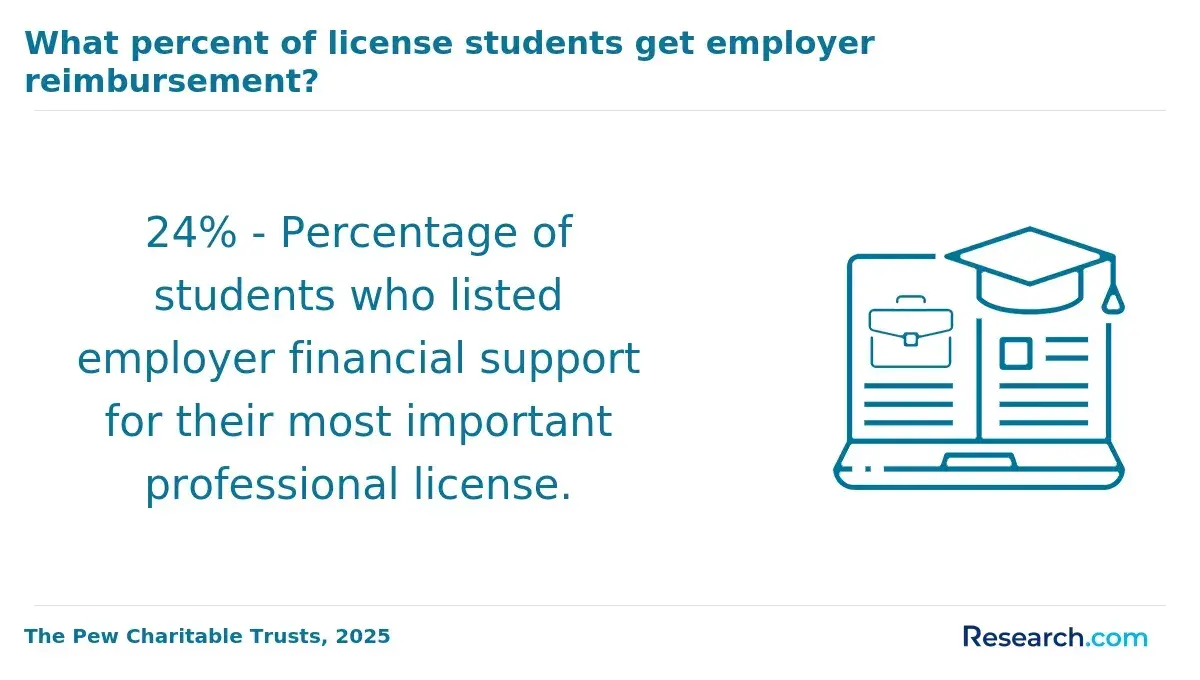
- Employer Tuition Assistance: Many working professionals benefit from employer tuition reimbursement programs which partially or fully cover courses related to clinical mental health counseling degrees.
- Military Education Benefits: Veterans and active service members may receive tuition coverage or stipends supporting clinical mental health counseling education at all degree levels.
Careful planning helps align financial resources with one's educational objectives. For individuals seeking flexible advanced education pathways, exploring options such as a PhD organizational leadership can complement clinical mental health counseling career goals.
Understanding scholarships and grants for clinical mental health counseling programs and other financial aid options can significantly reduce educational expenses and facilitate successful degree completion.
Career opportunities in clinical mental health counseling expand significantly with higher degree levels, offering wider scopes of responsibility and autonomy. Understanding these options can help students plan their education and professional path to better match their long-term goals.
Bachelor's
- Mental Health Technician: These professionals provide frontline support by assisting with client care and monitoring within mental health settings, often working under supervision.
- Case Manager: Role involves coordinating services and resources for clients, advocating for their needs while supporting treatment plans and administrative tasks.
- Behavioral Health Aide: Facilitates group sessions and supports behavioral interventions, contributing to client progress in structured environments.
Master's
- Licensed Professional Counselor (LPC): This licensed role allows individuals to deliver individual and group therapy, conduct assessments, and develop treatment plans essential for clinical practice.
- Substance Abuse Counselor: Specializes in addiction treatment, providing counseling to individuals struggling with substance use disorders within therapeutic contexts.
- Mental Health Therapist: Works directly with clients to address emotional and psychological issues using evidence-based therapeutic techniques.
Doctorate
- Licensed Psychologist: In some states, this highest degree qualifies professionals for independent clinical practice and psychological testing beyond counseling.
- Counselor Educator: Oversees training and education of future counselors at university level, influencing curriculum and standards.
- Clinical Supervisor or Researcher: Provides clinical oversight and contributes to policy development or academic research advancing best practices.
Students interested in exploring foundational roles before advancing may also review easy associate degrees as a stepping stone. Aligning career options for clinical mental health counseling degrees with educational attainment ensures clearer pathways and better job prospects at each stage of professional development.
Salary comparisons among bachelor's, master's, and doctorate graduates in clinical mental health counseling reveal key differences that affect both immediate earnings and future career prospects. These variations provide insight into how each degree level aligns with professional goals and responsibilities. Below is an overview of typical salary ranges by degree.
- Bachelor's Degree: Graduates usually earn entry-level salaries ranging from approximately $35,000 to $45,000 annually. Positions at this level tend to involve support roles or assisting licensed counselors, with limited independence in clinical work.
- Master's Degree: Holding a master's generally opens doors to licensed clinical roles, with salaries ranging from $50,000 to $75,000 or more. These professionals can practice independently as therapists, and experienced counselors often see higher earnings depending on their work setting.
- Doctorate Degree: Those with doctorates often secure the highest pay, starting around $75,000 and exceeding $100,000 annually. This advanced level supports leadership, specialized clinical duties, research, or academic careers requiring extensive expertise.
These salary distinctions highlight how advancing educational qualifications in clinical mental health counseling directly impacts the scope of practice and long-term earning potential within the field.
What Graduates Say About Their Clinical Mental Health Counseling Degree Level
- Bryson: "Choosing to pursue a clinical mental health counseling degree was one of the best decisions I ever made. Although the program cost was higher than I initially expected, around $30,000 on average, the expertise and confidence I gained more than justified the investment. Today, I'm thriving in my career, helping clients navigate their challenges with empathy and understanding. "
- Belinda: "I approached my master's in clinical mental health counseling with a lot of thought, especially considering the financial commitment since the average cost can range up to $40,000. Reflecting on my journey, the degree not only deepened my skills but also opened doors to meaningful leadership roles in mental health services. This was a transformative step for my professional development."
- Helen: "Completing a doctorate in clinical mental health counseling was a strategic move for advancing my career in research and clinical practice. The cost, which was significant, approximately $50,000, was an investment in both knowledge and credibility. The degree has allowed me to contribute to the field at a scholarly level while maintaining a robust clinical presence."
Other Things You Should Know About Clinical Mental Health Counseling Degrees
Bachelor's programs cover foundational psychology and introductory counseling concepts, while master's programs emphasize advanced counseling techniques and supervised practicum experience. Doctorate programs focus on specialized research and advanced clinical skills, requiring a dissertation or research project completion.
No. In 2027, bachelor’s graduates can work in support roles such as case management or behavioral health technician positions, but licensure as a clinical mental health counselor requires a master’s degree, supervised practicum and internship hours, and passing a state-approved exam such as the NCE or NCMHCE.
- How Long Does It Take to Become a Licensed Counselor? https://onlinecounselingprograms.com/become-a-counselor/how-long-does-it-take/
- What Does a Clinical Mental Health Counselor Do?| University of Bridgeport https://www.bridgeport.edu/news/what-does-a-clinical-mental-health-counselor-do/
- Mental Health Counseling Master’s Program | WCU https://westcoastuniversity.edu/blog/guide-to-a-masters-in-clinical-mental-health-counseling/
- Counseling with specialization in Clinical Mental Health https://agmu.edu/en/programs/counseling-specialization-clinical-mental-health
- Master of Arts (M.A.) in Counseling: Clinical Mental Health Counseling | Adler University https://www.adler.edu/programs/masters-of-arts-in-clinical-mental-health-counseling/
- Masters vs PhD in Counseling Psychology Salary | HealthGrad https://www.healthgrad.com/mental-health/masters-vs-phd-counseling-psychology-salary/
- 10 Fulfilling Mental Health Careers You Can Train for Now | Palo Alto University https://paloaltou.edu/resources/blog/mental-health-careers-you-can-start-now
- Best Online Counseling Psychology Ph.D. Programs https://www.psychology.org/rankings/best-counseling-psychology-doctorate-programs/
- What Can You Do With a Mental Health Counseling Degree? https://online.aic.edu/blog/what-can-you-do-mental-health-counseling-degree
- Master’s vs Doctorate in Psychology: Which Path Is Right for You? | Meridian University https://meridianuniversity.edu/content/masters-vs-doctorate-in-psychology-which-path-is-right-for-you