2027 Questions to Ask About Online Clinical Mental Health Counseling Degree Programs Before You Enroll

Co-Founder and Chief Data Scientist
Many prospective students struggle to choose an online clinical mental health counseling degree program that balances quality with career outcomes. With the U. S. Bureau of Labor Statistics projecting a 23% growth in mental health counseling jobs from 2021 to 2031, selecting the right program is critical. However, program accreditation, licensure preparation, and variable tuition rates create challenges in decision making.
This article addresses key questions about program quality, costs, licensure readiness, and employment prospects. It equips readers with essential insights to confidently evaluate and compare online clinical mental health counseling degree options before enrollment.
Key Benefits of Enrolling in Online Clinical Mental Health Counseling Degree Programs
- Online programs offer flexibility to access coursework anytime, supporting students who balance jobs or family responsibilities while advancing their education in clinical mental health counseling.
- Cost savings arise from reduced commuting, housing, and campus fees, making online clinical mental health counseling degrees financially accessible for diverse populations.
- Improved work-life balance is achievable as students customize their study schedules around personal and professional commitments, enhancing overall well-being during training.
Is the Online Clinical Mental Health Counseling Degree Program Accredited?
Accreditation plays a vital role in determining the quality and credibility of online clinical mental health counseling programs. It ensures that the curriculum and training meet recognized standards, which directly impacts degree recognition by employers and eligibility for licensure.
Many states mandate graduation from an accredited program for clinical mental health counseling licensure, so attending a non-accredited program can delay or prevent career advancement.
According to the Council for Accreditation of Counseling and Related Educational Programs (CACREP), nearly 70% of counseling licensure candidates in the U.S. completed CACREP-accredited programs, underscoring the importance of specialized accreditation for career outcomes.
The primary accrediting body for clinical mental health counseling is CACREP, which evaluates curricula, faculty qualifications, and practicum experiences to maintain industry excellence. Some programs may also hold regional accreditation, but only CACREP or equivalent accreditation is typically accepted by licensing boards.
Prospective students should verify program accreditation by checking the CACREP website or the program's official pages, as well as consulting their state's counseling licensing board. Prioritizing accreditation protects students from costly setbacks during licensure and improves job prospects.
For those exploring degrees with flexible formats, including online options, resources such as online EdD programs may provide useful comparative data when considering educational pathways beyond counseling.
What Are the Admission Requirements for Online Clinical Mental Health Counseling Programs?
Prospective students evaluating online clinical mental health counseling programs must carefully review admission requirements to ensure they have the academic and professional foundation necessary for success. These criteria not only help determine eligibility but also indicate readiness to handle graduate-level coursework and clinical responsibilities.
Key admission criteria typically include the following:
- Bachelor's degree: A bachelor's degree from an accredited institution is required to demonstrate academic readiness and commitment to higher education.
- Minimum GPA: Most programs expect a minimum undergraduate GPA, often around 3.0, to ensure applicants can manage the rigor of counseling coursework.
- Prerequisite coursework: Coursework in psychology or related fields is commonly required to provide foundational knowledge essential for clinical mental health counseling studies.
- Letters of recommendation: These documents provide insight into the applicant's character, academic capabilities, and professional potential, supporting the admissions decision.
- Statement of purpose or personal essay: This essay details the student's motivation for entering counseling and clarifies career goals, helping evaluate program fit and commitment.
- Relevant experience: While not always mandatory, experience in counseling or human services through work or volunteering can strengthen an application by demonstrating practical exposure.
For students seeking to accelerate this process, examining accelerated psychology programs may provide additional options aligned with career goals.
What Classes Do You Take in an Online Clinical Mental Health Counseling Program?
Knowing the curriculum of an online clinical mental health counseling program is essential for students to assess how well it aligns with their professional aspirations. Recent data shows that more than 60% of graduates find the knowledge gained through coursework vital for successful employment.
Online clinical mental health counseling programs usually offer several categories of classes, including:
- Core courses: These foundational classes cover counseling models, human growth, ethical guidelines, and mental health disorders. They equip students with critical theoretical knowledge and clinical reasoning skills required for diverse client needs.
- Electives: Electives provide opportunities to tailor education toward areas like trauma intervention, addiction counseling, family systems therapy, or cultural competence. These options help deepen expertise in specialized therapeutic techniques and client groups.
- Research and assessment: Courses in this area focus on methods for evaluating client progress and applying evidence-based practices. They develop analytical skills crucial for effective treatment planning and outcome measurement.
When I spoke with a student currently enrolled in an online clinical mental health counseling program, he shared how balancing theoretical content with challenging assignments was initially overwhelming. He mentioned needing to adapt quickly to online learning formats and appreciating the structured feedback from instructors to build his confidence.
"Each class pushed me to think critically and apply concepts deeply," he said, highlighting how course rigor reinforced his commitment to becoming a competent counselor.
Knowing how long it takes to finish an online clinical mental health counseling degree helps students plan their schedules, finances, and career paths effectively. This information is vital for setting realistic expectations about entering the mental health profession.
Here are common timelines and factors related to program length:
- Full-Time Study: Most students complete their degree in 2 to 3 years of full-time coursework, including required practicum and internship hours for licensure eligibility. This path generally allows for quicker entry into the workforce.
- Part-Time Study: Balancing courses with work or personal responsibilities, part-time students typically take 3 to 5 years. This option offers flexibility but extends the time before professional practice begins.
- Accelerated Programs: Designed for faster completion, these tracks often last 18 to 24 months. They demand intensive study and significant time investment but help students launch their careers earlier.
- Practical Experience Requirements: Internships and clinical hours are mandatory for licensure and may prolong program length depending on placement availability and scheduling. These experiences are crucial for hands-on skill development.
- Additional Factors: Transfer credits, course load, personal obligations, and varying state licensure rules also influence duration. Students should assess these elements when choosing a program to align with their goals and life situation.
Online clinical mental health counseling programs almost universally include internships or practicums to provide essential supervised experience. These placements are usually arranged at local sites such as hospitals, clinics, or community centers, where students complete clinical hours under licensed professionals.
The hands-on training is vital for refining counseling techniques, ethical practice, and client interaction skills, as well as meeting state licensure requirements, which often demand over 600 supervised hours. Prospective students should weigh these practical obligations carefully since they influence scheduling, geographic flexibility, and program costs.
Recent studies indicate that more than 90% of accredited programs require some form of experiential learning, highlighting its critical role in professional preparation.
When I spoke with a graduate of an online clinical mental health counseling degree, she reflected on how intense the process was but ultimately rewarding. She noted, "Coordinating my practicum felt overwhelming at times, especially balancing it with work and family, but the support from my program was helpful."
She also mentioned that being on-site with clients brought lessons no textbook could offer, stating, "Those real-world moments made me more confident and prepared for licensure."
Her experience emphasized how internships are not just a requirement but a defining part of becoming a competent counselor, illustrating why understanding these commitments upfront is essential for anyone enrolling in an online program.
Graduates of online clinical mental health counseling degree programs can obtain professional licensure as long as their programs meet specific accreditation standards. Most U.S. states require candidates to hold a degree accredited by the Council for Accreditation of Counseling and Related Educational Programs or a similar accrediting body.
This ensures the curriculum includes necessary coursework, supervised clinical experience, and ethics training aligned with state requirements.
Licensing generally involves completing a master's degree, logging 2,000 to 4,000 supervised clinical hours post-degree, and passing a state-approved exam such as the National Counselor Examination (NCE).
Online program structures often support licensure readiness by offering practical components like internships or practicum placements in local settings, helping students complete supervised hours near their homes.
Licensure matters greatly for prospective students assessing online programs, as it is legally required to practice independently and directly influences employability and insurance reimbursement eligibility. It also guarantees clients and employers of the practitioner's professional competency and adherence to ethical standards.
According to recent data, graduates from CACREP-accredited online programs have an 85% or higher first-time pass rate on licensing exams, demonstrating their strong preparation compared to traditional formats.
Knowing the expenses involved in online clinical mental health counseling programs helps prospective students plan their finances effectively and assess the value of their educational investment. Tuition costs alone often range significantly, impacting the overall affordability and accessibility of these degrees.
For example, tuition typically falls between $300 and $600 per credit hour, which means a full master's program requiring about 60 credit hours might cost from $18,000 to $36,000. Here are the typical costs associated with pursuing an online clinical mental health counseling degree:
- Tuition: Usually charged per credit hour, tuition rates range widely between $300 and $600, depending on the institution. Since most programs require around 60 credit hours, the tuition total will likely fall between $18,000 and $36,000.
- Fees: Additional fees cover registration, technology support, and clinical placement coordination. These fees vary but can add several hundred to a few thousand dollars to the overall cost.
- Materials and Technology: Textbooks, software, and licensing exam prep materials are essential expenses. Reliable internet access is also necessary and may be an ongoing cost, with some programs including software subscriptions or clinical practicum expenses within their fee structures.
- Clinical Practicum Costs: While some programs offer clinical placements at no extra charge, others require students to find and finance these practical experiences independently. This can be a significant variable in total cost.
- Rising Costs Trend: Program expenses have gradually increased, reflecting improvements in online delivery platforms and enhanced accreditation standards, which contribute to better education quality and licensure readiness.
Those weighing the cost of online clinical mental health counseling degrees may also consider exploring the cheapest online bachelor's degree options to understand broader affordability trends in online education.
Understanding financial aid options is essential for prospective students considering online clinical mental health counseling programs because it can substantially lower the cost of graduate education. Nearly 85% of counseling master's students utilize some form of financial assistance.
Here is an overview of the key financial aid options available to online clinical mental health counseling students:
- Federal aid: Includes Pell Grants, Direct Subsidized and Unsubsidized Loans, and work-study programs. Eligibility depends on factors like financial need, citizenship, and enrollment status, with generally low interest rates and flexible repayment terms helping reduce debt burden.
- State grants and scholarships: Many states offer targeted grants or scholarships for mental health and counseling students. These often require attending approved programs and may include service commitments after graduation, helping students offset tuition costs while contributing to local mental health services.
- Institutional scholarships: Online programs frequently provide merit- or need-based scholarships. These vary by institution but can significantly reduce tuition expenses. Applicants should note deadlines and GPA criteria to maximize these opportunities.
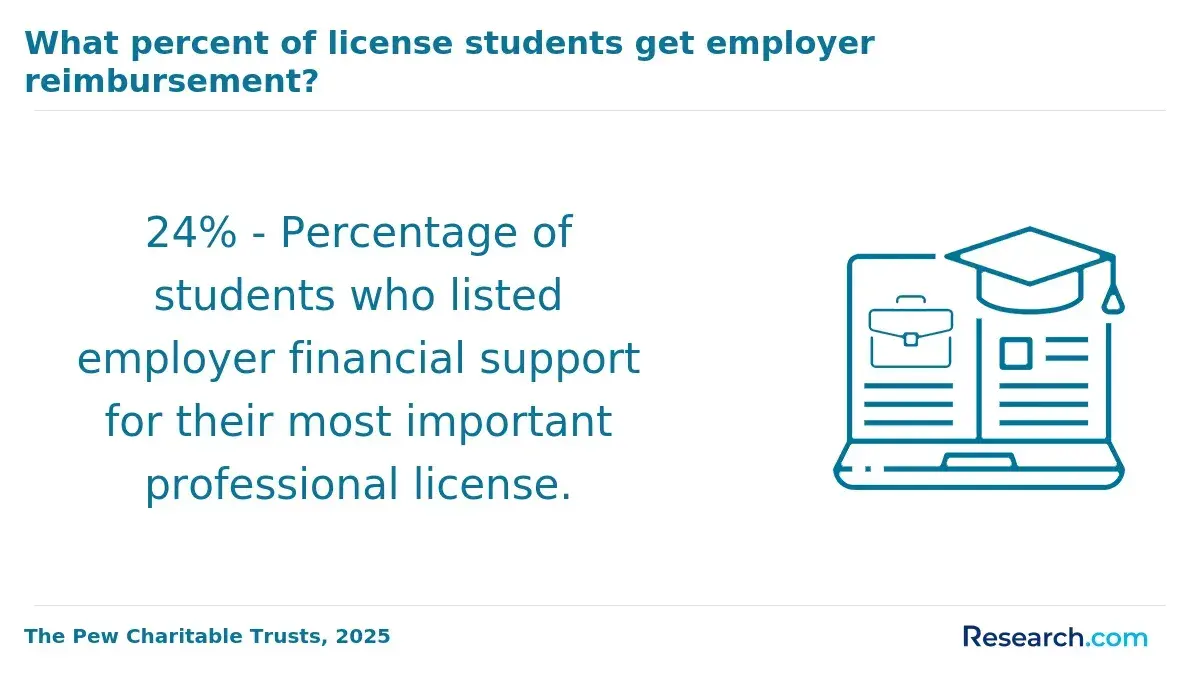
- Employer tuition assistance: Some employers offer tuition reimbursement or support continuing education, especially for licensed professionals or those pursuing credentials in mental health services. This can ease financial pressure while advancing career qualifications.
For those seeking accelerated paths with financial benefits, programs offering fast degrees online might also be worth considering.
Knowing the career opportunities available with an online clinical mental health counseling degree is vital for students deciding on a program. The U.S. Bureau of Labor Statistics projects a 23% growth rate for mental health counselor jobs through 2032, reflecting strong demand.
Below are common roles for those with this degree:
- Mental Health Counselor: Provides therapy and support to individuals facing emotional, behavioral, or mental health challenges. This role often involves assessment, treatment planning, and facilitating group or individual counseling sessions, with opportunities to specialize or advance into supervisory positions.
- Substance Abuse Counselor: Focuses on helping clients overcome addiction through counseling, education, and relapse prevention strategies. The degree offers foundational skills essential for certification and work in rehabilitation centers or community programs.
- School Counselor: Supports students' academic, social, and emotional development within educational settings. Graduates can work with children and teens, often collaborating with teachers and parents, and advancing into administrative or counseling coordination roles.
- Case Manager: Coordinates care and resources for clients navigating mental health or social services systems. The preparatory knowledge equips graduates to manage care plans, connect clients with community supports, and ensure compliance with treatment goals.
- Behavioral Health Specialist: Implements treatment plans and supports behavioral interventions, often in clinical or residential settings. This position can serve as a stepping stone to more advanced counseling or clinical roles, leveraging skills gained in the degree program.
Knowing the potential salary after completing an online clinical mental health counseling program is essential for students weighing their educational investments against future earnings. The median annual wage for mental health counselors was approximately $59,190 according to the most recent data.
Several key elements influence how much graduates can expect to earn in this field:
- Level of education: Earning advanced degrees like a master's or doctorate generally opens doors to higher-paying positions, including leadership roles and specialized clinical work. More education often correlates with increased responsibility and compensation.
- Specialization: Focusing on niche areas such as substance abuse, trauma, or family therapy can lead to better salaries because these skills are in higher demand and require specific expertise.
- Experience: Entry-level counselors typically start with lower salaries, but wages tend to rise as professionals gain years of experience and develop clinical competencies. Longevity in the field often translates to increased earning potential.
- Geographic location: Salary ranges vary significantly depending on the state or metropolitan area due to factors like local demand, cost of living, and reimbursement policies by insurers. Urban centers may offer higher pay compared to rural regions.
- Work setting: Counselors working in hospitals, government agencies, or private practices might see different pay scales compared to those employed in schools or community-based programs. The type of employer influences benefits and salary levels.
What Graduates Say About Enrolling in an Online Clinical Mental Health Counseling Degree
- Tyler: "I chose the online clinical mental health counseling degree because of its affordability-at around $20,000, it offered a quality education without the financial strain of traditional programs. The flexibility of online courses allowed me to balance work and study effectively, and the practical skills I gained have directly elevated my career in counseling. This program truly transformed my professional outlook with an excellent return on investment. "
- Kayla: "Reflecting on my journey, the cost of the clinical mental health counseling degree was surprisingly reasonable given the depth of knowledge I received. The online format challenged me to stay disciplined but also provided access to diverse perspectives through virtual discussions. Since graduating, I've found my career opportunities widened significantly, which makes the initial effort and cost well worth it. "
- Ethan: "As a working professional, I carefully weighed the cost of the clinical mental health counseling degree program, which typically runs in the low to mid-twenty-thousands. Enrolling online was a strategic decision that fit my busy schedule and delivered comprehensive training. This degree has empowered me to confidently advance in my counseling career and serve my clients more effectively. "
Other Things You Should Know About Clinical Mental Health Counseling Degrees
In 2027, online clinical mental health counseling programs usually collaborate with local mental health facilities where students reside, allowing them to complete supervised clinical hours. Schools typically have coordinators to assist students in finding suitable placements and ensure they meet the accreditation standards for licensure.
Most programs require a laptop or desktop, a stable broadband connection, a webcam, a microphone, and access to a current web browser. Some also require Zoom or a learning management app, plus a private space for recorded role-plays, live supervision, and video-based assignments.
- A Guide to Mental Health Counseling Internships and Practicums | Wake Forest University https://counseling.online.wfu.edu/blog/how-to-gain-experience-mental-health-field
- Mental Health Counselor Salary and Career Outlook https://teach.com/online-ed/counseling-degrees/online-masters-mental-health-counseling/careers-and-salary/
- Online M.A. in Clinical Mental Health Counseling. - University of New Haven https://www.newhaven.edu/arts-sciences/graduate-programs/clinical-mental-health-counseling-online/index.php
- MA in Clinical Mental Health Counseling | Palo Alto University https://paloaltou.edu/academic-programs/ma-counseling
- Master's in Clinical Mental Health Counseling https://www.ucumberlands.edu/academics/graduate/masters-clinical-mental-health-counseling
- Clinical Mental Health Counseling, MA (Online) https://programs.tcnj.edu/graduate/clinical-mental-health-counseling-ma-online
- Mental Health Counselor Career and Salary Profile https://online.fit.edu/degrees/undergraduate/applied-psychology/clinical-psych/mental-health-counselor-career-and-salary-profile/
- Can I Get a Counseling Degree Online? | University of Bridgeport https://www.bridgeport.edu/news/can-you-get-a-counseling-degree-online/
- Tuition For Online Clinical Mental Health Counseling Master's Degree | EOU https://online.eou.edu/programs/ms-masters-clinical-mental-health-counseling/tuition/