
2027 How to Become a Medical Biller & Coder in Lubbock, TX: Education Requirements & Certification

Co-Founder and Chief Data Scientist
Choosing medical billing and coding in Lubbock, TX, is a practical way to enter healthcare without becoming a clinician. The role sits at the center of patient records, insurance claims, reimbursement, compliance, and healthcare revenue. For students, career changers, military spouses, parents returning to work, and administrative professionals who want a healthcare job with remote potential, the key question is not simply “How do I start?” It is “Which training path gives me the best chance of getting hired locally without overspending?”
This guide explains what medical billers and coders do, what education is typically expected in Lubbock, which certifications matter, how long training takes, what salaries look like, whether remote work is realistic, and how to compare programs before enrolling. It also covers common mistakes, technology skills, specialties, advancement options, and related healthcare careers so you can make a more informed decision.
Quick answer: How do you become a medical biller and coder in Lubbock, TX?
To become a medical biller and coder in Lubbock, TX, you generally need a high school diploma or GED, formal training in medical terminology and coding systems, and a national certification such as CPC, CCA, CBCS, CCS, CPB, or CMRS. Texas does not legally require certification, but many employers prefer or require it because billing and coding accuracy affects reimbursement, compliance, and audit risk. Most certificate programs take six months to one year, while associate degree programs usually take about two years.
Key things to know before you enroll
- Local demand is tied to healthcare growth. Lubbock’s hospitals, clinics, academic medical centers, and billing organizations need trained staff who can code accurately, submit clean claims, and follow payer rules.
- Pay varies by role and credential. Medical billing and coding specialists in Lubbock earn an average of $42,830 annually, while medical coders average $49,169 annually and experienced professionals can earn more in specialized roles.
- Certification is not optional in practice for many applicants. Credentials from AAPC, AHIMA, NHA, or AMBA can make a candidate more competitive, especially for coding-heavy, compliance, auditing, and remote positions.
- Program choice matters. Compare cost, exam preparation, certification alignment, externship options, software exposure, and whether exam vouchers are included before choosing a school.
- What education is needed to become a medical biller and coder in Lubbock, TX?
- How do I get certified as a medical biller and coder in Lubbock, TX?
- How much do medical billers and coders make in Lubbock, TX?
- What medical billing and coding specialties pay the most in Lubbock, TX?
- Is there a high demand for medical billers and coders in Lubbock, TX?
- How long does it take to become certified in medical billing and coding in Lubbock, TX?
- What are the career advancement opportunities in medical billing and coding in Lubbock, TX?
- What’s the average cost of a medical billing and coding program in Lubbock, TX?
- What does a medical biller and coder in Lubbock, TX do on a daily basis?
- How can I stay updated with evolving healthcare regulations in Lubbock, TX?
- What are the most in-demand tech skills for medical billers and coders in Lubbock, TX?
- Can medical billers and coders work from home in Lubbock, TX?
- Could complementary certifications enhance my healthcare career?
- What are alternative healthcare career paths for medical billers and coders in Lubbock, TX?
What education is needed to become a medical biller and coder in Lubbock, TX?
The usual starting point for medical billing and coding in Lubbock is a high school diploma or GED followed by a certificate, diploma, or associate degree program. A short certificate can prepare you for entry-level billing and coding work, while an associate degree in health information technology can provide broader training for long-term advancement in health information, reimbursement, auditing, or supervisory roles.
Local and regional options, including South Plains College, offer online and in-person coursework that may fit recent graduates, working adults, and students who need flexible scheduling. Amarillo College also offers an online program accessible to Lubbock residents, and the Lubbock Coding Academy, affiliated with South Plains College, provides skills-focused training for learners who need a practical route into the field.
| Education path | Typical length | Best fit | What to check before enrolling |
| High school diploma or GED plus self-study | Varies | Students who already have healthcare experience or strong independent study skills | Whether you will be prepared for CPC, CCA, CBCS, CPB, CCS, or CMRS exams without formal instruction |
| Certificate or diploma program | 9–12 months | Students who want the fastest structured route to entry-level billing or coding work | Whether the curriculum includes ICD-10-CM, CPT, HCPCS, medical terminology, claims processing, compliance, and exam preparation |
| Accelerated course | Some options may be completed more quickly, including 4-week online courses | Learners who can study intensively and already have strong reading, organization, and computer skills | Whether the course is deep enough for certification readiness and whether exam vouchers are included |
| Associate degree in health information technology | About two years | Students who want broader preparation for health information management, auditing, compliance, or advancement | Transfer credit policies, total cost, internship options, software training, and graduate employment support |
Most programs cover anatomy and physiology, medical terminology, patient record management, insurance claims, reimbursement procedures, ICD-10-CM, CPT, and HCPCS. These subjects are technical, so students should expect regular practice with case examples, code books, payer rules, and documentation scenarios rather than memorization alone.
When comparing medical billing and coding schools, ask whether the program is aligned with the certification you plan to take. A course built for CPC preparation may not be identical to one designed around CCA or CBCS. Students who want help identifying reputable options can review online coding schools accredited and compare program features before committing.
Who should choose a certificate instead of an associate degree?
- Choose a certificate if you want to start working sooner and your goal is an entry-level billing, coding, claims, or medical office role.
- Choose an associate degree if you want a broader foundation in health information technology and may later move into auditing, compliance, management, or healthcare data roles.
- Consider an accelerated course only if you can commit consistent study time and already feel comfortable with online learning and technical detail.
How do I get certified as a medical biller and coder in Lubbock, TX?
Certification is not a legal requirement in Texas, but it is one of the strongest ways to show employers that you understand coding guidelines, documentation standards, payer rules, and reimbursement processes. In Lubbock, many applicants pursue credentials through AAPC, AHIMA, NHA, or AMBA after completing a training program.
- Finish high school or earn a GED. This is the baseline requirement for most training programs and entry-level healthcare administrative jobs.
- Select the certification that matches your career goal. CPC and CPB from AAPC, CCA and CCS from AHIMA, CBCS from NHA, and CMRS from AMBA are common options. Coding-heavy roles may favor CPC, CCA, or CCS, while billing-focused roles may value CPB, CBCS, or CMRS.
- Complete training in coding systems and healthcare reimbursement. Strong programs teach anatomy, medical terminology, ICD-10, CPT, HCPCS, HIPAA, documentation review, claims processing, and payer requirements.
- Use official exam preparation tools. Practice exams, code-book exercises, case-based questions, and review courses can help you identify weak areas before the test.
- Register for and pass a proctored certification exam. The CPC exam is 150 questions, and AAPC often offers exam locations in Lubbock. Other exams vary by credentialing organization.
- Maintain your credential. Continuing education keeps your certification active. AAPC requires 36 CEUs every two years, while AMBA’s CMRS requires 15 CEUs annually.
| Certification body | Examples of credentials | When it may make sense |
| AAPC | CPC, CPB | Useful for physician office coding, professional fee coding, billing, outpatient settings, and applicants seeking widely recognized credentials |
| AHIMA | CCA, CCS | Helpful for candidates interested in health information, hospital coding, and broader medical records roles |
| NHA | CBCS | Appropriate for students focused on billing and coding specialist roles, especially after a certificate program |
| AMBA | CMRS | Relevant for professionals who want a billing and reimbursement-focused credential |
Some candidates gain an advantage through internships, practicums, or job shadowing, even when clinical hours are not required. Practical exposure helps students understand how documentation quality, coding accuracy, payer edits, and claim denials connect in real healthcare settings. Completing an 80-hour classroom or online preparation course can also waive a year of the AAPC’s work experience requirement, which may shorten the path to full credential status.
How much do medical billers and coders make in Lubbock, TX?
Pay in Lubbock depends on whether the position is billing-focused, coding-focused, remote, entry-level, hospital-based, specialty-based, or compliance-related. Certification, experience, accuracy, software skills, and knowledge of payer rules can all affect compensation.
As of June 2025, medical billers and coders in Lubbock earn an average hourly wage of approximately $18.86. That equals about $3,270 per month and about $39,230 per year. More specific salary figures show that medical billing and coding specialists in Lubbock average $42,830 annually, medical billers average $40,837 annually, and medical coders average $49,169 annually. Total compensation for coders, including bonuses or overtime, can reach up to $56,044 annually.
| Role or pay level | Lubbock pay figure | What may influence this number |
| Average hourly wage for medical billers and coders | $18.86 | Employer type, certification, coding complexity, and experience |
| Approximate monthly income | $3,270 | Full-time status, overtime, and benefits structure |
| Approximate annual salary | $39,230 | Entry-level versus experienced duties |
| Medical billing and coding specialist average | $42,830 annually | Combined billing and coding responsibilities |
| Medical biller average | $40,837 annually | Claims submission, denials, payment posting, and follow-up work |
| Medical coder average | $49,169 annually | Code assignment, documentation review, specialty coding, and certification |
| Coder total compensation potential | Up to $56,044 annually | Bonuses, overtime, experience, and employer policies |
| Entry-level range | About $15.48 per hour, or just over $32,000 annually | New graduate status, limited experience, and training level |
| Experienced range | Up to $24.98 per hour, or approximately $52,000 per year | Specialization, certification, productivity, and leadership duties |
| National average annual salary in 2025 | $54,797 | National market conditions and regional wage differences |
Lubbock’s pay figures are somewhat below the national average annual salary of $54,797 for medical billers and coders in 2025, but local cost-of-living considerations may make the compensation competitive for the area. Candidates who want to improve earning potential should consider CPC, CCS, or CCA certification, build experience in inpatient, surgical, risk adjustment, or compliance coding, and pursue roles involving auditing or revenue cycle oversight.
What medical billing and coding specialties pay the most in Lubbock, TX?
Specialization can improve career options because some coding areas require deeper knowledge of procedures, documentation, payer rules, and compliance. In Lubbock, the strongest salary potential is often associated with hospital coding, surgical coding, compliance, risk adjustment, and advanced reimbursement work.
| Specialty | What the work involves | Local salary information | Best for |
| Inpatient coding specialist | Reviews hospital admissions and assigns codes for complex diagnoses and procedures using ICD-10-CM and ICD-10-PCS | Experienced inpatient coding specialists in Lubbock can earn up to $70,117 annually | Coders who want hospital-based complexity and advanced documentation review |
| Outpatient coding specialist | Codes emergency visits, same-day surgeries, clinic encounters, and ambulatory services using CPT, ICD-10-CM, and HCPCS | Salaries typically average around $42,830 per year locally | Professionals interested in clinics, ambulatory care, and high-volume coding |
| Medical coding compliance specialist | Checks whether coding practices follow payer, federal, state, and organizational rules to reduce audit and penalty risk | These specialists earn approximately $56,289 annually in Lubbock | Experienced coders who enjoy policy, documentation standards, and audit preparation |
| Professional fee coder | Codes physician services and office-based treatment using CPT and ICD-10-CM | Annual salaries in Lubbock range between $42,000 and $47,000 | Coders who want physician-practice coding across multiple specialties |
| Risk adjustment coder | Codes chronic conditions and comorbidities for accurate risk scoring in value-based care and health plan reimbursement | Salaries in West Texas, including Lubbock, often exceed $50,000 with experience | Coders interested in HCCs, chronic disease documentation, and payer-related roles |
| Surgical coding specialist | Translates detailed operative reports into accurate CPT and ICD-10 codes | Experienced surgical coders in Lubbock can earn close to $70,000 annually | Coders with strong anatomy, procedure, and operative-report interpretation skills |
Students should not choose a specialty based only on salary. Inpatient and surgical coding can pay more, but they also demand stronger technical skills, more precise documentation review, and often more experience. A practical strategy is to start with a broad certification, gain real-world exposure, then specialize after you understand which setting fits your strengths.
South Plains College and other accessible programs can help students prepare for CPC, CCA, and CBCS pathways. Local hospitals, health systems, and professional organizations such as AAPC may also provide networking, continuing education, and career-development opportunities.
Is there a high demand for medical billers and coders in Lubbock, TX?
Demand for medical billers and coders in Lubbock is supported by the city’s healthcare infrastructure, including hospitals, clinics, academic medical centers, physician groups, and billing operations. Job boards have consistently listed between 14 and 18 openings for medical billing and coding roles such as Coding Specialist, Inpatient Medical Coder, and Senior Reimbursement Specialist. Platforms like ZipRecruiter have also reported up to 85 job postings.
Major local employers and healthcare anchors, including UMC Health System and Texas Tech University Health Sciences Center, contribute to the need for trained revenue cycle and health information workers. University Medical Center is a 500-bed, Level I trauma center, and Covenant Health is also part of the broader healthcare employment landscape in the region.
- Healthcare volume creates administrative demand. More patient encounters mean more records, claims, payments, denials, and compliance checks.
- National hiring trends support the field. The Bureau of Labor Statistics projects around 27,000 new medical billing and coding roles nationwide by 2026.
- Coding rules continue to change. ICD-10, HCPCS, CPT updates, HIPAA requirements, and payer-specific rules require staff who can stay current.
- Certification can separate applicants. Lubbock employers may prefer credentials such as CPC or CCS, especially for coding and reimbursement roles.
Entry-level applicants should expect employers to look for knowledge of ICD-10, CPT, HCPCS, medical terminology, claims processing, reimbursement rules, and electronic health records. Experience with billing software is helpful, but some entry-level jobs may provide system-specific training after hire.
How long does it take to become certified in medical billing and coding in Lubbock, TX?
Most students can prepare for certification in six months to one year through a certificate program. South Plains College offers a fully online medical billing and coding course designed to prepare students for national exams such as CPC, CCA, or CBCS. The College of Health Care Professions offers an accelerated Medical Coding and Billing Certificate Program that can be completed in as little as 38 weeks.
An Associate’s Degree in Applied Science in Medical Billing and Coding usually takes about two years, depending on course load, transfer credits, and whether the student attends full-time or part-time. Working adults may need a longer timeline, while students in accelerated formats may finish more quickly if they can study consistently.
| Path | Estimated time | Main advantage | Main trade-off |
| Accelerated certificate course | As little as 38 weeks for the CHCP option | Fast entry into certification preparation | Requires steady study and may feel intense for beginners |
| Typical certificate program | Six months to one year | Balanced pace for many working adults | May provide less broad education than an associate degree |
| Associate degree | About two years | Broader preparation for advancement and health information roles | Higher time commitment and often higher total cost |
To move faster, choose a program aligned with your target exam, schedule weekly coding practice, take practice tests early, and review missed questions carefully. Students considering additional education after certification can compare options such as an online bachelor's degree in medical billing and coding to understand how further study may support advancement.
What are the career advancement opportunities in medical billing and coding in Lubbock, TX?
Medical billing and coding can lead to more than entry-level claims work. With experience, professionals in Lubbock may move into coding quality review, revenue cycle management, medical auditing, compliance, reimbursement analysis, team lead roles, or health information management. Advancement usually depends on accuracy, productivity, certification, software fluency, payer knowledge, and the ability to explain documentation issues clearly to providers and administrators.
| Career stage | Possible roles | How to move forward |
| Entry level | Medical biller, coding assistant, claims specialist, patient account representative | Build accuracy, learn payer rules, and earn an initial credential |
| Intermediate | Certified coder, denial specialist, reimbursement specialist, outpatient coder | Add experience with EHRs, coding software, denial management, and specialty coding |
| Advanced | Inpatient coder, surgical coder, compliance specialist, coding auditor, revenue cycle lead | Pursue advanced certifications, auditing knowledge, and leadership experience |
| Career pivot | Healthcare administration, health information, pharmacy, counseling, nursing, or clinical support pathways | Identify the new credential or degree required before changing tracks |
Some professionals eventually explore other healthcare paths when they want more patient interaction, clinical responsibility, or a different scope of practice. For example, learning how to become a pharmacist in Lubbock can help billing and coding professionals understand a very different healthcare career ladder with separate education and licensure requirements.
What’s the average cost of a medical billing and coding program in Lubbock, TX?
Program cost in Lubbock varies by credential level, school type, delivery format, program length, and what is included in tuition. Short-term certificate courses may cost around $700 for instruction, testing, and required documentation. Longer programs, especially associate degrees, generally cost more because they include additional coursework and a longer enrollment period.
Online programs can be more affordable and may include certification exam vouchers, practice tools, or exam preparation resources. However, students should confirm exactly what is included. A lower advertised tuition may not include books, code manuals, certification exam fees, technology requirements, background checks, or externship-related expenses.
Cost questions to ask before choosing a program
- Does tuition include certification exam vouchers?
- Are ICD-10-CM, CPT, and HCPCS code books included or purchased separately?
- Does the program prepare students for CPC, CCA, CBCS, CCS, CPB, or CMRS?
- Are practice exams, tutoring, or instructor support included?
- Is there an externship, practicum, job-placement support, or employer partnership?
- Are there payment plans, workforce grants, scholarships, or financial aid options?
- What happens if I need extra time to complete the course?
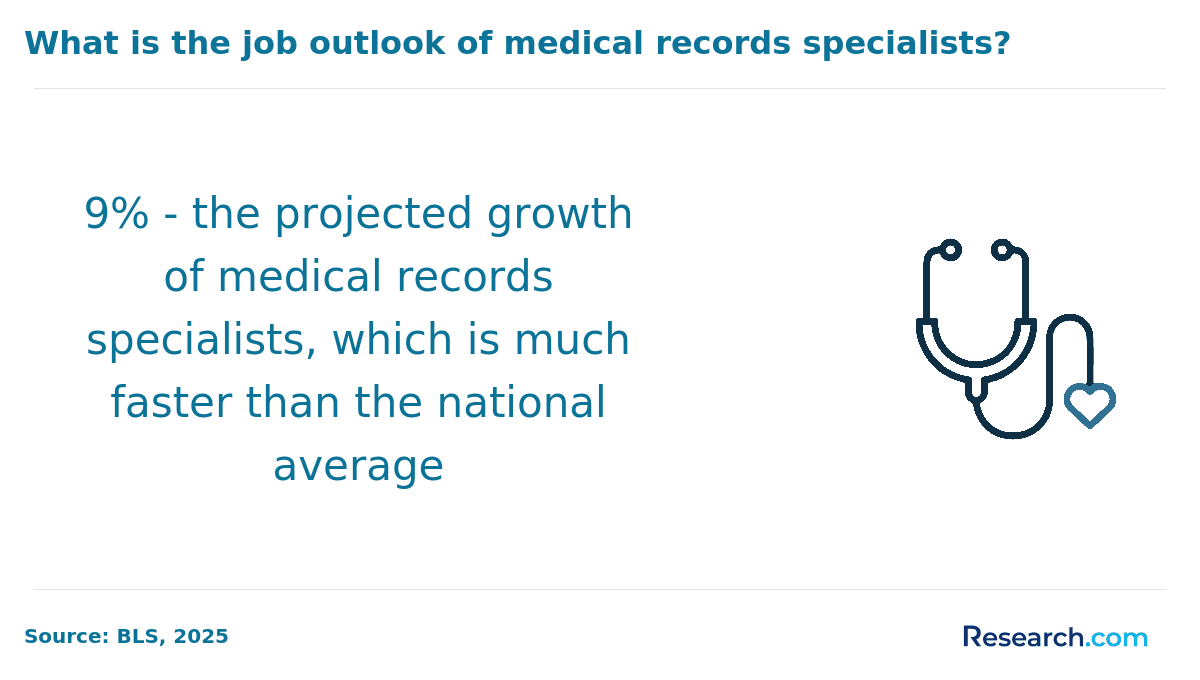
The field’s broader outlook is one reason students consider the investment: the job outlook is promising, with an anticipated 8% growth through 2032 and a median salary around $47,180 as of 2022. Before enrolling, it is also useful to compare the pros and cons of being a medical coder so you understand the work environment, detail level, and career trade-offs.
What does a medical biller and coder in Lubbock, TX do on a daily basis?
Medical billers and coders convert healthcare documentation into billable, compliant claims. They do not diagnose patients, provide treatment, or make clinical decisions. Their work is administrative and technical, but it directly affects whether healthcare providers are paid correctly and whether patient accounts are processed accurately.
| Daily responsibility | What it means in practice | Why it matters |
| Review medical records | Check provider documentation for diagnoses, procedures, services, dates, and supporting details | Accurate records support correct coding and reduce claim problems |
| Assign standardized codes | Use ICD-10, CPT, and HCPCS to translate clinical documentation into billing codes | Codes determine how services are billed and reimbursed |
| Prepare and submit claims | Enter coded data into billing systems and send claims to insurance payers | Clean claims help providers receive timely payment |
| Verify insurance coverage | Confirm eligibility, benefits, and patient financial responsibility | Verification helps prevent billing surprises and payment delays |
| Work denials and rejections | Research rejected claims, correct errors, and communicate with payers when needed | Denial follow-up protects revenue and resolves unpaid accounts |
| Maintain compliance | Follow HIPAA, payer rules, coding updates, and organizational policies | Compliance reduces audit risk and protects patient information |
| Coordinate with healthcare staff | Ask providers or administrators for clarification when documentation is incomplete or unclear | Clear communication improves coding accuracy and claim quality |
Common workplaces include hospitals, physician offices, clinics, specialty practices, billing companies, and remote or hybrid teams. Because the work requires precision, many students wonder is it hard to be a medical billing and coding. The answer depends on your comfort with rules, details, software, medical language, and repetitive problem-solving.
How can I stay updated with evolving healthcare regulations in Lubbock, TX?
Medical billing and coding changes constantly because code sets, payer rules, documentation requirements, privacy standards, and reimbursement policies are updated over time. Professionals in Lubbock should treat continuing education as part of the job, not an optional extra.
- Review updates from AAPC, AHIMA, payer bulletins, and federal or state healthcare agencies.
- Complete continuing education required by your certification body before deadlines.
- Attend coding webinars, local chapter meetings, workshops, or employer training sessions.
- Track annual CPT, ICD-10, and HCPCS changes and practice applying them to sample cases.
- Document your CEUs carefully so you can maintain active certification status.
Regulatory awareness also helps professionals understand how different healthcare services are documented and reimbursed. For example, exploring how to become a substance abuse counselor in Lubbock can provide context on behavioral health services, documentation needs, and interdisciplinary care settings that may appear in billing and coding work.
What are the most in-demand tech skills for medical billers and coders in Lubbock, TX?
Technology is reshaping billing and coding work. Employers increasingly expect candidates to use electronic health records, billing platforms, claim-scrubbing tools, coding references, spreadsheets, secure portals, and remote-work systems. AI-assisted coding may speed up some tasks, but it does not remove the need for trained professionals who can verify documentation, catch errors, apply payer rules, and protect patient data.
| Tech skill | Why employers value it | How to build it |
| Electronic health records proficiency | Systems such as Epic or Cerner are used to access, review, and update patient information | Look for programs with EHR practice, simulations, or lab assignments |
| Medical coding software experience | Tools such as EncoderPro, 3M CodeFinder, and TruCode can support code lookup and reduce errors | Practice with encoder tools, code books, and documentation scenarios |
| Claims and billing systems | Platforms such as Kareo, eClinicalWorks, and AdvancedMD help process claims and manage revenue cycles | Ask programs whether billing software practice is included |
| Spreadsheet and data-entry accuracy | Billing teams often track payments, denials, aging reports, and account follow-up | Build Excel or Google Sheets skills and improve typing accuracy |
| HIPAA-compliant technology use | Remote access, patient data, and claims work require secure handling of protected health information | Learn privacy rules, password security, VPN use, and employer security policies |
| AI and automation awareness | Automated suggestions can assist workflows, but human review is still needed for accuracy and compliance | Learn how to validate system-generated coding recommendations instead of accepting them blindly |
Technology skills can also affect salary potential because employers value workers who can submit clean claims, resolve denials, work independently, and adapt to software updates. If you want to understand the broader earning picture, reviewing how much does medical coding pay can help you connect skill development with career planning.
Can medical billers and coders work from home in Lubbock, TX?
Yes. Medical billers and coders in Lubbock can work from home when the employer allows remote or hybrid work and the employee can meet privacy, productivity, and technology requirements. As of mid-2025, over 600 job postings in the Lubbock area specifically offered work-from-home arrangements for professionals in this field.
Remote opportunities may be full-time, part-time, contract, or hybrid. However, new graduates should understand that some employers prefer on-site training first, especially for entry-level employees who need coaching on documentation standards, payer edits, workflows, and software systems.
| Remote-work requirement | Why it matters |
| Reliable high-speed internet | Claims systems, EHRs, portals, and meetings require stable connectivity |
| Secure computer | Employers need protected access to patient and billing data |
| Dual monitors | Many coders work more efficiently when comparing records, codes, and billing screens |
| VPN or secure access tools | Patient records must be accessed through protected systems |
| Quiet dedicated workspace | Privacy and concentration are essential for HIPAA-compliant work |
| Strong written communication | Remote workers must ask clear questions and document claim issues accurately |
| Time management | Productivity standards are often tracked closely in remote billing and coding jobs |
Remote work is realistic, but it is not automatically easier. Successful remote billers and coders stay organized, protect confidential information, meet production standards, communicate promptly, and keep up with coding updates.
Could complementary certifications enhance my healthcare career?
Additional credentials can help if they support a clear career goal. A billing and coding professional might add auditing, compliance, revenue cycle, risk adjustment, or specialty coding credentials to move into higher-responsibility roles. Complementary certifications outside billing and coding may also be useful for people planning a career pivot, but they should be chosen carefully because many healthcare roles require separate education, supervised experience, licensure, or clinical training.
For example, researching Lubbock mental health counselor certification can help administrative healthcare workers understand a patient-facing behavioral health path, but counseling has different education and licensure expectations than medical billing and coding.
What are alternative healthcare career paths for medical billers and coders in Lubbock, TX?
Medical billing and coding builds transferable skills in documentation, compliance, healthcare terminology, reimbursement, data accuracy, insurance processes, and patient account workflows. Those skills can support movement into health information management, revenue cycle leadership, compliance, utilization review support, medical office administration, clinical documentation improvement, healthcare data analysis, or payer-side roles.
| Alternative path | Why billing and coding experience helps | What may be needed next |
| Health information management | Experience with records, privacy, data quality, and coding supports HIM work | Additional education or health information credentials may be required |
| Revenue cycle management | Billing, denials, reimbursement, and payer knowledge are directly relevant | Leadership experience and stronger reporting skills can help |
| Compliance or auditing | Coding accuracy and documentation review are central to audit work | Advanced coding, auditing, or compliance credentials may be useful |
| Healthcare data or reporting | Billing teams work with coded data, claims, and financial information | Spreadsheet, database, analytics, and reporting skills may be needed |
| Clinical healthcare career | Medical terminology and healthcare-system knowledge provide a foundation | Separate clinical education, licensure, and supervised training are typically required |
Professionals who want a more clinical and patient-facing role may eventually explore nursing, pharmacy, counseling, or advanced practice careers. For example, researching how to become a nurse practitioner in Lubbock can clarify the additional education, clinical training, and licensure required for that pathway.
Common mistakes to avoid when choosing a medical billing and coding program
- Choosing only by lowest tuition. A cheap program may become expensive if it excludes books, exam fees, support, or certification preparation.
- Ignoring certification alignment. Make sure the curriculum prepares you for the exact exam you plan to take.
- Assuming Texas licensure is required. Texas does not legally require certification, but employers often prefer certified applicants.
- Skipping software training. Coding knowledge is important, but employers also need workers who can use EHRs, billing systems, spreadsheets, and secure portals.
- Assuming remote work is guaranteed. Remote jobs exist, but many require experience, certification, productivity, and secure home-office setup.
- Relying only on rankings or marketing claims. Ask about completion support, certification pass preparation, employer connections, and graduate outcomes.
- Underestimating the study load. Medical terminology, anatomy, payer rules, and coding guidelines require repetition and practice.
What do medical billers and coders in Lubbock, TX have to say about their careers?
-
: "
Training in medical billing and coding through Texas Tech University changed the direction of my career. The coursework helped me connect classroom concepts with the real problems I now see at work, from documentation gaps to insurance processing. Lubbock’s healthcare sector feels steady, and I like knowing that my accuracy supports both providers and patients. — Ryan
"
-
: "
South Plains College gave me the technical foundation I needed, but it also showed me why billing and coding matters to the local community. In Lubbock, I can see how careful claims work helps clinics keep running and helps patients avoid unnecessary account problems. The job has made me more detail-oriented and more confident professionally. — Joyce
"
-
: "
My training at Lubbock Christian University helped me understand healthcare challenges across West Texas, including the differences between rural and urban patient needs. Billing and coding has given me a stable career path, and local employers seem to value people who keep learning and maintain strong certifications. — Elena
"
Related Articles for Nearby Cities
- 2027 How to Become a Medical Biller & Coder in Fort Worth, TX: Education Requirements & Certification
- 2027 How to Become a Medical Biller & Coder in Oklahoma City, OK: Education Requirements & Certification
- 2027 How to Become a Medical Biller & Coder in Arlington, TX: Education Requirements & Certification
- 2027 How to Become a Medical Biller & Coder in Irving, TX: Education Requirements & Certification
- 2027 How to Become a Medical Biller & Coder in Albuquerque, NM: Education Requirements & Certification
- 2027 How to Become a Medical Biller & Coder in El Paso, TX: Education Requirements & Certification
- 2027 How to Become a Medical Biller & Coder in Dallas, TX: Education Requirements & Certification
- 2027 How to Become a Medical Biller & Coder in Plano, TX: Education Requirements & Certification
- 2027 How to Become a Medical Biller & Coder in Garland, TX: Education Requirements & Certification
- 2027 How to Become a Medical Biller & Coder in Austin, TX: Education Requirements & Certification
Key insights
- Medical billing and coding is a strong healthcare entry point in Lubbock for people who want administrative, technical, and potentially remote work without direct patient care.
- The fastest common path is a certificate program followed by a national certification exam; an associate degree is better for students who want broader advancement options.
- Texas does not legally require certification, but credentials such as CPC, CCA, CBCS, CCS, CPB, or CMRS can improve credibility with employers.
- Lubbock salary figures vary by role: medical billing and coding specialists average $42,830 annually, medical billers average $40,837 annually, and medical coders average $49,169 annually.
- Higher-paying specialties often require more experience, stronger documentation review skills, and advanced knowledge in inpatient, surgical, compliance, or risk adjustment coding.
- Remote work is possible in Lubbock, but employers typically expect secure technology, HIPAA awareness, productivity, communication skills, and often certification or experience.
- Before enrolling, compare total cost, exam vouchers, software training, certification alignment, support services, and job-placement resources—not just tuition.
References:
- Amarillo College. (2024). Online Medical Billing and Coding Course. Amarillo College
- American Academy of Professional Coders. (2025). Train for your career in medical billing and coding. AAPC
- Best Trade Schools. (n.d.). How to Become a Medical Billing and Coding Specialist in Texas. Best Trade Schools AAPC training resource
- Career Accelerated Training. (2025). How to Get Your Medical Billing and Coding Certification in Texas. CALRegional Certification guide
- College of Health Care Professions. (2025). Medical Coding and Billing Certificate Program. CCHP
- Lamar Institute of Technology. (n.d.). How To Become a Coder/Biller? LIT
- MedicalBillingandCoding.org. (n.d.). How Do I Become Certified? MedicalBillingandCoding.org
- Penn Foster. (n.d.). Medical Billing and Coding. Penn Foster
- South Plains College. (2025). Medical Billing and Coding. SPC
- U.S. Bureau of Labor Statistics. (2025). Occupational Outlook Handbook: Medical Records Specialists. U.S. BLS
- University of Texas at San Antonio. (n.d.). How to Become a Medical Biller and Coder in Texas. UTSA PaCE
Other Things You Should Know About Becoming a Medical Biller & Coder in Lubbock, TX
To become certified as a medical biller & coder in Lubbock, TX in 2027, you typically need to pass an exam from the AAPC or AHIMA. These certifications validate your skills and knowledge, enhancing job prospects in the healthcare industry.
Employers in Lubbock often look for the CPC exam from AAPC for outpatient coding and the CCA or CCS from AHIMA for broader coding roles. Billing-focused jobs may also value the CPB credential from AAPC. Most certification exams require approved study or work preparation before testing.


