2027 AI Master's vs Cybersecurity Master's

Co-Founder and Chief Data Scientist
Choosing between a master's in artificial intelligence and a master's in cybersecurity poses a challenge for many professionals eyeing the tech sector. Both fields offer promising career prospects but demand distinct skills, knowledge, and long-term goals. Prospective students with unrelated undergraduate degrees often struggle to evaluate which program aligns better with their aspirations and market trends. The decision impacts job readiness, specialization, and earning potential.
This article explores the key differences in curriculum, career paths, and industry demand for 2027 master's degrees in artificial intelligence and cybersecurity to guide informed educational choices.
Key Things You Should Know
- AI master's programs in 2026 emphasize machine learning and data science, with 40% higher enrollment growth than cybersecurity programs since 2024.
- Cybersecurity master's degrees focus heavily on threat detection and risk management, addressing a 35% increase in cyberattacks reported in 2025.
- Average starting salaries for AI graduates are approximately $110,000, slightly surpassing cybersecurity graduates' $105,000, reflecting growing industry demand in both fields.
What are the core differences between an AI Master's degree and a Cybersecurity Master's degree in terms of curriculum and focus?
The core curriculum differences between AI master's and cybersecurity master's programs lie mainly in their focus areas. AI degrees emphasize machine learning algorithms, neural networks, data modeling, and statistical methods. This focus leads to approximately 40% more advanced mathematics coursework, including linear algebra, calculus, probability, and optimization, which are vital for building AI models. Cybersecurity master's programs, by contrast, concentrate on threat detection, risk analysis, cryptography, network defense, and ethical hacking, prioritizing practical skills to secure systems and manage incident response.
AI curricula often cover natural language processing, computer vision, and reinforcement learning, preparing students for careers in automated decision-making, robotics, and data science. Cybersecurity students engage in hands-on labs involving intrusion prevention, malware analysis, and penetration testing tools. For example, an AI student might design neural network architectures for predictive analytics, whereas a cybersecurity student focuses on detecting and repelling cyberattacks in real time.
Those exploring focus areas comparison in AI and cybersecurity graduate programs should note that AI demands stronger quantitative skills, making cybersecurity more accessible for students without advanced math backgrounds. The cybersecurity field also requires continuous learning to stay current with evolving threats and regulations. Prospective students should consider whether their interests align more with theoretical modeling and algorithm development or applied network defense and system protection when choosing between these paths. Learn more about the opportunities in ai graduate programs.
Which career paths and job roles are available after completing an AI Master's versus a Cybersecurity Master's?
Graduates with a master's in AI often move into specialized roles such as machine learning engineer, computer vision specialist, and natural language processing (NLP) expert. These careers involve creating algorithms, building intelligent models, and applying AI techniques to tackle challenges in healthcare, autonomous systems, and finance. Machine learning engineers develop systems that learn from data, computer vision specialists work on interpreting visual inputs for applications like facial recognition and self-driving cars, and NLP professionals focus on language-based technologies such as virtual assistants and automated translation. AI master's career opportunities in the US continue to expand as industries increasingly depend on smart technologies.
Those with a cybersecurity master's tend to pursue roles protecting information systems and networks. Typical job titles include security architect, incident responder, penetration tester, and security analyst. According to the LinkedIn Jobs Report 2024, cybersecurity roles offer 62% more entry-level openings than AI-related jobs, reflecting strong demand for safeguarding digital assets in sectors like government, finance, and healthcare. The cybersecurity master's job roles and pathways emphasize risk management, threat detection, and compliance knowledge, which are critical for securing complex infrastructures.
Choosing between these fields depends on career interests and skills. AI paths are research-intensive, requiring strong programming and math abilities, while cybersecurity focuses on defense strategies and system protection. Considering the industries you want to impact and gaining practical experience are essential steps. For those researching degree options, exploring online mechanical engineering degrees online can complement technical expertise in either AI or cybersecurity fields.
What are the typical salary ranges and job growth projections for AI specialists compared to cybersecurity professionals?
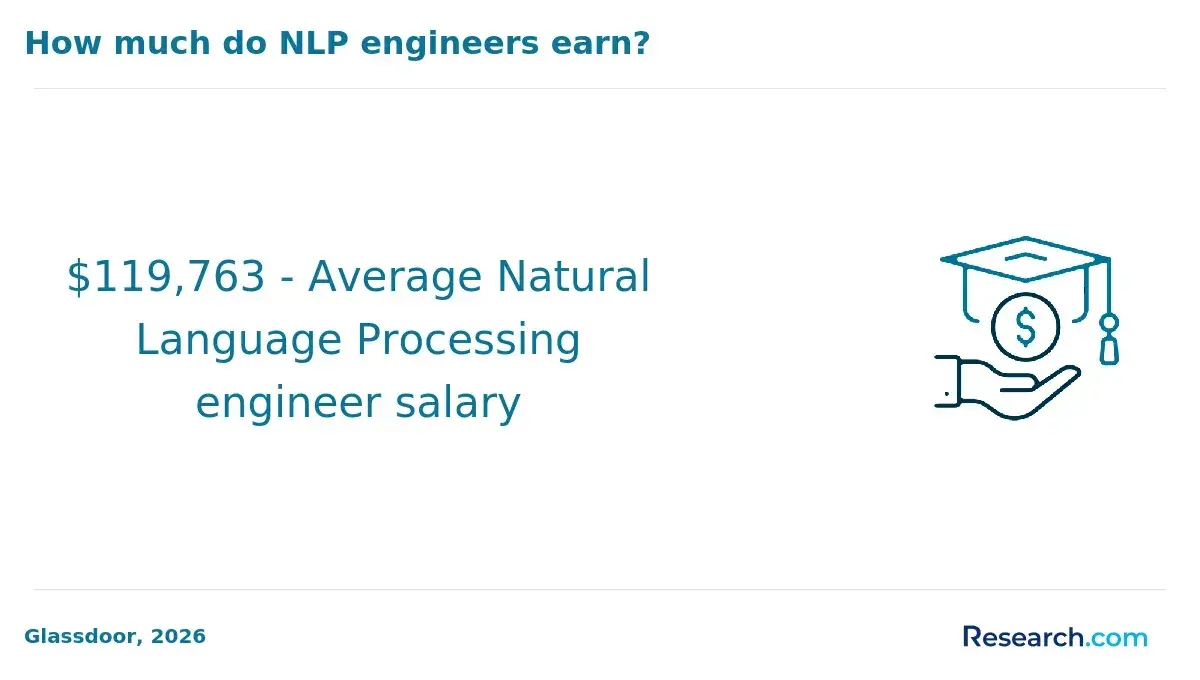
AI specialists in the United States earn a median salary of $164,000, reflecting strong technical expertise and growing demand for AI-driven solutions across many industries. This contrasts with the $120,000 median salary for cybersecurity professionals, who experience a faster job growth rate of 33% through 2032 compared to 23% for AI roles, according to the U.S. Bureau of Labor Statistics 2024 Occupational Outlook Handbook. These job growth projections for cybersecurity professionals highlight the essential need to protect increasingly complex digital environments.
Salary ranges for AI specialists typically include roles in machine learning engineering, data science, and research, where proficiency in algorithms and software development is crucial. AI experts working in sectors like healthcare or finance often earn toward the higher end of the salary scale due to the complexity and impact of their work. Cybersecurity roles, ranging from network security analysts to ethical hackers, show salary variation based on certifications and specializations. Entry-level cybersecurity workers usually start with lower salaries, but the rapid growth of the field offers strong career advancement opportunities.
Students considering these careers should weigh salary prospects against job availability and their interest in either creating or securing technology. With cybersecurity's higher growth, more hiring openings exist within government and private sectors focused on risk management. Those interested in AI may benefit from exploring online degrees in AI to develop competitive skills. Ultimately, understanding ai specialist salary ranges in the United States alongside growth trends can guide informed educational decisions.
What are the admission requirements and prerequisites for top-ranked AI and Cybersecurity Master's programs?
Top-ranked AI master's programs demand high GRE quantitative scores, typically 165 or above, reflecting their deep focus on advanced mathematics. In comparison, prerequisites for cybersecurity master's degrees in the US often include GRE quantitative scores near 155, highlighting a relatively lower emphasis on quantitative rigor. Acceptance rates for AI applicants presenting published research are about 3.7 times higher, emphasizing the importance of scholarly contributions in these programs.
Applicants to both fields generally need a bachelor's degree in computer science, engineering, mathematics, or related STEM disciplines. AI programs tend to prefer candidates with strong backgrounds in linear algebra, calculus, and statistics, whereas cybersecurity programs focus more on experience or coursework in network systems, information security, and programming. Strong letters of recommendation that highlight quantitative skills and research potential are commonly required.
Work experience expectations differ as well. AI programs favor those with prior research or internships related to data analysis or machine learning, while cybersecurity programs often accept professionals with IT or network security experience, even if their research background is limited. Some programs waive GRE requirements for applicants with higher GPAs or significant credentials.
Prospective students should prioritize excelling in core quantitative courses and aim to publish research or contribute to reputable projects. Those seeking practical options might explore the best online cybersecurity degree programs of 2025 to balance career growth and flexibility.
How do online AI Master's programs compare to campus-based options in terms of program quality and employer recognition?
Online AI master's programs have reached an impressive 89% parity with campus-based equivalents, reflecting their strong program quality and growing employer recognition, according to a Computing Research Association survey. Employers increasingly value graduates from online programs that maintain rigorous curricula and include relevant project work. Nevertheless, campus programs still often provide richer networking opportunities and direct access to faculty-led research labs, which can enhance learning in specialized AI subfields.
Employer recognition tends to favor campus programs slightly due to their established reputations and hands-on research facilities. Programs that integrate capstone projects, internships, or collaborations with industry partners online help to reduce this gap. Some universities now require virtual team projects or provide access to cloud-based AI platforms that simulate real-world data challenges, boosting practical skills.
Online cybersecurity master's degrees show even higher parity with campus options at 94%, likely because cybersecurity's hands-on lab simulations adapt well to virtual formats. In contrast, AI's need for experimental environments and complex data infrastructure makes replicating campus experiences online more difficult, though still achievable.
Prospective students should evaluate whether online AI programs offer substantial applied components such as supervised research or industry partnerships, which increase employer acceptance. Those aiming for advanced AI research roles may prefer campus options for peer collaboration and lab access, while professionals seeking flexible, respected credentials can find reputable online master's degrees a viable path.
What is the typical duration, cost, and financial aid availability for AI Master's and Cybersecurity Master's degrees?
Master's programs in artificial intelligence usually last 1.5 to 2 years full-time, similar to cybersecurity programs. Part-time or online options extend to 3-4 years, helping working professionals balance education and job commitments. Tuition for AI master's averages around $68,000, while cybersecurity is more affordable at about $52,000. These costs vary depending on the institution, residency, and program format.
Financial aid is more commonly available for cybersecurity students, with 71% receiving some form of support, compared to 58% of AI students. Aid includes scholarships, assistantships, employer tuition reimbursement, and federal loans. Prospective AI students should seek assistantships or fellowships, often offered in research-intensive programs, to offset higher costs. Cybersecurity programs tend to have broader financial aid options, reflecting demand for a larger workforce.
Pricing structures differ for working professionals: AI part-time programs typically charge per credit hour, while cybersecurity may offer flat-rate semester pricing. This flexibility in cost management is vital for budgeting and long-term planning. Evaluating total expenses, aid availability, and program length helps prospective students align educational investments with their career goals in these evolving technology fields.
Which accreditation bodies and professional certifications are most relevant for AI and Cybersecurity Master's graduates?
ABET accreditation covers 34% of AI master's programs compared to 67% in cybersecurity, highlighting a notable difference in standardized educational recognition. ABET accreditation is important because it assures that a program meets stringent industry and academic standards, which employers prioritize when evaluating candidates. Cybersecurity master's graduates commonly earn certifications like CompTIA Security+ and CISSP, with 81% obtaining such credentials, underscoring the strong link between accredited education and professional certification success.
AI graduates often pursue vendor-specific or niche certifications, including TensorFlow Developer Certificates or AWS Certified Machine Learning. These credentials are valuable but lack the broad industry recognition held by cybersecurity certifications. Consequently, AI students should seek programs with clear ties to certification pathways and consider blending multiple certifications to build credibility.
For those considering careers in AI or cybersecurity, prioritizing ABET-accredited programs can influence certification readiness and employment opportunities. AI students, in particular, benefit from certifications validating practical skills in machine learning frameworks and data science, complementing academic training.
What specific technical skills and programming languages are emphasized in AI Master's curricula versus Cybersecurity Master's programs?
AI master's programs prioritize programming languages and tools vital for machine learning and data-driven models. Python is nearly universal, featured in 98% of curricula due to its versatility and rich libraries. Frameworks like TensorFlow (87%) and PyTorch (79%) enable students to build, train, and deploy neural networks. These programs develop proficiency in supervised and unsupervised learning, reinforcement learning, and computer vision, alongside skills in data preprocessing, model optimization, and AI ethics.
Cybersecurity master's degrees focus on technical skills to protect systems and networks. Python remains essential but is used in 76% of programs, mainly for automation and defensive tool creation. A strong focus on Linux administration (92%) reflects the need to manage secure operating systems. Network analysis tools (88%), including Wireshark, Nmap, and intrusion detection systems, are central. Courses cover vulnerabilities, incident response, and penetration testing, with practical experience in firewalls, VPNs, and encryption.
Choosing between these fields depends on career objectives. AI graduates gain advanced programming and model-building skills suited for roles in data science, robotics, or natural language processing. Cybersecurity graduates are prepared to defend infrastructure and respond to cyber threats. An analysis of 45 accredited master's programs confirms these distinct technical emphases, allowing students to align their education with practical career goals.
How do industry partnerships and internship opportunities differ between AI and Cybersecurity Master's programs?
Cybersecurity master's programs maintain stronger ties with industry, averaging 8.2 formal partnerships per program compared to 5.1 in artificial intelligence (AI) master's programs, according to the National Association of Graduate-Professional Students survey. This advantage is driven by cybersecurity's alignment with regulatory compliance, risk management, and the operational demands of sectors like finance, healthcare, and government.
These partnerships often lead to more structured internship opportunities, with 73% of cybersecurity students securing paid internships versus 61% of AI students. The higher internship success rate reflects the urgent need for professionals safeguarding information and combating cyber threats.
AI programs tend to offer internships in tech companies, startups, and research institutions developing machine learning and automation tools. However, students may encounter more competition and less formalized internship pathways, often relying on personal networking and faculty support.
Prospective students considering an AI or cybersecurity master's should carefully evaluate internship availability, locations, and stipend levels. Engaging actively with faculty and industry events can improve AI students' prospects, while cybersecurity students generally benefit from more immediate practical experience and financial support.
These measurable differences in industry partnerships and internship rates are important factors for those prioritizing hands-on learning and career integration during graduate studies.
What factors should prospective students consider when choosing between an AI Master's and a Cybersecurity Master's based on their career goals?
When choosing between a master's in artificial intelligence and cybersecurity, students should weigh career priorities carefully. Job market demand plays a crucial role: a survey by the Graduate Management Admission Council reports a 47% increase in students citing this as a key factor. Notably, 58% of cybersecurity candidates prioritize immediate job placement, reflecting urgent needs for experts to combat cyber threats. Cybersecurity programs emphasize practical skills like threat analysis, risk management, and compliance, appealing to those seeking stable roles in sectors such as finance, government, and healthcare.
Meanwhile, 64% of artificial intelligence students focus on exposure to emerging technologies. AI master's programs develop expertise in machine learning, natural language processing, and data analytics, suited for innovation-focused roles in tech startups or research institutions. This often requires a willingness to engage with evolving methodologies and longer-term career growth rather than immediate employment.
Students should also consider specialization versus versatility. Cybersecurity degrees often combine domain-specific certifications with master's coursework, aiding quick employment. AI degrees tend to offer broader interdisciplinary skills that apply across industries but can be more theoretical. Geographic factors matter too, with hubs like Washington D.C. for cybersecurity and Silicon Valley for AI, while salary data from Cybersecurity Ventures and the Bureau of Labor Statistics shows cybersecurity roles typically start with higher immediate income.
Aligning program curricula with career goals-whether immediate cybersecurity roles or innovative AI research-remains essential.
Other Things You Should Know About Artificial Intelligence
Career opportunities for 2027 AI Master's graduates are diverse, spanning tech companies, healthcare, and finance, with roles as AI specialists or machine learning engineers. Meanwhile, a 2027 Cybersecurity Master's opens doors in cybersecurity analysis and management, crucial for tackling growing cyber threats globally. Both fields offer dynamic, high-demand career paths.
Employers usually prefer the degree field that matches the job: an AI master’s for machine learning, data science, or model engineering roles, and a cybersecurity master’s for security engineering, incident response, or governance roles. In the U.S., many government and defense jobs also value ABET-accredited or NSA-recognized programs.
A 2027 AI Master's curriculum typically emphasizes machine learning, data analysis, and neural networks, while a Cybersecurity Master's focuses on network security, cryptography, and risk management. Each program includes specialized courses tailored to its specific emphasis, requiring distinct skill sets.
References
- Application for the Master's program https://www.informatik.uni-bonn.de/en/studies/master-programs/master-program-application
- Cyber vs AI: Easier Learn Career Start Guide https://www.quickstart.com/blog/cyber-security/which-is-easier-cybersecurity-or-artificial-intelligence-choosing-the-right-tech-career-path/
- How Much Can You Earn? AI & Cybersecurity Salary Trends 2025 https://technextcon.com/how-much-can-you-earn/
- Cybersecurity vs AI vs Data Science: Which Career is Right for You? https://thelondoncollege.edu.np/blogs/cybersecurity-vs-ai-vs-data-science
- Best AI Masters Online & On-Campus - AIDegreePrograms.org https://aidegreeprograms.org/rankings/best-ai-masters-programs/
- Must-Have Cybersecurity Certifications to Address AI-Enhanced Cyber Threats https://cep.digivarsity.com/blog/cybersecurity-certifications-for-ai-threats.html
- Masters’ in artificial intelligence vs computer science | edX https://www.edx.org/resources/should-you-get-a-masters-in-artificial-intelligence-or-computer-science
- Most Affordable Online Cybersecurity Master's Degrees in 2025 https://www.mastersinai.org/degrees/affordable-online-masters-in-cybersecurity/
- Cybersecurity vs Artificial Intelligence: Choosing the Right Career Path https://destcert.com/resources/cybersecurity-vs-artificial-intelligence-career/
- Artificial Intelligence vs Cyber Security: Which Career is Better? Updated (2026) https://www.igmguru.com/blog/cybersecurity-vs-artificial-intelligence-careers