
2027 Best Online Entrepreneurship Programs

Co-Founder and Chief Data Scientist
Choosing an online entrepreneurship degree is really a decision about how you want to build business judgment: through a full bachelor’s program, a shorter credential, or a broader business path that can lead to startup, management, consulting, sales, or operations roles. In 2026, there were an estimated 400 million small and medium-sized enterprises (SMEs) worldwide, which shows how central small and growing businesses remain to the global economy. But starting or scaling a business still requires more than motivation. You need financial literacy, market research skills, legal awareness, digital fluency, leadership ability, and the discipline to test ideas before investing heavily.
This guide explains how online entrepreneurship programs work, when they are worth considering, how employers view online degrees, what they may cost, what courses you can expect, and how to compare programs before applying. It also highlights online bachelor’s programs in entrepreneurship and related business options, including pathways that may connect later to graduate study such as the best online doctor of business administration programs.
The goal is practical: help you decide whether an online entrepreneurship degree fits your business goals, budget, schedule, and long-term career plans.
Best Online Entrepreneurship Programs Table of Contents
- Can you complete an entrepreneurship degree fully online?
- Do employers respect online entrepreneurship degrees?
- Are online entrepreneurship degrees accepted internationally?
- Online vs. campus entrepreneurship degrees
- 2027 best online bachelor’s degrees in entrepreneurship
- What do online entrepreneurship programs cost?
- Admission, skill, and technology requirements
- Common courses in an online entrepreneurship bachelor’s degree
- How specialized entrepreneurship courses shape business readinessCourse planning considerations
- Career paths with an online entrepreneurship degree
- How to check whether an online entrepreneurship program is credible
- Common challenges in online entrepreneurship programs
- Industry partnerships, mentorship, and startup networksOnline learning challenges to plan for
- Should you consider a DBA after an entrepreneurship degree?
- Ways to finance an online entrepreneurship education
- What to look for before choosing a program
- Healthcare administration skills for healthcare entrepreneurs
- Using online communities to strengthen your entrepreneurial learning
- Long-term outcomes of an online entrepreneurship degree
- Short online credentials for faster entrepreneurship training
- How an online economics degree can support entrepreneurshipShorter degree optionsLong-term career planning
Quick Answer: Is an Online Entrepreneurship Degree Worth It?
An online entrepreneurship degree can be worth it if you want structured training in business planning, finance, marketing, operations, leadership, and venture development while keeping the flexibility to work, care for family, or build a business at the same time. It is most useful when the program is accredited, includes applied projects or internships, offers access to mentors, and teaches current business technologies.
It may not be the best choice if you only need one narrow skill, such as bookkeeping, digital ads, or project management. In that case, a certificate, associate degree, business bootcamp, or focused professional course may be faster and less expensive. Students comparing entrepreneurship with other business fields may also want to review options such as a business and marketing degree.
Can you get a degree completely online?
Yes. Many universities now offer fully online bachelor’s degrees, including online entrepreneurship programs. These programs usually deliver lectures, assignments, discussions, exams, advising, and group projects through a learning management system. Some may also include optional or required internships, capstone projects, business plan competitions, or virtual simulations.
Online education has become a mainstream format across disciplines. With the COVID-19 pandemic accelerating digital learning adoption, 49% of students worldwide have completed some sort of online learning. Today, online formats are available in business, healthcare, technology, education, and other fields.
Will employers take my online degree seriously?
Employers are generally more concerned with accreditation, institution quality, skills, experience, and results than with whether coursework was completed online or on campus. In many cases, diplomas do not state that a degree was earned online, although employers may ask about the format during interviews.
For entrepreneurship graduates, credibility also comes from what you can demonstrate: business plans, financial models, market research, pitch decks, internships, sales experience, digital marketing projects, and leadership roles. This matters because many employers are widening their hiring practices beyond traditional degree signals. Almost two-thirds of employers are using skills-based hiring to help identify candidates with potential, with more than two-thirds of those employers using these practices always or most of the time.
| What employers usually evaluate | Why it matters for entrepreneurship graduates |
| Accreditation | Shows that the school or business program has been reviewed against recognized academic standards. |
| Applied experience | Projects, internships, business launches, and case studies help prove that you can apply classroom concepts. |
| Digital business skills | Online programs can strengthen your comfort with collaboration platforms, analytics tools, accounting systems, and remote work. |
| Communication and leadership | Entrepreneurs and business professionals must persuade customers, investors, teams, and partners. |
| Portfolio evidence | A polished business plan, pitch presentation, or market analysis can support your résumé more than coursework alone. |
Are online degrees recognized all over the world?
Online entrepreneurship degrees can be recognized internationally when they come from legitimate institutions with recognized accreditation or government authorization. Recognition can still vary by country, employer, graduate school, licensing body, and credential evaluation agency, so students planning to work or study abroad should verify requirements before enrolling.
Business education is less licensure-dependent than fields such as nursing or teaching, but employers may still examine the school’s reputation, curriculum, accreditation, and transcript. If your goals connect to banking, finance, or regulated roles, it can also help to compare business coursework with related expectations such as banker education requirements.
Online learning is also continuing to expand globally. Some online education trends and projection reports indicate that global online learning is expected to reach $665.06 billion by 2031, reflecting strong demand for remote and technology-enabled education.
Online vs. Traditional Bachelor’s Degree in Entrepreneurship
An online bachelor’s degree in entrepreneurship and a campus-based entrepreneurship degree usually cover similar academic foundations: accounting, finance, marketing, management, business law, operations, strategy, and venture planning. The bigger differences involve learning format, networking style, schedule flexibility, and access to in-person experiences.
| Factor | Online entrepreneurship degree | Campus entrepreneurship degree |
| Schedule | Often better for working adults, parents, military students, and learners who need location flexibility. | Usually follows fixed class schedules and may require commuting or relocation. |
| Interaction | Uses discussion boards, video meetings, group platforms, email, and virtual office hours. | Offers face-to-face classroom discussion and easier informal interaction before and after class. |
| Networking | Can connect students across regions and industries, but requires intentional outreach. | May provide easier access to campus clubs, local founders, incubators, and in-person events. |
| Applied learning | May include remote internships, virtual business simulations, capstone ventures, and online pitch projects. | May offer more direct access to on-campus labs, incubators, competitions, and local fieldwork. |
| Technology exposure | Students regularly use digital collaboration, analytics, and communication tools. | Technology use varies by course and instructor. |
| Best for | Self-directed learners who need flexibility and can manage deadlines independently. | Students who want a residential college experience and more in-person structure. |
Is an online degree cheaper?
Not always. Online entrepreneurship programs can have tuition rates similar to campus programs, and some schools charge online learning or distance education fees. However, online students may reduce or avoid commuting, housing, parking, relocation, and meal plan costs. On average, the tuition for an undergraduate degree can cost anywhere from $9,700 to $38,800.
When comparing programs, calculate the full cost of attendance rather than tuition alone. Include technology fees, books, software, graduation fees, transfer credit limits, and the cost of taking longer than planned to finish.
Is an online degree as good as a regular degree?
An online entrepreneurship degree can be as academically strong as a campus degree when it is offered by an accredited institution, taught by qualified faculty, and built around rigorous assignments and applied business work. The format is less important than the program’s quality, support system, curriculum, and outcomes.
Entrepreneurship can also connect to broader business administration paths. Students comparing business careers may want to review the highest paying jobs with business administration degree and consider how entrepreneurship skills fit into management, sales, consulting, operations, and executive roles.
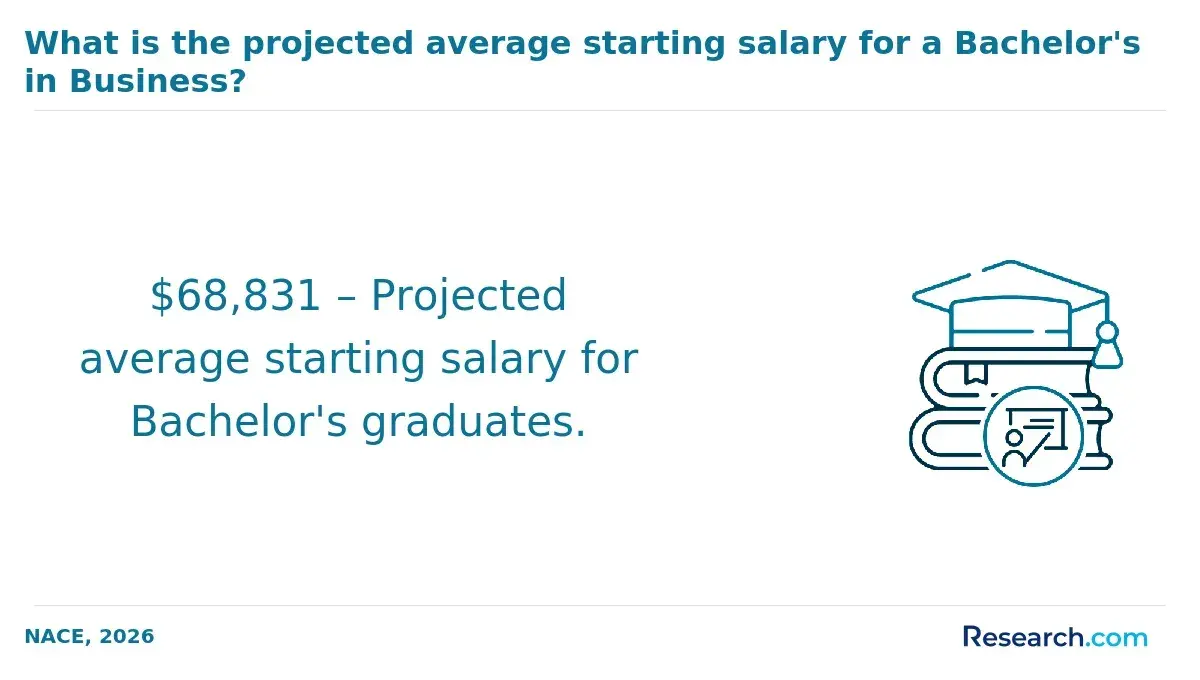
Career outcomes vary widely because entrepreneurs’ earnings depend heavily on industry, business model, location, capital, risk, experience, and market demand. For example, an entrepreneurship graduate can start their own business and earn as much as $77,823 each year. Related career options may include a purchasing agent, who earns $75,650, or an HR manager, taking home $140,030 annually. With experience, graduates may move toward sales manager or top chief roles that both earn around $100,000 or more yearly. Some students may combine entrepreneurship training with sector-specific preparation, such as online real estate degrees.
2027 Best Online Bachelor’s Degree in Entrepreneurship
The following programs were selected to help prospective students compare online undergraduate entrepreneurship options by structure, cost, credits, and accreditation. Use this list as a starting point rather than a final answer. Before applying, confirm current tuition, admission rules, transfer policies, course delivery format, and accreditation directly with the school.
| School | Program | Program Length | Cost per Credit | Credits | Accreditation |
| Lynn University | Bachelor’s in Entrepreneurship | Four years | $375 | 120 | International Accreditation Council for Business Education (IACBE), Southern Association of Colleges and Schools Commission on Colleges (SACSCOC) |
| Columbia College | BS in Business Administration with a major in Innovation and Entrepreneurship | Four years | $375 | 120 | Candidate for accreditation with the Accreditation Council for Business Schools and Programs (ACBSP), Higher Learning Commission (HLC) |
| Louisiana State University | BS in Business Administration with a concentration in Entrepreneurship | Four years | $325 | 120 | ACBSP, SACSCOC |
| Western Carolina University | BS in Business Administration with a major in Innovation Leadership and Entrepreneurship | Four years | $65.81 (in-state), $232.47 (out-of-state) | 120 | Association to Advance Collegiate Schools of Business (AACSB), SACSCOC |
| Lamar University | Bachelor of Business Administration in Entrepreneurship | Four years | $314 | 120 | AACSB, SACSCOC |
1. Lynn University
Lynn University’s online entrepreneurship bachelor’s program focuses on the fundamentals of launching, managing, and growing businesses. Students study topics such as entrepreneurship finance, scaling excellence, and business analytics. The university’s 18:1 student-faculty ratio may appeal to learners who want more direct academic support and mentor interaction. The program also gives students opportunities to build connections with peers from varied cultural and professional backgrounds.
- Program Length: Four years
- Tracks/concentrations: Bachelor’s in Entrepreneurship
- Cost per Credit: $375
- Required Credits to Graduate: 120
- Accreditation: International Accreditation Council for Business Education (IACBE), Southern Association of Colleges and Schools Commission on Colleges (SACSCOC)
2. Columbia College
Columbia College offers an online entrepreneurship-focused business administration program designed for students who want to start, strengthen, or improve business ventures. Coursework may include digital marketing, small business management, economics, and business ethics. Internship courses and experiential opportunities can help students apply classroom concepts to business settings.
- Program Length: Four years
- Tracks/concentrations: BS in Business Administration with a major in Innovation and Entrepreneurship
- Cost per Credit: $375
- Required Credits to Graduate: 120
- Accreditation: Candidate for accreditation with the Accreditation Council for Business Schools and Programs (ACBSP), Higher Learning Commission (HLC)
3. Louisiana State University
Louisiana State University’s online entrepreneurship concentration introduces students to the business foundations needed to create and manage ventures. In addition to general education and core business courses, learners study areas such as advertising, human resource management, and business law. The program is designed to help students develop practical business knowledge for changing market conditions.
- Program Length: Four years
- Tracks/concentrations: BS in Business Administration with a concentration in Entrepreneurship
- Cost per Credit: $325
- Required Credits to Graduate: 120
- Accreditation: ACBSP, SACSCOC
4. Western Carolina University
Western Carolina University’s online program emphasizes innovation, opportunity recognition, and leadership inside and outside established organizations. Core courses include new venture creation, entrepreneurial funding, and innovation leadership. Students also complete liberal studies, business, and general education coursework to build a broader foundation for entrepreneurial decision-making.
- Program Length: Four years
- Tracks/concentrations: BS in Business Administration with a major in Innovation Leadership and Entrepreneurship
- Cost per Credit: $65.81 (in-state), $232.47 (out-of-state)
- Required Credits to Graduate: 120
- Accreditation: Association to Advance Collegiate Schools of Business (AACSB), SACSCOC
5. Lamar University
Lamar University’s online BBA in Entrepreneurship combines business theory with practical preparation for students interested in launching ventures or working in entrepreneurial business environments. The curriculum includes topics such as cost accounting, marketing, and financial management, while also developing communication and teamwork skills that are essential for business leadership.
- Program Length: Four years
- Tracks/concentrations: Bachelor of Business Administration in Entrepreneurship
- Cost per Credit: $314
- Required Credits to Graduate: 120
- Accreditation: AACSB, SACSCOC
How much do online entrepreneurship programs cost?
Costs vary by school type, residency status, transfer credits, financial aid, and program length. Tuition and fees for traditional programs in this discipline usually cost around $10,567 (in-state) or $30,449 (out-of-state). Online tuition in public universities is $12,216, while private institutions charge around $33,382. Online entrepreneurship programs may fall near these ranges, but students should also review online course fees, technology costs, and any required software.
| Cost factor | What to check before enrolling |
| Tuition rate | Confirm whether tuition is charged per credit, per term, or as a flat program rate. |
| Residency pricing | Public universities may charge different rates for in-state and out-of-state students. |
| Transfer credits | Generous transfer policies can reduce both cost and time to graduation. |
| Fees | Ask about online learning, technology, graduation, proctoring, and student service fees. |
| Books and software | Entrepreneurship courses may require accounting, analytics, simulation, or collaboration tools. |
| Time to completion | Part-time enrollment can improve flexibility but may increase the time before you see career benefits. |
Is an online entrepreneurship degree worth it?
An online entrepreneurship degree is more likely to be worth it when it helps you build usable business skills, reduces unnecessary costs, and supports a realistic career or venture plan. There were 1.1 million small business openings in the U.S., indicating that new business activity remains substantial. However, opportunity does not remove risk. Many businesses require capital, market validation, operations discipline, and ongoing adaptation.
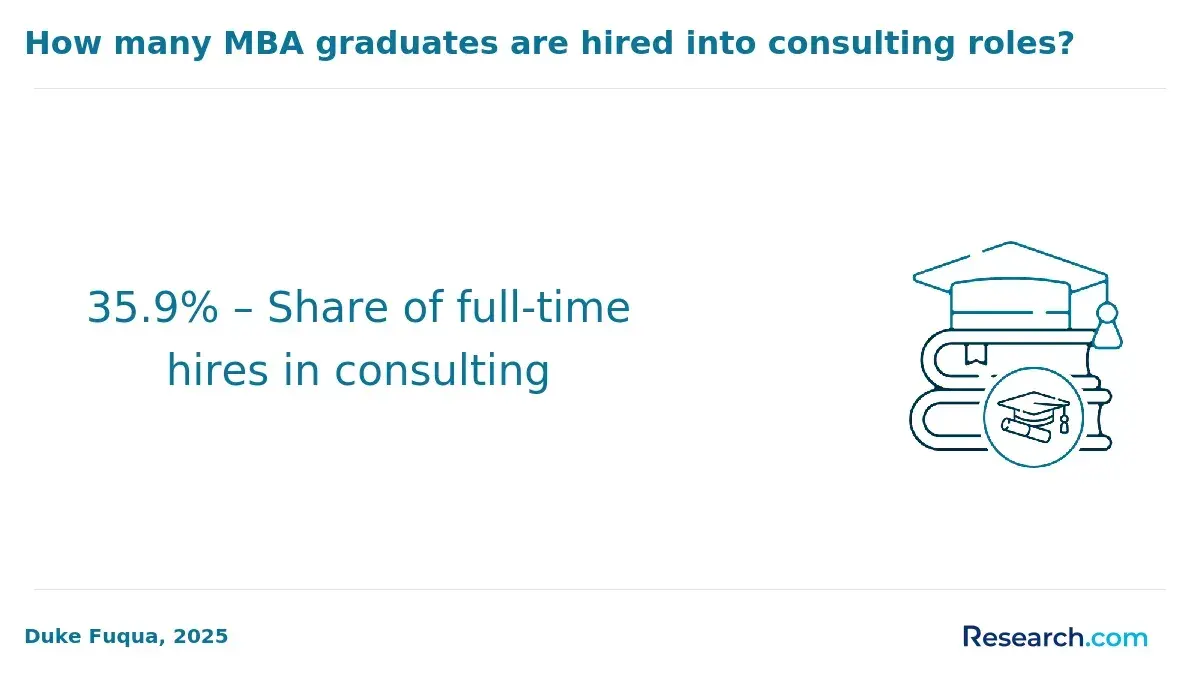
The degree can be valuable if you want to launch a company, work in a startup, join a family business, become a management analyst, move into sales development, pursue financial analyst work, or become a management consultant. It is less compelling if you already have strong business experience and only need a targeted skill that a certificate could provide faster.
What are the requirements of online entrepreneurship programs?
Admission requirements differ by institution, but most online bachelor’s programs ask for proof of high school completion or previous college work. Entrepreneurship programs may not require prior business ownership, but applicants should be prepared for writing, quantitative coursework, teamwork, presentations, and technology-based learning.
Admission Requirements
- Official transcript and diploma. Most schools require an application, official high school transcript, and diploma or an approved equivalent.
- GPA and standardized test scores. Colleges may review your cumulative GPA from high school or prior college coursework. Some programs may ask for SAT/ACT scores, while others may be test-optional.
- Transferrable credits. AP courses, dual enrollment credits, associate degree credits, and previous college coursework may reduce your required credits if the school accepts them.
- Work experience. Professional experience, military training, prior business ownership, or entrepreneurial projects may strengthen an application, and some schools may evaluate work experience for credit.
- Other requirements. Essays, recommendations, background checks, interviews, and English language proficiency scores may be required depending on the institution and applicant profile.
General Requirements
- Leadership skills. Entrepreneurs need to set direction, delegate responsibilities, motivate teams, and make decisions under uncertainty.
- Communication skills. Business owners and managers must explain ideas clearly to customers, partners, employees, lenders, investors, and vendors.
- Customer service skills. Understanding customer needs is central to product design, retention, reputation, and revenue growth.
- Organizational skills. Managing cash flow, deadlines, inventory, people, and compliance tasks requires reliable systems.
- Problem-solving skills. Entrepreneurs face changing markets, operational issues, staffing challenges, and financial pressure, so they must analyze problems and act decisively.
| Student profile | Best-fit entrepreneurship pathway |
| First-time college student | A full online bachelor’s degree with advising, general education, and broad business foundations. |
| Working adult with credits | A transfer-friendly online bachelor’s program with flexible pacing. |
| Current business owner | A program with applied projects, finance, marketing analytics, operations, and mentorship. |
| Student seeking one specific skill | A certificate or short online credential may be more efficient than a full degree. |
| Future executive or researcher | A bachelor’s degree followed by graduate study may provide a stronger long-term path. |
What are the technological requirements of students for online learning?
Online entrepreneurship students typically need a reliable laptop or desktop computer, current operating system, strong processor, enough RAM and SSD storage, webcam, microphone, and stable internet access. Some courses may allow tablets or phones for limited tasks, but business analytics, writing, spreadsheets, presentations, and video meetings are easier on a full computer setup.
Entrepreneurship coursework increasingly involves software used in real organizations. Students may work with spreadsheets, accounting platforms, project management tools, customer research tools, collaboration systems, and presentation software. Learning how to evaluate and use business tools is especially important for founders; for example, students can benefit from understanding principles behind choosing accounting software for your business. With 18% of small business owners planning to invest in digital marketing, comfort with digital tools is no longer optional for many business models.
Courses to Expect in Online Bachelor’s Degree in Entrepreneurship
Online entrepreneurship programs usually combine core business courses with venture-focused classes. The best programs do more than teach students to write a business plan. They help students test assumptions, understand customers, manage risk, estimate costs, build teams, and adapt to market feedback.
- Business strategy. Students examine competitive positioning, business models, growth planning, and decision-making frameworks. Case studies often show how companies respond to market shifts.
- Operations management. This course covers how products and services are produced, delivered, measured, and improved. Topics can include quality control, inventory, decision analysis, and predictive analysis.
- Human resource management. Students learn about hiring, training, performance, workplace culture, and employee relations. Some topics overlap with concepts found in a business psychology degree.
- Business technologies. Learners explore information systems, accounting software, enterprise tools, data platforms, and other technologies that support modern business operations.
| Course area | How it supports entrepreneurship |
| Accounting and finance | Helps founders understand cash flow, pricing, budgets, funding, and financial risk. |
| Marketing and digital strategy | Supports customer acquisition, branding, market research, and campaign evaluation. |
| Business law | Introduces contracts, business structures, intellectual property, liability, and compliance issues. |
| Data and analytics | Helps entrepreneurs use evidence instead of assumptions when making decisions. |
| Venture creation | Guides students through opportunity analysis, business models, pitch development, and launch planning. |
| Leadership and management | Builds skills for managing teams, conflict, communication, and organizational growth. |
The Role of Specialized Courses in Shaping Entrepreneurial Success
Specialized entrepreneurship courses help students move from broad business knowledge to practical venture-building skills. General business courses explain how organizations work; specialized courses focus on how new ideas become products, services, teams, revenue models, and scalable operations.
Useful specialized subjects may include supply chain management, digital branding, venture capital financing, business innovation, regulatory compliance, financial projections, risk management, green entrepreneurship, and technology-driven business models. These courses are especially valuable when they require students to produce tangible work, such as a market validation report, pitch deck, prototype plan, pricing model, or launch strategy.
Students should choose electives based on the kind of business or career they want. A student interested in software startups may need technology commercialization and analytics. A student planning a franchise may need operations, contracts, and finance. A student focused on social ventures may need sustainability, grant writing, or nonprofit management. If you are still comparing academic directions, this guide to the best college majors can help you think through how different fields align with long-term goals.
What Career Paths Can I Pursue with an Online Entrepreneurship Degree?
An online entrepreneurship degree can support several career directions, not just business ownership. Graduates may start companies, work in family businesses, join startups, manage operations, sell products and services, support business development, consult with small businesses, or move into leadership roles over time. Some may later pursue graduate business education and compare roles associated with the highest paying MBA jobs.
| Career path | How entrepreneurship coursework helps | What else may be needed |
| Founder or small business owner | Business planning, finance, marketing, operations, and leadership skills. | Capital, market validation, industry knowledge, resilience, and practical experience. |
| Business development or sales | Customer discovery, persuasion, negotiation, and revenue strategy. | Sales metrics experience, CRM skills, and strong communication results. |
| Operations management | Process improvement, staffing, inventory, quality control, and workflow design. | Experience supervising people or managing systems. |
| Management consulting | Problem-solving, analysis, strategic thinking, and business model evaluation. | Strong quantitative skills, presentation ability, and relevant experience. |
| Marketing or product roles | Market research, branding, customer segmentation, and launch planning. | Portfolio projects, campaign tools, analytics, and industry-specific knowledge. |
| Executive leadership | Strategic planning, finance, innovation, and team leadership. | Years of experience, measurable results, and often graduate-level preparation. |
How can you assess the credibility of an online entrepreneurship program?
Start with accreditation. Check both institutional accreditation and business-specific accreditation where available. Recognized business accreditors include AACSB, ACBSP, and IACBE. Then review the curriculum, faculty qualifications, student support, career services, internship or capstone options, transfer credit policy, and graduation requirements.
Do not rely only on rankings or marketing claims. Ask whether students complete real business projects, receive feedback from instructors or mentors, and gain access to entrepreneurship events, alumni networks, or incubator resources. If you are comparing bachelor’s programs with future doctoral-level study, reviewing the structure of online PhD programs can also clarify how academic expectations change at advanced levels.
What Are the Common Challenges in Online Entrepreneurship Programs?
Online entrepreneurship programs are flexible, but they require self-discipline. Students may struggle with time management, limited in-person networking, group project coordination, technology problems, and reduced informal access to faculty or peers. Entrepreneurship courses can also be ambiguous because business ideas rarely have one correct answer.
To manage these challenges, choose a program with responsive advising, accessible faculty, interactive courses, career support, tutoring, technology help, and meaningful peer interaction. If cost is a major concern, compare program quality against affordability using resources such as cheapest online business degrees.
| Common mistake | Better approach |
| Choosing the cheapest program without checking accreditation | Confirm institutional and business accreditation before comparing price. |
| Assuming online means easier | Expect the same academic workload, plus the need for stronger self-management. |
| Ignoring networking opportunities | Look for mentorship, live sessions, alumni groups, pitch events, and industry projects. |
| Focusing only on startup dreams | Plan for both venture creation and employable business roles. |
| Overlooking transfer credit rules | Ask how many credits can transfer and whether prior learning can be evaluated. |
| Assuming salary outcomes are guaranteed | Review career data carefully and remember that outcomes vary by experience, industry, and location. |
How Do Industry Partnerships and Mentorship Opportunities Boost Your Entrepreneurial Skills?
Industry partnerships and mentorship can make an online entrepreneurship program significantly more practical. A strong mentor can help students identify weak assumptions, refine a business model, prepare for investor or lender conversations, and avoid common early-stage mistakes. Partnerships with companies, startups, accelerators, chambers of commerce, or nonprofit organizations can also give students access to case studies, client projects, workshops, and networking.
When comparing programs, ask whether mentorship is formal or informal, whether mentors have relevant industry experience, and whether students can work on real business challenges. Students who want broader management training after an undergraduate degree may also compare graduate options such as cheapest MBA online programs.
Should I Consider Advanced DBA Programs Alongside My Online Entrepreneurship Degree?
A Doctorate in Business Administration is not necessary for most startup founders or early-career business professionals. However, it may make sense later for experienced leaders, consultants, executives, faculty candidates, or professionals who want advanced training in applied business research and strategic decision-making.
Undergraduate entrepreneurship study usually focuses on business foundations and venture creation. DBA study is more advanced and often emphasizes research, leadership, innovation, analytics, and complex organizational problems. If that direction fits your long-term goals, you may eventually explore affordable accredited online DBA programs.
How Can You Finance Your Online Entrepreneurship Education?
Financing an online entrepreneurship degree requires looking beyond sticker price. Students should compare federal aid eligibility, institutional scholarships, grants, payment plans, employer tuition assistance, military benefits, transfer credits, and accelerated options. Program length matters because finishing faster can reduce opportunity cost, but only if the pace is realistic.
Some students may also compare full bachelor’s programs with faster graduate or professional options later, including 1 year MBA programs online. Before borrowing, estimate monthly loan payments, likely career pathways, and whether the degree directly supports your business or employment goals.
Things to Look for in an Online Bachelor’s Degree in Entrepreneurship
Use the following criteria before submitting applications. A good program should fit your goals, learning style, budget, and expected timeline.
- Accreditation. Business programs may be accredited by the AACSB, ACBSP, or IACBE. Accreditation helps indicate that the program has been reviewed for educational quality and business curriculum standards.
- Fieldwork experience. Look for internships, client-based projects, business incubator access, venture labs, or capstone projects that require practical application.
- Scholarships and financial aid. In 2024-25, U.S. undergraduate students received $275.1 billion in student aid, with institutional grants comprising 49% of the total grant aid. Entrepreneurship-related awards may also be available through organizations such as the GreenPal Business Scholarship, Don Cohen Franchising Scholarship, and Jungle Scout Scholarship.
- Accelerated degrees. Students who want to finish faster may consider accelerated bachelor’s-to-master’s pathways, certificates, or programs that maximize transfer credit.
| Question to ask the school | Why the answer matters |
| Is the institution accredited, and does the business program hold specialized accreditation? | Accreditation affects credibility, transferability, and sometimes financial aid eligibility. |
| How many transfer credits can I apply? | Transfer credits can significantly affect cost and completion time. |
| Are courses asynchronous, synchronous, or mixed? | The format determines how easily the program fits around work and family obligations. |
| Does the program include a capstone, internship, or business launch project? | Applied work helps translate theory into practical evidence for employers or investors. |
| What software and technology will I need? | Unexpected technology requirements can add cost and affect your readiness. |
| What career, mentoring, or alumni support is available to online students? | Online learners need intentional access to networks and guidance. |
Can Integrating Healthcare Administration Skills Bolster Your Entrepreneurship Strategy?
Yes, if you want to build or manage a healthcare-related venture. Healthcare entrepreneurs face issues that differ from many consumer or retail businesses, including compliance, patient care expectations, reimbursement systems, staffing requirements, privacy concerns, and complex operations. Entrepreneurship skills can help with innovation and growth, but healthcare administration knowledge can help founders understand the structure and constraints of the sector.
Students interested in healthcare startups, clinics, health technology, senior care, wellness services, or medical practice management may benefit from related training such as accelerated healthcare administration online programs.
How can aspiring entrepreneurs use online communities to enhance their learning experience?
Online communities can help entrepreneurship students replace some of the informal networking that campus students often get in person. Used well, they can provide feedback, accountability, collaboration, and exposure to real business problems.
- Build a professional network. LinkedIn groups, founder communities, industry forums, and local business groups can help students meet mentors, collaborators, customers, and potential investors.
- Study real founder experiences. Entrepreneurs often discuss mistakes, funding challenges, hiring issues, marketing experiments, and product decisions online. These examples can make coursework more concrete.
- Attend virtual events. Webinars, workshops, pitch sessions, and expert panels can supplement formal coursework with current business practices.
- Find collaborators. Students who need co-founders, designers, developers, marketers, or operations partners can use online communities to identify people with complementary skills.
- Test early ideas. Communities such as StartupNation or Reddit’s r/Entrepreneur can provide reactions to business concepts, pricing ideas, landing pages, and customer discovery questions.
What are the long-term career outcomes of an online entrepreneurship degree?
Long-term outcomes depend on how students use the degree. Some graduates build companies. Others use entrepreneurial training inside existing organizations as managers, analysts, consultants, product leaders, marketers, or business development professionals. The degree can also support advancement into graduate study or specialized business roles.
The strongest outcomes usually come from combining the degree with experience: internships, sales work, startup projects, financial modeling, digital marketing campaigns, operations roles, or leadership responsibilities. Students should evaluate outcomes realistically and avoid assuming that a degree alone guarantees business success or a specific salary.
If you are weighing cost, flexibility, and credibility, this broader guide can help you consider whether online degrees are worth it for your goals.
How to Accelerate Your Entrepreneurship Journey with Short Online Degrees
A bachelor’s degree is not the only way to develop entrepreneurship skills. Short online degrees, certificates, and associate-level business programs can be useful for learners who need targeted skills quickly or want to test the field before committing to a four-year program.
Shorter programs may focus on digital marketing, project management, bookkeeping, e-commerce, startup financing, leadership, or business analytics. They can be especially useful for current founders who need immediate knowledge to solve a specific problem. However, they may not provide the same breadth, transferability, or long-term credential value as a bachelor’s degree.
Students considering faster options can compare flexible credentials and short online degrees. A layered pathway can also work: complete a certificate, apply credits toward an associate or bachelor’s degree if possible, then continue into advanced study only if it supports your goals.
Can an Online Economics Degree Complement Your Entrepreneurship Education?
Yes. Entrepreneurship teaches students how to identify opportunities, build organizations, and bring products or services to market. Economics strengthens the ability to interpret markets, incentives, pricing, policy changes, consumer behavior, competition, and risk. Together, the two fields can support stronger strategic decisions.
Students interested in finance-heavy ventures, consulting, market research, public policy, or data-informed business strategy may benefit from combining entrepreneurship coursework with an affordable online degree in economics or selected economics courses.
How to Choose the Right Online Entrepreneurship Program
Choosing a program should start with your goal, not the school’s marketing copy. A student who wants to launch a local service business needs different support than a student who wants to work in venture-backed technology, join a family company, or become a corporate innovation manager.
- Define your target outcome. Decide whether you want to start a business, improve an existing company, qualify for business roles, prepare for graduate study, or build a specific skill set.
- Verify accreditation. Check institutional accreditation and, when available, business accreditation such as AACSB, ACBSP, or IACBE.
- Compare total cost. Include tuition, fees, books, software, transfer credits, and time to completion.
- Review the curriculum. Look for finance, marketing, operations, business law, analytics, leadership, and venture creation.
- Check applied learning. Prioritize programs with internships, capstones, business plan development, mentoring, incubators, or real client projects.
- Ask about online student support. Confirm access to advising, tutoring, career services, library resources, technical support, and faculty office hours.
- Evaluate flexibility honestly. Make sure course schedules, deadlines, and group work expectations fit your weekly availability.
Realize Your Business Goals with the Right Online Entrepreneurship Program
An online entrepreneurship program can help you develop the business foundation needed to launch a venture, manage growth, or move into entrepreneurial roles inside established organizations. The best programs combine academic credibility with practical training in finance, marketing, operations, leadership, technology, and business strategy.
Still, the right choice depends on your situation. A full bachelor’s degree may be appropriate if you want a recognized credential and broad business preparation. A short credential may be better if you need one skill quickly. A graduate program may make sense later if you want executive, consulting, academic, or advanced leadership roles. Students exploring alternative career routes may also find value in related guides, such as one addressing whether you need a degree to be an appraiser: do you need a degree to be an appraiser?
Key Insights
- Accreditation should come first. An online entrepreneurship degree is most credible when the institution is accredited and, ideally, the business program has recognized business accreditation.
- Online does not mean less rigorous. Strong online programs require writing, analysis, presentations, teamwork, financial reasoning, and applied business projects.
- Cost comparisons must include more than tuition. Fees, transfer credits, software, books, and time to completion can change the real price of a program.
- Entrepreneurship degrees support more than startups. Graduates may pursue business ownership, sales, operations, consulting, management, marketing, product, or executive paths.
- Applied learning matters. Capstones, internships, mentorship, pitch projects, and business simulations help students turn theory into usable experience.
- Technology fluency is part of modern entrepreneurship. Online students should expect to use digital collaboration tools, accounting platforms, analytics tools, and marketing technologies.
- Short credentials can be useful, but they are not always substitutes for a degree. Certificates are efficient for focused skills, while bachelor’s programs provide broader preparation and a stronger academic credential.
- No degree guarantees business success. Outcomes depend on execution, market demand, experience, financing, industry conditions, and the student’s ability to apply what they learn.
References:
- Devlin Peck (2025, January 3). Online Learning Statistics: The Ultimate List in 2025. https://www.devlinpeck.com/content/online-learning-statistics
- Gray, K. (2025, May 19). Almost Two-thirds of Employers Use Skills-based Hiring to Help Identify Job Candidates. NACE. https://www.naceweb.org/job-market/trends-and-predictions/almost-two-thirds-of-employers-use-skills-based-hiring-to-help-identify-job-candidates
- Guidant Financial. (2025). 2025 Small Business Trends. https://www.guidantfinancial.com/small-business-trends
- Hanson, M. (2025, October 27). Cost of online education vs. traditional education. Education Data Initiative. https://educationdata.org/cost-of-online-education-vs-traditional-education
- Ma, J., Pender, M., & Hu, X. (2025). Trends in college pricing and student aid 2025. College Board. https://research.collegeboard.org/media/pdf/Trends-in-College-Pricing-and-Student-Aid-2025-final_1.pdf
- McGoldrick, J. (2025, January 26). Master's Degree in Entrepreneurship Salary - Expectations After Graduating. Nexford University. https://www.nexford.edu/insights/masters-degree-in-entrepreneurship-salary
- Payscale. (2026, February 18). Average small business owner salary. https://www.payscale.com/research/US/Job=Small_Business_Owner/Salary
- ResearchAndMarkets.com (2026, January 22). E-Learning Research Report 2026-2031: $665+ Billion Market Driven by Mobile-First Platforms, Government Digital Education Initiatives, and Immersive Technologies Accelerate Adoption - ResearchAndMarkets.com. https://www.businesswire.com/news/home/20260122893380/en/E-Learning-Research-Report-2026-2031-$665-Billion-Market-Driven-by-Mobile-First-Platforms-Government-Digital-Education-Initiatives-and-Immersive-Technologies-Accelerate-Adoption---ResearchAndMarkets.com World Economic Forum skills-first hiring discussion
- Statista. (2024, August). Estimated number of small and medium-sized enterprises (SMEs) worldwide. https://www.statista.com/statistics/1261592/global-smes
- Statista. (2024, August). Estimated number of large companies (250+ employees) worldwide. https://www.statista.com/statistics/1261035/large-global-companies
- Tullier, K. (2026, January 13). Driving global growth through the power of small business. World Economic Forum. https://www.weforum.org/stories/2026/01/driving-global-growth-through-the-power-of-small-business/Statista large companies data
- U.S. Bureau of Labor Statistics. (2025, August 28). Purchasing managers, buyers, and purchasing agents. Occupational Outlook Handbook. https://www.bls.gov/ooh/business-and-financial/purchasing-managers-buyers-and-purchasing-agents.htm
- U.S. Bureau of Labor Statistics. (2025, August 28). Similar occupations Top executives. Occupational Outlook Handbook. https://www.bls.gov/ooh/management/top-executives.htm#tab-8
- U.S. Small Business Administration (2025). United States. https://advocacy.sba.gov/wp-content/uploads/2025/06/United_States_2025-State-Profile.pdfBLS top executives referenceSBA small business FAQOnline education market report
Other Things You Should Know About Online Entrepreneurship Programs
In 2027, an online bachelor’s degree in entrepreneurship typically includes courses in startup management, digital marketing, business finance, innovation strategies, and e-commerce. Electives might cover topics like social entrepreneurship and venture capital to provide a broad understanding of entrepreneurial dynamics.
Several top online entrepreneurship programs in 2027 offer international study opportunities as part of their curriculum. Programs like these often partner with foreign universities, providing students global exposure and a chance to understand diverse business environments typically through short-term exchange arrangements.
In 2027, online entrepreneurship programs offer flexibility, accessibility, and diverse offerings compared to traditional settings. While lacking in-person interaction, they incorporate interactive tools and global networking potential, appealing to self-motivated learners who thrive in a digital environment, often paralleling traditional program content.
In 2027, top-rated online entrepreneurship programs include those offered by the University of Pennsylvania (Wharton's online offerings), the University of Southern California (USC Marshall), and Babson College. These programs are known for their comprehensive curriculum, experienced faculty, and strong alumni networks.
Admission requirements typically include a high school diploma or equivalent, GPA and standardized test scores, and sometimes work experience. Technological requirements include a reliable computer, internet connection, and familiarity with digital tools and platforms.
The cost varies, with online tuition at public universities averaging around $38,496 and private institutions around $60,593. Additional costs for state, distance learning, and other fees should be considered.
Many online entrepreneurship programs accept transfer credits if the previous courses come from regionally accredited colleges and earned grades of C or better. Schools often review transfer requests one by one, and some limit the number of credits you can apply toward the degree, commonly 60 to 90 semester credits.


