2027 Cheapest Online Business Communications Bachelor's Degrees That Pay Well: Tuition, Duration, and Earnings

Co-Founder and Chief Data Scientist
Choosing a cheap online business communications bachelor’s degree is not only a tuition decision. The right program should be accredited, flexible enough for working adults, generous with transfer credits, and connected to careers where communication, marketing, public relations, leadership, and digital strategy skills can raise long-term earnings. The wrong program can cost less upfront but create problems later if credits do not transfer, financial aid is limited, or employers question the school’s quality.
This guide compares affordable accredited online business communications bachelor’s options by cost, completion time, transfer policies, accreditation, admissions, specialization choices, and salary potential. It is designed for students starting college, adults returning with previous credits, military learners, community college transfers, and professionals who want a business-focused communication degree without taking on unnecessary debt.
Key Benefits of the Cheapest Online Business Communications Bachelor's Degree That Pays Well
- Affordable tuition rates and financial aid options reduce student debt, making online business communications degrees cost-effective for diverse learners.
- Flexible scheduling and accelerated programs enable working professionals to earn degrees faster without sacrificing income.
- Graduates report strong salaries, with median earnings up to 20% higher than average bachelor's degree holders in related fields.
What Are the Most Affordable Accredited Online Business Communications Bachelor's Degree Programs Available Today?
The most affordable accredited online business communications bachelor’s programs are usually found at public universities with competitive online tuition, transfer-friendly private nonprofit universities, and schools that allow students to apply prior credits toward the degree. Accreditation should come before price in your search because it affects federal financial aid eligibility, credit transfer, graduate school admission, and employer recognition.
Regional accreditation is especially important. It confirms that the institution has been reviewed for academic quality, faculty qualifications, student support, and institutional stability. A low tuition rate is valuable only if the degree will be accepted by employers and other colleges.
- Fort Hays State University: Fort Hays State University offers in-state online tuition of approximately $226 per credit hour. The Kansas university is accredited by the Higher Learning Commission and is known for flexible scheduling and transfer-friendly policies that can help reduce total cost.
- California State University, Monterey Bay: California State University, Monterey Bay charges around $396 per credit hour. The school is accredited by the WASC Senior College and University Commission and offers communication studies coursework with a business communications emphasis.
- University of North Dakota: The University of North Dakota lists online tuition at about $279 per credit hour for in-state students. UND is accredited by the Higher Learning Commission and emphasizes applied communication projects that can support career-focused learning.
- University of Louisiana at Monroe: The University of Louisiana at Monroe offers a rate near $318 per credit hour. It is accredited by the Southern Association of Colleges and Schools Commission on Colleges and focuses on writing, interpersonal communication, and professional communication skills.
- Southern New Hampshire University: Southern New Hampshire University uses a flat tuition rate of $320 per credit hour. The university is accredited by the New England Commission of Higher Education and provides strong support for transfer credits and financial aid planning.
When comparing these programs, look beyond the per-credit price. The cheapest option for one student may not be the cheapest for another. A school that accepts more transfer credits, offers year-round courses, or charges fewer fees can cost less overall than a program with a lower sticker tuition rate.
Students planning to continue into graduate business study may also want to compare bachelor’s options with future pathways such as an affordable online MBA, especially if management, marketing leadership, or corporate strategy is the long-term goal.
How Does Tuition Cost for Online Business Communications Bachelor's Programs Compare Across Public and Private Universities?
Public universities often advertise lower online tuition than private universities, especially for in-state students. However, the best comparison is total net cost, not just the per-credit rate. Net cost includes tuition, fees, books, technology charges, transfer credits accepted, financial aid, scholarships, and the number of credits you must complete at the school.
Tuition Rate Differences
Public universities typically charge lower per-credit tuition for in-state students because state funding offsets part of the instructional cost. Rates often range from $200 to $400 per credit hour. Private nonprofit universities generally rely more heavily on tuition revenue, so their listed rates may fall between $500 and $800 per credit hour.
Total Program Costs
A lower per-credit rate does not always mean a lower total bill. Some private universities offer shorter formats, frequent start dates, or accelerated programs that help students finish faster. If a private school accepts substantially more transfer credits, the final cost can be comparable to, or lower than, a public option that requires more credits in residence.
Students comparing communication-focused programs with broader business degrees can also review affordable business bachelor online options to see whether a general business curriculum or a communications specialization offers the better fit.
State Residency Impact
Residency can change the cost equation. At many public universities, in-state students receive the lowest tuition rates, while out-of-state online students may pay more. In some cases, out-of-state online tuition approaches private university pricing, which narrows the public-private cost gap.
Program Delivery Format
Online business communications programs may use asynchronous courses, scheduled live sessions, or hybrid requirements. Asynchronous classes are usually easier for working adults because students can complete assignments around job and family responsibilities. Programs with live sessions may offer more interaction but less scheduling flexibility. Private institutions sometimes charge more for smaller classes, intensive advising, or expanded career services, but students should confirm that these services are actually included and useful.
Enrollment Size and Financial Aid
Large public universities may keep tuition lower through scale and state support. Private universities may offset higher sticker prices with institutional scholarships, tuition discounts, or employer partnership rates. Always ask for a full financial aid estimate before enrolling, including whether aid applies during summer terms and whether tuition increases are expected.
Accreditation and Reputation
Accreditation should be non-negotiable. A program’s reputation can also matter, but students should avoid paying more only for name recognition unless the school provides measurable benefits such as strong career services, relevant internships, transfer efficiency, or employer connections in the student’s target field.
What Is the Typical Duration of an Online Business Communications Bachelor's Degree, and How Can Students Graduate Faster?
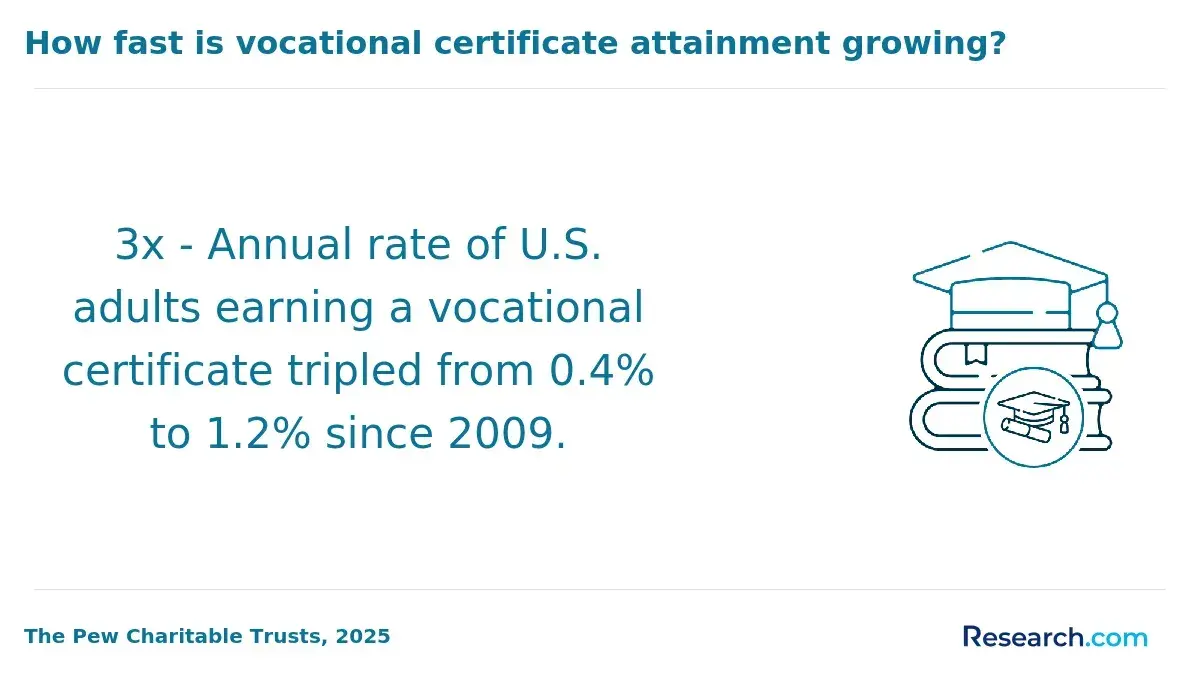
Most online business communications bachelor’s degrees require a 120-credit curriculum and are designed to take four years of full-time study. Part-time students usually take longer, while students with transfer credits, prior learning credit, or year-round enrollment can often finish sooner.
- Standard Duration: A traditional bachelor’s path requires roughly 120 credit hours and is usually completed over four years by full-time students taking semester-based courses.
- Eight-Week Terms: Some schools replace 15-week semesters with eight-week courses. This structure allows motivated students to complete more classes during the year, but the pace can be demanding because assignments and exams arrive quickly.
- Year-Round Enrollment: Students who take courses in fall, spring, and summer can shorten the calendar time to graduation. Western Governors University emphasizes this model and reports average completion times around 2.5 to 3 years for its competency-based business communications degrees.
- Competency-Based Pathways: Competency-based programs allow students to progress by demonstrating mastery rather than spending a fixed amount of time in class. This can benefit adults with professional experience in writing, marketing, supervision, customer relations, or corporate communication.
- Reduced Tuition and Opportunity Costs: Finishing faster can reduce tuition, fees, and the time before a student can qualify for higher-paying roles. However, an accelerated schedule can also increase stress, so students should be realistic about weekly study time.
To graduate faster, start with a transcript review before applying, ask whether the school accepts CLEP, DSST, military training, or prior learning assessments, and map out summer terms in advance. Students should also avoid changing majors late in the program because unused electives and mismatched requirements can add extra semesters.
A working professional who completed an online business communications bachelor’s program described the challenge clearly: “Initially, I was overwhelmed by managing deadlines and work responsibilities simultaneously.” He said that eight-week courses helped him maintain momentum, while the ability to test out of familiar subjects saved both time and money. “Graduating ahead of schedule felt rewarding, knowing I reduced both tuition costs and time away from advancing my career,” he reflected.
Which Online Business Communications Bachelor's Programs Offer the Best Earning Potential After Graduation?
The online business communications bachelor’s programs with the strongest earning potential usually combine three features: accreditation, marketable specialization options, and practical career preparation. A broad communication degree can be useful, but concentrations in strategic communication, digital marketing, corporate communication, organizational communication, or public relations may connect more directly to higher-paying roles.
According to the Bureau of Labor Statistics Occupational Outlook Handbook, roles such as marketing managers, public relations specialists, and corporate communication directors typically earn higher median salaries than generalist communication positions. Programs that build skills in campaign planning, analytics, stakeholder communication, brand strategy, crisis communication, and persuasive writing can help graduates compete for these roles.
Institutional outcomes can also be useful, but students should read them carefully. Ask whether salary data reflects all graduates or only respondents to an alumni survey. Also check whether reported earnings are tied to the business communications major specifically or to a broader schoolwide category.
- Specialization Impact: Concentrations in digital marketing or corporate communication can improve salary potential compared with a broad business communications curriculum because they signal specific job-ready skills.
- High-Paying Roles: Career paths such as marketing manager and public relations director commonly exceed $70,000 annually, according to BLS data.
- Graduate Outcomes: Strategic communication, marketing communication, and organizational communication tracks may produce stronger salary outcomes than general programs when paired with internships, portfolios, or professional experience.
- Program Flexibility: Transfer credits and accelerated course options can shorten time to completion, allowing students to enter or advance in the workforce sooner.
- Accreditation Benefits: Accredited programs with strong career support, internship guidance, and employer connections can improve job placement prospects and long-term earning potential.
For students who want to compare institutional quality across online providers, a broader review of the best online colleges can help identify schools with established online learning infrastructure.
What Financial Aid and Scholarship Opportunities Are Available for Online Business Communications Bachelor's Students?
Online business communications bachelor’s students may qualify for the same major types of aid as campus-based students if they attend an eligible accredited institution. The starting point is the Free Application for Federal Student Aid, commonly known as the FAFSA. FAFSA results determine eligibility for federal grants, federal loans, and many state and institutional aid programs.
Pell Grants are especially valuable because they do not have to be repaid. Reports from the College Board indicate around 38% of undergraduates benefit from Pell Grants. State grants may also be available for resident students enrolled in accredited online programs, although eligibility rules vary by state and institution.
Students should also search for scholarships through their university, communication departments, business schools, professional associations, local civic groups, employers, and nonprofit organizations. Awards from groups such as the International Association of Business Communicators or organizations that support communication education may consider academic achievement, leadership, writing ability, career goals, or community involvement.
- Federal Aid Access: FAFSA can help students qualify for Pell Grants and subsidized loans, making it the first step in most aid strategies.
- State-Based Grants: Many states offer grants for residents attending eligible colleges, including some online programs.
- Targeted Scholarships: Universities and industry associations may offer awards for business communications, public relations, marketing communication, or related majors.
- Employer Tuition Reimbursement: Working adults should ask whether their employer reimburses tuition for job-relevant degrees. Some employers require a minimum grade or continued employment after reimbursement.
- Loan Reduction Strategy: Grants, scholarships, transfer credits, and employer benefits should be used before borrowing whenever possible.
- Growing Online Support: The 2023 Trends in Student Aid report shows an increasing share of online learners receiving financial aid, reflecting expanded resources for remote education.
A graduate who completed her degree while working full time said the financial aid process felt overwhelming at first. FAFSA forms, scholarship deadlines, and employer paperwork required careful tracking. Her advice was direct: “Applying early for every grant and scholarship I qualified for made a huge difference.” She credited her school’s financial aid office with helping her avoid unnecessary borrowing and stay focused on coursework.
How Many Transfer Credits Can Online Business Communications Bachelor's Programs Accept, and From Which Institutions?
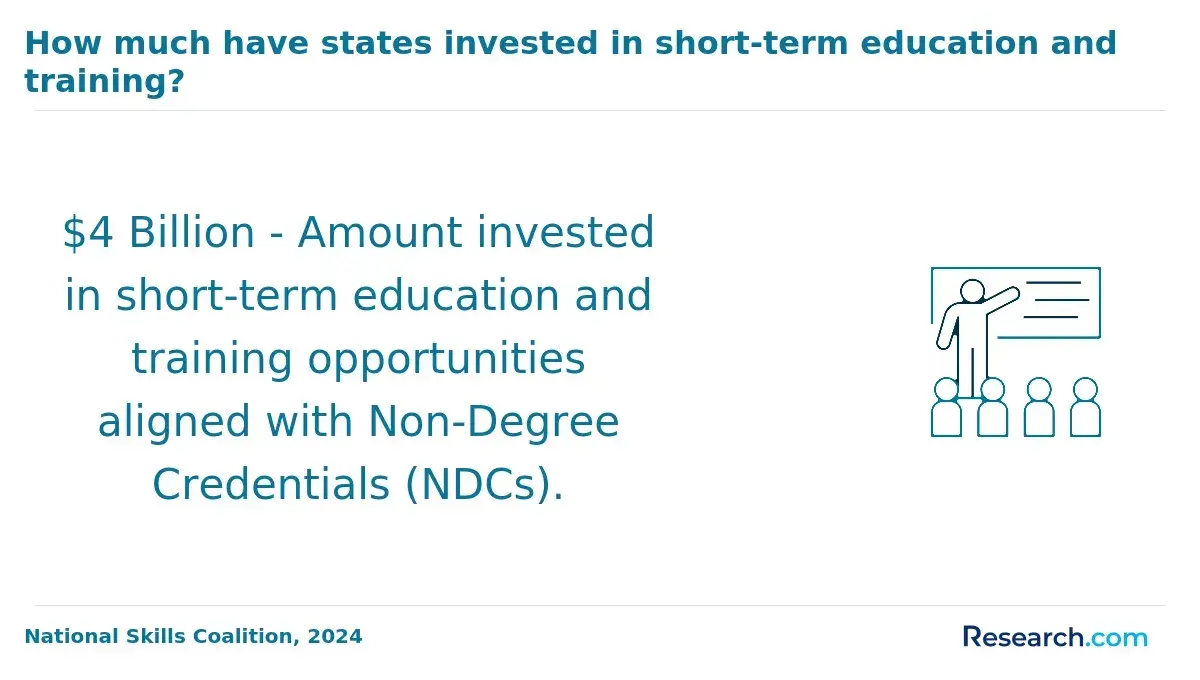
Online business communications bachelor’s programs often accept transfer credits from community colleges, accredited four-year institutions, standardized exams, military training, and approved prior learning sources. Policies vary widely, but some institutions allow students to transfer up to 90 credits. For a 120-credit bachelor’s degree, that can substantially reduce both tuition and time to completion.
Western Governors University and Southern New Hampshire University are known for generous transfer credit policies. Some schools also recognize CLEP exams, military training, workplace learning, professional certifications, and credits recommended by approved evaluators. The University of Maryland Global Campus accepts credits from CLEP tests and military training, which can benefit adult learners and veterans.
Recent data from the National Center for Education Statistics highlights that approximately 40% of students enrolled in online undergraduate programs use transfer credits. That makes transfer policy one of the most important affordability factors in online bachelor’s education.
- Variable Credit Limits: Many programs cap transfer credits between 60 to 90 semester hours. A higher cap can shorten the degree timeline and reduce tuition.
- Community College Credits: Credits from accredited community colleges are often accepted for general education and lower-division requirements, especially when articulation agreements exist.
- CLEP and Military Credit Recognition: Some universities award credit for CLEP exams, DSST exams, military training, and other evaluated learning.
- Articulation Agreements: Formal agreements between community colleges and universities can make transfer smoother by showing exactly which courses apply to the bachelor’s degree.
- Pre-Application Audits: Students should request an unofficial transfer evaluation before enrolling. This helps identify how many credits will apply, which requirements remain, and whether the advertised tuition still makes financial sense.
A common mistake is enrolling before confirming transfer credit. Students should send all transcripts, ask whether credits apply to major requirements or only electives, and confirm the minimum number of credits that must be completed at the new institution.
What Accreditation Should an Online Business Communications Bachelor's Program Have to Ensure Quality and Employer Recognition?
An online business communications bachelor’s program should be offered by an institution with recognized accreditation. Regional accreditation is widely regarded as the strongest standard in the United States because it is broadly accepted by employers, graduate schools, and other colleges that evaluate transfer credits.
Major regional accrediting bodies include the Higher Learning Commission (HLC), the Southern Association of Colleges and Schools Commission on Colleges (SACSCOC), and the New England Commission of Higher Education (NECHE). These organizations review schools for academic quality, faculty qualifications, financial stability, student support, and institutional effectiveness.
Business communications programs usually rely on institutional accreditation rather than specialized programmatic accreditation. Some business-related programs may hold additional programmatic accreditation, but it is less common in business communications specifically. Students should treat programmatic accreditation as a plus, not a substitute for recognized institutional accreditation.
- Regional Accreditation: Regional accreditation supports employer recognition, graduate school eligibility, federal aid access, and transferability of credits.
- Key Accrediting Bodies: HLC, SACSCOC, and NECHE are among the principal agencies associated with reputable institutions offering online programs.
- Programmatic Accreditation: Specialized accreditation may add credibility for some business-related programs, but it is not the primary quality marker for most business communications degrees.
- Risks of Non-Accreditation: Non-accredited programs can create serious problems, including limited transfer options, reduced employer acceptance, and ineligibility for federal financial aid.
- Verification Resources: Students should use the U.S. Department of Education’s public accreditation database to confirm a school’s status before applying.
Online delivery itself is not the issue. Over 45% of higher education students in the U.S. have taken at least one online course recently, showing that online learning is now common. The key question is whether the institution is properly accredited and whether the online program provides the same academic credibility and support expected from the school.
What Are the Admission Requirements for the Cheapest Online Business Communications Bachelor's Programs?
The cheapest online business communications bachelor’s programs usually have accessible admission requirements, especially when designed for working adults, transfer students, or first-generation college students. Most require a high school diploma or GED. Many also ask for a minimum GPA, commonly in the 2.0 to 2.5 range on a 4.0 scale, although open-admission or rolling-admission schools may offer more flexibility.
SAT and ACT scores are increasingly optional or not required for online bachelor’s programs. This can help adult learners who completed high school years ago or students whose academic record is stronger than their standardized test performance. Some selective programs may still request a higher GPA, personal statement, resume, or letters of recommendation.
Students who do not meet standard admission criteria still have options. They can complete community college courses, improve their GPA, document relevant work experience, or apply through a conditional admission or pathway program. Applicants with professional experience in customer service, sales, office administration, marketing, human resources, or communications should highlight that experience because it may show readiness for the major.
- High School Diploma or GED: This is the baseline requirement for most bachelor’s programs and shows readiness for college-level study.
- Minimum GPA Requirements: Many programs ask for a 2.0 to 2.5 GPA, while open-admission schools may provide additional entry routes.
- Test Policies: Many affordable online degrees are test-optional or test-blind, reducing barriers for adult and nontraditional students.
- Admission Flexibility: Rolling admission and multiple start dates can help working students begin when their schedule allows.
- Strengthening Applications: Relevant coursework, work experience, a focused personal statement, and improved grades in recent classes can help applicants who fall below preferred criteria.
Students considering adjacent business pathways can also compare affordable options such as online real estate degrees, especially if their goals involve sales communication, client relations, property marketing, or business development.
What Concentrations or Specializations Are Available Within Affordable Online Business Communications Bachelor's Degree Programs?
Affordable online business communications bachelor’s programs may offer concentrations that help students tailor the degree to a specific career path. The best specialization depends on the type of work a student wants after graduation: internal communication, public relations, digital marketing, leadership communication, healthcare communication, technical writing, or content strategy.
- Corporate Communications: This track prepares students for roles such as internal communications manager, public relations specialist, and corporate messaging coordinator. The BLS reports steady demand with median wages ranging from $60,000 to $75,000 annually, influenced by experience and location. Certifications in public relations or crisis management can further enhance career opportunities.
- Digital Media and Content Strategy: This specialization focuses on social media, content planning, campaign messaging, audience analysis, and digital marketing communication. It can support roles in marketing communications or brand management. High demand exists due to digital proficiency needs, with median salaries between $55,000 and $70,000. Certifications in digital marketing tools can add a competitive edge.
- Organizational Leadership and Development: This track emphasizes communication inside organizations, including leadership messaging, change management, team communication, and employee engagement. It often connects to human resources or organizational development roles. Median salaries tend to surpass $70,000, and additional certifications such as SHRM-CP may be necessary.
- Health Communications: This concentration prepares students to communicate clearly in healthcare, public health, patient education, nonprofit, and health advocacy settings. Health communication specialists earn median wages between $60,000 and $75,000, often requiring certifications related to public health or health communication.
- Technical Communication: This pathway focuses on explaining complex information clearly through manuals, documentation, training materials, user guides, and user experience content. Median pay is about $75,000, with certifications like the Certified Professional Technical Communicator (CPTC) providing an advantage.
Students should choose a concentration based on job postings in their target market, not only on personal interest. Review required skills, preferred software, portfolio expectations, and certification requirements before committing. Students who want a lower-cost starting point may also explore associate degrees online before transferring into a bachelor’s program.
Can Students Earn College Credit Through CLEP, DSST, or Prior Learning Assessments in Online Business Communications Bachelor's Programs?
Yes. Many online business communications bachelor’s programs allow students to earn or apply credit through CLEP, DSST, prior learning assessments, military training, workplace learning, professional certifications, and portfolio evaluation. These options can reduce tuition and shorten the path to graduation, especially for adults who already have college-level knowledge from work or previous study.
CLEP and DSST exams allow students to demonstrate knowledge in approved subject areas instead of taking certain introductory courses. The American Council on Education (ACE) supports many programs by validating credits from military training and workplace learning, helping institutions evaluate whether nontraditional learning should count toward degree requirements.
Thomas Edison State University and Excelsior College are known for accommodating prior learning assessment policies, accepting up to 90 credits from documented prior learning such as professional certifications and portfolios. Students should still verify how those credits apply to their specific business communications degree plan because some credits may count only as electives.
- Exam-Based Credit: CLEP and DSST can help students bypass eligible general education or lower-level courses by proving subject mastery.
- ACE Validation: ACE credit recommendations can support recognition of military, workplace, and professional training.
- Generous PLA Policies: Some affordable programs accept substantial prior learning credit, with certain institutions allowing up to 90 credits toward degree requirements.
- Documentation Importance: Students should keep certificates, training records, job descriptions, work samples, performance evaluations, and portfolios to support PLA review.
- Cost and Time Efficiency: Credit by exam and prior learning assessment can lower total tuition, reduce repeated coursework, and accelerate completion.
Before paying for an exam or portfolio review, students should confirm the school’s credit policy in writing. Important questions include the maximum number of credits accepted, whether credits apply to major requirements, whether there are evaluation fees, and whether transfer or PLA credits affect financial aid enrollment status.
What Is the Return on Investment (ROI) of Earning a Cheap Online Business Communications Bachelor's Degree?
The ROI of a cheap online business communications bachelor’s degree depends on total cost, time to graduation, debt, salary after graduation, and whether the degree helps the student qualify for better roles. A lower tuition program can improve ROI by reducing debt, but only if the program is accredited and aligned with career goals.
ROI in higher education is commonly evaluated by comparing the total cost of the degree with expected earnings over time. One basic approach is to subtract tuition, fees, and related expenses from projected lifetime income, then divide by the total cost to express the return as a percentage or ratio. Research from the Georgetown University Center on Education and the Workforce and Payscale College ROI data provide authoritative salary benchmarks, showing that graduates of affordable online business communications programs frequently earn starting salaries above $50,000.
Compared with an average bachelor’s degree, a low-cost online business communications degree can produce stronger ROI when it leads to roles in corporate communications, marketing management, public relations, digital strategy, or organizational communication. The financial return is strongest when students minimize unnecessary credits, use financial aid wisely, avoid excessive borrowing, and graduate quickly enough to benefit from higher earnings sooner.
- Calculation Method: ROI compares total education costs with estimated earnings, giving students a practical way to judge whether the degree is likely to pay off.
- Benchmarked Earnings: Data shows business communications graduates often start with salaries exceeding $50,000, supporting stronger ROI compared with broader bachelor’s degree outcomes.
- Cost Efficiency: Affordable online programs costing under $20,000 reduce debt and increase net financial benefits over a career span.
- Career Longevity Benefits: Promotions, specialization, certifications, and experience can improve 10- and 20-year ROI.
- Program Quality Factors: Accreditation, transfer credit flexibility, career services, and relevant concentrations can affect both cost and earnings potential.
Students should be cautious with ROI claims that sound too precise. Salaries vary by location, experience, industry, employer, and specialization. A practical ROI review should compare the exact program cost after aid with realistic job postings in the student’s target region or remote-work market.
What Graduates Say About Earning the Cheapest Online Business Communications Bachelor's Degree That Pays Well
- : "“I chose the online business communications bachelor's degree program because of its flexibility, allowing me to balance work and study without compromising either. The affordability was a huge factor, as it offered excellent value compared to traditional programs. Since graduating, I've noticed a significant boost in my confidence and effectiveness at work, which has opened doors to leadership opportunities.” Isabel"
- : "“Reflecting on my experience, the decision to pursue an online business communications bachelor's degree was driven by the program's practical curriculum that aligned perfectly with my career goals. The cost was reasonable, and I appreciated not having to relocate or spend extra on commuting. Professionally, it sharpened my communication skills and expanded my network, making me more competitive in today's job market.” Zamir"
- : "“From a professional standpoint, enrolling in the online business communications bachelor's degree program was a strategic move to enhance my resume and skill set. I valued how cost-effective the program was, which minimized financial strain while providing quality education. Ultimately, completing the program has been transformative, enabling me to transition into a corporate role that demands clear and persuasive communication daily.” Mildred"
Other Things You Should Know About Business Communications Degrees
In 2027, start by researching universities that provide flat-rate tuition for all online learners, regardless of residency. Schools like Southern New Hampshire University and Western Governors University often offer affordable tuition structures that benefit students from any state.
Students should look for programs accredited by recognized bodies such as the Accreditation Council for Business Schools and Programs (ACBSP) or the Association to Advance Collegiate Schools of Business (AACSB) for quality assurance in 2027. Accreditation ensures program credibility and can impact future job prospects.
Graduates of online business communications bachelor's programs in 2027 can typically secure entry-level positions like Marketing Coordinator, Public Relations Specialist, Communications Technician, and Sales Representative. These roles often prioritize strong communication skills and may be offered by a range of industries, including media, corporate, and non-profit sectors.
The cost per credit hour for affordable online business communications degrees generally falls below the national average of $300 to $400. Many accredited programs charge between $150 and $300 per credit hour, making them accessible to working professionals seeking value. Lower tuition does not necessarily reflect quality; many high-caliber programs maintain competitive pricing through state support or efficient online delivery methods.
References
- Benefits of an Online Business Degree – Faulkner University https://www.faulkner.edu/news/the-benefits-of-earning-an-online-business-degree/
- Stevenson University https://www.stevenson.edu/online/about-us/news/how-long-does-it-take-to-get-a-business-degree-online/
- What Is the ROI of an Online Business Degree? https://www.collegetransitions.com/blog/what-is-the-roi-of-an-online-business-degree/
- Accreditation Office Hours https://acbsp.org/
- Online BA in Communication | UT San Antonio Online https://online.utsa.edu/programs/undergraduate/communication/
- Average Cost of Online College [2025]: Yearly Tuition + Fees https://educationdata.org/average-cost-of-online-college
- Bachelor of Communications Scholarships https://teach.com/online-ed/communications-degrees/online-bachelor-communications/bachelors-communications-scholarships/
- Business Communication | College Course for European University of Lefke https://www.transfercredit.org/course/european-university-of-lefke/business-communication
- CLEP and DSST Exams https://www.frontrange.edu/student-experience/academic-support/testing-centers/clep-dsst.html
- The Importance of Accreditation for Online BBA Degree Programs https://www.dypatilonline.com/blogs/the-importance-of-accreditation-for-online-bba-degree-programs