2027 How Fast Can You Earn an Online Business Communications Bachelor's Degree? Timelines & Completion Options

Co-Founder and Chief Data Scientist
If you are considering an online business communications bachelor's degree, the main timing question is not just “How many years will this take?” It is “Which program format fits my credits, schedule, budget, and career goals without creating avoidable delays?” Most programs require roughly the same academic foundation as campus-based bachelor's degrees, but online formats can differ sharply in course length, start dates, transfer policies, and workload expectations.
For working adults, parents, military learners, and transfer students, those details matter. Approximately 35% of online learners in business-related fields complete their degrees within three years, which shows that faster completion is possible for some students. However, acceleration usually depends on entering with prior credits, taking courses year-round, maintaining a heavier course load, or choosing a program built for shorter terms.
This guide explains the common timelines for an online business communications bachelor's degree, how accelerated and part-time paths compare, what can shorten or lengthen completion, and how to evaluate whether finishing faster is actually the best choice for your time, finances, and career plans.
Key Things to Know About Online Business Communications Bachelor's Degree Timelines & Completion Options
- Many online business communications bachelor's programs offer flexible scheduling, allowing students to balance work or personal commitments while progressing at their own pace.
- Accelerated formats can reduce degree completion to as little as two to three years by featuring shorter terms and increased course loads.
- Credit transfer options from prior college coursework or professional certifications can significantly shorten program length, sometimes by up to one year.
What Is the Typical Timeline for an Online Business Communications Bachelor's Degree?
The typical online business communications bachelor's degree takes about four years for a full-time student who starts without transfer credits and follows a standard undergraduate course sequence. Most programs require roughly 120 to 130 credit hours, including general education courses, business core classes, communications major requirements, and electives.
According to data from the National Center for Education Statistics, the average online business communications degree completion time for full-time students is approximately 4.5 years. That average reflects real-world factors such as changed majors, breaks in enrollment, part-time terms, repeated courses, and limited course availability.
A student taking about 15 credit hours per semester is generally positioned to finish within the traditional four-year timeline. Students who take fewer credits, stop out temporarily, or delay prerequisite courses may need longer. Students who bring in approved transfer credits, enroll in summer terms, or choose accelerated sessions may finish sooner.
What the four-year path usually looks like
- Year 1: General education, college writing, introductory business, and basic communication courses.
- Year 2: Business foundations, public speaking or professional communication, statistics or quantitative reasoning, and lower-division electives.
- Year 3: Major coursework in business communication, digital communication, organizational communication, marketing communication, and writing for professional settings.
- Year 4: Advanced electives, capstone projects, internships if offered, and final major requirements.
Students comparing timelines should check not only advertised program length but also credit requirements, term structure, and whether all required courses are available online when needed. Those looking broadly at shorter education-to-career routes may also find context in guides to quick online degrees that pay well.
What Are Accelerated Online Business Communications Bachelor's Degree Programs?
Accelerated online business communications bachelor's degree programs are designed to help students complete degree requirements faster than the traditional four-year timeline. Many condense coursework into shorter terms, offer year-round enrollment, or allow students with transfer credits to move quickly through upper-division requirements. A common accelerated range is often between two and three years, depending on the student's starting credits and course load.
These programs are not necessarily easier. In most cases, they cover the same credit requirements in less calendar time, which means students need stronger planning, faster turnaround on assignments, and fewer interruptions between terms.
Common features of accelerated programs
- Condensed course schedules: Courses may run in 8- or 10-week sessions instead of typical 15-week semesters, allowing students to complete more courses across the year.
- Year-round pacing: Students may take courses in fall, spring, summer, and short intersession terms to avoid long academic breaks.
- Heavier workload: Accelerated formats often require multiple assignments, readings, discussions, and projects in a compressed period.
- Flexible online delivery: Asynchronous coursework can help students study around work schedules, though deadlines still apply.
- Transfer-friendly design: Some accelerated programs are especially practical for students who already hold associate degree credits or substantial prior college coursework.
Who should consider an accelerated path?
An accelerated program may fit students who can commit regular weekly study time, already have strong writing skills, and are comfortable managing overlapping deadlines. It may be less suitable for students with unpredictable work schedules, heavy caregiving responsibilities, or limited recent academic experience.
Before enrolling, compare total tuition, transfer credit rules, course rotation, and student support. Students evaluating business-related online options may also want to compare formats and affordability across the best online business schools. For broader return-on-investment context, lists of the most lucrative college majors can help frame how business communications compares with other undergraduate choices.
Can I Transfer Credits to an Online Business Communications Bachelor's Degree?
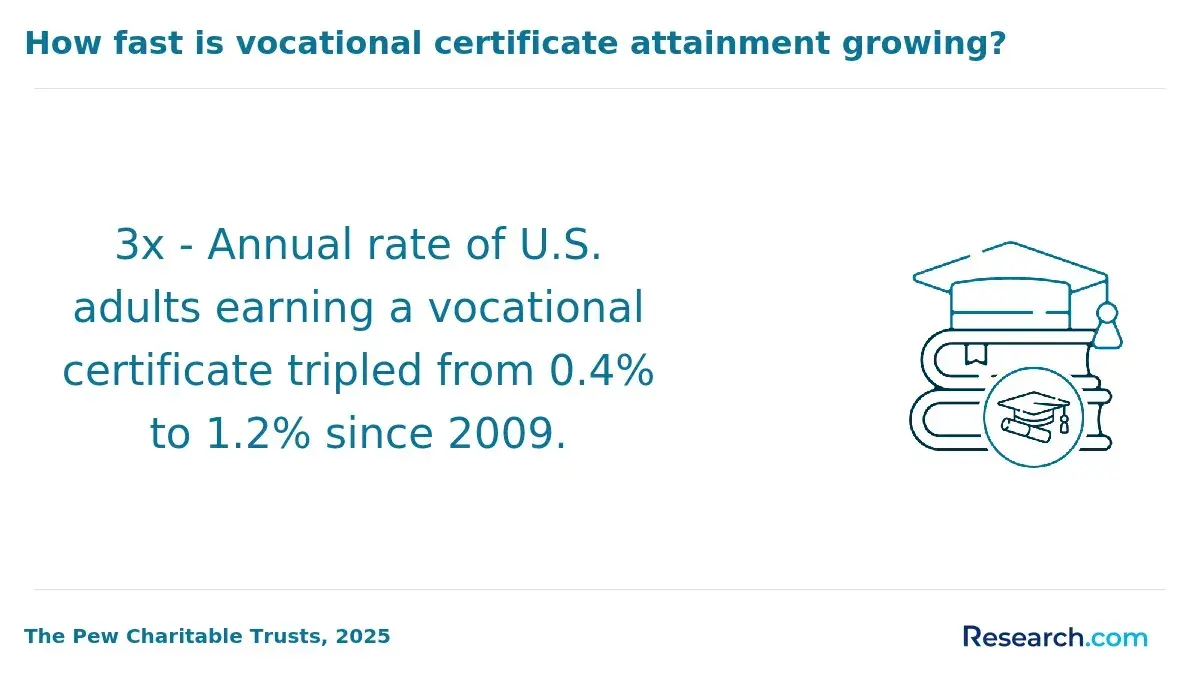
Yes. Many online business communications bachelor's degree programs accept transfer credits, and doing so can significantly shorten the time to graduation. Nearly 38% of online students take advantage of credit transfer to advance their studies. The exact benefit depends on how many credits the school accepts and whether those credits apply to general education, major, elective, or prerequisite requirements.
Transfer credit is one of the most important timeline factors for adult learners, community college graduates, and students returning after time away. However, credits are not automatically accepted just because they appear on a transcript.
What schools usually review
- Institutional accreditation: Credits typically need to come from regionally accredited institutions. Credits from non-accredited schools or certain vocational programs may not transfer.
- Course match: The receiving school compares course descriptions, syllabi, learning outcomes, and credit levels to its own requirements.
- Grades earned: A minimum grade threshold, often a C or better, is commonly required for acceptance.
- Credit age: Some business, technology, or digital communication courses may face limits if the content is considered outdated.
- Maximum transfer allowance: Many schools cap transfer credits around 60 to 90 semester hours, meaning students must complete a required number of credits at the degree-granting institution.
Credits that may transfer
- General education courses such as English, math, social sciences, and humanities.
- Introductory business courses in management, marketing, accounting, or economics.
- Communication-related courses in public speaking, writing, media, or organizational communication.
- AP credits, military training, and CLEP exam credits, depending on institutional policy.
Ask for an official transfer evaluation before you commit to a program. An unofficial estimate can be useful early in the search, but the official evaluation determines your actual remaining credits and graduation timeline.
Discussing credit transfer with a recent graduate of an online business communications bachelor's degree revealed the practical side of the process. He said he was initially unsure which courses from his previous college would count and found the waiting period stressful.
“It took patience to gather course descriptions and transcripts,” he recalled. In the end, transferring credits “saved me almost a year,” allowing him to move into advanced coursework without repeating material he had already completed.
Which Is Faster: Self-Paced or Scheduled Online Business Communications Bachelor's Degree?
Self-paced programs can be faster for highly disciplined students, while scheduled programs are often more predictable. In general, self-paced formats may lead to an average completion time of 3 to 4 years, while scheduled programs generally follow a fixed 4-year schedule. The better choice depends on how well you manage time without frequent external deadlines.
Self-paced online programs
- Best for: Students who can study independently, set weekly goals, and finish assignments without regular class meetings.
- Speed advantage: Motivated students may move through courses more quickly when they already understand some material or can devote extra weekly hours.
- Main risk: Without fixed pacing, procrastination can extend the timeline. Self-paced does not automatically mean accelerated.
- Student profile: Strong self-management, reliable study blocks, comfort with online platforms, and limited need for live instruction.
Scheduled online programs
- Best for: Students who benefit from deadlines, instructor pacing, peer interaction, and a clear academic calendar.
- Speed advantage: Scheduled programs reduce uncertainty by showing exactly when required courses begin and end.
- Main risk: Students may have to wait for the next term if they miss a course, fail a prerequisite, or need to reduce their load.
- Student profile: Working adults, parents, and learners who need predictable weekly expectations.
If your top priority is speed, ask each school whether self-paced courses have maximum completion periods, how quickly faculty grade assignments, and whether required upper-level courses are available on demand. If your priority is consistency, a scheduled program may be the safer path. Students building complementary business skills may also explore bookkeeping certification options alongside a communications degree.
How Long Does a Part-Time Online Business Communications Bachelor's Degree Take?
A part-time online business communications bachelor's degree usually takes longer than a full-time path. On average, part-time learners complete their degrees in about six years, although the exact timeline depends on transfer credits, credits taken per term, course availability, and whether the student enrolls during summer or short sessions.
Part-time study is common among students who work full time, care for family members, or need to manage tuition costs one term at a time. The trade-off is time. A lighter course load can reduce weekly stress but may extend graduation and delay the point at which the degree can support a career move or promotion.
When part-time study makes sense
- You cannot reliably commit to full-time weekly study hours.
- Your employer offers tuition assistance that is paid term by term.
- You need to maintain income, benefits, or caregiving responsibilities while enrolled.
- You are returning to college after a long break and want to rebuild academic confidence gradually.
How to keep a part-time path from stretching too long
- Take at least one required course every term when possible.
- Use summer or short-term sessions for general education or elective requirements.
- Meet with an academic advisor before each registration period.
- Prioritize prerequisites so advanced business communications courses are not delayed.
When asked about her journey, a graduate of an online business communications bachelor's degree program said managing work, childcare, and studies was challenging but realistic with planning. She felt overwhelmed at first, but consistent scheduling and realistic course loads helped her continue making progress.
“It wasn't always easy,” she reflected, “but knowing I could adjust my course load when needed made it possible to keep moving forward.” Her experience shows that part-time study requires patience, but it can be the most sustainable route for students with demanding lives outside school.
What Affects the Timeline of an Online Business Communications Bachelor's Degree?
The timeline for an online business communications bachelor's degree is shaped by more than the advertised program length. Two students in the same program can finish at different times because of transfer credits, enrollment intensity, term structure, course sequencing, and personal obligations.
- Enrollment status: Full-time students usually move faster by taking a consistent course load each term. Part-time learners often need more time because they take fewer credits while balancing work, family, or other responsibilities.
- Transfer credits: Approved prior college credits can reduce the number of courses still required. The biggest time savings usually come when credits apply directly to general education or major requirements.
- Course availability: Some programs offer required courses every term, while others rotate them. If a key course is offered only once a year, missing it can delay graduation.
- Prerequisite sequencing: Business and communications courses may need to be taken in order. Delaying a prerequisite can block access to upper-level classes.
- Program format: Traditional semesters, 8-week sessions, competency-based models, and self-paced structures all create different timing options and risks.
- Personal commitments: Work hours, caregiving, health, military service, and financial pressures can affect how many courses a student can complete successfully.
- Academic performance: Failing, withdrawing from, or repeating courses can add time and cost. A sustainable pace is often faster in the long run than overloading and falling behind.
- Multiple start dates: Programs with frequent starts can reduce waiting time and help students maintain momentum between courses.
The most practical way to estimate your timeline is to request a degree plan before enrolling. It should show remaining credits, required courses, term-by-term sequencing, and the earliest realistic graduation date based on your intended course load.
What Is the Workload for an Online Business Communications Bachelor's Degree?
Most students in an online business communications bachelor's degree should expect approximately 15 to 20 hours each week for coursework, though the exact workload depends on course load, term length, writing requirements, and project intensity. Accelerated courses can require the same amount of work in fewer weeks, making weekly demands feel much heavier.
Business communications programs are writing- and project-intensive. Students are often evaluated on clarity, audience awareness, research quality, persuasive messaging, presentation skills, collaboration, and professional tone.
Common workload expectations
- Reading and lectures: Students review communication theory, business cases, workplace writing models, and digital media concepts.
- Writing assignments: Coursework may include memos, reports, proposals, communication audits, executive summaries, and campaign materials.
- Presentations: Students may record speeches, create slide decks, or present communication plans through video tools.
- Discussion participation: Online programs often require discussion board posts, peer responses, group feedback, or live virtual sessions.
- Group projects: Because business communication is collaborative, some courses include team-based deliverables that require coordination across schedules.
- Research and revision: Strong assignments usually require drafting, editing, source evaluation, and formatting—not just first-pass writing.
How to judge whether the workload is manageable
Before choosing a course load, look at your fixed weekly obligations and identify realistic study blocks. A flexible online program still requires consistent work. Students who succeed typically build a weekly routine, start writing assignments early, and avoid taking multiple writing-heavy courses during the same compressed term unless they have enough time to support that pace.
Do Multiple Start Dates Help Me Finish an Online Business Communications Bachelor's Degree Faster?
Multiple start dates can help students finish an online business communications bachelor's degree faster, but usually indirectly. They reduce waiting time, make it easier to begin soon after admission, and help students continue into the next course or term without long breaks.
Approximately 65% of online degree programs provide rolling or multiple-term start options. For online learners with work or family responsibilities, this flexibility can make enrollment more practical because students are not limited to one fall or spring entry point.
Multiple start dates are most useful when paired with frequent course availability. If a program lets students start often but offers required major courses only once or twice a year, the timeline benefit may be limited. The key question is not only “When can I start?” but also “Will the courses I need be available when I need them?”
How multiple starts can support faster progress
- They reduce idle time between admission and the first class.
- They allow students to resume quickly after a short break.
- They make it easier to add summer, intersession, or short-term credits.
- They help transfer students enter at a point that matches completed prerequisites.
- They can prevent delays when a student needs to retake or replace a course.
Students interested in faster graduate-level options after completing a bachelor's degree may also compare formats such as a 6 month master's degree online, but for a bachelor's program, multiple start dates mainly help maintain steady progress rather than guaranteeing early graduation.
Is It Cheaper to Complete an Online Business Communications Bachelor's Degree Faster?
Completing an online business communications bachelor's degree faster can be cheaper, but it is not always cheaper for every student. The average per-credit tuition for online business-related programs ranges from $350 to $500, so the biggest cost driver is usually the number of credits required. Speed affects total cost most when it reduces term-based fees, housing or commuting costs, delayed earnings, or time away from higher-paying work.
However, accelerated study can also create financial pressure. Taking more courses at once may reduce the hours you can work, limit internship availability, or increase the risk of dropping or repeating a course. A faster plan is only cost-effective if it is academically and financially sustainable.
Cost factors to compare
- Tuition structure: Per-credit programs charge based on credits attempted, while some term-based models may reward students who complete more credits within a set period.
- Term-based fees: Technology, registration, and activity fees may be charged each term. Fewer terms can reduce these recurring costs.
- Transfer credits: Accepted credits can lower both cost and time by reducing the number of courses left to complete.
- Financial aid rules: Enrollment intensity can affect eligibility, disbursement timing, and satisfactory academic progress requirements.
- Lost income: A heavier course load may reduce work hours, which can offset tuition savings.
- Repeat risk: Overloading can become expensive if it leads to withdrawals, failed courses, or delayed graduation.
To estimate the real cost, compare total remaining credits, per-credit tuition, required fees, books or course materials, and expected income changes while enrolled. Students comparing cost and pacing across online fields may also find useful context in guides to online graphic design programs.
How Can I Complete an Online Business Communications Bachelor's Degree Faster?
You can complete an online business communications bachelor's degree faster by combining transfer credits, careful course sequencing, year-round enrollment, and a realistic but steady course load. Research shows that careful planning and scheduling can reduce completion time by up to 25%, allowing many to finish in about three years instead of the usual four.
The goal is not simply to take as many courses as possible. The better strategy is to remove avoidable delays while protecting your grades, financial aid eligibility, and ability to complete writing-heavy assignments well.
Practical ways to shorten your timeline
- Request a transfer evaluation early: Send official transcripts from every prior institution and ask how each accepted credit applies to the degree.
- Choose a program with frequent course availability: Confirm that required business communications courses are offered often enough to support your target graduation date.
- Take a consistent course load: Staying enrolled each term prevents gaps that can stretch the degree over extra years.
- Use summer and intersession terms: Short sessions can help you complete general education, electives, or prerequisites outside the standard academic year.
- Prioritize prerequisites: Complete foundational courses early so you are not blocked from upper-level requirements later.
- Consider accelerated sessions carefully: 8- or 10-week courses can speed progress, but they require disciplined weekly study time.
- Avoid unnecessary withdrawals: A manageable schedule is often faster than an overloaded schedule that leads to repeated courses.
- Meet with an advisor regularly: Review your degree audit before registration and confirm that each course moves you closer to graduation.
Students with substantial prior credits should ask whether the program has residency requirements, maximum transfer limits, or capstone sequencing rules. These policies can affect the fastest possible completion date even when many credits transfer.
What Graduates Say About Online Business Communications Bachelor's Degree Timelines & Completion Options
- Sylvia: "Choosing an online business communications bachelor's program was essential for me because of the flexibility it offered around my full-time job. The cost was surprisingly affordable compared to traditional programs, which made it easier to commit financially. Completing the degree opened new doors in my marketing career much faster than I expected, and I feel more confident leading team projects now."
- Carley: "Reflecting on my experience, the biggest draw to the online business communications bachelor's program was the ability to complete courses at my own pace, which was crucial given my family commitments. The timeline was very manageable, allowing me to balance work and study without feeling overwhelmed. Ultimately, earning this degree has significantly boosted my professional credibility and helped me secure a management role in corporate communications."
- Addison: "From a professional standpoint, I needed a program that respected the value of accelerated completion options, and the online business communications bachelor's degree delivered just that. The affordability was another key factor, especially with the option to pay per course. Finishing the program not only enhanced my communication skills but also led to a salary increase and better opportunities in public relations."
Other Things You Should Know About Business Communications Degrees
Yes, online business communications bachelor's degrees from accredited institutions are widely recognized by employers. The quality and rigor of these programs are comparable to traditional on-campus degrees, especially when offered by regionally accredited schools. Graduates typically gain the same skills and knowledge needed for careers in marketing, public relations, corporate communications, and related fields.
Students generally need a reliable computer, stable internet access, and updated software such as word processors and presentation tools. Some programs might require specific platforms for video conferencing or learning management systems. Additionally, familiarity with digital communication tools and collaboration technologies is beneficial for timely course completion.
In 2027, accelerated completion options for an online Business Communications Bachelor's Degree often include condensed courses, transfer credits, and prior learning assessments. These options can potentially reduce the time to graduation from the typical 4 years to 18-24 months, depending on the student's pace and chosen program structure.
Yes, online business communications programs are designed to accommodate working adults, offering flexible schedules and asynchronous courses. While it is possible to work full-time, balancing work and study requires discipline and good time management. Many students choose part-time enrollment or extended timelines to maintain a manageable workload.
References
- Stevenson University https://www.stevenson.edu/online/about-us/news/how-long-does-it-take-to-get-a-business-degree-online/
- 5 Myths about earning an online communications degree — Busted https://www.boisestate.edu/online/2026/01/06/5-myths-about-earning-an-online-communications-degree-busted/
- The Evolution of Business Communication https://online.hilbert.edu/blog/evolution-of-business-communication/
- Online Communication Degree https://www.snhu.edu/online-degrees/bachelors/ba-in-communication
- 7 Factors That Affect Online Business in the Start Up Phase - Eaton Business School https://ebsedu.org/blog/factors-affect-online-business-start-phase/
- What to do after a Bachelor's degree in communication? https://www.ipag.edu/en/blog/what-do-after-bachelors-degree-communication
- Online Bachelor’s in Communication Programs in 2025 https://www.mastersincommunications.org/bachelors/online/
- A Bachelor’s degree is the first step towards a career in business communication | University Canada West (UCW) https://www.ucanwest.ca/blog/education-careers-tips/a-bachelors-degree-is-the-first-step-towards-a-career-in-business-communication
- Strategic Communications (BA) https://www.uagrantham.edu/online-degrees/strategic-communication-bachelor-of-arts/
- B.Sc Degrees Online 2025 - Best Course After 12th | Compare Top Programs https://b.sc/blog/transfer-credits-online-degrees-guide