2027 Human Resource Management ROI by Institution Type: Public vs Private vs Nonprofit Online Programs

Co-Founder and Chief Data Scientist
Consider a prospective human resource management student weighing online programs that appear nearly identical yet demand drastically different tuition and yield divergent graduation and employment outcomes. A 2024 study from the National Center for Education Statistics reports that public institution graduates in online business-related fields have a 15% higher completion rate than their private nonprofit counterparts, highlighting how institutional characteristics influence persistence and completion. Yet, private and nonprofit programs often claim superior post-graduation support and networking opportunities that may translate into long-term career value despite higher debt. This article analyzes these tradeoffs, comparing public, private, and nonprofit online human resource management programs to clarify which institution type offers the best ROI based on debt, outcomes, and career support.
Key Things to Know About Human Resource Management ROI by Institution Type
- Public institutions offer lower total costs but often come with extended completion times, exposing students to delayed workforce reentry; this tradeoff impacts ROI by balancing affordability against career interruption risk.
- Private online programs typically benefit from stronger employer perception due to institutional reputation, yet higher student debt levels can offset these gains, influencing long-term financial outcomes for graduates.
- Nonprofit online human resource management programs prioritize flexible schedules and robust learner support services, enhancing access for working adults but sometimes lagging in graduation rates, which can affect timely return on investment.
- Key Things to Know About Human Resource Management ROI by Institution Type Key Things to Know About Human Resource Management ROI by Institution Type
- What Does ROI Mean for a Human Resource Management Program and How Is It Measured? Understanding Human Resource Management Program ROI
- How Do Public, Private, and Nonprofit Online Human Resource Management Programs Differ in Overall Value? Value by Institution Type
- How Do Tuition Costs Affect the ROI of a Human Resource Management Program Across Institution Types? Tuition Costs and ROI
- How Do Graduation Rates Influence Human Resource Management Program ROI? Graduation Rates Impact ROI
- What Role Do Career Outcomes Play in the ROI of a Human Resource Management Degree? Career Outcomes and ROI
- How Does Student Debt Impact the Long-Term ROI of a Human Resource Management Program? Debt vs. Long-Term ROI
- How Do Flexibility and Adult Learner Support Affect Human Resource Management Program Value? Flexibility and Program Value
- How Do Accreditation and Institutional Reputation Influence Human Resource Management ROI? How Do Accreditation and Institutional Reputation Influence Human Resource Management ROI?
- How Does Time-to-Degree Affect the ROI of Public, Private, and Nonprofit Human Resource Management Programs? How Does Time-to-Degree Affect the ROI of Public, Private, and Nonprofit Human Resource Management Programs?
- How Can You Choose the Best Human Resource Management Program Based on Your ROI Goals? Choosing Programs by ROI
What Does ROI Mean for a Human Resource Management Program and How Is It Measured?
Evaluating the return on investment for a human resource management program requires more than tallying tuition against expected salary increases; it involves a comprehensive analysis of total costs, graduation likelihood, and time-to-degree. For working adults weighing public versus private or nonprofit online institutions, the decision hinges on tradeoffs such as lower debt burdens at public schools versus potentially stronger learner support and curriculum specialization in private programs. A student who prioritizes minimizing debt might opt for a public institution where graduates report about 20% less student debt, but this could come at the expense of longer completion times and fewer experiential learning opportunities, which can delay career advancement and reduce effective ROI.
Prospective students should integrate completion rates and institutional reputation into their calculations since a lower-cost program with a 52% graduation rate nationally-per the National Center for Education Statistics- might not yield the same long-term value as a slightly more expensive private program with higher completion and job placement rates. This is especially critical for those balancing education with work and family, where extended time-to-degree translates directly into opportunity costs. Ultimately, how to measure ROI in human resource management education varies by individual goals, financial circumstances, and career plans; for some, investing in a program aligned with industry standards and hands-on experiences, even at a higher price point, delivers stronger professional returns over time. For detailed program options that fit different timelines and budgets, exploring the fastest degree to get online can help clarify choices in relation to ROI.
How Do Public, Private, and Nonprofit Online Human Resource Management Programs Differ in Overall Value?
Public, private, and nonprofit online human resource management programs differ substantially in how they balance cost, support, and reputation, affecting overall student outcomes and long-term value. Public programs generally offer lower tuition due to state subsidies, which can ease immediate financial pressure, but often come with larger class sizes and less personalized advising. Conversely, private programs typically provide stronger career services and smaller cohorts, boosting graduation rates that can reach up to 65%, but this advantage comes with higher tuition and often greater debt burdens. Nonprofit programs tend to fall between these extremes, emphasizing practical skill-building and maintaining regional or national accreditation that enhances credibility with employers, yet they may charge more than public options without the extensive resources available at private institutions.
These variations translate into real tradeoffs for working adults and career changers who must consider not only tuition but also factors like flexibility, time to completion, and support systems that impact employability and debt repayment capacity. For instance, a learner prioritizing affordability and minimal debt might select a public institution despite fewer personalized services, understanding this could slow degree progress or reduce networking opportunities. Meanwhile, students willing to invest more upfront may find private programs' mentorship and job placement efforts justify the cost through faster employment outcomes. Nonprofits balance these concerns by offering recognized accreditation and connections to employers, helping graduates enter the workforce with valued credentials while keeping costs moderate.
One student's experience illustrates these complexities: weighing options, they initially favored a public program for low tuition but hesitated over limited advising and moderate graduation rates. Private programs appeared attractive for their robust career counseling but induced concern over significant debt and higher fees. Ultimately, the student chose a nonprofit online program offering veteran-friendly accreditation and flexible pacing that matched their work schedule, providing a sense of both practical value and long-term ROI without excessive financial strain.
How Do Tuition Costs Affect the ROI of a Human Resource Management Program Across Institution Types?
Tuition costs influence the ROI of human resource management programs in ways that extend beyond simple price tags. Public online programs typically offer lower tuition, especially for in-state students, which can reduce borrowing and shorten repayment timelines, contributing to an overall stronger financial outcome. For example, the National Center for Education Statistics found in 2024 that public programs' net costs after aid are around 40% less than private counterparts. However, this cost advantage may be offset if a public program's graduation rates are lower or if it lacks tailored career support, delaying workforce entry and diminishing the financial benefits.
Private institutions often charge significantly more, but some justify this with enhanced career services, specialized certifications, or alumni networks that can result in higher starting salaries-up to 15% more according to the Georgetown University Center on Education and the Workforce. Yet the increased debt burden from higher tuition can strain graduates if the salary boost does not materialize quickly or consistently. Nonprofit online programs frequently occupy the middle ground on tuition but often offer greater flexibility and support for working adults, which can accelerate completion and reduce lost income periods. Ultimately, the decision hinges on how tuition differences align with individual career goals, the likelihood of timely graduation, and the balance between potential salary gains and student debt sustainability.
How Do Graduation Rates Influence Human Resource Management Program ROI?
Graduation rates are a crucial metric reflecting institutional effectiveness but should be weighed carefully when assessing the return on investment for human resource management programs. Public institutions typically boast lower tuition but face moderate graduation rates, around 62% for four-year programs, which can lengthen time-to-degree and increase overall costs. Conversely, private nonprofit programs often report higher graduation rates near 70% and implement robust academic support services that help working adults persist. Yet, nontraditional student populations in nonprofit online offerings may lower completion statistics without necessarily diminishing the practical career value gained, as flexibility and skill acquisition weigh heavily in workforce relevance.
The interplay between graduation completion and ROI extends beyond mere diplomas; delayed graduation amplifies debt and postpones workforce entry, eroding net returns from education. Institutional differences in student support, affordability, and program design influence these outcomes, requiring prospective students to evaluate tradeoffs aligned with their personal circumstances. Many employers now prioritize demonstrated competencies and real-world experience alongside degree completion, highlighting that graduation rates should not be an isolated decision factor. For those investigating options, including social work masters programs, understanding how these variables affect persistence and financial burden is key to optimizing long-term career and economic prospects.
What Role Do Career Outcomes Play in the ROI of a Human Resource Management Degree?
Career outcomes are a critical determinant of ROI in human resource management degrees, as they directly affect how quickly graduates recoup tuition and debt through gainful employment. Data from the National Center for Education Statistics (2024) shows public online programs yielding an average employment rate of 78% within six months post-graduation, surpassing private and nonprofit counterparts. This early workforce entry is essential because delayed job placement can undermine the financial value of educational investment. Yet, beyond placement rates, factors like employer recognition of credentials, alignment with local labor markets, and access to professional networks shape how well a degree translates into meaningful roles and ongoing career progression.
Public programs tend to leverage stronger industry partnerships that facilitate internships and job pipelines, often benefiting graduates with stable local employment opportunities. Private online degrees may offer more personalized career support, which can accelerate internal promotions and raise job satisfaction despite slightly lower initial placement rates. Nonprofit programs generally emphasize mission-driven skills, sometimes steering graduates toward social impact roles rather than corporate HR positions, which affects earning trajectories and long-term financial outcomes. Thus, choosing between these models requires weighing upfront costs against career mobility realities and sector-specific demand. Certifications earned during study also play a pivotal role, enhancing employability and income potential regardless of institution type.
One recent graduate from a nonprofit online human resource management program described skepticism initially, uncertain if the credential would translate into tangible career advancement. Although initial salary gains were modest and ROI difficult to measure financially, over two years, she experienced steady promotions and increasingly complex responsibilities within her organization. Her employer's recognition of the degree's relevance in her role and access to a specialized alumni network proved pivotal in expanding career options. This experience highlighted that ROI often unfolds gradually and encompasses qualitative factors like internal mobility and skill application, not solely immediate earnings or job placement statistics.
How Does Student Debt Impact the Long-Term ROI of a Human Resource Management Program?
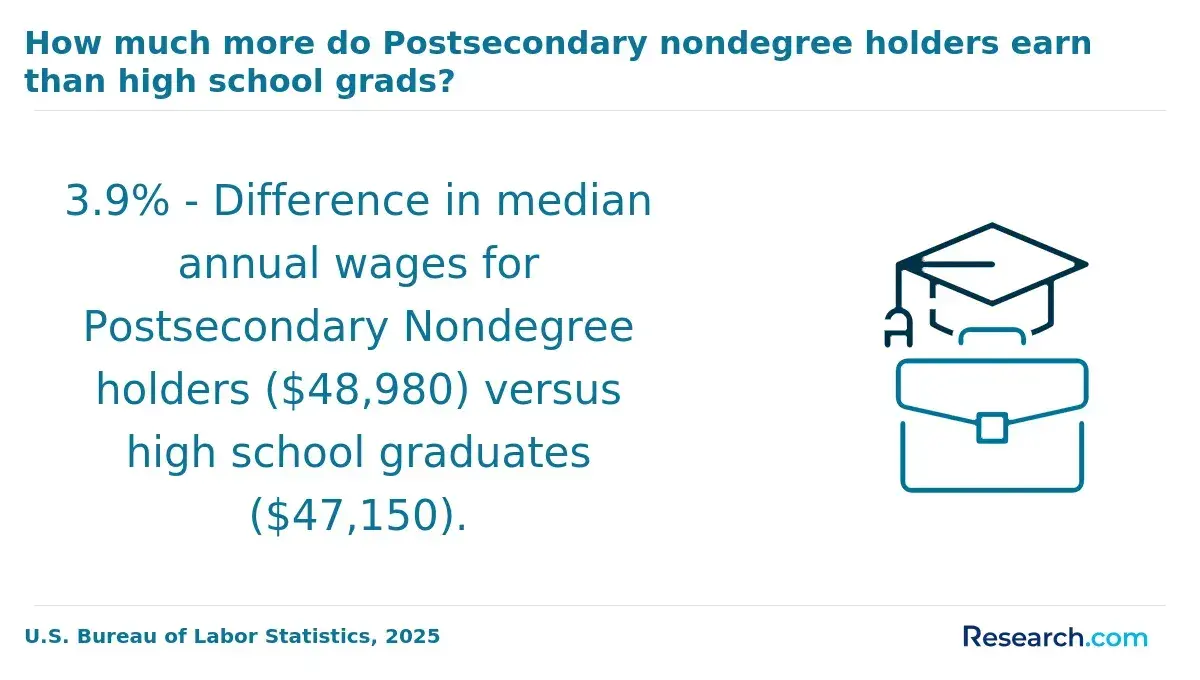
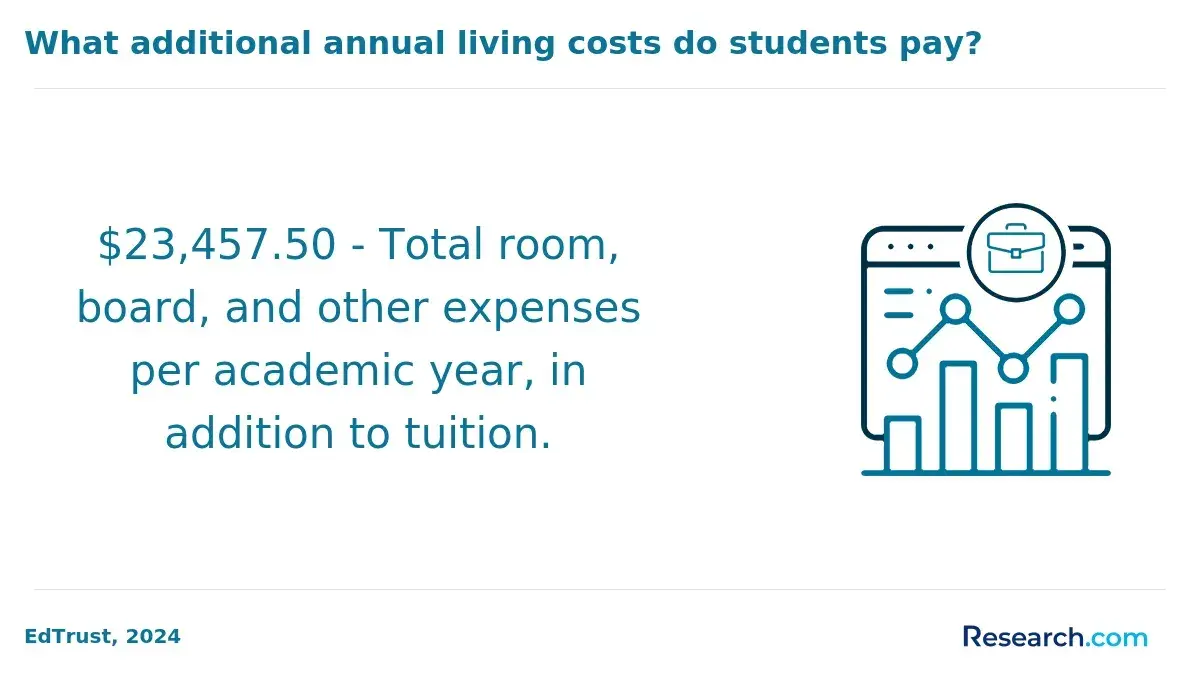
The burden of student debt significantly shapes the long-term return on investment (ROI) for those pursuing human resource management programs, especially online. Borrowing more at private institutions-often 15-20% higher than at public schools-can increase repayment obligations that restrict career flexibility and delay wealth building. For example, a graduate from a private online program carrying high debt may face tougher choices balancing loan payments with job mobility, particularly since HR entry-level salaries commonly range between $50,000 and $65,000. This dynamic illustrates the importance of weighing debt against realistic earning potential when assessing the impact of student loan burden on human resource management career return.
Graduation rates and program completion time further affect this calculation; longer enrollment often results in more borrowing and higher cumulative costs. Public institutions typically see higher completion rates, which may lower overall debt and improve repayment outcomes. Nonprofit schools often fall in between, with moderate tuition but varying aid availability. Delinquency and default rates tend to climb with increased debt levels often seen among private program borrowers, signaling that initial costs do not guarantee better long-term educational value. Prospective students must evaluate financial aid, institutional support, and career prospects alongside tuition to optimize ROI, particularly when considering flexibility and quality in online study options.
Decision-makers should also explore alternatives to traditional programs, including options highlighted in fields related to workforce development, such as online sports degrees, for comparative context. Ultimately, addressing student debt effects on long-term human resource management program roi demands a nuanced approach, balancing borrowing strategies, institutional factors, and the realities of the HR labor market.
How Do Flexibility and Adult Learner Support Affect Human Resource Management Program Value?
Program flexibility and adult learner support directly shape the return on investment in human resource management education by affecting persistence, completion, and real-world applicability. Asynchronous courses and options for part-time enrollment allow working professionals or career changers to continue earning income while studying, reducing opportunity costs. For example, students balancing family or military obligations benefit when institutions provide transfer-friendly policies and accessible faculty outside standard hours, which correlate with notably higher adult learner graduation rates according to recent data from the National Center for Education Statistics.
The impact of these factors varies by institution type and influences net program value beyond sticker price. Public schools tend to offer lower tuition and state-supported services but may struggle to deliver personalized advising due to higher student-to-faculty ratios, potentially extending time-to-degree. Private institutions typically invest more in flexible academic counseling and career resources, which can accelerate job-readiness but often at a higher cost that requires careful financial aid scrutiny. Nonprofit online programs straddle these models, blending flexibility with varied support quality, making it crucial for prospective students to assess how each element affects their ability to complete the degree efficiently while managing debt and timelines.
Understanding these dynamics is essential for working adults and transfer students prioritizing long-term career outcomes in human resource management. Strong support services that address adult learner challenges-such as targeted advising and military-friendly accommodations-directly influence retention and graduation, key predictors of employability and salary growth. However, not all flexibility guarantees better ROI if institutional resources cannot sustain consistent, high-quality support; the nuanced tradeoff between educational cost, time investment, and service accessibility often determines the true value an adult learner will realize from their program choice.
How Do Accreditation and Institutional Reputation Influence Human Resource Management ROI?
Accreditation and institutional reputation shape the practical return on investment for human resource management programs by influencing employer perceptions, transferability of credits, and access to graduate education. Graduates from regionally or programmatically accredited programs, such as those recognized by the Society for Human Resource Management (SHRM) or the U.S. Department of Education, benefit from clearer validation of academic rigor that many employers recognize. This recognition often translates into tangible advantages, as recent data from the National Association of Colleges and Employers indicates that HR graduates from accredited online programs report starting salaries 15-20% higher on average. For a working professional balancing tuition costs and career goals, selecting a program lacking recognized accreditation can limit opportunities for licensure or seamless transfer to advanced degrees, ultimately suppressing long-term earnings potential and career flexibility.
Institutional reputation complements accreditation but carries different implications depending on whether the program is offered by a public, private, or nonprofit institution. Public universities often offer more affordable tuition coupled with broader employer recognition, which can ease debt burdens without sacrificing perceived value in the labor market. Conversely, private schools may provide enhanced student support and career advising but usually at a higher cost, which must be justified by personalized outcomes. Nonprofit online programs may appeal to learners prioritizing mission alignment alongside academic standards; however, their variable reputation means candidates should assess how well such values align with employer expectations. Given that 68% of HR hiring managers prioritize candidates from institutions with reputable accreditation and documented graduation success, adult learners must consider how these factors intersect with affordability, support services, and workforce relevance to optimize their human resource management ROI.
How Does Time-to-Degree Affect the ROI of Public, Private, and Nonprofit Human Resource Management Programs?
Time-to-degree significantly shapes the return on investment in public, private, and nonprofit human resource management online programs by influencing tuition exposure, debt accumulation, and the timing of workforce reentry. For cost-conscious adult learners balancing employment and family, choosing a private or nonprofit program offering accelerated pathways can shorten completion from the typical 4-5 years at public institutions to around 3 years. However, this often comes with increased academic intensity and less scheduling flexibility, potentially heightening short-term financial and workload pressure. Conversely, public programs, which frequently accommodate part-time enrollment and more extensive transfer credit acceptance, may extend timelines but provide greater adaptability for working students aiming to sustain income streams alongside study.
Graduation rates also inform ROI, with data indicating roughly 60% six-year completion at public schools versus over 70% at private and nonprofit institutions. This suggests faster, more structured programs may foster persistence and reduce sunk costs related to extended enrollment. Yet the real-world tradeoff for many learners lies in balancing program rigor with the need for stable employment and family obligations. The degree timeline interacts with opportunity costs-longer enrollment delays career advancement and income gains, while shorter programs demand a pace that not all students can sustain. Transfer credit policies and program support services further impact momentum, affecting whether students can accelerate completion or risk dropout.
Prospective students evaluating human resource management program ROI should weigh these factors in light of practical career goals and financial constraints. For instance, those exploring advanced options like a doctorate without dissertation in the field might find that time-to-degree considerations are equally critical at the graduate level. Ultimately, rather than assuming a faster graduation is universally advantageous, understanding how time-to-degree influences affordability, persistence, and employability will guide better-informed decisions tailored to individual circumstances.
How Can You Choose the Best Human Resource Management Program Based on Your ROI Goals?
The highest ROI in human resource management program ROI comparison hinges less on public, private, or nonprofit labels and more on how individual priorities align with costs, support, and career outcomes. Public institutions often present lower sticker prices and reduced debt burdens but may lack the personalized learner support or specific regional employer networks that private and nonprofit programs emphasize. For a working professional balancing family obligations, the quicker completion rates typical of many public online offerings can minimize time-to-degree and overall financial strain, enhancing short-term ROI despite fewer tailored resources.
Conversely, those pursuing a specialized career path or valuing strong employer connections in certain markets might find better long-term value in private or nonprofit programs, which frequently provide intensive support and targeted networking, though often at higher tuition with longer program durations. Accreditation and institutional reputation remain critical for transferability and employer recognition, especially for those weighing debt against future job placement potential. Evaluating a human resource management program ROI based on such factors-tuition, financial aid, graduation rates, and career services-is essential. In this context, exploring accelerated online MBA programs can offer alternatives that balance speed and ROI for career changers and adult learners seeking cost-effective progress.
References
- Bridging Education and Opportunity: Exploring the ROI of Higher Education and Workforce Development — HCM Strategists https://hcmstrategists.com/resources/ucmfwg7ha7zzeug6nb3dlawh3poziz
- Suscríbete https://newmedia.ufm.edu/video/human-resources-roi-the-business-value-of-hr/
- Public vs. Private Sector: Managing Complexity and Scale in HR Operations https://mybentek.com/public-vs-private-sector/public-vs-private-sector-managing-complexity-and-scale-in-hr-operations/
- HR software ROI: How to build a business case for your SME | PeopleHR https://www.peoplehr.com/en-gb/resources/blog/hr-software-roi/
- Human Resources Management Flexibility as a Driver of Job Satisfaction https://acopen.umsida.ac.id/index.php/acopen/article/view/12965
- Why Study Human Resource Management | HR Certification https://hrcertification.com/blog/importance-of-human-resource-management-biid1000157
- 25 Best Return On Investment Degrees in Human Resource Management (Bachelor's) - Human Resources Degrees https://www.humanresourcesmba.net/best/bachelors-roi/
- Human Capital ROI: Meaning, Formula, and How to Calculate https://www.oakwoodinternational.com/blog/human-capital-roi
- Innovative Human Resource Management Practices at Selected Private Higher Education Institutions in Ethiopia https://acr-journal.com/article/innovative-human-resource-management-practices-at-selected-private-higher-education-institutions-in-ethiopia-1566/
- Graduate careers advice: you and your human resource management degree https://gradireland.com/careers-advice/hr-and-recruitment/graduate-careers-advice-you-and-your-human-resource-management-degree
Other Things You Should Know About Human Resource Management
Yes, workload expectations vary significantly between public, private, and nonprofit online human resource management programs, impacting work-study balance and completion timelines. Public programs often maintain a more standardized curriculum with predictable semester schedules, which can benefit working adults seeking steady pacing. Private programs may demand a faster pace or heavier coursework, potentially accelerating graduation but increasing short-term stress and time investment. Nonprofit programs sometimes offer flexible pacing but may lack structured support, requiring self-discipline that affects timely completion and, consequently, ROI. Prospective students should weigh workload compatibility with their life demands to avoid prolonged time-to-degree and diminished financial benefit.
Employer expectations differ subtly but materially based on institution type, affecting job placement and salary prospects after graduation. Degrees from reputable public institutions are often viewed as reliable foundational credentials, particularly within government and large corporations valuing standardized qualification benchmarks. Private programs, especially those with specialized curricula or strong industry ties, may offer faster pathways to niche HR roles but can be scrutinized for perceived selectivity or cost justification. Nonprofit program graduates sometimes face challenges in markets favoring recognized brand names but can excel where practical skills and mission alignment matter most. Aligning institution type with target employer preferences can optimize ROI by improving hiring outcomes and earning potential.
Cost-conscious students generally benefit more from public programs when prioritizing long-term ROI due to typically lower tuition combined with steadier employer recognition. Nonprofit programs can offer quality education with mission-driven values but often come with less predictable financial aid packages and variable market reputation. Public institutions often provide broader alumni networks and clearer pathways into established HR career tracks, enhancing job market integration. However, nonprofit programs may suit students seeking roles in social impact organizations where sector alignment outweighs pure financial ROI. Ultimately, public programs are more consistently favorable for students emphasizing cost efficiency and broad employability.
Yes, the nature of institutional type influences experiential learning and professional networking, which are critical to long-term ROI in human resource management. Public universities tend to have larger, more diverse cohorts and formal internship arrangements, facilitating extensive professional networks and practical exposure. Private schools may offer smaller classes with personalized attention but less network diversity, relying heavily on targeted industry connections. Nonprofit programs often emphasize cohort collaboration and values-based education, which can foster close-knit networks but may limit broader HR industry access. Choosing an institution type should factor in the importance of professional relationships and applied learning to your career advancement strategy.