2027 Online vs Campus Human Resource Management Outcomes Report: Graduation Rates, Cost, and Career Trade-Offs

Co-Founder and Chief Data Scientist
Adult learners face complex decisions when choosing between online and campus human resource management programs, especially when maximizing transfer credits is crucial. A 2024 report finds that only 62% of transfer credits are accepted on average, significantly extending time to graduation and increasing overall costs. This reflects growing institutional scrutiny and variability in credit evaluations, forcing students to navigate hidden expenses and delayed workforce entry. The trade-offs between flexible online formats and traditional campus programs often hinge on graduation rates and employer perceptions.
This article analyzes these factors to help learners evaluate graduation outcomes, costs, and career impacts tied to each delivery mode for informed decision-making.
Key Things to Know About Online vs Campus Human Resource Management Outcomes
- Campus-based human resource management programs show a 12% higher graduation rate than online formats (NCES 2024), reflecting greater academic support structures that benefit student persistence amidst workforce demands.
- Online programs reduce total costs by up to 25%, primarily due to lower ancillary fees and commuting expenses; however, savings may trade off against access to on-site networking opportunities valued by some employers.
- Employers increasingly recognize online human resource management credentials but often prefer hybrid or campus graduates for roles emphasizing interpersonal leadership, underscoring strategic trade-offs in career trajectory planning.
- Key Things to Know About Online vs Campus Human Resource Management Outcomes Key Things to Know About Online vs Campus Human Resource Management Outcomes
- What Are the Biggest Differences Between Online and Campus Human Resource Management Program Outcomes? Online vs Campus Outcomes
- How Do Graduation Rates Compare Between Online and Campus Human Resource Management Programs? Comparing Graduation Rates
- Why Do Online and Campus Human Resource Management Students Have Different Completion Rates? Why Completion Rates Differ
- How Do Online and Campus Human Resource Management Programs Compare on Total Cost? Total Cost Comparison
- What Hidden Costs Should Students Expect in Online vs Campus Human Resource Management Programs? Hidden Program Costs
- How Does Financial Aid Affect the Cost of Online and Campus Human Resource Management Programs? Financial Aid Impact
- Do Online and Campus Human Resource Management Graduates Have Different Career Outcomes? Comparing Career Outcomes
- How Do Employers View Online vs Campus Human Resource Management Degrees? How Do Employers View Online vs Campus Human Resource Management Degrees?
- Which Human Resource Management Degree Format Offers Better Flexibility for Working Adults? Which Human Resource Management Degree Format Offers Better Flexibility for Working Adults?
- How Should Students Choose Between an Online and Campus Human Resource Management Program? Choosing Your Program Format
What Are the Biggest Differences Between Online and Campus Human Resource Management Program Outcomes?
Graduation rates remain a pivotal factor distinguishing online versus campus human resource management program outcomes, with campus-based students showing average rates near 70%, compared to roughly 50% for online enrollees. This disparity reflects real challenges faced by online students balancing employment and family commitments, often resulting in longer completion timelines and increased indirect costs beyond advertised tuition.
For example, an adult learner pursuing an online degree may incur technology fees and face geographic hurdles when securing required internships, potentially delaying workforce entry and accruing additional debt despite lower per-credit-hour costs. These completion and cost dynamics can directly influence employability and early career mobility in a competitive job market that increasingly scrutinizes both credential format and practical experience within the human resource field.
Career outcomes hinge not only on graduation but also on how programs facilitate internships, networking, and employer recognition, where campus formats maintain an advantage through direct faculty engagement and localized placements. While many employers acknowledge the rigor of reputable online degrees, some still favor campus graduates for leadership roles due to the immersive cohort environment and experiential learning advantages. Students weighing options must consider that online programs require greater self-direction and may limit peer connections, impacting preparedness for state-specific licensure or fieldwork components.
Prospective learners researching paths such as online AI degree programs can draw parallels in how modality influences persistence and workforce integration, underlining the importance of aligning program choice with individual capacity for remote learning and long-term career signaling within human resource management.
How Do Graduation Rates Compare Between Online and Campus Human Resource Management Programs?
Graduation rates for campus-based Human Resource Management programs typically exceed those of fully online cohorts, often by margins of 15 to 25 percentage points according to recent National Center for Education Statistics data. This gap mainly reflects differences in student demographics and enrollment patterns: campus students tend to enroll full-time shortly after high school, benefiting from structured schedules and immediate access to on-site academic support. In contrast, online students frequently balance work, family, and part-time study, which extends completion times and increases stop-out risks. These factors, combined with varying program designs and advising availability, complicate direct comparisons of graduation metrics and underscore that lower online rates do not inherently signify weaker educational quality.
One human resource management student recalled hesitating between an online program that offered flexible pacing but limited advising and a campus option with clear cohort progression and regular faculty engagement. Concerned about maintaining momentum while working full-time, the student researched institutional support services and transfer policies extensively, ultimately opting for the campus route to leverage face-to-face tutoring and structured networking. The experience highlighted how understanding the intricacies behind graduation rates influenced the decision more than surface-level program rankings or convenience claims.
Why Do Online and Campus Human Resource Management Students Have Different Completion Rates?
Lower completion rates among online human resource management students often stem from the interaction of part-time enrollment patterns, external obligations, and the absence of cohort-based progression found in campus programs. For instance, many online learners juggle full-time jobs or family responsibilities, leading to interrupted study timelines and higher stop-out risks. In contrast, campus students usually benefit from structured course sequencing and consistent peer engagement, factors that promote steadier progression and reduce attrition. The roughly 62% six-year graduation rate for full-time on-campus students at public institutions versus 40%-50% for fully online counterparts underscores how these enrollment and scheduling dynamics, rather than academic rigor alone, impact completion outcomes.
Access to institutional resources also differs significantly between modalities, influencing persistence. Campus students commonly have more immediate access to advising, tutoring, and networking opportunities, which can be critical for navigating degree requirements and career planning. Online programs have expanded virtual support, but feelings of isolation remain a concern for nearly a third of remote learners, which can exacerbate disengagement. Additionally, transfer credit policies that vary more widely in online contexts may further complicate or delay graduation for students piecing together credentials from multiple sources. Prospective human resource management students must weigh how their schedule stability, need for personalized guidance, and ability to maintain continuous enrollment align with these differences when interpreting graduation rates and making modality choices.
How Do Online and Campus Human Resource Management Programs Compare on Total Cost?
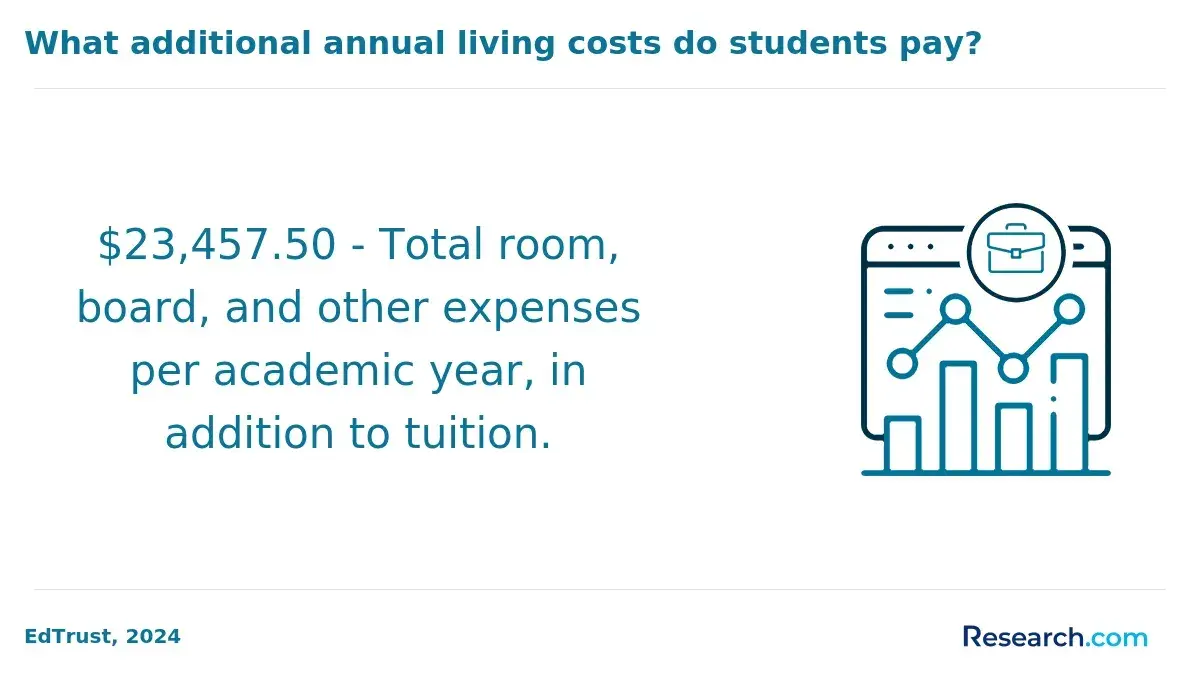
Total cost comparisons between online and campus human resource management programs reveal a complex landscape beyond simple tuition figures. While online tuition at public institutions may be 15% to 25% lower, campus students often incur additional mandatory fees for facilities and services, inflating their overall expenses by up to 20%. Conversely, online learners face technology fees that vary widely, which can offset some savings, particularly at for-profit institutions where these costs tend to be higher. Living arrangements further shift financial realities; on-campus students commonly bear over $11,000 annually in room and board, whereas online students usually avoid these, making remote study a favorable option for those balancing work and educational commitments.
Understanding these factors is crucial for students weighing the average total cost of online versus campus human resource management programs. Eligibility for scholarships and employer tuition assistance often differs by format, where campus students might access institutional grants more readily, and online learners rely on employer reimbursement. Additionally, program length and course fee structures can diverge, with some online programs requiring extended timelines or additional practicum costs not always reflected in tuition comparisons.
These dynamics directly impact student debt planning and graduation timelines, necessitating a nuanced approach to selecting between formats aligned with career objectives and personal circumstances. Prospective students interested in similar cost considerations for related fields might also explore accounting online programs to inform their educational investments.
What Hidden Costs Should Students Expect in Online vs Campus Human Resource Management Programs?
Cost comparisons between online and campus-based human resource management programs often overlook significant hidden expenses that reshape the actual financial impact. While online options might save some upfront tuition or campus fees, students frequently incur extra charges for required technology, such as software licenses and proctoring services, with the National Center for Education Statistics noting that about 70% of online learners face $300 to $1,200 annually in these costs. Conversely, campus-based learners often allocate substantial budgets toward housing, meal plans, and transportation, where annual room and board averages around $12,000, and commuting expenses range between $1,000 to $2,500 depending on geography. These additional outlays affect total cost of attendance and can influence whether students can maintain steady work hours, especially since on-campus schedules may necessitate reduced income, a factor online formats address through asynchronous flexibility albeit sometimes at the expense of longer program durations and cumulative tuition.
The varied mix of mandatory fees also complicates financial planning, as some colleges levy technology fees specifically for online courses while students on campus often cover general fees that may not offset the same necessities. Childcare expenses further skew the cost-efficiency of each format; while campus students who are parents may face annual costs exceeding $9,000, the flexible timing of many online programs can mitigate these demands. These financial nuances often dictate how students approach graduation timelines and enrollment choices, balancing convenience against both direct and indirect costs linked to their educational path and future employability. The decision is far from a simple calculation of tuition; it involves assessing campus logistics, software and hardware requirements, ancillary fees, and potential income disruption.
One human resource management student recalled grappling with these hidden costs during the application phase, initially attracted by the lower sticker price of an online program. After comparing the technology fees and recurring costs for proctoring and specific software with the campus program's predictable but hefty housing and commuting expenses, the student hesitated. The unpredictability of tech-related charges combined with concerns over lost work time during extended online coursework raised questions about the true affordability advantage. Ultimately, this nuanced evaluation encouraged a cautious approach, prioritizing not just the immediate expense but the broader financial and time commitments embedded in each format's structure.
How Does Financial Aid Affect the Cost of Online and Campus Human Resource Management Programs?
Financial aid complexities significantly shape the net cost differences between online and campus human resource management programs, where eligibility nuances often dictate a program's true affordability. Campus students frequently access a broader range of scholarships, including need- and merit-based options, along with assistantships linked to in-person roles that reduce tuition while boosting experience. Online students, however, may face restrictions on institution-specific awards but can benefit from lower living and campus fees, in addition to federal and state grants geared toward part-time or non-residential learners. For example, a working professional pursuing an online human resource management degree might leverage employer tuition reimbursement to offset fewer campus-oriented scholarships, affecting not only cash outlays but also decisions about enrollment intensity and borrowing limits.
Comparing financial aid benefits for human resource management students in online vs campus settings also requires attention to tuition structures and residency rules, which can vary widely. Many institutions charge online learners in-state tuition rates regardless of residency, potentially benefiting out-of-state enrollees but complicating access to certain aid programs that rely on residency status. Online programs often include technology fees absent from campus costs, while campus students might access subsidized work-study or institutional aid contingent on physical enrollment. These factors directly influence borrowing behavior; data indicates that online students generally incur slightly less federal loan debt, partly due to reduced total costs but also to limitations in full-time aid packages. Prospective students must weigh these trade-offs carefully, especially if considering pacing options that affect financial aid eligibility and long-term affordability.
Deciding between online and campus formats hinges not only on immediate cost comparisons but also on how aid availability shapes career-focused investment in education. The varying financial aid landscapes impact net prices distinctly, and students are well advised to review detailed aid packages in the context of their work status and personal financing strategies. Exploring options like an online master's in organizational leadership can also inform understanding of tuition benefits across modalities, especially for those balancing employment while pursuing a human resource management credential. This nuanced financial comparison is central to aligning educational choices with realistic outcomes and debt management over time.
Do Online and Campus Human Resource Management Graduates Have Different Career Outcomes?
Career outcomes for graduates of online versus campus human resource management programs often hinge less on delivery format and more on factors like program accreditation, institutional prestige, and access to experiential learning. Many employers prioritize candidates who have completed internships, which are more commonly integrated into campus programs, enhancing practical skills and networking opportunities essential for early career advancement and successful credentialing. For example, a significant portion of HR recruiters express stronger trust in applicants with traditional internship experience, linking it to demonstrated confidence and applied competencies.
While online programs offer flexibility that benefits working students and can reduce debt burdens, they usually afford fewer chances for informal mentoring and direct engagement with faculty or peers, potentially limiting access to professional networks that facilitate leadership trajectories. Graduates of campus programs often leverage on-site career services and local employer connections that can influence hiring decisions, especially for roles requiring substantial interpersonal interaction or regional knowledge. However, top-tier online institutions increasingly attempt to replicate these supports virtually, narrowing the gap for students unable to relocate or commit to rigid schedules.
Ultimately, the choice between online and campus human resource management education affects not just initial employability but also long-term mobility and role readiness, depending on how well a program combines credential preparation, experiential components, and career advising. Prospective students should evaluate whether their preferred institution's diploma distinguishes delivery mode on transcripts, how robust its internship and alumni networks are, and how its services align with their career goals and lifestyle constraints. Recent data from the National Center for Education Statistics indicates employment rates within six months of graduation are comparable across formats, underscoring that the qualitative differences in program design and institutional support often shape your post-graduation trajectory more than the format itself.
How Do Employers View Online vs Campus Human Resource Management Degrees?
Employer acceptance of online human resource management degrees hinges predominantly on accreditation, curriculum rigor, and demonstrated workplace competencies rather than delivery format alone. A 2024 National Association of Colleges and Employers survey found that 68% of employers are comfortable hiring candidates with accredited online degrees, signaling growing familiarity but also highlighting the importance of program recognition by entities like AACSB or SHRM. In practice, hiring managers often scrutinize the extent to which an online program incorporates experiential learning components such as internships or co-op placements, which serve as vital proxies for assessing real-world skills and practical readiness.
However, nuances persist, especially in competitive markets or selective roles where employers may subtly favor campus degrees due to perceived institutional prestige or networking benefits. For example, candidates with comparable credentials but campus-based degrees might edge ahead in organizations that value peer interactions or have less exposure to online education formats. That said, many employers weigh professional certifications and direct work experience heavily, which can mitigate bias associated with online transcripts or diploma notations. Ultimately, the decision between online and campus programs should consider how well the format aligns with industry expectations for skill validation and how it fits the student's existing professional context and career objectives.
Which Human Resource Management Degree Format Offers Better Flexibility for Working Adults?
Choosing between online and campus-based human resource management programs involves weighing how schedule control and required participation affect a working adult's ability to maintain employment and complete a degree efficiently. Campus programs, often requiring fixed class times, labs, or in-person residencies, can impose commute burdens and rigid attendance that disrupt shift workers or those with caregiving duties. In contrast, while online programs generally offer asynchronous coursework and greater control over pacing, they may include mandatory synchronous sessions or occasional in-person requirements that reduce flexibility. This balance impacts persistence and graduation timing, as online students might extend degree timelines to align with life demands but sometimes face challenges from reduced cohort cohesion and less immediate faculty interaction.
Cost exposure and career continuity also differ significantly between formats, especially for those enrolled in flexible human resource management degree options for employed students. Online study can limit lost work hours and commuting expenses, yet technological access and self-motivation become decisive factors in success and timely completion. Campus-based programs may provide stronger peer networking and structured academic support but risk longer interruptions to employment schedules. Understanding these trade-offs is crucial for working adults evaluating degree delivery modes tailored to their personal and professional realities. For comparative insights on program accessibility and workload balancing, consider exploring programs like the easiest online MBA program, which shares relevant structural features with many online human resource management programs for working adults.
How Should Students Choose Between an Online and Campus Human Resource Management Program?
Graduation rates distinctly influence completion risk in human resource management programs, with fully online paths averaging around 40% versus roughly 60% for campus-based options according to recent federal data. This gap reflects differences in student engagement, course sequencing, and access to immersive experiences like internships, which campus formats often prioritize and employers value for interpersonal skill development. Students should weigh how persistence challenges and networking opportunities align with their learning style and professional goals, recognizing that online programs may demand greater self-direction but offer flexibility critical for working adults or caregivers balancing competing responsibilities.
Cost comparisons in human resource management programs extend beyond tuition, incorporating expenses such as commuting, housing, and financial aid opportunities tied to campus residency. Average total attendance costs for online degrees range from $15,000 to $25,000, often close to or slightly less than in-person options, but the broader financial aid landscape and employer perceptions of credential format can influence net investment and employability. Career support, faculty mentorship, and experiential learning available on campus help prepare students for leadership roles, yet many employers increasingly accept online credentials, especially when programs meet accreditation and licensure criteria relevant to the field.
For prospective students, decisions about format depend on balancing the flexibility of remote study with the structured career access embedded in traditional settings. Those seeking scheduling adaptability might explore established online options but should verify quality and state licensure compliance. Understanding total cost implications alongside graduation rate differentials and career trade-offs supports informed choices that match both personal circumstances and market demands. For those comparing degrees, reviewing resources like the project manager bachelor degree rankings can offer additional insight into online program viability within professional education sectors.
References
- Human Resources Management https://wste.edu.pl/en/study-offer/first-degree/management/human-resources-management/
- Study Human Resource Management: All you need to know https://www.study.eu/article/study-human-resource-management-hrm
- Top 10 Online Bachelor in Human Resource Management Degrees - GradLime https://gradlime.com/online-bachelors-human-resources/
- 2025 Most Affordable Online Human Resources Degrees https://www.onlineu.com/most-affordable-colleges/human-resources-degrees
- HR Courses Online Can Drive Employee Engagement & Success https://emeritus.org/blog/human-resources-hr-courses-online/
- Online Degrees: Are Top Firms Hiring Grads Like You? https://matchtocollege.com/blog/online-degrees-corporate-hr-policies
- How to Build a Career in Human Resource Management - MANCOSA https://www.mancosa.co.za/blog/how-to-build-a-career-in-human-resource-management/
- Bachelor of Science Human Resource Management https://europe.umgc.edu/online-degrees/bachelors/human-resource-management
- Human Resource Management (HRM) vs. Development (HRD) https://onlinecounselingprograms.com/online-counseling-degrees/online-masters-in-human-resources/hrm-vs-hrd/
- Human Resources Colleges: Top HR Programs by Graduation Rate https://www.humanresourcesmba.net/best/bachelors-in-human-resources-ranked-graduation-rates/
Other Things You Should Know About Human Resource Management
The hands-on nature of human resource management often requires interpersonal interaction and situational judgment that campus programs naturally facilitate through face-to-face networking and in-person simulations. Online programs may lack immediate peer and instructor feedback, which can slow the development of nuanced people-management skills essential for many HR roles. Students prioritizing robust experiential learning and real-time collaboration should generally favor campus programs, as online formats frequently require more self-direction to replicate these practical experiences effectively.
Some employers still perceive campus programs as more rigorous due to the structured environment and on-site engagement, which can provide graduates of these programs with a slight edge in competitive job markets. However, online program graduates often benefit from flexible scheduling that enables work experience accumulation alongside study, which may offset any employer bias. For those unable to pause their careers for full-time study, online programs can present a pragmatic pathway, though they should be ready to proactively validate their competencies during interviews.
Campus students typically have greater direct access to faculty, career services, and study groups, which can ease workload stress through real-time support and accountability. Online students, while enjoying schedule flexibility, often manage their studies with limited immediate assistance, requiring stronger personal time-management skills. Prospective students who struggle with self-motivation or require timely feedback should weigh the likelihood that campus settings better support these needs, whereas independent learners might thrive in online formats if they proactively seek out virtual resources.
Campus programs may follow a fixed academic calendar, demanding a longer continuous time commitment and potentially delaying immediate career advancements. Online programs often offer accelerated or rolling start options, enabling quicker graduation and faster re-entry into career growth opportunities. Working professionals should prioritize online programs if minimizing career interruption is critical, but those able to afford a temporary pause might gain deeper engagement and networking benefits through campus options, which can enhance long-term career trajectory.