2027 Human Resource Management Salary Trends Report: Are Wages Keeping Up With Tuition and Inflation?

Co-Founder and Chief Data Scientist
A prospective human resource management student weighs the rising tuition costs against the potential salary after graduation, seeking to understand if the investment will pay off. With inflation steadily increasing living expenses, the real value of starting salaries becomes less clear. Tuition fees, salary growth, and inflation rarely move in sync, making simple salary figures insufficient to gauge financial return. This complexity requires a careful look at purchasing power rather than nominal earnings alone.
The disparity between education costs and income growth prompts a deeper analysis of long-term financial outcomes for graduates. Evaluating whether wages keep pace with tuition and inflation is vital for forecasting career affordability and stability. This article examines salary trends, tuition expenses, inflation rates, return on investment, and the economic factors shaping the true worth of a human resource management degree over time.
Key Things to Know About Human Resource Management Salary Trends
- Graduates in human resource management earn a median starting salary around 12% above the national average, yet rising tuition outpaces inflation, challenging immediate net gains post-graduation.
- The 2024 SHRM report links specialized HR certifications to 15% higher long-term earnings, highlighting continuous credentialing as key to offsetting early financial strain.
- Industry demand growth concentrated in tech and healthcare sectors drives wage premiums, so students should weigh sector-specific trends carefully against program costs for optimal ROI.
- Key Things to Know About Human Resource Management Salary Trends Key Things to Know About Human Resource Management Salary Trends
- What Is the Current Salary Outlook for Human Resource Management Graduates? Salary Outlook
- Are Human Resource Management Salaries Keeping Up With Inflation? Inflation Impact
- How Do Tuition Costs Compare With Human Resource Management Salary Growth? Tuition vs Salary
- Does a Human Resource Management Degree Deliver a Positive Return on Investment? Degree ROI
- Which Industries Offer the Highest Salaries for Human Resource Management Graduates? Which Industries Offer the Highest Salaries for Human Resource Management Graduates?
- Which States and Cities Offer the Highest Pay for Human Resource Management Professionals? Which States and Cities Offer the Highest Pay for Human Resource Management Professionals?
- How Do Human Resource Management Salaries Grow Throughout a Career? Career Growth
- How Do Human Resource Management Salaries Compare With Similar Degrees? Salary Comparison
- How Is Employer Demand Affecting Human Resource Management Salary Trends? Employer Demand
- How Can Students Maximize Their Lifetime Earnings With a Human Resource Management Degree? Maximizing Earnings
What Is the Current Salary Outlook for Human Resource Management Graduates?
The 2024 outlook for human resource management graduate salary trends shows a varied landscape shaped by multiple factors including geography, industry, and job function. Median earnings for HR specialists hover near $65,000 annually, while HR managers earn closer to $125,000, reflecting significant growth potential over time. However, two graduates starting with similar credentials and entry-level salaries around $50,000 to $55,000 can experience divergent career earnings depending on their chosen sectors and roles-for example, one entering healthcare or tech may benefit from rising demand and larger compensation packages linked to diversity, equity, and inclusion initiatives, while another in smaller public agencies might face slower wage growth despite comparable qualifications.
It is crucial to interpret current earnings not just by entry-level pay but by long-term career trajectories, projected job demand, and prospects for advancement, which tend to reward specialization and leadership development. Salary growth rates, averaging about 3% annually according to the Society for Human Resource Management, often keep pace with or slightly exceed inflation, especially in competitive markets where certifications like SHRM-CP add measurable value. For graduates assessing the cost-benefit balance of their education, keeping local salary benchmarks in mind and exploring accelerated options-including a 1 year bachelor degree online-can help maximize returns and align expectations with the dynamic nature of human resource management compensation.
Are Human Resource Management Salaries Keeping Up With Inflation?
Nominal wage growth for human resource management roles has hovered around 3% to 4% annually from 2021 to 2023, but inflation during this period often outpaced these increases, occasionally reaching nearly 6%. This gap means that while salaries have technically risen, their purchasing power has not kept pace, effectively reducing real income for many professionals in the field. For example, a recent graduate entering the HR workforce with an entry-level salary may find that rising costs for essentials and tuition create financial strain despite nominal raises. Comparing wage trends against inflation highlights the complexity behind the seemingly positive salary figures and underscores the challenges faced under prevailing economic conditions affecting human resource management salary trends 2024.
Several factors determine if wages in human resource management truly keep pace with inflation, including geographic location, sector, and seniority. Senior managers or specialists with expertise in areas like talent analytics often experience wage increases that align with or exceed inflation, while entry-level coordinators may see stagnant or minimal growth. Prospective students weighing the decision to pursue a degree should consider these differences alongside rising educational expenses, which have been climbing at a faster rate than many wages. For those exploring cost-effective educational paths, options like a cheapest online cyber security degree can offer an alternative route for entering related fields with potentially stronger financial outlooks.
How Do Tuition Costs Compare With Human Resource Management Salary Growth?
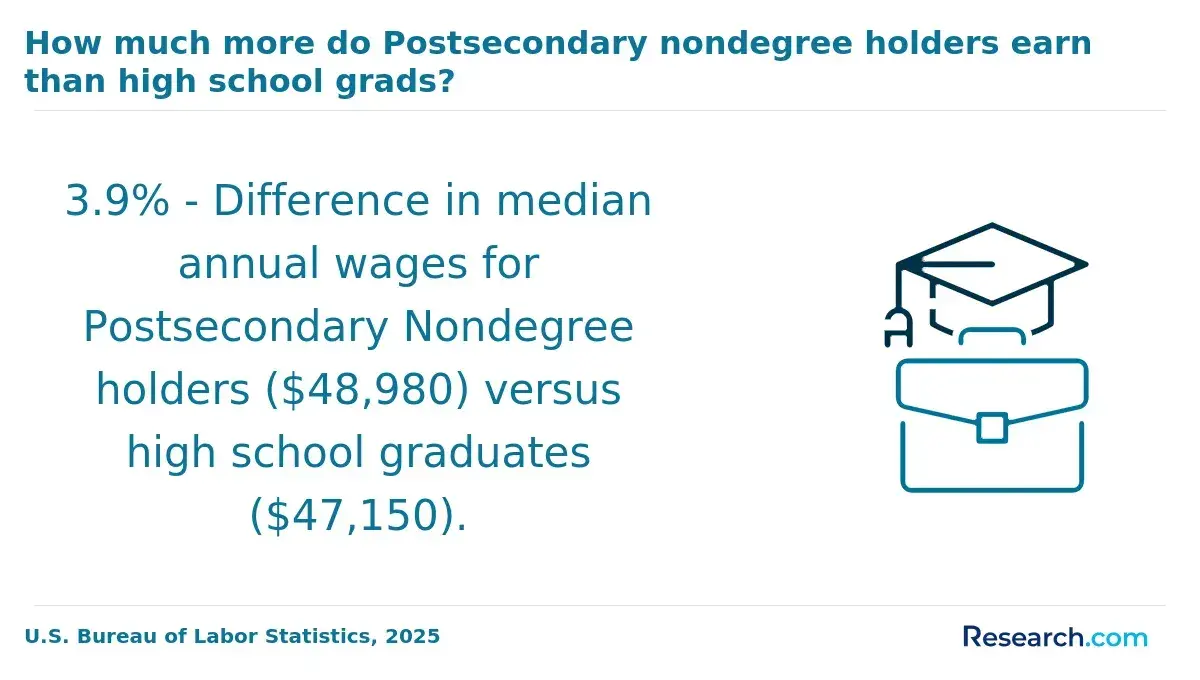
Examining tuition costs alongside salary growth for human resource management graduates provides a clearer picture of the degree's financial viability than considering either factor alone. Over the past decade, average annual tuition for business-related bachelor's degrees-including human resource management-has risen approximately 4.5% each year, as reported by the National Center for Education Statistics and the Bureau of Labor Statistics in 2024. In contrast, entry- and mid-level salaries in this field have grown at a significantly slower pace of about 2-3% annually, with starting salaries typically between $45,000 and $55,000 and mid-career earnings ranging from $70,000 to $85,000. This widening gap highlights a growing challenge: the initial investment in education continually outpaces early returns in income, pressuring students to weigh tuition inflation against gradual wage increases when planning their financial futures.
Consider a recent graduate who took on student debt to cover rising tuition costs-while their salary climbed modestly in the first five years post-graduation, the slower pace of wage growth compounded by inflation on living expenses meant that the anticipated payback period extended much longer than originally expected. Factors such as regional job markets, professional certifications, and experience accumulation can moderate these outcomes, but the overall trend suggests that tuition escalations present a persistent hurdle. The decision to pursue a human resource management degree today requires careful assessment of personal financial resilience and realistic expectations about salary progression, as the economic landscape continues to shift in ways that may affect return on educational investment.
A graduate who completed her degree in 2023 shared how she hesitated before enrolling, knowing tuition had jumped significantly in recent years. After accepting a position as an HR assistant earning $48,000, she realized the slow pace of salary growth wouldn't cover her student loans as quickly as hoped. "At first, I felt stuck balancing my monthly payments with everyday expenses," she recalled. However, by focusing on obtaining professional certifications and gaining specialized experience, she gradually saw incremental income improvements, though her initial financial strain underscored how crucial timing and individual strategy are in offsetting tuition inflation within this field.
Does a Human Resource Management Degree Deliver a Positive Return on Investment?
Return on investment (ROI) in higher education is best understood as weighing the total cost of obtaining a human resource management degree against the long-term benefits it brings in career advancement, salary growth, and professional development. A starting salary near the national median often does not capture the true value of this degree, which tends to yield greater financial returns over time as graduates gain experience and certifications. For example, a graduate from a mid-tier public university facing $30,000 in student debt might begin with a salary of around $50,000 but could expect to see this increase substantially within five to ten years, particularly when moving into managerial roles or leveraging networking and additional credentials.
Data from the U.S. Bureau of Labor Statistics and the Georgetown University Center on Education and the Workforce indicate that professionals holding human resource management degrees often surpass earnings of many other social science fields throughout their careers. Yet, ROI is not uniform: factors like the prestige of the institution, cost of tuition, geographic location, and the individual's strategic use of continuing education and professional development heavily influence outcomes. Rising tuition costs and inflation can diminish upfront affordability, but scholarships and employer tuition reimbursement programs frequently offset these expenses, helping graduates maintain a positive ROI over time.
Ultimately, whether a human resource management degree delivers a net financial gain depends on effectively balancing educational costs against anticipated career opportunities and ongoing skill enhancement. Graduates who actively pursue certifications and build connections within the industry are more likely to experience accelerated wage growth and improved job security. According to 2024 projections from the National Center for Education Statistics, students earning this degree can expect a median lifetime earning advantage exceeding $500,000 compared to those without a bachelor's degree, underscoring that the degree generally offers a favorable economic investment under many realistic career paths.
Which Industries Offer the Highest Salaries for Human Resource Management Graduates?
Determining which industries offer the strongest earning potential for human resource management graduates involves analyzing several dynamic factors, including market demand, industry complexity, and regulatory environment. Recent data from the U.S. Bureau of Labor Statistics and the Society for Human Resource Management shows clear patterns of where graduates can expect higher salaries. While many sectors employ HR professionals, only a few provide compensation that significantly surpasses the national average. Understanding these can guide students and career changers toward fields that not only pay well but also offer long-term career opportunities amid shifting workforce needs.
Below are some of the top-paying industries for human resource management graduates, based on 2024 salary trends and employment data.
- Technology Sector: This industry leads in HR salaries driven by rapid innovation and fierce competition for top talent. Roles often include HR specialists and managers who manage recruitment, retention incentives like bonuses and stock options, and workforce planning. Advanced skills in data analytics and talent management technology enhance earning potential here.
- Financial Services: Comprised of banks, investment firms, and insurance companies, this sector offers premium compensation due to complex regulatory demands and the high stakes of financial operations. HR professionals often focus on compliance, risk management, and specialized employee development, requiring both regulatory knowledge and strategic acumen.
- Healthcare Industry: Encompassing hospitals, pharmaceutical companies, and health insurers, healthcare offers steady salary growth for HR managers handling diverse workforce needs. The sector demands expertise in labor laws, employee wellness programs, and leadership in unionized or highly regulated environments.
- Management Consultancy: HR roles in consulting firms provide opportunities to work across multiple industries, advising clients on organizational change and talent strategies. This requires versatility and advanced problem-solving, which are compensated with higher salaries due to the strategic value added.
- Energy and Petroleum: Specialized knowledge of the energy sector's unique labor and safety regulations combined with HR leadership roles makes this a lucrative field. Compensation reflects the industry's technical demands and the critical nature of workforce stability in global markets.
- Government and Public Sector: Although not always top paid, senior HR officials in government agencies can command competitive wages, especially in federal roles tied to large-scale workforce management and policy development. Benefits and job security often supplement salary considerations here.
- Higher Education: HR positions at universities and research institutions may offer competitive pay, particularly in administrative leadership overseeing complex faculty and staff structures. Advanced degrees and familiarity with academic labor relations boost salary prospects.
The 2024 data indicates that technology and financial services typically top the charts for human resource management salary by industry in the US, reflecting both economic significance and demand for specialized HR skills. For students comparing degree options, pairing a human resource management program with industry-specific knowledge or certifications-such as those related to compliance or an advanced project management degree-can substantially improve marketability and earning potential.
Which States and Cities Offer the Highest Pay for Human Resource Management Professionals?
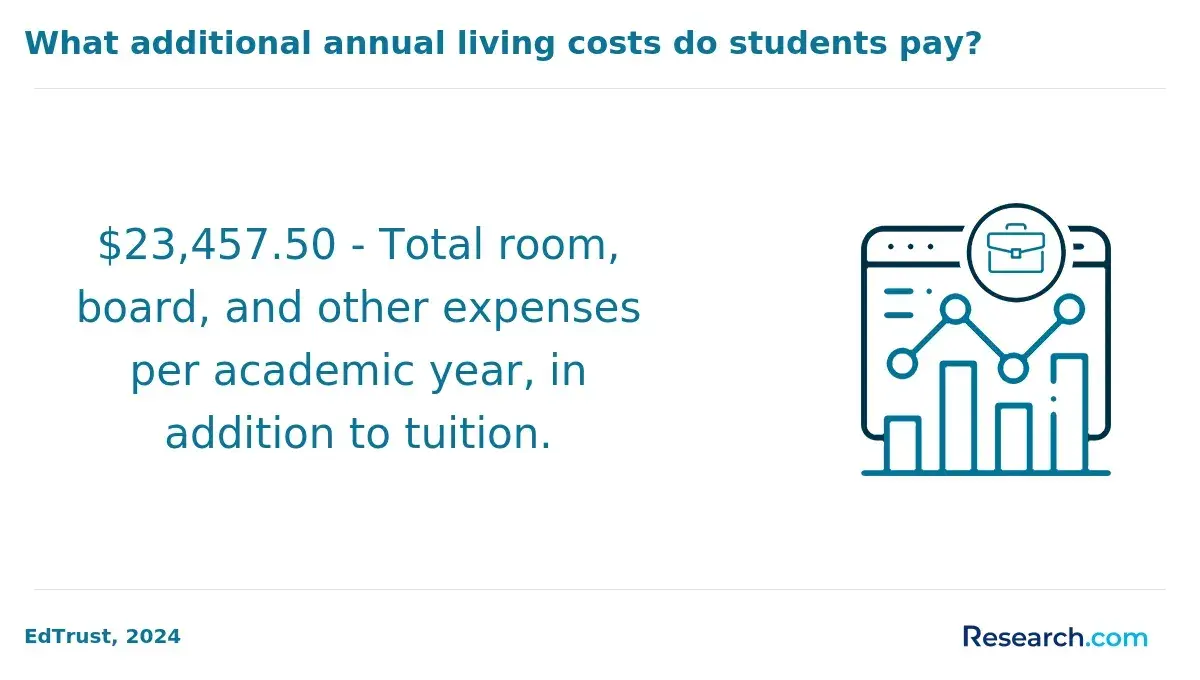
Geographic location plays a crucial role in shaping the earning potential for human resource management professionals. While top-tier salaries often concentrate in certain states and metropolitan areas, these figures must be weighed against factors like cost of living and local industry dynamics. For example, a graduate weighing an offer in San Francisco should consider not just the headline salary but also the substantially higher housing and daily expenses. Balancing compensation with quality of life remains essential, especially when tuition inflation and economic shifts impact financial sustainability. The following highlight some of the highest paying regions for human resource management roles in 2024, along with key considerations for each.
- California: Average wages for HR managers exceed $110,000 annually, driven by the tech industry and the presence of numerous corporate headquarters. However, soaring costs in cities like San Francisco and San Jose require careful evaluation of disposable income and long-term savings potential despite attractive salaries.
- San Francisco Bay Area: Median salaries frequently surpass $120,000 thanks to robust demand within technology firms and startups. High compensation coincides with extreme living expenses, demanding that entrants assess tradeoffs between pay and lifestyle sustainability.
- Massachusetts: Boston's concentration of healthcare, biotech, and higher education sectors supports competitive HR compensation. Professionals here benefit from a diverse economy but should consider the cost of urban living and housing affordability when comparing offers.
- Seattle, Washington: With a strong technology and biotech presence, Seattle offers lucrative human resource management jobs. While salaries are competitive, recent surges in housing costs emphasize the need for strategic financial planning.
- New York: High demand in finance, media, and large corporate firms translates to higher median salaries for HR roles. The significant cost of urban living requires candidates to assess not only salary but the impact of income taxes and commuting expenses.
- Texas: Though median HR salaries tend to be lower than in coastal metros, cities like Austin and Dallas balance wages with a more affordable cost of living. This region might offer greater real income and quality of life for those prioritizing financial stability over top-end salaries.
- Colorado: Denver and Boulder are emerging hubs with growing professional opportunities in human resource management. Slightly lower salaries are often offset by reduced living costs compared to traditional high-paying regions, which can appeal to new graduates valuing work-life balance.
How Do Human Resource Management Salaries Grow Throughout a Career?
Human resource management salaries generally rise with experience, but this progression depends heavily on career decisions and professional development. Entry-level positions such as HR specialists often start with median annual wages near $60,000, according to 2024 data from the U.S. Bureau of Labor Statistics. With several years of experience and advancement into roles like HR managers or senior analysts, earnings typically increase to between $80,000 and $110,000, reflecting deeper expertise in compliance, employee relations, and strategic planning. This growth is not automatic; choices about certification, sector specialization, and company size can significantly influence wage trajectories.
At senior levels, which usually require over a decade of experience, salaries can reach between $120,000 and $160,000, a range supported by recent Society for Human Resource Management findings. However, wage growth can lag behind the rising costs of education and inflation, meaning early career paychecks may not offset initial degree expenses immediately. Critical factors accelerating salary increases include obtaining recognized credentials like SHRM-SCP or PHR, choosing industries like technology or finance, and gaining leadership roles managing complex workforces. Therefore, the real value of a Human Resource Management degree often hinges on strategic career moves rather than just time served.
One graduate with a Human Resource Management degree reflected on her career path, noting how initially she hesitated to pursue certification due to cost and workload. Over time, seeing peers advance, she decided to earn her SHRM-SCP credential, which coincided with a promotion from mid-level HR professional to director of talent management. While her starting salary was typical for her credential and location, the combination of certification and leadership experience boosted her compensation beyond what entry-level roles suggested was possible. This experience underscored her belief that intentional professional development, not just holding a degree, was essential to unlocking long-term salary growth in human resource management.
How Do Human Resource Management Salaries Compare With Similar Degrees?
Graduates with a human resource management degree generally start with salaries that are competitive but tend to be in the middle range compared to similar degrees such as business administration, organizational psychology, and industrial relations. Early career salaries reflect differences in applicability across industries and the specialized skills each degree provides. However, the long-term earning potential of human resource management graduates often improves substantially through certifications and career progression into leadership roles. The following points summarize how human resource management salaries compare with related degrees in 2024.
- Business Administration: Graduates typically command higher starting salaries, with a median around $62,000, reflecting the broad industry applicability of business degrees. Career paths often span finance, marketing, and operations, offering diverse opportunities but requiring broader business acumen rather than specialized HR expertise.
- Industrial Relations: Closely tied to human resource management, industrial relations graduates start with salaries near $57,500. Both fields prepare students for similar roles in employee relations and labor negotiations, with salary differences primarily due to regional labor market variations and organizational focus.
- Organizational Psychology: This degree often leads to higher entry-level salaries averaging about $63,000, due to its specialized focus on employee behavior, consulting, and training roles. Such roles typically demand advanced interpersonal skills and psychological expertise, which justify the premium pay.
- Human Resource Management Certifications: Additional credentials such as SHRM-CP or PHR can elevate salaries beyond those of many general business graduates, supporting progression to management or HR director roles where compensation grows significantly.
For students balancing salary prospects with costs and inflation, it is vital to consider not only starting pay but also the mid-career earnings potential and professional flexibility human resource management offers, especially when paired with relevant certifications. For those exploring remote work options in HR or other fields, programs recognized among the best work from home degrees may also be worth evaluating.
How Is Employer Demand Affecting Human Resource Management Salary Trends?
Employer demand directly affects human resource management salary trends by driving competition among organizations for skilled professionals. As businesses increasingly prioritize diversity initiatives, regulatory compliance, and advanced talent management, the need for experienced HRM specialists rises. For example, a mid-sized corporation expanding its operations into new regions may face urgent hiring demands for strategic HR roles, prompting salary offers above the market average to attract qualified candidates quickly. According to the U.S. Bureau of Labor Statistics, the 7% projected growth in HRM occupations through 2032 reflects this ongoing demand, which generally supports faster wage increases compared to many other fields.
However, employer demand interacts with other factors such as experience level, specialization, regional economic conditions, and organizational budgets, resulting in uneven salary growth across the sector. Specialized HR roles in data analytics and strategic planning are particularly benefiting from scarcity-driven wages, while entry-level positions experience more modest increases. This dynamic highlights the importance of evaluating return on investment, especially with rising educational costs. Prospective students should also consider flexible educational pathways like an EdD without dissertation that can enhance long-term career prospects by balancing cost and credential value within a competitive job market influenced by employer demand impact on human resource management salaries.
How Can Students Maximize Their Lifetime Earnings With a Human Resource Management Degree?
Maximizing lifetime earnings with a human resource management degree requires strategic focus beyond simply completing the credential. Recent 2024 data from the U.S. Bureau of Labor Statistics and the Society for Human Resource Management reveal that salary outcomes hinge on specialization, industry, geography, leadership roles, and ongoing education. For example, a graduate entering an HR director role in a finance company in New York typically earns substantially more over their career than someone in generalist roles in rural nonprofit sectors. The following strategies outline how students can realistically position themselves for better long-term compensation.
- Specialization Focus: Targeting high-value areas like labor relations, compensation and benefits, or talent acquisition sharpens expertise and aligns with higher pay scales identified by industry reports.
- Industry Selection: Prioritizing roles in technology, finance, or healthcare increases earning potential given these sectors' growth and premium salaries compared to education or nonprofit fields.
- Geographic Targeting: Seeking employment in metropolitan areas such as San Francisco, New York, or Chicago exposes graduates to competitive markets with above-average salaries, reflecting localized demand.
- Leadership Development: Gaining progressive managerial experience leading to HR director or VP titles correlates with substantial pay increases, supported by Harvard Business Review findings on leadership impact.
- Professional Certification: Earning credentials like SHRM-CP or SHRM-SCP differentiates candidates and consistently results in higher wages across career stages.
- Continuous Education: Pursuing graduate degrees or ongoing development maintains skill relevance, enabling long-term salary growth amid changing industry needs.
References
- Human Resource Management Salary, Earnings & Influencing Factors | CBS https://www.cbs.de/en/blog/hr-salary
- How HR Can Manage Rising Inflation: 8 Scenarios https://www.aihr.com/blog/hr-managing-inflation/
- HR Manager Career Path: How to Get There - HR University https://hr.university/career/hr-manager/hr-manager-career-path/
- Human Resource Cost Analysis - MBA Knowledge Base https://www.mbaknol.com/human-resource-management/human-resource-cost-analysis/
- How a Human Resources Management Degree Can Boost Your Career | BSBI https://www.berlinsbi.com/blog/how-a-degree-in-human-resources-can-boost-your-career-a-guide-for-aspiring-professionals
- Why Inflation & Salary Increases Are Different https://wcbc.ca/inflation-vs-salaries/
- Where Does HR Receive the Highest Salary? - Namely https://namely.com/blog/where-does-hr-receive-the-highest-salary/
- HR Salary in the UK: How Much Can You Earn at Every Level? https://www.avadolearning.com/blog/what-jobs-salaries-can-i-expect-in-human-resources/
- Inflation and Salaries - what HR managers should know | HR Cloud https://www.hrcloud.com/blog/inflation-and-salaries-what-hr-managers-should-know
- HR Costs https://www.sloneek.com/lexicon/hr-costs/
Other Things You Should Know About Human Resource Management
Many human resource management graduates face unpaid or low-paid internships early in their careers, which can suppress initial salary growth and delay recouping educational expenses. Deciding to accept such positions often involves weighing immediate financial strain against the longer-term benefits of experience and employer connections. Candidates should consider programs with integrated paid co-op options or strong employer networks to minimize reliance on unpaid roles, as these factors can materially affect their early career earning trajectory.
The broadening scope of human resource management responsibilities-ranging from compliance to data analytics-means that a basic degree alone may not meet employer expectations for higher salaries. Investing time and money in specialized certifications can lead to more competitive positioning and quicker salary advancement. Prioritizing certifications that align with high-demand skills in your target industry tends to yield better returns than accumulating credentials with marginal employer value.
Human resource management roles that involve higher workload intensity or niche specializations such as labor relations or compensation analysis often command faster salary growth but come with increased job stress and responsibilities. Professionals must balance these tradeoffs carefully; opting for generalized roles may mean slower raises but more stable work-life balance. Understanding your tolerance for complexity and stress is crucial for forecasting whether pursuing specialized tracks aligns with your career and financial goals.
Recent graduates frequently underestimate the value of negotiation grounded in data about rising tuition and inflation. Approaching offers with clear evidence of cost-of-living increases and by demonstrating specific skills gained during study and internships strengthens one's bargaining position. Prioritizing employers known for transparent wage reviews and benefits can also mitigate the long-term erosion of real income caused by inflation, ultimately protecting salary value over time.