2027 Human Resource Management Student Debt Report: Borrowing, Monthly Payments, and Repayment Risk

Co-Founder and Chief Data Scientist
Human resource management programs often reflect varied pathways into the workforce, influencing student borrowing behavior and repayment outcomes uniquely within the discipline. The integration of internships and certification requirements contributes to extended program durations compared to other social science fields, affecting total debt accumulation. Additionally, salary progression in human resource roles can be gradual, with entry-level positions offering modest compensation relative to other business sectors, shaping repayment capabilities and monthly obligations. According to 2024 Department of Education data, human resource management graduates carry median debt levels near the national average but face distinct repayment challenges tied to workforce entry timing and career advancement patterns.
This article examines borrowing trends, monthly payment burdens, and repayment risks specifically for human resource management students. It contextualizes debt as part of broader educational and professional choices tied to licensing, credentialing, and labor market factors. The analysis also explores how age distribution among students-often including mid-career enrollees returning for credentials-signals evolving workforce demands and changing educational accessibility within the field.
Key Things to Know About Human Resource Management Student Debt
- Human resource management student debt often involves tradeoffs between program length and total borrowing; longer programs increase debt burden, impacting repayment flexibility and career entry timing.
- Employers increasingly assess candidacy with attention to financial literacy; managing student debt responsibly signals preparedness for fiscal responsibilities intrinsic to HR roles.
- Recent 2024 data shows 42% of hr management graduates delay repayments beyond six months, reflecting timing challenges that can compound interest costs and elevate long-term financial risk.
- Key Things to Know About Human Resource Management Student Debt Key Things to Know About Human Resource Management Student Debt
- How Much Student Loan Debt Do Human Resource Management Graduates Typically Have at Graduation? Average Studen Loan Debt
- What Factors Have the Biggest Impact on Human Resource Management Student Loan Debt? Student Debt Key Factors
- What Is the Average Monthly Student Loan Payment for Human Resource Management Graduates? Average Monthly Payment
- How Do Repayment Rates Compare Between Public and Private Institutions? Public vs. Private Institution Repayment Rates
- Do Online Human Resource Management Graduates Have Different Repayment Outcomes Than Campus-Based Students? Online vs. On-Campus Student Loan Repayment
- Which Industries Provide the Best Financial Return Relative to Borrowing Costs? Which Industries Provide the Best Financial Return Relative to Borrowing Costs?
- Does Student Debt Affect Which Jobs Human Resource Management Graduates Accept? Does Student Debt Affect Which Jobs Human Resource Management Graduates Accept?
- What Factors Increase Student Loan Repayment Risk for Human Resource Management Graduates? Loan Repayment Risk Factors
- How Can Human Resource Management Students Reduce Student Loan Debt While Earning Their Degree? Tips to Reduce Student Debt
- How Should Prospective Students Evaluate Borrowing Risk Before Enrolling? Evaluating Student Debt Risk
How Much Student Loan Debt Do Human Resource Management Graduates Typically Have at Graduation?
Graduates holding degrees in human resource management generally accumulate student loan debts ranging from approximately $25,000 to $40,000 by the time they finish their studies. This estimate reflects recent data trends in 2024, aligning with borrowing levels typical for business-related fields but notably below figures seen in professions requiring advanced degrees such as law or medicine.
Variations in these amounts often result from institutional characteristics and regional cost differences, with most students balancing educational investments against realistic salary expectations following entry-level employment. Understanding the typical human resource management graduate student loan debt amounts requires attention to these contextual financial realities rather than isolated averages.
Factors that contribute to the diversity in average student loan borrowing for human resource management majors include attendance at public versus private institutions, where public universities often offer lower tuition rates, especially for in-state students. Scholarship availability, grant distribution, program length, and enrollment status-such as full-time versus part-time-also play crucial roles in determining overall debt levels.
Part-time students may incur higher cumulative debt due to extended study periods, while accelerated programs can reduce total borrowing by shortening the timeline. These tuition and enrollment dynamics interact with geographic cost-of-living variations and financial aid packages, shaping each graduate's debt load in distinct ways.
Beyond these financial inputs, borrowers face tangible repayment challenges as human resource management entry salaries frequently provide only moderate monthly income relative to loan obligations. Debt servicing can impose considerable stress, sometimes lengthening repayment timelines or necessitating income-driven repayment options.
These pressures influence post-graduation decisions, including pursuing additional credentials or exploring alternate employment pathways such as certification programs online, which could offer lower-cost routes to career advancement and reduce reliance on substantial upfront borrowing. Graduates must therefore carefully weigh debt implications alongside flexible credentialing opportunities and workforce realities.
What Factors Have the Biggest Impact on Human Resource Management Student Loan Debt?
Student loan debt levels among human resource management students arise from a complex interplay of institutional cost structures and individual financial circumstances. Borrowing is not solely determined by tuition but also by how programs are designed, the availability and type of financial aid, and students' enrollment and work decisions. These factors together create wide divergences in debt burdens, reflecting both systemic price settings and personal capacity to mitigate borrowing.
Understanding these dynamics clarifies why human resource management graduate student loan borrowing factors extend beyond simple program fees to include nuanced financial behavior and institutional incentives.
- Program Length and Academic Level: Longer bachelor's and graduate programs inherently require more credits and time, increasing total tuition outlays and related expenses. Graduate certificates and specialized HR credentials often demand full-time enrollment, which limits work opportunities and can raise loan needs. This extended timeframe magnifies debt accumulation as students must finance multiple semesters of tuition and living costs, compounding borrowing in ways that shorter or part-time programs may avoid.
- Institutional Pricing and Aid Availability: Public and private institutions set markedly different tuition rates, directly affecting borrowing. Public universities tend to have lower sticker prices, reducing reliance on loans, whereas private and for-profit institutions often charge higher fees that increase debt risk. The availability and structure of financial aid-particularly institutional scholarships and federal grants-also influence how much must be borrowed, with limited aid packages leaving students more exposed to loans.
- Enrollment Patterns and Employment Status: Full-time students without steady income typically borrow more due to unmet living expenses and tuition during studies. Conversely, many human resource management students balance part-time or full-time work with coursework, thereby lowering loan dependency. However, balancing work and study can extend time to completion, indirectly affecting borrowing through prolonged tuition payment periods, creating a tradeoff between immediate loan reduction and longer-term costs.
- Geographic Location and Living Expenses: Where students attend school substantially shapes borrowing levels by influencing non-tuition costs. Urban campuses often entail higher living expenses, pushing students to borrow more for housing, food, and transportation beyond tuition. This variable interacts with program delivery modes, as online programs can reduce living expenses and thus limit loan needs, although they may have different tuition pricing or perceived return on investment impacting borrowing decisions.
- Socioeconomic Background and Financial Behavior: Students from lower-income families tend to rely more heavily on federal loans to bridge affordability gaps, often borrowing around 20% more on average than peers from higher-income households as reported by the Federal Reserve Bank. Those from affluent backgrounds may supplement costs through private loans or family contributions, altering both the size and composition of their debt. This disparity underscores how individual financial capacity and preferences affect borrowing, repayment risk, and long-term financial outcomes within the field of human resource management.
These intertwined factors help explain significant variation in differences in human resource management student loan debt by program type and student circumstance. As prospective students weigh options, appreciating how institutional pricing, enrollment choices, and personal financial strategies interconnect provides a clearer picture of borrowing impacts and the affordability challenges embedded in human resource management graduate student loan borrowing factors.
For those considering flexible alternatives with potential cost savings, examining construction management programs highlights how modality and program design can influence debt structures across fields.
What Is the Average Monthly Student Loan Payment for Human Resource Management Graduates?
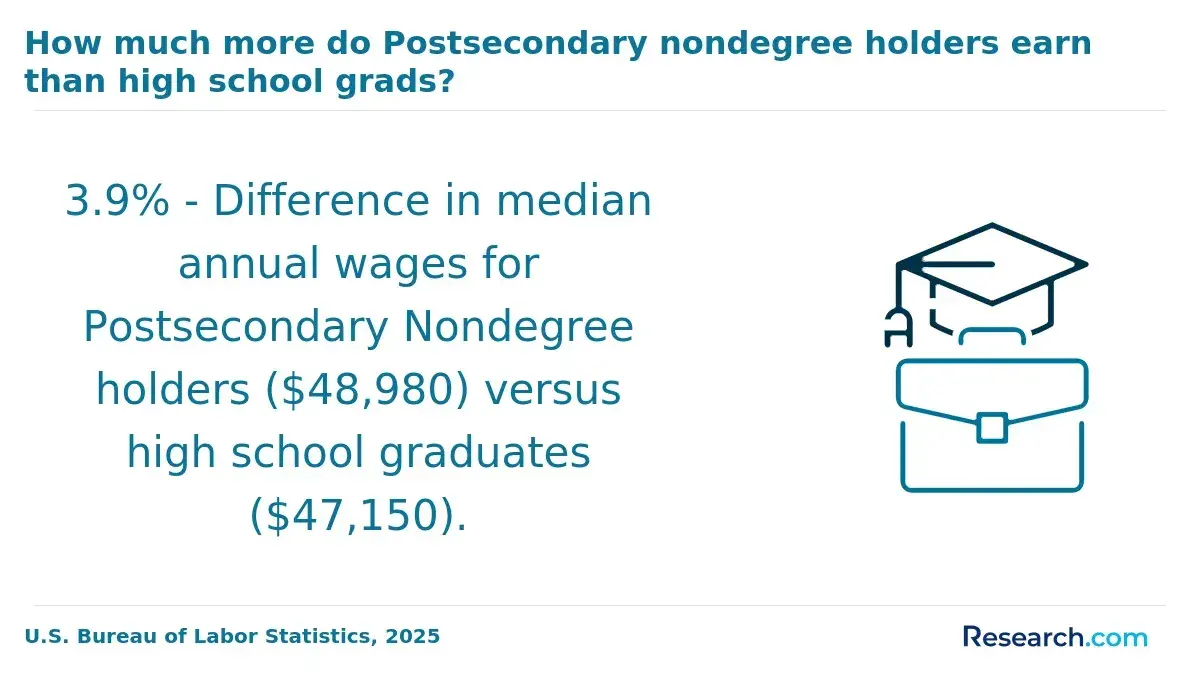
Recent data from the U.S. Department of Education and the Federal Reserve indicates that human resource management graduates typically face monthly student loan payments between $250 and $450. These figures reflect repayments under standard 10-year federal plans but do not account for variations caused by refinancing, loan consolidation, or income-driven plans. Borrowers in this field often carry debts ranging from $25,000 to $40,000, with interest rates from roughly 4% to 7%. Given that many entry-level human resource roles start around $50,000 annually, this payment range represents a significant but generally manageable financial commitment relative to initial earnings.
The variation in monthly payments often hinges on total borrowing amounts and the chosen repayment strategy. Standard plans generate higher fixed payments, while income-driven options can reduce monthly obligations to as low as $150 to $200 but may extend repayment length and increase total interest paid. Salary fluctuations across different regions and employers further affect borrowers' ability to meet payments, with some graduates facing challenges when monthly dues exceed 10% to 15% of their income. Consequently, understanding program costs alongside career prospects and repayment flexibility is critical for evaluating personal loan burdens and long-term financial health in the human resource management field.
One recent graduate recalled navigating the application timeline amid rolling admissions uncertainty: initially unsure when their status would be confirmed, they hesitated to finalize loan amounts or repayment plans. With a month left before classes began, the delay forced a rushed financial decision that added stress. Reflecting back, they emphasized how earlier clarity on admissions would have allowed better preparation, especially knowing how essential balancing loan repayment against anticipated salary was for their first year in human resource management.
How Do Repayment Rates Compare Between Public and Private Institutions?
Recent data from the U.S. Department of Education's College Scorecard reveals that graduates holding human resource management degrees from public universities tend to demonstrate higher loan repayment rates within three years of entering the workforce compared to those from private nonprofit institutions. Specifically, approximately 55% of public institution graduates successfully reduce their student loan balances in this timeframe, whereas private institution graduates average closer to 48%.
This disparity underscores fundamental differences in how debt obligation plays out across sectors, highlighting that repayment rates are not solely a reflection of borrower responsibility but are also shaped by the financial and institutional contexts in which these students borrow.
The divergence in repayment performance is influenced by several interrelated factors. Public university attendees generally face lower tuition fees, resulting in smaller average loan balances, which tend to correlate with more manageable monthly payments relative to income. Graduates of these programs often secure employment in sectors with stable wages, facilitating consistent repayment behavior.
Conversely, private institution students frequently incur higher debt loads due to elevated tuition and fees, and their post-graduation earnings may vary more widely, partly because of differing program prestige and employment outcomes. These structural differences in borrowing and earning capacity create a distinct debt-to-income dynamic that heavily impacts repayment success, with the loan servicing environment also playing a role in how borrowers from each sector navigate their obligations.
The implications extend beyond immediate repayment rates, influencing long-term financial well-being and perceptions of institutional value in the human resource management field. Higher default risks and repayment stress among private institution graduates can constrict financial mobility and lead to greater challenges in managing ongoing debt.
Consequently, these repayment patterns affect how stakeholders-including prospective students, policymakers, and educators-evaluate program effectiveness and institutional accountability, emphasizing the importance of transparent outcome data and realistic borrowing strategies tailored to the economic realities graduates face.
Do Online Human Resource Management Graduates Have Different Repayment Outcomes Than Campus-Based Students?
Loan repayment rates for human resource management graduates consistently show higher performance among those who attended public institutions compared to their private counterparts, reflecting deeper structural and financial dynamics rather than simple institutional prestige. Recent data from the National Center for Education Statistics highlights that roughly 60% of public institution graduates successfully meet loan repayment benchmarks within three years post-graduation, while private institution graduates lag closer to 50%. These differences emerge within the broader context of online human resource management graduate repayment rates, where program delivery format intersects with institutional type to influence borrowing outcomes and debt servicing capacity.
The disparity in repayment rates stems largely from variations in tuition costs, average borrowing amounts, and post-graduation income streams. Public institutions tend to offer lower tuition and consequently graduates incur lower average student debt, easing monthly repayment burdens relative to private institution peers who often borrow more due to elevated costs and fewer grant resources.
Furthermore, public school alumni often benefit from stronger alumni networks and local employer relationships that translate into more stable or higher initial earnings, improving debt-to-income ratios critical for meeting repayment obligations. Private programs, especially those delivered online, may face more employer skepticism related to program rigor, placing graduates at a relative disadvantage in salary negotiations and longer-term income growth, which can compound repayment difficulties.
These repayment performance differences have tangible implications for borrowers' long-term financial health and perceptions of institutional value within human resource management programs. Graduates struggling with repayment stress may experience reduced financial mobility, impacting lifetime economic outcomes and workforce participation. Consequently, repayment behavior serves as a lens into institutional accountability and the practical return on investment of varied educational pathways.
Prospective students weighing campus versus online human resource management loan repayment outcomes need to assess these financial dynamics alongside program flexibility, especially when considering programs like an accelerated business administration degree online, to balance career ambitions with debt management realities.
Which Industries Provide the Best Financial Return Relative to Borrowing Costs?
Financial return on degrees in human resource management differs widely by industry, shaped not just by starting salaries but also by typical borrowing levels and the pace of income growth. Evaluating return on investment requires weighing how effectively salary trajectories and hiring demand combine to ease student loan repayments over time. This balance is crucial given average debt levels around $25,000 to $35,000 in this field and the realities of repayment capacity versus borrowing burden.
- Technology: This sector often provides entry-level pay roughly 15-20% above the average for human resource management roles, which helps graduates service debt faster. Accelerated promotion pathways and high demand for HR specialists within tech firms further support improved long-term repayment prospects, mitigating the financial strain of typical borrowing.
- Healthcare: Growing demand for human resource management professionals in hospitals and large healthcare systems offers stable salaries combined with benefits that reduce out-of-pocket expenses. While starting salaries may be moderate, consistent career advancement and employer-supported repayment programs improve financial resilience against student debt.
- Financial Services: HR positions here, especially in compensation and benefits analysis, tend to start with salaries above median levels, enhancing the ability to amortize loans promptly. The sector's structured career ladders and regulated hiring pipelines align well with predictable income increases, aiding debt management.
- Non-Profit Organizations: These roles usually come with lower initial wages relative to borrowing levels, extending repayment duration and elevating default risk if debt exceeds average benchmarks. Limited upward mobility in some cases amplifies financial challenges despite lower tuition costs sometimes being associated with entry routes.
- Small Businesses: HR roles in smaller firms often entail lower pay with fewer growth opportunities, which can lead to a mismatch between borrowing amounts and income capacity. Slower earnings progression in this segment complicates loan repayment and can prolong financial burden beyond typical timeframes.
According to recent data from the U.S. Department of Education's College Scorecard and the National Center for Education Statistics, graduates earning salaries substantially above median borrowing levels reduce monthly payment-to-income ratios, lowering default risk. Industries with defined career progression and strong demand for human resource management roles provide the most reliable pathways for balancing debt repayment with sustainable income growth.
Does Student Debt Affect Which Jobs Human Resource Management Graduates Accept?
Student debt levels heavily influence early job acceptance decisions among human resource management graduates by imposing tangible repayment demands that shape compensation priorities. With nearly 70% carrying loans, as reported by the National Center for Education Statistics in 2024, a substantial share face average monthly payments ranging from $300 to $500, which necessitates prioritizing roles offering competitive salaries and immediate financial stability.
This financial calculus often leads graduates to accept positions in corporate or larger institutional settings where pay scales align with their debt service requirements, even when such roles may not fully match their professional interests or long-term objectives. Consequently, repayment obligations act as a significant constraint, limiting willingness to accept entry-level or lower-paying opportunities that are sometimes instrumental for career development within nonprofit, government, or startup environments.
Debt burdens also affect broader labor market behaviors among these graduates, differentiating the choices of high-debt versus low-debt individuals in ways that extend beyond salary alone. Those with heavier loan loads typically display reduced geographic mobility and a preference for employers with comprehensive benefits packages, mitigating financial stress but potentially narrowing their job market.
Conversely, graduates with lighter debt commitments can afford more flexibility, including pursuing certifications or advanced education that might delay immediate earnings but enhance future prospects. These disparities highlight how structural and behavioral factors, such as repayment strain and risk tolerance, shape workforce integration, influencing not only where graduates work but also how they navigate professional growth trajectories within human resource management.
An HRM graduate recalled navigating the rolling admissions process for a competitive graduate certificate program while managing looming loan payments and a job search. They hesitated submitting their application early, weighing the unclear cost against offered aid packages and uncertain job prospects amid a volatile hiring landscape. The delay nearly resulted in a missed enrollment window, adding to their anxiety.
However, once admitted, they found the additional credential improved their marketability for higher-paying roles, ultimately alleviating some repayment pressure. This experience underscored the complex timing and financial tradeoffs human resource management grads face when balancing debt management with ongoing education and employment choices.
What Factors Increase Student Loan Repayment Risk for Human Resource Management Graduates?
Student loan repayment risk for human resource management graduates arises from a complex interplay of factors related to borrowing amounts, income variability, and labor market conditions rather than any single cause. Repayment difficulty is largely a function of the gap between cumulative debt and the stability of post-graduation earnings. Graduates' capacity to manage debt is influenced by how well their entry-level salaries align with loan obligations, employment stability, and institutional costs, all within fluctuating economic contexts.
- Debt Burden vs. Entry-Level Salaries: Human resource management careers often begin with moderate salaries, typically between $50,000 and $60,000 annually, which can be insufficient for graduates with high student loan debt. This disparity creates repayment stress, particularly when borrowers accumulate unsubsidized federal or private loans that carry higher interest rates and limited forgiveness options.
- Employment Sector and Role Specialization: Graduates in specialized subfields such as talent acquisition or compensation analysis may secure higher wages, reducing repayment vulnerability. Conversely, those who enter generalist or administrative roles frequently encounter tighter monthly cash flow, elevating risk, especially with delays in full-time employment or underemployment exacerbating financial strain.
- Geographic Cost of Living: Graduates residing in high-cost metropolitan areas face increased repayment challenges due to inflated living expenses, which diminish disposable income available for loan payments. This factor interacts closely with salary and loan terms, disproportionately impacting graduates in urban centers lacking employer benefits for loan assistance.
- Lack of Employer Loan Assistance Programs: The absence of student loan repayment support from many small to mid-sized employers leaves graduates bearing the full burden of loan payments. Without such programs, financial strain is compounded, stretching budgets and increasing default risk among those balancing family and living expenses.
Nearly 42% of business-related degree holders, including those in human resource management, experience repayment challenges tied to debt-to-income imbalances, underscoring the systemic pressures on graduates in these fields. Students considering borrowing for a human resource management degree should carefully evaluate these dynamics relative to program costs and post-graduation earning potential. Prospective entrants might also review options like the easiest MBA program to get into as part of their long-term education financing strategy.
How Can Human Resource Management Students Reduce Student Loan Debt While Earning Their Degree?
Reducing student loan debt while earning a human resource management degree demands deliberate academic and financial strategies applied throughout the program. Success hinges on combining informed enrollment choices, institutional support use, and financial aid optimization in ways that directly curb borrowing needs. Understanding how these elements align with employer expectations and post-graduation outcomes sharpens a student's capacity to control debt without compromising educational and career objectives.
Effective debt reduction is more than general frugality; it requires integrating work experience and financial planning into academic progression to prevent ballooning loan balances. According to a 2024 report by the National Center for Education Statistics, students who work part-time or participate in internships linked to their discipline reduce their debt by an average of 15% relative to peers without these opportunities.
- Choose Accredited Programs with Employer Ties: Prioritizing programs with strong employer connections improves chances for paid internships or direct job offers, reducing the need for extended borrowing and supporting early income generation.
- Leverage Work-Study and Internship Opportunities: Engaging in relevant paid roles provides income that offsets tuition costs and lessens reliance on loans without sacrificing professional skill development.
- Utilize Scholarships and Grants Targeting Business Students: Actively seeking discipline-specific scholarships can substantially lower tuition, as many students underutilize these resources, increasing avoidable debt.
- Enroll Part-Time or Use Tuition Payment Plans: Spreading tuition costs over a longer period through part-time study or institutional payment plans limits immediate loan amounts, easing cash flow pressures.
- Maximize Employer Tuition Reimbursement: Nearly 40% of organizations offer this benefit, allowing students to further reduce loan reliance if they secure employment with such companies early in their studies.
Incorporating these approaches can significantly influence the total borrowing required and the monthly loan repayment burden, which often exceeds $350 for human resource management graduates. Additionally, students considering interdisciplinary fields may compare costs and debt implications across programs, such as online geology degrees, to evaluate their financial and career tradeoffs carefully.
Adopting these strategies with a clear focus on reducing borrowing aligns educational plans with financial realities, balancing academic achievement and long-term affordability in human resource management programs.
How Should Prospective Students Evaluate Borrowing Risk Before Enrolling?
Evaluating borrowing risk before enrolling in a human resource management degree program is crucial for grasping the long-term financial implications of student loans. Borrowing risk fundamentally involves balancing the total debt incurred against realistic post-graduation earnings and career stability. Making an informed decision requires a thorough analysis of institutional costs, salary prospects, and repayment obligations within the context of current labor market conditions.
- Projected Starting Salaries: Assess the median entry-level salaries for human resource management roles, which the U.S. Bureau of Labor Statistics (2024) places near $64,000 annually. This figure anchors expectations for repayment capacity and loan servicing feasibility after graduation.
- Total Borrowing Amounts: Investigate typical loan amounts students accumulate, with federal data indicating an average debt near $28,000 for those completing human resource management degrees. Understanding typical debt burdens helps set realistic repayment timelines and avoid overborrowing.
- Loan Repayment Structures: Evaluate available repayment plans such as income-driven options. While they offer flexibility, they often lengthen repayment periods and increase total interest, impacting long-term financial health.
- Program Cost Versus Employment Outcomes: Compare tuition and fees against graduation rates and employment placement in relevant fields. High costs paired with low employment prospects elevate financial risk, especially when loans must be serviced before income growth.
- Employer Tuition Assistance Opportunities: Consider the potential for employer-subsidized education benefits, which can substantially reduce out-of-pocket costs and lessen borrowing needs.
- Debt-to-Earnings Ratio Analysis: Apply this metric to ensure that expected post-graduation earnings reasonably cover monthly loan obligations without undue strain on living expenses.
- Job Market Stability and Advancement Potential: Examine career trajectory data for human resource management professionals, paying attention to how initial salaries may evolve and support increasing debt repayment over time.
References
- Human Capital Development and Loan Repayment: A Conceptual Framework for Sustainable Higher Education https://sester.journals.unisel.edu.my/index.php/sester/article/view/346
- Human Resources Master’s Programs Online: Compare Top Schools https://www.onlinemastersdegrees.org/best-programs/business/human-resources/
- How Student Debt Affects The Workplace | Highway Benefits https://www.highwaybenefits.com/post/the-effect-of-student-debt-on-the-workplace
- Attracting and Retaining Talent with Student Loan Repayment Benefits https://extensishr.com/resource/blogs/student-debt-repayment-employee-benefit/
- Why study human resource management? - European Institute of Finance and Management https://eifm.es/why-study-human-resource-management/
- Student Debt Loans and Labor Market Outcomes: A Lesson in Unintended Consequences https://articlegateway.com/index.php/JABE/article/view/7585
- The Impact of Student Debt on the Low-Wage Workforce https://workrisenetwork.org/working-knowledge/impact-student-debt-low-wage-workforce
- Student Loan Repayment Options: The Key to Attracting and Retaining Employees - Word on Benefits https://blog.ifebp.org/student-loan-repayment-options-the-key-to-attracting-and-retaining-employees/
- Student Loan Repayment https://www.opm.gov/policy-data-oversight/pay-leave/student-loan-repayment/
- The ROI potential of offering a 401(k) match on student loan payments https://www.betterment.com/work/resources/the-roi-potential-of-offering-a-401k-match-on-student-loan-payments
Other Things You Should Know About Human Resource Management
The length and scheduling of human resource management programs significantly affect repayment flexibility. Programs that accommodate part-time or evening study allow students to maintain employment and generate income during enrollment, reducing loan reliance and easing monthly payments later. Conversely, intensive full-time programs might increase borrowing needs and repayment pressure due to limited work opportunities, so prospective students should weigh program format against their capacity to balance work and study.
Specialized human resource management degrees may command higher tuition, increasing borrowing but can lead to niche expertise employers value, potentially boosting salary prospects and repayment ability. Broad degrees typically cost less and offer wider employment options, though they might not provide the same leverage for higher wages. Students must prioritize whether deeper specialization justifies greater debt based on targeted industry demands and personal career goals.
Early prioritization of loan repayment in human resource management careers is advisable, given that salary growth in this field can be moderate and incremental. Aggressive repayment reduces accrued interest and long-term financial risk, enabling greater flexibility for life events like homeownership or family planning. Those who delay repayment or maximize deferments may face disproportionate debt burdens relative to expected income trajectories, complicating financial stability later.
Human resource management roles often involve variable workloads tied to recruiting cycles or organizational changes, which can affect overtime opportunities and income consistency. Graduates in employers emphasizing work-life balance may find steadier income suitable for reliable loan payments, while those in high-pressure environments could experience inconsistent cash flow, raising repayment risk. Understanding employer culture and compensation structure is crucial when assessing the practical manageability of student loans post-graduation.