2027 Human Resource Management Tuition Inflation Report: How Fast Are Program Costs Rising?

Co-Founder and Chief Data Scientist
Human resource management programs face unique tuition dynamics driven by evolving workforce demands and specialized educational requirements. Recent shifts in regulatory standards and employer expectations have increased the need for faculty with advanced expertise and enhanced curriculum development. According to the Society for Human Resource Management's 2024 report, enrollment in certified HRM programs grew 6% annually, intensifying demand for expanded instructional resources and technology platforms tailored to real-world labor market complexities.
These factors contribute to tuition inflation that diverges from general higher education trends, reflecting investments in professional accreditation, experiential learning, and targeted student services. Notably, rising enrollment among mid-career professionals suggests growing demand for tailored education supporting ongoing workforce adaptation.
Key Things to Know About Human Resource Management Tuition Inflation
- Tuition for human resource management programs has risen about 7% annually since 2022, outpacing many other disciplines; this accelerates total debt, forcing candidates to weigh borrowing risks against career entry speed.
- Employers increasingly expect not just degrees but demonstrated HR technology proficiency; rising tuition often funds tech training, linking cost growth directly to shifting skill requirements in talent acquisition and compliance.
- Steep cost growth narrows access windows, particularly for mid-career learners balancing family or jobs, pressuring candidates to start programs earlier or seek alternative credentials to avoid delayed workforce reentry.
- Key Things to Know About Human Resource Management Tuition Inflation Key Things to Know About Human Resource Management Tuition Inflation
- How Much Has Human Resource Management Tuition Increased Over the Past Decade? How Much Has Human Resource Management Tuition Increased Over the Past Decade?
- How Does Human Resource Management Tuition Inflation Compare to Overall Inflation? How Does Human Resource Management Tuition Inflation Compare to Overall Inflation?
- Which Types of Schools Have Experienced the Fastest Human Resource Management Tuition Growth? Tuition Growth by School Type
- What Factors Are Driving Rising Costs in Human Resource Management Degree Programs? Tuition Cost Drivers
- How Does Human Resource Management Tuition Growth Vary by State and Region? Tuition Growth by State
- Are Online Human Resource Management Programs Becoming More Affordable Than Campus-Based Programs? Online Program Affordability
- How Have Financial Aid and Scholarships Changed as Human Resource Management Tuition Has Increased? Impact on Financial Aid and Scholarships
- How Does Rising Human Resource Management Tuition Affect Student Debt After Graduation? Impact on Student Debt
- Do Higher-Cost Human Resource Management Programs Deliver Better Career Outcomes or Earnings? Impact on Career Outcomes
- What Do Current Tuition Trends Suggest About the Future Cost of a Human Resource Management Degree? What Do Current Tuition Trends Suggest About the Future Cost of a Human Resource Management Degree?
How Much Has Human Resource Management Tuition Increased Over the Past Decade?
Tuition costs for human resource management programs in the United States have surged notably over the last decade, with many programs reflecting average decade-long cost growth between 45% and 60% when adjusted for inflation, according to recent data from the National Center for Education Statistics and the U.S. Department of Education College Scorecard. This increase surpasses general inflation trends and wage growth, underscoring intensified financial barriers for students pursuing these degrees. As expenses rise, prospective learners face more complexity in balancing program prices against their expected employment outcomes in a field that values both knowledge and certification.
The upward trajectory in tuition is driven by multiple intertwined factors beyond simple inflation. Declining state funding for public institutions, coupled with growing administrative costs and investments in modern campus facilities and technology, has substantially influenced pricing strategies. Additionally, human resource management curricula have evolved to include emerging competencies such as HR analytics and regulatory compliance, which contribute to program delivery costs. These financial pressures reveal broader institutional spending priorities rather than direct ties to program-specific enhancement, shaping the landscape of affordability and access across different types of colleges and universities.
Rising tuition necessitates a strategic approach to educational choices, especially given employer expectations for candidates with both formal credentials and practical experience. Students must carefully evaluate the long-term return on investment of a traditional degree against alternatives that can reduce financial risk, such as obtaining a associate degree in 6 months online or pursuing certificates focused on targeted skills. The growing financial demands also highlight risks around student debt and narrowing access, pointing to the importance of making informed decisions based on career goals, affordability, and the evolving dynamics of the human resource job market.
How Does Human Resource Management Tuition Inflation Compare to Overall Inflation?
Tuition inflation for Human Resource Management programs has consistently exceeded the general Consumer Price Index (CPI) increases reported by the U.S. Bureau of Labor Statistics, with recent data showing annual tuition and fees rising by approximately 5% to 7% compared to roughly 3.4% for overall consumer inflation. This disparity highlights how the cost of specialized graduate and undergraduate programs in human resource management grows faster than broader economic inflation, a trend that is mirrored in regional differences where program cost increases often outpace general inflation in many states. The magnitude of these tuition increases reflects patterns unique to higher education, contrasting sharply with comparatively stable growth in typical household expenses over the same period.
The underlying causes of this divergence stem from structural shifts in funding and institutional cost behavior. Declines in public subsidies and state funding force many institutions to raise tuition to fill budget gaps, while administrative costs and expanded support services designed to meet accreditation and student demand continue to climb. Additionally, investments in technology infrastructure and specialized faculty to deliver experiential learning in human resource management programs add layers of expense not captured in standard inflation metrics. Such cost drivers explain why tuition inflation in human resource management programs tends to outpace overall economic inflation rates and general consumer expenses by a significant margin.
For students navigating these rising costs, affordability pressures translate into increased reliance on borrowing and more selective program choices influencing long-term career flexibility. The growing gap in tuition versus overall inflation compels prospective learners to weigh payoffs carefully, balancing educational investment against expected employability outcomes. Considering these trends alongside options like affordable online masters programs becomes crucial for ensuring educational value without unsustainable debt burdens in a market where regional differences in human resource management program cost increases versus general inflation further complicate financial planning.
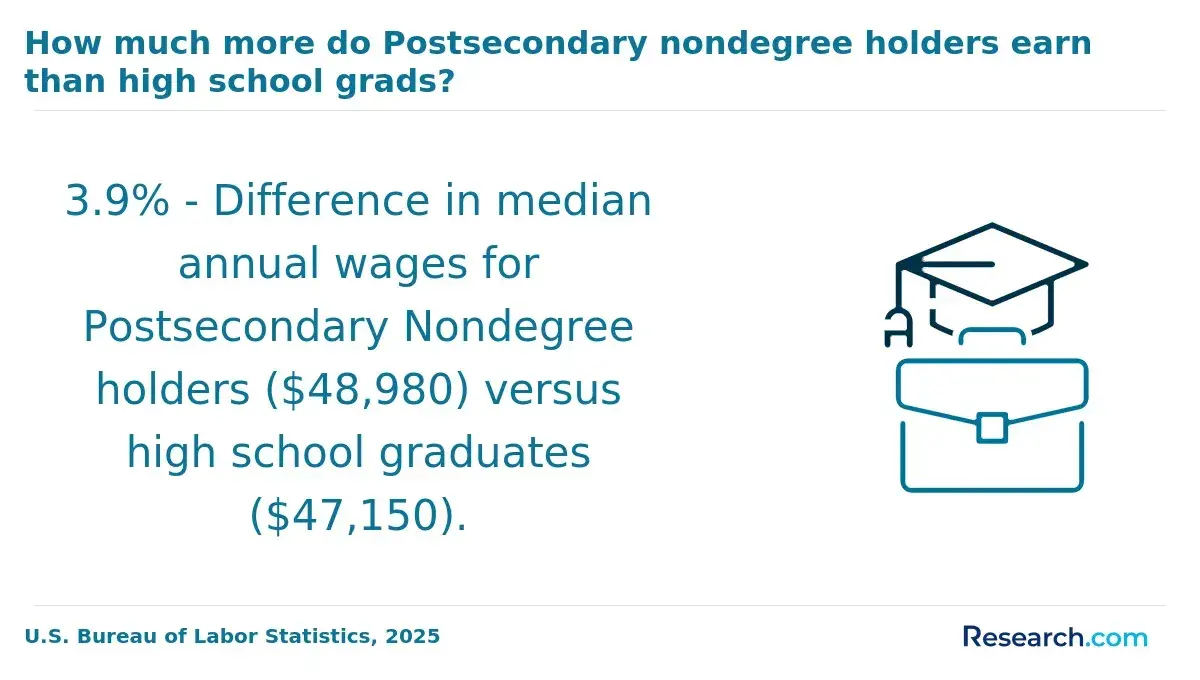
Which Types of Schools Have Experienced the Fastest Human Resource Management Tuition Growth?
Tuition increases for human resource management programs differ markedly across institutional types due to variations in funding mechanisms, program delivery formats, and strategic growth priorities. Recognizing these underlying dynamics is critical to interpreting tuition trends and assessing the affordability and value of specific educational paths. Structural factors like reliance on public funding, competitive enrollment pressures, specialization expenses, and financial sustainability models shape how and why tuition escalations vary.
- Public Universities: These institutions generally experience more moderate tuition growth, averaging around 3% annually, reflecting their partial reliance on state appropriations. However, reductions in government support in recent years have shifted more costs onto students, prompting steady but controlled tuition increases in human resource management programs as campuses balance accessibility with fiscal constraints.
- Private Nonprofit Universities: Often facing less direct governmental subsidies, these schools tend to raise tuition at a faster rate to finance enhanced facilities and specialized program offerings. The premium pricing also aligns with maintaining institutional prestige and delivering more resource-intensive curricula, contributing to increment rates surpassing those at many public counterparts.
- For-Profit Institutions: For-profit providers frequently show the fastest tuition growth, nearing 6% annually, driven by aggressive market positioning and investments in flexible delivery models such as online and accelerated programs. This growth reflects attempts to capture adult learners balancing career and education while offsetting higher operational costs and marketing expenditures.
- Research-Intensive Universities: Often affiliated with large research budgets and cross-disciplinary initiatives, these universities may increase tuition to support innovation and faculty expertise in emerging human resource management complexities. The demand for cutting-edge content and experiential learning adds cost layers that amplify tuition growth trends beyond standard degree programs.
- Regional Colleges: With missions focused on serving local populations, regional schools may exhibit restrained tuition growth due to lower market pressure and simpler program structures. Their cost-containment strategies attempt to prioritize affordability over program expansion, resulting in slower increases relative to more competitive or specialized institutions.
According to a 2024 report by the National Center for Education Statistics, tuition inflation in human resource management programs is notably faster at private for-profit schools than at publicly funded universities, underscoring how financial models and market strategies distinctly influence pricing trajectories. Prospective students should weigh these institutional behaviors alongside their own financial and professional circumstances to evaluate the real cost implications of their educational choices.
What Factors Are Driving Rising Costs in Human Resource Management Degree Programs?
Rising costs in human resource management degree programs stem from a complex web of institutional and economic pressures rather than a single, straightforward cause. These programs are affected by shifting budget priorities within higher education, where public funding cuts have forced many institutions to rely more heavily on tuition revenue to sustain operations. This dependence on student fees is compounded by the increasing demand for faculty with specialized expertise and professional experience, which drives up salary and benefits expenses. Simultaneously, mandates for compliance with accreditation agencies and federal regulations have expanded administrative staff and reporting duties, further pressuring institutional budgets allocated to these programs.
In addition, there has been substantial investment in technological infrastructure and instructional tools specific to human resource management education, including software platforms for simulation, data analytics, and certification preparation. These capital and operational costs raise the overall price of program delivery, particularly as curricula evolve to include new areas like diversity and inclusion training. Data from the National Center for Education Statistics in 2024 reveals that tuition inflation for business-related degrees, including human resource management, exceeds general inflation rates by nearly 3% annually. This ongoing trend indicates enduring structural shifts in how institutions value and resource these programs, affecting affordability and influencing prospective students' assessments of long-term return on investment.
A graduate of a recent human resource management program recalled navigating the admissions process amid steadily rising costs and rolling application deadlines. Initially hesitant to submit materials without clear financial aid offers, they found that delaying applications meant risking limited enrollment slots, adding stress to decision timing. The student described weighing the urgency to apply early-despite uncertainty around total expenses-against the desire to gather more funding information. In the end, patience mixed with decisive action helped secure a place, but the experience shaped their awareness of how economic factors influence access and timing in pursuing such degrees.
How Does Human Resource Management Tuition Growth Vary by State and Region?
Tuition growth for human resource management programs exhibits notable variability across U.S. states and regions, shaped primarily by state funding mechanisms, institutional frameworks, and local economic conditions. These differences go beyond simple geographic disparities, as variations in public versus private institution prevalence, state appropriations to higher education, and regional cost-of-living factors profoundly affect how tuition rates evolve. For example, states with robust public university systems and sustained state investment typically see slower tuition inflation compared to those grappling with funding shortfalls or relying heavily on tuition-driven revenues. This uneven funding landscape directly impacts the affordability and accessibility of human resource management education, influencing student decisions and workforce pipeline development.
Key drivers of state-by-state increases in human resource management program costs include varying levels of state appropriations, which have increasingly diverged over recent years. States reducing public funding for higher education often shift financial burdens onto students, accelerating tuition hikes especially in programs tied to professional development. Regional labor market demand for HR professionals also plays a critical role; areas with competitive business sectors, including tech and financial hubs, push institutions to invest more in specialized curriculum and career support services, which is reflected in price growth. Furthermore, cost-of-living differences and the concentration of research-intensive universities or private institutions add complexity to tuition trends, as these factors increase operational expenses, prompting differential pricing strategies across regions.
These regional tuition disparities carry broader implications for educational mobility and long-term return on investment for prospective human resource management students. Those in states with rapid tuition growth may face affordability constraints or consider out-of-state or online alternatives to mitigate costs, affecting program demand patterns. Additionally, understanding how state and institutional policies affect these cost escalations is crucial when assessing program value, particularly given variable financial aid purchasing power. Interested learners may also explore related fields; for instance, an art therapy degree shows similarly complex tuition trends tied to workforce and state funding differences, illustrating wider themes in specialized graduate education affordability.
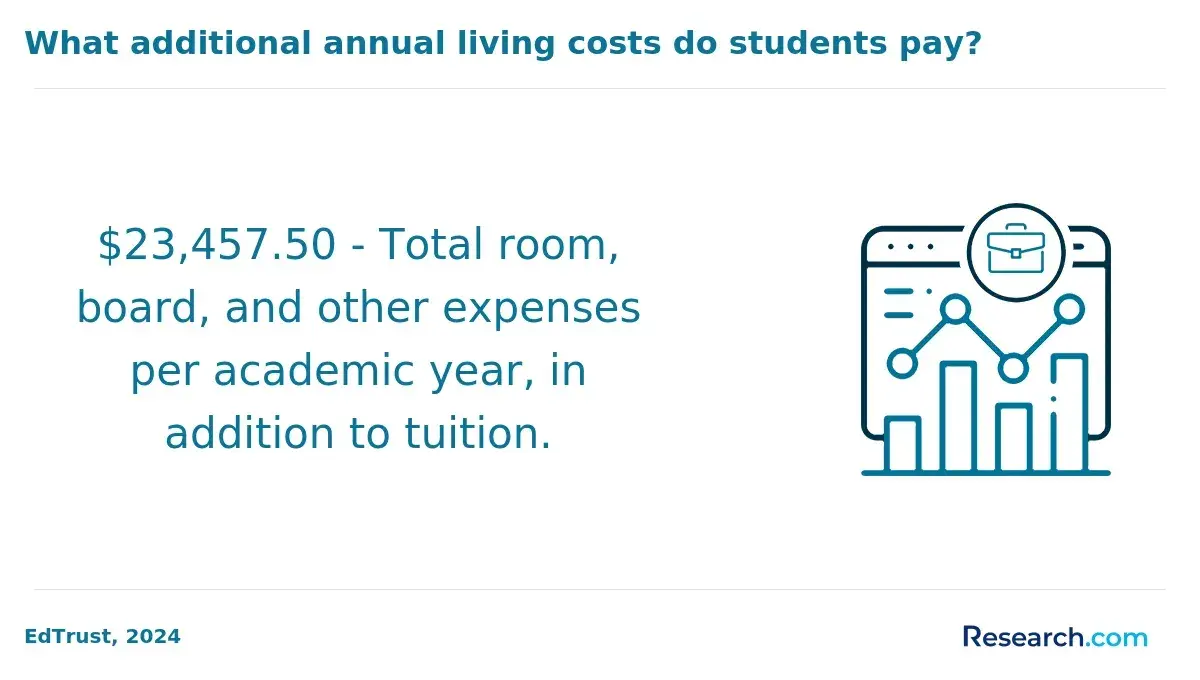
Are Online Human Resource Management Programs Becoming More Affordable Than Campus-Based Programs?
Over the past several years, online human resource management programs have generally exhibited slower tuition growth compared to traditional campus-based counterparts, reflecting distinct institutional pricing strategies aligned with delivery mode. While campus programs commonly undergo annual tuition increases exceeding 5%, driven mainly by infrastructure upkeep and enhanced on-site student services, online offerings tend to show more modest rises, often near or below 2% per year. This divergence reflects how universities allocate costs differently: campus degrees factor in physical facility maintenance and in-person faculty engagement, whereas online formats leverage technology-enabled scalability to moderate price inflation. Despite this trend toward relative affordability in online human resource management degrees as documented in the 2024 EduMetrics report, nuanced cost structures and institutional approaches mean that differences in sticker price do not fully capture overall affordability or long-term value.
Underlying these disparities are several structural factors shaping program cost models. Campus-based programs incur expenses from maintaining classrooms, laboratories, and campus amenities, as well as providing direct face-to-face mentorship and experiential learning opportunities critical to workforce readiness. Online programs reduce or eliminate many of these physical costs but face significant investments in digital platform development, instructional design tailored for asynchronous or blended learning, and extended virtual student support. Faculty roles may also shift, with a blend of synchronous teaching and content curation demanding distinct workloads and expertise. Together, these cost drivers create a complex price balance-while online programs avoid high overhead, they must sustain continuous investment in technology and student engagement tools to maintain quality, explaining why tuition inflation, though lower than campus-based options, persists rather than disappearing. Ultimately, affordability reflects an institutional strategy that balances scale, quality, and competitive positioning within human resource management education markets.
One recent online human resource management graduate described the admissions process as marked by hesitancy fueled by timing and informational gaps. Facing rolling admissions across several schools, this individual waited weeks to confirm acceptance and scholarship awards, delaying the decision to enroll until close to term start dates. "I wanted to be sure the program's cost really matched what I could afford after financial aid," they explained, noting the uncertainty around technology fees and additional course expenses. This experience underscored that while sticker prices for online programs felt comparatively manageable, navigating the full cost structure and admissions timeline required careful planning and persistence beyond initial application submission.
How Have Financial Aid and Scholarships Changed as Human Resource Management Tuition Has Increased?
As tuition for Human Resource Management programs has escalated sharply in recent years, the landscape of financial aid and scholarships has shifted in complex ways that often fail to align proportionally with these cost increases. Institutions have expanded overall aid offerings, frequently restructuring support into bundled packages that combine grants, work-study, and low-interest loans rather than relying on large direct scholarships. While targeted scholarships for specific populations such as underrepresented groups and career changers have grown, average award sizes remain constrained by tighter budgets and rising demand, diluting individual aid amounts amid expanding program enrollments.
Several factors have driven these changes in aid distribution. Increasing competition among institutions to attract qualified applicants has amplified the use of merit-based scholarships as a selective recruitment tool, even as need-based aid has grown more competitive and constrained. Meanwhile, federal and state financial aid programs have struggled to adjust eligibility limits and funding caps in line with steep tuition inflation, creating gaps that shift more financial burden onto student loans. Institutional pricing strategies increasingly favor net tuition discounting through layered aid packages rather than upfront tuition reductions, complicating affordability assessments for prospective students.
These evolving aid dynamics have important implications for affordability and long-term financial outcomes. Although the total volume of aid has generally increased, the purchasing power of these awards relative to tuition has not kept pace, leaving many students to confront higher net prices and growing debt loads. This environment requires greater transparency and careful evaluation of aid offers beyond sticker price, as students must weigh realistic net costs and potential debt against time to completion and post-graduation employment prospects. Understanding these nuanced funding patterns is crucial for assessing the true return on investment of Human Resource Management credentials amid ongoing tuition pressures.
How Does Rising Human Resource Management Tuition Affect Student Debt After Graduation?
Rising tuition costs for human resource management programs significantly elevate student borrowing levels, increasing reliance on loans to cover escalating expenses. This trend directly amplifies the average debt burden graduates face after completing their degrees. As tuition inflates, many students must secure larger loans, often beyond available financial aid packages, leading to higher principal amounts that accrue interest during their study period. This dynamic is reflected in federal education data indicating a steady climb in borrowing among human resource management graduates. The rising human resource management program costs and graduate debt levels underscore how tuition inflation contributes to intensified financial strain immediately upon entry into the workforce.
Several factors contribute to these heightened debt levels beyond base tuition increases. A widening gap between tuition expenses and available financial aid heightens out-of-pocket costs, forcing students to seek more loans. Differences in pricing between public and private institutions amplify this variability, with private programs generally demanding higher upfront costs. Interest accumulation during extended study periods further deepens the eventual repayment principal. Meanwhile, post-graduation income in human resource management fields tends to be moderate relative to other sectors like STEM, which complicates timely debt repayment and influences the overall return on investment. These intersecting elements shape how rising human resource management tuition impacts student loan debt in nuanced ways.
The growing debt burden translates into longer repayment horizons and increased financial stress for graduates, particularly as many enter roles with moderate starting salaries. Income-driven repayment plans and loan forgiveness programs attempt to mitigate these pressures but do not eliminate the fundamental challenge of balancing education costs with career earnings. These financial realities affect program selection decisions, as prospective students weigh affordability against credentials and expected career outcomes. Students performing their due diligence may also examine options such as asha accredited SLP programs for comparative cost and career prospects. Overall, rising tuition in human resource management reshapes borrowing behavior, repayment structures, and long-term career financial health.
Do Higher-Cost Human Resource Management Programs Deliver Better Career Outcomes or Earnings?
Higher-cost human resource management program career outcomes do not consistently reflect superior employment rates or earnings. Data from the National Center for Education Statistics in 2024 indicates that tuition alone is not a reliable predictor of starting salaries or long-term career success in this field. Research by the Employment Policy Institute shows that median starting salaries for human resource management graduates generally range between $50,000 and $65,000, irrespective of program price. This variability points to a nuanced relationship where higher tuition does not inherently translate into better labor market outcomes or stronger income trajectories.
Critical factors influencing earnings differences by human resource management tuition levels include institutional reputation, access to employer partnerships, and the depth of specialization offered. Programs with strong internship pipelines and well-connected alumni networks often enable graduates to secure competitive positions, regardless of sticker price. Geographic location and accreditation status also play a role in determining regional industry connections and employer demand. Graduates from mid-tier public universities with robust experiential learning opportunities frequently achieve comparable earnings to those attending more expensive private institutions.
Prospective students should carefully evaluate the return on investment by balancing tuition costs against concrete benefits such as fieldwork exposure and industry relationships. Decision-making grounded in these considerations can optimize educational affordability without sacrificing career readiness. For those interested in diverse career options beyond traditional tracks, including fields like forensic science, exploring related pathways, such as careers in forensic science, may offer further insights into occupational specialization and labor market entry strategies.
What Do Current Tuition Trends Suggest About the Future Cost of a Human Resource Management Degree?
Recent tuition trends suggest that the cost of obtaining a human resource management degree will continue to rise, often exceeding general inflation rates. Over the past year, business-related programs, including human resource management, saw tuition increases nearing 5%, indicating sustained upward momentum. This growth reflects a historical pattern where higher education expenses escalate faster than consumer price indexes, signaling that future students should anticipate rates that outpace broader economic inflation and impact overall affordability.
Several key factors contribute to this trajectory. Public and private institutions face funding constraints that limit their ability to absorb costs, leading to price adjustments passed to students. The demand for specialized business and management skills amplifies enrollment in these programs, incentivizing schools to enhance delivery methods, particularly through online and hybrid formats. These formats, while expanding accessibility, often require ongoing investment in technology and instructional design, which can drive premiums. Institutional priorities around student support services and program outcomes also affect pricing structures, reflecting a complex interplay between cost recovery and market positioning.
For prospective students, these dynamics underscore the importance of evaluating tuition increases within a broader financial context, including borrowing implications and return on investment. Rising costs may influence program selection, with learners weighing flexibility, credential value, and real-world applicability against price. While historic data provides a directional signal, fluctuations in policy and funding could affect future affordability, making it essential for students to regularly reassess their educational financing strategy in light of evolving market and institutional behaviors.
References
- How HR Helps Organizations Navigate Inflation https://orangehrm.com/resources/blog/hr-and-inflation-how-does-hr-help-organizations-during-inflation
- How should HR handle the highest inflation in decades? https://www.personneltoday.com/hr/hr-cost-of-living-inflation/
- HUMAN RESOURCE MANAGEMENT - Czasopismo - MOST Wiedzy https://mostwiedzy.pl/pl/magazine/human-resource-management,4008-1
- 2025 Most Affordable Online Human Resources Degrees https://www.onlineu.com/most-affordable-colleges/human-resources-degrees
- Average Cost of College Over Time: Yearly Tuition Since 1970 https://educationdata.org/average-cost-of-college-by-year
- How HR is Managing Rising Inflation in Startups & Scaleups https://www.aihr.com/blog/podcast-virgile-raingeard-hr-rising-inflation/
- Effective HR Strategies During Inflationary Times - EquityHR https://www.equityhr.com/blog/effective-hr-strategies-during-inflationary-times/
- HR of the Future - Discover the Most Popular Trends in the Industry https://www.kozminski.edu.pl/en/review/hr-future-discover-most-popular-trends-industry
- Internal and External Factors Effecting HR Management https://www.gensconsulting.tr/internal-and-external-factors-effecting-hr-management/
- Master, Global Human Resource Management https://www.studyinpoland.pl/en/programme
Other Things You Should Know About Human Resource Management
Prospective students should evaluate the total cost of a program, factoring in tuition increases relative to program length and workload. Completing a shorter program could mitigate the financial impact, while workload balance is crucial for managing part-time work to offset costs.
Rising program costs can disproportionately affect specialized certificates or niche concentrations within human resource management, where market demand might be narrower. Higher tuition in these areas doesn't always translate to stronger career outcomes, so students should critically evaluate the labor market demand for these specialties. When inflation drives steep cost increases, focusing on broadly recognized credentials might provide more stable long-term employability despite higher upfront expenses.
Programs with strong employer networks or brand recognition often experience faster tuition inflation, reflecting their perceived market value. While this can improve hiring prospects, it does not guarantee better job placement or salary. Students need to balance paying premium tuition against tangible gains by researching employer preferences in their target region or sector rather than assuming brand alone justifies higher costs.
Inflated tuition can limit students' financial flexibility, reducing their capacity to afford unpaid internships or supplemental training critical to human resource management careers. Programs with heavy tuition inflation may inadvertently push learners to prioritize paid work over experiential learning, potentially weakening real-world skills that employers value. Choosing programs that integrate affordable or included experiential components can mitigate this tradeoff and improve long-term career readiness.