2027 Human Resource Management Job Market Report: Open Roles, Salary Bands, and Hiring Momentum

Co-Founder and Chief Data Scientist
Labor market dynamics in human resource management reflect shifting employer expectations shaped by increased regulatory complexity and rapid technological adoption. Open roles and salary bands reveal evolving skill demands, emphasizing expertise in HR analytics, compliance management, and digital workforce platforms. Hiring momentum fluctuates with organizational restructuring and investment cycles, rather than steady growth alone.
Geographic concentration of opportunities underscores varied regional workforce demographics and localized talent shortages. These patterns highlight how labor market forces uniquely influence human resource management compared to other fields, where credentialing and skill specialization directly affect compensation and hiring activity. This report examines these factors through the lens of open roles, salary trends, and recruitment shifts, illuminating broader workforce transformations.
Key Things to Know About Human Resource Management Job Market
- Open roles in human resource management are increasingly concentrated in tech-driven sectors, requiring candidates to balance traditional HR skills with data analytics, which may extend time to competency but enhances employability.
- Salary bands reflect greater stratification tied to specialization level, signaling employers' preference for candidates with niche expertise, influencing workforce training priorities and hiring filtration processes.
- Hiring momentum slowed in early 2024 amid economic shifts, prompting students to weigh the opportunity cost of extended education versus immediate entry into evolving HR support roles.
- Key Things to Know About Human Resource Management Job Market Key Things to Know About Human Resource Management Job Market
- How Strong Is Demand for Human Resource Management Graduates in Today's Job Market? Demand for Graduates
- Which Human Resource Management Careers Have the Most Open Job Opportunities? In-Demand Careers
- What Salary Bands Are Employers Offering Across Human Resource Management Careers? Offered Salary Bands
- Which Industries Are Hiring the Most Human Resource Management Graduates? Top-Hiring Industries
- How Does Hiring Demand Vary by State, Region, and City? Hiring Demand by Location
- What Skills Are Employers Prioritizing in Human Resource Management Job Postings? In-Demand Skills
- Which Certifications Increase Employability and Salary Potential? High-Value Certifications
- How Do Remote and Hybrid Opportunities Affect the Human Resource Management Job Market? How Do Remote and Hybrid Opportunities Affect the Human Resource Management Job Market?
- Which Human Resource Management Careers Show the Strongest Long-Term Hiring Momentum? Strongest Careers
- How Can Students Use Job Market Data to Make Better Career Decisions? How Can Students Use Job Market Data to Make Better Career Decisions?
How Strong Is Demand for Human Resource Management Graduates in Today's Job Market?
The demand for human resource management graduates in the United States continues to demonstrate resilience in 2024, with the U.S. Bureau of Labor Statistics projecting employment growth for HR specialists at around 7% through the decade. This growth rate surpasses many other occupational categories, underlining a sustained need for graduates who can handle evolving workforce complexities such as labor law compliance, employee relations, and organizational strategy. LinkedIn Workforce Reports further confirm ongoing recruitment momentum, particularly favoring candidates who supplement foundational HR expertise with data analytics and technology skills, indicating that adaptability and tech literacy are now pivotal. Such insights highlight that the job market outlook for human resource management graduates in North America is not only steady but shaped by a demand for multidimensional skill sets beyond traditional qualifications.
Key drivers shaping this demand include accelerating digital adoption within HR functions-ranging from talent acquisition platforms to performance analytics tools-as well as an increased focus on strategic workforce planning amid shifting industry landscapes. Employers often prioritize applicants with versatile capabilities in compliance, compensation analysis, and change management, reflecting the sector's broader integration with business intelligence and organizational development. Regional variations also impact hiring, with some metropolitan areas exhibiting stronger demand due to business density and industry clusters. These trends evidence a market increasingly valuing specialized, tech-savvy HR professionals capable of navigating the intersection of human capital and digital innovation.
For prospective students and early-career professionals evaluating human resource management programs, these market signals stress the importance of balancing core HR knowledge with relevant technical and analytical competencies. Entry-level roles, such as HR coordinators or recruiters, remain common initial opportunities but are often gateways to strategic positions requiring broader expertise. Additionally, graduates may consider whether to pursue practical experience or certifications before entering the workforce, weighing the tradeoffs between immediate employment and credentialing. For those interested in exploring advanced educational pathways, resources like shortest PhD programs can offer guidance on efficient doctoral options aligned with career goals in this evolving field.
Which Human Resource Management Careers Have the Most Open Job Opportunities?
Job opportunity distribution within human resource management careers is increasingly influenced by broader labor market shifts, including industry expansion, skills shortages, and evolving employer requirements. These factors drive demand for specialized roles that address modern organizational challenges such as talent acquisition competitiveness, compensation equity, and technological integration in workforce management. The dynamic nature of work, including hybrid and remote models, further shapes which human resource management jobs experience the highest demand across sectors.
- HR Generalists: Their versatility in handling recruitment, employee relations, onboarding, and compliance across industries keeps them in steady demand. Employers value their broad skill set that supports multiple HR functions, especially in mid-sized companies and sectors with fluctuating headcount needs.
- Talent Acquisition Specialists: Fueled by intensified competition for top candidates, this role is growing rapidly in industries focused on post-pandemic workforce growth, including technology, healthcare, and professional services. Employers prioritize sourcing expertise and agility in adjusting hiring strategies as business needs evolve, with demand increasing by over 12% according to recent workforce surveys.
- Compensation and Benefits Analysts: Increasing organizational focus on pay equity, complex benefits packages, and legislative compliance drives openings for these analysts. Their expertise is critical in sectors adapting to hybrid work models and investing in enhanced employee well-being programs, leading to a projected growth rate of 9% through 2030 reported by the U.S. Department of Labor.
- HR Information Systems (HRIS) Specialists: As human resource management integrates more technology for data-driven decision-making, specialists who can implement and optimize HR software platforms are in high demand. Gartner's 2024 HR technology trends highlight rising hiring momentum for professionals combining HR knowledge with IT and analytics skills, particularly in industries with large, distributed workforces.
- HR Coordinators: Often an entry point into human resource management, these professionals support administrative and operational HR functions, enabling streamlined recruitment and compliance processes. Demand stems from organizations prioritizing efficiency and consistency in HR operations, with significant roles in healthcare, education, and manufacturing sectors.
- Employee Relations Specialists: Growing employer emphasis on maintaining positive labor relations, addressing workplace conflicts, and ensuring regulatory adherence sustains demand here. Companies in unionized industries and those undergoing rapid organizational change particularly require specialists skilled in negotiation and compliance dynamics.
Prospective candidates should recognize that the highest concentration of job openings is among roles that blend agility, technical proficiency, and specialized knowledge rather than traditional broad HR leadership positions. Targeting human resource management jobs with highest demand in the US involves aligning skill development with these emerging priorities and considering sectors with sustained hiring activity. For those evaluating pathways, evaluating educational resources also includes a realistic appraisal of job availability, required competencies, and the evolving expectations employers place on mid-level practitioners and specialists alike. For practical guidance on accessible educational programs with outcomes aligned to these workforce trends, many candidates explore affordable online colleges offering tailored HR curricula.
What Salary Bands Are Employers Offering Across Human Resource Management Careers?
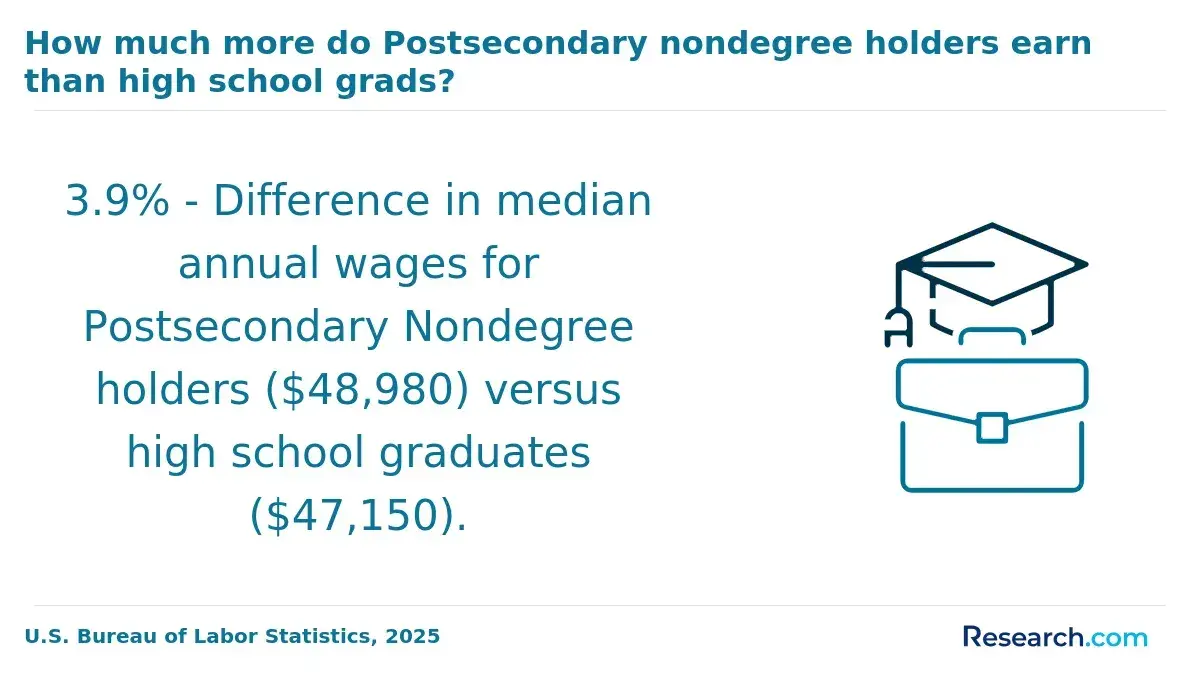
Salary ranges across human resource management roles in 2024 illustrate clear distinctions tied to experience and responsibility. Entry-level positions such as HR assistants and coordinators generally earn between $40,000 and $55,000 annually, reflecting foundational tasks and limited strategic input. Mid-tier roles like HR generalists and specialists typically command $60,000 to $85,000, indicative of both growing expertise and more autonomous project involvement. At senior levels-including HR managers, directors, and business partners-compensation spans roughly $90,000 to $140,000 or beyond, driven by leadership demands and multifaceted oversight functions, with total rewards often augmented by bonuses in competitive markets, as reported by sources such as the U.S. Bureau of Labor Statistics and LinkedIn Salary Insights.
Underlying these salary disparities are multiple economic and organizational factors. Specialization within human resource management, such as compliance or workforce planning, tends to boost pay, especially where skill shortages or industry-specific regulatory pressures exist. Geographic location significantly impacts compensation, with metropolitan areas and regions of high living costs offering premium wages to attract qualified talent. Company size and sector maturity also shape salary bands, as larger firms often possess more robust resources to compensate strategic roles, while smaller businesses may offer narrower bands tied closely to operational scope. Ultimately, salary variation reflects a balance between market demand for particular competencies, employer willingness to invest in talent retention, and the progressive accumulation of skills and leadership experience throughout these careers.
After completing her degree, one graduate recalled the anxiety of navigating admissions for advanced certifications within human resource management, where rolling deadlines meant waiting weeks for acceptance decisions. She weighed submitting additional materials or applications elsewhere with the hope of a timely response, aware that delays could complicate her planned career transition. The experience underscored the importance of early preparation and flexible timing in managing professional credentials' acquisition amid uncertain admissions processes, a crucial factor often overlooked by candidates eager to move quickly into higher-paying roles.
Which Industries Are Hiring the Most Human Resource Management Graduates?
Demand for human resource management graduates is notably concentrated in industries undergoing significant digital transformation, workforce growth, or facing skill shortages that require strategic talent management. These sectors reflect macroeconomic shifts such as evolving regulatory pressures, innovation-driven expansion, and changing labor market dynamics rather than isolated hiring spikes. Understanding these contextual drivers reveals why certain industries prioritize specific HR competencies and how graduates can align their skills to real-world organizational needs.
- Healthcare: Healthcare remains a primary employer for human resource management professionals due to persistent employee turnover, complex regulatory requirements, and rapid expansions in hospitals, outpatient services, and long-term care facilities. Employers in this sector typically seek HR graduates adept at navigating compliance frameworks, managing workforce diversity, and implementing retention strategies tailored to high-stress environments.
- Technology: The tech industry's fast-paced growth, particularly among startups and scale-ups, creates demand for HR professionals skilled in talent acquisition, employee development, and competitive compensation design. Given intense competition for skilled workers, firms prioritize HR graduates who can foster innovation-friendly cultures and manage flexible, agile workforces.
- Finance and Insurance: Organizations in finance and insurance are focused on mitigating risk through rigorous compliance and cultivating strong organizational culture amid evolving industry regulations. Human resource management graduates with expertise in risk management, regulatory navigation, and strategic workforce planning are in demand to support these priorities.
- Manufacturing and Logistics: Growth in advanced manufacturing and supply chain sectors fuels need for HR specialists who can manage workforce planning across fluctuating production cycles and adopt digital tools for labor analytics. Employers often value graduates with operational insight and the ability to implement efficiency-driven HR processes.
- Retail and E-commerce: Seasonal workforce volatility in retail demands HR professionals who excel in flexible staffing solutions, large-scale onboarding, and labor cost optimization. Human resource management graduates here must be effective in managing diverse temporary labor pools and aligning workforce strategies with dynamic sales patterns.
According to a 2024 National Association of Colleges and Employers survey, approximately 40% of human resource management graduates secure roles within these industries within six months, reflecting the practical link between industry demand and graduate employability. Salary variations also correspond with sector-specific priorities, where tech and finance roles generally offer higher entry-level compensation due to the strategic nature of their HR functions compared to healthcare or education positions.
How Does Hiring Demand Vary by State, Region, and City?
Hiring demand for human resource management roles shows marked variation across states and broader regions, largely shaped by differences in local economic conditions and industry clusters. States with diversified, large-scale economies such as California, Texas, and New York demonstrate stronger hiring momentum for human resource management graduates, supported by dense concentrations of corporate headquarters, technology firms, and service sectors. Conversely, regions like the Midwest and parts of the Southwest reflect slower but steadier demand tied to manufacturing and agriculture, leading to different competitive dynamics and salary expectations for job seekers. Labor market data from sources including the U.S. Bureau of Labor Statistics reveal that regional economic health and the composition of industry sectors directly influence the volume and nature of open roles, emphasizing the importance of understanding human resource management job demand by state when evaluating opportunities.
At the city level, labor markets become more concentrated, often reflecting the dominant local industries and cost-of-living considerations. Metropolitan hubs such as San Francisco, Seattle, and Boston, with robust technology, finance, and healthcare clusters, tend to offer higher salaries and more intense competition for human resource management positions, driven by both employer density and sophisticated talent ecosystems. Meanwhile, smaller cities and rural areas may present fewer openings but can attract entry-level candidates or those seeking work-life balance, though often with limited options for upward mobility or specialization. Infrastructure and established talent pipelines also play critical roles in shaping localized demand, indicating that aligning career goals with specific urban economies-and workforce realities-can create meaningful advantages. Those considering specialized credentials might also explore offerings relevant to evolving fields, such as a master in blockchain, which may influence future human resource management hiring trends in finance and technology sectors.
What Skills Are Employers Prioritizing in Human Resource Management Job Postings?
Employer expectations for human resource management roles are increasingly shaped by rapid technological adoption, automation of routine tasks, and expanding organizational demands for multifaceted capabilities. The skill sets sought in 2024 reflect a convergence of technical proficiency, data competency, and interpersonal acumen, signaling a shift from traditional administrative functions to strategic partnership roles within businesses. These evolving priorities highlight the need for candidates to adapt to systems integration, workforce analytics, and dynamic employee engagement methods.
- Data Analysis and Interpretation: Employers value the ability to dissect workforce data to drive evidence-based decisions as HR practices become more analytics-driven. Mastering data insights enables professionals to enhance talent management strategies and justify HR initiatives, positioning them for higher-impact roles.
- Human Resource Information Systems (HRIS) Proficiency: Familiarity with platforms like Workday and Oracle HCM is often non-negotiable due to automation of payroll, benefits, and compliance functions. Skillful navigation of these systems streamlines operations and increases employability, as organizations lean heavily on integrated tech solutions.
- Communication and Employee Relations: Despite automation, interpersonal skills remain critical for resolving conflicts, negotiating, and fostering inclusive cultures. The persistent emphasis on these competencies reflects ongoing needs for nuanced human interaction and leadership in diverse, hybrid work environments.
- Change Management Expertise: With organizations facing frequent restructuring and digital transformation, HR professionals adept at guiding change initiatives are essential. This skill ensures smoother transitions, bolstering organizational resilience and enhancing the HR role's strategic influence.
- Project Management: Coordinating cross-functional initiatives, particularly within remote or hybrid settings, requires HR professionals to manage timelines, resources, and stakeholder communications effectively. Project management capabilities improve workflow integration and support broader business objectives.
According to analysis from the U.S. Bureau of Labor Statistics in 2024, jobs in human resource management require a balanced mix of technological and interpersonal skills, underscoring how these competencies define current and future hiring trends.
Which Certifications Increase Employability and Salary Potential?
Certifications in human resource management often function as critical indicators of specialized expertise, technical competence, and readiness to meet industry demands. They serve as strategic supplements to formal education, enhancing applicants' visibility in competitive hiring landscapes. Employers frequently rely on these credentials to validate proficiency in complex areas such as compliance, talent acquisition, and strategic workforce planning, which align closely with persistent skill shortages. Consequently, well-recognized certifications can substantially influence salary offers and career trajectories.
- SHRM-CP and SHRM-SCP: These certifications stand out because they demonstrate comprehensive mastery of HR competencies relevant to both operational and strategic roles, addressing employers' need for candidates capable of navigating evolving regulatory environments and workforce dynamics. They often translate to salary premiums between 10% and 15%, reflecting their role as benchmarks for leadership potential and advanced HR knowledge.
- Professional in Human Resources (PHR): Valued for establishing foundational HR skills, the PHR credential signals practical readiness for entry-to-mid-level positions, particularly in areas like employee relations and compliance. This certification helps close skill gaps many employers face, boosting hiring appeal and modestly enhancing compensation.
- Senior Professional in Human Resources (SPHR): Targeted at experienced HR professionals, SPHR validates strategic and policy-level expertise, aligning with roles that influence organizational performance and culture. Possessing this credential tends to improve opportunities for leadership appointments and command higher wages due to its association with senior-level decision-making capabilities.
- Diversity and Inclusion Certificates: These specialized credentials address organizational priorities to foster inclusive workplaces and reduce bias. While they may not independently yield significant salary increases, they augment broader HR qualifications by filling niche skill gaps increasingly prioritized in recruitment and retention strategies.
A 2024 report by the Society for Human Resource Management highlights that certified professionals typically experience lower unemployment and stronger wage growth, underscoring the tangible labor market advantages these credentials confer.
One recent human resource management graduate recalls hesitating during a rolling admissions cycle for certification programs. Initially uncertain about whether to commit to the SHRM-CP exam immediately after graduation, the candidate weighed the costs and preparation time carefully. After a delay of several weeks due to application processing, the decision to pursue certification became more urgent as job interviews increasingly referenced credential preferences. This experience underscored how timing and strategic preparation shape employability, reinforcing that certification is not merely a credential but a critical career investment whose value often hinges on when and how it is obtained.
How Do Remote and Hybrid Opportunities Affect the Human Resource Management Job Market?
Remote and hybrid work opportunities are reshaping hiring trends in human resource management by broadening talent pipelines beyond traditional geographical limits. Recent labor market analyses, including data from the LinkedIn Workforce Report 2024, indicate a marked increase in employers seeking candidates proficient in managing virtual teams and leveraging HR technology platforms, especially within North America. This shift intensifies competition for roles offering flexible work models, prompting recruiters to prioritize digital communication skills and autonomous work habits. Such dynamics are particularly salient in mid to senior-level positions, where proficiency in distributed workforce management has become a critical hiring criterion aligned with hybrid work trends shaping human resource management career opportunities.
These work arrangements also have broader implications for salary structures and labor mobility, as companies navigate cost-of-living disparities by adjusting compensation or normalizing pay across regions. This creates a more complex negotiation landscape for candidates who must weigh location flexibility against variable pay scales. Employers now expect enhanced digital literacy and collaboration capabilities as standard, changing workforce demands long term. Consequently, the human resource management job market is evolving toward a more dispersed, skill-intensive profile that privileges adaptability and technological competence. Prospective professionals should consider how these patterns influence both immediate employability and sustained career growth, while educational programs that integrate virtual engagement with core HR principles provide a stronger foundation. For those exploring pathways into this field, exploring an accredited online graphic design degree can offer complementary digital skills valued in the hybrid work environment.
Which Human Resource Management Careers Show the Strongest Long-Term Hiring Momentum?
Long-term hiring momentum in human resource management careers reflects underlying structural shifts in industries, rather than transient job market fluctuations. This momentum indicates how economic and technological trends continually reshape workforce demand, especially within roles requiring an integrated skillset. Industry digitization, evolving compliance standards, and strategic talent needs contribute to sustained demand across specific human resource management paths. Identifying these trajectories helps job seekers and early-career professionals focus on durable opportunities amid changing organizational priorities and labor market dynamics.
- HRIS Analyst - The accelerating adoption of digital transformation across industries drives long-term demand for HRIS analysts. These professionals combine HR expertise with technical proficiency in data analytics and software systems, enabling organizations to optimize employee data management and strategic decision-making. Their roles are expanding as employers increasingly rely on technology to support workforce planning and compliance with regulatory updates.
- Talent Acquisition Specialist - Strong competition for skilled labor sustains demand for recruitment experts who excel in sourcing, screening, and employer branding. Sectors with rapid growth or high turnover particularly prioritize talent acquisition specialists who can adapt to dynamic labor markets while leveraging data-driven recruiting tools. This recruitment function remains critical as companies seek to build agile, diverse, and productive teams.
- Diversity, Equity, and Inclusion (DEI) Coordinator - Increasing focus on equitable workplace culture fuels growth for DEI roles. Regulatory pressures and evolving social standards push employers to embed inclusion strategies within their human resource management frameworks. This creates a structurally sustained need for professionals who understand both workforce demographics and legal compliance, reinforcing long-term stability in this career.
- Compensation and Benefits Analyst - Designing competitive and compliant compensation packages requires specialized knowledge and ongoing adjustment to labor market trends and legislation. Organizations depend on these analysts to balance employee satisfaction with financial prudence, ensuring compensation frameworks remain aligned with evolving industry standards and workforce expectations.
The U.S. Bureau of Labor Statistics projects an 11% increase in employment for human resource specialists between 2022 and 2032, outpacing average occupational growth. This data underscores how the highest growth human resource management careers in the US are increasingly rooted in integrating technology, analytics, and strategic impact. Exploring careers with animals that pay well offers a parallel example of how niche roles, guided by economic trends and specialization, create enduring labor market demand beyond generalist positions.
How Can Students Use Job Market Data to Make Better Career Decisions?
Students evaluating human resource management career options can leverage updated labor market data, including industry reports, hiring platforms, and 2024 salary databases, to discern which roles exhibit sustained demand and competitive compensation. Such data reveals distinctions between generalist positions and niche areas like HR analytics or talent acquisition, allowing learners to target pathways with clearer growth potential. Tracking hiring momentum also signals market stability, helping students identify sectors with accelerating opportunities versus those experiencing contraction. These sources provide critical context to judge whether additional credentialing or specialization justifies the investment relative to expected salary increments and employment likelihood.
Interpreting this data requires balancing immediate job availability against longer-term career sustainability and alignment with individual strengths and interests. Geographic variations in openings and pay affect relocation or remote work decisions, while evolving employer expectations-such as digital proficiency and cultural agility-must factor into skills development. Students should avoid overemphasizing short-term hiring spikes that may not reflect enduring trends, instead integrating labor market signals with personal goals to craft realistic, adaptable education and career plans. This nuanced approach helps manage risks inherent in workforce fluctuations while maximizing strategic use of labor market intelligence.
References
- Top Benefits of Earning an HR Certificate | HR Certification https://hrcertification.com/blog/benefits-human-resources-certificate-biid1000167
- HR Success: The Best HR Skills to Have | GBS https://www.galwaybusinessschool.ie/blog/from-aspiring-to-accomplished-your-path-to-hr-success-starts-here/
- 18 HR tips & tricks to master the art of human resource management | peopleHum https://www.peoplehum.com/blog/human-resource-management-tips-tricks-master-the-art
- Highest Paying Human Resources Jobs UK https://apexlearning.org.uk/highest-paying-human-resources-jobs-uk-2025/
- Unlock Your HR Career: Essential Skills for Graduates https://matchtocollege.com/blog/essential-hr-skills-for-graduates-path-to-success
- Salaries in Human Resources, Poland - Pensjometr https://www.pensjometr.pl/en/salaryinfo/human-resources
- 13 Top Human Resources Job Skills Employers Are Seeking https://www.rasmussen.edu/degrees/business/blog/human-resources-job-skills-employers-want-to-see/
- Remote Work Isn't Going Away—and Workers Don't Want It to https://www.shrm.org/enterprise-solutions/insights/remote-work-isnt-going-away
- HR Salary in the UK: How Much Can You Earn at Every Level? https://www.avadolearning.com/blog/what-jobs-salaries-can-i-expect-in-human-resources/
- Future Skills Centre • Centre des Compétences futures https://fsc-ccf.ca/projects/hybrid-work-models/
Other Things You Should Know About Human Resource Management
Salary bands in human resource management vary significantly based on company size, sector, and location. Candidates should prioritize understanding the specific salary range tied to the role's responsibilities and the employer's market position rather than relying on generalized benchmarks. Negotiation efforts are best directed where there is evident room for flexibility, such as roles that demand specialized expertise or leadership responsibilities. Recognizing these nuances helps candidates avoid overpricing themselves or underselling potential value, impacting long-term career progression and compensation growth.
Roles experiencing rapid hiring momentum often offer quicker entry opportunities but may come with higher workloads and less structured onboarding processes. Conversely, slower-growth areas might provide more stable, long-term career development but require patience and deliberate skill-building. Early-career professionals should weigh the immediate benefits of entering a fast-growing segment against potential burnout or lack of mentorship, prioritizing roles that align with personal capacity and career goals over speed of entry.
Employers often expect new hires in human resource management to manage multiple responsibilities simultaneously, including recruitment, compliance, and employee relations. This breadth can accelerate skill development but may also lead to uneven exposure if tasks become repetitive or administrative-heavy. Candidates should seek roles where structured training and cross-functional work are emphasized, as these offer richer learning experiences and better prepare professionals for advancement rather than narrowly defined job scopes that limit growth.
Choosing a lower starting salary role can be strategically advantageous if the position offers clear pathways for promotion, skill diversification, and leadership development. Early-career professionals should prioritize roles that demonstrate a track record of internal mobility and skill investment by employers, as these factors are more predictive of future earnings and career resilience than immediate compensation alone. Assessing the employer's commitment to growth allows candidates to balance short-term financial tradeoffs against longer-term professional and economic outcomes.