2027 Human Resource Management Affordability by State: Where Students Pay the Most and Least

Co-Founder and Chief Data Scientist
Choosing between two human resource management programs—one in-state with moderate tuition but high living costs, the other out-of-state with lower tuition yet expensive housing—forces students to weigh expenses beyond sticker price. Recent data from the College Board indicates that average in-state tuition grew by only 2%, but room and board jumped by over 5% nationwide, revealing that indirect costs increasingly strain budgets.
This shift complicates decisions since traditional in-state savings may evaporate when factoring living expenses. Understanding how tuition, fees, and cost of attendance vary by state is crucial for budgeting effectively and minimizing student debt risk.
This article examines state-by-state affordability in human resource management programs to help students pinpoint where pursuing their degree is financially feasible or disproportionately costly.
Key Things to Know About Human Resource Management Affordability by State
- States with lower in-state tuition for human resource management often have higher cost of living, meaning total attendance surpasses pricier states, shifting budget-conscious students to weigh living expenses over sticker prices.
- Out-of-state tuition disparities influence relocation choices, with many students sacrificing local employer networks vital for internships and long-term hiring in human resource management fields.
- Financial aid and scholarships vary widely by state; a 2024 National Student Clearinghouse report highlights increased borrowing in states with limited aid, signaling timing risks for debt-sensitive HR management students.
- Key Things to Know About Human Resource Management Affordability by State Key Things to Know About Human Resource Management Affordability by State
- Which States Have the Most Affordable Human Resource Management Degree Programs? Most Affordable State Programs
- Which States Have the Highest Human Resource Management Degree Costs? Highest State Tuition Costs
- How Much Does a Human Resource Management Degree Cost by State? Degree Costs by State
- Why Does Human Resource Management Affordability Vary So Much Between States? State Affordability Variations
- How Do In-State and Out-of-State Tuition Rates Affect Human Resource Management Affordability? In-State vs. Out-of-State Rates
- How Does the Cost of Living Impact Overall Human Resource Management Affordability by State? Living Costs and Affordability
- Which States Offer the Best Value for a Human Resource Management Degree? Best Value State Degrees
- What Financial Aid and Scholarship Opportunities Can Reduce Human Resource Management Costs? What Financial Aid and Scholarship Opportunities Can Reduce Human Resource Management Costs?
- Are Online Human Resource Management Degree Programs More Affordable Than On-Campus Options? Are Online Human Resource Management Degree Programs More Affordable Than On-Campus Options?
- Is a Human Resource Management Degree Worth the Cost Based on Career Outcomes and ROI? Degree ROI and Outcomes
Which States Have the Most Affordable Human Resource Management Degree Programs?
State-level differences in public funding and tuition policies heavily shape where pursuing a human resource management degree is financially feasible, with in-state tuition advantages often creating substantial affordability gaps. For instance, a student residing in Wyoming may pay less than half the tuition compared to an out-of-state peer due to strong state subsidies and residency-based pricing, which can dramatically influence enrollment decisions and the total cost of degree completion.
However, these savings might be offset by regional cost-of-living variations or limited program availability, forcing prospective students to weigh immediate expenses against potential long-term educational value and career flexibility. Understanding how these tradeoffs align with one's personal circumstances is essential for making practical, cost-effective choices in human resource management education.
Affordability also hinges on how states integrate financial aid initiatives and institutional competition to drive down net costs while expanding access to online and hybrid learning formats. New Mexico and Florida exemplify states where moderate public tuition rates combined with targeted scholarships and lower living expenses create more cost-effective pathways.
Such dynamics not only affect upfront costs but also impact graduation timelines and associated debt loads, which can vary based on a student's residency status and program selection. Those comparing affordable human resource management degrees by state should also consider how these factors affect program accessibility and completion rates, as reflected in recent data from the Integrated Postsecondary Education Data System (IPEDS) and state financial aid reports, while evaluating options like the cheapest 1 year online MBA programs could provide additional budget-conscious pathways in related fields.
Which States Have the Highest Human Resource Management Degree Costs?
Variations in human resource management degree costs across states mainly reflect complex interactions between tuition policies, state funding levels, and regional living expenses. States with diminished public investment per student drive institutions to raise tuition, especially for non-residents or private university attendees, skewing affordability for many learners.
For example, a student transferring from a community college in California might face substantially higher fees attending a private university due to steep tuition premiums combined with the state's elevated housing and daily costs. Such financial pressures force students to weigh whether the perceived prestige or program specialization justifies these expenses compared to more affordable options in other states with stronger public funding or lower living costs.
Geographic disparities also influence enrollment decisions beyond sticker price; residency requirements and limited low-cost pathways in high-priced states can restrict access for budget-sensitive students. Learners often consider whether pursuing an online degree or relocating to a more affordable state aligns better with their career goals and financial reality.
Notably, 2024 data from the National Center for Education Statistics highlight California, New York, and Massachusetts among the highest cost regions, reflecting concentrations of elite private schools and urban living premiums rather than simply tuition alone. Understanding these nuanced cost drivers can help prospective students make pragmatic choices balancing quality, return on investment, and economic feasibility in human resource management education.
One graduate recalled searching extensively for human resource management programs, initially narrowing choices to a prestigious New York university but hesitating over out-of-state tuition and New York City's soaring living expenses. After comparing public options in a neighboring state with lower fees and more flexible residency rules, the student ultimately chose a regional public university offering a well-regarded program with manageable costs and scholarship opportunities.
This decision emerged from balancing anticipated job market advantages against the financial strain of relocation and premium private tuition, highlighting how nuanced affordability considerations directly impact educational pathways and career planning.
How Much Does a Human Resource Management Degree Cost by State?
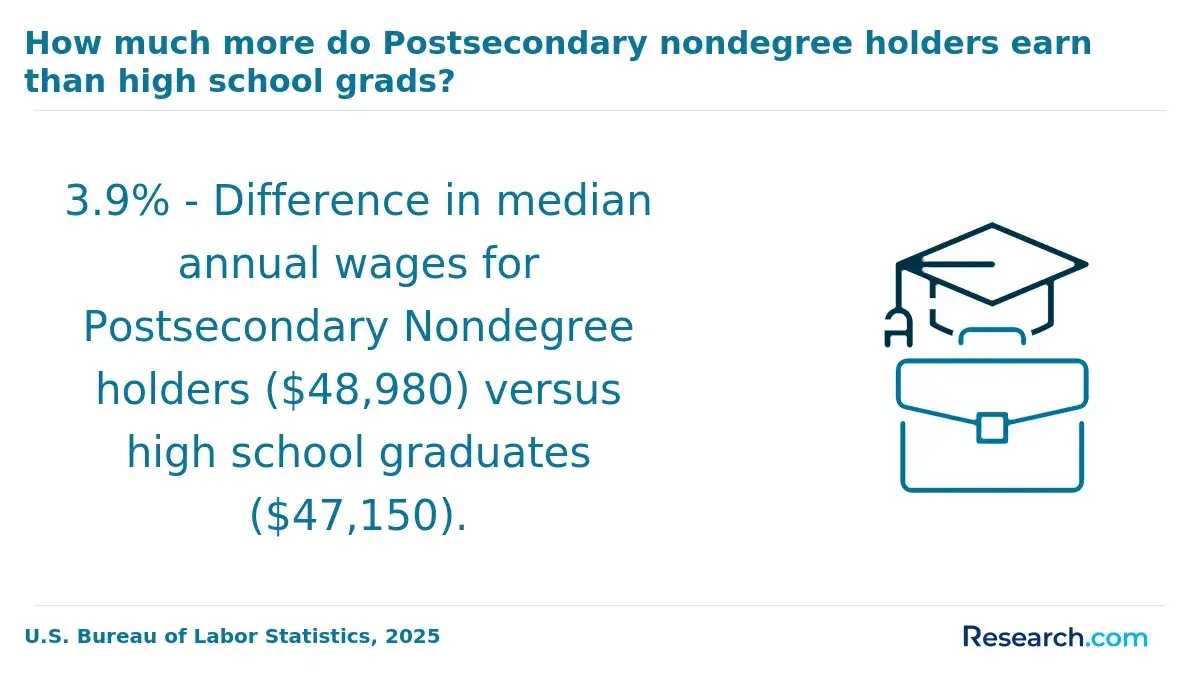
Cost differences for earning a human resource management degree across states stem largely from public versus private institution mixes and state funding priorities, influencing not just tuition but overall economic burden. For example, in 2024, average in-state tuition at public universities ranges from about $6,000 annually in states like Wyoming to more than $12,000 in places like Vermont, nearly doubling for out-of-state students. Such disparities matter when budgeting, as attending a higher-cost state often means weighing the financial strain of out-of-state fees, higher living expenses, and potentially larger student debt against localized economic conditions and employment markets.
Financial planning must also consider the availability of state-specific aid programs, which can offset sticker prices but vary widely based on policy and whether students qualify as residents. States with strong public university systems may offer more affordable paths for residents and foster access through targeted grants for career-focused degrees like human resource management, whereas regions lacking such infrastructure push students toward pricier private colleges. This dynamic affects enrollment decisions and can motivate some students to seek online or hybrid programs to reduce relocation costs or to stay within lower-cost states while maintaining credential relevance.
Ultimately, prospective human resource management students should approach cost analysis as a balance of immediate tuition fees, long-term debt implications, and the labor market value tied to their educational environment. A student choosing between a lower-cost state with limited networking opportunities and a higher-cost urban region with robust industry connections faces strategic tradeoffs affecting employability and financial resilience after graduation. Integrating cost data from sources like the National Center for Education Statistics enables clearer forecasting of these tradeoffs, helping students make informed choices aligned with both budget constraints and career ambitions.
Why Does Human Resource Management Affordability Vary So Much Between States?
Variations in human resource management degree cost differences by state largely stem from how public higher education is funded and the makeup of educational institutions within each state. States allocating more robust funding to public colleges typically maintain lower in-state tuition, easing financial barriers for residents. For instance, a student comparing programs in New York versus Texas may find New York's higher tuition influenced not just by state subsidies but also by greater reliance on private institutions, which generally charge more. These disparities influence student decisions about whether to study in-state, pursue online alternatives, or transfer to more affordable regions.
Beyond funding, factors such as cost-of-living differences and resident tuition subsidy policies also shape where degree affordability lands. States with high living expenses like California raise fees on housing and campus services, pushing total costs upward, which can deter budget-conscious students. Meanwhile, some states offer in-state tuition breaks or targeted grants aligning with workforce needs, affecting overall program accessibility. Prospective learners weighing human resource management program affordability must consider that these policy tradeoffs and regional economic conditions impact not only upfront costs but also long-term financial planning and career entry paths.
Understanding state factors influencing human resource management program affordability is essential for students prioritizing value and employability outcomes. Program availability and enrollment demand further influence pricing as institutions adjust to supply constraints and perceived program prestige. Those seeking cost-effective pathways might explore online options, such as a criminal justice degree online, which provide alternatives to higher on-campus expenses while maintaining regional flexibility.
How Do In-State and Out-of-State Tuition Rates Affect Human Resource Management Affordability?
The disparity between in-state and out-of-state tuition rates shapes not just the upfront cost but the strategic decisions students make when pursuing a human resource management degree. With 2024 National Center for Education Statistics data showing public four-year institutions charge roughly $10,400 annually for in-state students versus about $27,000 for out-of-state, this gap can drastically influence whether a candidate opts to establish residency, leverage regional reciprocity programs, or consider online pathways with more consistent pricing.
For example, a student living near a state border in the Midwest might save significantly by enrolling through the Midwest Student Exchange Program, which limits tuition to 150% of in-state rates, rather than full out-of-state fees, shaping enrollment choices that balance cost with access to reputable programs.
Beyond tuition, eligibility rules for establishing in-state status often entail long-term residence or other complex criteria, complicating budget planning for many prospective learners. Furthermore, financial aid and state grants tend to favor residents, restricting the practical reach of assistance for out-of-state learners. Even when online programs reduce geographical barriers by offering resident tuition regardless of location, private institutions' uniform pricing can negate these savings. Thus, students must evaluate tuition differences alongside factors like institutional recognition and program quality, weighing immediate financial impacts against potential career returns and employer expectations in human resource fields.
A recent graduate recalled grappling with whether to move and reclassify as a resident after discovering the steep tuition premium at a public university out of state. Initially hesitant to commit to the residency process due to its documentation demands, the student ultimately decided the potential $16,000 annual savings justified the effort and delay. However, uncertainty persisted about whether the program's market value outweighed the added time and costs involved. This experience highlights the nuanced, often stress-inducing trade-offs that shape many human resource management students' paths, emphasizing careful financial planning beyond face-value tuition comparisons.
How Does the Cost of Living Impact Overall Human Resource Management Affordability by State?
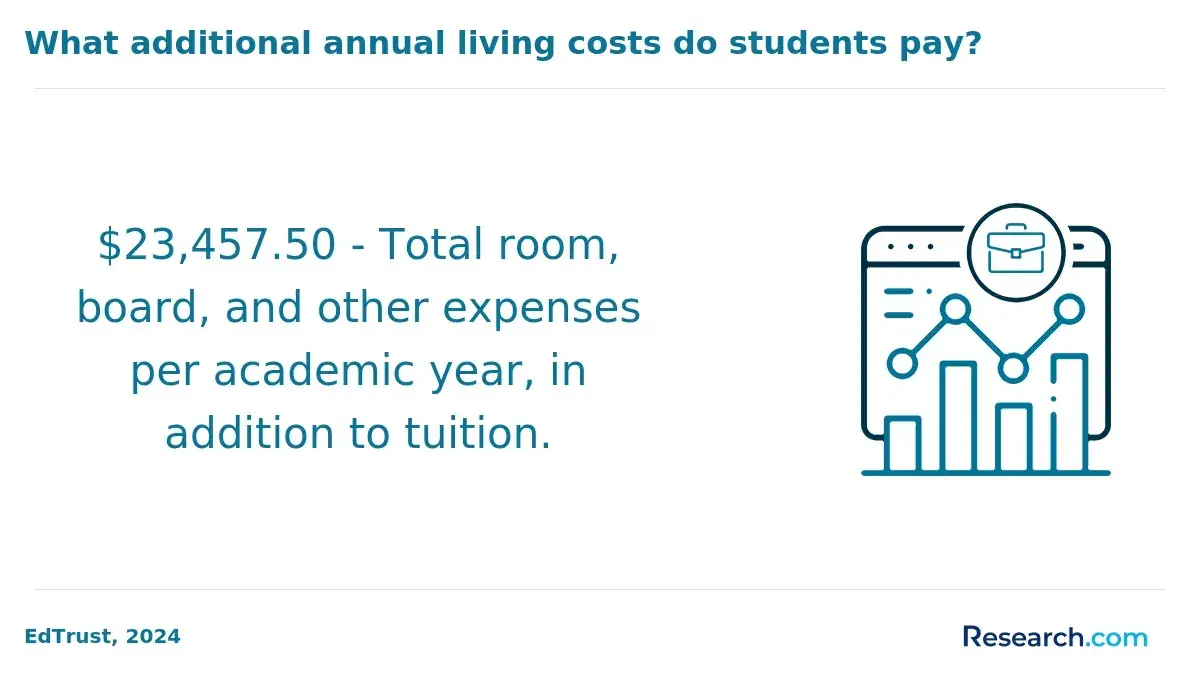
Housing and regional living expenses often overshadow tuition figures when evaluating the cost of living and human resource management degree affordability by state. A student attending a program in New York, for example, may face monthly rent that doubles what a comparable program costs in a rural Midwestern state, amplifying their total financial burden despite similar tuition rates. This kind of disparity creates real tradeoffs between location and budget, influencing decisions on whether to pursue local in-person classes, online alternatives, or even defer enrollment to save costs related to commuting, transportation, and high day-to-day expenses.
Higher food prices, healthcare costs, and transportation complexities in dense urban areas compound these challenges, forcing students to extend their financial planning beyond tuition alone. These factors increase reliance on loans or part-time work, which may affect academic focus and timely degree completion. Students comparing programs must also consider how these living expenses interact with state-specific employment markets, impacting not just affordability but also prospects for internships and post-graduation employment. Such practical realities shape the impact of the cost of living on human resource management education costs and influence strategic choices about where and how to study.
Budget-conscious learners can benefit from analyzing programs alongside state-specific expenses and workplace opportunities, balancing educational outcomes with financial sustainability. Prospective students interested in cost and program outcomes might also explore options outside traditional paths, referencing resources like the best data science masters rankings as a comparative tool for understanding affordable advanced degrees. This approach ensures informed decisions that reflect true educational investment rather than surface-level tuition comparisons.
Which States Offer the Best Value for a Human Resource Management Degree?
Determining the best value for a human resource management degree requires assessing beyond just tuition rates to include local economic conditions, degree completion likelihood, and access to employer networks. For instance, Texas offers relatively low in-state tuition combined with moderate living expenses, but students should weigh this against the university's graduation rates and the strength of HR job markets in specific metro areas.
Conversely, states like North Carolina may have slightly higher tuition, yet public university systems with strong funding and a projected 8% growth in human resource manager roles suggest a promising return on investment through improved employment opportunities.
Students also need to consider residency rules and transfer pathways, as states with expansive community college systems like Florida provide affordable entry points with manageable debt burdens-approximately 15% below the national average-but may require navigating multiple institutions to complete a bachelor's degree efficiently. The absence of personal income tax in Florida and a diverse economy add financial incentives that are not captured in sticker price alone.
Ultimately, the cheapest degree option can be undermined by limited internship connections or weaker institutional support, emphasizing the need to balance upfront costs with post-graduation salary potential and professional integration specific to each state's regional context.
What Financial Aid and Scholarship Opportunities Can Reduce Human Resource Management Costs?
Financial aid availability and its structure can drastically alter the net cost of pursuing a human resource management degree, with federal, state, and institutional programs each presenting distinct eligibility constraints and financial impacts. More than 85% of public college students benefit from some form of financial support, according to National Center for Education Statistics 2024 data, highlighting how prevalent aid is in offsetting sticker prices.
However, federal options like Pell Grants primarily assist low-to-moderate income students and require careful planning around income thresholds and renewal criteria to maintain eligibility, making middle-income applicants vulnerable to gaps in support. For example, a student from a state with high tuition but limited state merit scholarships might rely heavily on Pell Grants and employer tuition reimbursement, which often depends on maintaining employment-a tradeoff affecting time available for study and work-life balance.
State grant programs substantially influence affordability but vary widely by residency requirements and institution types, meaning that in states like California or New York, in-state students often have more substantial access to both need- and merit-based awards than out-of-state peers, who may face sharply higher net costs. Institutional scholarships frequently require competitive GPAs or relevant work experience, creating practical tradeoffs between academic focus and professional development.
Employer-sponsored tuition benefits add another productivity-related variable, often tied to continued employment, thus indirectly linking education cost savings to workforce retention. Students weighing programs must consider how these layered aid policies interact, as well as how cumulative aid stacking rules and application timing affect total assistance and the long-term return on educational investment.
Are Online Human Resource Management Degree Programs More Affordable Than On-Campus Options?
Online human resource management degree affordability in the United States varies significantly depending on tuition structures, residency rules, and program-specific fees, making blanket assumptions about cost savings unreliable. While some states offer noticeably lower online tuition, in others, out-of-state online learners may face pricing nearly equivalent to or exceeding on-campus rates. For example, students from high-cost states such as California may reduce expenses by avoiding housing and commuting fees through digital enrollment, yet they must also consider technology costs and limited institutional merit aid, which can erode those savings.
The cost comparison of online versus on-campus human resource management programs by state reveals that affordability depends not only on sticker price but also on ancillary costs and financial aid availability. Many online students maintain full-time employment during their studies, offsetting opportunity costs that traditional on-campus learners often incur. However, online learners may encounter technology-related expenses, such as reliable internet access and software, which can disproportionately impact students in rural or low-income areas. Prospective students should weigh these factors and also monitor whether state residency requirements restrict access to lower in-state tuition for online programs, as this can affect total affordability.
Deciding between modalities requires assessing practical realities: fewer institutional merit scholarships for online learners narrow the financial gap, while savings on relocation and commuting can be substantial. Those evaluating educational pathways should also consider how program delivery influences employability and career flexibility. For a broader perspective on degree outcomes in related fields, examining advice like what can you do with a forensic psychology degree may provide useful insights into aligning educational investments with workforce demands.
Is a Human Resource Management Degree Worth the Cost Based on Career Outcomes and ROI?
The value of a human resource management degree significantly depends on the interplay between tuition affordability, local labor markets, and program completion rates rather than tuition cost alone. For example, states like Wyoming and New Mexico offer lower in-state tuition and tend to have higher degree completion rates, which can reduce overall debt burdens and increase the practical return for graduates. In contrast, regions with higher tuition costs, such as California and Massachusetts, often lead to greater student debt that may offset the earning benefits, even though these states present stronger HR job markets and higher salary ceilings.
When assessing human resource management degree return on investment in the United States, prospective students must also weigh opportunity costs, geographic employment patterns, and the quality of career services alongside tuition. Programs that support completion rates above 70% and provide targeted HR career services tend to deliver better long-term outcomes by improving employment stability and reducing the financial stresses of extended study periods. Additionally, alignment with career goals, including decisions on pursuing advanced HR certifications or graduate degrees, shapes overall lifetime earnings more than the initial tuition outlay.
Career outcomes and salary prospects for human resource management graduates by state are often influenced by the density of corporate headquarters and government agencies, which create more HR job openings and advancement opportunities. Budget-conscious learners can explore more accessible pathways by reviewing tuition cost comparisons or seeking out online general studies degree affordable options that may serve as stepping stones. Such nuanced considerations help avoid simplistic ROI judgments and guide students toward choices that reflect both financial realities and workforce dynamics.
References
- How Does the Cost-of-living Crisis Affect the Workplace? | CA Global https://www.caglobalint.com/post/how-does-the-cost-of-living-crisis-affect-the-workplace/
- 50 Most Affordable Small Colleges for a Human Resources Degree and HR Study - Human Resources Degrees https://www.humanresourcesmba.net/best/affordable-small-colleges-human-resources-degree/
- Discover The Most Affordable Online Human Resources Degrees https://www.affordablecollegesonline.org/degrees/human-resources-programs/
- 24 Income related Human Resource Management Scholarships available in the USA https://www.hotcoursesabroad.com/study/international-scholarships/us-usa/qn/human-resource-management/income-related/all/211/qid/d5/1170/nty/scholarship.html
- The Effects of Rising Student Costs in Higher Education - Ithaka S+R https://sr.ithaka.org/publications/the-effects-of-rising-student-costs-in-higher-education/
- The College Affordability Gap: Insights and Impact on Families https://encoura.org/resources/wake-up-call/the-college-affordability-gap-insights-and-impact-on-families
- Welcome to SHRM | The Voice of All Things Work https://www.shrm.org/
- Human resource management - Wikipedia https://en.wikipedia.org/wiki/Human_resource_management
- A Cost-Benefit Analysis of Sustainable Human Resource Management Practices: Evaluating the Impact on HRM Effectiveness and Organizational Performance | European Journal of Management, Economics and Business https://ejmeb.com/index.php/journal/article/view/86
- The College Affordability Gap: Insights and Impact on Families https://www.encoura.org/resources/wake-up-call/the-college-affordability-gap-insights-and-impact-on-families/
Other Things You Should Know About Human Resource Management
Some states offer accelerated or intensive human resource management programs that reduce the time to graduation, which can significantly lower overall tuition and living expenses despite higher per-credit costs. Conversely, longer programs with standard pacing may appear more affordable per credit but often result in higher total out-of-pocket spending and delayed entry into the workforce. Prospective students must weigh whether a shorter timeline aligns with their learning style and life situation, as rushing through coursework could impact mastery and long-term career readiness.
Employers in states with competitive human resource markets may prioritize candidates from programs with strong experiential components, which are sometimes absent in lower-cost degrees. Selecting the most affordable program without evaluating its curriculum rigor or employer recognition risks undervaluing the credential and limiting job prospects. Students should prioritize programs that balance cost with inclusion of internships, real-world projects, or networking opportunities to match regional employer demands despite possible higher tuition.
Lower-cost programs, especially in certain states, might rely heavily on adjunct faculty or online delivery without synchronous interaction, which can reduce opportunities for mentorship and personalized feedback. While this structure makes degrees more accessible financially, it may compromise the depth of learning and professional skill development critical in human resource management roles. Students focused on long-term career growth should be ready to invest more in programs with experienced full-time faculty and robust live engagement.
Choosing a more affordable program far from one's intended employment market can create hidden costs, such as weaker local networks and unfamiliarity with state-specific labor laws and business culture, which are vital in human resource roles. Affordability should be balanced with strategic location, especially for students seeking immediate employment after graduation. Prioritizing cost alone may impair placement success and salary potential; therefore, programs in target regions, even if pricier, often yield better practical returns.