2027 Clinical Research Management Job Market Report: Open Roles, Salary Bands, and Hiring Momentum

Co-Founder and Chief Data Scientist
The clinical research management labor market shows nuanced shifts driven by regulatory updates, technological integration, and evolving employer priorities. Increased adoption of decentralized trials and real-world evidence collection reshapes the skill sets in demand, influencing open roles and salary structures. Geographic hiring hotspots reflect strategic industry investments and organizational restructuring, contributing to uneven talent availability nationwide. Compensation trends often signal where credential expectations are rising alongside workforce demographic changes, rather than simply mapping economic pressure. Understanding these patterns offers insight into how clinical research management adapts to innovation and compliance demands, highlighting which expertise areas face constraints and growth potential.
This article examines open roles, salary bands, and hiring momentum as indicators of broader labor market dynamics. It contextualizes employer demand amid shifting industry cycles and skill requirements, offering a grounded perspective on future workforce needs. The age distribution of clinical research management professionals suggests evolving educational access and career trajectories that will shape the field's capacity to meet complex regulatory and operational challenges ahead.
Key Things to Know About Clinical Research Management Job Market
- Current open roles in clinical research management reveal a shift toward specialized therapeutic areas, requiring focused expertise but limiting entry through generalist pathways, which affects early-career accessibility.
- A 2024 industry report shows salary growth plateauing in metropolitan hubs, signaling a workforce saturation that pressures employers to prioritize candidates with combined operational and regulatory skills.
- Hiring momentum varies regionally, with emerging biotech centers accelerating recruitment but imposing higher cost-of-living thresholds, challenging candidates to balance training investments against geographic job market realities.
- Key Things to Know About Clinical Research Management Job Market Key Things to Know About Clinical Research Management Job Market
- How Strong Is Demand for Clinical Research Management Graduates in Today's Job Market? Demand for Graduates
- Which Clinical Research Management Careers Have the Most Open Job Opportunities? In-Demand Careers
- What Salary Bands Are Employers Offering Across Clinical Research Management Careers? Offered Salary Bands
- Which Industries Are Hiring the Most Clinical Research Management Graduates? Top-Hiring Industries
- How Does Hiring Demand Vary by State, Region, and City? Hiring Demand by Location
- What Skills Are Employers Prioritizing in Clinical Research Management Job Postings? In-Demand Skills
- Which Certifications Increase Employability and Salary Potential? High-Value Certifications
- How Do Remote and Hybrid Opportunities Affect the Clinical Research Management Job Market? How Do Remote and Hybrid Opportunities Affect the Clinical Research Management Job Market?
- Which Clinical Research Management Careers Show the Strongest Long-Term Hiring Momentum? Strongest Careers
- How Can Students Use Job Market Data to Make Better Career Decisions? How Can Students Use Job Market Data to Make Better Career Decisions?
How Strong Is Demand for Clinical Research Management Graduates in Today's Job Market?
Recent labor market evaluations, including data from the U.S. Bureau of Labor Statistics and LinkedIn Workforce Reports in 2024, confirm robust demand for clinical research management graduates across the US. This demand is driven by steady growth in clinical research coordinator and manager roles as pharmaceutical development and regulatory oversight expand. The job market favors candidates with 2-5 years of experience, particularly those who combine academic credentials with practical skills, reflecting an increasingly competitive hiring environment. Employment opportunities for clinical research management graduates hinge not only on volume but also on navigating regional labor variations and sector-specific requirements related to drug trial complexity and post-market surveillance.
Key factors fueling demand include rapid technological adoption, such as digital trial platforms and electronic data capture systems, which reshape employer expectations toward hybrid skill sets blending clinical knowledge with data management and team coordination capabilities. Persistent skills shortages in these areas, compounded by regulatory complexity and an expanding pipeline of drug development projects, sustain upward pressure on hiring. Economic shifts influencing healthcare investment and regional R&D hubs also contribute to localized hiring surges. Prospective graduates should carefully assess these market dynamics to align their preparation with evolving industry priorities and not rely solely on traditional academic pathways.
Long-term stability for clinical research management roles will increasingly depend on adaptability to technology integration and specialized certifications that enhance onsite trial leadership. Emerging roles demand fluidity across interdisciplinary functions, emphasizing problem-solving and communication. Students considering advanced educational pathways might explore options such as an online doctorate to position themselves strategically within this shifting landscape. Understanding these nuanced labor market signals is crucial to making informed decisions about the timing and focus of clinical research management studies amidst a competitive yet opportunity-rich environment.
Which Clinical Research Management Careers Have the Most Open Job Opportunities?
Open job opportunities within clinical research management reflect broader shifts in healthcare innovation, regulatory demands, and trial complexity rather than isolated hiring spikes. The distribution of vacancies is shaped by growing clinical trial volumes, skills gaps in specialized roles, and evolving employer expectations tied to compliance and operational efficiency. Understanding which roles dominate the clinical research management job openings in the United States requires analyzing both industry expansion drivers and the nuanced competencies that employers prioritize.
- Clinical Research Coordinators (CRCs): CRCs represent the largest share of openings due to their critical function managing daily trial conduct at clinical sites, a foundational component of any research effort. The acceleration of trial start-up timelines and decentralized trial models have intensified demand for coordinators proficient in data collection, patient communication, and protocol adherence. NIH and labor data highlight approximately 12% year-over-year growth in CRC positions reflecting sustained investment in pharmaceutical and academic research projects.
- Clinical Trial Managers: Tasked with comprehensive study oversight-including budgeting, resource allocation, and cross-functional team coordination-trial managers face increasing demand amid complex trial designs. The rise of hybrid and decentralized trials requires these professionals to integrate technology platforms and regulatory guidance efficiently. Industry reports indicate a nearly 15% increase in trial manager vacancies over the last 18 months, underscoring their indispensable role in ensuring trial feasibility and compliance.
- Regulatory Affairs Specialists: Heightened regulatory scrutiny and evolving FDA requirements have propelled demand for specialists who navigate intricate compliance frameworks. These roles require substantive knowledge of international guidelines and documentation mastery, critical for preventing costly delays and regulatory setbacks. Healthcare workforce studies show about a 10% growth rate for this role, especially in sectors emphasizing global trial standards and quality assurance.
- Data Managers: While openings for data managers are fewer compared to CRCs or trial managers, their growth is notable due to the increasing complexity of clinical data flows and the need to ensure data integrity and security. Employers seek professionals skilled in database management, electronic data capture systems, and regulatory-compliant reporting. This niche is expanding with the penetration of real-world evidence and digital health technologies integrated into trials.
- Clinical Project Managers: Positioned at the interface of operational execution and strategic leadership, clinical project managers command growing attention in organizations aiming to align timelines, budget control, and stakeholder engagement effectively. Their ability to manage multi-site trials and harmonize communication across varied teams adds critical value. Though still less abundant than core coordinator and manager roles, openings for project managers are rising, particularly in contract research organizations and pharmaceutical companies optimizing trial portfolios.
The observed demand pattern aligns with shifting hiring priorities that emphasize cross-disciplinary skills, technological fluency, and regulatory agility. Those entering clinical research management job openings in the United States should identify pathways that balance immediate access with potential for specialization, recognizing that positions like regulatory affairs offer considerable long-term resilience despite steeper qualification barriers. This nuanced landscape advises prospective professionals to weigh operational experience against strategic competencies for optimal alignment with market needs.
Applicants and early-career professionals ought to consider how these labor dynamics interface with credential choices and career planning. For example, programs highlighting operational skills and compliance frameworks will be more relevant for CRC and regulatory roles, while those focused on project and data management software might better prepare candidates for trial manager and data manager vacancies. Assessing these variables can enhance alignment with the top clinical research management roles with highest demand, improving employability prospects and long-term career sustainability.
For those evaluating educational investments related to workforce entry, resources such as a cheapest online accounting degree program can illustrate financial decision-making models that apply broadly when selecting affordable, efficient credentials in allied professional fields.
What Salary Bands Are Employers Offering Across Clinical Research Management Careers?
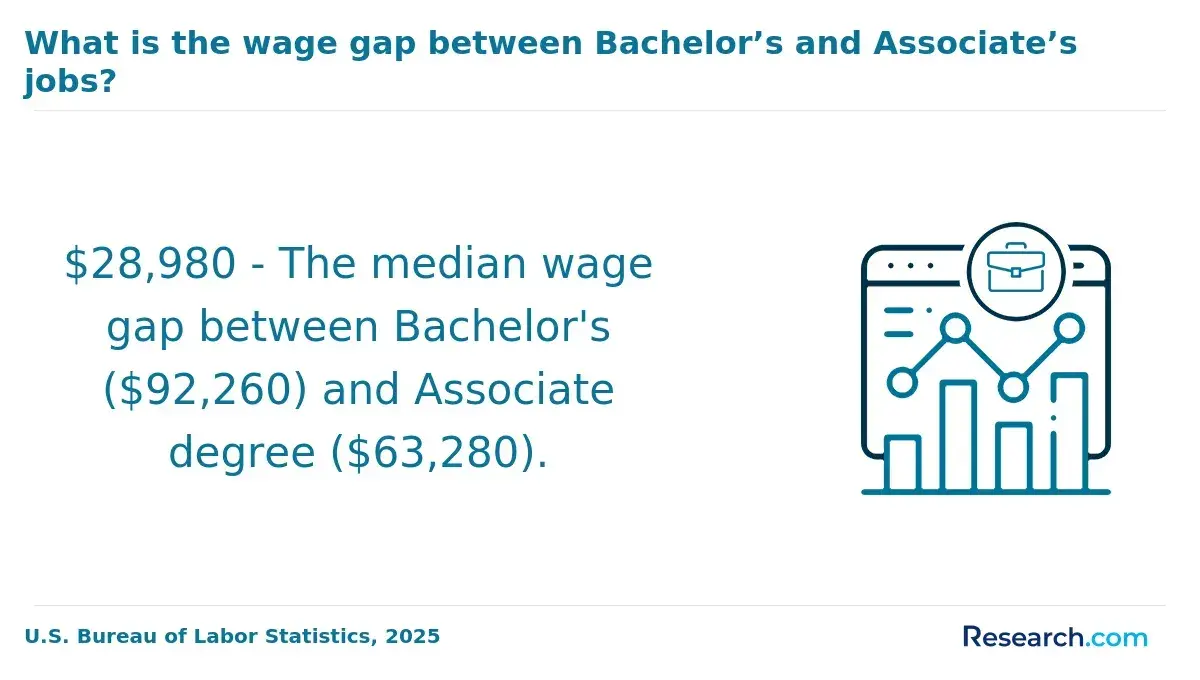
Current labor market data from sources like the U.S. Bureau of Labor Statistics and LinkedIn reveal that salary bands within clinical research management vary widely based on role seniority and responsibility levels. Entry-level positions, such as clinical research coordinators or junior managers, generally fall between $55,000 and $75,000 per year, reflecting limited leadership requirements but a need for strong organizational and compliance skills. Mid-level roles, including project managers and lead coordinators, typically command between $75,000 and $110,000 due to added expectations around team oversight, budgeting, and client engagement. Senior-level managers and directors overseeing multiple trials or departments typically start at $110,000 and can exceed $150,000, driven by their strategic management duties, regulatory expertise, and often advanced credentials as reported in 2024 compensation studies.
Several factors contribute to these salary disparities beyond experience. The degree of specialization, especially in regulatory knowledge and operational complexity, directly affects compensation, with more niche skill sets commanding higher wages. Industry segment variation-whether pharmaceutical, biotech, or contract research organizations-also plays a large role in salary range due to differing budget scales and competitive pressures. Geographic cost-of-living adjustments influence pay levels regionally, reflecting labor demand intensity and local economic conditions. Moreover, company size and the scarcity of qualified talent in certain subfields mean employers adjust salary offers to attract and retain individuals capable of managing increasingly complex clinical trials and adapting to evolving regulatory landscapes.
After completing her degree in clinical research management, one graduate found the admissions timeline for advanced certifications surprisingly challenging. She applied to multiple programs with rolling admissions but hesitated on committing quickly, unsure if delaying might yield better opportunities. The uncertainty meant she had to balance preparation for entrance requirements alongside job searching, ultimately accepting an offer later than initially planned. This experience underscored how timing and responsiveness during admissions can influence early career trajectory and salary negotiation flexibility in this competitive field.
Which Industries Are Hiring the Most Clinical Research Management Graduates?
Demand for clinical research management graduates is notably concentrated in sectors undergoing significant digital transformation, workforce expansion, or pronounced skill shortages. These dynamics reflect broader economic and technological shifts that redefine the structure of clinical research and regulatory compliance across industries. Rather than isolated recruitment spikes, hiring trends in these fields underscore evolving operational complexities and the need for professionals adept in both trial oversight and data management.
- Pharmaceutical and Biopharmaceutical Companies: These organizations lead hiring due to their sustained investment in research and development aimed at accelerating drug discovery and personalized therapies. The complexity of biologics and the regulatory intricacies involved elevate the need for candidates proficient in protocol adherence, compliance oversight, and adaptive trial designs.
- Healthcare Systems and Academic Medical Centers: Expansion of clinical trials within hospital networks and research institutions drives demand for graduates who can bridge clinical operations with regulatory frameworks. Emphasis is on coordinating multi-site studies, managing patient data privacy, and navigating compliance amidst evolving health technology integration.
- Government Agencies: Entities such as the National Institutes of Health and the Food and Drug Administration require professionals skilled in regulatory review, policy implementation, and clinical trial monitoring. Their focus on safeguarding public health through rigorous oversight creates a need for candidates versed in federal regulations and ethical standards.
- Contract Research Organizations (CROs): CROs facilitate outsourced clinical trial management globally, prompting a need for clinical research managers capable of overseeing complex sponsor relationships, ensuring data integrity, and optimizing project timelines across diverse therapeutic areas.
- Medical Device and Health Technology Companies: With the rise of device-centric trials and digital health innovations, these sectors prioritize skills in clinical data analytics, device safety compliance, and real-world evidence generation to meet regulatory and market demands.
Recent analysis from BioSpace indicates that pharmaceutical and biotechnology fields constitute over 60% of new clinical research management roles nationally, with salary ranges often reflecting the technical and regulatory sophistication required, typically spanning from $70,000 to upwards of $120,000 annually. This salary differentiation aligns with industry-specific demands for expertise in handling complex protocols and rapidly evolving compliance landscapes.
How Does Hiring Demand Vary by State, Region, and City?
Hiring demand for clinical research management shows distinct variation across states and broader regions, shaped by the concentration of healthcare infrastructure, pharmaceutical industries, and academic research institutions. According to 2024 labor market data from sources like the U.S. Bureau of Labor Statistics and regional workforce reports, states such as California, Massachusetts, and North Carolina stand out due to their dense ecosystems of biopharmaceutical companies and contract research organizations (CROs). These states benefit from strong employer density combined with strategic investments in healthcare innovation that drive demand for specialized roles, a pattern clearly visible in regional hiring trends for clinical research management roles. Economic factors such as access to research funding and the presence of established teaching hospitals further amplify job availability, while other regions, including parts of the Midwest and Southeast, are emerging as competitive hubs thanks to favorable cost structures and growing clinical trial activities.
At the city level, hiring intensity and salary scales for clinical research management roles reflect the interplay between urban healthcare clusters, talent pipelines, and cost of living. Metropolitan areas like Boston, San Diego, and Durham support highly competitive markets where advanced clinical research organizations require candidates with multi-year experience and strong leadership skills to manage regulatory and operational complexities. These hubs offer high salaries but also entail higher living expenses, creating a nuanced tradeoff for job seekers weighing total compensation against local costs. Meanwhile, smaller cities with developing research campuses often provide room for early-career professionals to grow, benefiting from less employer competition and more accessible professional networks. Understanding these localized labor market dynamics is crucial for candidates, especially when aligning educational pathways; for those exploring credentials, programs including a hotel and restaurant management degree online offer insights on program flexibility and career relevance across varied economic landscapes.
What Skills Are Employers Prioritizing in Clinical Research Management Job Postings?
Employer demands in Clinical Research Management are shifting in response to advances in technology, increasing regulatory complexity, and the need for collaborative approaches across disciplines. The rapid adoption of electronic systems and automation in trials reshapes the profile of desirable candidates, emphasizing skills that bridge technical competence, regulatory insight, and interpersonal coordination. As industry expectations evolve, candidates must demonstrate agility in navigating both digital tools and multifaceted stakeholder environments.
- Regulatory Expertise: Given the stringent oversight of clinical trials, employers heavily prioritize deep knowledge of regulations like Good Clinical Practice (GCP) and guidance from agencies such as the FDA and EMA. Mastery of these frameworks is essential not only to maintain compliance but also to anticipate audit risks, which directly affects career stability and advancement opportunities.
- Project Management: Effective coordination of multi-site trials and management of complex timelines and budgets remain core requirements. This skill reflects the industry's need for professionals who ensure smooth trial execution while balancing operational constraints, making project management proficiency a key determinant of a candidate's ability to lead and retain critical roles.
- Technical Proficiency with Digital Systems: Familiarity with electronic data capture (EDC) and clinical trial management systems (CTMS) is increasingly demanded as digitization expands throughout research processes. Competence in these technologies improves data accuracy and operational efficiency, thus raising an applicant's practical value amid broader trends toward automation and real-time monitoring.
- Interpersonal and Communication Skills: The capacity to engage multiple stakeholders-including sponsors, investigators, and regulatory bodies-is vital to navigating the complex ecosystem of clinical research. Strong communication skills facilitate collaboration and conflict resolution, enhancing a manager's influence and employability in environments where teamwork is critical.
- Risk-Based Monitoring and Quality Assurance: Proficiency in these areas reflects a strategic shift towards proactive management of trial risks rather than reactive troubleshooting. Candidates skilled in implementing quality assurance protocols contribute directly to reducing costly delays and improving trial integrity, aligning with employers' desire to mitigate operational uncertainties.
- Therapeutic Area Knowledge: Specialized understanding of the relevant clinical domains is often linked to differentiated salary scales and hiring demand. Insight into specific therapeutic contexts helps managers tailor trial designs and address nuanced scientific challenges, signaling higher expertise to prospective employers.
- Data Analysis Capability: The ability to interpret clinical data supports evidence-based decision-making throughout a trial's lifecycle. Candidates with analytic skills help drive adaptive strategies and enhance outcome predictability, which is increasingly valued as trials become more data-intensive and dynamic.
According to the Association of Clinical Research Professionals' 2024 analysis, over 70% of Clinical Research Management job postings require regulatory knowledge, underscoring compliance as a cornerstone of employer prioritization. This evolving skill landscape demands that job seekers balance technical, managerial, and interpersonal capabilities to remain competitive and responsive to the sector's ongoing transformation.
Which Certifications Increase Employability and Salary Potential?
Certifications in clinical research management often function as critical indicators of specialized expertise, technical competence, and readiness for industry-specific challenges. Beyond formal education, these credentials act as strategic tools that enhance a candidate's marketability by signaling mastery of current regulatory standards, ethical practices, and operational skills essential to clinical trials. Employers increasingly lean on such certifications to bridge skill gaps and identify applicants who can immediately contribute to complex study protocols and compliance demands.
- Certified Clinical Research Professional (CCRP) and Certified Clinical Research Coordinator (CCRC): These foundational certifications demonstrate an applicant's grasp of regulatory frameworks and practical trial coordination. Their prevalence reflects hiring managers' demand for professionals who understand the ethical and procedural nuances of clinical research, resulting in an 8-15% salary premium compared to uncertified peers.
- Project Management Professional (PMP): Valued for its focus on managing timelines, budgets, and resources within research projects, PMP complements clinical expertise with recognized project delivery skills. This certification aligns with industry trends toward operational efficiency and commands a salary advantage ranging from 12% to 20%, reflecting its role in enhancing leadership credibility in high-stakes research environments.
- Certified Clinical Research Associate (CCRA): This credential emphasizes monitoring and oversight capabilities critical to maintaining study quality and compliance. It addresses industry shortages of professionals skilled in ensuring data integrity and regulatory adherence, strengthening candidates' profiles in hiring pools focused on risk mitigation.
- Certified Clinical Data Manager (CCDM): With the healthcare sector's growing reliance on electronic data capture systems, CCDM certification highlights proficiency in managing complex datasets and regulatory reporting. This addresses rising demand for roles specializing in data quality and security, differentiating candidates in an increasingly technical subset of clinical research management.
While certifications clearly enhance employability and wage prospects, employers consistently prioritize candidates who combine these credentials with hands-on experience. Ongoing education through recertification further supports long-term career sustainability, underlining the persistent evolution of clinical research standards and technologies.
One clinical research management graduate recounted the uncertainty faced during the rolling admissions process for certification preparation programs. They hesitated to enroll immediately, balancing job responsibilities and waiting to assess program start dates. When the offer arrived later than expected, a compressed preparation window forced an intense schedule, but successfully obtaining certification significantly improved their negotiation power for higher compensation. This experience underscores the importance of timing and strategic planning when pursuing credentials that influence hiring and salary outcomes.
How Do Remote and Hybrid Opportunities Affect the Clinical Research Management Job Market?
The emergence of remote and hybrid work arrangements has significantly reshaped hiring trends in clinical research management roles, as reflected in recent 2024 workforce analytics. Employers now recruit beyond traditional metropolitan centers, widening access to remote clinical research management jobs in the US and expanding geographic talent pools. This shift allows organizations to tap into candidates previously overlooked due to location constraints, although it also intensifies competition across a broader labor market. At the same time, many employers emphasize candidates' proficiency in digital collaboration platforms and virtual communication, elevating soft skills alongside technical expertise as prerequisites for successful hiring in hybrid work trends in clinical research management careers.
This increased accessibility transforms geographic mobility and salary normalization within clinical research management fields. While regional cost-of-living adjustments remain relevant, a growing number of employers adjust salary bands based on remote or hybrid work expectations, sometimes offering premiums for roles requiring occasional onsite presence. These evolving labor market structures compel candidates to develop versatile communication and project management skills adapted to virtual and in-person environments. As competition intensifies, networking channels and career growth resources become more fragmented, particularly for remote workers. Candidates seeking to navigate these changes profit from targeted educational programs that enhance remote project oversight capabilities and digital collaboration proficiency, exemplified by pathways such as programs offering the cheapest masters in finance, which illustrate adapting to flexible yet skill-demanding job markets.
Which Clinical Research Management Careers Show the Strongest Long-Term Hiring Momentum?
Long-term hiring momentum in clinical research management careers is rooted in structural industry shifts rather than transient employment fluctuations. This momentum reflects deeper technological advancements, evolving regulatory landscapes, and the growing complexity of clinical trials, all of which shape sustained workforce demand. The U.S. Bureau of Labor Statistics projects growth of over 10% for several key clinical research-related roles by 2034, underscoring the enduring need for specialized expertise. Understanding these trends helps job seekers and early-career professionals navigate hiring realities grounded in economic and operational forces.
- Clinical Project Managers: These professionals remain in demand due to their central role in coordinating increasingly decentralized and multi-site clinical trials. As trial designs become more complex and virtual workflows proliferate, project managers with skills in cross-functional leadership and technology adaptation are indispensable to maintaining timelines and compliance.
- Regulatory Affairs Specialists: The continuous evolution of regulatory frameworks worldwide fuels steady demand for experts who can interpret, implement, and ensure compliance amid shifting standards. Their role is sustained by both tightening regulations and the push for global harmonization in clinical trial conduct.
- Data Management Leads: With clinical studies generating vast and diverse datasets, these specialists are essential for integrating, validating, and leveraging data to support product development decisions. Growing emphasis on real-world evidence and complex analytics reinforces their long-term hiring momentum.
- Clinical Operations Directors: Leadership in overseeing operational strategy and resource allocation remains critical as sponsors seek efficiency across growing trial portfolios. These directors bridge scientific knowledge with business acumen to meet both regulatory and commercial demands.
While entry-level study coordinators are still recruited, advancing into these roles requires demonstrated leadership and certifications such as SOCRA or ACRP. Salary bands expand significantly at managerial levels, reflecting the strategic responsibility involved. For those exploring related educational pathways, programs like military friendly online photography degree programs highlight the broader trend of educational offerings tailored for specific workforce segments, though clinical research management demands focused credentials tied to scientific and regulatory expertise.
To align with long-term hiring trends for clinical research management roles in the US, prospective candidates should prioritize developing competencies in regulatory affairs, data integration, and remote team management. These areas correspond to persistent industry transformations shaping sustainable employment opportunities.
How Can Students Use Job Market Data to Make Better Career Decisions?
Students evaluating clinical research management careers should leverage up-to-date labor market data from sources like 2024 labor reports and major hiring platforms to accurately gauge demand, salary ranges, and sector growth. Such data reveals which skills-often regulatory compliance and project oversight-are most sought after and identifies regional hubs with robust clinical trial activity that offer stronger hiring momentum and compensation prospects. Salary bands help distinguish entry-level roles requiring limited experience from advanced positions demanding several years in management, clarifying realistic income expectations and informing education investments. This evidence-based insight enables students to prioritize training programs, certifications, or internships that align directly with employer needs and emerging trends rather than relying on broad assumptions about the field.
Interpreting this data requires balancing short-term market fluctuations with long-term career sustainability, geographic considerations, and personal aptitudes. While strong hiring momentum in a region or specialization signals opportunity, overemphasis on transient trends risks misaligned educational choices that may underperform over time. Students must weigh if pursuing advanced degrees or certifications matches their professional goals and consider how flexible skill sets relate to evolving industry demands. Integrating quantitative labor insights with qualitative self-assessment yields more strategic career decisions in clinical research management, reducing reliance on generic guidance in favor of nuanced, data-informed planning.
References
- Guide: The comprehensive guide to a career in Clinical Research - Carrot Recruitment https://www.carrotrecruitment.com/guide/your-career-in-clinical-research/
- Clinical Research Jobs in Poland - ICON Careers https://careers.iconplc.com/clinical-research-jobs-in-poland
- How to land entry level clinical research jobs without experience https://pharmaeducenter.com/blog/how-to-land-entry-level-clinical-research-jobs/
- STEM Professions: Clinical Research Career Options https://www.srgtalent.com/blog/clinical-research
- CRO Jobs, Contract Research Organization Jobs | Linical https://www.linical.com/careers
- How Much More Do Certified Clinical Research Professionals Make? - Clinical Research Courses FAQ | VIARES https://viares.com/blog/general/how-much-more-do-certified-clinical-research-professionals-make/
- Future Skills Centre • Centre des Compétences futures https://fsc-ccf.ca/projects/hybrid-work-models/
- Top Positions for Clinical Research Career Success https://ccrps.org/clinical-research-blog/top-positions-clinical-research-career-success-guide
- Clinical Research jobs https://www.proclinical.com/clinical-research-jobs
- Clinical Research jobs | Clinical Research jobs at Thermo Fisher Scientific https://jobs.thermofisher.com/global/en/c/clinical-research-jobs
Other Things You Should Know About Clinical Research Management
Higher salaries in clinical research management often correlate with increased responsibility and longer hours, especially in rapidly scaling organizations or complex trials. Candidates must evaluate their tolerance for workload stress and work-life balance against immediate financial gains. Prioritizing roles with sustainable workloads may yield better long-term career stability and job satisfaction, even if the starting salary is lower.
Graduates from programs with strong experiential components-such as internships or applied research projects-tend to meet employer expectations more effectively than those from purely theoretical curricula. Employers often seek candidates who can navigate regulatory nuances and cross-functional team dynamics from day one, which practical training supports. Prospective students should prioritize programs that integrate hands-on experience to improve employability and reduce onboarding time.
When hiring momentum varies, focusing on employers with diverse pipelines (pharmaceutical, academic, CROs) can provide more resilience against market shifts. Early-career professionals should value roles offering broader skill development and cross-industry exposure to hedge against volatility. Prioritizing positions that build transferable project management and regulatory skills can enhance long-term stability despite short-term fluctuations.
Geographic flexibility significantly affects salary growth and access to higher-tier roles, as major research hubs and biopharma centers concentrate funding and advanced projects. Candidates limiting themselves to less active regions may face slower salary growth and fewer leadership opportunities. Those willing to relocate or commute to these hubs tend to experience accelerated career progression, though this requires weighing personal and financial relocation costs carefully.