2027 Clinical Research Management Student Debt Report: Borrowing, Monthly Payments, and Repayment Risk

Co-Founder and Chief Data Scientist
Programs in clinical research management often require extended periods of study and supervised fieldwork, influencing borrowing patterns distinct from other disciplines. The necessity of mastering complex regulatory frameworks and acquiring hands-on experience with clinical trials can prolong time-to-degree and increase educational expenses. Additionally, variability in starting salaries across clinical research roles complicates repayment strategies and heightens exposure to debt-related financial stress.
In 2024, approximately 48% of graduates from clinical research-related programs reported loan repayments exceeding 10% of their discretionary income, highlighting sector-specific repayment challenges. The age distribution among students, frequently including mid-career professionals switching fields, signals evolving workforce needs and increasing educational accessibility within clinical research management.
Key Things to Know About Clinical Research Management Student Debt
- Students often face a tradeoff between enrolling full-time to expedite graduation and managing higher monthly debt payments, which can increase default risk if employment starts are delayed.
- Employers increasingly expect practical experience alongside degrees, meaning graduates solely relying on academic credentials may have difficulty justifying costly debt without internships or certifications.
- Recent 2024 data shows rising average debt levels correlating with prolonged repayment timelines, underscoring the importance of upfront cost assessment relative to projected job placement timing.
- Key Things to Know About Clinical Research Management Student Debt Key Things to Know About Clinical Research Management Student Debt
- How Much Student Loan Debt Do Clinical Research Management Graduates Typically Have at Graduation? Average Studen Loan Debt
- What Factors Have the Biggest Impact on Clinical Research Management Student Loan Debt? Student Debt Key Factors
- What Is the Average Monthly Student Loan Payment for Clinical Research Management Graduates? Average Monthly Payment
- How Do Repayment Rates Compare Between Public and Private Institutions? Public vs. Private Institution Repayment Rates
- Do Online Clinical Research Management Graduates Have Different Repayment Outcomes Than Campus-Based Students? Online vs. On-Campus Student Loan Repayment
- Which Industries Provide the Best Financial Return Relative to Borrowing Costs? Which Industries Provide the Best Financial Return Relative to Borrowing Costs?
- Does Student Debt Affect Which Jobs Clinical Research Management Graduates Accept? Does Student Debt Affect Which Jobs Clinical Research Management Graduates Accept?
- What Factors Increase Student Loan Repayment Risk for Clinical Research Management Graduates? Loan Repayment Risk Factors
- How Can Clinical Research Management Students Reduce Student Loan Debt While Earning Their Degree? Tips to Reduce Student Debt
- How Should Prospective Students Evaluate Borrowing Risk Before Enrolling? Evaluating Student Debt Risk
How Much Student Loan Debt Do Clinical Research Management Graduates Typically Have at Graduation?
Student loan debt for graduates in clinical research management typically falls between $25,000 and $55,000 at the time of graduation, reflecting a broad spectrum shaped by various institutional and programmatic factors. This range aligns with recent data from the National Center for Education Statistics and other higher education reports for health-related degree paths, with average borrowing influenced by whether the student pursued an undergraduate or graduate level degree.
These figures capture cumulative borrowing during the entire course of study, which often spans multiple years and includes both federal and private loan sources. Understanding the typical clinical research management graduate student loan debt amounts aids in anticipating financial commitments tied to these career-focused programs.
Key drivers behind the wide variation in borrowing include differences in tuition rates between public and private institutions as well as residency status, with out-of-state attendees generally facing higher fees. Program length and delivery format further complicate cost structures-accelerated and online options may reduce or increase total expenses depending on associated fees and the student's eligibility for financial aid.
Availability of scholarships, grants, and other funding opportunities also substantially affects net borrowing, meaning two students in similar programs might experience drastically different debt outcomes based on aid access and enrollment intensity, such as full-time versus part-time attendance. Evaluating these components within the broader framework of higher education finance clarifies why debt levels among clinical research management graduates fluctuate across demographic and institutional profiles.
Given these debt variations, repayment expectations vary widely and are closely tied to employment outcomes, with some graduates entering roles that support manageable monthly loan payments while others may encounter repayment stress, especially when borrowing exceeds $40,000 without proportional salary growth. Utilization of income-driven repayment plans can alleviate some financial pressure but does not eliminate the longer-term implications of substantial debt on career decisions and financial stability.
Prospective students should weigh borrowing against realistic post-graduate earning potential and consider how educational investment aligns with their planned career trajectory, particularly for a program in college that demands a nuanced understanding of both academic and economic factors.
What Factors Have the Biggest Impact on Clinical Research Management Student Loan Debt?
Student loan debt levels for clinical research management students result from a complex interplay between institutional pricing, individual financial resources, and program-specific demands rather than a single driving factor. These debt variations reflect systemic structures like how public and private schools price education differently, as well as personal circumstances such as ability to secure aid or manage living costs. Examining these drivers helps clarify why borrowing amounts can vary sharply for students pursuing clinical research management degrees.
- Institution Type and Pricing Models: The distinction between public and private universities significantly shapes borrowing levels. Private institutions often command tuition 30-40% higher than public counterparts, driving up total student loan debt for their enrollees. This differential forces students to weigh debt risks against perceived educational benefits, especially since higher tuition does not always correlate with proportionally better employment outcomes in clinical research management.
- Program Length and Credentialing Requirements: Extended curricula that integrate certifications or mandatory internships increase overall time in school, inflating costs through both tuition and reduced earning opportunities during study. This extension typically necessitates larger loans to cover ongoing living expenses, with students accumulating more debt the longer they remain enrolled.
- Financial Aid Accessibility and Family Resources: Access to need- and merit-based aid markedly lowers borrowing needs, particularly for students from lower-income backgrounds who might otherwise rely heavily on loans. Scholarships or grants can reduce clinical research management student loan debt by nearly 25%, according to recent data from the Institute for College Access & Success, underscoring the pivotal role aid plays in limiting cumulative debt.
- Regional Cost of Living and Enrollment Decisions: The location of a clinical research management program also influences debt due to varying living expenses. Programs situated in metropolitan areas with higher costs compel students to borrow more for housing and daily expenses, compounding tuition-driven debt. These costs often tip the balance for students considering whether to enroll full-time or part-time, affecting both borrowing needs and time to degree completion.
- Career Wage Expectations and Borrowing Behavior: Students' perceptions of starting salaries in clinical research management shape their willingness to incur debt. Those anticipating modest initial earnings frequently restrain borrowing to manageable levels, while those expecting rapid salary growth may overextend financially, increasing long-term repayment risk. This behavioral element interacts dynamically with institutional costs and aid availability, affecting overall debt formation.
When comparing differences in borrowing amounts across public and private clinical research management programs, these structural and behavioral factors collectively explain why student loan debt is far from uniform. Prospective students must consider how these elements interplay to make informed decisions about enrolling, financing, and managing debt in this increasingly competitive and cost-variant field. For those seeking cost-effective credentialing options and financial aid strategies, exploring accredited counseling programs can provide useful models for navigating these tradeoffs responsibly.
What Is the Average Monthly Student Loan Payment for Clinical Research Management Graduates?
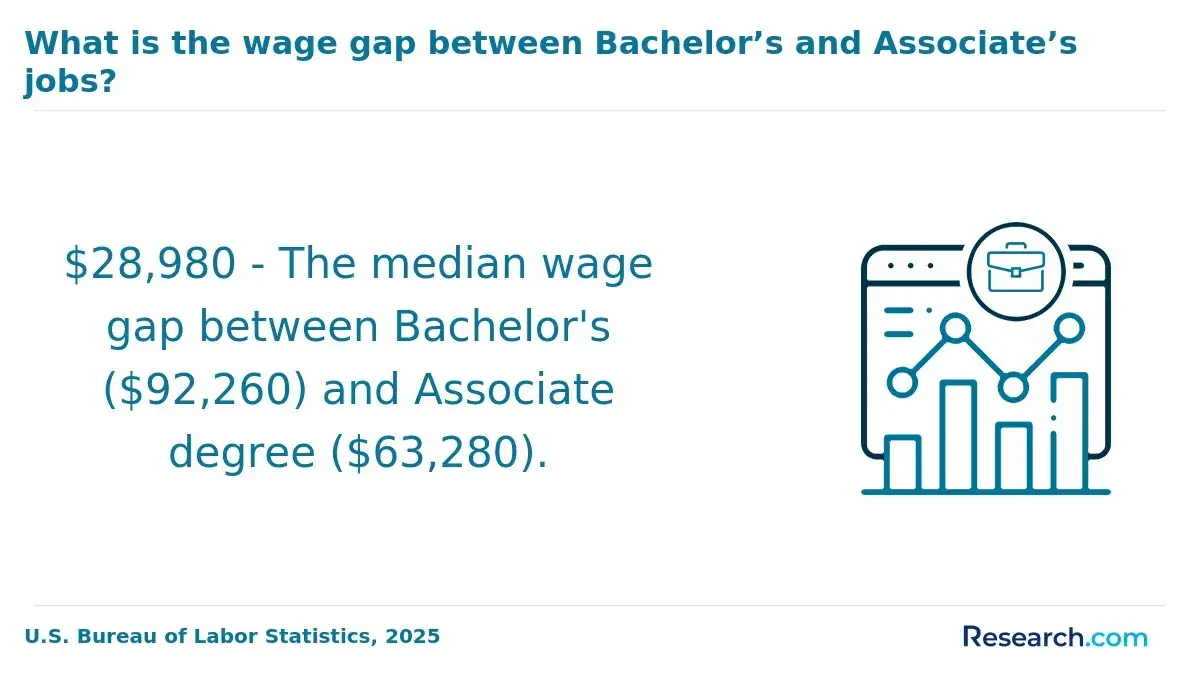
Data from the U.S. Department of Education in 2024 indicates that clinical research management graduates typically encounter monthly student loan payments ranging from approximately $250 to $450. This variation reflects not only the average debt loads but also the repayment plans utilized and income levels shortly after graduation. Those on standard 10-year repayment schedules often face payments near the higher end of this scale due to fixed, relatively rapid amortization of debt. Conversely, graduates with early-career salaries in the $50,000 to $70,000 range may qualify for income-driven repayment options, reducing payments closer to or below $300 to align with their starting wages and living costs.
The primary factors influencing these monthly payment differences include total borrowing amount, which for many falls between $30,000 and $50,000, and repayment plans that adjust obligations based on income rather than a fixed schedule. Interest accruing throughout the educational period and repayment term length also affect monthly dues, with consolidation or refinancing potentially lowering payments but extending total repayment duration and risking loss of federal protections. Salary variability within clinical research management roles, often shaped by geography and employer type, further impacts borrowers' ability to manage payments without undue financial strain, making personalized repayment strategies essential for sustainable debt management.
One graduate recalled feeling uncertain during the rolling admissions period for their clinical research management program, hesitating to commit without clear timelines on financial aid notifications. This delay complicated decisions about loan applications and budgeting, especially since monthly payments were estimated within a broad range. Ultimately, gaining clarity on payment expectations mid-admissions allowed them to plan more realistically, balancing the urgency to enroll against the financial implications of borrowing and subsequent repayment demands.
How Do Repayment Rates Compare Between Public and Private Institutions?
Recent data from the U.S. Department of Education's College Scorecard highlights notable disparities in loan repayment performance between graduates of public and private universities offering clinical research management programs. Public institution alumni demonstrate higher federal student loan repayment rates within five years post-graduation, with approximately 68% making significant loan progress, compared to about 60% for private institution graduates. This gap reflects more than institutional type; it aligns with broader financial behaviors and program outcomes observed through Federal Reserve research linking repayment challenges more acutely with private institution borrowers.
Several interrelated structural factors underlie these divergent repayment trajectories. Public universities often feature lower tuition costs, resulting in reduced borrowing needs and smaller average debt loads for students, which corresponds to more manageable monthly repayment obligations. Conversely, private institution students tend to assume greater debt burdens, increasing financial strain and the risk of delinquency. Differences in graduate earnings and employment stability also matter; public institutions with strong employer networks in clinical research management tend to support graduates in securing reliable positions with compensatory salaries that facilitate steadier repayment patterns. These financial realities intertwine with institution-specific aid availability and demographic profiles, shaping distinct repayment outcomes beyond mere public-private distinctions.
These trends carry wider implications for graduates' long-term financial health and perceptions of educational value within the clinical research management sector. Elevated repayment stress among private institution borrowers can hinder financial mobility and affect career decisions post-graduation, while successful repayment rates among public university alumni reinforce the market signaling of program accountability and institutional effectiveness. Evaluating these repayment environments thus requires careful consideration of debt-to-income dynamics and labor market integration rather than surface-level institutional benchmarks, providing clearer guidance for prospective and current students balancing educational investment with sustainable financial outcomes.
Do Online Clinical Research Management Graduates Have Different Repayment Outcomes Than Campus-Based Students?
Borrower repayment rates for clinical research management graduates demonstrate marked differences between public and private institutions, reflecting broader systemic factors influencing financial outcomes. Data from the U.S. Department of Education's College Scorecard (2024) reveals that public university graduates generally maintain higher 3-year repayment rates compared to those finishing similar programs at private nonprofit universities.
For instance, cohort default rates at public schools average near 8%, while private institutions experience rates closer to 12%. These disparities are not merely the result of institutional type but also correlate with divergent borrowing and earnings dynamics, which shape the long-term financial trajectories of graduates from online clinical research management graduate repayment rates to campus-based clinical research management student loan repayment comparison analyses.
Key drivers behind these repayment differences include substantially lower tuition costs and thus smaller average loan balances at public universities, which reduce overall repayment burdens. Public institutions often serve more socioeconomically diverse populations who may combine work and study, limiting total debt accumulation and sometimes benefiting from federal or state aid programs tailored to lower-income students. Meanwhile, private nonprofit schools, despite generally offering stronger career networking and prestige in some regions, tend to lead to higher debt loads due to elevated tuition and fees.
This divergence impacts debt-to-income ratios post-graduation and can amplify repayment stress, especially where clinical research management graduates face uneven regional labor market demand. Understanding this, prospective students should weigh not only the nominal repayment rates but also how structural cost and employment factors affect their financial mobility and perceptions of institutional accountability-in part, reflected in their ability to repay even when benefiting from valuable credentials or specialized career supports. For those seeking additional certification options that may complement debt management strategies, programs such as the certified bookkeeper could offer practical financial skills supporting long-term repayment success.
Which Industries Provide the Best Financial Return Relative to Borrowing Costs?
Financial return for clinical research management graduates varies notably across industries, influenced not only by salary levels but also by borrowing amounts and repayment obligations. The balance between income trajectory and student debt burden ultimately shapes the return on investment (ROI) in this field. Evaluating industry-specific earnings potential alongside hiring demand and career advancement speed offers a clearer view of which sectors best absorb typical borrowing levels, usually between $30,000 and $60,000.
- Pharmaceutical Manufacturing: This sector tends to offer some of the highest entry salaries for clinical research management graduates, often exceeding academic or smaller company wages by 15-20%. Its robust hiring demand and structured career pathways help borrowers manage monthly loan repayments typically at 10-12% of income, reducing repayment stress relative to average borrowing.
- Biotechnology: The fast-paced innovation and frequent regulatory updates in biotech drive strong employer interest in clinical research skills. Although starting salaries may vary, rapid progression and employer investment in specialized training frequently enhance long-term earning potential, supporting more manageable debt servicing over time.
- Healthcare Services: While often offering lower starting wages compared to pharmaceuticals, healthcare services show steady demand increases regionally. Many organizations emphasize compliance expertise, which can yield salary growth, but repayment burdens may remain higher (15-18%) without supplemental employer assistance.
- Contract Research Organizations (CROs): These firms provide a broad range of trial management services but vary widely in compensation levels. Despite frequently moderate entry pay, CROs can offer diverse project experiences that accelerate skill development and may lead to quicker salary gains, balancing debt repayment risks when graduates leverage strong regional markets.
- Government and Regulatory Agencies: Positions here often come with moderate salaries but provide stable employment and benefits that can offset borrowing risks. Slower salary growth is a tradeoff for predictable job security, which for some borrowers supports steady but longer repayment horizons.
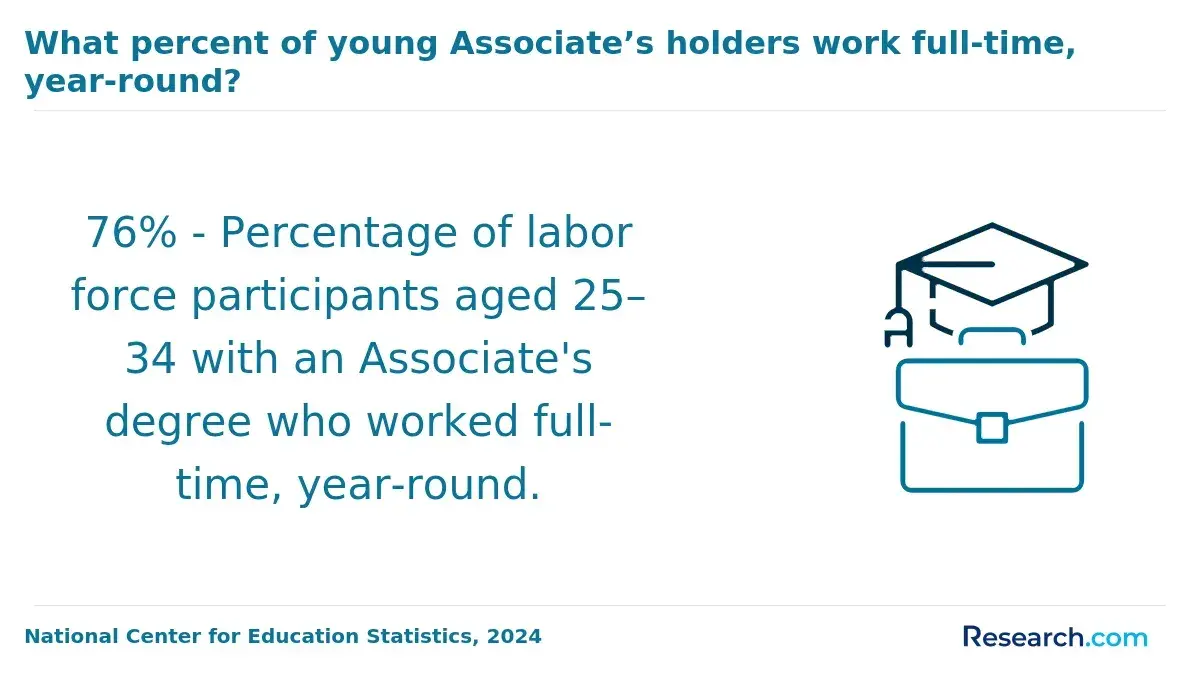
Data from the U.S. Bureau of Labor Statistics and the National Center for Education Statistics (2024) affirm that industries with structured compliance frameworks and high demand for complex clinical research roles tend to offer the strongest financial returns relative to borrowing. Borrowers examining career options should thus weigh typical debt levels alongside where the balance of income growth and repayment capacity best aligns with their financial resilience and professional goals.
Does Student Debt Affect Which Jobs Clinical Research Management Graduates Accept?
High student debt substantially influences the initial job acceptance decisions among clinical research management graduates, compelling many to prioritize roles that ensure timely loan repayments over those offering longer-term professional growth. According to a 2024 report by the Education Data Initiative, 62% of graduates carrying student loan debt acknowledged that borrowing shaped their first employment choice, highlighting the pressure to secure positions with competitive salaries or loan repayment benefits.
This financial imperative often leads graduates to prefer contract or temporary roles with immediate higher pay rather than entry-level jobs that may provide stronger industry experience but lower initial compensation. In practice, debt levels directly impact salary expectations, restricting flexibility in evaluating opportunities that might better align with broader career ambitions but offer less immediate financial relief.
The differences in job selection between high- and low-debt graduates also reflect broader behavioral and structural factors. Those with significant debt burdens face geographic mobility constraints and are more likely to enter sectors within the clinical research field that offer established loan assistance or faster financial recovery pathways. Conversely, graduates with smaller or no debt might accept lower-paying, skill-building positions that enhance long-term career trajectories.
These dynamics underscore a persistent tension: graduates balancing manageable debt repayment against the demands of acquiring specialized skills demanded by employers, which may delay financial stability. This often results in delayed or non-linear progression within clinical research management roles, affecting career momentum and economic well-being over time.
One graduate shared that during the rolling admissions period for a clinical research management program, uncertainty about financial aid timing and the potential need to refinance undergraduate loans made committing to enrollment stressful. They hesitated to accept early job offers because those might conflict with program start dates, but waiting risked losing income needed for living expenses. Ultimately, this graduate chose a higher-paying contract role to stabilize finances before starting the program, illustrating how financial timing and loan obligations complicate both educational and employment decisions in this field.
What Factors Increase Student Loan Repayment Risk for Clinical Research Management Graduates?
Student loan repayment risk for clinical research management graduates is shaped by multiple intertwined financial, academic, and labor market factors rather than any single element. This risk reflects the relationship between total borrowing amounts and the stability of post-graduation earnings. A high debt load combined with income volatility or employment uncertainty tends to amplify the likelihood of repayment difficulty and default. Understanding these dynamics is critical given the increasing number of graduates facing complex repayment scenarios in the clinical research sector.
- Debt-to-Income Ratios: Median student debt for clinical research management graduates often exceeds $40,000, while starting salaries typically range from $50,000 to $65,000. This comparatively high debt-to-income ratio intensifies financial pressure by raising monthly payment obligations relative to entry-level earnings, limiting flexibility and increasing default risk.
- Employment Volatility: Clinical research jobs are closely tied to pharmaceutical funding cycles and regulatory environments, creating periods of instability or delays in securing permanent roles. Such employment fluctuations reduce consistent income streams and complicate steady loan repayment.
- Repayment Plan Selection: Choosing between Standard Repayment Plans and Income-Driven Repayment options involves trade-offs. Standard plans require higher monthly payments but clear debt faster, while income-driven plans lower immediate burdens at the cost of prolonged repayment and increased total interest, which can elevate long-term risk.
- Institutional and Program Variability: Differences in institutional borrowing norms and program delivery formats affect total costs and debt accumulation. Graduates from higher-cost programs or those lacking robust career placement services face greater repayment challenges, illustrating the impact of program-specific factors on loan default risk.
- Financial Literacy and Socioeconomic Backgrounds: Limited understanding of complex loan terms and repayment strategies, particularly among students from lower-income or underrepresented groups in STEM fields, exacerbates repayment stress by restricting informed decision-making and access to support resources.
These factors collectively influence student loan repayment risk factors for clinical research management graduates, underscoring the necessity for careful evaluation of borrowing levels and repayment capacity. For students considering how program choices and financial commitments interface with fluctuating labor market realities, gaining insights from resources like online clinical psychology programs in related fields may assist with understanding the broader context of borrowing and repayment impacts on loan default risk.
How Can Clinical Research Management Students Reduce Student Loan Debt While Earning Their Degree?
Reducing student loan debt while earning a clinical research management degree requires proactive academic planning and financial strategizing. Debt minimization hinges on leveraging institutional resources efficiently, optimizing enrollment decisions, and integrating work opportunities that align with academic progress. These strategies collectively improve affordability and reduce borrowing needs over the duration of a program.
Implementing deliberate financial and academic choices often results in meaningful debt reduction in this field. According to the National Center for Education Statistics 2024 report, institutional aid availability can lower a student's average loan borrowing by about 25%, underscoring the value of targeted scholarship and grant pursuit.
- Maximize Institutional Aid Early - Pursuing scholarships and grants from the outset reduces reliance on loans since these funds do not require repayment. Students who actively seek and renew aid can significantly decrease their debt, allowing more direct application of personal funds toward living expenses or emergencies.
- Utilize Part-Time Enrollment and Work - Enrolling part-time while working at least 15 hours per week in clinical research or healthcare settings allows students to offset tuition costs with earnings. This approach lowers borrowed amounts and builds relevant experience, aligning with employer expectations and enhancing post-graduation employability.
- Choose Accelerated or Cohort-Based Programs - Shorter degree formats reduce total tuition expenses and living costs by expediting completion. Cohort models offer structured pacing, which can reduce the risk of extended enrollment that otherwise inflates debt.
- Analyze Return on Investment Carefully - Comparing program costs against available entry-level salaries helps students assess realistic repayment capacity. This evaluation can guide enrollment decisions toward programs with stronger employment outcomes, mitigating long-term financial risk.
- Leverage Employer Tuition Assistance - Many clinical research employers offer tuition reimbursement or education benefits during and after studies. This institutional support can dramatically decrease overall borrowing when integrated into an education plan.
- Engage in Competency-Based Learning Where Possible - Competency-based programs allow credit for prior knowledge, reducing required credit hours. This model can accelerate degree completion and lower tuition costs, making it a strategic option for reducing student loan debt.
These strategies provide actionable avenues for students navigating clinical research management student loan repayment strategies. Beyond traditional budgeting, they require consistent engagement with financial aid offices, academic advisors, and employers to optimize borrowing levels throughout the educational journey. For those interested in complementary fields that may offer flexible online options to further reduce costs, programs such as a geologist degree online demonstrate how specialization choices and academic delivery modalities influence affordability dynamics.
How Should Prospective Students Evaluate Borrowing Risk Before Enrolling?
Evaluating borrowing risk before enrolling in a Clinical Research Management program requires balancing total anticipated debt against realistic post-graduation earnings. Long-term financial consequences hinge on students' ability to repay loans relative to employer salary norms and program cost structures. With nearly 40% of education loan borrowers facing repayment challenges within five years, careful pre-enrollment analysis is critical for managing risk and avoiding undue financial strain.
- Expected Salary Benchmarks: Compare the program's graduate income data with typical clinical research management entry-level salaries, often under $60,000. This helps determine whether monthly loan payments will be sustainable relative to take-home pay.
- Total Cost of Attendance: Examine comprehensive expenses including tuition, fees, and living costs, ensuring borrowing projections cover all outlays to prevent unexpected debt increases.
- Program Outcomes Transparency: Prioritize programs offering recent employment rates and median job placement times, enabling clearer predictions of repayment capacity and career entry timing.
- Loan Terms and Repayment Options: Analyze income-driven repayment plans, interest accrual dynamics during deferment, and overall loan flexibility to gauge long-term debt management feasibility.
- Availability of Financial Aid: Assess scholarships, grants, or employer tuition support opportunities that reduce loan dependency and lower cumulative borrowing risk.
- Debt-to-Income Ratio Analysis: Calculate projected debt payments as a percentage of anticipated monthly income, targeting a manageable threshold typically below 15% to minimize default risk.
- Opportunity Cost Consideration: Weigh alternative credentials or certifications against degree borrowing to identify pathways offering quicker, less expensive entry into clinical research careers amid uncertain salary growth.
References
- How to Manage Student Loan Debt https://www.prevail.bank/blog/post/how-to-manage-student-loan-debt
- Student Loans 101: Ultimate Guide to Student Loans | White Coat Investor https://www.whitecoatinvestor.com/ultimate-guide-to-student-loan-debt-management-for-doctors/
- Loan forgiveness programs for future family physicians https://www.aafp.org/students/pre-med/debt-management/funding-options/loan-forgiveness
- How to Check the ROI of Academic Programs: A Comprehensive Guide | Stordahl Capital Management https://www.stordahlcap.com/insights/how-to-check-the-roi-of-academic-programs-a-comprehensive-guide
- The Study of Factors Influencing Education Loan Granting and Repayment at Rajabhat Universities in Northern Thailand https://so05.tci-thaijo.org/index.php/cmruresearch/article/view/250542
- Student Loan Debt Is a Key Influencer in U.S. Worker Decisions to Accept and Stay in Jobs | MissionSquare Research Institute https://research.missionsq.org/posts/news/student-loan-debt-is-a-key-influencer-in-us-worker-decisions-to-accept-and-stay-in-jobs
- Risk Mitigation in Clinical Research: It Starts with Study Startup https://www.mastercontrol.com/gxp-lifeline/risk-mitigation-in-clinical-research-it-starts-with-study-startup/
- Conducting and Monitoring Clinical Trials - Online https://www.kozminski.edu.pl/en/programs/postgraduate-programs/conducting-and-monitoring-clinical-trials-online
- risk-management-in-clinical-trials-pms-comprehensive-guide https://ccrps.org/clinical-research-blog/risk-management-in-clinical-trials-pms-comprehensive-guide
- What is the typical debt load for graduates of four-year public universities - APLU https://www.aplu.org/our-work/4-policy-and-advocacy/publicuvalues/student-debt/
Other Things You Should Know About Clinical Research Management
The period between graduation and gaining steady employment strongly influences repayment risk. Clinical research management roles often require both academic credentials and practical experience, which can delay full-time hiring. Students facing a gap before employment must manage loan payments without corresponding income increases default risk rises in this window. Prioritizing programs with built-in internships or employer connections can reduce this lag and lower repayment challenges.
Programs with heavy practicum or research components may limit the time graduates can dedicate to working additional hours immediately after finishing their degree. As a result, while these experiences enhance employability, they can constrain early income opportunities vital for managing initial loan payments. Graduates should weigh the long-term career benefits of intensive program structures against potential short-term income limitations when preparing repayment strategies.
Graduates typically face federal and private loans with varying interest rates and repayment terms. Prioritizing high-interest private loans can reduce total costs over time but requires sufficient monthly cash flow. Those expecting unstable early-career earnings should consider income-driven repayment plans for federal loans to maintain flexibility. A balanced approach that addresses higher-cost debts first while maintaining minimum payments on others can optimize financial stability.
Additional credentials can increase future earning potential but also elevate debt load and lengthen repayment periods. Students must critically assess whether the expected incremental salary gains justify the added borrowing. Given the competitive job market, those without employer sponsorship or guaranteed advancement should limit additional borrowing to avoid exacerbating repayment risk, focusing instead on solidifying foundational qualifications first.