2027 Clinical Research Management Degree Outlook Through 2030: Enrollment, Salary, and Hiring Projections

Co-Founder and Chief Data Scientist
Deciding whether to pursue or continue a clinical research management degree requires weighing more than headline job growth forecasts. For example, a 2024 study shows program enrollment rising by 8%, yet this surge intensifies graduate competition in key regions rather than expanding opportunities uniformly. Meanwhile, salary increases remain uneven across specialties, reflecting differences in employer demand and technological adoption within clinical trial sectors.
Credential requirements are also shifting, with some employers prioritizing advanced certifications over degrees alone. Such complexities imply relying on a single metric risks overlooking market saturation and evolving hiring criteria. This article examines clinical research management enrollment, salary patterns, hiring projections, industry demand, geographic opportunity, and emerging workforce changes through 2030 to aid informed education and career choices.
Key Things to Know About the Clinical Research Management Degree Outlook Through 2030
- Recent data shows clinical research management enrollment growth slowing to under 2% annually by 2030, indicating tighter competition and requiring candidates to differentiate through specialized skills or certifications.
- Employers increasingly prefer candidates with both clinical and data analytics expertise, reflecting a labor-market shift toward integrated skill sets that blend trial oversight with digital management tools.
- AI automation is accelerating routine data processing tasks, pressuring salary growth and compelling students to weigh the upfront cost of advanced training versus longer-term income stability in evolving roles.
- Key Things to Know About the Clinical Research Management Degree Outlook Through 2030 Key Things to Know
- How is Clinical Research Management Degree Enrollment Expected to Change Through 2030? Enrollment Trends Through 2030
- How Many Clinical Research Management Graduates Will Enter the Workforce by 2030? Graduate Workforce Entry Projections
- What Are the Hiring Projections for Clinical Research Management Graduates Through 2030? Hiring Projections Through 2030
- Which Clinical Research Management Careers Will Experience the Most Job Growth? Fastest-Growing Career Paths
- What Is the Salary Outlook for Clinical Research Management Graduates Through 2030? Salary Outlook Through 2030
- Which Industries Will Hire the Most Clinical Research Management Graduates by 2030? Top Hiring Industries
- Where Will Demand for Clinical Research Management Graduates Be Strongest? Strongest Geographic Demand
- Which Clinical Research Management Specializations Will Be Most in Demand by 2030? Specializations
- How Will AI and Technology Affect Clinical Research Management Careers Through 2030? AI and Technology Impact
- Is a Clinical Research Management Degree Worth Pursuing Based on 2030 Projections? Degree Value Through 2030
How is Clinical Research Management Degree Enrollment Expected to Change Through 2030?
Enrollment in clinical research management degree programs is poised for steady but uneven growth through 2030, driven primarily by labor-market demands for specialized skills in clinical trial oversight, regulatory compliance, and data analytics. The National Student Clearinghouse reports an annual enrollment growth rate near 3% in related disciplines, indicating rising interest, particularly among working professionals seeking flexible, part-time, or online options.
For example, mid-career individuals in biotechnology or contract research organizations often weigh the tradeoff between traditional campus programs and the convenience of online formats, influencing program capacity and admission competitiveness. This dynamic expansion risks localized oversaturation in heavily targeted regions, especially where partnerships with biopharma hubs concentrate applications, while other locales may face supply shortages of qualified graduates.
These enrollment shifts reflect broader demographic and institutional trends affecting program availability and specialization. The growing presence of nontraditional students fuels demand for curricula that integrate practical expertise with emerging clinical trial management software and regulatory affairs, aligning with hiring managers' evolving expectations. Programs that remain generalist may experience slower growth compared to those emphasizing applied data skills or certificates tailored to niche sectors.
Prospective students should critically evaluate how program focus and delivery mode interface with their career goals, balancing affordability pressures and labor market signals. Those interested in maximizing their education investment may also explore complementary paths such as PharmD online programs, which intersect with clinical trial innovation and regulatory oversight, offering alternative or supplementary routes within healthcare research.
How Many Clinical Research Management Graduates Will Enter the Workforce by 2030?
The sheer number of clinical research management graduates expected by 2030 does not guarantee straightforward workforce absorption, as labor market realities impose significant constraints. While degree completions-ranging from associate through graduate levels-have been steadily rising, with projections suggesting cumulative new entrants might approach 40,000 by 2030, many will not immediately enter the field.
Factors such as graduates pursuing advanced education, accepting roles outside clinical research, or remaining in current positions complicate alignment between educational output and actual job market inflow. For instance, a candidate with a bachelor's degree might delay entry to gain specialized certifications or shift to related sectors like regulatory affairs, affecting short-term supply-demand dynamics despite increasing academic output.
The Bureau of Labor Statistics forecasts an 11% growth rate in clinical research and associated occupations through 2032, which outpaces average occupational growth, yet this demand is met amid rising competition fueled by expanding enrollments and evolving employer expectations. Many organizations now emphasize practical experience, regulatory proficiency, and project management capabilities alongside formal education, narrowing the window of true employment opportunity.
This scenario underscores the importance for prospective students to assess whether a given clinical research management program provides not only comprehensive academic preparation but also structured exposure to applied settings. Graduates entering the workforce must navigate these layered challenges in diverse geographic markets where demand and salary potential may vary considerably.
What Are the Hiring Projections for Clinical Research Management Graduates Through 2030?
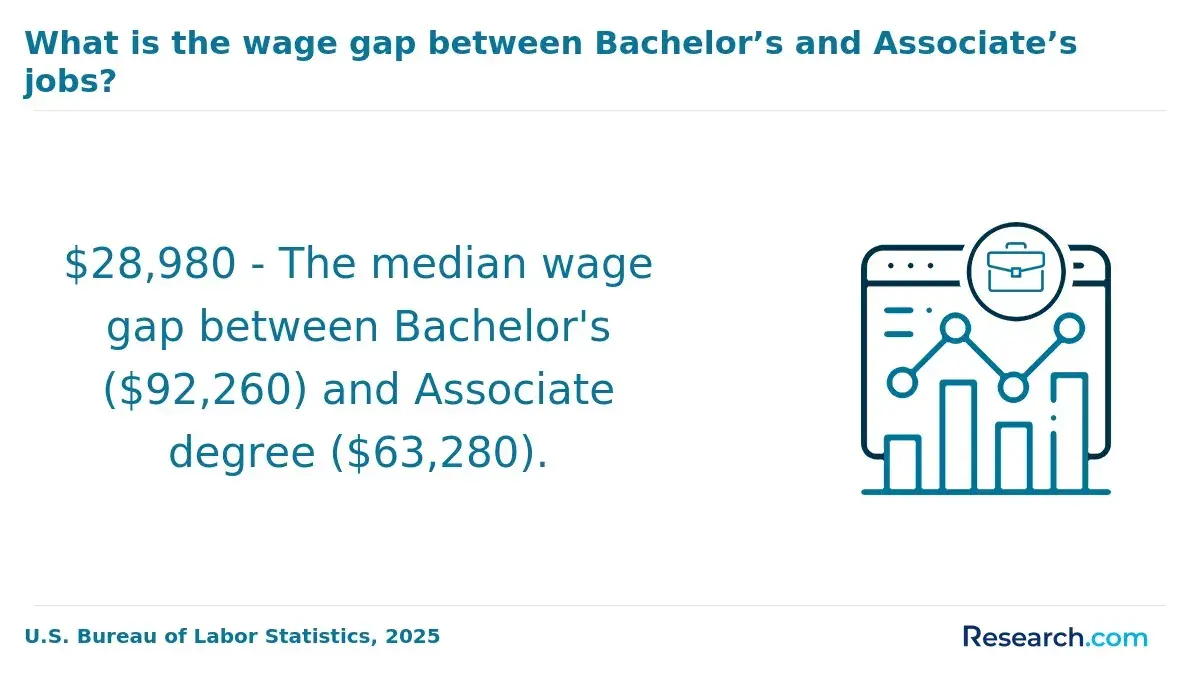
Hiring demand for clinical research management graduates through 2030 appears moderate but uneven, shaped by both expanding pharmaceutical research and shifting regulatory landscapes. While the U.S. Bureau of Labor Statistics and Lightcast project employment growth near 10-12%, this rate masks significant variability across regions and employer types. For example, graduates targeting positions in major biotech hubs or large contract research organizations may see more robust opportunities than those in less concentrated markets, where job openings could be fewer and more competitive.
The anticipated annual openings, estimated between 5,000 and 7,000 nationwide, include both new roles and replacements for retiring professionals, yet these figures do not ensure smooth entry for recent graduates. Employers increasingly prioritize a combination of formal education and practical experience-including exposure to clinical trial protocols and regulatory affairs-meaning that those relying solely on degree credentials might face challenges securing positions without additional certifications or internships.
Furthermore, ongoing technological advances in clinical data management are shifting skill demands, requiring graduates to adapt continually or risk obsolescence in a dynamic industry. It is essential to weigh these projections against the reality that growth rates vary by specialization and locale, and competition remains stiff for entry-level roles. Candidates who integrate strong communication and project coordination skills alongside technical knowledge tend to differentiate themselves more effectively.
Consequently, while the employment outlook for clinical research management is broadly positive, graduates and current professionals should adopt a strategic approach to skill development and market positioning based on nuanced industry insights rather than solely relying on aggregate job growth statistics.
Which Clinical Research Management Careers Will Experience the Most Job Growth?
Job growth projections for clinical research management show distinct variation across roles through 2030, highlighting strategic tradeoffs for students considering program enrollment. Clinical research coordinators will see steady expansion of around 13-15%, fueled by their essential role in trial oversight and regulatory compliance, making this a relatively accessible entry point with broad employer demand.
However, clinical trial managers, despite a somewhat higher forecast of about 16% growth, typically require deeper business and regulatory expertise coupled with scientific knowledge, aligning more closely with advanced degrees or specialized training. Prospective students should weigh the potential scalability of their career paths against these entry barriers and skill requirements, especially given that total job volume for coordinators far exceeds that of trial managers.
The rising demand for regulatory affairs specialists, projected to grow near 14-17%, reflects ongoing shifts in FDA regulations and international harmonization, underscoring how regulatory complexity drives workforce needs. Positions like data managers and quality assurance analysts also contribute to the clinical research management job growth projections landscape, representing roles that increasingly integrate digital health technologies and require technical proficiency.
Given the range of trajectories, evaluation of regional labor markets, specialization focus, and credentials-such as those gained through a masters healthcare administration-is crucial for aligning employment outcomes with candidate goals. These distinctions emphasize that clinical research management careers demand careful navigation of evolving industry standards rather than reliance on generalized growth statistics alone.
What Is the Salary Outlook for Clinical Research Management Graduates Through 2030?
Salary projections for clinical research management graduates must be considered alongside inflation, evolving labor demand, credential expectations, and shifts within the healthcare and pharmaceutical industries. While growth is generally positive, actual earnings depend heavily on factors like geographic location, employer size, and the complexity of the clinical trials managed.
For example, professionals in major biotech hubs or those overseeing multicenter trials often see salaries well above median figures reported by the U.S. Bureau of Labor Statistics and National Association of Colleges and Employers. As regulatory requirements tighten and technologies advance, the premium for specialized skills will likely grow, altering compensation patterns through 2030. Key drivers shaping future salaries include:
- Regional Market Variability: Salary ranges vary significantly by metropolitan area, with biotech clusters and healthcare centers offering higher pay due to increased demand and competition for experienced managers.
- Advanced Credentials: Holding master's degrees, certifications like CCRP (Certified Clinical Research Professional), or specialized regulatory training enhances eligibility for leadership roles and correlates to higher wages.
- Experience Range: Mid-career professionals managing multiple trials or large teams command premiums often exceeding $120,000 annually, reflecting the complexity and responsibility involved.
- Industry Sector Differences: Biotechnology firms and pharmaceutical outsourcing agencies tend to offer better compensation than academic or nonprofit research settings owing to budget scales and project demands.
- Regulatory Expertise: Proficiency in navigating evolving compliance standards increases value to employers, especially in companies undergoing frequent FDA audits or international trial coordination.
- Technological Adaptability: Familiarity with emerging data management platforms and decentralized trial technologies supports sustained salary growth amid industry digitalization.
- Economic and Industry Fluctuations: Outsourcing trends and healthcare funding shifts can cause volatility in demand for clinical research management roles, influencing salary stability over time.
Which Industries Will Hire the Most Clinical Research Management Graduates by 2030?
By 2030, employment growth for clinical research management graduates will predominantly reflect advancements in pharmaceutical innovation, increasing trial complexity, and the integration of data analytics into clinical protocols. Industry demand will hinge not only on expansion but also on workforce replacement needs as rapid technological change reshapes roles requiring diverse regulatory, project management, and data oversight skills.
For instance, a graduate targeting the pharmaceutical sector might need hands-on experience with global regulatory requirements and adaptive trial designs, while one entering healthcare technology firms must be fluent in digital health tools and compliance nuances. This nuanced demand underlines the importance for candidates to align education with tangible work experience and specialized competencies.
The following industries are projected to generate the strongest hiring demand for clinical research management graduates through 2030:
- Pharmaceutical and Biotechnology: These sectors will lead hiring due to sustained investment in drug development and increased complexity of multi-site global trials. Entry-level roles often involve trial coordination and data management, with advancement linked to regulatory expertise and adaptability to evolving protocols.
- Contract Research Organizations (CROs): CROs will continue expanding as sponsors outsource trial management. Graduates with skills in multitasking across multiple regulatory frameworks and pressures of simultaneous trial oversight will find growing opportunities in project management and compliance roles.
- Healthcare Technology Firms: Growth in digital health solutions amplifies demand for professionals adept at integrating clinical research within electronic systems and regulatory standards. Positions may range from data analytics specialists to compliance officers, often requiring a mix of technical and clinical knowledge.
- Healthcare Providers with Research Integration: Hospitals and health systems embedding clinical research into patient care will provide regionally variable but steady hiring. Experience with clinical workflow coordination and regulatory liaison roles will enhance employability here.
- Government and Public Health Agencies: Though smaller in volume, these agencies offer stable employment focused on epidemiological and surveillance studies. Candidates with strong methodological backgrounds and patience for slower advancement trajectories will be better suited.
These hiring patterns emphasize that clinical research management industry demand in the US by 2030 will favor adaptable graduates who combine scientific literacy with project coordination and regulatory compliance skills, particularly those with practical experience. Prospective students should also consider related fields and credentialing pathways to enhance employability. For those exploring foundational healthcare careers prior to specialization, resources on online ultrasound tech programs may offer valuable entry points into clinical and diagnostic environments supporting their longer-term goals.
Where Will Demand for Clinical Research Management Graduates Be Strongest?
Geographic concentration and industry clustering will heavily influence demand for clinical research management graduates through 2030, making raw job growth figures less informative without local context. For example, urban biotech hubs like Boston and San Francisco combine dense employer networks, advanced academic partnerships, and venture capital influx, creating a competitive but resource-rich environment for candidates. Conversely, rapidly growing states such as Texas and Florida offer expanding healthcare infrastructures with potentially lower living costs, yet often fewer specialized roles and less established industry ecosystems.
This divergence underscores the need to assess not only volume of opportunities but also hiring standards, job specialization, and cost of living tradeoffs when evaluating regions. The healthcare and pharmaceutical sectors remain dominant employers, but segmentation within these industries matters. Contract research organizations and digital health companies increasingly demand managers skilled in navigating complex, data-driven protocols integrating AI and real-world evidence, highlighting a widening skills gap. Graduates lacking interdisciplinary expertise may find limited opportunities in cutting-edge fields despite overall growth.
Furthermore, while coastal metro areas often provide higher salaries, these must be weighed against living expenses and intensified applicant competition, making some markets more attractive for early-career professionals than others. Labor market data from the U.S. Bureau of Labor Statistics (2024) stress that clinical research management roles are expanding faster than average occupations, yet this expansion is unevenly distributed.
Employers in biotech clusters and CROs often prioritize candidates with hands-on operational experience and advanced technical competencies, contrasting with broader healthcare settings where generalized clinical trial coordination skills remain sufficient. As a result, prospective entrants should calibrate their education and location choices carefully, balancing niche specialization against local demand and professional development opportunities to achieve sustainable employment prospects.
Which Clinical Research Management Specializations Will Be Most in Demand by 2030?
Employer demand for clinical research management specializations through 2030 will increasingly favor candidates who combine domain expertise with digital fluency and regulatory savvy. Labor data from Lightcast and the U.S. Bureau of Labor Statistics indicate the fastest job growth and highest salaries will accrue to those adept at leveraging AI and informatics or navigating complex compliance landscapes. This bifurcation places students in a position where specialization choice meaningfully impacts both immediate employability and long-term career flexibility.
For example, a prospective student weighing a focus between data management and project management must consider that while data-centric roles demand expertise in AI-driven analytics and robust programming skills, project management requires strong interpersonal and certification-backed competencies such as PMP. Candidates with regulatory affairs knowledge may find more stable, risk-mitigation oriented roles but need to stay current on evolving FDA and international guidelines.
The specializations likely to experience the strongest demand include:
- Data Management And Analytics: Driven by the explosion of clinical trial data, this specialization requires proficiency in data integrity, AI tools, and informatics, appealing to employers focused on digital transformation within clinical research.
- Regulatory Affairs: Steady demand stems from tightening global compliance requirements; mastery of FDA, EMA, and international protocols is essential, and graduates with this skill set often command competitive salaries.
- Project Management: Growth in multi-site trials underlines this role; certifications like PMP and agile experience improve job prospects as efficiency and coordination remain paramount.
- Clinical Operations Management: This foundational role centers on trial implementation and site coordination, retaining steady demand across diverse healthcare settings.
- Biostatistics: Expansion in personalized medicine fuels demand for advanced quantitative skills to design trials and analyze complex data sets, requiring strong statistical expertise.
- Pharmacovigilance: Post-market drug safety monitoring grows in importance as regulatory scrutiny intensifies, with roles often requiring knowledge of adverse event reporting and risk assessment.
How Will AI and Technology Affect Clinical Research Management Careers Through 2030?
Technology is poised more to augment than fully automate clinical research management responsibilities, reshaping workflows by automating routine data entry, recruitment screening, and regulatory tracking. This shift will require professionals to develop fluency in AI-driven platforms and hybrid management approaches that blend automated processes with human oversight. For instance, a clinical research manager may spend less time on manual monitoring and more on interpreting complex data patterns or managing ethical compliance-areas that AI cannot replace.
Students and practitioners assessing enrollment choices should weigh courses emphasizing digital literacy, applied analytics, and ethical decision-making to align with these evolving employer expectations and avoid falling behind in a market shaped by the clinical research management career impact of AI and automation through 2030. Demand will continue rising for clinical research management jobs in the USA by 2030 that require this integrated skill set, including proficiency in data science and regulatory technologies, reflecting the growing complexity of trials and compliance environments.
Salary growth appears to favor candidates who can successfully navigate these technical and managerial hybrid roles, typically commanding a 10-15% premium as labor market analyses suggest. Professionals who fail to adapt may face stagnating wages or limited roles confined to increasingly automated entry-level tasks. Aligning education with practical, sector-specific demands-including certifications and real-world project experience-is critical for maintaining employability in this transitioning field.
Educational pathways should not only focus on traditional clinical research principles but also consider supplementary training in digital tools frequently referenced in related health and science fields, such as understanding how to become a functional medicine nurse practitioner, which shares overlapping competencies in regulatory and patient engagement domains. Continuous professional development remains vital, given the persistent evolution driven by AI technologies and automation trends.
Is a Clinical Research Management Degree Worth Pursuing Based on 2030 Projections?
Projected growth for clinical research management degree holders through 2030 is cautiously positive but uneven across regions and sectors. The U.S. Bureau of Labor Statistics anticipates an 8% growth in related life and physical science roles, suggesting steady demand; however, this doesn't guarantee uniform hiring or salary growth. Graduates targeting pharmaceutical or biotechnology firms may encounter more lucrative opportunities with starting salaries ranging from $60,000 to $80,000, moving well above $100,000 mid-career, while others might face stiffer competition and slower wage increases in less specialized markets.
Prospective students should weigh the costs of ongoing certification and the need to adapt to decentralized trials and evolving data management technologies, balancing these challenges against the moderate increase in program enrollment reported by the Georgetown Center on Education and the Workforce. For individuals seeking flexibility and entry into clinical research work, relevant experience through internships or clinical placements remains critical to complement academic credentials.
Those less prepared for continuous learning or rapid technological shifts risk underemployment despite holding the degree. Tuition, completion time, and the degree's practical applicability vary-key factors when considering the clinical research management degree job outlook 2030. Interested readers might also explore options like an online speech pathology degree for military veterans as an alternative pathway in healthcare-related fields.
References:
- Emerging Roles in Clinical Research | ICON news and blogs https://careers.iconplc.com/blogs/2025-1/emerging-roles-in-clinical-research
- Future Trends in Clinical Trial Staffing: What to Expect by 2030 https://www.rapidtrials.com/future-trends-in-clinical-trial-staffing-what-to-expect-by-2030/
- MS in Clinical Research Degree: What You’ll Learn and Where It Leads https://masterspublichealth.com/ms-in-clinical-research/
- Clinical Research Careers in 2026: Roles, Salaries & Scope https://clinilaunchresearch.in/blog/clinical-research-careers/
- The Future of Clinical Research: Trends and Innovations to Watch https://ctu.rmi.edu.pk/the-future-of-clinical-research-trends-and-innovations-to-watch/
- Clinical Research Project Manager Career Path Comprehensive Guide https://ccrps.org/clinical-research-blog/clinical-research-project-manager-career-path-comprehensive-guide
- Career Growth After AI in Clinical Research Course | IICRS https://iicrs.com/blog/career-growth-after-ai-in-clinical-research-course/
- Careers Overview - Clinical Research Management (MS) https://school.wakehealth.edu/education-and-training/graduate-programs/clinical-research-management-ms/careers-overview
- Clinical Research in 2026:What’s Changing and Why It Matters https://cromospharma.com/clinical-research-in-2026-what-changed-and-why-it-matters/
- Salary Trends for Clinical Research Managers (CRMs) https://www.clinlabsolutionsgroup.com/salary-trends-for-clinical-research-managers-crms
Other Things You Should Know About Clinical Research Management
Online clinical research management programs offer flexibility and accessibility, but students should critically assess whether these formats sufficiently emphasize hands-on experiences. Employers frequently prioritize candidates with direct exposure to clinical trial processes, regulatory compliance, and data management tools. Prospective students should prioritize programs that integrate internships, lab work, or project-based learning to better align education with workplace demands rather than choosing purely for convenience.
Programs with accelerated timelines or fewer credit hours might attract students eager to enter the workforce quickly, but they may lack depth in regulatory and operational competencies crucial for complex clinical trials. Conversely, longer, more comprehensive programs tend to produce graduates with stronger critical analysis and compliance skills, which are essential for leadership roles. Candidates aiming for mid- to senior-level positions should consider investing in more rigorous programs even if this delays entry into the workforce.
While salary averages indicate growth, regional disparities and employer type heavily influence compensation. Urban and research-intensive markets often offer higher salaries but come with increased competition and cost of living, whereas opportunities in smaller hubs may have modest pay but greater role diversification. Students and professionals should balance salary expectations with location preference and institutional reputation to ensure realistic career outcome planning.
Given rapid regulatory changes and technological advances, stagnant credentials can limit upward mobility. Employers increasingly favor candidates who proactively engage in ongoing education, certifications, and skills training to maintain compliance expertise and adapt to evolving clinical trial methodologies. For long-term career sustainability, professionals should prioritize programs and employers that support continuous learning and provide clear pathways for credential renewal or professional development.