2027 Clinical Research Management Salary Trends Report: Are Wages Keeping Up With Tuition and Inflation?

Co-Founder and Chief Data Scientist
Imagine a prospective clinical research management student scrutinizing the rising tuition fees and wondering if the future salary justifies the investment. With education costs surging and inflation affecting everyday expenses, evaluating the financial return on a clinical research management degree requires more than glancing at entry-level salaries. Comparing graduate earnings with tuition and inflation rates becomes crucial to understanding real purchasing power and long-term financial stability.
Salary growth, tuition increases, and inflation rarely move in sync, complicating straightforward assessments of value. Considering only initial salaries ignores how wage trends interact with the cost of education and economic shifts, which shape affordability and return on investment over time. This article examines salary trends, tuition costs, inflation, and the factors influencing the long-term financial value of a clinical research management degree.
Key Things to Know About Clinical Research Management Salary Trends
- Graduate salaries in clinical research management have grown 4% annually since 2022, lagging behind average inflation rates, which compresses real income gains despite nominal wage increases.
- Rising tuition costs, increasing roughly 6% per year, mean many students accrue debt faster than salary growth, often delaying financial break-even points post-graduation by several years.
- Long-term earning potential strongly correlates with specialization and leadership roles; data from 2024 show certified project managers earn up to 25% more, highlighting skill-driven income differentiation.
- Key Things to Know About Clinical Research Management Salary Trends Key Things to Know About Clinical Research Management Salary Trends
- What Is the Current Salary Outlook for Clinical Research Management Graduates? Salary Outlook
- Are Clinical Research Management Salaries Keeping Up With Inflation? Inflation Impact
- How Do Tuition Costs Compare With Clinical Research Management Salary Growth? Tuition vs Salary
- Does a Clinical Research Management Degree Deliver a Positive Return on Investment? Degree ROI
- Which Industries Offer the Highest Salaries for Clinical Research Management Graduates? Which Industries Offer the Highest Salaries for Clinical Research Management Graduates?
- Which States and Cities Offer the Highest Pay for Clinical Research Management Professionals? Which States and Cities Offer the Highest Pay for Clinical Research Management Professionals?
- How Do Clinical Research Management Salaries Grow Throughout a Career? Career Growth
- How Do Clinical Research Management Salaries Compare With Similar Degrees? Salary Comparison
- How Is Employer Demand Affecting Clinical Research Management Salary Trends? Employer Demand
- How Can Students Maximize Their Lifetime Earnings With a Clinical Research Management Degree? Maximizing Earnings
What Is the Current Salary Outlook for Clinical Research Management Graduates?
The current salary outlook for clinical research management graduates reflects a varied landscape shaped by factors such as geographic location, employer type, and experience level. Recent data from the U.S. Bureau of Labor Statistics shows that medical and health services managers, which include clinical research management professionals, earn a median annual wage near $104,000 in 2024.
However, entry-level salaries typically range from $70,000 to $85,000, influenced heavily by whether a graduate begins their career in academia, smaller organizations, or pharmaceutical firms. For example, two graduates with the same degree might diverge significantly if one accepts a role at a large pharmaceutical company, commanding salaries above $120,000 with added certifications and experience, while the other starts in a university setting where compensation tends to be lower despite comparable responsibilities.
Evaluating the average earnings for clinical research managers in the United States requires looking beyond initial paychecks to long-term growth and sector demand. Industry projections suggest wage growth around 5% over the next five years, slightly outpacing broader health services management roles, yet rising inflation and escalating tuition costs shrink net financial gains for many.
Graduates who pursue advanced credentialing or relocate to metropolitan research hubs often unlock higher earnings over time, emphasizing the need for strategic career and professional development planning. Those considering this path might also explore online certifications that pay well to boost their qualifications and earning potential in a competitive field.
Are Clinical Research Management Salaries Keeping Up With Inflation?
Nominal wage growth for clinical research management-related roles has averaged about 3% annually in recent years, according to the U.S. Bureau of Labor Statistics. While this might seem positive at first glance, it consistently lags behind inflation rates, which have fluctuated between 4% and 6% during the same period. This gap means that despite pay raises, the real earning power of salaries in this field has stagnated or declined, eroding the ability of graduates to keep up with rising living expenses.
For example, a recent graduate entering as a clinical trial coordinator might find that a 3% salary increase no longer covers the increased costs of housing, transportation, and student debt payments, effectively reducing disposable income and financial stability over time, demonstrating how clinical research management salary growth versus inflation creates real-world challenges.
Factors influencing whether clinical research management wages keep pace with inflation include regional cost-of-living variations, shifts in healthcare funding, and employer compensation policies that may prioritize experience or credentials differently. Rising tuition costs also play a crucial role, as students often finance their education through loans whose repayments subtract from salary gains.
This dynamic underscores why some individuals explore options like the most affordable executive MBA programs to supplement their qualifications and improve earning potential. Ultimately, the impact of inflation on clinical research management wages must be considered alongside these educational and economic factors to form a realistic view of career ROI.
How Do Tuition Costs Compare With Clinical Research Management Salary Growth?
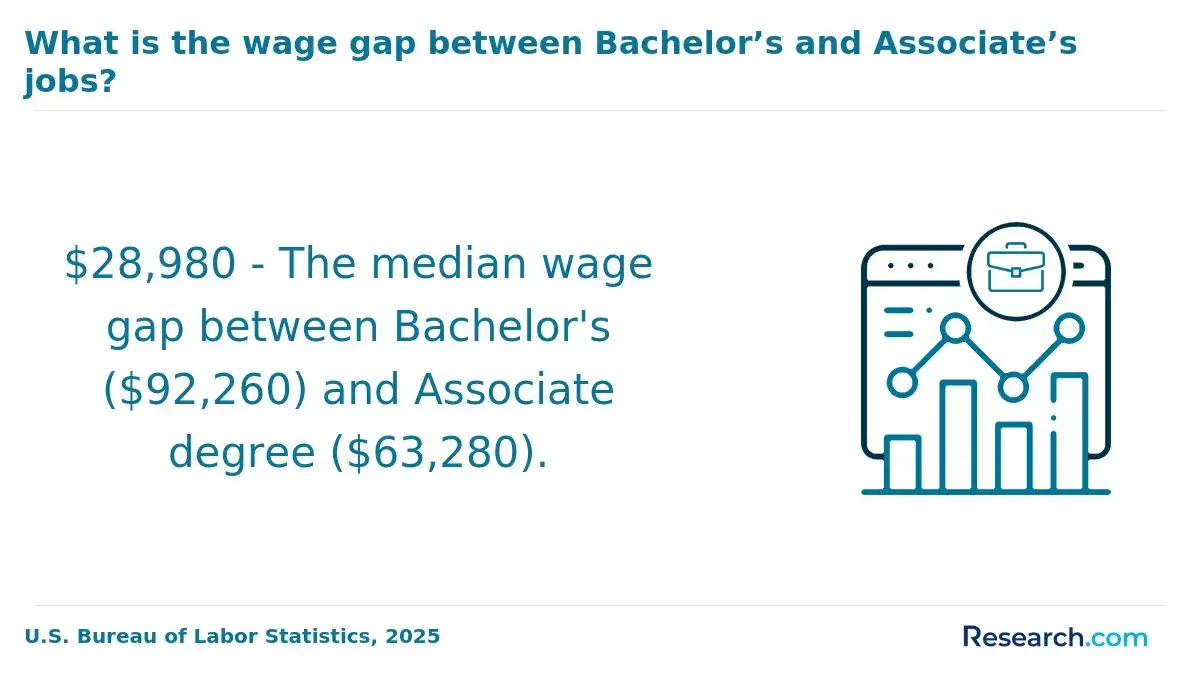
Evaluating the financial viability of a Clinical Research Management degree requires comparing rising tuition costs with salary progression rather than viewing either in isolation. For example, 2024 data from the National Center for Education Statistics and the College Board shows average public graduate tuition exceeding $25,000 annually, while entry-level salaries tend to range between $55,000 and $65,000, according to the Bureau of Labor Statistics.
Although wages can grow to about $85,000-$95,000 mid-career, tuition inflation often surpasses these salary increases, especially when factoring in interest on student loans and regional cost-of-living differences. This imbalance means the financial payback period for such a degree can stretch longer than anticipated, underscoring the need to weigh upfront educational expenses against realistic long-term earnings with a nuanced understanding of personal and economic variables.
Consider two students: one attending a private university with tuition well above the average, funded mostly through loans, and another attending a lower-cost public program with saved funds. The first student faces compounded tuition costs that may outpace salary growth, increasing financial pressure through extended loan repayment.
The second, by contrast, might experience a more balanced return on investment thanks to lower initial debt, even if starting salaries are similar. Geographic location, institutional prestige, program length, and inflation rates all impact how tuition compares to salary growth in clinical research management. Therefore, interpreting these figures in context allows prospective students to make decisions aligned with their individual financial capacity and career expectations.
A graduate who completed their clinical research management degree just before tuition spikes recalls hesitating as they watched peers commit to pricier programs. They had carefully budgeted for a public institution offering reasonable tuition, but unexpected increases in living costs and loan interest complicated their repayment plan. Despite reaching a mid-career salary near the projected $90,000 mark, the time needed to clear debt extended longer than they initially estimated.
Reflecting on their decision, they acknowledge that the degree's value wasn't solely in future salary but in balancing immediate financial strain with gradual wage growth over time, highlighting how crucial personalized planning is amid fluctuating tuition and earnings trends.
Does a Clinical Research Management Degree Deliver a Positive Return on Investment?
Return on investment in higher education goes beyond initial expenses and starting salaries; it requires weighing the total cost of earning a clinical research management degree against the long-term professional benefits and income growth it enables.
For example, a student who incurs $50,000 in tuition but gains access to roles within pharmaceutical firms or major academic health centers may see median salaries climb well above $80,000 within a few years, according to 2024 data from the National Center for Education Statistics and the Bureau of Labor Statistics. This salary progression can offset inflation and surpass rising educational costs, reflecting a positive return when viewed across a decade or more.
However, this return is not uniform. Factors such as location, employer type, and workplace setting significantly impact earnings potential. Clinical research management professionals employed by large companies or prestigious institutions often earn considerably more than those in smaller organizations or nonprofit sectors, with top-quartile salaries growing faster than inflation over the past two years, as reported by the American Society of Clinical Research Professionals.
Financial aid options and employer tuition reimbursements further mitigate upfront costs, and combining certification with a degree can accelerate salary growth and enhance job stability, making the investment more viable for many candidates.
A clinical research management degree's financial value ultimately depends on individual career paths and economic conditions. Although tuition rises have outpaced inflation in recent years, median salaries for degree holders tend to grow steadily above these increases, especially for those with relevant experience and credentials.
Prospective students should assess not only the sticker price but also the anticipated career trajectory in their targeted sector and region to accurately gauge if this degree will yield a worthwhile return over time.
Which Industries Offer the Highest Salaries for Clinical Research Management Graduates?
Graduates aiming to maximize their earnings with a degree in clinical research management should pay close attention to industries that consistently offer the highest salaries. Salary potential varies widely depending on sector, local demand, and the complexity of clinical trial oversight required.
For example, a graduate who accepts a role in a pharmaceutical company overseeing multi-phase drug trials will likely earn significantly more than one in academic research coordination. Understanding these distinctions is critical for making informed career decisions and offsetting the increasing costs of education and living.
Here are the top industries for clinical research management salaries supported by recent data from authoritative sources like the U.S. Bureau of Labor Statistics and the Society of Clinical Research Associates:
- Pharmaceutical & Biotechnology: These sectors offer the highest average salaries, often exceeding $110,000 annually. Their focus on drug development and complex regulatory environments demands skilled managers who can efficiently navigate multiple trial phases, enabling roles that reward extensive experience and specialized certifications.
- Medical Device Industry: With innovation driving growth, this industry pays between $95,000 and $130,000. Clinical research managers here coordinate trials that comply with rigorous federal standards, often requiring technical knowledge and strong project leadership skills.
- Contract Research Organizations (CROs): CROs provide outsourced clinical trial management for pharma and biotech firms, compensating between $85,000 and $120,000. These roles emphasize adaptability and robust project management competencies, offering dynamic career progression opportunities.
- Healthcare Systems: While salaries typically range from $70,000 to $95,000, these settings provide stability and interdisciplinary collaboration that can enrich professional experience beyond compensation alone.
- Academic Research Institutions: These often pay lower salaries but give access to cutting-edge research environments and potential for publishing and networking that can benefit long-term career development.
Individuals targeting the highest-paying industries should consider the practical tradeoffs between salary and other factors such as job stability, location, and career growth. For example, choosing a pharmaceutical company role may come with higher pressure and longer hours compared to healthcare systems, but the financial rewards and exposure to industry-leading practices can be substantially greater.
For those interested in expanding their leadership credentials alongside clinical expertise, pursuing a masters in organizational leadership online can also enhance opportunities within these top-paying industries. Aligning educational investments with targeted industries and their unique demands is a key strategic move for anyone navigating the clinical research management landscape today.
Which States and Cities Offer the Highest Pay for Clinical Research Management Professionals?
Geographic location remains one of the most influential factors affecting salary outcomes for clinical research management professionals. According to 2024 data from the U.S. Bureau of Labor Statistics combined with industry compensation reports, some states and metropolitan areas consistently offer premium wages driven by dense biotech clusters and research institutions.
However, these increased salaries often come with higher living expenses and educational costs, requiring careful consideration by prospective and recent graduates. Below is an overview of key markets where pay rates are above average, alongside insights into the local factors shaping compensation and cost tradeoffs:
- California: Home to Silicon Valley and major biotech hubs, California leads in salary levels for clinical research management roles, with average annual incomes often exceeding $140,000. The state's concentration of pharmaceutical companies and academic medical centers drives robust demand, though steep housing costs and elevated tuition fees for specialized programs significantly impact financial net gains.
- Massachusetts: Boston's powerful blend of world-renowned universities and healthcare institutions supports salaries in the $130,000 range. This market is fueled by innovation in biomedical research, offering strong career opportunities but also bringing high living expenses and competitive education pricing that dampen the overall return on investment.
- New York: New York City combines large healthcare systems and contract research organizations, pushing wages higher than the national median. While opportunities are abundant, the city's notoriously costly lifestyle means graduates must evaluate if top-line salaries sufficiently offset monthly expenses and elevated tuition costs.
- Maryland: Centered around federal agencies and biotechnology research parks, Maryland offers solid compensation paired with a relatively moderate cost of living compared to coastal hotspots. This balance creates a more favorable financial picture for entering or progressing in clinical research management without extreme educational or housing costs.
- North Carolina: The Research Triangle's expanding biotech sector delivers competitive salaries alongside lower living and tuition expenses, making it an attractive option for recent graduates seeking a strong earning potential with manageable costs. This metro area exemplifies a tradeoff favoring net income growth over headline salary figures.
Employer Confidence in Online vs. In-Person Degree Skills, Global 2024

How Do Clinical Research Management Salaries Grow Throughout a Career?
Salaries in clinical research management typically increase with experience but vary widely based on career choices and additional qualifications. Entry-level positions often start around $60,000 to $75,000 annually, reflecting individuals new to the field who have recently completed their degrees. As professionals gain between five and ten years of experience, salary midpoints generally rise to $85,000-$110,000, especially for those who invest in further certifications or graduate education.
Data from the U.S. Bureau of Labor Statistics in 2024 illustrates that this mid-career stage is where salary growth tends to accelerate, largely driven by demonstrated leadership abilities and specialized skills that exceed mere tenure.
Progressing into senior roles-such as research directors or principal investigators-can push earnings beyond $130,000, with some high-level positions nearing $160,000 annually. However, not all graduates follow this path uniformly; choices like pursuing management roles, engaging in large-scale studies, or specializing in niche therapeutic areas influence income trajectories significantly.
Long-term growth depends heavily on a combination of continuous professional development, strategic networking, and seizing opportunities for performance-based incentives, as these often supplement base salaries. Inflation and rising tuition costs, however, present a real challenge, suggesting that without active career management, salary increases may not keep pace with financial pressures faced early on.
One graduate shared how, after earning a clinical research management degree, she initially accepted an entry-level coordinator role with modest pay. Hesitant about leaving any current employer, she delayed obtaining advanced certifications, which slowed her salary growth.
Meanwhile, a former classmate pursued additional credentials early and moved into a management position within five years, doubling her income. Reflecting on this, she noted, "I realized that staying comfortable wasn't cost-effective. Had I invested in my education and roles earlier, my financial situation would be very different now." This experience highlights the importance of proactive, timely career decisions beyond earning a degree alone.
How Do Clinical Research Management Salaries Compare With Similar Degrees?
Graduates with clinical research management degrees typically earn competitive salaries relative to related fields, though nuances in industry focus and role specialization affect earning potential.
Clinical research management roles concentrate largely on clinical trials and regulatory compliance, which often limits salary growth compared to more diversified healthcare management sectors. Prospective students should carefully balance potential earnings against tuition costs and inflation trends.
Below is a comparison of clinical research management salaries with those of similar degree programs to clarify these differences:
- Health Services Management: Health services managers earn a median salary near $100,000, slightly higher than the $95,000 median for clinical research management professionals. These roles often encompass broader healthcare system administration, providing access to larger organizations and diversified managerial responsibilities, which typically drives greater earning potential.
- Biomedical and Clinical Engineering: Graduates in this field report median earnings around $92,000. While slightly less than clinical research management, these careers lean toward technical innovation and engineering within medical contexts, affecting salary scales through specialized skills and industry demand.
- Public Health and Healthcare Administration: Salaries for graduates in these areas usually align closely with clinical research management, reflecting overlapping sectors focused on regulatory guidelines and health program leadership, though less frequently tied to pharmaceutical or clinical trials industries.
- Biomedical Sciences and Pharmacology (Master's Level): Graduates typically command higher salaries in private-sector research or pharmaceutical leadership, reflecting greater emphasis on scientific innovation, product development, and potentially higher organizational impact that drive compensation beyond clinical research management roles.
Data from sources such as the U.S. Bureau of Labor Statistics and the National Association of Colleges and Employers emphasize that inflation-adjusted wage growth in clinical research management remains moderate, approximately 2-3% annually.
This growth often trails rising tuition and general inflation rates, a vital consideration in weighing the long-term return on investment. Those evaluating the earning potential for clinical research management versus similar fields should also consider tuition trends, including nuances like electrical engineering online tuition costs, as part of broader financial planning for graduate education.
How Is Employer Demand Affecting Clinical Research Management Salary Trends?
Employer demand significantly shapes clinical research management salary trends by intensifying competition for skilled professionals. As clinical trials expand and regulatory requirements grow more complex, organizations compete to attract candidates who can navigate these challenges effectively. For instance, a pharmaceutical company in a high-demand region may offer salary premiums and signing bonuses to secure experienced talent, reflecting how demand affects compensation strategies.
According to U.S. Bureau of Labor Statistics data from 2024, employment opportunities for clinical research managers are expected to grow faster than the average for all occupations, underscoring the wage growth potential tied to rising demand.
The impact of employer demand on clinical research management salary trends and job market demand goes beyond base pay. Factors such as geographic location, specialization in advanced therapies, and organizational budget constraints mediate salary growth. Even with strong demand, wage increases often face downward pressure from inflation and rising education costs, which can erode real earnings gains.
Prospective students should weigh these economic factors alongside market dynamics to assess the return on investment of their education effectively. For those evaluating alternative paths, complementary credentials, such as a cyber security course online, might broaden career options and enhance long-term earning potential.
How Can Students Maximize Their Lifetime Earnings With a Clinical Research Management Degree?
Maximizing lifetime earnings with a clinical research management degree requires more than completing coursework; it hinges on strategic career decisions rooted in industry realities. Recent U.S. Bureau of Labor Statistics data from 2024 shows that specialization, certifications, and geographic choice critically influence earning trajectories in this field.
For example, a graduate who targets pharmaceutical or biotech hubs and gains both regulatory and data analytics expertise can consistently command premium salaries. Practical experience and networking further amplify job mobility and salary growth over time.
Below are key strategies to navigate this complex landscape effectively:
- Targeted Specialization: Focus on high-demand sectors like pharmaceutical development or biotechnology that have demonstrated stronger wage growth and more openings, ensuring skills remain relevant and salaries competitive.
- Professional Certifications: Obtain credentials such as the Certified Clinical Research Professional (CCRP) to validate expertise, which correlates with faster promotions and higher wages.
- Geographic Positioning: Prioritize major life sciences clusters like Boston or San Francisco where employers offer premium compensation due to concentrated industry activity and competition for talent.
- Hands-On Experience: Engage in internships or research assistant roles during studies to build practical skills, improving initial salary offers and shortening time to advancement.
- Regulatory & Data Expertise: Develop proficiency in regulatory compliance and clinical data analytics, areas commanding financial premiums because of their complexity and integral role in research management.
- Advanced Education: Pursue graduate degrees that open doors to executive roles, translating into substantially higher earning potential over a career lifespan.
- Strategic Networking: Join professional organizations to access mentorship and exclusive job opportunities, which are critical for long-term salary progression.
References
- Top Job Opportunities in Clinical Research for Life Science Graduates https://www.learnmedicinebydrnikita.in/top-job-opportunities-in-clinical-research-for-life-science-graduates.php
- Clinical Research Careers in 2026: Roles, Salaries & Scope https://clinilaunchresearch.in/blog/clinical-research-careers/
- 10 Key Insights on Clinical Project Manager Salary Trends https://www.avslifesciences.com/blog-post/10-key-insights-on-clinical-project-manager-salary-trends
- Salary Range of Clinical Research Professionals https://www.icriindia.com/our-courses/salary-range-of-clinical-research-professionals
- 2026 Clinical Research Salaries: Data-Driven Career Insights - Clinical Research Fastrack https://clinicalresearchfastrack.com/blogs/2026-clinical-research-salaries/
- How To Measure ROI in Decentralized Clinical Trials https://www.clinicaltrialvanguard.com/conference-coverage/how-to-measure-roi-in-decentralized-clinical-trials/
- Decoding Salaries in Clinical Research | ClinSkill https://www.clinskill.com/decoding-salaries-in-clinical-research/
- Salary Trends for Clinical Research Managers (CRMs) https://www.clinlabsolutionsgroup.com/salary-trends-for-clinical-research-managers-crms
- Careers Overview - Clinical Research Management (MS) https://school.wakehealth.edu/education-and-training/graduate-programs/clinical-research-management-ms/careers-overview
- Clinical Trial Start-Up Costs: A Breakdown & Benchmarks | IntuitionLabs https://intuitionlabs.ai/articles/clinical-trial-start-up-costs
Other Things You Should Know About Clinical Research Management
Specialized certifications often yield quicker salary improvements than broader degrees because they cater directly to employer needs for specific regulatory knowledge or trial phases. However, those opting only for certifications may face slower long-term growth due to limited managerial or strategic exposure. Students prioritizing faster entry and early salary gains should consider certifications, but those aiming for mid-career leadership roles likely benefit more from comprehensive degrees despite longer upfront investment.
Salary data can obscure significant workload differences tied to protocol complexity, regulatory environments, or sponsor expectations. Higher pay in some roles often correlates with longer hours and greater project risk, leading to burnout or turnover. Candidates should factor in that a higher salary might not always mean better work-life balance, and roles with moderate pay but sustainable workloads may offer greater long-term career stability.
Programs emphasizing experiential learning, internships, and direct industry partnerships generally produce graduates who command stronger starting salaries and negotiate better contracts. In contrast, purely academic or theoretical programs may leave graduates underprepared for immediate industry challenges, limiting their bargaining power. Prospective students should prioritize programs with hands-on components to better align early salary offers with real-world expectations.
Larger institutions may offer higher starting salaries and more structured progression, but they often impose rigid hierarchies that can slow salary increases over time. Smaller organizations sometimes provide faster raises and broader responsibilities, though their baseline pay might be lower. For early-career professionals, aligning job choice with personal career agility and tolerance for uncertainty is critical-prioritizing the environment that matches their desired growth trajectory is more important than just initial pay.