2027 Entry-Level Hiring Trends for Clinical Research Management Graduates: Where New Grads Have the Best Odds

Co-Founder and Chief Data Scientist
Graduates with a clinical research management degree face a critical dilemma: which job titles and geographic markets offer the best chances of landing their first position when many entry-level postings still demand prior experience. For example, demand skews heavily toward clinical trial coordinator roles concentrated in specific biotech hubs, leaving applicants who search broadly vulnerable to oversaturated generalist openings.
According to a 2024 industry survey, 68% of biotech employers prioritize candidates with targeted clinical operations experience, underscoring the need for strategic focus. This article pinpoints entry-level roles, industries, locations, skills, and hiring conditions that maximize new graduates' employment prospects.
Key Things to Know About Entry-Level Hiring for Clinical Research Management Graduates
- Entry-level demand skews toward coordinator and assistant project manager roles, reflecting employer preference for candidates with practical trial oversight skills, limiting first-job options outside regulated pharma and CRO sectors.
- Employers increasingly prioritize demonstrable protocol compliance and data monitoring competencies; 2024 surveys show 65% favor candidates with internship or certificate-based experience, signaling intensified skills-based competition over academic credentials alone.
- Geographic concentration in urban biotech hubs means remote hiring remains scarce, imposing a location-based access tradeoff that heightens costs and delays for graduates unable to relocate promptly post-graduation.
- Key Things to Know About Entry-Level Hiring for Clinical Research Management Graduates Key Things to Know About Entry-Level Hiring for Clinical Research Management Graduates
- What Is the Entry-Level Hiring Outlook for Clinical Research Management Graduates? Entry-Level Hiring Outlook
- What Are the Best Entry-Level Jobs for Clinical Research Management Graduates? Best Entry-Level Jobs
- Which Industries Hire the Most Entry-Level Clinical Research Management Graduates? Top Hiring Industries
- Where Do Clinical Research Management Graduates Have the Best Hiring Odds? Best Entry-Level Markets
- What Starting Salaries Can Entry-Level Clinical Research Management Graduates Expect? Entry-Level Salaries
- Which Skills and Certifications Help Clinical Research Management Graduates Get Hired? Top Skills and Certifications
- How Much Experience Do Entry-Level Clinical Research Management Jobs Require? Entry-Level Experience Requirements
- What Do Employers Look for in New Clinical Research Management Graduates? What Do Employers Look for in New Clinical Research Management Graduates?
- How is AI Affecting Entry-Level Hiring for Clinical Research Management Graduates? How is AI Affecting Entry-Level Hiring for Clinical Research Management Graduates?
- How Can Clinical Research Management Graduates Improve Their Job Search Results? Job Search Strategies
What Is the Entry-Level Hiring Outlook for Clinical Research Management Graduates?
The entry-level hiring outlook for clinical research management graduates remains uneven, shaped by a mix of strong demand in select industry hubs and significant competition in less concentrated markets. The U.S. Bureau of Labor Statistics anticipates about 8% growth in related roles through 2032, but this does not translate equally for all job seekers.
Candidates aiming for clinical trial assistant positions in major bioclusters like Boston or San Diego experience significantly better prospects compared to those targeting smaller metropolitan or rural areas, where opportunities are scarcer and applicant pools denser. For example, a recent graduate without internship experience may find their search extended beyond six months, especially if applying to low-experience roles outside these concentrated markets.
Employers increasingly prioritize skills over formal education alone, emphasizing competencies in regulatory compliance, data management, and familiarity with electronic data capture systems. This trend favors graduates with hands-on clinical trial involvement, but also heightens the challenge for those lacking practical experience.
For many clinical research management graduates, specializing in emerging fields such as decentralized trials or clinical data analytics can improve odds, as these areas reflect evolving demands within pharmaceutical and biotech sectors. Considering this dynamic, candidates must carefully assess hiring realities by geography, employer type, and technical skill fit rather than broadly pursuing all entry-level openings to avoid draining limited job-market opportunities.
Recent shifts toward skills-based hiring underscore how clinical research management graduate hiring trends and opportunities are shaped by a confluence of economic factors, workforce retirements, and technological change.
Graduates planning their job search might find useful context by exploring emerging credentials or training pathways, such as the easiest EdD programs that emphasize research methodology and data analytics applications relevant to clinical studies.
Understanding the nuanced interplay between practical experience expectations and geographic hiring patterns is essential for positioning oneself effectively amid the evolving landscape of entry-level roles.
What Are the Best Entry-Level Jobs for Clinical Research Management Graduates?
Effective entry-level roles for clinical research management graduates are those that balance employer demand, relevant responsibilities, and realistic experience requirements.
Positions such as clinical research coordinator and clinical trial assistant offer varied tradeoffs: clinical research coordinators often require some hands-on trial management skills and organization aligned with Good Clinical Practice, making them competitive yet demanding, while clinical trial assistants provide a more accessible path with less patient interaction and fewer autonomous decisions, suiting candidates with limited direct experience.
Roles like data coordinator and regulatory affairs associate also present solid entry points due to steady growth in healthcare systems and research organizations, with the latter emphasizing regulatory knowledge over clinical tasks.
According to the U.S. Bureau of Labor Statistics, clinical research coordinator positions are expected to grow by 15% over the next decade, underscoring strong industry demand, but graduates must weigh the initial intensity of required skills against longer-term advancement opportunities.
New graduates who focus on roles that build transferable skills such as data management or regulatory compliance often find smoother pathways to specialized or leadership positions, whereas applying for jobs outside these core functions may risk slower progression or mismatch between qualifications and job expectations.
Additionally, the increasing availability of remote options for clinical project assistant roles expands geographic flexibility, but candidates should consider that this role often requires broad operational insight to facilitate eventual movement into project management.
Employers typically seek some combination of internships, certifications, or exposure to trial software to hedge hiring risk, indicating that candidates without these credentials may face tougher entry barriers despite degree relevance.
A recent graduate shared how she prioritized applying to data coordinator roles after noticing those positions valued proficiency with electronic data capture systems she had used in internships. Although she initially considered a clinical trial assistant job due to its less demanding nature, she felt it offered limited growth aligned with her career goals.
Weighing potential advancement and industry demand guided her choice, even as she navigated uncertainty about which role would offer more stable employment. Her experience highlights the importance of evaluating job functions beyond titles, balancing immediate access with strategic skill development within clinical research management's entry job market.
Which Industries Hire the Most Entry-Level Clinical Research Management Graduates?
Entry-level hiring for clinical research management graduates is heavily concentrated in the pharmaceutical and biotechnology sectors, which accounted for about 45% of new openings in 2024 according to LinkedIn Workforce Insights. This demand is driven by ongoing clinical drug development and regulatory complexities requiring a steady influx of roles such as clinical trial coordinators and data managers.
While these industries provide significant volume, they often expect candidates to have internships or cooperative experience, creating a competitive barrier for true novices.
Hospital systems and healthcare providers represent a sizeable though smaller share of entry-level positions, offering more geographically dispersed opportunities especially in urban centers. These roles often emphasize real-world evidence gathering and patient-centered research but tend to have slower advancement and somewhat lower salary growth compared to private industry.
Government agencies and academic institutions, though less accessible, provide relatively stable employment with pathways linked to federal compliance and research administration, favoring candidates with research internships or experience.
Emerging areas like digital health and health technology are accelerating demand for hybrid skill sets blending informatics with research operations, concentrated in innovation hubs such as Boston and San Francisco. For graduates without prior experience, contract research organizations sometimes offer structured training programs that can circumvent the traditional internship requirement seen in pharma.
Balancing volume against accessibility and long-term career objectives, graduates may enhance their hiring odds by targeting sectors aligned with their background and geographic flexibility rather than focusing solely on the largest hiring markets.
Where Do Clinical Research Management Graduates Have the Best Hiring Odds?
Entry-level hiring odds for clinical research management graduates are heavily influenced by the concentration of relevant employers and the presence of established industry sectors rather than location alone. Metropolitan areas with dense pharmaceutical and biotechnology clusters like Boston or the San Francisco Bay Area offer strong job volumes, but intense competition among candidates from nearby research institutions often diminishes individual prospects.
For instance, a graduate targeting these hubs must balance higher living costs and saturation against the advantage of structured internships and formal entry pipelines common among large employers. New graduates should carefully weigh these tradeoffs when considering where clinical research management graduates have strong entry-level job prospects in the United States.
Smaller or emerging life sciences regions, such as the Research Triangle or Philadelphia, present a different profile, blending moderate demand with less applicant congestion, which can enhance odds for graduates who prioritize manageable competition over sheer job quantity. Public-sector organizations and hospitals may have fewer openings but often provide more stable, long-term roles, attracting candidates focused on clinical research management with a preference for healthcare system roles.
Remote and hybrid work models are increasingly prevalent, especially for regulatory and data-centric roles, expanding reach beyond traditional hubs yet increasing competition nationwide.
According to recent data from U.S. Bureau of Labor Statistics and LinkedIn Workforce Insights (2024), many employers emphasize certifications and practical internships to differentiate applicants in this competitive field, underscoring the value of specialized credentials and real-world experience in top hiring regions for clinical research management graduates with the highest employment odds.
Graduates should also consider how specialization aligns with regional industry strengths and how access to professional networks influences job prospects. This level of strategic planning surpasses simple relocation decisions, ensuring better allocation of effort within relevant labor markets. Those interested in advanced qualifications might explore options such as a doctorate of education, which can further refine specialization and credentials relevant to clinical research administration and management.
What Starting Salaries Can Entry-Level Clinical Research Management Graduates Expect?
Starting salaries for entry-level clinical research management graduates vary substantially based on factors beyond the degree itself, including employer type, location, and candidate credentials. For instance, a graduate entering a pharmaceutical company in a high-cost urban center can expect a notably different offer than one joining a government research agency in a smaller market.
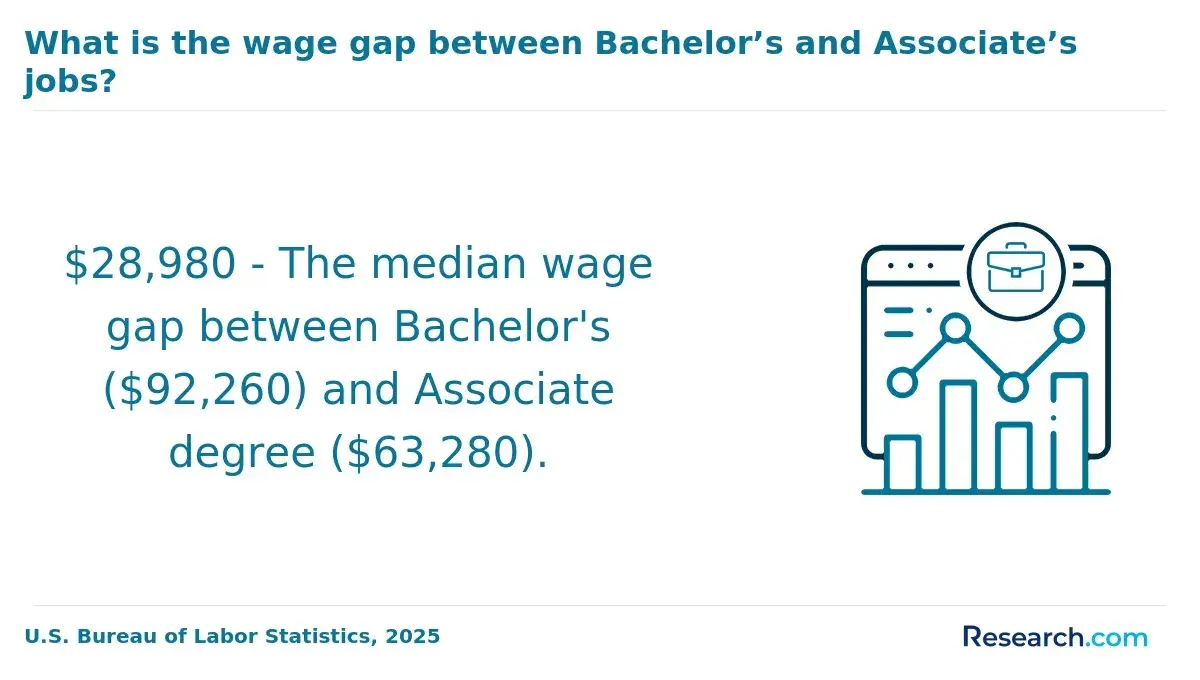
According to recent U.S. Bureau of Labor Statistics data, median entry-level wages typically range from roughly $55,000 to $72,000 annually, about 20% below experienced professional medians. Graduates should weigh offers carefully, factoring total compensation, benefits, and growth potential rather than fixating solely on base salary.
Key influences shaping salary prospects include:
- Industry Sector: Pharmaceutical firms and contract research organizations generally offer higher starting pay and signing bonuses than academic or government roles. However, the latter often provide greater job security and clearer promotion paths.
- Geographic Location: Urban hubs like Boston or San Francisco tend to pay 10% to 25% above national averages, driven by competitive talent markets and living costs. Rural or remote positions may offer less but sometimes include flexibility or relocation benefits.
- Technical Certifications: Credentials such as CCRC or SoCRA can boost offers by $5,000 to $8,000, reflecting employer confidence in verified skills and reduced onboarding time.
- Prior Experience: Internships or relevant project work accelerate salary progression by demonstrating applied competencies, making candidates more attractive to employers seeking immediate contributions.
- Total Benefits Package: Non-salary perks like tuition reimbursement, certification support, and mentoring should influence offer evaluations, as they contribute to longer-term career investment.
- Role Focus: Positions emphasizing data management or regulatory compliance often command higher pay due to technical demands, while more generalist roles may start lower but offer broader exposure.
A recent graduate recalled receiving two competing offers: one from a well-known pharmaceutical company in a major city promising a competitive salary but limited mentoring, and another at a smaller government-affiliated research center with a 15% lower base wage but extensive professional development support.
Without prior internships, the candidate hesitated but ultimately accepted the latter to build broader foundational skills, despite short-term financial compromise. This nuanced decision highlighted how entry-level salaries are just part of a complex calculus involving career trajectory and workplace culture.
Which Skills and Certifications Help Clinical Research Management Graduates Get Hired?
Employers hiring clinical research management graduates increasingly prioritize applied skills, digital fluency, and verifiable job readiness alongside academic degrees. The competitive hiring landscape, underscored by practical demands, means showing competency in real-world tools and regulatory knowledge often outweighs holding a degree alone.
For instance, a new graduate with a clinical research management degree who can demonstrate proficiency with electronic data capture platforms and familiarity with compliance frameworks will typically outpace peers without these practical credentials.
This shift reflects industry needs for candidates who can contribute immediately to complex trials and regulatory environments. Integrating hands-on experience and targeted certifications enhances entry-level hiring odds. Below are key competencies and credentials that improve prospects for clinical research management graduates:
- Regulatory Frameworks: Knowledge of Good Clinical Practice (GCP) and FDA regulations remains essential. Roles in pharmaceutical and biotech firms value candidates who understand compliance protocols; certifications like Certified Clinical Research Professional (CCRP) or Certified Clinical Research Coordinator (CCRC) can reinforce credibility but are not always mandatory for entry-level positions.
- Data Management Skills: Proficiency with electronic data capture (EDC) systems such as Medidata or REDCap and basic data analytics using SAS or R is increasingly requested, especially in roles focusing on trial data quality and reporting. Demonstrable software experience through projects or internships more strongly influences employer decisions than certifications alone.
- Communication Abilities: Strong written and verbal communication is critical for coordinating teams and managing patient communications, particularly in CROs and hospital research departments. Evidence of this skill in past internship roles or academic presentations can considerably strengthen a candidate's profile.
- Project Management Competence: Exposure to Agile or Lean methodologies via microcredentials or internships signals organizational and operational readiness favored by employers managing multi-site trials. These skills translate well across clinical operations and research administration roles.
- Analytical Thinking: Ability to interpret complex datasets and regulatory documents supports roles requiring data review and compliance monitoring. Candidates demonstrating analytical skill through case studies or work samples often gain an advantage in screening interviews.
- Transferable Interpersonal Skills: Adaptability, teamwork, and ethical judgment are valued across all sectors of clinical research. Hiring managers look for these in behavioral interviews and recommendations, acknowledging their impact on workflow efficiency and regulatory adherence.
- Certification and Experience Balance: Deciding between pursuing certifications like CCRP or gaining extensive hands-on experience depends on targeted roles and employer expectations. Some entry-level positions prioritize interdisciplinary competence and practical project contributions over formal credentials.
For students considering complementary education pathways that enhance practical readiness, examining options such as a construction management degree online accredited can provide insights into alternative project management training applicable in clinical settings.
Graduates focusing on the identified skills and certifications will find stronger employment prospects in clinical research management, where a balanced skill set addresses evolving workforce demands in trial oversight, data integrity, and regulatory compliance.
How Much Experience Do Entry-Level Clinical Research Management Jobs Require?
Entry-level clinical research management roles often list one to two years of experience as a prerequisite, though this does not always refer to full-time employment. Many employers interpret internships, practicums, volunteer work, or relevant academic projects as equivalent forms of experience, particularly when regulatory knowledge or technical skills are demonstrated.
For instance, a recent graduate who completed GCP training and contributed to a clinical trial simulation as part of a capstone project may meet the criteria for roles that nominally require professional experience. However, candidates should scrutinize job descriptions carefully, as some employers use inflated experience demands primarily to filter large applicant pools rather than indicate absolute qualifications.
Expectations vary notably across positions and employers. Roles focused on site management or trial coordination typically require prior hands-on involvement or certification due to regulatory complexities, whereas jobs emphasizing data management or administrative support tend to be more flexible regarding direct experience.
Larger pharmaceutical firms or academic medical centers often apply stricter experience thresholds, reflecting both volume-driven screening and risk management concerns. In contrast, smaller companies or startups may weigh demonstrable skills, portfolios, or informal experience more heavily, potentially offering more accessible entry points to recent graduates without extensive work histories.
Data from the 2024 National Association of Colleges and Employers survey highlights that 65% of employers value internships as a valid proxy for professional experience, which aligns with a broader industry shift toward skills-based hiring.
Graduates should therefore assess their experiential learning components critically to identify when they sufficiently fulfill stated requirements. Recognizing the difference between preferred and required experience helps avoid self-screening out of roles where practical exposure, certifications, or academic accomplishments may be adequate for consideration despite not meeting conventional full-time experience expectations.
What Do Employers Look for in New Clinical Research Management Graduates?
Employers evaluating new clinical research management graduates increasingly prioritize practical job readiness over academic qualifications alone. Recruiters assess applied skills, relevant hands-on experience, communication ability, technical proficiency with digital tools, adaptability, and industry-specific knowledge to identify candidates who can contribute with minimal ramp-up time.
A 2024 survey by the National Association of Colleges and Employers highlights that nearly 68% of employers give stronger weight to demonstrated problem-solving and real-world exposure than to formal credentials. The following qualities exemplify how applicants can meet these expectations and better position themselves in competitive entry-level hiring situations:
- Applied Problem-Solving: Employers seek graduates who have tackled real clinical trial challenges during internships or project work. Candidates who can show workflow improvements or trial documentation enhancements provide tangible evidence of value beyond theoretical knowledge.
- Technical Fluency: Familiarity with electronic data capture systems, regulatory compliance protocols, and remote collaboration platforms is crucial. Demonstrating these skills through practical coursework or certification-related exercises can boost credibility.
- Effective Communication: Clear, professional interaction with cross-functional teams and regulatory bodies is essential. Behavioral interview evidence and examples from team-based university projects help validate this skill.
- Relevant Experience: Internship involvement remains a key differentiator, especially with larger organizations where on-the-job training budgets are constrained. Hands-on exposure reduces employer risk and expedites onboarding.
- Adaptability and Multitasking: Employers, particularly in smaller firms, appreciate candidates who can manage multiple responsibilities and pivot as study requirements evolve, reflecting the dynamic nature of clinical research environments.
- Industry Awareness: Understanding evolving digital trends and regulatory changes demonstrates preparedness. Graduates who stay current with industry shifts signal their commitment and ability to integrate smoothly.
How is AI Affecting Entry-Level Hiring for Clinical Research Management Graduates?
The integration of AI-driven recruitment tools in clinical research management hiring is fundamentally shifting entry-level job expectations rather than merely shrinking opportunity pools. Employers increasingly favor candidates capable of managing AI-augmented workflows, blending clinical expertise with data fluency to oversee tools automating routine tasks like compliance documentation and patient recruitment tracking.
For example, a hiring manager in a mid-size pharmaceutical firm might prioritize applicants with demonstrated skills in statistical software or electronic data capture platforms, reflecting a tradeoff where clerical roles diminish but hybrid analytical-technological roles grow.
Screening now often depends on AI-powered applicant tracking systems emphasizing quantitative skills and familiarity with bioinformatics or machine learning concepts, elevating the importance of tailored resumes that highlight such proficiencies.
The impact of artificial intelligence on entry-level clinical research management jobs varies across employers; those in decentralized trial operations may seek candidates versed in algorithm validation or AI-enabled quality control, while others emphasize regulatory knowledge. Graduates can strategically prioritize roles and upskill accordingly, especially as the World Economic Forum projects growth in roles requiring life sciences and AI crossover skills.
Students and recent graduates aiming for competitive advantage should also consider credential pathways offering relevant technical competencies, including data analytics and programming basics, to navigate this evolving landscape effectively.
Pursuing a PhD no dissertation focusing on applied AI in healthcare could be a valuable differentiator for those targeting specialized clinical research roles with long-term growth. Understanding these shifts is essential for optimizing employment prospects amid an AI-influenced hiring environment.
How Can Clinical Research Management Graduates Improve Their Job Search Results?
Entry-level clinical research management job search strategies that rely on broad, high-volume applications tend to underperform compared to targeted approaches focused on specific job titles and industries. For example, a graduate who sends generic resumes to hundreds of listings without aligning keywords to the role risks automatic rejection by applicant tracking systems, wasting time and energy.
Prioritizing roles where one's skills and experience closely match employer requirements-especially within regions reporting substantial hiring activity-improves conversion rates and interview invitations, a key insight for those navigating early career obstacles.
Research indicates candidates who tailor applications with role-specific keywords, highlight certifications, and include relevant internships or projects demonstrate both job readiness and practical competence valued by employers. Concentrating on the best regions for clinical research management graduate employment-often major biotech and healthcare hubs with strong labor demand-also enhances prospects.
Networking within these sectors, combined with timing applications to industry hiring cycles, can multiply interview opportunities by over threefold. Those exploring educational costs related to health management may find it useful to review how much is a criminal justice degree to compare investment implications.
Graduates must balance broad market research with strategic focus, recognizing that submitting fewer, well-crafted applications aligned to employer expectations yields better outcomes than mass applying. Analytical interpretation of job descriptions and feedback enables continuous improvement, ensuring candidates present a competitive edge in a challenging hiring environment for entry-level clinical research management roles.
References
- How AI is changing the nature of entry level work https://www.weforum.org/stories/artificial-intelligence/how-ai-is-changing-the-nature-of-entry-level-work/
- Entry-level Clinical Research Associate - Clinical Study Coordinator experience in Germany | Medpace, Inc. https://talent.medpace.com/jobs/12443
- Salary Range of Clinical Research Professionals https://www.icriindia.com/our-courses/salary-range-of-clinical-research-professionals
- Entry-Level Clinical Trial Jobs: A Guide to CTA & IHCRA | IntuitionLabs https://intuitionlabs.ai/articles/entry-level-cta-ihcra-roles
- Clinical Research Manager https://www.abpi.org.uk/careers/job-case-studies/clinical-research-manager/
- Starting a Career in Clinical Research | The Institute of Clinical Research https://icr-global.org/starting-a-career-in-clinical-research/
- How to land entry level clinical research jobs without experience https://pharmaeducenter.com/blog/how-to-land-entry-level-clinical-research-jobs/
- 12 Resume Tips That Can Help You Get a Clinical Research Job - Rho https://www.rhoworld.com/12-resume-tips-that-can-help-you-get-a-clinical-research-job/
- Entry-Level Clinical Research Associate Salar | CCRPS https://ccrps.org/clinical-research-blog/clinical-research-associate-salary-entry-level
- Entry Level Clinical Research Associate (E/L CRA) https://careers.iconplc.com/job/entry-level-clinical-research-associate-e-l-cra-in-various-jid-20897
Other Things You Should Know About Clinical Research Management
While academic credentials remain a baseline, employers increasingly prioritize candidates with hands-on experience such as internships, co-op placements, or practical project involvement. Graduates from programs that integrate real-world clinical trial simulations or partnerships with active research sites tend to have a competitive edge. This means that when choosing a program or job opportunity early on, prioritizing pathways that offer tangible fieldwork experience often results in better entry-level employment outcomes compared to purely theoretical training.
Early-career specialization can be a double-edged sword. While focusing on areas like regulatory affairs or data management may open specialized roles faster, it risks narrowing long-term options if the subfield faces hiring slowdowns. For most new grads, gaining broad exposure across multiple functions in clinical research management provides flexibility and adaptability, especially in volatile job markets. Programs that balance foundational skills with optional targeted electives allow graduates to test interests without prematurely limiting their career trajectories.
Entry-level roles often demand high adaptability to multitask across protocol documentation, site coordination, and compliance tracking without direct supervision. Graduates facing employers who emphasize fast learning and task juggling should seek programs that simulate realistic workloads rather than idealized scenarios. This exposure helps avoid early career burnout and improves resilience, which correlates with better job retention and performance. Candidates who underestimate these practical demands may struggle despite technical knowledge.
While certifications can enhance a resume, their immediate value depends on the specific employer and job market conditions. Some hiring managers value demonstrated clinical research management experience more than extra credentials that lack practical context. For new graduates, a strategic approach is to secure employment that provides exposure to clinical trial operations before investing time and money in certifications. Doing so ensures certifications are applied meaningfully and avoid becoming costly but underutilized credentials.