2027 Clinical Research Management Degree Popularity by Gender, Region, and Degree Level

Co-Founder and Chief Data Scientist
When a prospective clinical research management student compares enrollment data, stark contrasts emerge: one state reports a 35% growth in female candidates from 2023 to 2024, while another shows a steady decline. These fluctuations shape perceptions of program relevance and accessibility, influencing where applicants choose to study, their expected peer networks, and local job market readiness. A 2024 study found that master's degree enrollments outpaced bachelor's by nearly 20%, signaling a shift toward advanced specialization that may align more closely with employer demands but could limit opportunities for those seeking faster credentialing. Understanding these nuances is critical for informed decision-making.
This article will analyze clinical research management degree popularity by gender, region, and degree level to clarify how these factors affect educational and career strategies.
Key Things to Know About Clinical Research Management Degree Popularity by Gender, Region, and Degree Level
- Women represent nearly 65% of clinical research management enrollments nationally in 2024, reflecting shifting workforce demographics but potentially reinforcing gendered notions of care-related roles in clinical settings.
- Enrollments concentrate in the Northeast and West Coast, where biotech hubs demand advanced skills, signaling geographic employer ties that shape student access and specialization opportunities.
- Master's degree seekers face longer time-to-completion and higher costs than bachelor's students, a tradeoff impacting career entry timing and financial burden despite possibly stronger industry positioning.
- Key Things to Know About Clinical Research Management Degree Popularity by Gender, Region, and Degree Level Key Things to Know About Clinical Research Management Degree Popularity by Gender, Region, and Degree Level
- How Does Job Market Demand Influence Clinical Research Management Degree Popularity? Market Demand and Degree Popularity
- How Does Online Clinical Research Management Degree Enrollment Compare to Traditional Campus Programs? Online vs. Campus Enrollment
- What Degree Level Is Most Common Among Clinical Research Management Students? Most Common Degree Levels
- How Do Enrollment Trends Differ Between Associate, Bachelor's, Master's, and Doctoral Clinical Research Management Degrees? Enrollment Trends by Degree Level
- How Popular Is the Clinical Research Management Degree Compared to Other College Majors? Degree Popularity vs. Other Majors
- Why Is the Clinical Research Management Degree More Popular in Certain States and Regions? Regional Popularity Drivers
- What Demographic Groups Are Driving Growth in Clinical Research Management Degree Programs? Growth by Demographic Groups
- What Is the Future Outlook for Clinical Research Management Degree Enrollment by Gender, Region, and Degree Level? What Is the Future Outlook for Clinical Research Management Degree Enrollment by Gender, Region, and Degree Level?
- How Have Clinical Research Management Degree Enrollment Trends Changed Over the Past Decade? How Have Clinical Research Management Degree Enrollment Trends Changed Over the Past Decade?
- Where Is the Clinical Research Management Degree Most Popular Across the United States? Geographic Popularity Analysis
How Does Job Market Demand Influence Clinical Research Management Degree Popularity?
Strong regional employer demand and industry clustering significantly shape the popularity of clinical research management degree programs, but this influence varies according to local economic conditions and credential expectations. For example, regions like the Northeast and West Coast, with dense pharmaceutical and biomedical research hubs, consistently show higher enrollment due to pronounced labor market signals favoring graduates. Yet, despite the projected 23% growth in medical and health services management roles noted by the U.S. Bureau of Labor Statistics, enrollment in clinical research management programs does not uniformly reflect this demand because many employers prioritize candidates with specific internships or practical experience, influencing students to seek programs that embed these elements.
Gender participation in clinical research management education also intersects with labor demand and professional credentialing norms. The sector typically employs a higher percentage of women, but advanced degree attainment among females may be constrained by complex factors such as family-care responsibilities and regional socioeconomic disparities, which vary substantially across the country. Additionally, prospective students face tradeoffs between pursuing a clinical research management degree versus alternative certifications or on-the-job training, which can dilute degree program popularity even where regional labor demand is strong. These dynamics mean students must carefully evaluate program visibility, credential recognition, and alignment with employer expectations, especially when comparing options across different degree levels and geographic areas.
The decision to pursue a clinical research management degree involves weighing long-term employability against evolving workforce requirements and educational alternatives. The demand for graduates is uneven, shaped by regional economic ecosystems and the ongoing shift toward integrated experiential learning in curricula. This condition encourages students to consider not just job market trends but also how practical program components and licensing requirements within their specific region will impact career pathways. Those looking for flexible options might explore the easiest masters degree to get online, which can offer accessible entry points while maintaining relevance to current employment needs in clinical research management.
How Does Online Clinical Research Management Degree Enrollment Compare to Traditional Campus Programs?
Enrollment in online clinical research management degree programs has surpassed traditional campus offerings by roughly 35% annually, reflecting a clear demographic and geographic shift in who pursues these credentials. Online formats tend to attract older students, often balancing careers and family, as well as those in rural or underserved areas where access to specialized clinical research education is limited. This contrasts with campus-based programs that draw younger, locally based students typically fresh out of high school. These enrollment differences shape workforce pipelines, as online graduates often bring varied professional backgrounds and regional perspectives, though they may face challenges such as fewer in-person networking opportunities and greater demands on self-directed learning.
This divergence also impacts program growth and student choice; universities can expand reach without physical space limits, enabling curricular updates that align with evolving industry standards. However, higher variability in online completion rates points to the need for stronger support systems to maintain engagement over asynchronous, largely solitary study models. Employers increasingly accept degrees from reputable online clinical research management programs, provided substantive experiential components are included, yet prospective students must weigh the tradeoffs between flexibility and direct mentorship. For some, traditional campus programs offer immersive environments and immediate local industry connections that continue to appeal despite online programs' growth.
A graduate recalled struggling initially to decide between enrolling locally on campus or taking an online clinical research management degree. Living in a small town without convenient access to major institutions, the flexibility of an online program was attractive, but she worried about missing cohort camaraderie and face-to-face faculty contact. After discussing with advisors and peers, she chose online enrollment, later appreciating the ability to maintain her full-time job while studying. Still, she noted feeling some isolation during complex coursework, a factor she felt campus students might avoid more readily, underscoring the nuanced tradeoffs influencing such enrollment decisions.
What Degree Level Is Most Common Among Clinical Research Management Students?
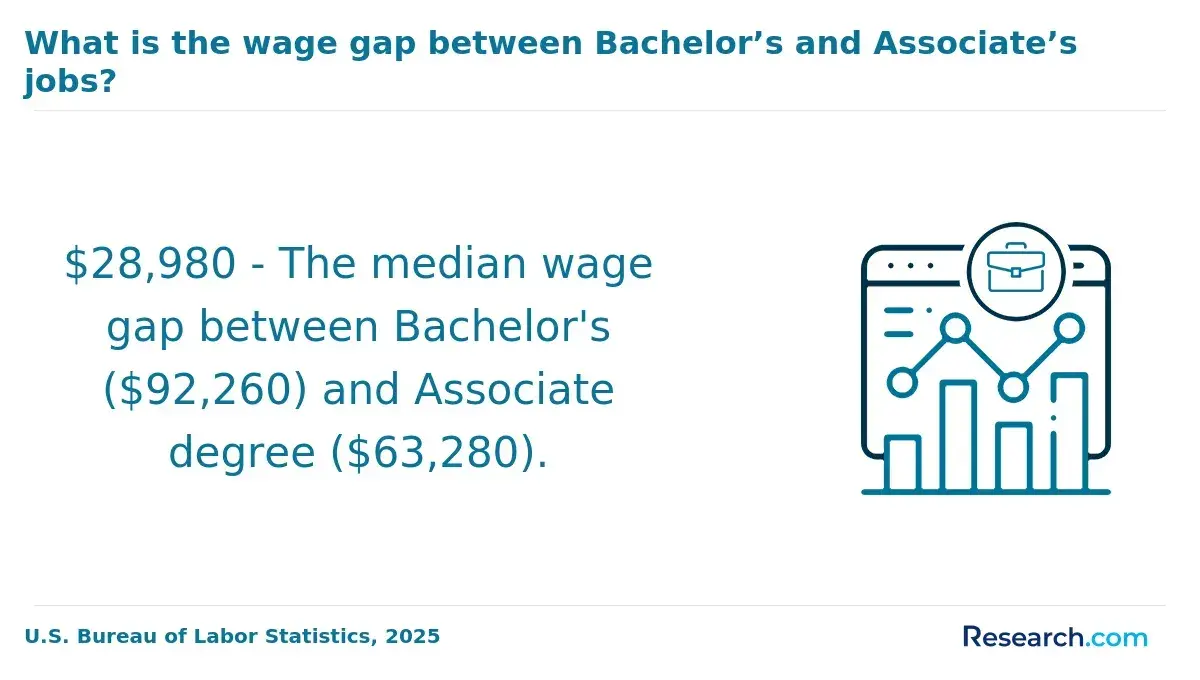
The bachelor's degree consistently emerges as the predominant credential among clinical research management students, reflecting both employer expectations and program accessibility. According to the National Center for Education Statistics and IPEDS data for 2023-2024, about 60% of enrollees are pursuing bachelor's degrees, which typically serve as the baseline qualification for many entry-level positions. This prevalence is reinforced by the wide availability of accredited programs online and on-campus, offering a balanced curriculum that aligns foundational scientific knowledge with practical clinical trial management skills.
Associate degrees, though quicker to complete, draw less than 15% of enrollment and often limit students to technical or support roles without strong pathways to advancement, which dampens their long-term appeal. Master's programs, accounting for roughly one-fifth to one-quarter of enrollment, attract those aiming for leadership or specialized positions such as research coordination or regulatory compliance, driven by an increasingly competitive job market demanding advanced expertise. Doctoral-level studies remain the least common, under 5%, largely reserved for individuals targeting academic or high-level research careers where intensive methodological training and scholarly contribution are central but require significant time and financial commitments.
Prospective and current students must weigh these trends against their professional goals and resource availability, recognizing that while the bachelor's degree offers the most direct route into the workforce with broad applicability, advanced degrees provide differentiated skill sets that may yield greater long-term institutional influence. Decisions about degree level thus hinge on balancing immediate employability with ambitions for specialized roles or research leadership within the evolving clinical research management landscape.
How Do Enrollment Trends Differ Between Associate, Bachelor's, Master's, and Doctoral Clinical Research Management Degrees?
Enrollment trends by degree level in clinical research management reflect distinct strategic choices shaped by workforce demands and educational barriers. Associate programs, representing about 20% of enrollments according to 2024 NCES data, primarily attract students seeking swift entry into clinical trial coordination roles, trading off advanced specialization for quicker workforce access. In contrast, bachelor's degrees maintain a dominant presence at roughly 55% enrollment, serving as the foundational credential that balances technical knowledge with broader management preparation. This baseline status aligns with many employers' expectations for roles requiring both operational understanding and entry-level leadership capacity.
The fastest enrollment growth is occurring at the master's level, boosted by a 12% increase since 2022, as noted by industry surveys, reflecting rising employer demand for regulatory expertise and leadership skills in clinical trial design. These programs typically appeal to professionals aiming to deepen specialization and advance beyond operational roles, often building on prior healthcare experience. Doctoral degrees, while comprising only about 7% of students, cater to a narrower cohort focused on research innovation and policy influence, where longer completion times and selective admissions constrain broader enrollment. Such differentiated enrollment patterns indicate that decisions about degree pathways significantly affect career trajectories and should be carefully aligned with realistic job market roles and expectations.
Gender and regional variations further contextualize these trends. Women predominate at associate and bachelor's levels, which coincides with workforce entry points, while men are more represented in doctoral studies tied to academic research. Additionally, urban coastal centers concentrate master's and doctoral candidates, mirroring the geographic clustering of research institutions and industry hubs. Prospective students should weigh these enrollment dynamics in educational planning, recognizing how each level supports distinct professional outcomes in clinical research management. For those seeking a blended or alternative approach, exploring options like MFT online programs may offer complementary skills relevant to interdisciplinary career paths.
How Popular Is the Clinical Research Management Degree Compared to Other College Majors?
The relatively low enrollment in clinical research management degrees compared to traditional majors like business or nursing reflects more than just limited popularity; it signals the field's specialized labor market and niche positioning within healthcare and pharmaceutical sectors. Data from the National Center for Education Statistics in 2024 show fewer than 5,000 degrees awarded annually in this area nationally, underscoring its focused appeal rather than broad educational demand. This specialization means fewer program offerings and smaller peer networks, which can limit exposure but also foster tightly aligned skill sets relevant to regulatory compliance and clinical trial oversight. For students weighing academic paths, this dynamic necessitates careful consideration of how degree scarcity might impact academic resources, industry connections, and regional employment prospects.
Steady growth in clinical research management graduates-around 7% from 2018 to 2024-indicates rising industry needs driven by increasing clinical trial activities and regulatory complexity. The degree's popularity concentrates among graduate students in biotech-heavy regions like the Northeast and West Coast, where job markets align closely with academic programs. Gender disparity is less marked than in many STEM fields, with women comprising about 60% of graduates, reflecting the interdisciplinary nature of the degree that blends scientific knowledge with management capabilities. These patterns highlight how regional industry presence and evolving workforce demands shape enrollment, suggesting prospects hinge more on local market conditions and graduate-level specialization than on undergraduate trends.
One clinical research management graduate recalled entering a small cohort far smaller than more familiar majors, noting it "felt like being part of a specialized, less visible field." Academic advisors flagged the limited but growing demand in regional pharmaceutical hubs, which initially caused hesitation but also sparked curiosity about career opportunities outside common paths. Classroom sizes and peer diversity were limited compared to large programs, yet this intimacy allowed deeper engagement with complex regulatory topics and practical skill-building. The student's experience illustrates the tradeoffs inherent in pursuing a less common degree-balancing uncertainty about program prominence with the appeal of targeted expertise and industry alignment.
Why Is the Clinical Research Management Degree More Popular in Certain States and Regions?
The uneven demand for clinical research management degree programs across states is closely tied to local industry ecosystems and workforce conditions rather than just student preferences. States like Massachusetts benefit from a dense concentration of biotech firms and research hospitals that generate about 20% higher clinical research job postings than the national norm, reflecting stronger employer demand. This regional industry density encourages universities to develop specialized programs, as seen in North Carolina's Research Triangle where institutions such as Duke and UNC Chapel Hill integrate educational offerings with practical internship opportunities, shaping student decision-making based on access to professional networks and on-site clinical research infrastructure. Such factors highlight how geographic variations in clinical research management degree demand by state often correspond with tangible labor market advantages rather than purely academic factors.
Demographic and policy influences also shape enrollment patterns and perceptions of program value, particularly around gender and workforce integration. Regions with expanding healthcare sectors tend to show increased female participation in clinical research management degrees, evidencing workforce composition impacts on educational pathways. Meanwhile, state-level funding and public-private partnerships targeting biomedical research direct both program availability and student enrollment, reinforcing regional disparities. Access to online education has broadened options but has not erased the premium placed on degrees from areas with robust clinical research activity, which affects where students choose to study and ultimately work. For those evaluating diverse educational options, including related fields like online MBA entrepreneurship programs, appreciating these nuanced factors informs more strategic decisions aligned with both career and regional realities.
What Demographic Groups Are Driving Growth in Clinical Research Management Degree Programs?
The increasing enrollment of women in clinical research management degree programs significantly reshapes classroom dynamics and professional pipelines, reflecting both shifting workforce demands and broader societal trends toward gender diversification in healthcare-related STEM fields. With women comprising roughly 65% of enrollees, programs must adapt to the unique experiences and networking preferences this majority demographic brings, which may influence curricular focus and peer collaboration models. This gender shift also aligns with employer expectations for diverse teams capable of addressing a wide range of clinical trial and regulatory challenges in nuanced ways, especially as healthcare systems prioritize inclusive perspectives for patient-centered research outcomes.
Regional patterns further illustrate how local industry ecosystems drive educational participation, with southern and western U.S. states-such as Texas, California, Florida, and Washington-leading growth due to strong biotech and healthcare sectors demanding graduates versed in clinical research management competencies. These geographic clusters translate into distinct opportunities for students, where proximity to industry hubs enhances experiential learning and employment prospects but may also concentrate competition and raise cost-of-living considerations. Additionally, the rise of online programs accommodating adult learners aged 25 to 40 enables working professionals to balance education with employment, broadening access yet complicating traditional mentorship and peer engagement models that influence long-term career trajectories.
Demographic shifts in racial and ethnic composition, particularly among Hispanic and Asian American students now representing close to 30% of graduates, highlight concerted institutional efforts to create inclusive pipelines responsive to evolving population health needs. This diversification expands the knowledge base and cultural competence within clinical research teams, essential for adapting study designs and participant recruitment to varied populations. However, sustaining these trends requires continual investment in support structures addressing barriers faced by first-generation and nontraditional students, which can impact retention and success rates. For stakeholders, understanding these intertwined demographic, geographic, and delivery-method factors is critical for aligning program offerings with workforce realities and student needs.
What Is the Future Outlook for Clinical Research Management Degree Enrollment by Gender, Region, and Degree Level?
Enrollment in clinical research management degrees is set to continue shifting alongside evolving student demographics and regional industry developments. Female students currently represent about 62% of enrollees, a trend aligned with broader health sciences but one that may slowly equilibrate as targeted efforts aim to diversify gender representation in the field. This dynamic presents practical challenges for programs balancing recruitment with workforce demands, especially given employer preferences for diverse teams capable of managing complex regulatory landscapes.
Regional variations are becoming increasingly pronounced, with southern and western U.S. states experiencing stronger growth due to expanding biotech hubs and healthcare research investments. In contrast, northern regions face slower enrollment increases and potential contraction tied to aging populations and declining college-age cohorts, which could restrict program capacity and reduce local talent pipelines. These geographic disparities influence students' choices and institutions' strategies, particularly as many programs adopt online and hybrid formats to reach wider populations and mitigate localized demographic constraints.
At the degree level, associate and bachelor's programs provide stable entry points but lack the specialization increasingly demanded by employers, fueling sharper enrollment rises in master's programs. Data from the Council of Graduate Schools shows a 12% increase in master's enrollments, reflecting a market where advanced credentials offer clearer pathways into advanced clinical trial coordination and oversight roles. For students navigating these options, understanding how degree level correlates with job expectations and regional industry health is critical for long-term employability and academic planning.
How Have Clinical Research Management Degree Enrollment Trends Changed Over the Past Decade?
Long-term enrollment trends in clinical research management degree programs reflect shifting workforce demands and reveal nuanced demographic and regional dynamics crucial for educational and career planning. Between 2014 and 2023, degrees in clinical research management-related fields increased by roughly 35%, indicating persistent demand for professionals skilled in managing complex clinical trials, regulatory compliance, and data integrity. Notably, female enrollment outpaced male growth, rising from about 55% in 2013 to nearly 62% in 2023, a shift that narrows the traditional gender gap in STEM and healthcare-adjacent fields and signals a broader cultural and recruitment emphasis on inclusivity within this sector of health sciences education.
Geographically, enrollment growth has been concentrated in the Northeast and West Coast, where biotech hubs and robust clinical research organizations foster program popularity, while Midwestern and Southern states see more moderate increases due to fewer industry partnerships. This uneven regional distribution shapes perceptions of program relevance and availability, informing prospective students' decisions based on local employment prospects and institutional connections. Additionally, the expansion of online and hybrid delivery models has broadened access, especially for working professionals and nontraditional students, though these modalities introduce tradeoffs in engagement and support that may influence completion rates and career outcomes. Exploring accelerated options like the shortest masters program in the field can be a strategic choice for some seeking to enter or advance within this competitive labor market.
Tracking clinical research management degree enrollment trends in the United States reveals that while overall demand is increasing, variations by gender, region, and delivery mode require careful consideration. Prospective students, current learners, and graduates alike should weigh these patterns against local industry ecosystems and the practical realities of workforce absorption, as shifting healthcare policies and funding can alter long-term career viability and educational value.
Where Is the Clinical Research Management Degree Most Popular Across the United States?
The geographical popularity of the clinical research management degree is heavily influenced by the concentration of biomedical and pharmaceutical industries, as well as the density of academic programs aligned with workforce needs. States like Massachusetts and California lead due to their established biotech corridors and multiple universities offering specialized curricula, creating environments where enrollment and degree completions surpass the national average. This creates stronger local networks and job pipelines for students but also means those in regions without such infrastructures often face narrower program choices and fewer immediate employment opportunities in the field.
Regional trends in clinical research management enrollment reveal that emerging life sciences hubs, particularly in North Carolina and Georgia, are expanding degree offerings and completions. This growth reflects targeted investments in healthcare innovations and life sciences clusters rather than organic market development, indicating potential volatility and more rapid shifts in local demand. For prospective students evaluating where to study or work, understanding these dynamics is critical. The regional clustering of programs affects not only access to quality education but also long-term career trajectories by shaping the professional ecosystems students enter.
These patterns underscore why degree popularity is not uniform but linked to the presence of metropolitan research hubs and economic conditions supporting healthcare and innovation sectors. Those outside these key areas may find online degrees for working adults a practical alternative to traditional campuses, offering flexible access to clinical research management education despite geographic constraints. The Integrated Postsecondary Education Data System's 2024 data provides essential insight into these patterns, helping inform realistic decisions on program selection based on local demand and graduate employability.
References:
- Clinical research career: 7 top roles, salaries & GCP guide https://pharmaeducenter.com/blog/clinical-research-career/
- Medical University of GdaÅsk https://old.mug.edu.pl/74743.html
- College Degree Levels in Order | University of Phoenix https://www.phoenix.edu/articles/online-college/college-degree-levels-in-order.html
- MS in Clinical Research Management https://www.unthealth.edu/college-of-biomedical-and-translational-sciences/degree-programs/ms-in-clinical-research-management.html
- Clinical Research Management Accelerated Degree Programs - Biomedical Science Graduate Programs https://school.wakehealth.edu/education-and-training/graduate-programs/clinical-research-management-bsms
- Top 25 Clinical Research Master's Programs Globally (2026 Rankings) https://ccrps.org/clinical-research-blog/top-25-clinical-research-masters-programs-globally-2026-rankings
- Longitudinal clinical trial enrollment trends across 341 US FDA-approved drugs and their guiding role in precision medicine strategies - Communications Medicine https://www.nature.com/articles/s43856-025-01270-2
- Conducting and Monitoring Clinical Trials - Online https://www.kozminski.edu.pl/en/programs/postgraduate-programs/conducting-and-monitoring-clinical-trials-online
- Geographical Distribution and Trends of Clinical Trial Recruitment Sites in Developing and Developed Countries https://www.jhidc.org/index.php/jhidc/article/view/157
- How Do Online and Offline Clinical Research Courses Compare? - Clinical Research Courses FAQ | VIARES https://viares.com/blog/clinical-research-courses-faq/how-do-online-and-offline-clinical-research-courses-compare/
Other Things You Should Know About Clinical Research Management
Gender imbalances in clinical research management programs can create uneven access to mentorship and professional networks, especially in regions or degree levels where one gender predominates. For example, women often face fewer mentorship opportunities in higher degree levels and leadership tracks that remain male-dominated. Prospective students should weigh program demographics and seek environments with diverse cohorts or formal mentorship initiatives, as these dynamics impact career progression and peer support more than the curriculum itself.
Employers in different regions prioritize varying skills and experiences based on local industry presence and regulatory environments. Regions with heavy biotech or pharmaceutical hubs often expect graduates to have more specialized clinical trial management or regulatory compliance experience, while others may prioritize broader project management competencies. Candidates should target programs with regional industry ties or internship pipelines aligning with their preferred job markets to increase practical readiness and hiring competitiveness.
Master's and doctoral clinical research management degrees offer deeper specialization but come with increased workload and longer time to completion. Students aiming for leadership or research-driven roles should prioritize advanced degrees despite heavier commitments. Conversely, bachelor's programs may suffice for entry-level or operational roles, allowing quicker workforce entry but potentially limiting upward mobility. Careful consideration of immediate capacity for workload against long-term career aspirations is critical in degree level decisions.
Regions with higher clinical research management enrollment often benefit from better-funded programs, stronger research collaborations, and more extensive internship opportunities. Conversely, less populated areas might lack specialized faculty or industry partnerships, which can limit exposure to hands-on experiences crucial for job readiness. Students in lower-enrollment regions should consider programs offering strong virtual internships or national industry connections to compensate for local resource gaps and maintain competitive employability.