2027 Remote Work Report for Clinical Research Management Graduates: Flexible Roles, Pay, and Hiring Trends

Co-Founder and Chief Data Scientist
Graduates in Clinical Research Management often face uncertainty when seeking remote roles that match their expertise. Job postings may combine clinical oversight with data coordination or regulatory tasks, making it hard to pinpoint clear career paths. Compensation also varies widely, reflecting both the complexity of remote collaboration and regional employer demand. Recent research indicates that just 18% of Clinical Research Management positions in the US are fully remote, highlighting significant competition for flexible roles.
Understanding these patterns matters because graduates must balance realistic salary expectations with evolving job requirements. This article breaks down available remote opportunities, pay ranges, and hiring trends to guide informed decisions in this niche field.
Key Points About Working Remotely for Clinical Research Management Graduates
- Remote Clinical Research Management roles typically offer salaries between $70,000 and $90,000 annually, depending on experience and role specialization, guiding graduates to target positions aligned with their skill level for realistic salary expectations.
- Flexible job options include Clinical Project Coordinator, Data Manager, and Regulatory Affairs Specialist, although many positions require occasional on-site presence, implying graduates must assess their willingness to blend remote with hybrid work arrangements.
- Graduates face competitive remote hiring where practical experience, relevant certifications, and strong communication skills strongly influence employability, highlighting the need for strategic networking and readiness to meet evolving job demands after graduation.
- Key Points About Working Remotely for Clinical Research Management Graduates Key Points About Working Remotely for Clinical Research Management Graduates
- Are there remote work opportunities in the Clinical Research Management industry? Remote Opportunities
- Which Clinical Research Management niches offer remote roles? Which Clinical Research Management niches offer remote roles?
- What entry-level Clinical Research Management roles allow remote work? Entry-Level Roles
- What is the average salary of Clinical Research Management graduates who are working remotely? Average Salary
- Do remote Clinical Research Management jobs pay the same as on-site roles? Pay Comparison
- What benefits do remote Clinical Research Management employees receive? What benefits do remote Clinical Research Management employees receive?
- Where can Clinical Research Management graduates look for remote jobs? Where to Find Jobs
- What do Clinical Research Management employers look for in candidates? What do Clinical Research Management employers look for in candidates?
- How can Clinical Research Management graduates prepare for remote roles? Preparing for Remote Roles
- How can Clinical Research Management graduates if remote roles are a good fit for them? How can Clinical Research Management graduates if remote roles are a good fit for them?
Are there remote work opportunities in the Clinical Research Management industry?
Remote work in Clinical Research Management remains constrained compared to other fields, with about 20% of entry-level roles fully remote and 35% offering hybrid options. This limited flexibility reflects critical needs for on-site collaboration at trial locations and strict regulatory compliance, affecting hiring practices across regions.
Flexible arrangements depend heavily on regional laws and organizational workflows. For example, firms in areas with stringent clinical data regulations may require more on-site presence to ensure compliance. Meanwhile, companies leveraging cloud-based data platforms can support some asynchronous work but typically expect employees for key coordination tasks.
A practical scenario involves a recent graduate hired by a mid-sized research firm using hybrid schedules. They spend initial weeks on-site for training and site visits, then transition to hybrid work. However, the bulk of complex trial oversight still demands physical presence, illustrating how remote flexibility involves tradeoffs for experiential learning and exposure.
A workforce study from a leading industry analytics firm reveals 62% of Clinical Research Management companies expect at least three days weekly in-office attendance. This signals cautious remote adoption and suggests that graduates pursuing off-site roles should carefully weigh slower practical skill development against convenience.
Which Clinical Research Management niches offer remote roles?
Remote work opportunities within Clinical Research Management are concentrated in niches where digital workflows and electronic data handling dominate. These areas enable flexibility by minimizing the need for physical presence on site. For example, a clinical data manager coordinating multi-site data submissions can efficiently perform tasks remotely through cloud platforms, avoiding travel and on-site meetings. Some niches, however, require intermittent in-person duties due to compliance inspections or patient interaction. Below are key clinical research management niches offering remote or hybrid roles, highlighting why their core functions suit asynchronous or off-site environments.
- Clinical Data Management: Focuses on collecting, validating, and organizing trial data. Reliance on specialized software and remote database access makes this niche highly adaptable to fully remote work with little need for physical trial site access.
- Regulatory Affairs Management: Entails preparing and submitting compliance documents to health authorities. Since this work involves reviewing electronic files and managing regulatory workflows, it supports flexible remote schedules.
- Project Management: Involves coordinating timelines, budgets, and resources across multiple sites. Virtual project management tools enable planners to handle these responsibilities remotely while maintaining oversight.
- Quality Assurance: Includes designing process audits and using remote inspection technologies. This niche benefits from hybrid models, combining virtual audits with occasional site visits to ensure compliance.
- Patient Recruitment Management: Manages outreach and participant enrollment using digital engagement tools. While much coordination is remote, some onsite presence might be needed for participant interaction.
Recent labor analyses indicate a 12.7% increase in remote job postings specifically in Clinical Data Management and Regulatory Affairs, signaling higher employer confidence in decentralized workflows for these roles. Graduates weighing clinical research management remote job opportunities should consider the advanced technical skills and communication demands required to excel in these flexible remote roles within clinical research management. For those balancing work and study, exploring options like fully funded SLP programs online can offer complementary skill sets valuable in multidisciplinary healthcare settings.
What entry-level Clinical Research Management roles allow remote work?
Entry-level Clinical Research Management roles that support remote work combine strict organizational skills with digital communication, making them ideal for flexible job arrangements. For example, a Clinical Research Coordinator working remotely can manage multiple trial sites by coordinating digital submissions and maintaining regulatory documentation online. Below are key entry-level roles that illustrate how candidates apply practical knowledge remotely while meeting employer expectations.
The following list describes common remote roles within Clinical Research Management along with their responsibilities and hiring criteria.
- Clinical Research Coordinator: This role requires managing trial documentation, scheduling, and communication with study sites. Hiring typically expects familiarity with clinical protocols and digital trial management systems. Remote work is possible as many coordination tasks rely on electronic data capture and virtual meetings.
- Data Management Assistant: Entrants assist in data collection and validation using Electronic Data Capture (EDC) systems such as Medidata Rave or REDCap. Candidates benefit from prior experience with data software and attention to detail. This position suits remote work due to its reliance on cloud-based data entry platforms.
- Regulatory Affairs Associate: Responsible for compiling and tracking compliance documentation, this role demands knowledge of regulatory frameworks and strong organizational skills. Remote execution is facilitated through digital document management and frequent use of online submission portals.
- Clinical Trial Assistant: This position supports project management by maintaining trial logs, assisting with monitoring visits, and preparing reports. Employers look for skills in Microsoft Office Suite and basic clinical research understanding. The role's document-driven nature allows for effective telecommuting.
- Quality Assurance Auditor: Entry-level auditors help ensure trial activities align with regulatory standards by reviewing electronic records and audit trails. Candidates benefit from certification like those offered by SoCRA or ACRP. Auditing can be conducted remotely via electronic systems and secure communication channels.
Current trends show a 22.5% increase in remote or hybrid entry-level Clinical Research Management job postings across specialized job boards. Because nearly 38% of these opportunities offer telecommuting options, graduates with strong digital literacy have better chances of securing flexible positions. Candidates who pair remote work adaptability with practical knowledge of clinical protocols remain in high demand.
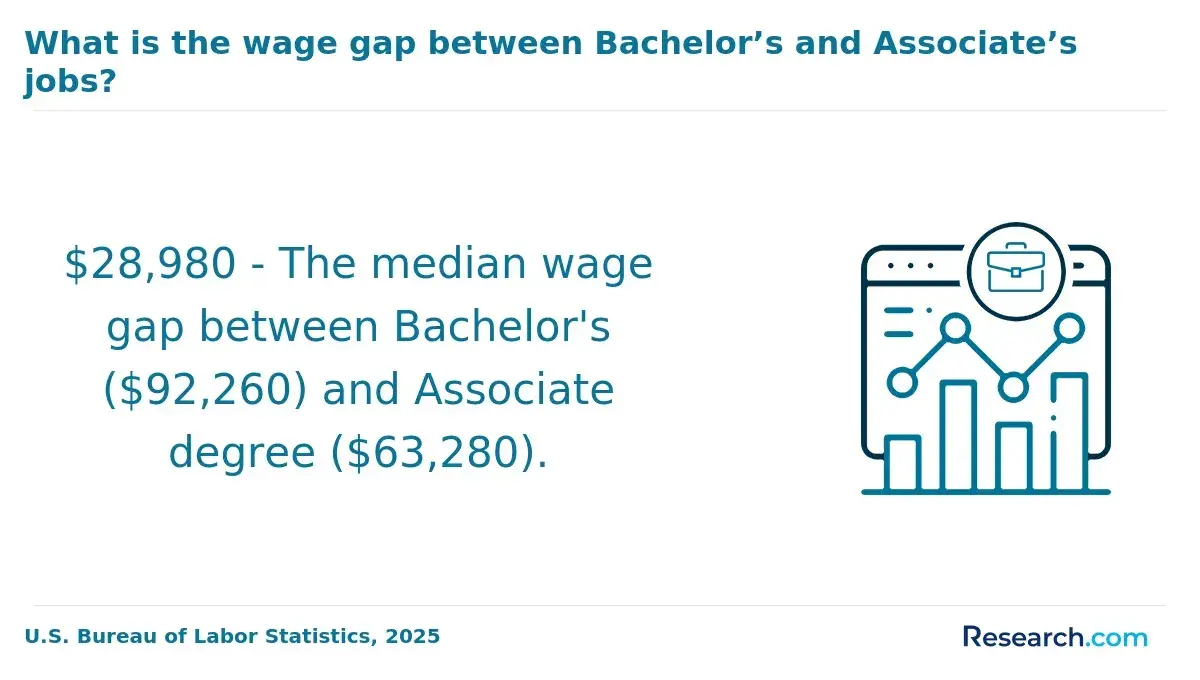
For individuals considering career paths in this field, obtaining an associate degree can provide an essential foundation. This credential supports entry into remote clinical research management positions for recent graduates and enhances competitiveness in hiring markets focused on digital proficiency and regulatory understanding.
What is the average salary of Clinical Research Management graduates who are working remotely?
The average remote salary for Clinical Research Management graduates typically starts between $58,000 and $72,000 annually. Entry-level compensation centers near $60,500, reflecting the specialized training required. Employers expect foundational clinical trial skills, but real-world pay varies depending on whether the role demands more technical expertise or certifications.
Positions with advanced responsibilities, such as remote clinical trial coordinators or data managers, often offer salaries at the higher end. A 2024 industry report found that 35% of new Clinical Research Management hires receive remote or hybrid contracts. This trend supports consistent salary levels despite location flexibility, emphasizing experience and role complexity over geography as primary salary drivers.
Compared to similar fields like health administration or regulatory affairs, which offer entry-level salaries from $55,000 to $65,000, Clinical Research Management remote worker pay trends remain competitive. Employers value the combination of clinical knowledge and remote operational capability as demand increases across healthcare systems.
For graduates exploring options, advanced education paths such as those offered in a blockchain masters degree may enhance specialized skills and impact longer-term salary trajectories in emerging subfields within Clinical Research Management.
Do remote Clinical Research Management jobs pay the same as on-site roles?
Remote Clinical Research Management roles generally pay about 7.3% less than on-site positions, reflecting a significant average salary gap. Only 18% of employers maintain full pay parity between remote and on-site employees, which means most remote workers may earn less despite performing comparable job functions.
Salary differences often stem from geographic pay localization. Companies adjust wages to the employee's cost of living rather than using uniform national scales. For example, a remote worker in a low-cost region might receive a comparatively better offer, while one in a high-cost city might face a notable reduction compared to local on-site peers.
Some employers attempt to balance these disparities by reallocating travel allowances toward home-office stipends or technology reimbursements. However, these perks rarely close the pay gap entirely. Graduates deciding on remote roles should consider this tradeoff between reduced salary and flexibility carefully before accepting offers.
Understanding these compensation structures is vital since they influence long-term earnings and financial planning. The 2024 workforce study highlights how few firms fully align pay, signaling persistent variability in remote work's practical value for Clinical Research Management professionals.
What benefits do remote Clinical Research Management employees receive?
Remote Clinical Research Management employees face unique challenges that make tailored benefit packages critical for sustaining productivity and engagement. Flexibility in paid time off and allowances for home office expenses acknowledge varying personal work environments. For example, a new hire managing multiple trials from home may rely heavily on employer-funded ergonomic equipment to prevent strain and maintain focus over long periods.
According to a 2024 workforce survey, 48% of remote Clinical Research Management staff report increased job satisfaction when offered specific remote work perks. These targeted benefits are more than extras; they influence retention and effectiveness amid decentralized workforces.
Below are key benefits commonly offered to support off-site Clinical Research Management professionals:
- Home Office Stipends: Employers typically provide around $120 monthly to cover technology and furniture costs. This allowance addresses the immediate need for a functional, professional workspace and reduces financial barriers linked to remote setup.
- Flexible Paid Time Off Policies: These policies respect diverse home circumstances and prevent burnout by accommodating personal and family demands, which is vital for maintaining long-term engagement.
- Healthcare Coverage: Comprehensive medical, dental, and vision plans adapt to remote care settings, ensuring health support irrespective of location and reducing stress related to healthcare access.
- Professional Development Support: Coverage for certifications and continuing education fees helps employees stay current with clinical research regulations and industry standards, reinforcing skill relevance remotely.
- Retirement Savings Plans with Matching: Financial stability through employer contributions promotes loyalty and future security, a critical motivator especially when physical workplace ties are absent.
One Clinical Research Management coordinator recalled feeling hesitant when shifting to a remote role but found relief in the comprehensive benefits offered. "The monthly stipend made setting up my home office much less stressful. Without it, I would have delayed buying an ergonomic chair, which quickly became essential for my long workdays. Access to ongoing certification funding also showed the company's real commitment to my career growth, even though I'm not on-site." This experience highlights how thoughtfully structured benefits impact practical work conditions and morale for remote Clinical Research Management workers.
Where can Clinical Research Management graduates look for remote jobs?
Remote job seekers in Clinical Research Management must prioritize platforms that balance broad access with industry specificity. Mass job boards offer volume but often dilute focus, increasing competition for generic listings. For example, a recent graduate applying primarily on Indeed may find many remote listings unrelated to clinical nuances, while missing roles sourced through professional networks.
Strategic use of niche resources and networking sites enhances visibility to recruiters who understand clinical protocols and regulatory expectations. A 43% increase in remote hires through LinkedIn reported by recruitment agencies underscores the importance of platform choice and active engagement.
Below are key online channels where graduates can efficiently target legitimate remote Clinical Research Management jobs.
- LinkedIn: This platform combines job listings with a robust networking environment. Recruiters prioritize candidates recommended through connections, which leads to unique remote openings that do not appear on public boards. Its algorithm tailors suggestions based on applicant activity, making it effective for those who engage within relevant clinical research groups.
- Clinical Research Careers: A niche job board dedicated to clinical research roles, it aggregates remote positions requiring familiarity with trial management and regulatory compliance. This focus weeds out unrelated postings, allowing applicants to directly target employers seeking specific clinical skills.
- AngelList: Primarily for startups, AngelList includes clinical research ventures offering flexible remote roles. Startups often seek adaptable candidates comfortable with a fast-paced environment, making this site useful for graduates willing to enter emerging sectors within clinical trials.
- CenterWatch Jobs: This specialized platform lists remote jobs tied to clinical trial coordination and monitoring. Known for postings vetted by recruiters who understand industry standards, it's a valuable resource to find contract and full-time remote opportunities with organizations conducting clinical studies.
- Reddit and Professional Forums: Communities like r/ClinicalResearch and forums by the Society of Clinical Research Associates share hidden contract roles and gig-based projects. Such platforms offer access to short-term remote work often bypassing traditional HR processes but requiring proactive self-marketing.
What do Clinical Research Management employers look for in candidates?
Employers hiring for Clinical Research Management remote roles emphasize a combination of technical skill, certifications, and hands-on experience that prove a candidate's ability to manage complex clinical trials without direct supervision. For example, a candidate might be asked to resolve a data discrepancy discovered during remote monitoring, requiring both protocol knowledge and proficiency with electronic data capture (EDC) tools.
Below is a focused list of core qualifications remote Clinical Research Management employers seek:
- Electronic Data Capture Proficiency: Employers expect candidates to be adept with EDC systems like Medidata or REDCap. Mastery of these platforms ensures real-time data monitoring and protocol adherence, which are vital in decentralized trial settings where troubleshooting cannot rely on immediate in-person guidance.
- Regulatory Compliance Knowledge: Understanding regulatory standards such as Good Clinical Practice (GCP) and FDA or EMA submission processes is critical. This skill set allows remote professionals to navigate the legal frameworks governing trials independently, minimizing the risk of compliance-related delays.
- Relevant Certifications: Certifications like Project Management Professional (PMP) or credentials from the Society of Clinical Research Associates (SoCRA) demonstrate verified expertise. These credentials indicate a proven ability to manage timelines and coordinate teams remotely, addressing challenges of distributed project oversight.
- Digital Communication and Collaboration Skills: Employers assess candidates' familiarity with platforms such as Microsoft Teams and Slack. Expertise in remote collaboration tools is essential for maintaining seamless communication and decision-making across geographically dispersed teams.
- Practical Experience in Remote Trial Management: Scenario-based assessments and digital portfolios showcasing successful remote trial outcomes have become key evaluative tools. Evidence of independently managing trial data or problem-solving in virtual environments often outweighs generic resumes.
A 2024 Clinical Trials Transformation Initiative survey found that 72% of remote Clinical Research Management positions now require demonstrated proficiency in at least two EDC systems plus explicit digital communication skills. This requirement underlines how mastery of both clinical and digital competencies is no longer optional but foundational for long-term success in remote roles.
Veterans of Clinical Research Management remote roles encourage graduates to pursue pathways that reflect these employer priorities. For those evaluating degree acceleration, flexible schedules and transfer credits in relevant subjects can shorten the route to qualification. Programs offering exposure to tools and certifications aligned with field demands, such as those discussed, better prepare candidates for these remote opportunities. In fact, exploring affordable online masters counseling programs may provide insights into structure and flexibility beneficial across related remote professions.
How can Clinical Research Management graduates prepare for remote roles?
Success in remote Clinical Research Management roles requires graduates to cultivate specific digital competencies alongside traditional knowledge. Practical experience with tools like electronic data capture systems and clinical trial management software is critical. For example, managing a virtual patient recruitment workflow mimics real workplace challenges and prepares graduates for distributed team environments.
Below are key strategies for graduates developing strong remote job readiness:
- Technical Proficiency Development: Gain mastery of digital platforms used in clinical research, including teleconferencing and data analytics software. Structured practice with these tools enables swift adaptation to remote workflows and data-driven decision-making expected by employers.
- Targeted Certification and Training: Pursue credentials focused on remote clinical trial operations or regulatory compliance. Certifications in remote monitoring or risk-based quality management provide evidence of applied expertise beyond academic theory.
- Project-Based Portfolio Assembly: Compile independent projects simulating remote tasks such as virtual data audits. This portfolio demonstrates practical experience managing dispersed teams and digital processes, addressing employer demand for proven remote capabilities.
- Robust Technology Setup: Establish secure, high-performance hardware and software environments, including VPN access and compliant communication tools. Reliable infrastructure is essential to maintain data security and consistent job performance from off-site locations.
Research from 2024 shows graduates engaged in specialized digital upskilling programs are 34.6% more likely to secure job offers within six months of finishing their studies. This statistic highlights how integrating practical digital skills with project-based learning materially increases employability in remote Clinical Research Management roles. Graduates planning their career strategy should also consider how their degrees compare within related fields, such as types of paralegals, to understand market positioning and flexibility while aiming for remote opportunities.
How can Clinical Research Management graduates if remote roles are a good fit for them?
Clinical Research Management graduates should weigh several practical criteria to determine if remote roles suit their professional style and long-term ambitions. For example, a graduate managing multi-site trials from home must balance autonomy with rigorous protocol adherence, a dynamic absent in traditional office settings. Below are key evaluation areas to consider for aligning remote work with career satisfaction and effectiveness.
- Self-discipline and Time Management: Remote roles demand proactive scheduling and strict deadline adherence without direct oversight. Graduates must realistically assess their ability to stay organized and motivated independently, as lapses can delay trials and erode team trust.
- Virtual Communication Skills: Clear, concise exchanges with sponsors, regulatory agencies, and site teams are vital remotely. Graduates should evaluate their comfort with digital communication tools and their capacity to build rapport and resolve issues virtually.
- Technological Proficiency: Familiarity with remote monitoring software and electronic data capture systems is increasingly non-negotiable. Graduates should consider their aptitude for learning new platforms and troubleshooting independently to avoid workflow disruptions.
- Problem-Solving Independence: Unlike office settings where immediate help is accessible, remote work often requires self-directed troubleshooting. Assessing resilience and creativity in isolated decision-making scenarios is critical to avoid project stagnation.
- Risk of Professional Isolation: Emotional resilience and deliberate networking strategies are necessary to counteract the isolation of remote roles. Graduates must consider their social preferences and commitment to maintaining professional connections.
- Flexibility for Time Zones and On-Site Visits: Complete remote work remains rare in this field. Willingness to adjust schedules or attend occasional site meetings can influence role suitability and career progression.
- Career Trajectory Fit: Some leadership roles or hands-on monitoring require physical presence. Graduates should align remote job opportunities with their ambition to avoid unforeseen advancement limits.
A 2024 study revealed remote Clinical Research Management employees report a 15.7% higher work-life balance than on-site workers, emphasizing flexibility's appeal. However, the same study showed turnover is 12.4% higher among remote teams, reflecting concerns about slower career development in distributed settings. These findings highlight the tradeoffs graduates face when considering remote options.
One online Clinical Research Management graduate shared that choosing a remote role became clear after experiencing burnout from daily commutes and rigid office hours. Initially hesitant about reduced face-to-face collaboration, they found success through scheduled virtual check-ins and rigorous personal discipline. The ability to tailor their workday to family needs without sacrificing trial oversight was decisive. Yet they also remain alert to networking opportunities and have committed to quarterly site visits to maintain vital professional relationships. This balance of autonomy with deliberate engagement helped confirm remote work as a sustainable path for them.
References
- Clinical Trial Manager Role Overview | CCRPS https://ccrps.org/clinical-research-blog/clinical-trial-manager
- Clinical Project Management - Blended https://eccrt.com/clinical-project-management-blended/
- 5 Ways to Decide If a Career in Clinical Research Is Right for You - Oxford College https://www.oxfordedu.ca/5-ways-to-decide-if-a-career-in-clinical-research-is-right-for-you/
- Virtual Postgraduate Certificate in Clinical Trial Management | Parexel Academy https://www.parexel-academy.com/virtual-postgraduate-certificate-in-clinical-trial-management/
- CBTS Masters of Science Clinical Research Management Online Yr 1 https://www.unthealth.edu/tuition-and-fees/cbts-tuition-and-fees/cbts-masters-of-science-clinical-research-management-online-year-1.html
- Top 7 Student Engagement CRMs to Enhance Student Success https://www.engage2serve.com/uk/blog/student-engagement-crm/
- Resources to Help Aspiring Clinical Researchers | Lilly Trials Blog https://trials.lilly.com/en-US/blog/resources-to-help-aspiring-clinical-researchers
- Clinical Research Management Accelerated Degree Programs - Biomedical Science Graduate Programs https://school.wakehealth.edu/education-and-training/graduate-programs/clinical-research-management-bsms
- How to Evaluate a Clinical Study: Guidelines to Help Understand Published Research — Pine Street Foundation https://www.pinestreetfoundation.org/blog/how-to-evaluate-a-clinical-study-guidelines-to-help-understand-published-research
- Evaluating Clinical Studies | Zanteris https://www.zanteris.com/evaluating-clinical-studies/
Other Things You Should Know About Clinical Research Management
Employers differ significantly in how much autonomy and output they expect from remote Clinical Research Management employees. Some companies assign clear deliverables and flexible schedules, while others demand extensive availability and immediate responsiveness, which can blur boundaries between work and personal time. Graduates should prioritize opportunities where workload expectations align with their preferred work-life balance, as remote roles often require self-discipline without onsite peer support. Selecting employers with transparent communication about expectations upfront reduces the risk of burnout caused by poorly managed remote workloads.
Remote positions often limit access to hands-on training and in-person mentorship critical for deepening clinical research expertise. Graduates may miss out on informal learning opportunities and the chance to build relationships that facilitate career growth. It is advisable to seek employers offering structured virtual training programs and formal mentoring tailored for remote staff. Relying exclusively on self-directed skill updates can hinder advancement, so proactive negotiation for ongoing development support is essential in remote job discussions.
Remote roles can restrict visibility within organizations, making it harder to be considered for promotions or leadership positions, especially when critical decisions favor onsite employees. Graduates must weigh immediate lifestyle benefits against slower internal networking opportunities. Prioritizing remote roles at companies with established remote career pathways ensures sustained growth. Without clear advancement processes for remote workers, graduates may face stagnation despite satisfactory performance.
Not all remote job postings in Clinical Research Management reflect real or lasting positions; some may be contract-based or project-limited without renewal potential. Graduates should research employer reputation, request details on contract length, and clarify metrics for renewals or permanent hire. Verifying if the role has prior remote incumbents and understanding turnover rates helps assess job stability. Due diligence before accepting offers protects against short-term roles that do not support career sustainability.