2027 Are There Any One-Year Online Journalism Degree Programs Worth Considering?

Co-Founder and Chief Data Scientist
If you want journalism training quickly, the key question is not simply whether a “one-year online journalism degree” exists. It is whether a fast program will give you the reporting practice, editorial feedback, portfolio work, and credential value you need for your next step.
Accelerated online journalism options can be useful for working professionals, career changers, and students who already have college credits or media experience. They can also be demanding. Journalism is a skills-based field, so speed only helps if the program still requires strong writing, verification, ethics, multimedia production, and audience-focused storytelling.
This guide explains what is realistic in 2026: which journalism credentials may be completed quickly, why one-year bachelor’s options are uncommon, what to look for in an online program, how costs and financial aid work, and how to decide whether an accelerated path is worth it.
Key Points About One-Year Online Journalism Degree Programs
- One-year online journalism degrees focus on practical skills and digital media tools, differing from traditional programs' broader theoretical and print journalism emphasis.
- Students should expect accelerated coursework and limited internship opportunities, requiring strong time management and self-motivation for success.
- These programs attract working professionals seeking industry-relevant updates, reflecting journalism's shift toward multimedia storytelling and real-time reporting demands.
Is It Feasible to Finish a Journalism Degree in One Year?
Finishing a journalism degree online in one year is feasible mainly at the master’s level or in highly flexible degree-completion formats. It is not the typical path for a first undergraduate degree in journalism because associate and bachelor’s programs require broad general education, major coursework, writing practice, and often portfolio or experiential components.
For a one-year timeline to be realistic, students usually need to study full time, enter with the right academic background, and choose a program built for accelerated completion. Prior credits, professional journalism experience, or a related undergraduate degree can make a major difference, especially when a school allows transfer credit or credit for prior learning.
Bachelor’s and associate degrees in journalism generally take longer because they carry larger credit requirements. Many programs also include practicum work, capstone projects, reporting assignments, or research-based projects that cannot be meaningfully rushed without weakening the learning experience.
Before enrolling, ask the school for a written degree plan showing the exact courses, term schedule, credit load, internship or capstone expectations, and graduation timeline. A program may advertise flexibility or acceleration without guaranteeing that a student can graduate in one year.
Are There Available One-year Online Journalism Degree Programs?
There are currently no accredited one-year online Journalism bachelor’s degree programs available in the United States. Standard online journalism bachelor’s programs, including examples such as Penn State and SUNY Buffalo State, generally require about 120 credits and typically take four years of full-time study to complete.
Some online programs are faster than traditional semester-based models because they use accelerated terms, transfer-friendly policies, or competency-based pacing. However, faster pacing is not the same as a guaranteed one-year degree. Students still must satisfy the full degree requirements, including journalism major courses and any general education or elective credits that remain.
- University of Maine at Presque Isle (UMPI) - YourPace B.A. in English: Professional Communication & Journalism: This fully online competency-based program covers media writing, digital storytelling, journalism ethics, and public relations. Graduation requires mastery of 120 credit hours, so completion speed depends heavily on prior coursework, professional experience, and how quickly the student can demonstrate mastery.
- Maryville University - Online Bachelor's in Journalism: This program offers concentrations such as Emerging Media Strategy and Social Media. It emphasizes digital media, content creation, and strategic communication, but degree completion follows standard credit requirements rather than a specified one-year path.
- UMass Global - Bachelor's in Communications & Media: This self-paced, competency-based program includes media principles, advertising, and research. Students move forward after demonstrating mastery, but they must still complete the traditional credit hour totals required for the degree.
Students who already hold a bachelor’s degree may find more realistic accelerated options at the graduate level, including related 12 month master's degree online pathways. For undergraduate students, the practical strategy is to compare transfer policies, prior-learning options, course availability, and maximum credit loads rather than relying on a one-year promise.
Why Consider Taking Up One-year Online Journalism Programs?
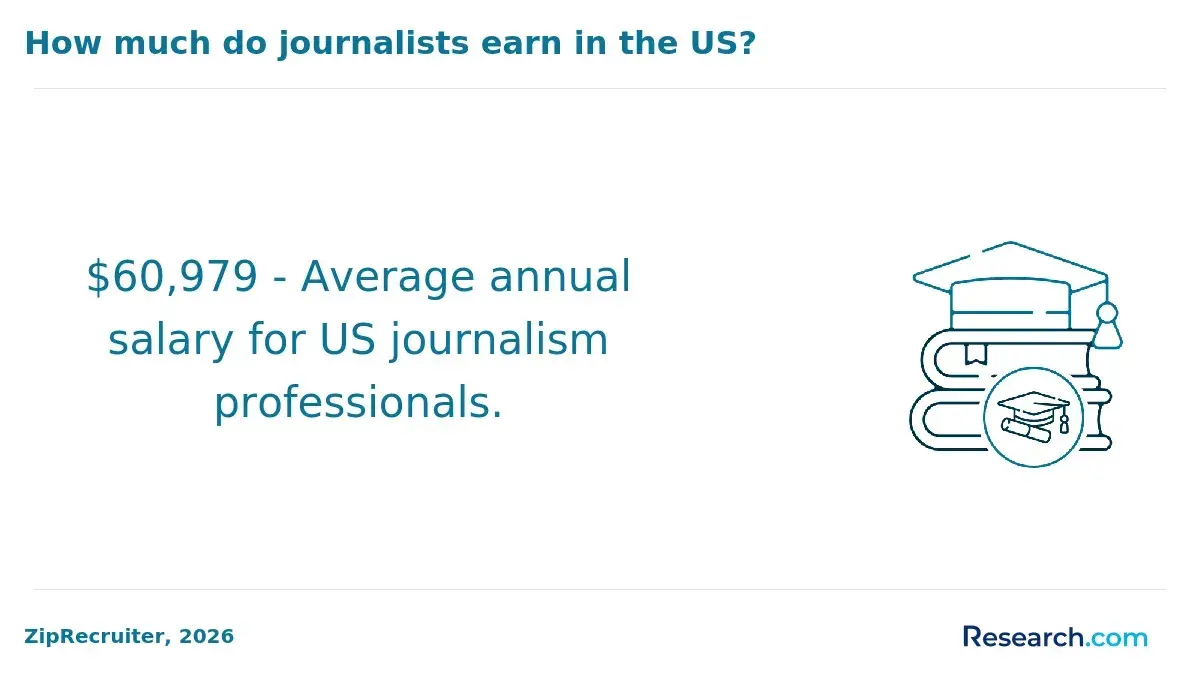
A one-year online journalism program can make sense when you need targeted, career-relevant training quickly and already have the academic or professional foundation to handle a compressed schedule. The strongest reason to choose this route is speed with purpose: building a portfolio, updating digital skills, or qualifying for roles that value advanced communication and reporting ability.
These programs are best suited for students who are organized, comfortable with frequent deadlines, and ready to produce publishable work in a short period. They may be less suitable for students who need extensive introductory writing support or who want a slower, more exploratory college experience.
- Time efficiency: A one-year format can help students move into job searches, promotions, or freelance work sooner, especially when the curriculum is focused on practical reporting and digital storytelling.
- Flexible delivery: Many online programs use asynchronous coursework, which can help working students manage classes alongside employment, caregiving, or other responsibilities.
- Focused skill development: Accelerated journalism study often emphasizes core competencies such as reporting, interviewing, editing, multimedia production, audience analysis, and ethical decision-making.
- Potential cost control: A shorter program may reduce some education-related costs compared with a multi-year option, although tuition, fees, and course loads should be compared carefully.
- Career transition support: Students coming from communications, marketing, public relations, English, or media production may use an accelerated journalism program to redirect existing skills toward reporting or digital news roles.
The benefit is strongest when the program requires substantial portfolio work. In journalism, a credential alone is rarely enough. Editors and hiring managers often want to see clips, multimedia projects, research ability, and evidence that a graduate can report accurately under deadline pressure.
If a full degree is not necessary for your goal, shorter credentials may also be worth comparing. Exploring the best online certificate programs that pay well can help you identify faster options in adjacent areas such as digital marketing, analytics, technical communication, or media production.
What Are the Drawbacks of Pursuing One-year Online Journalism Programs?
The main drawback of a one-year online journalism program is compression. Journalism requires repeated practice, revision, source development, and feedback. When a program is shortened, students may have less time to build confidence, deepen subject-matter knowledge, and form professional relationships.
- Intense workload: Completing a full program in twelve months can mean heavy reading, reporting, drafting, editing, multimedia production, and revision in the same week. Students who work full time should be realistic about the weekly time commitment.
- Less time for networking: Online and accelerated formats can reduce informal contact with faculty, classmates, alumni, and local media professionals. Students may need to be proactive about office hours, virtual events, mentorship, and professional associations.
- Reduced hands-on experience: Some fast programs may have limited internship options, newsroom simulations, or field reporting opportunities. This matters because journalism employers often evaluate clips and demonstrated reporting ability.
- Limited room to explore specialties: A compressed schedule may leave little time to test areas such as investigative reporting, data journalism, audio, video, photojournalism, audience engagement, or long-form feature writing.
- Higher burnout risk: Writing and reporting under constant deadlines can be exhausting, particularly when students are also managing jobs or family responsibilities.
Because one-year online journalism programs are rare, students should be especially cautious about quality. A fast program should still provide rigorous editing, ethics training, verification practice, multimedia assignments, and meaningful faculty feedback. If the program cannot explain how students build a professional portfolio, it may not be the right choice.
What Are the Eligibility Requirements for One-year Online Journalism Programs?
Eligibility requirements depend on the degree level. One-year online journalism options are most common in graduate or accelerated degree-completion formats, so many programs expect applicants to arrive with prior college coursework, a bachelor’s degree, professional experience, or a strong writing portfolio.
For master’s programs, admissions teams often look for readiness to complete advanced reporting, research, and multimedia assignments quickly. For bachelor’s programs, schools usually focus on whether the applicant has the required prior education and transferable credits to shorten the path to graduation.
- Prior College Credits: Most graduate-level programs require a bachelor’s degree in journalism, communications, media studies, or a related field. Undergraduate degree-completion programs may accept transfer credits from previous relevant coursework.
- Professional Experience: Journalism, media, communications, editing, public relations, broadcasting, or digital content experience may strengthen an application, particularly for master’s programs, although it is not always mandatory.
- Prerequisite Coursework: Some programs may require prior coursework in writing, reporting, media ethics, communication theory, or research methods to confirm that students can handle an accelerated curriculum.
- Portfolio or Writing Samples: Applicants may be asked for published clips, academic writing, multimedia projects, or other evidence of reporting and communication ability.
- Placement Exams: Placement exams are rarely needed in online journalism programs, but they may be used when a student needs foundational writing or general education placement.
- Background Checks and Interviews: These may occasionally be required for internships, field placements, or reporting experiences involving sensitive populations.
Admission requirements vary significantly by institution and program level. A master’s program may emphasize professional experience and a portfolio, while a bachelor’s program may require a high school diploma, prior college transcripts, transfer-credit evaluation, and sometimes standardized test information.
Students comparing journalism with other fields may also want to review profitable majors to understand broader academic and career trade-offs. Journalism can be rewarding, but applicants should be clear about the financial and career outcomes they expect from the credential.
Always confirm eligibility rules directly with the institution before applying, especially if your goal is one-year completion. Ask how many credits will transfer, whether prior learning can be evaluated, and whether the school will provide a personalized graduation timeline before enrollment.
What Should I Look for in One-year Online Journalism Degree Programs?
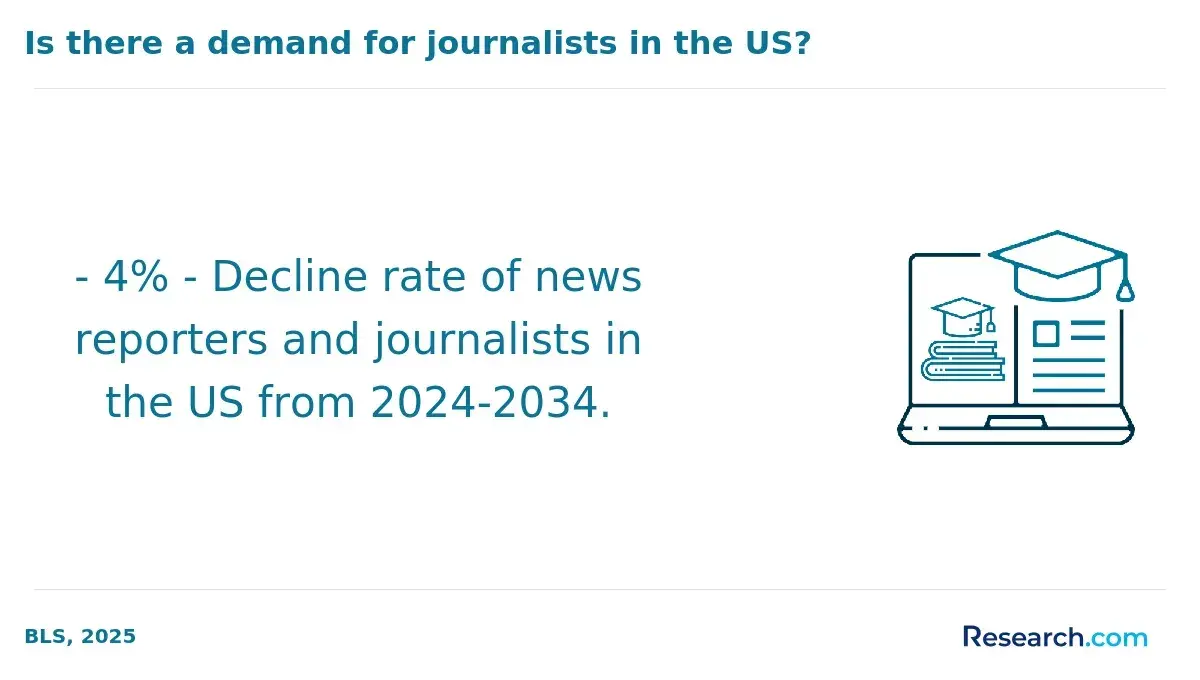
The best accelerated online journalism program is not necessarily the fastest one. It is the program that can prove it offers credible academic standards, intensive writing feedback, practical reporting experience, and career-relevant portfolio development within the shorter timeline.
Use the following criteria to compare programs before you commit:
- Accreditation: Check institutional accreditation first so the degree is recognized for transfer, employment, and financial aid purposes. For journalism-specific quality signals, review whether the program is accredited by the Accrediting Council on Education in Journalism and Mass Communications (ACEJMC). For international options, NCTJ accreditation can play a similar role in signaling program standards.
- Faculty expertise: Look for instructors with both academic preparation and current or recent newsroom, media, editing, broadcast, data, or digital storytelling experience. Faculty should be able to teach current tools and professional standards, not only theory.
- Curriculum structure: A strong curriculum should include reporting, writing, editing, media law or ethics, multimedia production, audience awareness, and critical thinking. In professional skills courses, a low student-faculty ratio, ideally 20:1, can improve the amount and quality of feedback students receive.
- Portfolio requirements: Confirm that you will graduate with clips, multimedia packages, data or research-based stories, or a capstone project that can be shown to employers.
- Course delivery and learning format: Ask whether classes are asynchronous, synchronous, or blended. Also confirm how students complete reporting assignments online, whether they work with local sources, and how faculty evaluate practical work.
- Credit transfer and tuition costs: Review transfer policies carefully, especially if you are trying to shorten an undergraduate path. Compare tuition and fees against the credential’s likely value in your target job market. For affordability research, resources such as the cheapest online university per credit hour can help frame your cost comparison.
- Student support services: Distance learners should have access to academic advising, library databases, technical help, career counseling, internship guidance, and faculty feedback channels.
- Transparency: Avoid programs that make broad promises about one-year completion without explaining credit requirements, course sequencing, workload, graduation rates, or portfolio expectations.
Before enrolling, request a sample course sequence and ask how many hours per week students typically spend on reading, reporting, writing, editing, and production. In an accelerated journalism program, the workload is part of the quality check.
How Much Do One-year Online Journalism Degree Programs Typically Cost?
One-year online journalism master’s degrees usually cost between $18,000 and $25,000 in total tuition, depending on the program and institution. For example, the University of Memphis charges about $606 per credit for its 33-credit online master’s, totaling just under $20,000.
Costs vary by institution type, residency rules, credit load, required fees, and program structure. Public universities typically charge less than private ones, although online tuition models differ. Some schools charge in-state and out-of-state students different rates, while others use flat online tuition regardless of residency.
Accelerated programs can feel more expensive in the short term because tuition is concentrated into one year. However, they may reduce total living, commuting, and opportunity costs if they allow students to finish sooner. The correct comparison is not only annual tuition, but total program cost and the time it takes to earn the credential.
Compared with traditional four-year bachelor’s programs in journalism, which can total $40,000 to over $60,000, one-year master’s degrees may require a higher upfront yearly investment but are often less expensive overall. Students should compare net price after financial aid, not only published tuition.
Also budget for expenses beyond tuition. Online journalism students may need technology fees, software, recording equipment, transcription tools, camera or audio gear, books, and travel costs for optional campus visits or reporting assignments. Ask the program for a full cost breakdown before you enroll.
What Can I Expect From One-year Online Journalism Degree Programs?
Expect a fast, writing-heavy, deadline-driven program. A one-year online journalism degree program typically compresses reporting, editing, ethics, multimedia, and portfolio work into a short academic calendar, so students must be prepared to produce work consistently and revise it based on feedback.
Coursework may cover multimedia storytelling, interviewing techniques, data analysis, digital media production, audience strategy, media law or ethics, and reporting across platforms. Many programs also require a capstone, professional project, or portfolio that demonstrates readiness for journalism or media work.
Online delivery does not mean passive learning. Students may need to identify sources, conduct interviews, verify information, gather public records or data, write on deadline, edit classmates’ work, record audio or video, and publish or present completed stories. In strong programs, faculty feedback is frequent and specific.
The experience can resemble a newsroom in pace. Assignments may be collaborative, deadlines may be tight, and students may need to use digital tools for research, production, content management, analytics, or visual storytelling. Good time management is essential, especially for students working while enrolled.
Journalism can fit a range of personalities. Students interested in good job for introvert careers may be drawn to research-heavy, editing, data, investigative, or long-form roles, while others may prefer on-camera, audio, social, or breaking-news work. The best program will give students enough exposure to understand which path matches their strengths.
Are There Financial Aid Options for One-year Online Journalism Degree Programs?
Yes. Students in eligible one-year online journalism programs may qualify for financial aid, but availability depends on the school’s accreditation, the credential type, enrollment status, and the student’s personal eligibility. Degree programs usually have broader aid options than noncredit certificates.
Key funding sources include:
- Federal Student Aid: Eligible students can apply through FAFSA for Direct Subsidized and Unsubsidized Loans regardless of program type. State aid may also be available depending on residency and program accreditation.
- Journalism Scholarships: Field-specific awards can reduce borrowing. Examples include the Bill Walsh Scholarship ($3,500) from the American Copy Editors Society and $2,500 awards from the Radio Television Digital News Foundation. Applications often require work samples, recommendation letters, and proof of enrollment in accredited journalism programs.
- Employer Tuition Assistance and Veterans Benefits: Some employers help pay tuition for workers building communication, writing, or media skills, often with requirements tied to continued employment or grades. Military-affiliated students may be able to use Veterans Affairs benefits at qualifying schools.
- Institutional Aid: Schools may offer graduate assistantships, tuition discounts, departmental scholarships, payment plans, or need-based grants, though availability varies widely for online and accelerated programs.
International students generally have fewer federal funding options, but they may qualify for institutional scholarships or awards designed to support diverse voices in American journalism. Scholarship deadlines often fall during fall and spring semesters, so students should begin researching aid before applying.
Before choosing a program, ask the financial aid office whether the specific online journalism pathway is aid-eligible, how enrollment intensity affects aid, and whether accelerated pacing changes disbursement timing. A one-year program can be financially efficient, but only if the funding plan is clear before classes begin.
What Journalism Graduates Say About Their Online Degree
- Azai: "Completing my one-year online Journalism degree was a game-changer for my career. The accelerated format allowed me to quickly gain the practical skills I needed, and the affordable tuition made the investment completely worthwhile. I'm now confidently working as a reporter for a major news outlet. -"
-
Russell: "
The competency-based structure of the program really suited my learning style, letting me progress at my own pace without unnecessary delays. Reflecting on the experience, I appreciate how focused and intensive the curriculum was, providing a strong foundation in both writing and multimedia journalism. It was efficient and well worth the cost."
- Christian: "What impressed me most was how the program balanced theory and real-world applications within just 12 months. The online format fit perfectly with my busy schedule, and I gained hands-on experience that prepared me to pitch stories confidently. The total cost was reasonable compared to traditional degrees, making this an excellent choice for aspiring journalists."
Other Things You Should Know About Pursuing One-Year Journalism Degrees
In 2027, one-year online journalism programs utilize virtual simulations, collaborations with online media outlets, and digital storytelling projects to ensure practical experience. They often partner with news organizations to offer virtual internships, allowing students to gain hands-on experience in a digital work environment.
One-year online journalism programs in 2027 typically include foundational courses such as Media Law, Digital News Production, Research Methods, News Writing and Reporting, and Journalism Ethics. These courses provide a comprehensive understanding of the journalism landscape necessary to equip students for the field.
In 2027, one-year online journalism programs focus on cultivating technical skills such as multimedia content creation, data analysis, and proficiency in various software tools like Adobe Creative Suite and WordPress. These skills prepare students for the evolving digital media landscape.
References
- Best Online Journalism Degree Programs https://www.onlineu.com/degrees/journalism
- Diploma in Journalism by distance learning https://www.nctj.com/qualifications-courses/distance-learning/diploma-in-journalism-by-distance-learning/
- Online Journalism Degrees: What You Need to Know in 2025 https://www.allassignmenthelp.com/blog/online-journalism-degrees/
- Best Journalism Courses & Certificates [2025] | Coursera Learn Online https://www.coursera.org/courses
- Journalism and Media Communication B.A. https://www.online.colostate.edu/degrees/journalism/
- Online journalism degrees: What you need to know https://journalism.uiowa.edu/explore/online-journalism-degrees
- U.S. Bureau of Labor Statistics. (2025). Reporters, correspondents, and broadcast news analysts. In Occupational Outlook Handbook. U.S. Department of Labor. Retrieved February 2, 2026, from https://www.bls.gov/ooh/media-and-communication/reporters-correspondents-and-broadcast-news-analysts.htm
- Zippia. (2026). Journalist jobs demographics and statistics in the U.S. https://www.zippia.com/journalist-jobs/demographics/
- ZipRecruiter. (2026). Salary: Journalism (November, 2025) United States. https://www.ziprecruiter.com/Salaries/Journalism-Salary