2027 Clinical Research Management Career Outcomes by Degree Level Report: Pay, Employment, and Advancement Patterns

Co-Founder and Chief Data Scientist
Facing uncertainty about how the level of education affects career advancement is a critical challenge for students pursuing clinical research management. Recent 2024 data shows that bachelor's degree holders see a 15% higher employment placement rate within six months compared to those with associate degrees, highlighting how degree level influences early workforce mobility.
However, the difference in long-term advancement and pay remains complex, shaped by industry demand, certifications, and hands-on experience. Navigating these factors is essential for making informed education choices that align with career goals and financial realities. This article analyzes pay, employment outcomes, and advancement patterns by degree level to support better decision-making.
Key Things to Know About Clinical Research Management Career Outcomes by Degree Level
- Employers increasingly require bachelor's degrees for entry-level clinical research management roles, reflecting workforce expectations for foundational regulatory knowledge, which limits access for associate-level graduates despite comparable practical skills.
- Master's credentials correlate with faster advancement to leadership positions, indicating a premium on advanced methodological training, but this advantage may not justify the additional cost and time for those targeting mid-level roles.
- Certificate programs enable quicker credential attainment and market entry, benefiting career changers, yet yield narrower advancement opportunities, highlighting a tradeoff between immediate employment and long-term career progression.
- Key Things to Know About Clinical Research Management Career Outcomes by Degree Level Key Things to Know About Clinical Research Management Career Outcomes by Degree Level
- What Career Outcomes Can Students Expect From Each Clinical Research Management Degree Level? Career Outcomes by Degree
- How Much Do Clinical Research Management Graduates Earn by Degree Level? Salary by Degree Level
- Which Clinical Research Management Degree Level Offers the Strongest Employment Prospects? Best Degrees for Employment
- What Entry-Level Jobs Can You Get With a Clinical Research Management Degree? Entry-Level Career Opportunities
- How Do Clinical Research Management Degree Levels Affect Career Advancement and Promotion Opportunities? Career Growth by Degree
- Is a Clinical Research Management Degree Worth It Based on Salary, Employment, and ROI? Salary, ROI, and Value
- How Do Associate, Bachelor's, Master's, and Doctoral Clinical Research Management Degrees Compare? Comparing Degree Levels
- Which Industries and Employers Hire Clinical Research Management Graduates by Degree Level? Which Industries and Employers Hire Clinical Research Management Graduates by Degree Level?
- What Skills, Credentials, and Experience Improve Clinical Research Management Career Outcomes? What Skills, Credentials, and Experience Improve Clinical Research Management Career Outcomes?
- Which Clinical Research Management Degree Level Is Best for Your Career Goals? Choosing the Right Degree
What Career Outcomes Can Students Expect From Each Clinical Research Management Degree Level?
Degree level strongly shapes clinical research management employment and advancement by degree level, influencing the scope of roles accessible and long-term career mobility. For instance, certificate holders and associate degree completers typically find entry through operational roles such as trial coordinators or assistants, suited for those seeking faster workforce entry with limited time investment.
However, these credentials often cap growth potential since many supervisory or protocol development roles explicitly require bachelor's degrees or higher. This makes transfer planning and credit articulation critical for adult learners and working professionals who may start with certificates or associates but aim to progress.
Bachelor's degrees remain pivotal as the standard for most full-time positions involving leadership readiness, applied regulatory knowledge, and project oversight; they unlock broader employment and advancement opportunities amid increasing demand across healthcare systems. Master's programs add specialization, advanced analytics, and leadership training, often aligning with licensure or certification standards that position graduates for senior management or clinical research director roles.
Doctoral pathways, while narrower, target academic, policy, or R&D leadership, requiring significant prior academic and professional experience and granting specialized career trajectories. Emphasizing employer expectations documented in the Bureau of Labor Statistics and IPEDS for 2024, many learners, including military-affiliated students, weigh the tradeoff between immediate employment and the benefits of progressive credential attainment, supported by flexible programs and transfer options like the cheapest online MBA.
How Much Do Clinical Research Management Graduates Earn by Degree Level?
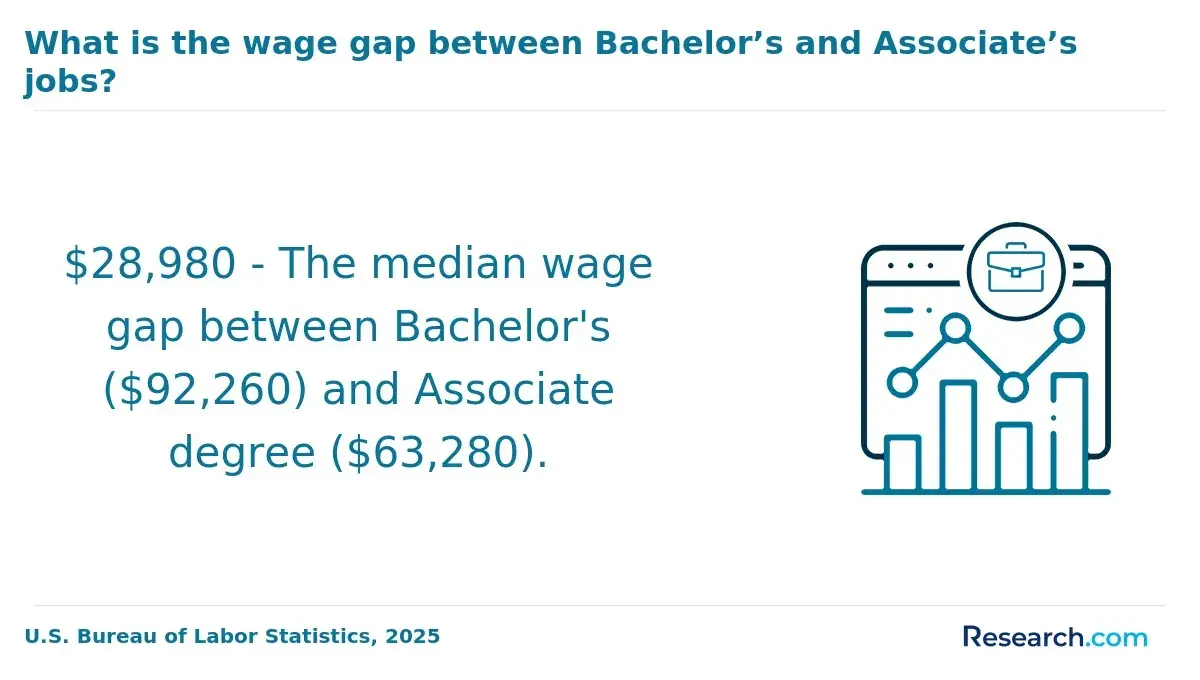
Earnings for clinical research management graduates vary significantly by credential level, reflecting the distinct expectations employers place on education for different roles. While bachelor's degree holders often reach a median annual salary near $75,000, advancing to a master's degree can increase median pay to approximately $90,000, highlighting a roughly 20% wage premium tied to graduate education.
However, this wage boost comes with tradeoffs such as additional time and financial investment, as well as navigating more competitive advancement tracks that emphasize leadership and specialized expertise in areas like trial design or regulatory oversight. This nuanced pay gradient often aligns with employment stability patterns, where advanced degree holders report lower unemployment rates and quicker promotion potential, especially within large healthcare organizations or pharmaceutical companies concentrated in metropolitan areas.
Entry-level credentials such as certificates and associate degrees generally lead to technician or support positions with salaries in the $45,000 to $60,000 range, but these roles may limit access to strategic or managerial careers. Prospective students and working adults must weigh the immediate affordability and shorter completion timelines of these pathways against their constrained upward mobility and the employer preference for bachelor's or higher qualifications in leadership roles.
Furthermore, regional labor markets and employer scale can heavily influence realized earnings, with larger institutions offering more premium compensation for advanced degrees compared to smaller contract research organizations. For many, transfer credits and prior experience can shape whether pursuing a higher degree offers sufficient return considering the delayed income increase and added credential requirements.
One clinical research management student grappled with these realities during her decision to pursue a master's after completing a bachelor's. Initially drawn to quicker entry into the workforce via a certificate program, she later reconsidered after comparing local job listings that consistently required at least a bachelor's degree for coordinator roles offering $70,000 plus benefits.
She acknowledged that while the master's program would add two years and incremental debt, the potential to qualify for specialized clinical trial management jobs and a stronger salary justified the investment. Her cautious optimism grew as she realized many employers prioritized candidates with graduate credentials for promotions, validating the longer-term career planning embedded in her education choice.
Which Clinical Research Management Degree Level Offers the Strongest Employment Prospects?
While certificate and associate programs can offer expedited entry into clinical research roles, the bachelor's degree remains the most consistently valued credential for broad employment access in this field. Employers frequently set a bachelor's degree as a minimum requirement to meet regulatory compliance and to qualify for coordinator and management positions, particularly in urban healthcare markets where competition and standards are higher.
For example, candidates with only certificates often find themselves limited to technician or assistant roles with narrower responsibilities and lower wages. According to the National Center for Education Statistics, healthcare administration certificate holders have about a 12% lower employment rate within a year compared to those with bachelor's degrees, illustrating the practical impact of degree level on job prospects.
Advancing beyond entry-level roles typically requires a master's degree, which signals deeper specialization and leadership readiness. In clinical research management, this credential correlates with faster promotion and salary premiums ranging from 15-25% above bachelor's holders, reflecting employer preferences for credential inflation and increased complexity of regulatory oversight.
However, those pursuing doctoral or professional degrees gain access primarily to niche academic, policy, or high-level research management roles, which, while prestigious, do not necessarily translate to broader workforce agility. The decision to pursue advanced study must weigh the time and financial investment against these targeted outcomes and regional demand variations, as many candidates may benefit more from gaining practical experience or stacking credentials incrementally.
The distinction between initial employment ease and long-term career mobility is critical for students making educational choices amid competing priorities. An associate degree or certificate may allow for earlier workforce entry but often slows progress toward supervisory or specialized roles without further credentialing.
Conversely, committing to a bachelor's or master's program initially or via credit transfer can improve both entry access and advancement potential but requires balancing immediate income needs against extended education timelines. Understanding these real-world tradeoffs aids candidates in aligning their academic pathways with the operational demands and evolving expectations within clinical research management.
What Entry-Level Jobs Can You Get With a Clinical Research Management Degree?
Entry-level clinical research management positions vary notably by degree level, influencing both the scope of responsibilities and career trajectory. Graduates with associate degrees commonly face constrained opportunities, often limited to research support or technician roles that offer foundational exposure but less direct involvement in trial coordination.
In contrast, bachelor's and master's degree holders are more frequently considered for coordinator or management-track jobs, reflecting industry demands for candidates equipped to handle increasing regulatory complexity and technical requirements. For example, employers in metropolitan biopharma hubs often require a minimum of a bachelor's degree paired with relevant internships, underscoring the competitive advantage of practical experience in securing desirable roles.
Data from a 2024 workforce analytics report indicates that over 60% of new hires in clinical research management had completed formal clinical trial practicums or internships, highlighting the critical role of hands-on training in employability. Certifications such as the Certified Clinical Research Professional (CCRP) can enhance a candidate's profile but generally supplement rather than replace degree qualifications and fieldwork.
Entry-level jobs in this sector tend to serve as stepping stones, with many positions expecting 1-2 years of practical experience before advancement is viable. Students navigating options-whether through associate, bachelor's, or master's pathways-must carefully weigh factors including skill development, geographic market conditions, and the potential need for graduate study. Those considering remote opportunities should note these favor candidates with proven expertise rather than newcomers, shaping practical expectations around early-career stability and progression.
Prospective students aiming to align their education with realistic career outcomes might also examine correlations between their degree choices and role demands, paying close attention to transferable skills such as project management and electronic data capture tools. Comparing program designs, including internships or integrated practicum components, can further refine decision-making.
For individuals interested in broader academic or professional enrichment, exploring related areas through MLIS programs may offer complementary skills beneficial in navigating complex research environments.
How Do Clinical Research Management Degree Levels Affect Career Advancement and Promotion Opportunities?
Master's or higher degrees in clinical research management notably increase access to supervisory and leadership roles, as confirmed by 2024 IPEDS data showing these credentials often serve as a baseline for management eligibility in many midsize to large organizations. Employers frequently prioritize advanced degrees due to the analytical, regulatory, and protocol design skills they cultivate, which are crucial for regulatory oversight and decision-making responsibilities.
Conversely, those holding only a bachelor's degree typically face longer waits before promotion and may be limited to entry- or mid-level positions, although targeted certifications and relevant work experience can sometimes offset this. This creates a tradeoff for adult learners weighing additional education against the opportunity costs of time and tuition, especially if prior credits or certifications offer partial credit toward advanced study.
Job posting analyses reveal a growing industry expectation: leadership roles often require a master's degree in clinical research management or a closely related field. This impacts timing and mobility within the field, as degree holders generally experience faster career progression and greater readiness for specialized or compliance-heavy positions.
However, for working professionals or military-affiliated students, stackable credentials and professional certificates combined with proven workplace performance can be competitive alternatives, enabling internal mobility without a full graduate degree. These pathways reflect nuanced realities where practical experience, credential layering, and degree completion must be strategically aligned with employer screening and promotion criteria.
One clinical research management graduate reflected on the decision to pursue a master's after years in entry-level roles. Initially hesitant due to concerns over time and cost, the individual found that employers prioritized their advanced degree when considering candidates for project lead roles. They also noted that previously held certifications helped maintain job security but did not significantly accelerate their promotion timeline. This experience reinforced the importance of combining practical experience with recognized academic credentials to meet evolving employer expectations and leadership demands.
Is a Clinical Research Management Degree Worth It Based on Salary, Employment, and ROI?
Deciding whether to pursue a clinical research management degree depends heavily on how salary potential, employment stability, and career advancement weigh against the time and financial investment required. Median wages reflect noticeable differences by degree level, with bachelor's graduates entering the field at moderate pay and master's or doctoral holders accessing significantly higher compensation tied to more senior roles.
Employment projections suggest steady demand for skilled clinical research professionals, but securing top-tier positions often necessitates specialized certifications and post-baccalaureate credentials, which may not justify the extended study or debt burden for every individual. For working adults or transfer students, balancing ongoing employment with degree completion is crucial, as the opportunity cost of full-time study can be substantial.
Part-time or flexible programs, including options akin to a sport management degree online style delivery, may mitigate lost income but could slow career trajectory. The overall return on investment is influenced by regional market demand, employer preferences for advanced qualifications, and one's capacity to attain credentials like Certified Clinical Research Professional (CCRP). Understanding these dynamics is essential for accurately assessing the clinical research management degree salary and employment outcomes relevant to individual circumstances.
Costs for graduate programs vary widely and, combined with living expenses and potential debt, can create long-term financial obligations that impact mid-career flexibility. This makes it vital for prospective students to weigh the timing of degree completion against job mobility and advancement pathways specific to their situation. While advanced education can open doors to improved job security and pay, the return on investment for clinical research management degrees remains a nuanced calculation best informed by careful consideration of personal and local workforce factors.
How Do Associate, Bachelor's, Master's, and Doctoral Clinical Research Management Degrees Compare?
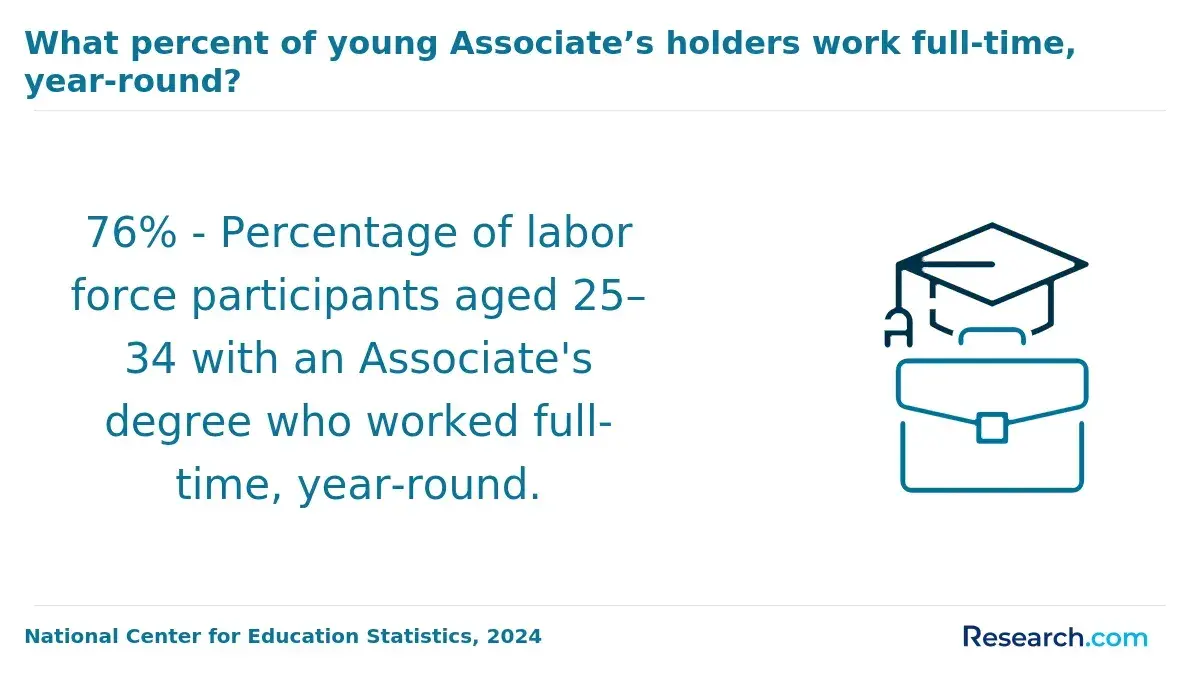
Career trajectories in clinical research management often hinge on degree level, with associate degrees typically opening doors to support positions that offer limited upward mobility. These programs may appeal to those seeking swift entry into roles like clinical trial coordination or data management, but employment rates hover around 65% within the first year, partly due to employers' preference for higher credentials in managerial or specialist functions.
For many, a bachelor's degree represents the practical baseline to assume full practitioner responsibilities, including protocol design and site oversight, while also qualifying candidates for widely recognized certifications that can enhance salary and job security. Master's degrees in clinical research management tend to target those pursuing leadership or specialized expertise, such as regulatory science or biostatistics, positioning graduates for supervisory or project management roles that command greater stability and faster promotion.
The commitment required reflects in a roughly 72% completion rate and usually justifies itself with clearer pathways to advanced licensure and credential stacking opportunities, which can reduce time and cost burdens when progressing to doctoral studies. Doctoral degrees, although less prevalent, are best suited for professionals focused on research leadership, academic careers, or executive roles where policy development is central - but longer completion periods and significant debt risks must be weighed against substantial long-term salary premiums and adaptability in shifting job markets.
Deciding when to stop or advance educationally depends heavily on one's career goals and capacity for balancing education with work experience, which remains critical at all levels. While associate and bachelor's degrees often balance time investment with practical employability, pursuing a master's may be necessary for meaningful leadership access, and doctoral studies should be reserved for those whose career plans require research authority or academic rigor that lower degrees cannot unlock.
Which Industries and Employers Hire Clinical Research Management Graduates by Degree Level?
Hiring in clinical research management markedly differs by degree level, reflecting distinct employer demands and role complexities. Associate degrees often lead to entry-level coordination or data roles in contract research organizations (CROs) and healthcare facilities, where foundational protocol knowledge is prioritized over leadership.
Bachelor's degree holders access broader sectors-including pharmaceutical companies, biotech firms, and government agencies-where technical proficiency in regulatory compliance and patient recruitment is essential, often serving as a baseline for supervisory roles. For example, a bachelor's-level coordinator at a mid-sized pharmaceutical firm may advance faster into project oversight compared to associates, given employer emphasis on study design skills.
Master's and doctoral graduates typically enter positions requiring advanced expertise and strategic oversight, favored by pharmaceutical developers, federal research bodies, and academic medical centers. According to the Society of Clinical Research Associates, master's holders are twice as likely as bachelor's graduates to secure senior management roles within five years, underscoring the degree's impact on leadership opportunities.
Doctoral credentials further align with principal investigator or regulatory policy advisor roles, particularly where research innovation and grant acquisition are central. Certificate programs, while valuable for niche skills like Good Clinical Practice (GCP) compliance, seldom substitute for degree-level qualifications in climbing managerial ranks, a practical consideration for working professionals weighing short-term skill gains against long-term career trajectories.
Employer screening also factors in regional labor needs and clinical experience, with public sector entities generally demanding higher academic credentials for compliance roles and private firms valuing specialization and managerial readiness. These realities mean students must balance immediate employability with long-term advancement potential when selecting credential levels or target sectors within clinical research management, recognizing that degree attainment influences both job function and career pathways in increasingly regulated healthcare and research environments.
What Skills, Credentials, and Experience Improve Clinical Research Management Career Outcomes?
Technical proficiency in regulatory compliance, data analysis tools, and electronic data capture platforms forms the foundation of strong clinical research management certification and credential pathways, directly affecting employment access and career mobility. Employers consistently prioritize candidates who combine validated credentials, such as the Certified Clinical Research Professional (CCRP) or Regulatory Affairs Certification (RAC), with hands-on experience from internships or apprenticeships.
For instance, graduates demonstrating applied learning through internships show approximately 25% greater chances of securing timely roles in clinical trial oversight, reflecting the practical value of experiential components alongside academic credentials. Advancement within clinical research management increasingly depends on soft skills like communication, leadership, and project management, particularly at master's and doctoral degree levels where promotion readiness often hinges on proven leadership through team projects or portfolio evidence.
Specialized licensure eligibility tied to higher degrees opens pathways to regulatory agency roles, reflecting a tradeoff between accelerated entry-level qualifications and deeper credential accumulation. Career changers and working professionals benefit substantially from stacking credentials alongside cross-disciplinary experience in fields like clinical nursing or pharmaceuticals, a strategy supported by workforce development data that underscores outperforming peers relying solely on academic qualifications.
Adult learners, transfer students, and military-affiliated individuals should carefully evaluate credit transfers, prior experience, and credential combinations to optimize long-term outcomes. Balancing academic rigor with applied skills sharpens employability and career upward mobility, which remain distinctly influenced by degree level and practical specialization. Considering pathways such as a human services degree online may also complement clinical research management skill sets in certain interdisciplinary contexts.
Which Clinical Research Management Degree Level Is Best for Your Career Goals?
The choice of clinical research management degree level directly shapes employability, specialization opportunities, and advancement potential in this competitive field. Associate degrees offer a faster, lower-cost entry point suited for individuals seeking immediate workforce access in support or coordination roles, though limited upward mobility and specialization are common trade-offs.
For example, a working adult balancing family obligations might choose an associate degree to enter the field quickly but should anticipate potentially needing further credentials later to reach supervisory or regulatory positions. The best clinical research management education level for employment outcomes tends to be the bachelor's degree, as it aligns with many employer credential preferences, facilitates certification eligibility, and supports credit transfer and internships-critical for career flexibility and practical experience.
Graduate-level education, particularly a master's degree, is increasingly essential for those targeting leadership, advanced regulatory affairs, or strategic roles, where data shows holders have a 20% higher promotion likelihood within five years compared to bachelor's degree holders. This path demands greater time and financial investment, potentially increasing debt, but it is often required by employers for complex responsibilities like budgeting, protocol development, and ethical oversight.
For transfer students, military-affiliated learners, or professionals weighing opportunity costs, understanding these real-world tradeoffs is crucial. Prospective students interested in affordable pathways should consider accredited affordable online general studies degree options to optimize both cost and program accessibility. Balancing these factors-time to completion, employer expectations, certification requirements, and long-term career mobility-enables smarter workforce planning in clinical research management.
While an associate degree can launch a modest career, advancing beyond entry-level roles usually demands a bachelor's or master's degree. Recognizing the interplay between degree level and employment outcomes is key for adult learners navigating the evolving healthcare research landscape and making informed decisions about continuing education investments.
References
- Clinical Research Management Accelerated Degree Programs - Biomedical Science Graduate Programs https://school.wakehealth.edu/education-and-training/graduate-programs/clinical-research-management-bsms
- Top Clinical Research Certifications to Boost Your Career https://ccrps.org/clinical-research-blog/top-clinical-research-certifications-to-boost-your-career
- Meris Clinical Research | Basics of Clinical Research: Key Skills & Career Paths - Meris Clinical Research https://merisclinicalresearch.com/basics-of-clinical-research-key-skills-career-paths/
- How To Become A Clinical Research Project Manager - Integrity Clinical Compliance https://integrityclinicalcompliance.com/how-to-become-a-clinical-research-project-manager/
- Opportunities With a Master’s in Clinical Research https://www.rushu.rush.edu/news/opportunities-masters-clinical-research
- What is the ROI of Investing in a Clinical Research Course? - Clinical Research Courses FAQ | VIARES https://viares.com/blog/clinical-research-courses-faq/what-is-the-roi-of-investing-in-a-clinical-research-course/
- Clinical Research Associate (CRA) Career Path https://pathologylabtraining.co.uk/biomedical-sciences/cra-careers
- How to land entry level clinical research jobs without experience https://pharmaeducenter.com/blog/how-to-land-entry-level-clinical-research-jobs/
- Is College Worth it? | Return on Investment Analysis of College Degree https://educationdata.org/college-degree-roi
- STEM Professions: Clinical Research Career Options https://www.srgtalent.com/blog/clinical-research
Other Things You Should Know About Clinical Research Management
Advanced degrees like master's and doctorates demand significant time investment, often presupposing full-time study or intensive part-time enrollment. This can conflict with ongoing professional responsibilities, especially since clinical research roles frequently involve strict deadlines and project oversight. Prospective students should weigh whether their current employment flexibility and personal commitments can accommodate these academic demands without compromising either side. Prioritizing degree programs with flexible scheduling or employer tuition support can mitigate risks to work-life balance while still enabling career progress.
Many employers in clinical research management specify minimum degree requirements based on the complexity of the role, but there remains variability tied to institutional size and research scope. Bachelor's degrees often suffice for entry-level or coordination roles, whereas leadership and specialized positions increasingly favor master's or higher. Choosing a degree level without aligning it closely to targeted job descriptions risks overqualification or under-preparation, potentially delaying career advancement or limiting initial employment offers. Focused research into employer expectations within your preferred sector is essential for efficient degree investment.
Higher degree levels generally provide broader theoretical frameworks and research experience, which may ease lateral moves into specialized subfields or regulatory affairs. However, the added credential does not guarantee rapid transitions without complementary experience or industry networking. For working professionals aiming to pivot roles, prioritizing practical certifications or targeted continuing education alongside degree studies might yield more immediate mobility than degree upgrades alone. Balancing degree pursuit with skill diversification optimizes transition potential while managing time and financial resources.
While program reputation can influence employer perception, curriculum specificity-such as hands-on clinical trial management, regulatory compliance, or data analytics components-is often more critical for day-to-day job readiness. Candidates aiming for immediate post-graduation employability and faster skill application should prioritize programs with clearly defined clinical research management competencies aligned to industry standards. Reputation may matter more in highly competitive hiring markets or academia, but practical curriculum alignment drives more consistent job performance and career momentum in clinical research management fields.