2027 Self-Paced Online Science Bachelor's Degree Programs

Co-Founder and Chief Data Scientist
Many working professionals with unrelated undergraduate degrees seek a career shift into science but struggle to find programs that fit their busy schedules. Traditional full-time studies often demand rigid timelines and in-person attendance, creating barriers for those balancing jobs and family. Self-paced online science bachelor's degree programs offer a solution by allowing learners to progress at their own speed.
According to the National Center for Education Statistics, enrollment in online undergraduate programs grew by 5.7% annually over recent years, reflecting rising demand for flexible education models. This article explores key features of these programs and guides readers in choosing one that supports their career transition.
Key Benefits of Self-Paced Online Science Bachelor's Degree Programs
- Self-paced online science bachelor's degrees offer flexibility for working professionals to balance studies with career and personal commitments, enabling progress at an individualized pace without strict class schedules.
- Accelerated skill acquisition is possible through competency-based learning-students can demonstrate mastery and advance faster, often reducing program length and entering the workforce sooner.
- These programs provide cost-effective pathways by minimizing costs related to commuting and housing while allowing transfer credits and prior learning assessments, making accredited credentials more accessible.
What Are Self-Paced Online Science Bachelor's Degree Programs, and How Do They Differ From Traditional Online Formats?
Self-paced online science bachelor's degree programs allow learners to progress through coursework at their own speed, distinct from traditional cohort-based or asynchronous-but-scheduled online formats. These programs offer open enrollment, enabling students to begin at any time and set flexible timelines according to their individual circumstances. Instead of following fixed semester deadlines, students advance by reaching specific milestones or competencies, which aligns closely with competency-based education models.
Key distinctions and features include:
- Open Enrollment: Learners can start whenever they choose, avoiding constraints of fixed semester schedules and enhancing accessibility for working professionals and non-traditional students.
- Flexible Timelines: Students control their pace to complete assignments and exams, allowing better balance between education, work, and family obligations.
- Milestone-Based Progression: Progress depends on demonstrating mastery of learning objectives rather than time spent in class. This approach supports transfer credits and prior learning assessments, which can accelerate degree completion.
- Time Management Differences: Self-paced study requires strong discipline and personal accountability since fewer structured deadlines and less cohort interaction exist compared to traditional online science degree formats.
- Faculty Interaction: While traditional courses may have live sessions and frequent instructor contact, self-paced programs often rely on asynchronous communication and automated feedback.
- Student Accountability: Without cohort motivation, learners must actively track their own progress to maintain momentum and avoid delays.
This structure particularly benefits those returning to education or seeking maximum flexibility, including caregivers and career changers. The model's popularity is growing due to its alignment with competency-based strategies, prior learning recognition, and extensive credit transfer options that improve affordability and accessibility. For those curious about flexible graduate studies, exploring what is the easiest masters degree to get offers a related perspective on accessible options.
Which Accredited Institutions Offer Self-Paced Online Science Bachelor's Degree Programs?
Several regionally accredited institutions offer self-paced online science bachelor's degree programs designed for busy learners seeking flexible education. These programs often deploy competency-based education models, allowing students to advance by demonstrating mastery instead of following traditional semester schedules. Below are five well-regarded colleges known for their self-paced science degree options, each with distinct tuition models, transfer credit policies, and average completion times.
- Western Governors University (WGU): Recognized for its fully competency-based approach, WGU offers a Bachelor of Science in Data Management/Data Analytics and other science-related degrees. Tuition is a flat rate per six-month term rather than per credit, enabling motivated students to accelerate progress and save money. WGU is accredited by the Northwest Commission on Colleges and Universities, with average completion times around two to three years.
- Thomas Edison State University: Provides flexible self-paced online science programs like a Bachelor of Science in Environmental Science. Tuition is charged per credit hour, with generous transfer credit and prior learning assessment policies. Accredited by the Middle States Commission on Higher Education, many students complete the program within three to four years thanks to adaptable course schedules.
- Capella University: The FlexPath learning model facilitates self-paced Bachelor of Science degrees in Information Technology and related areas. Tuition is subscription-based, billed per term for unlimited courses, encouraging faster completion. Accredited by the Higher Learning Commission, typical completion varies widely, but many finish in about two years with focused study.
- University of Wisconsin Flexible Option: Offers competency-based Bachelor of Science degrees in fields like Health Information Management. Tuition is charged per six-month term, with students completing assessments at their own pace. Accredited by the Higher Learning Commission, completion times range from one to three years depending on prior knowledge.
- Southern New Hampshire University (SNHU): Features self-paced Bachelor of Science programs, including Environmental Science. Tuition is per credit hour, and the university supports transfer credits and prior learning assessments. It is accredited by the New England Commission of Higher Education. Students typically take three to four years but can accelerate through self-paced study.
These best accredited schools for self-paced online science bachelor's degrees emphasize affordability and flexibility, often allowing students to apply prior experience for credit and access robust financial aid options. Prospective students should carefully compare tuition models, transfer policies, and average completion times to find the best fit for their goals and schedules. For those also interested in graduate-level flexibility, see resources for masters in psychology online.
2026 Update: Lab and Fieldwork Requirements to Confirm Before Enrolling
For 2026, this guide adds a closer look at how self-paced online science programs handle hands-on learning, since lab access can affect flexibility, scheduling, and overall program fit.
- Whether required labs are fully virtual, completed with at-home kits, or require campus visits
- How lab materials, safety equipment, and shipping fees are handled
- Whether any courses require scheduled live demonstrations, proctored lab sessions, or group work
- Availability of local placement options for fieldwork, internships, or supervised observations
- How missed lab deadlines affect self-paced progress and course completion
- Whether lab credits meet prerequisites for graduate school, licensure, or career-specific requirements
Checking these details early helps students avoid choosing a flexible program that later includes hands-on requirements they cannot complete from their location or schedule.
How Long Does It Take to Complete a Self-Paced Online Science Bachelor's Degree?
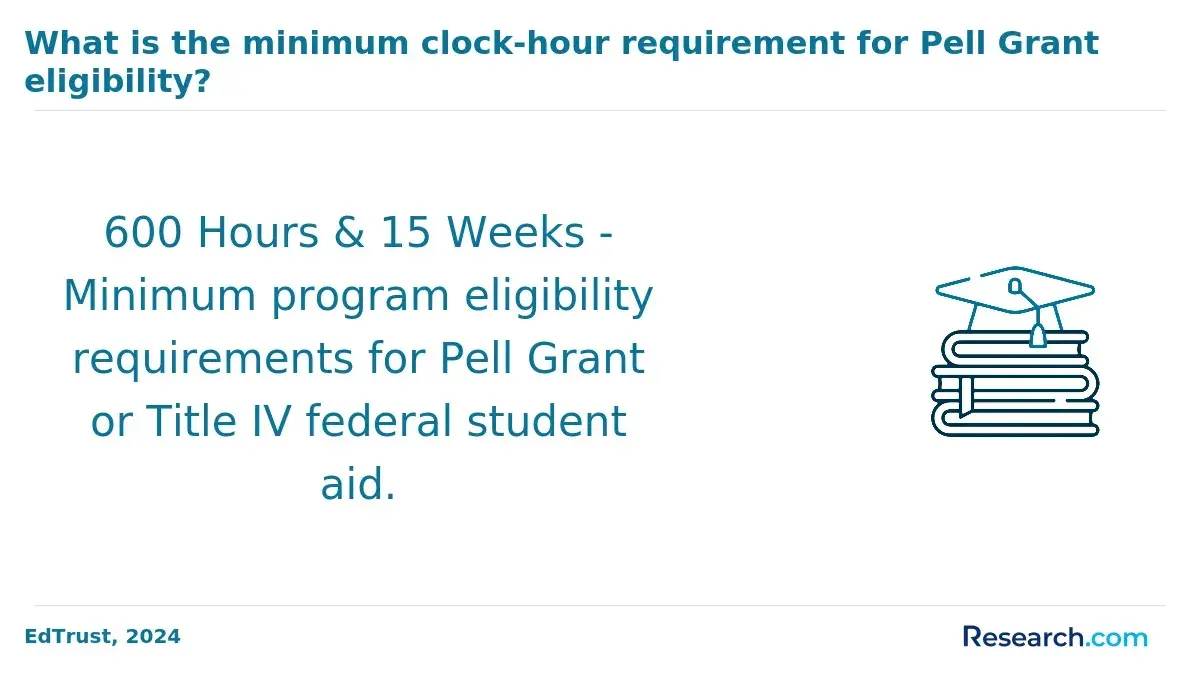
Completion times for self-paced online science bachelor's degrees vary widely, with highly driven students finishing in as little as under two years, while most take between three and four years. The National Center for Education Statistics (NCES) and the U.S. Bureau of Labor Statistics (BLS) note that traditional bachelor's programs average about 4 to 6 years, making self-paced options potentially faster through flexible structures.
- Prior Credits and Transfer Coursework: Accepting previous college credits or Advanced Placement results can significantly reduce required courses, cutting total time substantially.
- Weekly Time Investment: The pace depends on how many hours students dedicate weekly; those balancing jobs or family typically progress slower than full-time learners.
- Prior Learning Assessments: Competency-based programs often allow credit for work experience, certifications, or exams, enabling students to bypass certain classes.
- Program Flexibility: Continuous enrollment and rolling starts allow motivated students to avoid traditional semester timelines and accelerate completion.
- Benchmark Completion Times: While the average degree takes over five years, some self-paced students finish much faster, though a three- to four-year range is more common.
- Support Services: Academic advising, tutoring, and coaching help students maintain momentum and develop effective study plans tailored to their personal situations.
One professional shared his experience pursuing a self-paced online science bachelor's degree while managing family and work commitments. He described the early challenges of balancing deadlines and the frustration of uncertainty over how fast he could proceed. "It wasn't always smooth," he said, "but having access to advisors who helped map out my credits and plan my schedule was a game changer." Over time, he gained confidence in setting realistic weekly goals, appreciating the ability to accelerate during less busy periods. His journey highlights how personalized pacing and institutional support are crucial to successfully navigating self-directed degrees.
What Are the Admission Requirements for Self-Paced Online Science Bachelor's Degree Programs?
The admission requirements for self-paced online science bachelor's degrees are generally more inclusive than traditional programs, focusing on your ability to succeed in an independent environment rather than just standardized test scores.
While specific requirements vary by institution, most follow a common framework.
High School Diploma or GED: Enrollment in self-paced online science bachelor's degree programs typically requires applicants to have completed a high school diploma or obtained a GED. This foundational credential ensures students have the basic academic skills necessary for college-level coursework.
Minimum GPA Expectations: While some programs with a selective admissions process may ask for a minimum GPA-often between 2.5 and 3.0-many programs designed for maximum accessibility do not impose strict GPA requirements, appealing especially to those seeking flexible options to meet the requirements for enrolling in self-paced science bachelor programs.
Prerequisite Coursework: Candidates might be expected to have completed foundational courses in areas like biology, chemistry, or mathematics. These prerequisites are aimed at helping students succeed in advanced topics and are common in programs emphasizing a structured learning path.
Open-Enrollment and Rolling Admission: Numerous self-paced programs adopt open-enrollment or rolling admission policies, which lower barriers by allowing students to start at multiple points during the academic year. This flexibility particularly benefits working professionals and those returning to school after a break.
Selective vs. Open-Access: More selective programs often provide enhanced academic advising and additional support services but require stronger academic qualifications. In contrast, open-access programs accept a broader range of applicants but expect greater self-motivation, aligning well with individuals exploring self-paced online science bachelor's degree admission criteria.
Strengthening the Application: Applicants not meeting minimum criteria can bolster their chances by including letters of recommendation, personal statements explaining their goals, or relevant work experience. Many programs value these materials alongside academic records as part of a holistic admission review.
For those interested in related flexible degree options, it's worthwhile to explore online educational leadership programs known for their adaptable entry paths and learner support.
How Much Does a Self-Paced Online Science Bachelor's Degree Cost, and What Affects Tuition?
The cost of self-paced online science degrees varies considerably, influenced mainly by the institution's tuition framework. Many charge per credit hour, typically between $300 and $600, which means a full 120-credit program can total $36,000 to $72,000. This structure suits students who progress steadily but may become costly for those who take longer to finish.
- Per-Credit Tuition: Charges are based on the number of credits completed, so faster progress may reduce costs, while delays increase expenses.
- Subscription Pricing: Some programs use a flat-rate fee-usually $1,500 to $3,000 per term-granting unlimited course access during that period, which benefits quick learners aiming to accelerate completion.
- Bundled Fees: Several schools combine tuition with expenses for course materials, tests, and related resources into one fee, simplifying payment but potentially masking some costs.
- Additional Charges: Technology fees, exam proctoring, mandatory software, and learning materials often add several hundred dollars annually, which may not be included in the posted tuition rates.
- Transfer and Prior Learning Credit: Generous policies for accepting transfer credits or prior learning assessments can shorten the degree timeline and reduce overall expenses substantially.
Choosing the cheapest tuition per credit doesn't always lead to the lowest total cost. Learners who excel in subscription models by completing multiple courses rapidly can lower their overall investment compared to slower advancement under per-credit plans.
One professional who earned her science bachelor's degree through a self-paced online program shared that managing her time independently was both empowering and challenging. She recalled, "Initially, the uncertainty of balancing work and studies was overwhelming, but once I adjusted, the flexibility felt like a true advantage." Navigating hidden fees required careful budgeting, but the ability to speed through subjects she already knew saved her money. Her experience highlighted that understanding these cost nuances is essential for making choices that fit personal pacing and financial goals.
What Financial Aid Options Are Available for Self-Paced Online Science Bachelor's Programs?
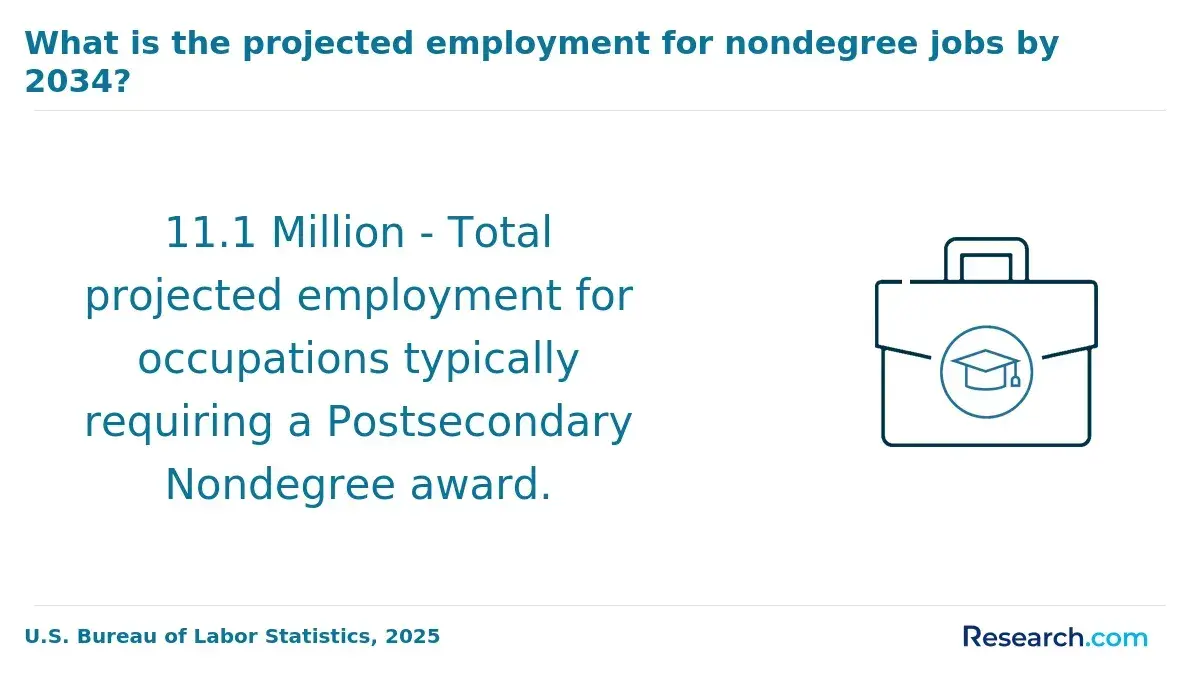
Financial aid for self-paced and competency-based education (CBE) science bachelor's programs comes from federal, state, and institutional sources, each with unique eligibility conditions. Since many CBE programs define enrollment based on credit-hour equivalents used in FAFSA, students must verify whether their specific program meets federal aid requirements such as Pell Grants and Direct Loans.
State-supported financial aid varies considerably, with some states offering targeted grants or scholarships for online learners in science-related disciplines. Institutional aid often includes merit and need-based awards, though the flexible pacing of self-paced programs can influence when funds are disbursed. Contacting the school's financial aid office is essential for understanding available assistance and disbursement timing.
Professional science organizations also provide scholarships designed for students in biology, chemistry, environmental science, and other specialized fields, often welcoming online and non-traditional learners. According to the College Board's Trends in Student Aid report, average aid packages increased by roughly 3% from 2021 to 2023, reflecting steady financial support for these programs.
- Federal Aid Eligibility: FAFSA credit-hour criteria determine if students in self-paced CBE programs qualify for federal grants and loans; confirming program status is critical.
- State Grants: Availability and amounts vary by state, so students should research and apply early for relevant grants or scholarships.
- Institutional Support: Schools offer scholarships and grants, but flexible program formats may affect payment schedules; direct communication with the aid office is recommended.
- Professional Scholarships: Science associations offer discipline-specific awards that can augment federal and state aid for eligible online learners.
- Recent Trends: The College Board reports a 3% increase in average aid packages for online degree seekers from 2021 to 2023, indicating consistent financial support.
How Do Competency-Based Education (CBE) Models Work in Self-Paced Online Science Programs?
Competency-based education (CBE) models in self-paced online science bachelor's degree programs prioritize mastery of skills and knowledge over traditional seat time. Students demonstrate their competence through assessments such as projects, exams, or practical tasks, allowing immediate progression upon proving proficiency. Unlike conventional credit hour systems, which measure student progress by fixed instructional hours, many CBE programs convert demonstrated competencies into credit-hour equivalents to enable access to federal financial aid.
Within CBE, direct assessment programs measure learning outcomes independently of credit hours, whereas credit-hour-equivalent CBE programs use a hybrid approach, aligning competencies with federally recognized credit units. Notable programs adopting CBE models include Western Governors University's Bachelor of Science in Biology, which advances students through frequent competency assessments supported by dedicated faculty mentors. Southern New Hampshire University's Bachelor of Science in Environmental Science similarly emphasizes problem-solving skills and employer recognition, providing structured coaching and feedback to support learner success.
Students considering CBE should recognize the discipline and strong time-management skills required to thrive in this self-directed format. Evaluating personal motivation and study habits is critical before enrollment. The National Center for Education Statistics reports a 30% growth in enrollment in competency-based programs from 2018 to 2023, reflecting growing demand for flexible, skills-focused education.
- Mastery Over Time: CBE programs advance students based on proven skills rather than clocked instruction, accommodating individual learning speeds.
- Assessment Methods: Students validate competency through evaluations like exams and projects, often with personalized faculty feedback to guide progress.
- Financial Aid Alignment: Many programs translate competencies into credit-hour equivalents, qualifying students for federal aid; some utilize direct assessment without credit hours.
- Program Examples: Western Governors University and Southern New Hampshire University offer self-paced science degrees valued by employers and bolstered by mentoring support.
- Student Suitability: Success in CBE demands self-motivation and discipline; prospective students must assess if this model matches their learning preferences.
What Accreditation Should a Self-Paced Online Science Bachelor's Program Hold?
Accreditation plays a vital role in selecting a self-paced online science bachelor's degree program, impacting how employers and graduate schools view your credential. Regional accreditation holds more weight in the United States, especially for science degrees, because it enforces rigorous academic standards and enhances credit transferability. The six regional accrediting bodies recognized by the U.S. Department of Education are the Middle States Commission on Higher Education (MSCHE), New England Commission of Higher Education (NECHE), Higher Learning Commission (HLC), Northwest Commission on Colleges and Universities (NWCCU), Southern Association of Colleges and Schools Commission on Colleges (SACSCC), and Western Association of Schools and Colleges Senior College and University Commission (WSCUC). Many reputable self-paced science programs also earn programmatic accreditation from specialized organizations like the Accreditation Board for Engineering and Technology (ABET), further affirming curriculum quality.
National accreditation is generally linked to vocational or specialized institutions and is less respected in the science field. Enrolling in a nationally accredited or non-accredited program can limit credit transfer opportunities and reduce acceptance by employers and graduate schools, potentially restricting career growth. To avoid such risks, prospective students should consult the U.S. Department of Education's accreditation database and the Council for Higher Education Accreditation (CHEA) directory to verify program legitimacy before applying.
Prospective students seeking regional accreditation for online science bachelor's degree programs should also explore other critical features such as competency-based education models, transfer credit policies, prior learning assessments, and financial aid eligibility. For professionals considering further education, programs like an accelerated online masters in counseling degree highlight the importance of accreditation in advancing careers efficiently.
- Regional Accreditation: This form of accreditation is widely respected and ensures that a science program meets high academic quality standards, making credits more transferable and degrees more recognizable by employers and graduate schools.
- National Accreditation: Typically applied to more vocational or specialized institutions, national accreditation is less respected in science fields and may restrict credit transfer and career growth opportunities.
- Programmatic Accreditation: Some self-paced science degrees seek additional accreditation from specialized bodies like ABET, signaling rigorous curriculum standards in specific disciplines.
- Risks of Non-Accreditation: Enrolling in non-accredited or nationally accredited programs may result in challenges transferring credits and limited acceptance by employers or graduate programs, impacting long-term career prospects.
- Verification Resources: Students should use the U.S. Department of Education's accreditation database and CHEA's directory to confirm the legitimacy and quality of any self-paced science program before enrolling.
How Many Transfer Credits Can Be Applied Toward a Self-Paced Online Science Bachelor's Degree?
Transfer credit policies for self-paced online science bachelor's degree programs vary widely, but many institutions aim to recognize prior learning to accelerate degree completion. Typically, these programs allow students to transfer a significant portion of credits-often between 60 and 90 semester hours-toward their degree requirements. The exact number accepted depends on the school's accreditation, articulation agreements, and evaluation processes. These credits accepted toward self-paced online science bachelor's degrees are key for students seeking maximum flexibility.
Many universities follow guidelines from the American Council on Education (ACE) to accept military training and professional certifications as credits, which benefits veteran students by reducing redundant coursework. Community college credits are frequently transferable, especially when schools maintain formal articulation agreements that provide clear pathways for credit acceptance.
Prospective students should always request an official transfer credit evaluation before enrolling. This evaluation clarifies how many credits will count toward the degree, impacting the remaining course load and overall tuition costs. It also highlights any differences in prerequisite or core curriculum requirements that could extend time to graduate despite credit acceptance.
- Generous Credit Limits: Some self-paced science programs accept up to 90 transfer credits, allowing students with prior coursework to significantly fast-track their degrees.
- Military and ACE Credits: Programs recognizing ACE recommendations enable service members to convert military experience into academic credit, reducing the need to retake similar courses.
- Community College Articulations: Established agreements with community colleges create smoother credit transfer processes, minimizing potential credit loss and easing transitions.
- Evaluation Importance: Securing a transfer credit evaluation before enrollment helps students understand exactly how many credits apply, preventing surprises in course planning and expenses.
For those interested in flexible degree paths, exploring related fields like a architect online degree can offer additional insight into credit transfer options and program structures as well.
Can Students Earn Credit Through Prior Learning Assessment in Self-Paced Online Science Programs?
Prior Learning Assessment (PLA) enables self-paced science students to convert professional experience, military training, industry certifications, and independent study into academic credit. Common methods include portfolio review, challenge exams, and standardized tests like CLEP and DSST, which assess prior knowledge efficiently. Institutions such as Western Governors University, Excelsior College, and Thomas Edison State University offer some of the most flexible PLA policies, typically allowing students to apply 30-50% of their degree credits this way. The submission process requires comprehensive documentation and formal evaluations to validate learning outcomes.
The American Council on Education's credit recommendation system is integral, especially for military personnel and working adults, providing standardized guidelines for transferring credits earned through training programs. This facilitates smoother credit transfer and degree progression, reducing redundancy in learning. To optimize credit awards, students should prepare detailed portfolios containing transcripts, certificates, work samples, and reflective statements, which enhance the likelihood of successful credit recognition.
Recent data highlights a 15% annual increase in adult learners utilizing PLA to expedite degree completion, reflecting growing acceptance of alternative learning pathways in higher education.
- Portfolio Review: Detailed documentation of prior professional and informal learning is evaluated to award academic credits consistent with program standards.
- Challenge Exams: Tests like CLEP and DSST permit students to demonstrate proficiency in core subjects, offering a cost-effective route to credits.
- ACE Credit Recommendations: Military and corporate training programs vetted by ACE provide standardized credit transfer frameworks beneficial to many learners.
- Flexible Credit Limits: Leading programs accept substantial PLA credits-often up to half the required courses-supporting faster degree completion.
- Documentation Best Practices: Well-organized portfolios with verified evidence maximize credit acceptance, making thorough preparation essential.
What Concentrations or Specializations Are Available in Self-Paced Online Science Bachelor's Programs?
Self-paced online science bachelor's degrees offer a range of concentration tracks designed to fit varied career paths and interests, each with distinct demands and salary expectations. These specializations often affect how long it takes to complete the program due to differing course loads and practical requirements like internships or certification exams.
- Biology and Life Sciences: This track prepares students for roles in healthcare, research, or environmental fields. Graduates typically earn between $60,000 and $80,000, with some careers requiring clinical licensure or certifications.
- Chemistry and Chemical Sciences: Focusing on chemical processes and materials, this area suits careers in pharmaceuticals, manufacturing, or quality assurance. Median earnings range from $60,000 to $90,000, often involving required lab work or internships.
- Environmental Science and Sustainability: Concentrating on ecosystem management and policy, this path leads to work in conservation, consulting, or government roles. Salaries average around $70,000, with many positions needing specialized certificates like Certified Environmental Professional.
- Computer Science and Data Analysis: Combining programming and data interpretation, this specialization targets fields such as bioinformatics and software development. Salaries may exceed $100,000, and extensive coding coursework can lengthen study duration.
- Physics and Applied Sciences: Emphasizing both theoretical and applied physics, this track opens careers in research, engineering, or education. Employers often expect licensure for educators; salaries generally range from $65,000 to $95,000, with internships commonly part of the curriculum.
Choosing a concentration involves weighing personal interests against industry demand and program intensity. Some tracks with heavy lab or internship components might prolong degree completion, while others focused on theory may allow for faster progress, helping students optimize both education and career outcomes.
What Graduates Say About Self-Paced Online Science Bachelor's Degree Programs
- Ramon: "I chose the self-paced online science bachelor's degree program because I needed the flexibility to work full-time while studying. The cost was surprisingly affordable compared to traditional degrees, which made it easier to manage financially. Since graduating, I've been able to secure a position in a growing research firm-something I credit directly to the practical knowledge I gained through the program."
- Marcos: "Reflecting on my experience, the biggest draw of the self-paced science degree was how it allowed me to tailor my studies around my personal and professional goals. The investment felt reasonable considering the depth of coursework and the support provided. Professionally, this degree has opened doors-especially in leadership roles-by giving me a credible foundation and confidence in my field."
- Silas: "The primary reason I pursued a self-paced online science bachelor's degree was to transition careers without compromising my current job. I was pleased with the cost-effectiveness of the program, which reduced the financial burden significantly. Since completing the degree, I've noticed a clear impact on my career growth, including increased responsibilities and recognition for my specialized knowledge."
Other Things You Should Know About Science Degrees
These programs offer flexible scheduling that accommodates work and family responsibilities, allowing students to access coursework anytime and anywhere. Many include extended enrollment periods and rolling admissions to reduce barriers to entry and allow students to progress without strict deadlines. Academic advising, career services, and technical support are often designed with non-traditional students in mind-to guide them through degree requirements and balance education with other commitments.
Students need a reliable internet connection, a computer with up-to-date software, and access to specific platforms like Canvas or Moodle. Some programs also require webcams and headphones for interactive sessions and exams. Details vary by institution, so checking specific program requirements is essential.
Most self-paced online science bachelor's degree programs cap transfer credit at 90 semester hours, with the remaining 30 hours earned from the degree-granting institution. Schools usually require official transcripts, a minimum grade of C or C-, and course equivalency review before credits are accepted.
References
- Transferring Credits to Online Colleges | What you need to know: https://betterbooqr.com/transferring-credits-to-online-colleges-what-you-need-to-know/
- Athabasca University https://www.athabascau.ca/programs/summary/bachelor-of-science-general.html
- Average Cost of Online College [2025]: Yearly Tuition + Fees https://educationdata.org/average-cost-of-online-college
- How Long Does It Take to Get an Online Degree? https://www.collegevaluesonline.com/resources/online-learning/how-long-to-get-online-degree/
- Tuition-Free Online Colleges https://www.affordablecollegesonline.org/college-resource-center/tuition-free-online-colleges/
- Ask 10 Questions About Transferring Credits to Online Bachelor's Programs https://www.yahoo.com/news/ask-10-questions-transferring-credits-online-bachelors-programs-133000989.html
- Are Online BSc Degrees Valid? Everything You Need To Know https://cms.nucleusnetwork.com/urban-beat/are-online-bsc-degrees-valid-everything-you-need-to-know-1767649036
- Online College Costs: A Breakdown of Tuition and Fees | OnlineColleges.net https://www.onlinecolleges.net/for-students/online-college-costs/
- Best Accredited Online Universities in 2025 https://www.study.eu/article/best-accredited-online-universities
- The Complete Guide to Competency-Based Education https://www.d2l.com/blog/the-complete-guide-to-competency-based-education/