2027 Part-Time vs Full-Time Online Science Bachelor's Degree Programs

Co-Founder and Chief Data Scientist
Balancing a full-time job while pursuing a bachelor's degree in science presents a significant challenge for many working adults. With family obligations and financial responsibilities, the decision between enrolling part-time or full-time in an online program becomes crucial. Nearly 48% of online science bachelor's degree students are working professionals managing competing priorities. Choosing the right course load impacts not only study-life balance but also completion time and career prospects. This article explores the advantages and drawbacks of part-time versus full-time online science bachelor's degree programs to help prospective students make well-informed decisions aligned with their goals and circumstances.
Key Benefits of Part-Time vs Full-Time Online Science Bachelor's Degree Programs
- Part-time programs offer greater scheduling flexibility, allowing students to balance studies with work or family, whereas full-time programs require a more consistent weekly commitment.
- Full-time study typically enables degree completion in about four years, while part-time enrollment often extends this timeline to six or more years.
- Part-time students can better integrate education with ongoing career responsibilities, but may face delayed entry into advanced STEM roles compared to full-time graduates.
What Is the Difference Between Part-Time and Full-Time Online Science Bachelor's Degree Programs?
Part-time and full-time online science bachelor's degree programs mainly differ in workload, pacing, and time commitment. Full-time students generally take on a heavier course load per semester and progress through their studies at a faster pace. In contrast, part-time students enroll in fewer courses each term, allowing for greater flexibility.
According to a report by the National Center for Education Statistics, around 40% of online undergraduate students in the U.S. choose part-time enrollment, underscoring the demand for adaptable education options.
The following outlines key distinctions between these enrollment formats.
Part-Time Online Programs
- Course Load: Students take fewer courses each semester, which lightens the immediate academic demands but extends total program duration.
- Scheduling Flexibility: These programs are designed to accommodate learners balancing work, family, or other responsibilities by offering a more manageable timetable.
- Study Intensity: The academic pace is less intense per term, providing a gradual academic challenge while maintaining engagement over time.
- Adaptability: Part-time pacing often suits nontraditional learners who require flexible scheduling to manage their studies around other commitments.
Full-Time Online Programs
- Course Load: Students enroll in more credit hours per semester, resulting in a heavier and more continuous workload.
- Scheduling Commitment: Full-time study demands consistent, weekly engagement and often limits the ability to juggle extensive outside responsibilities.
- Study Intensity: The program offers an immersive academic environment with concentrated assignments, exams, and projects within a semester.
- Progression Speed: Full-time pacing enables faster advancement through the curriculum, supporting quicker degree completion timelines.
For those interested in related flexible learning options, the best online masters in AI can offer insights into affordable, technology-focused graduate degrees that also prioritize flexible scheduling.
How Long Does It Take to Complete Part-Time vs Full-Time Online Science Bachelor's Degrees?
The time required to complete an online bachelor's degree in science varies notably depending on whether students enroll full-time or part-time and how they pace their studies. The National Center for Education Statistics reports the average time-to-degree for bachelor's programs is about 52 months, reflecting variability in program length.
Below is a comparison highlighting key differences between part-time and full-time enrollment for online science degrees.
Part-Time Online Programs
- Extended Duration: Part-time students often take between five to seven years to finish, since they enroll in fewer courses each semester.
- Flexible Scheduling: Many part-time programs offer asynchronous courses, allowing students to balance study with work or family commitments while extending their timeline.
- Lower Credit Load: Typically taking 6 to 9 credit hours per semester slows academic progress but provides greater control over workload.
- Course Availability: Students must plan carefully as some required courses are only offered at specific times, which can lengthen degree completion.
Full-Time Online Programs
- Accelerated Progress: Full-time enrollment generally requires 12 to 15 credit hours per semester, enabling faster completion often within four years.
- Structured Pace: Students often follow a consecutive sequence of core and prerequisite classes to maintain steady momentum throughout the program.
- Scheduled Coursework: Courses may have fixed times or semesters, so full-time students typically adhere to a more rigid schedule but benefit from predictable progression.
- Commitment Intensity: This faster path demands significant dedication, which can be challenging but suits students aiming for timely graduation.
Those comparing how long to complete part-time vs full-time online science degrees should weigh flexibility against speed. For working adults and nontraditional learners, finding the right balance is key. For more options tailored to flexible study, consider exploring accelerated MSW programs online.
What Is the Workload for a Part-Time vs Full-Time Online Science Bachelor's Degree?
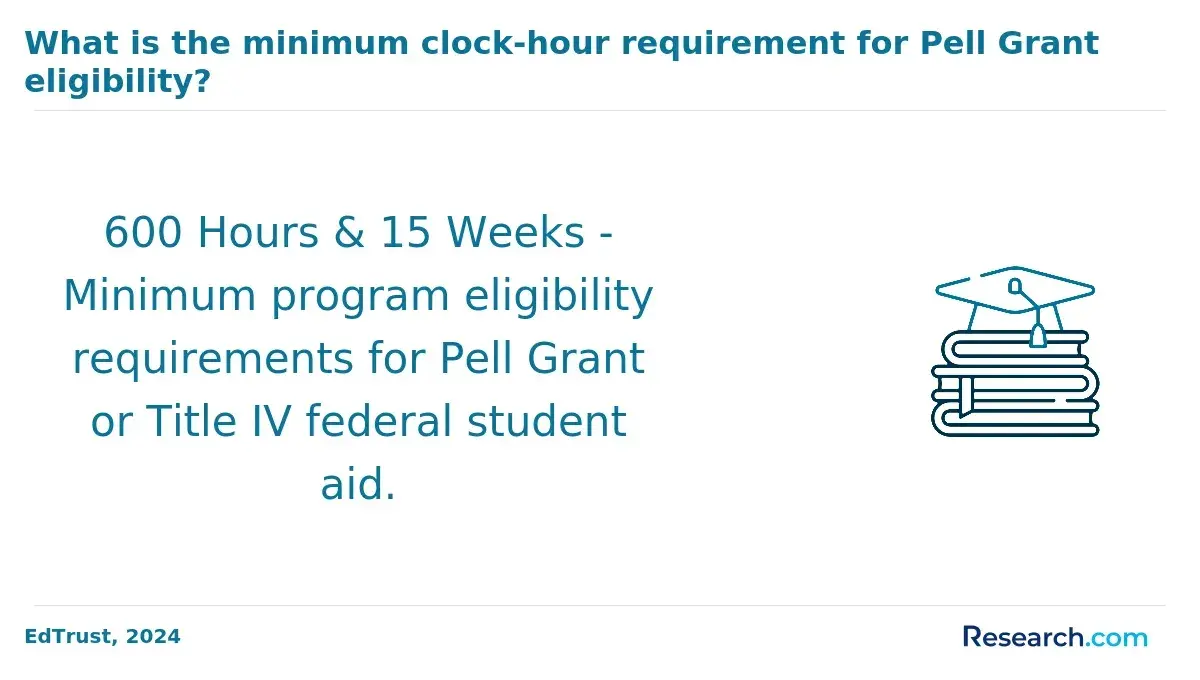
Full-time students in online science bachelor's programs generally take between 12 and 15 credit hours per semester, equivalent to four or five courses, requiring roughly 35 to 40 weekly study hours. Part-time learners typically enroll in one to three classes per term, or 3 to 9 credit hours, which translates into about 10 to 20 hours of weekly study. This lighter course load allows part-time students to juggle work and other responsibilities more easily, though it also prolongs the time to finish the degree.
Pacing for both formats demands regular engagement, but full-time students navigate a more accelerated timeline with heavier weekly obligations. Meanwhile, part-time students can progress at a slower rhythm, yet still maintain steady effort across each course.
Assignment schedules and deadlines are similar per course regardless of enrollment status, so both part-time and full-time students face equivalent academic rigor within individual classes. However, full-time students handle a larger volume of assignments simultaneously, creating a denser workload and tighter overall deadlines. Adult learners in full-time programs often need longer blocks of focused study time to meet overlapping demands and manage cognitive load effectively.
In contrast, part-time students may afford more concentrated attention per class but must exercise discipline to sustain momentum without letting long breaks hinder retention. Effective time management remains critical in both pathways to balance external commitments and academic expectations successfully.
Which Option Is Better for Working Adults in an Online Science Bachelor's Degree?
Both part-time and full-time online science bachelor's degree programs offer viable options for working adults, depending on their individual schedules, capacity for workload, and personal responsibilities. Research indicates that about 70% of online students in the U.S. are employed while pursuing their studies, underscoring the importance of adaptable learning formats.
Below are key points to consider when comparing these pathways.
- Scheduling Flexibility: Part-time programs tend to provide more adaptable schedules, enabling learners to balance courses alongside work and family obligations. Full-time programs usually require more fixed study times, demanding greater routine commitment.
- Workload Intensity: Full-time students often manage a heavier course load each semester, which can increase weekly demands. Part-time learners take fewer courses simultaneously, helping to alleviate stress but potentially lengthening degree completion.
- Time Management: Professionals enrolled full-time must develop strong discipline to handle their academic and personal commitments effectively. Part-time study can offer a gentler pace, better suited for those with unpredictable work hours or caregiving duties.
- Pace of Completion: Full-time enrollment typically allows degree completion in around four years, whereas part-time study often extends this timeline to five to seven years, affecting how soon new skills translate into career advancement.
Can I Switch From Part-Time to Full-Time in an Online Science Bachelor's Degree?
Many online bachelor's degree programs in science offer flexible options that let students transition between part-time and full-time enrollment. This adaptability helps accommodate shifting personal obligations or changes in work schedules while maintaining steady academic progress. Studies show that nearly 45% of online undergraduate learners alter their enrollment status at some point, highlighting the increasing prevalence of nontraditional online learning paths.
For those exploring how to switch from part-time to full-time online science degree options, this mobility supports tailored pacing and commitment levels suited to individual circumstances.
Switching between enrollment types requires students to assess the impact on their academic workload, as full-time study generally demands more time and faster pacing than part-time schedules. Institutional policies often govern the timing and approval needed for such changes, with potential deadlines and administrative procedures to consider.
Students must also be mindful of course availability, as certain classes may only run during specific terms, which can influence credit accumulation and graduation timelines. For more information on flexible science-related programs, exploring cybersecurity online degrees might provide additional insight into managing enrollment shifts.
How Does Tuition Differ for Part-Time vs Full-Time Online Science Bachelor's Degrees?
Tuition rates for online science bachelor's degrees often differ based on whether a student enrolls part-time or full-time, as well as how schools set their pricing models and pacing options. On average, tuition for these programs ranges widely, typically between $15,000 and $40,000 for the entire degree.
These variations influence payment schedules and total costs, which can impact a student's budgeting decisions.
Part-Time Online Programs
- Per-Credit Fees: Tuition is frequently charged by the credit hour, meaning students pay for each course individually. This setup allows flexibility but can sometimes lead to a higher cost per credit compared to full-time rates.
- Incremental Payments: Part-time students often pay smaller amounts more frequently as they enroll in fewer credits each term, making it easier to manage finances over time.
- Longer Completion Time: Since fewer credits are taken per term, overall tuition accumulates more gradually, which can extend the total duration and the financial commitment.
- Limited Discounts: Some schools do not offer flat or discounted rates for part-time learners, potentially increasing the effective cost of individual courses.
Full-Time Online Programs
- Flat Term Rates: Many institutions charge a set tuition amount per term or semester regardless of taking the full credit load, which can lead to savings for full-time enrollees.
- Bulk Payment Structure: Students may face lump-sum payments once or twice annually, covering a larger number of credits at once and simplifying billing schedules.
- Discounted Credit Pricing: Full-time enrollment sometimes unlocks lower per-credit prices, incentivizing students to take heavier course loads.
- Faster Degree Completion: By maintaining a full course schedule, students can finish their degree sooner, potentially reducing overall costs associated with extended enrollment.
Which Option Offers Better Financial Aid for an Online Science Bachelor's Degree?
Financial aid availability for online science bachelor's degrees varies significantly depending on a student's enrollment status and institutional policies. Approximately 30% of part-time online students report receiving some form of financial aid, though full-time students usually have access to more substantial aid packages.
These differences arise from eligibility rules and funding priorities that affect part-time and full-time learners differently. Below is a comparison of key financial aid types and how they typically apply to each group.
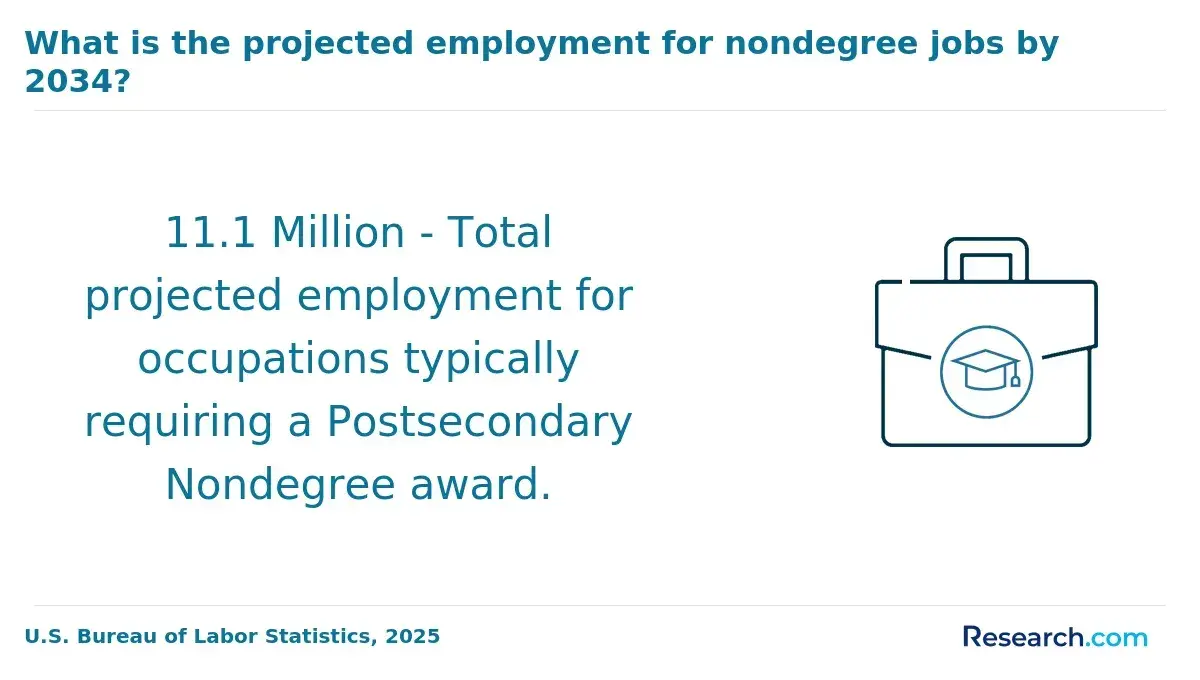
- Federal Pell Grants: These grants require at least half-time enrollment, so full-time students generally qualify for higher amounts. Part-time students often receive smaller awards or may be ineligible if enrolled below the half-time threshold.
- Federal Student Loans: Both enrollment groups are eligible for student loans, but loan limits favor full-time students, offering them greater borrowing capacity to cover tuition and fees.
- Institutional Scholarships: Scholarship availability varies across institutions; some reserve awards for full-time students only, while others extend smaller scholarships to part-time learners, reflecting their limited enrollment.
- Work-Study Programs: Typically accessible to students enrolled at least half-time, full-time students have an advantage in qualifying and obtaining more work hours, whereas part-time students may face restrictions due to their reduced course loads.
What Are the Pros and Cons of Part-Time vs Full-Time Online Science Bachelor's Degrees?
Choosing between part-time and full-time online science bachelor's degrees requires careful consideration of workload and flexibility differences. Each mode offers unique advantages and challenges that affect how students balance their studies with professional and personal responsibilities.
Below is a comparison of pros and cons highlighting key factors for prospective students.
Pros
- Flexible Scheduling: Part-time study allows working adults and caregivers to pace their education alongside jobs or family duties.
- Steady Progress: Part-time learners can reduce stress by managing fewer courses per term, sustaining consistent academic momentum.
- Accelerated Completion: Full-time programs typically enable students to finish degrees within four years or less, facilitating quicker career entry.
- Immersive Learning: Full-time students engage more deeply with material, potentially enhancing knowledge retention and skill development.
Cons
- Extended Timeline: Part-time study often doubles the time to graduate, which may delay advancement into science careers or graduate programs.
- Curriculum Changes: Longer completion periods may require adapting to evolving course requirements and scientific developments.
- High Time Commitment: Full-time enrollment demands substantial weekly hours, challenging those balancing work or caregiving.
- Increased Stress: Managing a full course load remotely can be intense and less flexible without on-campus structure.
Prospective learners should weigh these factors in relation to their career goals and availability. Those seeking adaptable pacing may compare options alongside other fields by exploring the cheapest online masters in project management for additional educational pathways.
Evaluating part-time vs full-time online science bachelor's degree advantages and disadvantages helps students choose paths that best meet their needs while managing workload and flexibility effectively.
Does Part-Time vs Full-Time Affect Career Outcomes in an Online Science Bachelor's Degree?
Employers increasingly prioritize skills and practical experience over whether a candidate pursued a full-time or part-time online science degree. A 2023 survey by the National Association of Colleges and Employers found that 72% of employers focus on skills-based hiring, valuing tangible abilities more than traditional markers like study pace. This shift underscores how enrollment type has less impact on career outcomes than once thought.
Several key factors influence how part-time versus full-time enrollment shapes career prospects for online science students, especially regarding how enrollment type influences job prospects in science degrees:
- Skill Development: Building strong technical and analytical skills relevant to the job market remains essential regardless of enrollment status. Students who focus on applicable competencies have better career outcomes.
- Work Experience Integration: Part-time students often balance employment while studying, allowing them to apply new knowledge in real-time, which can enhance their resumes and lead to better job opportunities.
- Degree Credibility: Accreditation is critical; employers respect degrees from accredited institutions whether completed part-time or full-time, validating the graduate's qualifications.
- Progression Opportunities: Full-time students may finish their degrees faster, potentially accelerating career entry or promotion, while part-time learners benefit from flexibility that supports continued professional growth alongside their studies.
For students weighing options, consider how each path aligns with personal and professional goals. Many also explore transitioning into a related online associate degree area before committing to a bachelor's program. Resources like online associate degree programs can offer foundational skills and facilitate career advancement.
What Mistakes Should I Avoid in Part-Time vs Full-Time Study?
Choosing between part-time and full-time online science bachelor's programs demands thoughtful planning to manage academic and personal commitments effectively. Nearly 40% of online learners struggle with retention, often due to challenges balancing workload and time.
Recognizing common pitfalls can help students navigate these demands more successfully.
- Underestimating Workload: Many students assume part-time study requires minimal effort, overlooking the cumulative impact of labs and assignments, while full-time learners may expect an easier pace online but encounter intense, compressed courses.
- Poor Time Management: Balancing multiple classes with jobs or family duties can overwhelm full-time students. Part-time learners risk inconsistent study routines over longer semesters, both scenarios leading to missed deadlines and stress.
- Misaligned Schedules: Part-time students often face conflicts between course availability and personal obligations, risking delays and burnout. Full-time students might select classes that fit short-term calendars but neglect alignment with their future career aims.
- Unrealistic Expectations: Assuming online science is easier than traditional study ignores the need for active involvement in experiments and teamwork that often extend beyond watching lectures.
- Limited Support Utilization: While full-time students tend to access academic resources regularly, part-time students may miss these opportunities due to timing, reducing essential guidance and assistance.
What Graduates Say About Part-Time vs Full-Time Online Science Bachelor's Degree Programs
- Ramon: "Choosing a part-time online science bachelor's degree was essential for me as I balanced a full-time job and family commitments. The flexibility allowed me to learn at my own pace, though managing deadlines alongside work was definitely challenging. Ultimately, this program opened the door to a promotion in my field, proving that dedication truly pays off."
- Marcos: "As a full-time online science student, I appreciated the immersive learning environment and constant access to faculty. Though it demanded intense focus and time management, the experience sharpened my analytical skills thoroughly. Today, my degree stands as a cornerstone of my career advancement in research and development."
- Silas: "My decision to pursue a full-time online science bachelor's degree stemmed from a desire to transition into a new industry without relocating. Navigating the rigorous coursework remotely tested my discipline, but it taught me resilience. Now, I am grateful for how this degree strengthened both my expertise and professional confidence."
Other Things You Should Know About Science Degrees
Yes, part-time students in online science bachelor's degree programs typically have access to the same academic resources as full-time students. This includes virtual libraries, tutoring services, academic advising, and online labs or simulations. However, some live sessions or lab components may occur at scheduled times that part-time students need to accommodate within their limited course loads.
Part-time and full-time students must meet the same overall graduation requirements, including core courses and credit hours. The main difference is the pace; part-time students spread requirements over a longer time. Academic progress monitoring remains consistent, with advisors helping students maintain satisfactory progress whether enrolled part-time or full-time.
References
- The Advantages of Online Learning for Working Professionals https://www.tuw.edu/school-news/advantages-of-online-learning/
- Which college to choose - full-time or part-time? - PJAIT https://pja.edu.pl/en/studia-stacjonarne-dzienne-czy-niestacjonarne-zaoczne-studiuj-na-wlasnych-warunkach/
- Types of Financial Aid for Online Colleges https://www.umassglobal.edu/blog-news/types-financial-aid-online-colleges
- Is Online College More Affordable? | UT San Antonio Online https://online.utsa.edu/blog-content/cost-of-an-online-degree-vs-traditional-education/
- Is it possible to transfer from full-time to part-time and vice versa? https://bizbase.techinfus.com/en/mojno-li-perevestis-s-ochnogo-na-zaochnoe-i-naoborot.html
- Cost of Online Education vs. Traditional Education [2025]: Comparison https://educationdata.org/cost-of-online-education-vs-traditional-education
- Full-Time Student Hours vs. Part-Time: What's the Difference? https://www.citizensbank.com/student/articles/full-time-student-hours.aspx
- Full-time and part-time study explained https://www.bbk.ac.uk/prospective/full-time-and-part-time-study-explained
- The Best Online Degrees for Working Adults [Complete Guide] https://beal.edu/best-online-degrees-for-working-adults/
- Pros and Cons of Getting a Bachelor's Degree Online https://www.dbu.edu/blog/pros-and-cons-getting-bachelors-degree-online.html