2027 Online Science Bachelor's Degree Programs With No Prerequisites

Co-Founder and Chief Data Scientist
Many working adults with unrelated degrees struggle to meet prerequisite requirements for traditional science bachelor's programs, which can stall career changes. Approximately 43% of online learners report enrollment barriers due to missing foundational coursework. This challenge restricts access to growing fields like biotechnology and environmental science, which are expected to grow by over 8% in the next decade. Online science bachelor's degree programs with no prerequisites offer a flexible alternative, eliminating upfront academic barriers. This article explores these programs, detailing how they provide accessible, accredited options for students to transition swiftly into science careers without prior specialized coursework.
Key Benefits of Online Science Bachelor's Degree Programs With No Prerequisites
- Online Science bachelor's programs without prerequisites offer flexible scheduling, enabling working adults to balance education, jobs, and family responsibilities efficiently.
- Students can acquire essential scientific knowledge quickly, accelerating career changes or advancement through streamlined, accessible coursework.
- These programs provide affordable pathways to build recognized Science credentials, fitting diverse timelines and budgets while maintaining quality standards.
What Does 'No Prerequisites' Mean for Online Science Bachelor's Degree Programs, and Who Benefits Most?
In online bachelor's degree programs, no prerequisites means students can enroll without needing prior coursework such as introductory science or math classes or specific academic credentials. This differs from open admission, where institutions accept all applicants regardless of background, and low-barrier enrollment, which may have minimal requirements but still expects some readiness. No-prerequisite programs eliminate formal preparatory steps, offering more direct access to degree coursework.
These programs particularly benefit career changers, working adults, returning learners, and first-generation college students pursuing science degrees. They offer a flexible path for those lacking traditional academic records but motivated to advance. According to data from the National Center for Education Statistics (NCES), enrollment of non-traditional students-those over 25, studying part-time, or balancing work and family-has risen steadily, reflecting a growing demand for online science bachelor's programs open admission policies that reduce upfront barriers.
This article covers essential topics for prospective students seeking no-prerequisite science degrees, including:
- Admissions Clarity: How no prerequisite policies differ from open admission and low-barrier models, and what to expect during application and enrollment.
- Program Quality: Ensuring accessible programs maintain rigorous accreditation and academic standards for valuable science credentials.
- Student Support Services: Resources like tutoring, advising, and career counseling tailored to non-traditional learners.
- Financial Aid & Affordability: Available scholarships, grants, and funding options to support students without prior coursework.
For working adults considering flexible and affordable options beyond science degrees, the most affordable online MBA programs provide another accessible pathway to career advancement.
Which Accredited Online Science Bachelor's Programs Accept Students With No Prior College Coursework?
Several regionally accredited institutions provide online science bachelor's degree programs designed for students without prior college coursework. These options serve working adults, first-generation students, and career changers by combining accessible admission policies with quality education and accreditation.
- Western Governors University: Known for its competency-based model, WGU offers various online science-related bachelor's degrees with open admission to students holding a high school diploma or equivalent. Foundational coursework is embedded to prepare students for advanced concepts. WGU enrolls over 100,000 students nationwide and is accredited by the Northwest Commission on Colleges and Universities.
- Southern New Hampshire University: SNHU features online programs in environmental science and related fields with open enrollment policies. While some foundational courses may be necessary, they are integrated within the program, meaning no prior college credits are required. SNHU supports transfer students, provides extensive financial aid, and is accredited by the New England Commission of Higher Education with around 135,000 online learners.
- Arizona State University Online: ASU offers a Bachelor of Science in Biological Sciences designed for students without prior college experience. It has flexible admissions and bridge courses to build essential skills. ASU Online is accredited by the Higher Learning Commission and enrolls over 50,000 fully online students.
- Fort Hays State University: This public university provides an online Bachelor of Science in Environmental Biology with a low-barrier admission process and preparatory modules to cover prerequisite knowledge. It is accredited by the Higher Learning Commission and serves more than 6,000 online students.
- Liberty University Online: Liberty offers online science degrees such as biology and biochemistry that accept students with a high school diploma and no prior credits. Foundational courses are built into degree plans to support newcomers. Liberty is regionally accredited by the Southern Association of Colleges and Schools Commission on Colleges and has over 100,000 online students.
Programs that waive prerequisites outright generally have open admission, allowing immediate enrollment with a high school diploma or GED. Others include bridge or foundational coursework to prepare students without previous college experience. Common features across these institutions include regional accreditation ensuring program quality, accessible financial aid and student support tailored to online learners, and credit transfer options for those with some prior learning. Prospective students aiming for the best no-prerequisite online science degree programs should verify accreditation status, confirm if prerequisites may be met through embedded coursework, and review available academic support services.
Additionally, exploring financial aid availability and understanding likely career outcomes are essential steps in selecting a no-prerequisite online science bachelor's program. For working adults and career changers who value flexible learning, it's advisable to also consider programs like an executive online MBA that offer tailored paths for professionals seeking advancement while managing other commitments.
2026 Update: Lab and Fieldwork Requirements to Check Before Enrolling
For this 2026 refresh, we reviewed the hands-on components that can affect online science students who enter without prior coursework, especially labs, field activities, and required supplies.
- Whether lab courses are fully virtual, use mailed lab kits, or require in-person attendance.
- Any campus visits, weekend intensives, field observations, or local site placements.
- Extra costs for lab kits, safety equipment, software, or proctored science exams.
- Technology requirements for simulations, data analysis tools, or live lab meetings.
- Whether introductory lab sections are designed for students with no science background.
- How missed labs are handled for working adults with unpredictable schedules.
Checking these details early helps students choose a no-prerequisite science program that is not only accessible on paper, but also realistic for their location, budget, and weekly availability.
How Do Open-Admission Policies in Online Science Programs Differ From Traditional Selective Admissions?
Open admission policies allow candidates with a high school diploma or equivalent to enroll without meeting traditional criteria like GPA or test scores. This approach expands educational access, particularly for nontraditional students, but requires institutions to offer added academic support.
Unlike selective admissions, which evaluate transcripts and standardized tests, open admission offers unconditional acceptance. Rolling admissions accept applications continuously but maintain selective criteria, while conditional admissions require students to fulfill prerequisites after enrollment.
Students admitted under open policies often show varying academic readiness. Schools respond with developmental courses, tutoring, or bridge programs to ensure foundational knowledge before advancing in the curriculum.
Despite lower admission barriers, reputable programs maintain regional accreditation and uphold academic standards that safeguard degree value. Prospective students should always verify institutional accreditation regardless of admission flexibility.
Data from the National Center for Education Statistics show a 12% increase in open-admission online science program enrollment between 2018 and 2022. This reflects growing demand for accessible, flexible education routes.
While open admission supports accessibility, it demands self-motivation and readiness to meet program rigor. Evaluating one's personal goals and available student resources is vital for success in science disciplines.
Institutions like the City University of New York (CUNY Admissions) and many community colleges listed in IPEDS provide official documentation of open admission policies, highlighting transparency and student access.
A professional who enrolled in an online science bachelor's program with no prerequisites shared that while the open-admission route removed initial barriers, adapting to the diverse academic demands was challenging. He noted, "At first, I struggled with the coursework because my background wasn't strong in some science concepts, but the tutoring and orientation sessions helped me catch up." The flexibility allowed him to balance work and studies, but consistent self-discipline mattered most. His experience underscores that open admission offered opportunity but required extra commitment to succeed.
What Are the Typical Enrollment Requirements for No-Prerequisite Online Science Bachelor's Programs?
Even when academic prerequisites are waived, most programs require evidence of high school completion or an equivalent credential such as a GED. This ensures a foundational level of knowledge crucial for succeeding in an online science bachelor's program without prior coursework. Other requirements also include:
- English Language Skills: Non-native English speakers must typically show proficiency through standardized tests or other recognized means. This requirement supports clear communication and comprehension, essential for engaging effectively with course content and assessments.
- Age Restrictions: Applicants usually must meet minimum age thresholds-commonly 17 or 18 years-to demonstrate legal and academic readiness. However, some schools permit younger students through dual-enrollment agreements, allowing early progress on a science bachelor's degree.
- Alternative Entry Routes: Students lacking formal credentials often can enroll in GED preparation programs or dual-enroll at community colleges. These pathways provide the foundational skills needed to meet admission standards for no-prerequisite online science bachelor's programs.
- Application Preparation: Applicants are advised to prepare official transcripts, valid identification, and clear statements of purpose beforehand. Timely and accurate submission of such documents facilitates a smoother, faster enrollment process.
- Institutional Variations: Public universities tend to have more flexible, open-admission policies, whereas private nonprofit institutions may require additional readiness assessments or supplementary paperwork-even without prerequisite coursework. Understanding these differences can help prospective students choose the best fit.
For students exploring further education pathways, affordable opportunities like an EdD degree may also be worth considering beyond bachelor's-level options.
Are No-Prerequisite Online Science Bachelor's Programs Available at Regionally Accredited Universities?
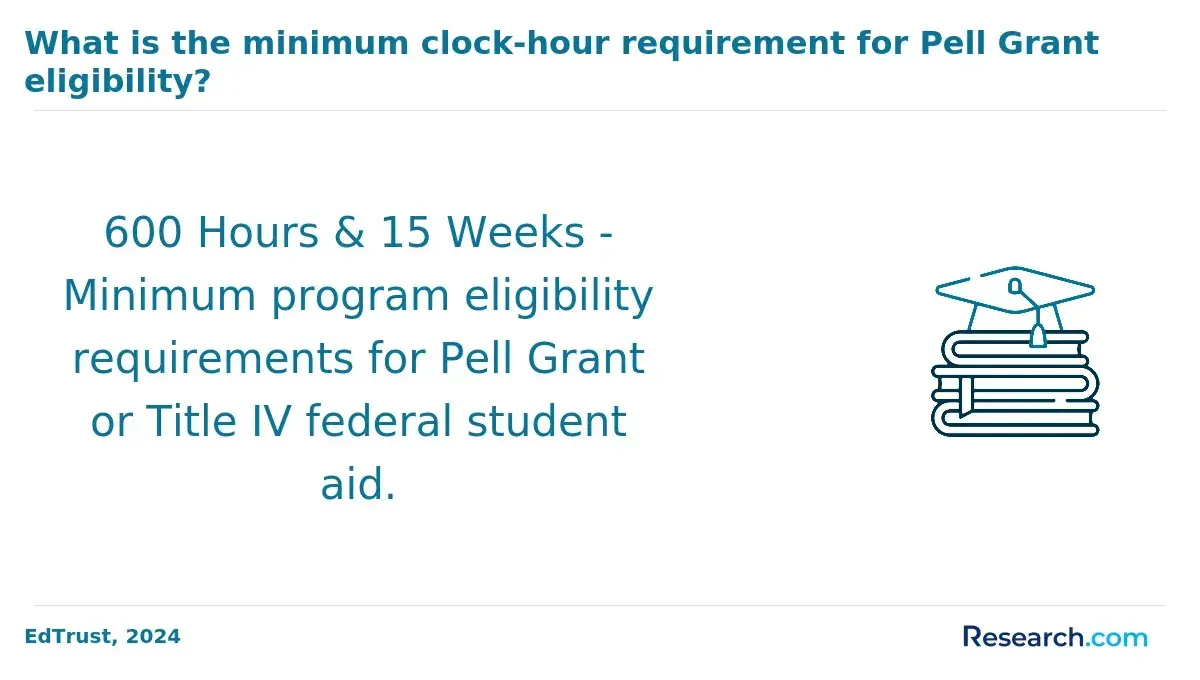
Regionally accredited universities offering no-prerequisite online science bachelor's programs provide a trusted route for students without prior coursework. Regional accreditation is essential because it ensures institutions meet rigorous academic standards recognized by employers and other universities. Students benefit from better credit transfer options, as credits earned at regionally accredited schools are widely accepted elsewhere, unlike many nationally accredited or non-accredited programs. Additionally, federal financial aid eligibility-including Pell Grants and low-interest loans-is typically reserved for students enrolled in regionally accredited programs, making education more affordable.
Unlike nationally accredited institutions, which often focus on vocational training and profit motives, regionally accredited universities tend to be non-profit with stronger academic reputations. For learners seeking accessible science degrees without prerequisites, prioritizing regional accreditation guarantees quality, transferability, financial support opportunities, and improved job market recognition.
- Accreditation Verification: Use the U.S. Department of Education's accreditation database and the CHEA directory to confirm that the university holds recognized regional accreditation.
- Admission Policies: Look for programs that explicitly state open or low-prerequisite enrollment options to ensure eligibility without prior science courses.
- Credit Transferability: Verify the school accepts transfer credits from other regionally accredited institutions, which can save time and money.
- Financial Aid Access: Confirm that the program qualifies for federal aid, a benefit typically reserved for regionally accredited schools.
A professional who completed an online science degree without prior prerequisites shared that the journey was initially daunting but ultimately empowering. She recalled feeling uncertain about whether her past education would count but found relief when the program accepted several transfer credits, accelerating her progress. The flexibility of open admissions allowed her to balance work and study, and qualifying for federal aid eased financial worries. Reflecting on her experience, she emphasized that the regional accreditation gave her confidence her degree would be respected by employers and graduate programs, a crucial factor as she transitioned into a new career.
How Do Students Without Academic Prerequisites Catch Up in Online Science Bachelor's Courses?
Many online bachelor's degree programs in science designed for students without prior academic backgrounds include targeted resources to build foundational knowledge and skills. These programs often integrate refresher or developmental courses covering fundamental subjects like biology, chemistry, and math to help students prepare for advanced coursework. For instance, Southern New Hampshire University offers pre-college modules that strengthen core scientific concepts before students proceed.
- Developmental Courses: Foundational classes or refresher modules help students grasp essential material in key science disciplines, ensuring smoother progress in degree requirements.
- Tutoring Support: Live and asynchronous tutoring services provide personalized assistance, enabling students to overcome difficult topics and improve understanding through flexible learning options.
- Peer Mentoring: Programs sometimes feature mentorship from experienced students, fostering academic confidence and helping newcomers navigate online science studies more effectively.
- Bridge Programs: Short preparatory courses, such as those at the University of Arizona Global Campus, equip learners with scientific literacy and study strategies that increase readiness and reduce early course failure rates.
- Self-Assessment Tools: Prospective students are encouraged to evaluate their own readiness using online assessments, allowing them to identify learning gaps and utilize available academic supports proactively.
- Retention Impact: Data from the National Survey of Student Engagement (NSSE) shows programs with strong academic support report notably higher retention and graduation rates; in 2023, students using these resources were 25% more likely to continue their studies.
What Support Services Help No-Prerequisite Students Succeed in Online Science Bachelor's Programs?
Students enrolled in no-prerequisite online Science bachelor's degree programs often rely on comprehensive student success services designed to support retention and academic achievement. These services recognize the unique challenges faced by working adults, first-generation students, and career changers balancing family, work, and education.
- Academic Advising: Experienced advisors assist with course planning, degree progression, and transfer credit evaluation. Regular virtual meetings help students stay focused and motivated throughout their studies.
- Mental Health Resources: Access to confidential online counseling and therapy provides essential support for managing stress and anxiety related to online learning, promoting overall well-being.
- Disability Accommodations: Compliance with ADA standards means tailored accommodations such as extended test time or screen readers are readily available, helping create an inclusive learning environment.
- Career Counseling: Dedicated career coaches and virtual workshops guide students in exploring science-related careers, building resumes, and preparing for interviews, which is especially valuable for those new to the Science field or switching careers.
Institutions recognized in U.S. News Best Online Bachelor's Programs emphasize asynchronous support services-like interactive forums and 24/7 tutoring-that fit flexible schedules. A recent survey found 68% of students in online Science degree programs highlighted strong student support as critical to their persistence. Choosing programs with robust support lowers dropout risks and helps learners successfully finish their degree despite competing demands.
Can Transfer Credits or Prior Learning Assessments Replace Prerequisites in Online Science Programs?
Transfer credits and Prior Learning Assessments (PLA) play a crucial role in online science bachelor's programs by substituting prerequisite coursework. These options provide working adults, career changers, and first-generation students with flexible pathways that accelerate degree completion while lowering costs. Effective transfer credit policies evaluate academic work from regionally accredited institutions to grant course waivers, often facilitated by schools like Thomas Edison State University and Excelsior College, which allow up to 90 transfer credits.
- Transfer Credit Flexibility: Accredited schools commonly accept transfer credits for online science bachelor's programs, enabling students to bypass prerequisite classes taken elsewhere, thus saving time and tuition expenses.
- Prior Learning Assessment Programs: PLA often includes credit-by-exam methods like CLEP and DSST, widely recognized for proving competencies in foundational science courses without formal enrollment.
- ACE Credit Recommendations: The American Council on Education (ACE) assesses workplace training, military service, and professional certifications for credit equivalency. Many institutions follow ACE guidelines, easing the translation of real-world experiences into academic credits within science degree pathways.
- Documentation and Submission: To maximize prerequisite waivers, students should assemble detailed documentation-transcripts, certificates, military records, and portfolios-that clearly demonstrates how prior learning meets course objectives.
- Institutional Policies: Flexible PLA policies at universities like Charter Oak State College and University of Maryland Global Campus support adult learners, often providing advisors to help navigate application requirements.
- Recent Trends: According to the National Center for Education Statistics (NCES), about 40% of online adult learners received credit for prior learning in 2022, reflecting growing acceptance of PLA in degree programs.
In addition to transfer credits and PLA, it is important to explore financial aid options and student support services, which often complement open-admission policies that do not require prior coursework. For those interested in diverse fields, similar flexible credit policies apply to other degrees such as the online hospitality management degree, demonstrating the growing accessibility of higher education.
What Is the Average Time to Completion for No-Prerequisite Online Science Bachelor's Degree Programs?
The average completion time for no-prerequisite online science degrees generally aligns with the standard 120-credit-hour framework required for most bachelor's degrees. However, the typical duration of online science bachelor's programs without prerequisites varies depending on enrollment pace, term length, and prior credits the student may have.
- Standard Credit Requirements: Most science bachelor's degrees require about 120 credits to ensure a comprehensive education covering both general education and major-specific courses.
- Enrollment Pace: Full-time students often finish in approximately four years, while part-time learners may extend their studies to six years or more. Flexible online programs enable students to adjust their pace to fit work and life commitments.
- Term Length and Structure: Several accredited online science programs offer accelerated pathways with eight-week terms or competency-based models. Institutions such as Western Governors University and Southern New Hampshire University allow year-round enrollment, helping students complete degrees faster than traditional schedules.
- Impact of Prior Credits: Transferable credits from previous college work or certifications can significantly shorten the time to completion. Open-admission programs typically accept such credits, easing progression for returning or career-changing students.
- Graduation Rates Comparison: IPEDS data indicates that selective-admission online programs tend to have higher on-time graduation rates than open-admission counterparts. Still, open programs provide crucial low-barrier access for working adults and first-generation students needing flexibility.
- Cost and Opportunity Costs: Time to completion influences not only tuition expenses but also indirect costs like lost wages. Accelerated and year-round options reduce these costs, making them attractive for career changers and busy adults.
Students exploring no-prerequisite science degrees should carefully compare programs, considering these factors and accreditation standards. For those interested in technology fields within science, consult the online electrical engineering degree ranking for reputable options and insights.
How Does Tuition Compare Between No-Prerequisite and Standard Online Science Bachelor's Programs?
Tuition rates for no-prerequisite online science bachelor's programs often differ from those of selective-admission programs due to various cost factors, making direct comparisons difficult.
- Per-Credit Pricing: Open-admission programs typically offer lower per-credit-hour tuition, especially at public or community colleges, but those savings may be offset by additional required credits.
- Extra Fees: Students in no-prerequisite tracks might need developmental or foundational courses that raise total credit hours and tuition costs. These programs sometimes add fees specific to these preparatory classes.
- Institution Type: Public community colleges generally provide more affordable options with open enrollment, while private or for-profit schools offering no-prerequisite programs can charge rates comparable to or exceeding those of selective institutions.
- Funding Sources: State-supported public universities benefit from subsidies that help keep tuition lower across admission types; conversely, private schools rely heavily on tuition revenues, which can lead to higher charges regardless of admission criteria.
- Program Format: Fully online delivery can reduce costs by eliminating campus fees, but enhanced features such as personalized mentorship or advanced labs in some no-prerequisite science programs may increase tuition.
- Total Cost Evaluation: Prospective students should assess all expenses-including credits for developmental courses, fees, and materials-to understand the overall price rather than focusing solely on per-credit tuition.
Which Online Science Bachelor's Programs Allow Students To Start Without A High School Diploma Or GED?
Many accredited online science bachelor's degree programs welcome applicants holding a high school equivalency credential such as a GED or HiSET rather than a traditional diploma. These programs often apply open-admission or low-barrier policies, expanding access for adult learners and career changers without conventional academic prerequisites.
- Admission Criteria: Institutions typically accept GED or HiSET as meeting minimum entry standards but may require submission of official equivalency documentation. Some schools offer conditional enrollment, allowing students to start coursework while completing final equivalency requirements.
- Academic Preparedness: Programs may mandate placement exams or foundational coursework in math and science to assess readiness among GED holders. These measures help adapt support services and maintain academic standards in rigorous science curricula.
- International Credentials: Applicants with secondary education from outside the U.S. must provide evaluated transcripts or equivalency certificates recognized by the institution. This ensures foreign credentials align with U.S. education standards and meet admission eligibility.
- Financial Aid and Support: Eligible candidates can access federal aid and scholarships, provided they verify their equivalency status. Many schools also deliver tutoring, advising, and career planning to promote successful degree completion and employment outcomes.
Prospective students should consult institutional admissions policies and College Board resources on equivalency credentials to confirm eligibility. Preparing for any additional requirements ahead of enrollment will smooth the path into quality, accredited online science degree programs.
What Graduates Say About Their Online Science Bachelor's Degree Program With No Prerequisites
- Ramon: "I chose the online science bachelor's degree program with no prerequisites because it offered me the flexibility to study while working full-time. The cost was surprisingly affordable compared to traditional universities, which helped me avoid debt. Since graduating, I've been able to step into a research assistant role that's propelled my career forward-something I hadn't anticipated when I first enrolled."
- Marcos: "Reflecting on my time in the online science bachelor's degree program, the lack of prerequisites made it accessible for someone like me who decided to shift careers later in life. The program's reasonable tuition fees allowed me to pursue my goal without financial strain. Professionally, completing the degree has opened doors to project management opportunities in environmental consulting that I found truly rewarding."
- Silas: "What stood out to me about the online science bachelor's degree was the no-prerequisites requirement-it meant I could dive straight into advancing my knowledge without delay. The investment was modest, and the convenience saved me commuting and housing costs. Today, I'm confidently progressing within my field as a lab technician, thanks to the solid foundation this program provided."
Other Things You Should Know About Science Degrees
Employers generally evaluate online science degrees based on the accreditation of the awarding institution rather than the program's admission requirements. Degrees from regionally accredited institutions are usually accepted as equivalent to those earned on campus. However, some employers may scrutinize programs with open-admission policies more closely, so students should emphasize practical skills and relevant experience gained during the program.
Quality online science programs-regardless of entry requirements-are accredited by recognized bodies such as regional accrediting agencies or specialized organizations for science education. Accreditation guarantees adherence to academic standards, curriculum rigor, and qualified faculty. Prospective students should verify accreditation status before enrollment to ensure degree recognition and eligibility for financial aid.
References
- Are Online Prerequisites Cheaper Than Traditional Courses? https://straighterline.com/blog/are-online-prerequisites-cheaper-than-traditional-courses
- Support for online students: what assistance is available? https://www.pfh.de/en/blog/support-online-students-what-assistance-available
- The Best Master’s Degrees for Career Changers from UNE Online https://online.une.edu/blog/the-best-masters-degrees-for-career-changers-from-une-online/
- Online Degree Duration: How Long Does It Really Take? https://degreeonline.education/online-degree-duration-how-long-does-it-really-take/
- Major differences between online and traditional college programs - Peterson's https://www.petersons.com/blog/major-differences-between-online-and-traditional-college-programs/
- Cost of Online Education vs. Traditional Education [2025]: Comparison https://educationdata.org/cost-of-online-education-vs-traditional-education
- Can you go to an online school without a high school diploma? - Answers https://www.answers.com/Q/Can_you_go_to_an_online_school_without_a_high_school_diploma
- 5 Reasons Why You Should Earn Your Bachelor’s Degree Online https://www.pointloma.edu/resources/accelerated-undergraduate/5-reasons-why-you-should-earn-your-bachelors-degree-online
- Can You Get a Bachelor’s Degree Online? Here’s Your Quick Guide! | University of the People | https://www.uopeople.edu/blog/can-you-get-a-bachelors-degree-online/
- Online Science Courses with Lab that Transfer: A Helpful Guide - Prereqcourses https://www.prereqcourses.com/online-science-courses/