2027 Online Science Bachelor's Degree Programs for Adult Learners Returning to School

Co-Founder and Chief Data Scientist
Returning to school as an adult to earn a bachelor's degree in science poses unique challenges. Many face balancing full-time jobs, family responsibilities, and financial constraints, making traditional on-campus programs unfeasible. Additionally, 58% of adult learners report the need for flexible scheduling as a priority in pursuing further education. Online science bachelor's degree programs cater to these specific needs by offering adaptable coursework and remote learning environments.
This article examines the best online science programs tailored for adults returning to education, providing insights to help overcome common barriers and achieve academic and career goals efficiently.
Key Benefits of Online Science Bachelor's Degree Programs for Adult Learners Returning to School
- Flexible scheduling allows working adults to balance employment and family responsibilities while pursuing a science bachelor's degree, with 70% of online learners citing convenience as a key factor.
- Programs emphasize practical skill development, preparing students for immediate career advancement through labs, simulations, and industry-aligned coursework.
- Online formats foster networking opportunities with professionals and peers nationwide, expanding connections critical for job placement and career growth in science fields.
Who Qualifies as an Adult Learner in an Online Science Bachelor's Degree?
Adult learners in online science bachelor's degree programs are typically nontraditional students aged 25 or older who pursue higher education later in life or after a break. According to the National Center for Education Statistics, nearly 40% of undergraduates in postsecondary institutions are nontraditional students. Many of these learners choose online programs for their flexibility and accessibility. Understanding the criteria for nontraditional students in science degree programs helps clarify who qualifies as an adult learner.
- Working Professionals: These learners balance full-time jobs and family responsibilities, seeking to upgrade their skills or shift careers without sacrificing income. Their practical experience enhances their engagement with complex scientific topics.
- Career Changers: Individuals transitioning to science-related fields often need foundational training to enter new industries, such as healthcare, environmental science, or biotechnology. Online programs provide a flexible pathway to build essential knowledge.
- Military Veterans: Veterans may bring previous college credits or technical training and pursue degrees online to ease their transition into civilian science careers. Their discipline and experience often benefit their studies.
- Parents Returning to Education: After dedicating time to childcare and household management, these learners rely on online courses' flexible scheduling to accommodate family obligations while completing their degrees.
Adult learners' eligibility for online science bachelor's degrees reflects diverse life circumstances and motivations, united by the need for adaptable learning formats. Many also focus on programs that accommodate breaks in education caused by illness, financial challenges, or other personal reasons, using online pathways to return successfully. For those interested in expedited advancement, some may explore 1 year PhD programs online no dissertation as further educational opportunities beyond the bachelor's level.
What Are the Admission Requirements for an Online Science Bachelor's Degree for Adult Learners?
Admission requirements for adult learners seeking an online science bachelor's degree are crafted to balance flexibility for nontraditional backgrounds with maintaining academic standards. Many applicants may have been away from formal education or followed alternative educational paths. Still, institutions need to verify that students are prepared to succeed in the demanding online science curriculum. Below are some common requirements applicants should expect.
- Proof of Prior Education: Applicants must provide evidence of high school completion or an equivalent credential such as a GED. This establishes a baseline academic level necessary for undergraduate study in science fields.
- Application Materials: Submission of formal application forms is essential. These forms collect personal and educational details and often request statements of purpose that clarify the candidate's motivation and academic goals.
- Academic Transcripts: Transcripts from previous institutions are required to verify past academic performance. They help the admissions committee evaluate the applicant's readiness for science coursework and may be used in assessing transfer credits and test score policies for adult science degree students.
- Online Learning Readiness: Many programs assess an applicant's preparedness for online study through skills assessments or by requesting information about computer literacy and technology access. This ensures students can effectively engage with digital learning platforms.
- Supplemental Materials: Some programs may ask for letters of recommendation or personal essays to further evaluate commitment and academic potential. While optional, these can strengthen the application by providing additional context about the learner's background.
Adult learners interested in expanding their education might also explore advanced degrees such as an online masters MFT to complement their science background or career goals.
2026 Update: Checking Lab and Fieldwork Requirements Before Enrolling
For 2026, this section adds guidance on a key issue for adult learners in online science degrees: how hands-on learning is completed when courses are remote.
- Whether required labs are fully virtual, completed with home lab kits, or scheduled on campus.
- If any courses require weekend intensives, field observations, internships, or local site visits.
- What materials, equipment, software, or safety supplies students must have at home.
- Whether lab kits can be shipped to your location and how replacement materials are handled.
- How lab deadlines fit around work shifts, caregiving duties, and other adult responsibilities.
- If proctored exams, lab reports, or group experiments require live attendance.
Understanding these requirements early helps adult learners choose a science program that is not only online, but realistically manageable with their schedule, location, and home learning setup.
Do Adult Learners Need SAT or ACT for an Online Science Bachelor's Degree?
Most online bachelor's degree programs tailored for adult learners typically do not require SAT or ACT scores for admission, focusing instead on an applicant's previous academic performance and overall preparedness. Nationwide, about 65% of higher education institutions have adopted test-optional or test-free admissions policies as of recent years, reflecting a shift toward more inclusive approaches. This trend acknowledges that standardized exams often fail to represent the unique skills and experiences adult learners bring, especially those juggling careers and family commitments. By waiving these tests, colleges can better evaluate candidates through transcripts, professional certifications, and related accomplishments, thus broadening access for a diverse student population. Such policies have become more widespread, particularly in programs designed to accommodate nontraditional students pursuing online science degrees.
When asked about his experience enrolling in an online science bachelor's degree program, an adult learner who returned to school shared that the absence of SAT or ACT requirements significantly eased his admission process. He explained, "I was worried about having to take these standardized tests again after so many years, but the program focused more on my previous college work and practical experience." Navigating applications felt less stressful, allowing him to concentrate on preparing for coursework rather than exam preparation. He appreciated how these policies recognized his life and work background, making it feel like a more realistic and supportive pathway back into education.
How Flexible Are Online Science Bachelor's Degree Programs for Adult Learners?
Online science bachelor's degree programs offer significant flexibility, a key factor for adult learners balancing education with work and family. A Learning House study found that 85% of online students value this adaptability when choosing online education paths. This flexibility helps maintain a healthy work-life balance by allowing students to fit studies around their busy lives. The following features illustrate how these programs cater to the needs of adult learners seeking flexible online science degree options.
- Asynchronous Learning: Courses are available anytime, enabling learners to study during evenings, weekends, or other off-hours that fit their schedules.
- Part-Time Enrollment: Students can lighten their course load by enrolling part-time, making it easier to manage education alongside professional and personal obligations.
- Accelerated Pacing: Those who want to complete their degrees sooner can take advantage of faster course completion options without sacrificing academic quality.
- Self-Paced Coursework: Learners proceed through material at a comfortable rate, spending extra time on challenging topics or moving quickly through familiar content.
- 24/7 Access to Resources: Digital libraries, labs, and online forums remain accessible day and night, ensuring continuous support for adult learner program flexibility for online science degrees. For related programs, consider exploring an office administration degree.
Can I Transfer Previous College Credits to an Online Science Bachelor's Degree?
Many online bachelor's degree programs allow students to transfer credits from previous college work, helping them reduce time and avoid repeating courses. According to recent data from the National Student Clearinghouse Research Center, nearly 38% of bachelor's students transfer credits during their studies, showing a rising trend in recognizing prior learning. Several important factors influence credit transfers for online science degrees:
- Evaluation of Prior Coursework: Institutions assess transcripts to verify if courses meet their academic standards and align with program learning outcomes.
- Credit Limits: Programs often cap transfer credits between 60 and 90 semester hours, depending on specific policies.
- Program Relevance: Only credits that correspond to required science classes or general education typically count toward degree requirements.
- Accreditation Matters: Credits earned from regionally accredited colleges are more likely to be accepted than those from unaccredited schools.
- Advantages for Adult Learners: Transferring credits can shorten degree completion time, making it easier to juggle studies with work or family life.
When I spoke with an adult learner who returned to complete her online science degree, she described the transfer process as both challenging and rewarding. Although reviewing which credits would apply took time, it allowed her to focus on new, specialized courses that advanced her career. She shared, "Knowing some of my previous work counted saved me from retaking material and motivated me to keep going." This experience highlights how transfer credits can empower adults to efficiently achieve academic and professional goals.
Does Work Experience Count Toward an Online Science Bachelor's Degree?
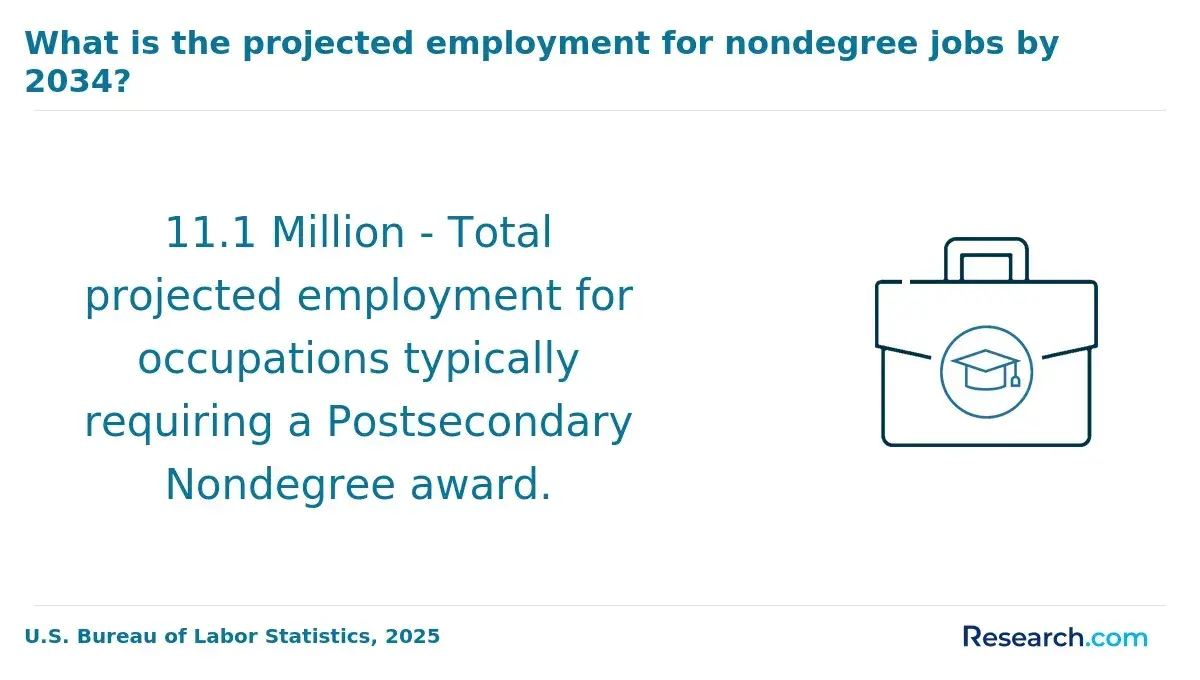
Many online bachelor's degree programs for adult learners accept prior work experience as part of their credit evaluation process, allowing students to speed up their journey toward graduation. According to the Council for Adult and Experiential Learning, up to 30% of college credits can sometimes be earned through prior learning assessments (PLAs). The following methods illustrate how work experience can translate into academic credit.
- Prior Learning Assessments (PLAs): These evaluations let students prove their knowledge gained outside traditional classrooms, such as through jobs, military service, or independent learning. Students may take standardized exams or submit work samples to earn credit.
- Portfolio Reviews: Learners create detailed portfolios showcasing their professional milestones, relevant projects, and training. Faculty reviews these documents to determine if they fulfill course criteria.
- Competency-Based Evaluations: Some programs prioritize demonstrating mastery of skills instead of accumulating credit hours. Students prove competencies through exams or practical tasks, which can decrease the number of courses they need.
- Industry Certifications: Recognized certifications and licenses aligned with science fields may be accepted for credit, depending on the institution's policies.
Recognizing work experience within degree requirements benefits adult students by validating their real-world skills and reducing the time needed to graduate. This approach fits well with the flexible, self-paced design of many online science programs, helping learners balance education alongside professional responsibilities.
How Much Does an Online Science Bachelor's Degree Cost for Adult Learners?
The total cost of earning an online science bachelor's degree for adult learners varies significantly based on factors such as program structure, pacing, and institution type. Most programs bill students per credit hour, and the total credits required usually fall between 120 and 130. Nationally, tuition rates for online bachelor's programs average around $350 to $500 per credit, though these figures can fluctuate depending on the school and program format. Several cost components contribute to the overall expense for returning adult learners.
- Tuition per Credit: This is typically the largest portion of the cost, charged for each credit hour completed. Since requirements can reach up to 130 credits, tuition quickly accumulates depending on the rate per credit.
- Technology Fees: Many institutions assess technology fees to maintain and improve online learning platforms, digital resources, and student support services essential for remote study.
- Course Materials: Expenses for textbooks, specialized software, laboratory kits, or other resources needed for science courses often add to the total cost and may vary by program focus.
- Lab or Proctoring Fees: Some science courses require mandatory lab sessions or remote proctoring during exams, which may result in additional charges beyond tuition and materials.
- Administrative Fees: These can include registration, application, and other institutional fees separate from tuition that students should factor into their budgeting plans.
Adult learners considering their options should carefully examine all these fees alongside tuition to gauge the complete financial commitment of an online science bachelor's degree program.
Are There Financial Aid Options for Adult Learners in Online Science Bachelor's Degrees?
Financial aid plays a crucial role in helping adult learners manage the costs of online Science bachelor's degree programs. Nearly 60% of undergraduate students receive some type of financial aid, which underscores its importance for returning students balancing work, family, and education. Various funding options are available to support these learners, including scholarships and grants for returning students in online science programs. Below are common financial aid opportunities designed to ease tuition burdens.
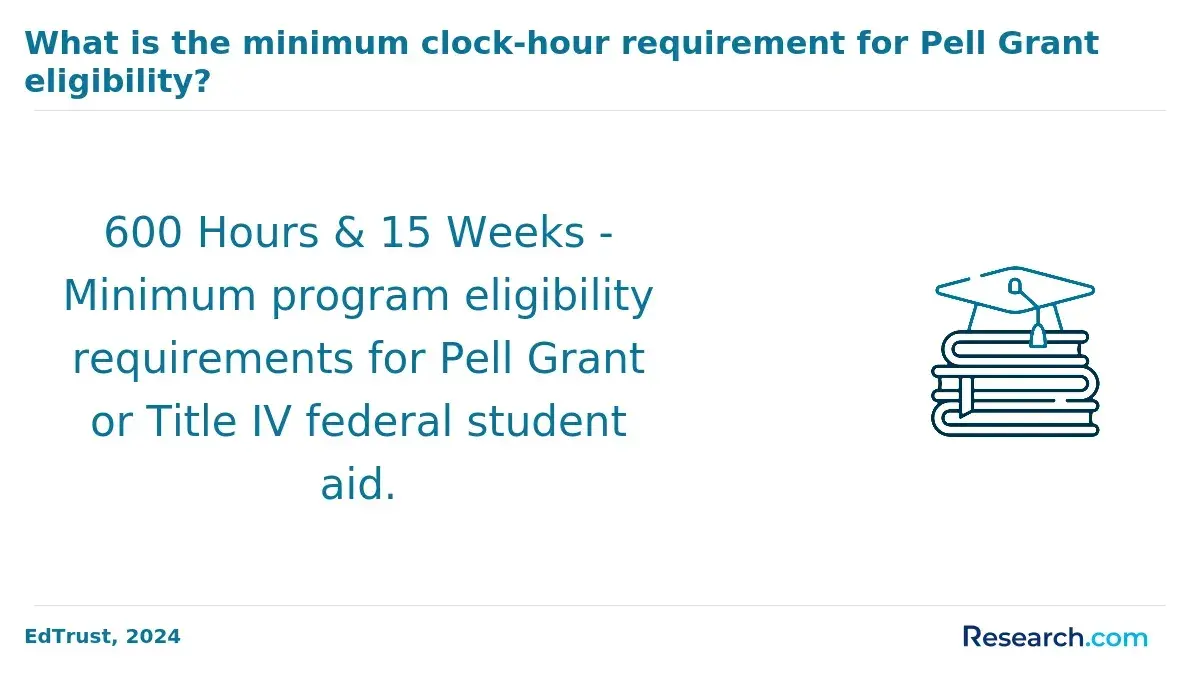
- Grants and Scholarships: These funds do not require repayment and are often awarded based on financial need or academic merit. Federal grants like the Pell Grant provide valuable assistance, especially for adult learners pursuing online Science degrees.
- Student Loans: Federal and private loans allow students to borrow money with repayment typically postponed until after graduation. While loans create financial obligations, they make education more accessible in the short term.
- Employer Tuition Assistance: Many working professionals benefit from employer tuition reimbursement programs that cover part or all of their educational expenses. This support encourages career advancement without the full financial burden falling on the student.
- Payment Plans: Online institutions often offer installment plans that enable students to spread tuition payments over time, easing budgeting challenges without relying solely on loans or grants.
Prospective adult learners are encouraged to apply early for federal and state aid and consult their program's financial aid office for specific opportunities. Additionally, exploring related options like affordable online mba programs no gmat can provide insights into flexible, cost-effective education pathways.
Do Employers Value Online Science Bachelor's Degrees for Adult Learners?
Employer attitudes toward online science bachelor's degrees for adult learners have shifted significantly over the past decade. Where skepticism once prevailed, acceptance has grown, particularly as online education quality and accessibility have improved. A 2023 survey by the National Association of Colleges and Employers found that 70% of employers are willing to consider candidates with online degrees, reflecting a shift toward skills-based hiring. This trend prioritizes practical abilities and knowledge over the mode of credential delivery, supporting career advancement with online science degrees for many adult learners.
Several factors influence employer perceptions of online science bachelor's degrees, including accreditation, the relevance of skills acquired, and the combination of education with existing professional experience. Employers tend to trust programs that are regionally or nationally accredited, associating these credentials with quality and rigor. Adult learners often bring valuable soft skills like time management and communication, which, when combined with an accredited degree, enhance their job readiness. For those curious about specific career pathways, resources such as what can i do with an environmental science degree provide insight into practical applications of their education in the workforce.
How Do I Choose the Best Online Science Bachelor's Degree Program for Adult Learners?
Selecting the right online science bachelor's degree is vital for adult learners juggling education alongside work and personal duties. A 2023 survey found that 72% of adult students value program flexibility when choosing an online degree. Keeping this in mind can guide you toward programs suited to your lifestyle.
Consider these important factors when making your choice:
- Accreditation: Verify that the program holds regional accreditation, which ensures quality education and recognition by employers and other schools.
- Program Flexibility: Opt for courses with asynchronous options, multiple enrollment periods, and manageable workloads to fit your schedule.
- Curriculum Relevance: Ensure the coursework aligns with your career goals and current industry expectations to build applicable skills.
- Student Support Services: Access to academic advising, technical assistance, and career counseling can improve your learning experience and success.
- Affordability: Examine tuition costs carefully, seek financial aid opportunities, and consider credit transfers to keep expenses reasonable.
- Career Outcomes: Research graduate employment rates and salary prospects to understand how the degree may advance your professional path.
What Graduates Say About Online Science Bachelor's Degree Programs for Adult Learners Returning to School
- Ramon: "Returning to school as an adult was a leap of faith driven by my desire to deepen my understanding in biotechnology. The flexibility of an online science bachelor's degree allowed me to balance work, family, and studies without sacrificing any. Earning this degree has truly opened doors for me in the pharmaceutical industry, validating years of practical experience with solid academic credentials."
- Marcos: "After years away from formal education, I chose an online science bachelor's program because it offered the ability to study at my own pace while maintaining my full-time job. This approach helped me stay engaged and motivated, especially since I was able to apply what I learned directly to my environmental consulting work. The degree not only advanced my career but also gave me a renewed sense of confidence and purpose."
- Silas: "Deciding to pursue an online science bachelor's degree was a strategic choice fueled by the need to switch careers into data science. The comprehensive curriculum paired with the convenience of remote learning made it possible to develop new skills without relocating or interrupting my professional life. This program has been instrumental in my transition, equipping me to meet the demands of a rapidly evolving tech landscape."
Other Things You Should Know About Science Degrees
In 2027, online science labs and practicals often utilize virtual simulations, video demonstrations, and interactive software. Some programs may require occasional campus visits or partnerships with local laboratories for hands-on experience, ensuring that adult learners gain practical skills effectively without compromising flexibility.
Yes, some online programs offer research opportunities through virtual collaboration with faculty and peers, and remote access to research databases. Certain institutions also facilitate local research placements or independent study projects. These options allow adult learners to gain research experience relevant to their science discipline.
Most online programs provide career services tailored to adult learners, including resume workshops, interview preparation, and networking events. Many also offer guidance in finding internships and job placements in science fields. These services aim to help adult learners transition smoothly into science-related careers or advance within their current roles.
References
- 10 Cheapest Online Bachelor’s Degrees in 2026 | UoPeople https://www.uopeople.edu/blog/10-cheap-online-bachelors-degrees/
- 2025 Most Affordable Online Bachelor's Degrees https://www.onlineu.com/most-affordable-colleges/bachelors-degrees
- What College Should I Go To? A Guide for Adult Students https://www.onlinedegree.com/article/what-college-should-i-go-to/
- How To Transfer Credits To Online College https://www.affordablecollegesonline.org/college-resource-center/transfer-to-online-college/
- Online Degree vs. Traditional: Choosing the Right Path https://beal.edu/online-degree-vs-traditional/
- Hello! https://admissions.act.edu/application/new/course/7/intake/46
- What Are the Benefits of Online Education for Adult Learners? https://www.straighterline.com/blog/self-paced-what-are-the-benefits-of-online-education-for-adult-learners
- Picture an Online Degree at Your Own Pace https://www.snhu.edu/about-us/newsroom/education/picture-an-online-degree-at-your-own-pace
- What Global Employers Really Think About Online Degrees https://edutech.global/global-employer-view-on-online-degrees/
- Financial Aid for Adult Learners: Your Step-by-Step Guide | National University https://www.nu.edu/blog/financial-aid-for-adult-learners/