2027 Most Affordable Online Cloud Engineering Bootcamps

Co-Founder and Chief Data Scientist
Choosing an online cloud engineering bootcamp is not just a question of finding the lowest tuition. You are deciding whether a short, intensive program can give you enough hands-on cloud, Linux, networking, DevOps, and security experience to compete for real technical roles. That decision matters because cloud infrastructure now supports everyday operations in technology, healthcare, finance, education, government, retail, and nearly every other major industry.
The global cloud market is projected to exceed $832 billion by 2025, and employers continue to look for professionals who can build, secure, automate, and troubleshoot cloud environments. For career changers, IT support workers, recent graduates, and working professionals, affordable online cloud engineering bootcamps can offer a faster and less expensive route into cloud-related work than many longer academic programs.
This guide explains what affordable online cloud engineering bootcamps usually include, how much they cost, how long they take, what career paths they may support, and how to compare programs before enrolling. It also lists affordable online cloud engineering bootcamps for 2027 and highlights the questions you should ask before committing your time and money.
Quick answer: Are affordable online cloud engineering bootcamps worth considering?
Affordable online cloud engineering bootcamps can be worth considering if you want practical cloud training, need a flexible schedule, and are prepared to build a portfolio, study for certifications, and apply consistently for entry-level or junior cloud-related roles. They are usually best for learners who want job-focused skills in months rather than years.
They are not a guaranteed shortcut to a high-paying job. A bootcamp is strongest when it includes hands-on labs, cloud platform practice, Linux and networking fundamentals, DevOps tools, certification preparation, career coaching, and projects you can show employers.
What are the benefits of affordable online cloud engineering bootcamps?
- Career-focused training: Graduates may pursue roles such as Cloud Engineer, Cloud Solutions Architect, DevOps Engineer, and Cloud Administrator, depending on their background, portfolio, certifications, and local job market.
- Strong earning potential: Cloud engineers earn a median salary of around $120,000 per year, although actual pay depends on experience, location, employer, certifications, and job scope.
- Flexible access: Affordable online bootcamps let students study cloud platforms and infrastructure concepts from home while balancing work, family, or other responsibilities.
- Shorter timeline: Many bootcamps are designed to help learners build practical skills in less than a year, especially when compared with traditional degree pathways.
What can I expect from affordable online cloud engineering bootcamps?
An affordable online cloud engineering bootcamp usually compresses the most job-relevant parts of cloud training into a structured, project-based program. Instead of spending years on broad general education requirements, students typically focus on cloud fundamentals, operating systems, networking, security, automation, containers, and one or more cloud platforms such as AWS, Microsoft Azure, or Google Cloud.
Most strong programs include labs where students deploy resources, configure networks, manage permissions, troubleshoot systems, and practice automation. Some programs also include a capstone project, which may involve designing a cloud architecture, deploying an application, containerizing services, or building a simulated migration plan. A capstone can be especially useful because employers often want proof that applicants can apply concepts, not just define them.
Tuition usually ranges from $2,000 to $6,000, which makes these programs more accessible than many traditional degree options and higher-priced in-person bootcamps. Delivery formats vary. Some bootcamps use live online classes, while others rely on recorded lessons, virtual labs, discussion boards, instructor office hours, or self-paced modules. The best choice depends on how much structure, accountability, and instructor interaction you need.
| Bootcamp feature | Why it matters | What to look for |
| Hands-on cloud labs | Cloud engineering is practical work, so you need experience using real or simulated cloud environments. | Labs in AWS, Azure, Google Cloud, Linux, networking, IAM, storage, compute, and deployment workflows. |
| Certification preparation | Certifications can help validate skills, especially for career changers without prior cloud experience. | Prep for credentials such as AWS Certified Solutions Architect, Google Cloud Professional, CompTIA Cloud+, LFCS, or CKA when aligned with your goals. |
| Capstone or portfolio projects | Employers often ask for examples of completed technical work. | Projects that demonstrate architecture design, automation, containerization, security, and troubleshooting. |
| Career support | A technical curriculum alone may not be enough to land interviews. | Resume reviews, mock interviews, LinkedIn support, job search coaching, and employer connections. |
| Transparent cost | Low tuition can become less affordable if exam fees, software, or support are extra. | A clear breakdown of tuition, exam vouchers, financing terms, refund rules, and required tools. |
Where can I work after completing an online cloud engineering bootcamp?
Cloud engineering skills are useful across many work settings because organizations of all sizes depend on cloud infrastructure for applications, data storage, security, analytics, collaboration, and customer-facing services. Bootcamp graduates may look for opportunities in corporate IT departments, managed service providers, software companies, healthcare systems, financial institutions, education organizations, government agencies, nonprofits, and consulting firms.
Common work environments include internal infrastructure teams, DevOps teams, security operations groups, cloud migration teams, platform engineering teams, and technical support organizations. Some graduates begin in adjacent roles such as IT support, systems administration, cloud support, or junior DevOps support before moving into more advanced cloud engineering responsibilities.
The cloud computing industry is growing fast, with a 22% projected job growth rate from 2022 to 2032, much faster than the average for all occupations. That growth does not mean every bootcamp graduate will immediately qualify for a senior cloud role. It does mean that cloud literacy, automation skills, security awareness, and platform experience are increasingly valuable across sectors such as technology, healthcare, finance, and education.
How much can I make after completing an online cloud engineering bootcamp?
The average salary for cloud engineers is around $120,000 per year. Entry-level cloud engineers typically start with salaries near $80,000, while experienced professionals can make over $150,000 annually. These figures should be treated as broad benchmarks rather than promises, because compensation varies widely by region, employer, prior IT experience, certifications, and whether the position is entry-level, mid-level, or senior.
Location can make a major difference. Salaries tend to be higher in tech hubs like San Francisco and New York, although competition and cost of living are also higher in many of these markets. Industry also matters. Technology and finance employers often pay more than nonprofit or small-organization employers, while government roles may offer stronger stability or benefits.
Certifications such as AWS Certified Solutions Architect or Google Cloud Professional can significantly boost earning potential when paired with demonstrable skills. According to the U.S. Bureau of Labor Statistics, cloud-related roles are expected to grow 22% by 2032, which supports a strong long-term outlook for professionals who continue learning and gaining experience.
- Most Affordable Online Cloud Engineering Bootcamps for 2027
- How long does it take to complete an affordable online cloud engineering bootcamp?
- Online vs. on-campus cloud engineering bootcamps
- Average cost of an affordable online cloud engineering bootcamp
- Financial aid and payment options for cloud engineering bootcamps
- Prerequisites for online cloud engineering bootcamps
- Typical courses in a cloud engineering bootcamp
- Cloud engineering bootcamp specializations
- Bootcamps vs. traditional degree programs
- How to choose the best affordable online cloud engineering bootcamp
- Certifications and interdisciplinary skills that can strengthen your career
- Career paths after an online cloud engineering bootcamp
- Job market for cloud engineering bootcamp graduates
- What creates long-term career value from a cloud engineering bootcamp?
- Further education options for cloud engineering professionalsLong-term career valueCloud job marketKey Insights
List of the Most Affordable Online Cloud Engineering Bootcamps for 2027
How do we rank the programs?
Research.com evaluates programs with affordability, accessibility, institutional credibility, career relevance, and available public information in mind. Choosing a bootcamp is a financial decision, so students should look beyond marketing claims and compare what each program actually includes: instruction hours, platform coverage, projects, certification preparation, career support, tuition, refund policies, and institutional backing.
This list draws on respected sources such as the IPEDS database, Peterson’s database, College Scorecard, and The National Center for Education Statistics. These resources help provide consistent education data for comparing institutions and training options.
For more detail on ranking criteria and editorial standards, visit Research.com’s methodology page.
1. Texas State University – Cloud Engineer Boot Camp
Texas State University offers a Cloud Engineer Boot Camp built as a six-month, self-paced online program developed by Linux Foundation experts. The curriculum emphasizes Linux systems, DevOps practices, containers, and preparation for the LFCS and CKA certifications. Exam vouchers are included, making the program a practical option for learners preparing for cloud administration responsibilities.
- Required Credits to Graduate: 220 hours
- Cost: $3,895
- Accreditation: Southern Association of Colleges and Schools Commission on Colleges (SACSCOC)
2. University of Arkansas Grantham – CompTIA Cloud+ Training
The University of Arkansas Grantham offers online CompTIA Cloud+ Training that helps students build foundational IT knowledge and prepare for CompTIA credentials, including A+, Network+, and Security+. This pathway may fit beginners who want a broader certification base before moving deeper into cloud administration or engineering.
- Required Credits to Graduate: Not specified
- Cost: Varies by course selection
- Accreditation: Distance Education Accrediting Commission (DEAC)
3. University of New Orleans – Cloud Engineer Boot Camp
The University of New Orleans provides a six-month online Cloud Engineer Boot Camp covering Linux, DevOps, cloud computing, and container technologies. Students receive exam vouchers for the LFCS and CKA certifications, which can support preparation for cloud administrator and infrastructure-focused roles.
- Required Credits to Graduate: 220 hours
- Cost: $3,895
- Accreditation: Southern Association of Colleges and Schools Commission on Colleges (SACSCOC)
4. Baylor University – Cloud Engineer IT Professional Program
Baylor University offers a Cloud Engineer IT Professional Program focused on Linux, DevOps, cloud computing, and containers. The program is designed to help learners prepare for cloud certification exams and develop practical skills for cloud administration and related IT infrastructure roles.
- Required Credits to Graduate: Not specified
- Cost: Varies by course selection
- Accreditation: Southern Association of Colleges and Schools Commission on Colleges (SACSCOC)
5. University of Texas at Dallas – Cloud Computing Bootcamp
UT Dallas offers an eight-month, instructor-led online Cloud Computing Bootcamp focused on AWS and Azure. The program includes over 40 hands-on projects, integrated labs, career services, and a certificate from the Erik Jonsson School of Engineering and Computer Science.
- Required Credits to Graduate: Not specified
- Cost: Varies by course selection
- Accreditation: Southern Association of Colleges and Schools Commission on Colleges (SACSCOC)
6. Valdosta State University – Cloud Engineer Boot Camp
Valdosta State offers a six-month online Cloud Engineer Boot Camp that covers Linux, DevOps, cloud computing, and containers. The curriculum prepares students for LFCS and CKA certifications and is designed for learners pursuing cloud engineering or cloud administration roles.
- Required Credits to Graduate: 220 hours
- Cost: $3,895
- Accreditation: Southern Association of Colleges and Schools Commission on Colleges (SACSCOC)
7. Hofstra University – QuickStart Technology Bootcamps
Through QuickStart, Hofstra University offers online technology bootcamps in areas such as cybersecurity, software engineering, and data analytics. These programs are built for learners at different experience levels and include flexible online formats and career support services.
- Required Credits to Graduate: Varies by program
- Cost: Varies by program
- Accreditation: Middle States Commission on Higher Education (MSCHE)
8. Monterey Peninsula College – CompTIA Cloud+ Certification Training
Monterey Peninsula College offers online CompTIA Cloud+ Certification Training focused on cloud architecture, security, deployment, operations, and troubleshooting. The program may be a good fit for learners who want a structured foundation in vendor-neutral cloud concepts.
- Required Credits to Graduate: Not specified
- Cost: Varies by course selection
- Accreditation: Accrediting Commission for Community and Junior Colleges (ACCJC)
9. Caltech CTME – Cloud Computing Bootcamp
Caltech CTME offers an eight-month online Cloud Computing Bootcamp with hands-on AWS and Azure training, DevOps tools, cloud architecture, over 40 projects, sandboxed labs, and a capstone project. Students who complete the program receive a certificate from Caltech CTME.
- Required Credits to Graduate: Not specified
- Cost: Varies by course selection
- Accreditation: WASC Senior College and University Commission (WSCUC)
10. University of Texas at Austin – Post Graduate Program in Cloud Computing
UT Austin offers a six-month online Post Graduate Program in Cloud Computing in collaboration with Great Learning. The curriculum covers AWS, Azure, and Google Cloud, includes live mentorship and career support, and helps students prepare for major cloud certification exams.
- Required Credits to Graduate: Not specified
- Cost: Varies by course selection
- Accreditation: Southern Association of Colleges and Schools Commission on Colleges (SACSCOC)
How long does it take to complete an affordable online cloud engineering bootcamp?
Most affordable online cloud engineering bootcamps can be completed in 3 to 9 months, depending on whether the program is full-time, part-time, instructor-led, or self-paced. A shorter program may help you move quickly, but it can also require more weekly study time and stronger self-discipline. A longer program may be easier to manage while working, but it may delay your job search.
Like other career-focused online pathways, including the best school for medical billing and coding, cloud bootcamps are usually designed around faster workforce preparation rather than a multi-year academic timeline.
Typical timelines by format
| Format | Typical length | Best for | Main trade-off |
| Full-time bootcamp | 12 to 16 weeks | Learners who can study intensively and want to transition quickly. | Requires a heavy weekly time commitment. |
| Part-time bootcamp | 20 to 36 weeks | Working adults who need evening, weekend, or lower-intensity schedules. | Progress is slower, and motivation must be sustained over more months. |
| Self-paced bootcamp | Varies by student schedule | Independent learners who need maximum flexibility. | Less structure can make it easier to fall behind. |
Some programs include a capstone, certification preparation, or internship-style experience. These components may lengthen the timeline, but they can also improve your readiness for interviews and practical work.
This chart provides context on the leading cloud platforms shaping the job market in early 2023, helping you understand which providers dominate the industry and where your skills could be most in demand after completing an online cloud engineering bootcamp.
How does an affordable online cloud engineering bootcamp compare to an on-campus program?
An affordable online cloud engineering bootcamp can cover many of the same practical topics as an on-campus program, including cloud infrastructure, Linux, networking, automation, DevOps, and security. The biggest differences are usually cost, scheduling flexibility, instructor access, networking format, and the amount of structure built into the learning experience.
Students who need remote access may value online learning for the same reason learners choose options such as an ultrasound tech school online: the format can make training more accessible when relocation or daytime campus attendance is not realistic.
| Factor | Online cloud engineering bootcamp | On-campus cloud engineering program |
| Cost | Tuition often ranges from $2,000 to $6,000. | Some in-person options can cost $10,000 or more. |
| Schedule | Often available part-time, self-paced, or with evening sessions. | Usually follows a fixed campus schedule. |
| Learning environment | Uses video lessons, virtual labs, cloud sandboxes, and online discussion tools. | Offers face-to-face classes, campus resources, and physical networking opportunities. |
| Networking | May include online communities, career coaching, employer events, and peer channels. | May offer stronger in-person peer and instructor relationships. |
| Best fit | Working adults, remote learners, and students seeking lower-cost flexibility. | Students who learn best in person and want campus-based accountability. |
What is the average cost of an affordable online cloud engineering bootcamp?
The average cost of an affordable online cloud engineering bootcamp typically ranges from $2,000 to $6,000. That price point is lower than many traditional degree programs and some in-person technology bootcamps, which can cost $10,000 or more.
What affects the total cost?
- Program length: Longer programs may cost more, especially if they include extensive labs, capstones, career coaching, or certification preparation.
- Instruction model: Self-paced programs are often less expensive than live, instructor-led formats with regular feedback.
- Included services: Exam vouchers, tutoring, career coaching, cloud sandbox access, and job search support can increase value even when tuition is higher.
- Financing terms: Monthly payment plans, private loans, or income share agreements can affect the true cost over time.
- Required tools: Ask whether cloud usage fees, software, textbooks, or certification exam fees are included.
When comparing costs, do not focus only on tuition. A $3,895 program that includes exam vouchers and structured support may be a better value than a cheaper program that leaves you to pay separately for certifications and career services.
Students comparing affordable online credentials in other specialized fields may find it useful to review how cost and skills-based training are discussed in programs such as the cheapest cinematography degree online, although cloud engineering has a different labor market and technical skill set.
What are the financial aid options for students enrolling in an affordable online cloud engineering bootcamp?
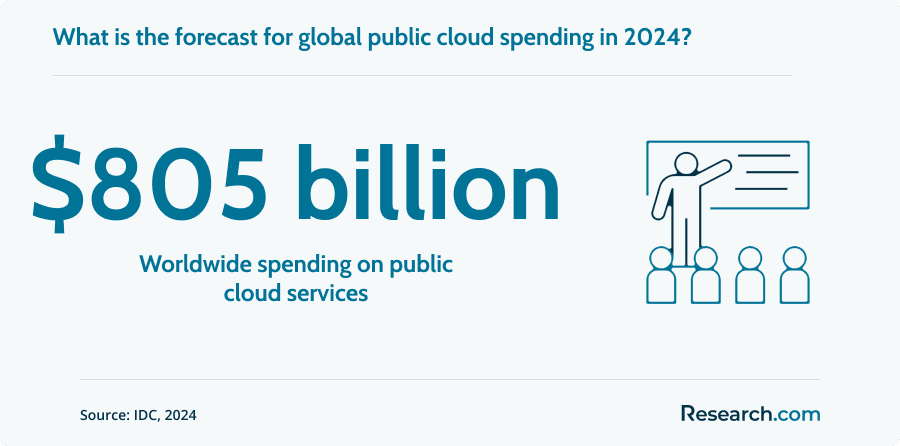
Global investment in cloud infrastructure continues to influence demand for skilled professionals. Spending on public cloud services is projected to reach $805 billion in 2024, according to IDC. For students, that growth can make cloud training attractive, but affordability still matters because many bootcamps do not qualify for traditional federal financial aid.
As with flexible online programs in other fields, such as a creative writing degree online, students should compare both sticker price and available payment options before enrolling.
Common ways to pay for a cloud engineering bootcamp
- Payment plans: Many bootcamps allow students to divide tuition into monthly installments.
- Scholarships and discounts: Some providers offer need-based, merit-based, veteran-focused, women-in-tech, or underrepresented-group scholarships.
- Income share agreements (ISAs): Some programs allow students to delay payments until after they secure qualifying employment and meet a minimum income threshold.
- Employer sponsorship: Employers may pay for cloud training when it supports a current role or internal promotion path.
- Loan financing: Private lenders sometimes partner with bootcamps, but students should review interest rates, repayment terms, and fees carefully.
Before using any financing option, ask for the total repayment amount in writing. A low monthly payment can still be expensive if fees, interest, or deferred tuition terms are not clear.
What are the prerequisites for enrolling in an affordable online cloud engineering bootcamp?
Many affordable online cloud engineering bootcamps are designed for beginners, but “beginner-friendly” does not always mean “easy.” Cloud engineering requires comfort with technical systems, troubleshooting, abstract concepts, and continuous learning. You may not need a college degree or professional IT background, but you should be ready to study consistently and practice outside class.
Common prerequisites
- Basic computer skills: You should be comfortable using operating systems, browsers, file systems, and common productivity tools.
- High school diploma or GED: Some programs ask for proof of secondary education.
- Interest in technology: You should be willing to learn networking, Linux, scripting, cloud platforms, and security concepts.
- Entrance assessment: Some bootcamps use a logic, math, or problem-solving assessment to gauge readiness.
- Reliable equipment: Online learners need a dependable computer and stable internet access.
Prior exposure to Python, Linux, help desk support, networking, or systems administration can make the transition easier, but many programs begin with foundational training. If you are changing careers from a structured field such as healthcare, you may be familiar with programs that build bridges from one credential to another, including the cheapest EMT to RN online bridge programs. Cloud bootcamps work differently, but the same principle applies: know the starting requirements before you enroll.
What courses are typically in an affordable online cloud engineering bootcamp?
Affordable online cloud engineering bootcamps are usually built around practical technical modules. The best programs do not teach cloud services in isolation; they connect cloud platforms to networking, Linux administration, identity management, automation, monitoring, security, and deployment workflows.
Students comparing a bootcamp with broader academic IT programs may also review options such as the cheapest online IT degree. A degree often provides wider academic coverage, while a bootcamp usually prioritizes immediate, hands-on technical preparation.
Common course topics
- Cloud Fundamentals: Introduces cloud service models, deployment models, scalability, availability, and basic infrastructure concepts.
- AWS, Azure, or Google Cloud Training: Covers platform-specific services for compute, storage, networking, databases, identity, and monitoring.
- Linux and Networking Essentials: Builds command-line skills, server management knowledge, IP addressing, routing, DNS, firewalls, and troubleshooting foundations.
- DevOps Tools: Introduces CI/CD workflows, Docker, Kubernetes, Terraform, and automation practices.
- Cloud Security: Covers identity and access management, least privilege, data protection, monitoring, and compliance concepts.
- Infrastructure as Code (IaC): Teaches students how to define, provision, and manage infrastructure using code-based tools.
- Capstone Project: Requires students to complete a practical project that may simulate a deployment, migration, automation workflow, or cloud architecture design.
| Course area | Skills you should gain | Why employers care |
| Linux | Command-line navigation, permissions, processes, logs, package management. | Many cloud workloads run on Linux-based systems. |
| Networking | Subnets, routing, DNS, firewalls, VPNs, load balancing. | Cloud engineers must design and troubleshoot connected systems. |
| Cloud platforms | Compute, storage, databases, IAM, monitoring, deployment. | Employers hire for platform fluency and practical deployment ability. |
| DevOps | CI/CD, containers, Kubernetes, Terraform, automation. | Modern cloud teams rely on repeatable, automated workflows. |
| Security | Access controls, encryption, logging, compliance basics. | Security is built into cloud infrastructure work, not added afterward. |
What types of specializations are available in an affordable online cloud engineering bootcamp?
Some cloud engineering bootcamps offer specialization tracks, while others provide a generalist curriculum. A specialization can help you target a specific role, but it should not replace fundamentals. Before choosing a niche, make sure you understand Linux, networking, security basics, and at least one major cloud platform.
Common specialization options
- Cloud Security: Focuses on access control, threat reduction, compliance, monitoring, encryption, and secure cloud architecture.
- DevOps Engineering: Covers automation, CI/CD, Docker, Kubernetes, infrastructure as code, and release workflows.
- AWS, Azure, or Google Cloud Track: Provides deeper practice with one platform’s services, architecture patterns, and certification pathway.
- Site Reliability Engineering (SRE): Emphasizes monitoring, incident response, reliability, uptime, observability, and automation.
- Cloud Networking: Focuses on virtual networks, VPNs, hybrid environments, routing, load balancing, and connectivity.
- Data Engineering in the Cloud: Combines cloud services with data pipelines, ETL processes, analytics systems, and platforms such as Apache Spark.
Specialization should follow your career target. For example, choose cloud security if you already enjoy risk management and access control. Choose DevOps if you like automation and deployment workflows. Choose a platform-specific track if job postings in your target market repeatedly ask for AWS, Azure, or Google Cloud.
Students in other online technical and creative fields also use specialization to narrow their focus, as seen in the most affordable online audio and music degree programs, where learners may pursue areas such as production or sound engineering. In cloud engineering, specialization works best when it maps directly to employer demand.
This chart highlights the U.S. states where IT professionals earn the highest average salaries, offering insight into where your cloud engineering skills may be most financially rewarding after completing a bootcamp.
How do affordable cloud engineering bootcamps compare to traditional degree programs?
Affordable online cloud engineering bootcamps and traditional degree programs serve different goals. A bootcamp is usually shorter, more skills-focused, and designed around job-ready tools. A degree is usually broader, more theoretical, and often more recognized for long-term academic or management pathways.
For learners who want deep academic preparation in technology and analytics, programs such as data science masters programs online may offer a more extensive graduate-level path. For learners who want faster technical training in cloud infrastructure, a bootcamp may be more direct.
| Option | Best for | Strengths | Limitations |
| Cloud engineering bootcamp | Career changers, IT workers upskilling, and learners who want practical cloud training quickly. | Shorter timeline, hands-on labs, certification prep, lower cost in many cases. | May not carry the same academic weight as a degree; job outcomes depend heavily on skills and effort. |
| Associate or bachelor’s degree | Students seeking broad IT, computer science, or information systems education. | Recognized credential, broader foundation, potential transfer or graduate study options. | Longer timeline and often higher total cost. |
| Master’s degree | Professionals targeting leadership, advanced analytics, architecture, or specialized technical roles. | Advanced academic depth and stronger fit for some senior or research-oriented roles. | Requires significant time, admissions preparation, and investment. |
How to Choose the Best Affordable Online Cloud Engineering Bootcamp
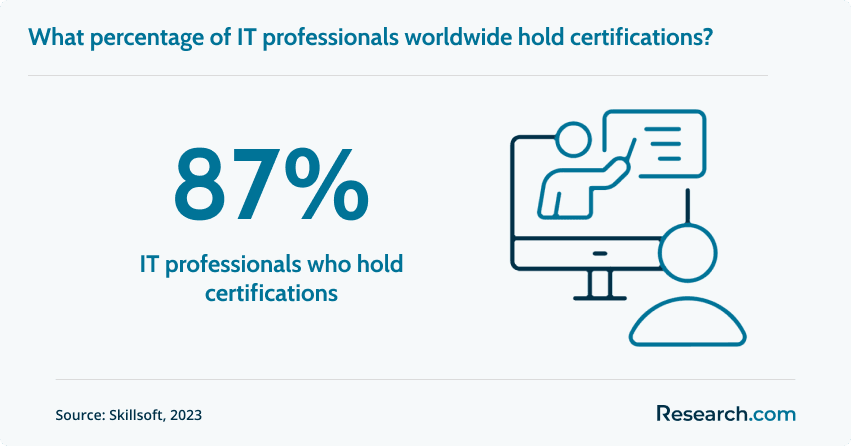
With 87% of IT professionals worldwide holding certifications, choosing a bootcamp that prepares you for certification exams can give you a competitive edge in the job market. Still, certification preparation should not be the only selection factor. A good bootcamp should also teach you how to build, secure, troubleshoot, and explain cloud systems.
If you are comparing multiple affordable online education paths, including options outside technology such as the cheapest online finance degree, the same basic decision rule applies: choose the program that best matches your goal, schedule, budget, and expected return.
Questions to ask before enrolling
| Question | Why it matters |
| Which cloud platforms are taught? | Make sure the curriculum matches job postings in your target market. |
| How many hands-on projects will I complete? | Projects help prove practical ability during interviews. |
| Are certification exam vouchers included? | Included vouchers can reduce out-of-pocket costs. |
| Who teaches the program? | Instructor experience affects the quality of feedback and career guidance. |
| What career services are included? | Resume help, mock interviews, and job search coaching can be valuable for career changers. |
| What is the refund or withdrawal policy? | You need to know your financial risk if the program is not a fit. |
| Does the program publish outcomes data? | Transparent outcomes can help you evaluate credibility, but read the methodology carefully. |
Curriculum relevance
Look for training in AWS, Azure, Google Cloud, Linux, networking, cloud security, DevOps, containers, and infrastructure as code. Avoid programs that rely mostly on videos without meaningful labs or projects.
Cost and payment flexibility
Compare total cost, not just advertised tuition. Ask whether certification vouchers, cloud lab access, tutoring, career support, and required tools are included. If financing is offered, request the full repayment amount.
Learning format
Choose a self-paced program only if you are highly disciplined. Choose live instruction if you need structure, peer interaction, and regular deadlines. Part-time programs often work best for employed students.
Career outcomes
Review graduate feedback, job search support, portfolio expectations, and employer relationships. Be cautious of programs that imply guaranteed employment or unusually high salaries without transparent evidence.
Accreditation and reputation
Bootcamps themselves are not always accredited in the same way degree programs are, but university affiliation, institutional accreditation, recognized industry partners, and transparent curriculum design can improve credibility.
Common mistakes to avoid
- Choosing only by lowest tuition: A cheaper program may offer fewer labs, weaker support, or no certification preparation.
- Ignoring prerequisites: If you lack basic technical readiness, you may need an introductory IT course before starting.
- Assuming certification equals employment: Certifications help, but employers also want projects, communication skills, troubleshooting ability, and persistence.
- Overlooking refund rules: Read the cancellation, withdrawal, and financing terms before paying.
- Skipping portfolio work: Without projects, it is harder to show employers what you can actually do.
- Relying only on rankings: Rankings are a starting point, not a substitute for comparing curriculum, costs, and support.
What additional certifications or interdisciplinary skills will strengthen my cloud engineering career?
A bootcamp can introduce core cloud skills, but long-term career growth usually requires ongoing certification, deeper technical practice, and communication skills. Cloud engineers often work with developers, security teams, finance teams, data teams, and business leaders, so technical ability must be paired with clear documentation and problem-solving.
Certifications that may support a cloud career
- Platform certifications: AWS, Azure, and Google Cloud credentials can validate practical knowledge of specific cloud ecosystems.
- Linux certifications: Credentials such as LFCS can support roles involving server administration and cloud infrastructure.
- Container and orchestration certifications: CKA can be useful for learners targeting Kubernetes-heavy environments.
- Security certifications: Cloud security knowledge can strengthen your profile for infrastructure, compliance, and risk-focused roles.
- Vendor-neutral cloud certifications: CompTIA Cloud+ can help learners build a broad foundation before specializing.
Interdisciplinary skills employers value
- Documentation: Cloud teams need clear runbooks, architecture notes, and incident summaries.
- Cost awareness: Engineers who understand cloud cost controls can help organizations avoid waste.
- Data literacy: Cloud infrastructure often supports analytics, pipelines, and reporting systems.
- Security mindset: Identity, access, logging, encryption, and compliance affect nearly every cloud decision.
- Communication: Cloud engineers must explain technical trade-offs to nontechnical stakeholders.
Professionals interested in data-heavy or science-focused technology work may also explore interdisciplinary career paths through resources such as What can you do with a bioinformatics degree?, which shows how computing and analytics can connect with specialized domains.
What career paths are available for graduates of affordable online cloud engineering bootcamps?
Graduates of affordable online cloud engineering bootcamps may qualify for entry-level or junior roles, especially when they combine bootcamp training with certifications, a strong project portfolio, and prior technical experience. Some students move directly into cloud support or junior cloud roles, while others start in IT support, systems administration, or DevOps support and progress into cloud engineering over time.
Common career paths
- Cloud Engineer: Builds, maintains, and improves cloud infrastructure using platforms such as AWS, Azure, or Google Cloud.
- DevOps Engineer: Supports automation, CI/CD pipelines, deployment processes, and infrastructure reliability.
- Solutions Architect: Designs cloud-based systems that meet business, performance, security, and cost requirements.
- Site Reliability Engineer (SRE): Improves system reliability through monitoring, automation, incident response, and performance practices.
- Cloud Support Specialist: Troubleshoots cloud platform issues, assists users, and escalates complex infrastructure problems.
- Infrastructure Engineer: Manages networks, storage, compute resources, identity systems, and hybrid cloud environments.
According to the U.S. Bureau of Labor Statistics, jobs in computer and IT are projected to grow 15% from 2021 to 2031—much faster than the average for all occupations. That broader growth supports cloud-related opportunities, especially for candidates who can demonstrate practical ability.
Some graduates also combine cloud skills with analytics training. For example, learners interested in cloud-based data platforms may compare bootcamp training with an affordable data analytics degree online to decide whether they want to focus more on infrastructure, analytics, or both.
What is the job market for graduates of affordable online cloud engineering bootcamps?
Graduates of affordable online cloud engineering bootcamps are entering a large and competitive technology labor market. The global cloud computing market reached $676.29 billion in 2024 and continues to expand as organizations move applications, storage, analytics, security operations, and development workflows into cloud environments.
The U.S. Bureau of Labor Statistics projects a 15% growth in cloud computing employment opportunities from 2021 to 2031, a rate much faster than the average for all occupations. However, job seekers should understand that many cloud engineering roles still require proof of technical ability, not just program completion.
High demand
The cloud computing sector is expected to grow 14% annually and create one million new jobs by 2024. Demand spans technology, finance, healthcare, education, government, retail, and consulting. Cloud adoption increases the need for professionals who can deploy secure infrastructure, automate workflows, monitor systems, reduce costs, and support migration projects.
Competitive salaries
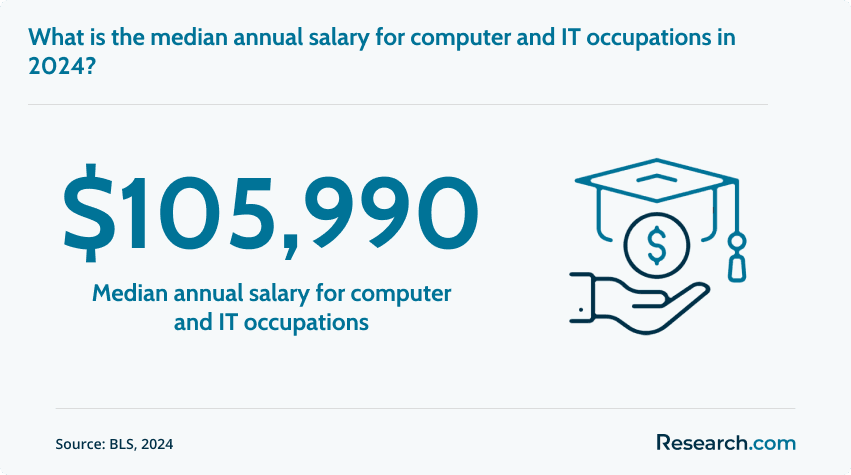
Computer and IT occupations in the United States earn a median annual wage of $105,990. With experience, salaries can increase significantly, with senior roles commanding over $200,000 per year. Specialized positions, such as Cloud Solutions Architects and Cloud Security Engineers, often exceed $230,000 annually. These figures highlight strong earning potential, but they should not be read as guaranteed outcomes for new bootcamp graduates.
Remote opportunities
Many cloud roles offer remote or hybrid work because cloud systems can often be managed from anywhere with secure access. Remote work can expand job options beyond a local market, but it can also increase competition because employers may receive applications from a wider candidate pool.
What Ensures Long-Term Career Impact from Your Cloud Engineering Bootcamp?
The long-term value of a cloud engineering bootcamp depends on more than the first job search. A useful program should teach adaptable fundamentals, update its curriculum as cloud platforms evolve, and give students habits for continuous learning. Cloud tools change quickly, but the need to understand networking, identity, security, automation, systems thinking, and troubleshooting remains constant.
Look for programs that maintain current labs, cover emerging employer expectations, and provide alumni access to mentorship or career support. Programs with industry-aligned projects, active employer relationships, and continued learning resources may offer stronger value after graduation. Students comparing fast technical pathways can also review the fastest online information technology degree options to understand how bootcamps and degree programs differ in speed and scope.
Signs a bootcamp may have lasting value
- The curriculum includes fundamentals, not just tool walkthroughs.
- Students complete portfolio-ready cloud projects.
- The program prepares learners for relevant certifications without teaching only to the exam.
- Career support continues after completion.
- Instructors or mentors have current industry experience.
- The program is transparent about costs, refund policies, and job support limitations.
What further education opportunities can enhance your cloud engineering career?
A bootcamp can help you enter or move within the cloud field, but many professionals continue learning through certifications, advanced courses, degree programs, and specialized training. Additional education can be especially useful if you want to move into cloud architecture, cybersecurity, DevOps leadership, data engineering, platform engineering, or technology management.
Further education options may include vendor certifications, cybersecurity credentials, Linux administration training, Kubernetes training, data engineering coursework, project management education, or graduate study. Professionals who want to combine cloud infrastructure with healthcare data and systems may consider programs such as online masters health informatics, depending on their long-term goals.
Here’s What Graduates Have to Say About Affordable Online Cloud Engineering Bootcamps
The online schedule made it possible for me to keep working full time while learning AWS and Azure. Three months after finishing the bootcamp, I accepted a junior cloud engineering role and increased my salary by 40%. Carlo
I was concerned about paying for upskilling, but the affordable program included practical projects, feedback, and certification preparation that felt comparable to more expensive options. I now feel more prepared to support cloud migration work at my company. Amina
The practical assignments helped me the most. I finished with a portfolio of cloud deployments and containerized applications that gave me concrete examples to discuss in interviews. The online community also kept me motivated. Logan
References:
- AAG IT Services. (2025). The latest cloud computing statistics. AAG IT Services.
- IDC. (2024, January 24). Worldwide public cloud services spending to reach $805 billion in 2024, according to a new forecast from IDC. IDC.
- Skillsoft. (2023). IT skills and salary report 2023. Skillsoft.
- U.S. Bureau of Labor Statistics. (2024). Computer and information technology occupations. Occupational Outlook Handbook. U.S. Bureau of Labor Statistics.
Key Insights
- Affordable online cloud engineering bootcamps usually cost $2,000 to $6,000 and can often be completed in 3 to 9 months, making them a faster and lower-cost option than many longer programs.
- A strong bootcamp should include cloud labs, Linux, networking, security, DevOps tools, infrastructure as code, certification preparation, and portfolio projects.
- Bootcamps are best for motivated learners who want practical skills quickly; they are not a guaranteed path to a senior cloud job or a specific salary.
- Cloud engineers earn a median salary of around $120,000 per year, while computer and IT occupations in the United States earn a median annual wage of $105,990, but actual earnings depend on experience, location, credentials, and role level.
- With 87% of IT professionals worldwide holding certifications, bootcamp students should consider programs that align with recognized credentials such as AWS, Azure, Google Cloud, CompTIA Cloud+, LFCS, or CKA.
- Do not choose a bootcamp based only on tuition. Compare total cost, financing terms, refund policies, instructor access, project depth, certification support, and career services.
- The best long-term strategy is to treat a bootcamp as the start of your cloud career, then keep building through certifications, real projects, work experience, and specialized training.
Other Things You Should Know About Affordable Online Cloud Engineering Bootcamps
Prerequisites vary, but most 2027 affordable cloud engineering bootcamps require basic computer skills and familiarity with programming concepts. Some may ask for prior experience with cloud platforms like AWS or Google Cloud, but these are often not strict requirements for enrollment.
Yes. Most 2027 affordable online cloud engineering bootcamps require hands-on labs, guided projects, and a final capstone using AWS, Microsoft Azure, or Google Cloud Platform. These practical assignments are usually part of the graded curriculum and help students build an entry-level cloud portfolio.