2027 How to Become a Nurse Practitioner in Hawaii

Co-Founder and Chief Data Scientist
Becoming a nurse practitioner in Hawaii is a high-stakes licensing and education decision. You need the right nursing degree, active RN licensure, graduate-level preparation, national certification, and approval from the Hawaii Board of Nursing before you can practice as an NP in the state. The path can be rewarding: according to the US Health Resources & Services Administration, 34% of NPs who live in Hawaii report being “extremely satisfied” with their jobs, while 52% say they are “moderately satisfied.”
This guide explains how to become a nurse practitioner in Hawaii, what degree you need, how licensing works, what programs may cost, how long the process can take, and which specialties and work settings may fit your goals. It is designed for BSN students, registered nurses, LPNs planning a long-term nursing pathway, paramedics considering a nursing bridge, and healthcare workers comparing advanced practice careers in Hawaii.
Quick Answer: How to Become a Nurse Practitioner in Hawaii
To become a nurse practitioner in Hawaii, you generally need to earn a BSN or qualify as an RN through an approved pathway, pass the NCLEX-RN, hold an active RN license, complete an accredited MSN or DNP nurse practitioner program, finish the required supervised clinical training, pass a national certification exam in your specialty, and apply through the Hawaii Board of Nursing. Hawaii NP applicants should also plan for fingerprinting, a criminal background check, application fees, and continuing education after licensure.
Essential Facts for Future Nurse Practitioners in Hawaii
- Hawaii nurse practitioner candidates need graduate nursing education, typically an MSN or DNP, plus national certification from an approved organization such as the American Association of Nurse Practitioners (AANP) or the American Nurses Credentialing Center (ANCC).
- The average salary for nurse practitioners in Hawaii is approximately $132,610 per year as of 2023, compared with a national average of around $128,490. Actual pay can differ by specialty, employer, experience, and island or city.
- NP employment in Hawaii is projected to grow 45% from 2020 to 2030, compared with 31% nationally during the same period.
- Hawaii has about 1,200 NPs serving a population of approximately 1.4 million, which points to ongoing need for advanced practice providers, especially in areas with limited healthcare access.
- Nurse practitioners in Hawaii may work in hospitals, community clinics, private practices, retail clinics, specialty offices, telehealth settings, and rural or underserved communities.
- Steps to become a nurse practitioner in Hawaii
- Degree requirements for Hawaii nurse practitioners
- Hawaii NP licensing requirements
- Continuing education and renewal rules
- NP program length in Hawaii
- Estimated NP program costs in Hawaii
- Nurse practitioner scope of practice in Hawaii
- Other healthcare careers to compare in Hawaii
- Challenges nurse practitioners face in Hawaii
- Whether a BSN is the best foundation for NP school
- How nutrition knowledge can strengthen NP care
- Paramedic-to-NP pathway options in Hawaii
- Telehealth and nurse practitioner practice in Hawaii
- LPN-to-NP pathway planning in Hawaii
- Career advancement steps for Hawaii NPs
- Online NP program benefits for Hawaii students
- Nurse midwifery as an advanced practice option
- How to monitor Hawaii licensing changes
- NP specialization options in Hawaii
- Job prospects by NP specialty in Hawaii
- Nurse practitioner salary expectations in Hawaii
- How to choose a Hawaii nurse practitioner program
How do you become a nurse practitioner in Hawaii?
The usual route to becoming a nurse practitioner in Hawaii starts with registered nursing preparation. Many students complete a Bachelor of Science in Nursing, which typically takes four years. After graduating from an approved RN program, candidates must pass the National Council Licensure Examination for Registered Nurses, commonly known as the NCLEX-RN, and obtain RN licensure.
After becoming an RN, the next major step is graduate nursing education. Hawaii NP candidates complete either a Master of Science in Nursing or a Doctor of Nursing Practice. These graduate programs usually require another two to four years, depending on whether the student enrolls full time, studies part time, chooses an MSN or DNP, or enters with transfer credits or prior graduate coursework.
Once the graduate program is complete, the candidate must earn national board certification in the population focus or specialty area they plan to practice in. Examples include family practice, pediatrics, adult-gerontology, and psychiatric-mental health. The Hawaii Department of Commerce and Consumer Affairs, through the nursing regulatory process, oversees licensure-related requirements, while applicants submit documentation showing education, certification, identity, and eligibility.
| Stage | What you complete | Why it matters |
| Undergraduate nursing preparation | Complete a BSN or another approved RN pathway | Builds the nursing foundation required for RN licensure and graduate admission |
| RN licensure | Pass the NCLEX-RN and meet Hawaii RN licensing rules | NP programs and advanced practice licensure require registered nursing status |
| Graduate NP education | Earn an accredited MSN or DNP with an NP specialty | Provides advanced clinical, diagnostic, pharmacology, and population-focused training |
| National certification | Pass the specialty certification exam from an approved certifying body | Confirms readiness for the NP population focus listed on the license |
| Hawaii application | Submit board-required forms, fees, fingerprinting, and background check materials | Allows the state to verify legal and professional eligibility to practice |
What degree do you need to become a nurse practitioner in Hawaii?
Hawaii nurse practitioners need graduate-level nursing education. In practical terms, that means completing an MSN or DNP program that prepares students for an advanced practice registered nurse role and an NP population focus. A BSN is commonly the starting point, although some nurses enter through bridge or RN-to-graduate pathways depending on their prior education.
The MSN is often the shorter graduate route, while the DNP provides doctoral-level preparation with stronger emphasis on systems leadership, evidence-based practice, quality improvement, and advanced clinical decision-making. Nurses who want the fastest doctoral route sometimes compare accelerated options such as the shortest DNP program, but speed should not outweigh accreditation, clinical placement quality, or certification eligibility.
Several Hawaii institutions offer advanced nursing pathways. The University of Hawaii at Manoa offers a Master of Science in Nursing with specialization options that include Family Nurse Practitioner and Psychiatric Mental Health Nurse Practitioner. Hawaii Pacific University offers a DNP program built for advanced practice preparation. Chaminade University of Honolulu offers a Family Nurse Practitioner program with emphasis on holistic and community-based care.
| Degree option | Best fit | Main trade-off |
| BSN | Students who want the strongest undergraduate foundation before graduate NP study | Usually takes longer than some entry-level RN routes but may strengthen graduate readiness |
| MSN-NP | RNs who want graduate preparation for NP certification and practice | Generally shorter than a DNP but may offer less doctoral-level leadership training |
| DNP-NP | Nurses seeking doctoral preparation, advanced systems knowledge, and broader leadership options | Can require more time and credits than an MSN route |
| Bridge pathway | RNs or healthcare workers with prior credentials who need a structured transition | Admission rules, transfer credits, and clinical requirements vary by program |
What are the licensing requirements for nurse practitioners in Hawaii?
Hawaii NP licensure depends on three core qualifications: graduate nursing education, national certification, and eligibility under state board rules. Candidates need a Master’s or Doctoral degree in nursing from an accredited program and must pass the national certification exam that matches their intended specialty. Common certifying organizations include the AANP and ANCC.
The Hawaii Board of Nursing handles the licensing process. Applicants submit a completed application, required documents, and a non-refundable fee that typically ranges from $50 to $150, depending on the license type. Hawaii also requires fingerprinting and a criminal background check. Applicants are responsible for related costs, which can vary but generally fall between $50 and $75.
Hawaii’s NP preparation includes a minimum of 1,000 hours of supervised clinical practice completed as part of the educational program. Students should confirm that their program’s clinical structure satisfies Hawaii expectations before enrolling, especially if they are considering an online or out-of-state program.
| Requirement | What to verify before applying |
| Graduate nursing degree | The MSN or DNP should be accredited and designed for NP practice in the chosen specialty |
| National certification | The certification exam must match the NP population focus, such as family, pediatric, adult-gerontology, or psychiatric-mental health |
| Clinical hours | The program should document at least 1,000 hours of supervised clinical practice |
| Application fee | Plan for a non-refundable fee that typically ranges from $50 to $150 |
| Background process | Budget for fingerprinting and a criminal background check, generally between $50 and $75 |
The number of nurse practitioners in the United States has continued to increase, as illustrated in the chart below.
What are the continuing education requirements for nurse practitioners in Hawaii?
Hawaii nurse practitioners must complete continuing education to keep their licenses active. The Hawaii Board of Nursing requires at least 30 hours of continuing education every two years. This requirement helps NPs maintain current knowledge in clinical practice, patient safety, pharmacology, legal responsibilities, and specialty-specific care.
Hawaii does not require a separate number of clinical hours for renewal, which can give working NPs more flexibility. However, NPs must also maintain current national certification from an approved credentialing organization such as the ANCC or AANP. Because certification bodies may have their own renewal requirements, NPs should track both state renewal rules and national certification deadlines.
A practical renewal strategy is to choose CE courses that serve both compliance and career goals. For example, a psychiatric-mental health NP may prioritize trauma-informed care, medication management, or telepsychiatry, while an FNP working in a rural clinic may focus on diabetes, hypertension, preventive care, and culturally responsive communication.
How long does it take to complete a nurse practitioner program in Hawaii?
Nurse practitioner programs in Hawaii usually take two to four years after RN preparation, depending on degree level, enrollment pace, specialty, and clinical placement availability. MSN programs commonly take two to three years. DNP programs may take longer, especially when they include additional doctoral coursework, leadership projects, and expanded clinical requirements.
- Family Nurse Practitioner programs commonly require about 2-3 years.
- Psychiatric Mental Health Nurse Practitioner programs often take approximately 2-3 years.
- Adult-Gerontology Nurse Practitioner programs may take 2-4 years, depending on curriculum design and clinical expectations.
Students who continue working while enrolled should build in extra time for clinical scheduling, travel between islands or clinical sites, certification exam preparation, and board application processing. The fastest program is not always the best choice if it offers weak clinical support or does not align with Hawaii licensure requirements.
| Pathway | Typical time frame | What can extend the timeline |
| BSN to MSN-NP | Usually two to three years after the BSN | Part-time enrollment, limited clinical sites, specialty coursework, or work obligations |
| BSN to DNP-NP | Often longer than an MSN route | Doctoral project requirements, additional credits, and expanded clinical expectations |
| RN bridge to graduate nursing | Varies by prior education and transfer credit | Prerequisites, bridge coursework, and admission requirements |
| LPN to NP long-term pathway | Requires multiple stages before NP school | RN preparation, BSN completion, graduate admission, and NP clinical requirements |
What are the costs associated with a nurse practitioner program in Hawaii?
The cost of a Hawaii nurse practitioner program depends on the school, degree level, number of credits, residency policies, fees, clinical expenses, and whether the student studies online or on campus. At Hawaii Pacific University, the Family Nurse Practitioner program charges around $1,065 per credit hour, creating an estimated tuition total of $47,925 for 45 credit hours. That estimate does not include added costs such as a $55 application fee and a $200 deposit credited toward tuition.
At the University of Hawaii at Manoa, the DNP program requires 77 credits, and tuition rates may change based on institutional policy. Students should also budget for textbooks, software, background checks, health requirements, clinical travel, professional liability coverage, certification exam fees, and university charges. For students attending in-person classes, Hawaii’s living costs can also affect the total investment.
Because NP salaries can be strong, many students focus only on future earnings. That is a mistake. A better approach is to compare total program cost against expected specialty, employer type, part-time work options, financial aid, scholarship eligibility, and the likelihood of completing clinical placements without major delays. Nurses comparing advanced practice roles may also research specialty compensation, such as how much a neonatal nurse makes, before choosing a track.
| Cost category | Why it matters | Question to ask the school |
| Tuition | Credit-hour pricing drives the largest direct expense | What is the total tuition for the full NP track, not just the per-credit price? |
| Fees and deposits | Application, technology, clinical, and enrollment fees can add up | Which fees are mandatory, and which are refundable? |
| Clinical expenses | Students may pay for travel, documentation, immunizations, or placement requirements | Does the program help secure Hawaii clinical sites? |
| Certification and licensing | Graduates must pay for certification, background checks, and state application steps | Which post-graduation costs should students expect? |
| Living and work trade-offs | Reduced work hours can be a hidden cost | Can students complete the program while working part time or full time? |
What is the scope of practice for nurse practitioners in Hawaii?
Nurse practitioners in Hawaii provide advanced clinical care that can include patient assessment, diagnosis, ordering and interpreting diagnostic tests, treatment planning, prescribing, health education, chronic disease management, and preventive care. Hawaii NPs also have authority to sign Physician Orders for Life-Sustaining Treatment forms, often referred to as POLST forms.
At the same time, Hawaii is classified as a reduced practice state for NPs. That means nurse practitioners may need a supervisory or collaborative agreement with a physician for certain services. NPs can prescribe medications, including controlled substances from Schedules II-V, but must follow applicable rules and agreement requirements.
This practice environment matters for career planning. Reduced practice rules can affect how independently an NP can work, how quickly care can be delivered in some settings, and what employment arrangements are available. Advocacy groups, including the American Association of Nurse Practitioners, have supported policy changes that would expand NP practice authority, particularly because greater flexibility may improve access in rural and underserved communities.
Licensed practical nurses who are planning a step-by-step nursing advancement route can compare options such as the best 6-month LPN to RN programs online. These programs may help some students move toward RN eligibility before later pursuing BSN and graduate NP preparation.
What other healthcare careers are available in Hawaii?
Not every healthcare professional who wants advanced responsibility needs to become a nurse practitioner. Hawaii also has roles in pharmacy, nursing, medical billing and coding, ultrasound technology, nutrition, midwifery, and other allied health fields. If you are comparing patient-care and medication-focused roles, review how to become a pharmacist in Hawaii to understand the education and licensure differences between pharmacy and nursing pathways.
| Career option | May appeal to students who want | How it differs from NP practice |
| Nurse practitioner | Advanced nursing diagnosis, treatment, and patient management responsibilities | Requires RN licensure, graduate nursing education, and NP certification |
| Pharmacist | Medication expertise, dispensing oversight, and drug therapy knowledge | Follows a pharmacy education and licensure pathway rather than an RN-to-NP pathway |
| Nutritionist | Diet, wellness, and prevention-focused work | May complement NP practice but does not replace NP licensure |
| Medical biller and coder | Healthcare administration and records-based work | Usually involves less direct patient care |
| Ultrasound technician | Diagnostic imaging and technical clinical work | Focuses on imaging procedures rather than advanced diagnosis and prescribing |
What challenges do nurse practitioners face in Hawaii?
Hawaii NPs face challenges that are different from those in many mainland states. Geography can make access to specialty care, clinical placements, continuing education, and peer networking more difficult. Travel between islands may complicate training, referrals, and professional collaboration. NPs also need strong cultural humility because Hawaii’s communities are diverse and healthcare expectations can vary across local populations.
The reduced practice environment is another important consideration. Collaborative or supervisory requirements can influence job design, clinic operations, and the pace of care. NPs who want to build long-term careers in the state should stay informed about regulations, join professional networks, seek mentors early, and understand how employers structure advanced practice roles. For a broader overview of nursing pathways, see how to become a nurse in Hawaii.
Should you pursue a BSN for a successful NP career in Hawaii?
A BSN is often the most practical foundation for future nurse practitioners, even though registered nursing can begin through more than one educational route. BSN programs typically include broader preparation in leadership, public health, research literacy, community nursing, and complex care coordination. Those areas can make the transition to graduate NP study smoother.
For Hawaii students, the BSN can be especially useful because community health, culturally responsive care, and systems-level thinking are relevant to local practice. Students deciding between entry-level nursing credentials should compare the long-term implications in this RN vs BSN guide before choosing the quickest route.
Can nurse practitioners improve patient outcomes through nutrition expertise?
Nutrition knowledge can strengthen NP practice, particularly in primary care, pediatrics, adult-gerontology, women’s health, and chronic disease management. In Hawaii, where NPs may work with patients managing diabetes, cardiovascular concerns, obesity, renal disease, pregnancy-related nutrition needs, and preventive health goals, nutrition counseling can make care more practical and patient-centered.
NPs do not need to become nutritionists to discuss diet within their scope, but additional training can improve counseling confidence and referral decisions. Nurses interested in a separate nutrition-focused career can review how to become a nutritionist in Hawaii.
Can Paramedics Transition Directly to Nurse Practitioner Roles in Hawaii?
Paramedics cannot typically move straight into NP practice without first becoming registered nurses and completing graduate nursing education. However, paramedic experience can be valuable because it develops emergency assessment, triage, communication, and patient stabilization skills.
A realistic pathway starts with RN preparation. A paramedic to RN bridge program may help experienced paramedics convert prior healthcare knowledge into nursing academic progress. After RN licensure, the next steps are BSN completion if needed, graduate NP admission, specialty training, national certification, and Hawaii licensure.
How is telehealth shaping nurse practitioner practice in Hawaii?
Telehealth is especially relevant in Hawaii because distance, island geography, and provider shortages can limit timely access to care. Nurse practitioners may use video visits, remote monitoring, electronic health records, digital patient education, and team-based virtual care to support patients who cannot easily travel to a clinic.
Telehealth does not remove licensing, scope-of-practice, privacy, or documentation responsibilities. NPs should complete continuing education in digital care workflows, prescribing rules, privacy compliance, and when to convert a virtual visit to in-person care. Students comparing healthcare careers with more administrative or remote-friendly duties can also research the average salary for medical biller in Hawaii to understand how clinical and nonclinical roles differ.
How can an LPN transition to an NP role in Hawaii?
An LPN can pursue an NP career, but the route is multi-step. The nurse must move from LPN to RN, complete any required BSN coursework or an approved bridge pathway, gain nursing experience, enter an accredited MSN or DNP nurse practitioner program, complete supervised clinical practice, pass national certification, and apply for Hawaii NP licensure.
The key is planning the pathway before enrolling in the first bridge program. LPNs should ask whether credits transfer, whether the school is properly approved, whether the pathway supports future BSN or graduate admission, and whether the schedule works with employment. For the first stage, review how to become an LPN in Hawaii.
What steps can nurse practitioners take to advance their careers in Hawaii?
Career growth for Hawaii NPs often comes from specialization, leadership, community engagement, and stronger clinical expertise. NPs can pursue additional certifications, preceptor roles, quality improvement projects, telehealth training, rural health experience, or leadership responsibilities in clinics and health systems.
Professional networking matters because Hawaii’s healthcare market is interconnected and geographically distinct. Joining state and national organizations, finding mentors, presenting at professional events, and teaching or precepting students can open opportunities. NPs considering further academic preparation or leadership roles can explore the best nursing schools in Hawaii to compare local education options.
What are the advantages of online nurse practitioner programs in Hawaii?
Online nurse practitioner programs can be useful for Hawaii nurses who need to keep working, live far from campus, or balance family responsibilities. Online coursework may reduce commuting and make it easier to study from another island or a rural community. However, online does not mean fully remote: NP students still need supervised clinical experiences that meet program and state requirements.
The best online option is one that is accredited, transparent about clinical placement responsibilities, aligned with Hawaii licensure expectations, and supportive of students who need local preceptors. Before enrolling, ask whether the school has existing Hawaii clinical partnerships or whether students must locate sites independently. To compare options, review the best online nursing programs in Hawaii.
| Online NP programs | Campus-based NP programs |
| Often better for working nurses who need schedule flexibility | May provide easier access to in-person faculty, labs, and campus resources |
| Require careful review of clinical placement support | May have established local clinical relationships |
| Can reduce commuting between home, work, and school | May require regular travel to campus |
| Quality depends heavily on accreditation, faculty access, and clinical coordination | Quality depends on curriculum, faculty, simulation resources, and placement variety |
Is Becoming a Nurse Midwife a Viable Career Path in Hawaii?
Nurse midwifery can be a strong advanced practice option for nurses interested in pregnancy, birth, postpartum care, reproductive health, and family-centered services. It is not the same as becoming a family nurse practitioner, although both are advanced nursing roles that require graduate education, certification, and state authorization.
In Hawaii, nurse midwives may serve communities where culturally responsive maternal and infant care is important. Nurses considering this direction should compare certification requirements, clinical training, scope of practice, and job settings before choosing between an NP specialty and midwifery. For details, see how to become a nurse midwife in Hawaii.
How can nurse practitioners stay informed about evolving licensing regulations in Hawaii?
Licensing rules, scope-of-practice interpretations, renewal requirements, and prescribing regulations can change. Hawaii nurse practitioners should regularly check official board communications, professional association updates, employer compliance notices, and national certification requirements.
A simple compliance routine can prevent problems: review licensing rules before each renewal cycle, save CE certificates, track national certification expiration dates, confirm prescribing requirements, and document any employer-required collaborative agreements. For broader nursing licensure information, use Hawaii nursing license requirements.
What are the different specializations for nurse practitioners in Hawaii?
Hawaii nurse practitioners can choose from several population-focused specialties. The most common include Family Nurse Practitioner, Pediatric Nurse Practitioner, Adult-Gerontology Nurse Practitioner, and Psychiatric-Mental Health Nurse Practitioner. The right choice depends on the patients you want to serve, the type of care you want to provide, and the job settings available in your area.
Family Nurse Practitioners provide primary care across the lifespan. They often work in clinics, private practices, community health centers, and rural care settings. This specialty is popular because it offers broad training in health promotion, disease prevention, common acute issues, and chronic disease management.
Pediatric Nurse Practitioners focus on infants, children, and adolescents. Their work may include wellness visits, immunization support, developmental screening, acute pediatric illness management, and care coordination for children with complex conditions.
Adult-Gerontology Nurse Practitioners care for adults and older adults. This specialty is relevant in settings that manage chronic illness, aging-related conditions, preventive care, and complex medication needs.
Psychiatric-Mental Health Nurse Practitioners assess, diagnose, and treat mental health conditions. In Hawaii, this specialty can be important because access to behavioral health services may be limited in some communities.
Before selecting a specialty, compare both fit and compensation. For example, nurses interested in aesthetics can review resources that explain how much aesthetic cosmetic nurses make before deciding whether that path matches their financial and clinical goals.
| Specialty | Primary patient group | Common work settings | Best fit for nurses who enjoy |
| Family Nurse Practitioner | Patients across the lifespan | Primary care, community clinics, private practice, rural clinics | Broad primary care and long-term patient relationships |
| Pediatric Nurse Practitioner | Infants, children, and adolescents | Pediatric practices, clinics, hospitals, school-linked care | Child health, family education, and developmental care |
| Adult-Gerontology Nurse Practitioner | Adults and older adults | Primary care, internal medicine, long-term care, specialty clinics | Chronic disease management and aging-related care |
| Psychiatric-Mental Health Nurse Practitioner | Patients with behavioral health needs | Mental health clinics, integrated care, telehealth, community agencies | Assessment, therapy-informed care, and medication management |
Family Nurse Practitioner remains the most common NP specialization in the United States, as shown in the visual below.
What are the job prospects for nurse practitioners in different specialties in Hawaii?
Job prospects for nurse practitioners in Hawaii are strong because of healthcare access needs, demand for primary care, an aging population, and the importance of services in rural and underserved communities. NPs trained in primary care, geriatrics, and mental health may be especially well positioned, although local opportunities vary by island, employer, and specialty.
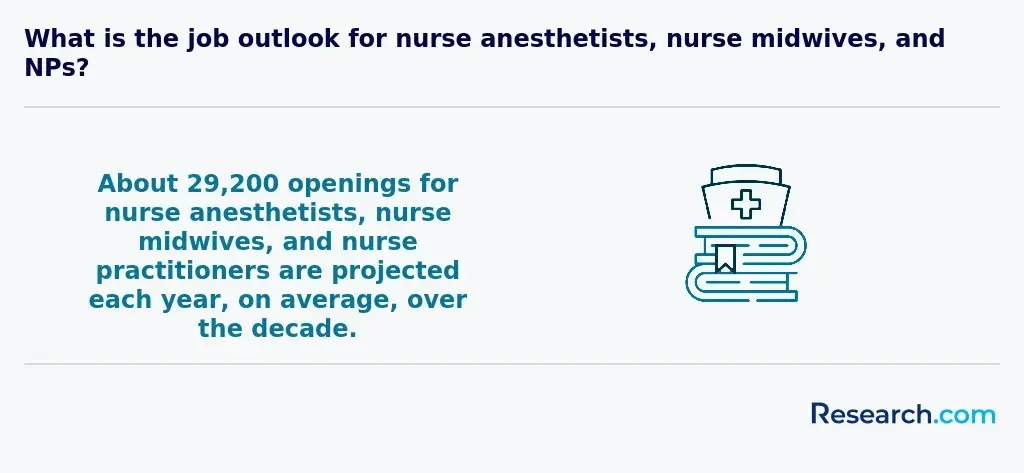
Long-term projections are also favorable. Hawaii is expected to see approximately 44.5% growth for NPs from 2022 to 2032. Nationally, NP employment is projected to increase by 46%, representing over 110,000 new positions. These projections do not guarantee a specific job for any graduate, but they do suggest continued demand for advanced practice nursing.
Common employers of nurse practitioners in Hawaii include:
- Hospitals and health systems serving local and regional patient needs.
- Community health clinics that care for underserved populations and patients with limited insurance access.
- Retail clinics in pharmacies or grocery-based settings that provide convenient care for minor illnesses and preventive services.
- Private practices and specialty clinics focused on chronic disease, behavioral health, pediatrics, geriatrics, or trauma-related care.
Nurses considering a move into a less front-facing clinical role may compare diagnostic imaging careers and review how much ultrasound technicians make before deciding whether an allied health route better matches their lifestyle and income goals.
| Specialty area | Why demand may be strong in Hawaii | Decision point |
| Family practice | Primary care access remains a central need in many communities | Choose this if you want broad care across ages |
| Psychiatric-mental health | Behavioral health access can be limited, especially outside major urban centers | Choose this if you are committed to mental health care and complex patient relationships |
| Adult-gerontology | Older adults often need chronic disease management and medication coordination | Choose this if you prefer adult and aging-focused care |
| Pediatrics | Children and families need preventive care, acute visits, and developmental support | Choose this if you want to specialize in child and adolescent health |
What are the salary expectations for nurse practitioners in Hawaii?
Nurse practitioners in Hawaii can earn competitive wages, but salary should be evaluated alongside cost of living, debt, specialty choice, work setting, and schedule. As of 2024, the average annual salary for NPs in Hawaii is approximately $132,610, about 8% higher than the national average of $128,490. The median salary is around $131,000. The lower 10% earn around $80,130, while the top 10% can earn over $167,750 annually.
Honolulu is reported as the highest-paying city for Hawaii NPs, with an average salary of about $160,540. Hilo and other urban areas may also offer competitive pay, especially as demand grows for preventive care and advanced practice services. Specialty can influence earnings as well, with family, pediatric, adult, and psychiatric care offering different pay patterns depending on employer need and patient population.
When evaluating salary, avoid assuming that the statewide average reflects your first job offer. New graduates, part-time workers, rural providers, telehealth clinicians, and highly experienced specialists may see very different compensation packages. Compare base salary, benefits, loan repayment options, continuing education support, productivity expectations, call requirements, and relocation or travel demands.
| Salary figure | Amount stated | How to interpret it |
| Hawaii average annual NP salary | Approximately $132,610 | A useful benchmark, not a guaranteed starting salary |
| National average annual NP salary | Around $128,490 | Used to compare Hawaii pay with national earnings |
| Median salary | Around $131,000 | Represents the midpoint, with half above and half below |
| Lower 10% | Around $80,130 | May reflect entry-level roles, part-time work, or lower-paying settings |
| Top 10% | Over $167,750 | Usually tied to experience, specialization, location, and employer type |
| Honolulu average | About $160,540 | Shows that local pay can differ substantially within the state |
How to Choose the Best Nurse Practitioner Program in Hawaii
The best nurse practitioner program is not simply the cheapest, fastest, or highest-ranked option. It is the program that prepares you for Hawaii licensure, national certification, supervised clinical practice, and the specialty you actually want to enter. Before applying, compare accreditation, degree level, clinical placement support, certification pass preparation, faculty experience, cost, schedule flexibility, and student support.
Accreditation should be non-negotiable. Look for programs accredited by recognized nursing education bodies such as the Commission on Collegiate Nursing Education or the Accreditation Commission for Education in Nursing. Accreditation can affect licensure, certification eligibility, credit transfer, employer confidence, and financial aid access.
Clinical placement support is especially important in Hawaii. Ask whether the program arranges placements, whether students must find preceptors independently, and whether clinical sites are available on your island or require travel. A strong curriculum is not enough if you cannot complete the supervised hours needed for graduation and licensure.
Students should also compare specialty alignment. If you want psychiatric-mental health practice, do not enroll in a family NP program simply because it is nearby. If you want primary care across age groups, an FNP program may be more appropriate than a narrower population focus. For a program comparison, review the best nurse practitioner programs in Hawaii.
| What to check | Why it matters | Red flag |
| Accreditation | Supports certification, licensure, and employer acceptance | The school cannot clearly identify its nursing accreditation status |
| Clinical placement model | Determines whether you can complete required supervised practice | Students are fully responsible for finding clinical sites with little help |
| Specialty fit | Your certification exam and future role depend on the population focus | The program does not offer your intended NP track |
| Total cost | Tuition is only one part of the financial commitment | The school advertises low tuition but does not disclose fees or clinical costs |
| Schedule format | Working nurses need realistic pacing and course delivery | The program’s clinical or campus requirements conflict with your job or location |
| Licensure alignment | Out-of-state and online programs may not automatically meet Hawaii requirements | The school will not confirm whether graduates are prepared for Hawaii NP licensure |
Common Mistakes to Avoid When Becoming an NP in Hawaii
- Choosing a program before checking accreditation. Accreditation affects licensure, certification, financial aid, and employer confidence.
- Assuming every online NP program works for Hawaii. Online coursework may be flexible, but clinical placement and state eligibility still matter.
- Focusing only on tuition. Fees, clinical travel, certification exams, background checks, and lost work hours can change the true cost.
- Selecting a specialty based only on salary. Specialty fit affects daily work, patient population, burnout risk, and long-term satisfaction.
- Waiting too long to plan clinical placements. Hawaii’s geography can make preceptor and site availability a serious scheduling issue.
- Assuming salary averages apply to new graduates. Pay varies by experience, location, specialty, employer, and schedule.
- Ignoring renewal rules. NPs need 30 hours of continuing education every two years and must maintain national certification.
Questions to Ask Before Enrolling in a Hawaii NP Program
- Is the program accredited by a recognized nursing accreditor?
- Does the program prepare graduates for national certification in my chosen NP specialty?
- Will the school confirm that its curriculum supports Hawaii licensure requirements?
- How many supervised clinical hours are included, and how are they documented?
- Does the school arrange clinical placements in Hawaii, or must students find their own preceptors?
- What is the full program cost, including fees, books, clinical expenses, and certification preparation?
- Can I complete the program while working, and what happens if my clinical schedule conflicts with my job?
- What student support is available for online learners, working nurses, and students on neighbor islands?
- What are the program’s expectations for campus visits, simulations, intensives, or travel?
- How does the curriculum address culturally competent care for Hawaii’s diverse communities?
Current Trends Affecting Nurse Practitioners in Hawaii
Several trends are shaping NP practice in Hawaii. Telehealth is becoming more important because it can help reach patients separated by geography, transportation barriers, or limited local provider availability. At the same time, digital care requires strong documentation, privacy awareness, and sound clinical judgment about when in-person evaluation is necessary.
Healthcare demand is also increasing in primary care, geriatrics, and behavioral health. Hawaii’s projected NP job growth of 45% from 2020 to 2030, along with the approximately 44.5% projection from 2022 to 2032, reflects the continuing need for advanced practice providers. However, growth projections should be used as planning indicators, not guarantees of employment.
Employer expectations are shifting as well. Many organizations want NPs who can work in team-based care, manage chronic conditions, use electronic health records efficiently, support preventive care, and communicate effectively with culturally diverse patients. NPs who combine clinical depth with telehealth skills, leadership ability, and community health awareness may be better positioned for advancement.
Key Insights
- Hawaii nurse practitioners need an MSN or DNP, national specialty certification, RN licensure, supervised clinical preparation, and approval through the state licensing process.
- The NP path usually takes years of staged preparation: undergraduate nursing, RN licensure, graduate NP education, certification, and state application review.
- Program choice matters. Accreditation, clinical placement support, Hawaii licensure alignment, specialty fit, and total cost are more important than speed alone.
- Hawaii offers strong NP demand indicators, including projected growth of 45% from 2020 to 2030 and approximately 44.5% from 2022 to 2032.
- Salary can be attractive, with Hawaii NP average pay listed at approximately $132,610 and Honolulu at about $160,540, but individual offers vary widely.
- Hawaii’s reduced practice environment means NPs should understand collaboration or supervision requirements before choosing an employer or practice model.
- Online NP programs can work well for Hawaii nurses, but only if they are accredited, provide realistic clinical support, and prepare graduates for the correct certification and licensure pathway.
- The best specialty is the one that matches your patient population, work style, community needs, and long-term career goals—not just the one with the highest advertised pay.
Related Articles for Nearby States
- 2027 How to Become a Nurse Practitioner in Alaska
- 2027 How to Become a Nurse Practitioner in California
- 2027 How to Become a Nurse Practitioner in Oregon
- 2027 How to Become a Nurse Practitioner in Washington
- 2027 How to Become a Nurse Practitioner in Nevada
- 2027 How to Become a Nurse Practitioner in Arizona
- 2027 How to Become a Nurse Practitioner in Idaho
- 2027 How to Become a Nurse Practitioner in Utah
- 2027 How to Become a Nurse Practitioner in Montana
- 2027 How to Become a Nurse Practitioner in Wyoming
References:
- American Association of Nurse Practitioners. Hawaii. American Association of Nurse Practitioners
- BLS (2024, April 3). 29-1171 Nurse Practitioners. BLS
- BLS (2024, August 29). Nurse Anesthetists, Nurse Midwives, and Nurse Practitioners. BLS
- CareerOneStop. Nurse Practitioners. CareerOneStop
- Glassdoor (2024, June 6). Nurse Practitioner Salaries in Honolulu, HI. Glassdoor
- Health Resources, & Services Administration (2022). NCHWA Nursing Workforce Dashboard. Health, Resources, & Services Administration
- NCSL Scope of Practice Policy. State Overview: Hawaii. NCSL Scope of Practice Policy
- Reichhardt, L. & Loos, J. (2019, November). Spotlight on Nursing. Hawaiʻi Journal of Health & Social Welfare, 78(11), 349–35. Hawaiʻi Journal of Health & Social Welfare
- Salary.com (2024, October 1). Nurse Practitioner Salary in Hawaii. Salary.com
- University of Hawaii at Manoa. Family Nurse Practitioner. University of Hawaii at Manoa
Other Things You Should Know About Becoming a Nurse Practitioner in Hawaii
The Hawaii Board of Nursing approves APRN licensure and issues Hawaii nurse practitioner licenses. It reviews graduate education, national certification, and prescriptive authority applications, and it enforces renewal and scope-of-practice rules under Hawaii law.
To become a nurse practitioner in Hawaii in 2027, you must pass the national certification exam from a recognized body such as the ANCC or AANP. This exam is essential for advanced practice licensure in the state.