
2027 How to Become a Nutritionist in Hawaii

Co-Founder and Chief Data Scientist
Choosing a nutrition career in Hawaii requires more than finding a nutrition program and taking a few wellness courses. The state does not license every person who uses the title nutritionist, but it does regulate dietitians, and employers often prefer candidates with formal education, supervised experience, and recognized credentials. Hawaii also has practical realities that shape this career path: island geography, imported food costs, cultural food traditions, rural access issues, and a smaller professional market where credentials can matter.
This guide explains how to become a nutritionist in Hawaii in 2026, including education routes, certification options, licensure rules, costs, timelines, salary expectations, specializations, telehealth opportunities, legal responsibilities, and career-growth strategies. It is designed for students, career changers, wellness professionals, and healthcare workers who want a realistic plan before investing time and money in nutrition training.
Quick answer: How do you become a nutritionist in Hawaii?
To become a nutritionist in Hawaii, start with an accredited degree in nutrition, dietetics, food science, public health nutrition, or a closely related field. Hawaii does not require a general nutritionist license, but anyone using the protected title of licensed dietitian must meet state licensure requirements through the Hawaii Department of Commerce and Consumer Affairs. For stronger job prospects, many candidates pursue the Registered Dietitian Nutritionist (RDN) credential or the Certified Nutrition Specialist (CNS) credential, both of which require formal education, supervised practice, and an exam.
Key things to know before starting
- Hawaii does not require a license for every nutritionist role, but dietitians must hold state licensure through the Hawaii Department of Commerce and Consumer Affairs.
- The RDN credential is the most recognized route for clinical dietetics, while the CNS credential can fit candidates focused on advanced nutrition science, integrative nutrition, or counseling-oriented practice.
- The Hawaii Dietetic Association (HDA) can help students and professionals find continuing education, networking, and local practice resources.
- Most credible nutrition career paths require a relevant degree, supervised experience, and successful completion of a credentialing exam.
- Continuing education is not optional for long-term credibility; nutrition science, telehealth practices, food policy, and clinical standards continue to change.
- Some workforce summaries reference only 1,200 registered dietitians in Hawaii, while credential-specific figures cited later in this guide list approximately 423 registered dietitians as of May 2025 and 447 RDs and RDNs as of June 2025, depending on definition and source.
- Education requirements for nutritionists in Hawaii
- Licensing rules for nutritionists and dietitians
- Typical timeline to enter the field
- Certification options in Hawaii
- Practical experience and supervised training
- Estimated cost of becoming a nutritionist
- Salary and job outlook in Hawaii
- Working with interdisciplinary healthcare teams
- Career advancement opportunities
- Continuing education and professional development
- Specialization options for Hawaii nutritionists
- Using telehealth in a Hawaii nutrition practice
- Major challenges in Hawaii nutrition careers
- Legal responsibilities and scope of practice
- Why nursing credential rules can matter to nutritionists
- Adding substance abuse counseling knowledge
- Using forensic methods to strengthen food safety work
- Using research to address Hawaii public health needs
- Improving practice operations with administrative skills
- Moving from nutrition into nurse practitioner practice
- Collaborating with pharmacists in patient care
- Using mentorship and networking for career growthPharmacy collaboration resourcesNurse practitioner transition resourcesAdministrative career resourcesSubstance abuse counseling resourcesLegal practice responsibilitiesAdditional career-planning resources
What education do you need to become a nutritionist in Hawaii?
The safest starting point is an accredited college program in nutrition, dietetics, food science, human nutrition, community nutrition, or a related health field. Because Hawaii does not license all nutritionists, education is one of the main ways to show employers, clients, and healthcare partners that your advice is grounded in evidence rather than general wellness opinion.
| Education option | Best fit | What to check before enrolling |
| Bachelor's degree in nutrition, dietetics, food science, or food management | Students seeking entry-level nutrition roles or a future RDN pathway | Confirm accreditation, required science courses, supervised practice options, and whether the curriculum supports credential eligibility. |
| Bachelor of Science in Food Science and Human Nutrition at the University of Hawaii at Manoa | Students who want a Hawaii-based program connected to local food systems and nutrition practice | Review degree requirements, advising support, field experience options, and how the program aligns with dietetics or nutrition career goals. |
| Master's degree in public health nutrition, applied nutrition, or a related field | Candidates pursuing advanced roles, research, public health, or the CNS credential | Ask whether the program includes supervised experience, research training, and coursework that matches your intended certification. |
| Online nutrition programs | Working adults, neighbor-island students, or learners who need schedule flexibility | Verify accreditation, transfer-credit rules, local internship access, and whether online coursework meets credential or employer expectations. |
| Specialized certificates in holistic or integrative nutrition | Wellness professionals who want targeted training outside a clinical dietitian pathway | Make sure the certificate does not imply licensure and clarify what services you can legally provide in Hawaii. |
- Degree foundation: A bachelor's degree from an accredited institution is commonly expected for serious nutrition careers. Relevant majors include human nutrition, dietetics, food science, and food management.
- Coursework: Programs should include nutrition science, food science, food preparation, physiology, community nutrition, and counseling or communication. Students may need at least nine semester hours in food preparation and food science, depending on the pathway.
- Graduate study: A master's degree is not required for every nutrition role, but it can improve preparation for public health nutrition, research, leadership, and advanced certification.
- Online and focused training: Programs such as the Associate of Science in Integrative Nutrition from Huntington University of Health Sciences and the Holistic Nutrition Specialist certificate from the Southwest Institute of Healing Arts may appeal to students interested in non-clinical wellness practice.
If you are still comparing degree paths, reviewing nutritional science career options can help you see how nutrition programs connect to clinical, community, wellness, and research roles.
Does Hawaii require nutritionists to be licensed?
Hawaii does not have a general license that every nutritionist must hold. However, the state protects dietitian practice and titles. You cannot represent yourself as a licensed dietitian or use the abbreviation “L.D.” unless you have the proper state-issued license. This distinction is important because a person may legally offer general nutrition education in some settings but may not be qualified or authorized to provide medical nutrition therapy as a licensed dietitian.
Because the title nutritionist can be used by people with very different training backgrounds, credentials matter. According to the Hawaii Department of Commerce and Consumer Affairs, the lack of a universal nutritionist license means consumers may encounter practitioners ranging from highly trained professionals to individuals with limited formal education. As of May 2025, approximately 423 registered dietitians are actively practicing in Hawaii, which suggests that many employers and clients still look for rigorous preparation and recognized credentials.
State-level discussions have included bills intended to regulate nutrition practitioners more clearly. Whether or not future rules change, aspiring professionals should build a defensible credential profile: accredited education, supervised practice, transparent service descriptions, and continuing education. If your interest is more wellness-oriented than clinical, a holistic nutrition degree may be worth exploring, but you should still understand the limits of non-licensed practice.
Nutritionist vs. dietitian in Hawaii
| Role or title | Licensing status in Hawaii | Typical preparation | Best suited for |
| Nutritionist | No universal state license for the general title | Varies widely; may include a degree, certificate, certification, or informal training | General wellness education, community nutrition, coaching, or non-clinical roles, depending on training and employer rules |
| Licensed dietitian | State licensure required to use the protected title | Formal dietetics education, supervised practice, credentialing, and state approval | Clinical nutrition, medical nutrition therapy, healthcare settings, and regulated dietetics services |
| Registered Dietitian Nutritionist | Credentialed through national dietetics standards; state licensure may also apply for protected practice | Degree, accredited supervised practice, and national examination | Hospitals, clinics, long-term care, public health, food service management, and private practice |
How long does it take to become a nutritionist in Hawaii?
The timeline depends on the role you want. A wellness-focused nutrition educator may enter the field sooner than someone pursuing RDN or CNS certification. If you want clinical credibility, plan for a multi-year education and supervised practice process.
| Pathway step | Typical time required | Why it matters |
| Bachelor's degree | About four years | Builds the science and nutrition foundation most employers expect. |
| Online bachelor's program | Generally around four years | Provides flexibility for students balancing work, family, or island-to-island access limitations. |
| Specialized certificate or training | A few months to a year | Can add focused skills in holistic nutrition, sports nutrition, coaching, or wellness education. |
| Internship, volunteer work, or supervised practice | Often adds six months to a year | Improves practical readiness and may be required for certain credentials. |
| Master's degree in Applied Nutrition or a related area | An additional one to two years | Can support advanced practice, leadership, research, or CNS eligibility. |
If your goal is a regulated dietetics career, do not plan your timeline around coursework alone. Supervised practice placements, exam preparation, credential processing, and state requirements can all affect when you are ready to work independently.
What certifications are available for nutritionists in Hawaii?
Certification is not the same as state licensure, but it can be one of the strongest ways to show professional preparation. In Hawaii, the two most important credentials to compare are the Registered Dietitian Nutritionist (RDN) and Certified Nutrition Specialist (CNS).
| Credential | Issuing organization | Core requirements stated in this guide | When it makes sense |
| Registered Dietitian Nutritionist (RDN) | Commission on Dietetic Registration | Bachelor’s degree in nutrition or a related field, accredited supervised practice program, and national examination | Best for clinical nutrition, hospitals, long-term care, public health dietetics, and roles where medical nutrition therapy is involved. |
| Certified Nutrition Specialist (CNS) | Certification Board for Nutrition Specialists | Master’s degree in nutrition or a related field, 1,000 hours of supervised practice, and certification exam | Useful for advanced nutrition counseling, integrative nutrition, research-oriented practice, and professionals seeking a graduate-level credential. |
The University of Hawaii at Manoa offers a Dietetics program that can prepare students for the RDN pathway. The CNS route may be attractive to candidates who want a graduate-level nutrition credential and a practice focus that may include holistic or integrative nutrition, provided they stay within Hawaii’s legal boundaries.
A Hawaii Department of Health case study cited in the source material indicates that certified nutritionists are more likely to work in clinical settings, where evidence-based dietary advice is expected. The practical takeaway is simple: if you want healthcare-based work, choose a credential pathway early and confirm that your program meets its requirements.
What practical experience do nutritionists need in Hawaii?
Practical experience is especially important in Hawaii because nutrition advice must work in real communities, not just in textbooks. Food access, cultural identity, family traditions, local agriculture, chronic disease prevention, and island logistics all shape how nutrition guidance is received and followed.
- Community health work: Volunteer or intern with programs addressing healthy eating, diabetes prevention, family wellness, or food access. Hawaii faces significant nutrition-related health concerns, and approximately 30% of adults are classified as overweight.
- Cultural competency: Seek experience with Native Hawaiian communities and other cultural groups across the islands. Effective nutrition counseling should respect local food practices while helping clients make realistic changes.
- Farm-to-table and local food systems: Hawaii’s agricultural environment gives nutritionists a chance to work with local farms, food hubs, schools, and sustainability initiatives.
- University and health-organization partnerships: The University of Hawaii at Manoa has collaborations with local health organizations that can help students participate in community-based nutrition projects.
- Clinical or supervised practice: If you plan to pursue RDN, CNS, or healthcare employment, document supervised hours carefully and make sure the experience matches credentialing rules.
How to find practical experience
- Ask your academic advisor which placements meet credential or degree requirements.
- Contact hospitals, clinics, long-term care facilities, schools, community health centers, and public health programs.
- Look for projects involving diabetes education, school meals, maternal and child health, sports nutrition, or food security.
- Keep a log of duties, supervisors, dates, client populations, and skills practiced.
- Prioritize supervised experience that teaches assessment, counseling, documentation, ethics, and referral boundaries.
How much does it cost to become a nutritionist in Hawaii?
The cost can vary substantially by school, residency status, degree level, and whether you study online or on campus. The total expenses to pursue this career can range from $10,000 to $30,000 annually, depending on whether the student attends a public or private institution.
| Cost category | Amount stated in source material | What students should consider |
| Annual education costs | $10,000 to $30,000 annually | Public vs. private tuition, residency status, program length, and fees can change the total. |
| University of Hawaii at Manoa resident tuition | Approximately $12,000 per year | This is noted as the only ACEND-accredited program in the state in the source material. |
| Credit load | At least 12 credits each semester | Full-time enrollment affects tuition, financial aid, and the pace of completion. |
| Application fee | Around $50 | Small fees add up when applying to multiple programs. |
| Academy of Nutrition and Dietetics student membership | About $58 | Membership may provide student resources, networking, and professional development access. |
| Liability insurance | Approximately $35 | Often needed for supervised practice, internships, or field placements. |
| Textbooks | $200 to $400 | Science-heavy programs may require updated texts, lab manuals, and digital resources. |
Students should also budget for transportation between islands or placement sites, exam preparation, credentialing fees, professional memberships, background checks, and lost income if supervised practice limits work hours. If cost or location is a major concern, compare campus programs with affordable nutrition bachelor’s online options, but confirm that online coursework will support your certification or employer goals.
Ways to reduce the cost
- Start with general education or science prerequisites at a lower-cost institution if credits will transfer.
- Ask each program how many transfer credits it accepts before enrolling.
- Compare total cost, not just tuition; include fees, books, supervised practice expenses, and travel.
- Use in-state tuition when possible.
- Look for scholarships through professional associations, public health organizations, and campus departments.
- Choose the least expensive program that still meets your credentialing and career requirements.
What is the job outlook and salary for nutritionists in Hawaii?
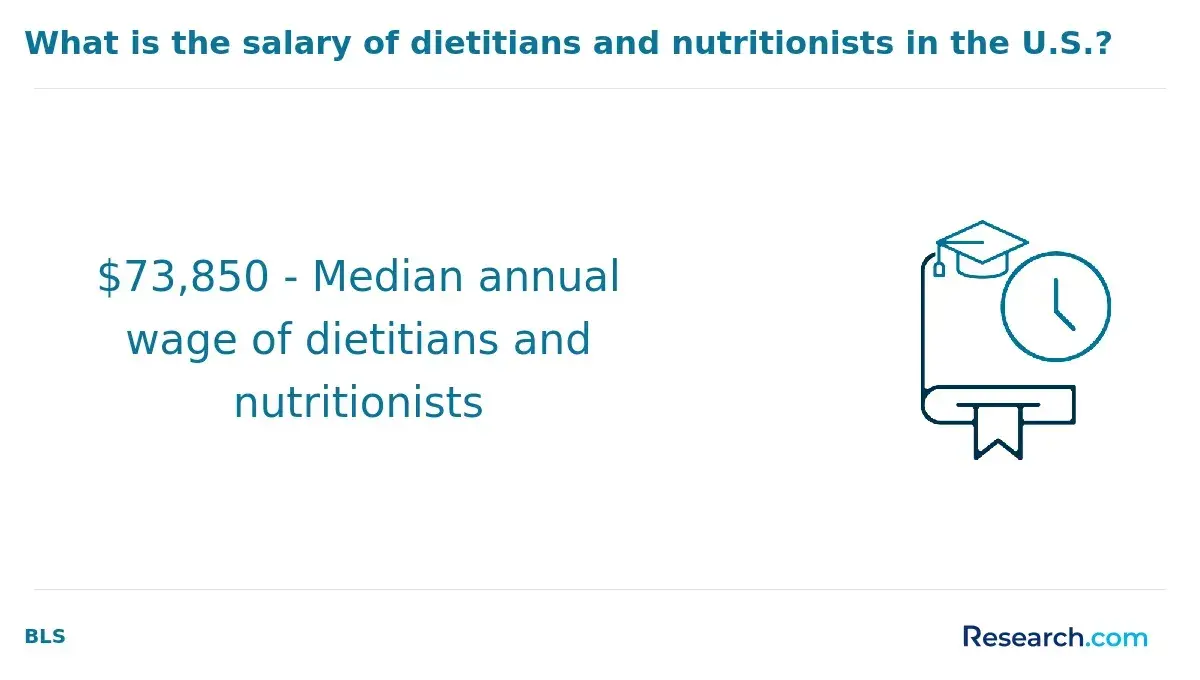
Nutrition careers in Hawaii are shaped by preventive health needs, wellness tourism, an aging population, cultural food practices, and the demand for credible dietary guidance. The job outlook for nutritionists in Hawaii is projected to grow by 10.3% through 2032, and the average salary for nutritionists in Hawaii is approximately $72,530.
| Career factor | Hawaii-specific relevance |
| Projected growth | 10.3% through 2032, according to the source material used for this article. |
| Average nutritionist salary | Approximately $72,530. |
| Healthcare and preventive care | Hospitals, clinics, wellness centers, and public health programs need nutrition professionals who can support chronic disease prevention and care coordination. |
| Cultural diversity | Nutritionists who understand local dietary traditions can provide more practical and respectful guidance. |
| Education and school food programs | Schools and universities may need nutrition professionals for meal planning, education, and wellness programming. |
| Wellness tourism | Resorts, spas, and wellness centers may hire nutrition professionals for guest programming, coaching, or menu development. |
Salary should be interpreted carefully. Earnings can differ by credential, employer, island, experience, clinical responsibility, and whether the role is full-time, part-time, contract-based, or private practice. Dietitian roles often have different compensation patterns than general wellness nutrition roles.
How can nutritionists collaborate with interdisciplinary healthcare professionals in Hawaii?
Nutritionists rarely work in isolation when clients have diabetes, kidney disease, pregnancy-related needs, eating disorders, medication concerns, or complex chronic conditions. Collaboration with nurses, physicians, pharmacists, behavioral health professionals, physical therapists, and public health workers helps ensure that nutrition advice fits the broader care plan.
In Hawaii, interdisciplinary work is also practical. Smaller communities and neighbor-island access limitations make coordinated care more important. Nutrition professionals can strengthen collaboration by learning referral protocols, documenting recommendations clearly, understanding privacy expectations, and participating in community health initiatives. Those who want to understand how nutrition services fit within broader clinical teams may benefit from reviewing how to become a nurse in Hawaii.
What career advancement options are available for nutritionists in Hawaii?
Career growth usually depends on moving from general nutrition knowledge to a more defined professional identity: licensed dietitian, public health specialist, sports nutrition provider, private-practice clinician, educator, manager, researcher, or interdisciplinary healthcare collaborator.
- Registered dietitian roles: Becoming an RD or RDN is one of the strongest advancement paths. With 447 RDs and RDNs in Hawaii as of June 2025, these professionals earn an average salary of $80,380, ranking the state tenth nationally for dietitian compensation.
- Specialized practice: Sports nutrition, weight management, pediatric nutrition, geriatric nutrition, cultural nutrition, and holistic nutrition can help professionals serve specific populations.
- Public health positions: Government agencies and nonprofit organizations may hire nutritionists to design and evaluate community nutrition programs.
- Private-sector roles: Health food stores, wellness centers, spas, resorts, fitness organizations, and food companies may offer nutrition-related positions.
- Education and food service: Schools and universities can employ nutrition professionals in meal planning and nutrition education. Hawaii's public school system serves over 100,000 lunches daily.
- Leadership: Experienced professionals may move into program management, clinical supervision, consulting, grant-funded initiatives, or policy work.
Career advancement comparison
| Goal | Best next step | Trade-off |
| Work in hospitals or clinical care | Pursue the RDN route and state dietitian licensure where required | Requires more structured education, supervised practice, and examination. |
| Run a wellness or coaching practice | Build a strong certification, liability protection, referral network, and clear scope of services | Income may depend heavily on marketing, client retention, and legal boundaries. |
| Work in public health | Consider graduate study, community nutrition experience, and program evaluation skills | Roles may depend on grants, government budgets, or nonprofit funding. |
| Serve athletes or active clients | Gain sports nutrition training and experience with teams, schools, events, or fitness centers | Credibility depends on evidence-based practice and clear limits around supplements and performance claims. |
How can nutritionists pursue ongoing professional development in Hawaii?
Ongoing education helps nutritionists stay current with evidence-based practice, emerging dietary research, telehealth tools, cultural competency, food safety, counseling methods, and changes in credentialing expectations. Professional development may include workshops, conferences, academic certificates, webinars, supervised mentorship, and association events.
Hawaii nutritionists should look for training that reflects local needs: chronic disease prevention, Native Hawaiian health, food access, school nutrition, agriculture and sustainability, aging populations, and rural telehealth. For a broader credential roadmap, see Research.com's guide on how to become a nutritionist.
What specialization options are available for nutritionists in Hawaii?
Specialization can help a nutritionist stand out in a smaller market. The best specialty is not simply the one that sounds interesting; it should match your training, legal scope, local need, and the clients or employers you want to serve.
- Cultural nutrition: Nutritionists who understand traditional Hawaiian diets and local food practices can help clients make changes without dismissing cultural identity. This is especially relevant because obesity and diabetes affect over 30% of Hawaii's adult population.
- Sports nutrition: Hawaii’s outdoor culture and athletic events, including the Ironman World Championship, create demand for professionals who understand performance fueling, hydration, recovery, and safe supplement discussions.
- Pediatric nutrition: Schools and community programs need nutrition guidance for children and families. Hawaii has seen a 20% increase in childhood obesity rates over the past decade, according to the source material.
- Geriatric nutrition: Older adults may need support with chronic disease management, appetite changes, medication interactions, swallowing issues, and nutrient-dense meal planning.
- Community nutrition: Public health agencies, schools, and nonprofits may need nutritionists who can design programs, teach groups, and evaluate outcomes.
- Holistic or integrative nutrition: This can fit wellness settings, but practitioners must avoid making clinical claims outside their training and legal authority.
The University of Hawaii at Manoa offers a Bachelor of Science in Nutritional Sciences, with preparation that can support areas such as community nutrition and dietetics. A student-athlete nutrition program developed with local schools, as cited in the source material, illustrates how specialization can connect performance goals with nutrition education.
How can nutritionists integrate telehealth into their practice in Hawaii?
Telehealth can be especially useful in Hawaii because clients may live on different islands or in communities where in-person nutrition services are limited. Nutritionists can use secure video visits, digital food logs, remote monitoring tools, and online education materials to provide follow-up support without requiring frequent travel.
Telehealth is not just a technology choice. Practitioners must consider privacy, documentation, emergency referral procedures, payment policies, and whether a client’s condition requires referral to a licensed dietitian, physician, or other clinician. Students who want training that supports remote service delivery can compare the best nutrition programs online and ask whether courses include telehealth ethics, virtual counseling, and digital practice management.
What are the biggest challenges nutritionists face in Hawaii?
Nutrition practice in Hawaii is rewarding, but it comes with constraints that should be considered before entering the field. The most significant challenges include food access, high prices, cultural complexity, geographic separation, and healthcare system navigation.
Access to fresh and affordable food
Hawaii’s location affects food supply and cost. According to the USDA figure cited in the source material, approximately 85% of food consumed in Hawaii is imported. This can make nutrition recommendations difficult if clients cannot afford or consistently access the foods being recommended.
Cultural food traditions
Hawaii’s food culture is diverse and deeply meaningful. A nutritionist who treats local foods as a problem rather than a starting point may lose trust. Better counseling begins with the client’s actual meals, budget, family practices, and health goals.
Healthcare policy and program barriers
The Hawaii Department of Health has supported nutrition education efforts, but community interventions can involve funding limits, administrative requirements, and coordination challenges. Nutritionists who understand public health systems, documentation, and grant-funded programs may be better prepared to create durable change.
-
: "
One Hawaii nutrition professional described the challenge this way: “I worked with a family whose meals were closely tied to tradition. The goal was not to replace their food culture, but to find healthier patterns within it. That required patience, listening, and respect.”
"
Common mistakes to avoid
| Mistake | Why it can hurt your career | Better approach |
| Choosing a program without checking accreditation | You may finish coursework that does not support your intended credential. | Ask whether the program meets RDN, CNS, graduate-school, or employer requirements before enrolling. |
| Looking only at tuition | Fees, textbooks, internships, travel, and exam costs can change the real price. | Build a full cost estimate before committing. |
| Assuming online programs meet every requirement | Some credentials require supervised practice that may not be built into an online program. | Confirm placement support and credential eligibility in writing. |
| Using the title dietitian without proper authorization | Protected titles can create legal and ethical problems. | Use only titles and claims supported by your credentials and Hawaii law. |
| Giving disease-specific advice beyond your training | Clients with medical conditions may need licensed clinical care. | Refer to licensed dietitians, physicians, or other healthcare professionals when appropriate. |
| Relying only on rankings or brand names | A well-known school may not be the best fit for your budget, schedule, or credential goal. | Compare outcomes, supervision, accreditation, cost, and advising support. |
What legal regulations and responsibilities apply to nutritionists in Hawaii?
Hawaii allows people to provide some nutrition services without a general nutritionist license, but that does not mean every service is allowed for every practitioner. The title “licensed dietitian” and the abbreviation “L.D.” are restricted to individuals who hold the appropriate state license.
Nutritionists may offer general weight-control programs if those programs are reviewed by a licensed dietitian. Professionals licensed in other healthcare fields, such as nursing or pharmacy, may practice dietetics within their own professional scope, but they may not use the title “dietitian” unless authorized. Local initiatives in Honolulu and other communities may also have program-specific rules for nutrition education and wellness services.
Responsible practice includes clear informed consent, accurate advertising, referral procedures, confidentiality, evidence-based recommendations, and careful documentation. Nutritionists interested in related health and wellness fields can also review top careers for exercise science graduates to understand how nutrition, fitness, and health promotion roles can overlap.
Can nutritionists benefit from understanding Hawaii's nursing credential requirements?
Yes. Nutritionists who work with patients in healthcare settings can improve collaboration by understanding how nursing roles, credentialing, documentation, and patient-safety procedures operate. This does not make a nutritionist a nurse, but it can improve communication, referrals, and interdisciplinary care planning. For context on nursing education and regulatory expectations, review the board of nursing program requirements in Hawaii.
How can nutritionists expand their scope to include substance abuse counseling in Hawaii?
Nutrition and substance use recovery can intersect through appetite changes, nutrient deficiencies, mental health, relapse triggers, and lifestyle rebuilding. Nutritionists who want to support clients in recovery should pursue appropriate behavioral health training and avoid presenting themselves as substance abuse counselors unless they meet the relevant requirements. A more ethical approach is to collaborate with licensed counselors while building skills in motivational interviewing, trauma-informed communication, and referral coordination. For a separate credential pathway, see how to become a substance abuse counselor in Hawaii.
Can nutritionists enhance food safety practices with forensic methodologies in Hawaii?
Food safety and nutrition quality depend on careful observation, documentation, and investigation. Nutrition professionals who understand forensic-style methods may be better prepared to review food labels, identify inconsistencies, support quality-control procedures, and recognize contamination concerns. These skills can be useful in food service, public health, schools, and community programs. Students interested in the analytical side of health and safety can compare these skills with forensic scientist education requirements in Hawaii.
How can nutritionists drive innovation through research to address Hawaii's public health challenges?
Research allows nutritionists to move beyond one-on-one advice and evaluate what works for communities. In Hawaii, useful research questions may involve local food access, chronic disease prevention, culturally responsive education, school meal programs, aging populations, and telehealth delivery. Nutritionists can partner with universities, public health agencies, clinics, farms, and community organizations to design evidence-based interventions. Those interested in clinical research or regulated dietetics should also understand the requirements to become a registered dietitian in Hawaii.
Can nutritionists improve practice management and patient services with administrative skills?
Administrative knowledge can make a nutrition practice more sustainable. Skills in scheduling, billing, coding awareness, documentation, insurance communication, privacy procedures, and patient follow-up can improve both client experience and business stability. This is especially important for private practice and interdisciplinary clinics. Nutritionists who want a stronger foundation in healthcare operations may find it useful to study how to become a medical biller and coder in Hawaii.
Can nutritionists successfully transition to a nurse practitioner role in Hawaii?
A nutritionist can transition into a nurse practitioner career, but it is not a simple credential upgrade. Nurse practitioners must complete nursing education, clinical training, advanced practice preparation, and applicable licensure requirements. Nutrition knowledge can be valuable in patient care, but it does not replace nursing training, diagnosis preparation, pharmacology, or advanced clinical assessment. If you are considering this major career shift, review how to become a nurse practitioner in Hawaii.
Can nutritionists collaborate with pharmacists to improve interdisciplinary patient care in Hawaii?
Nutritionists and pharmacists can work together when diet, supplements, chronic disease, and medication use overlap. Collaboration may help identify nutrient-drug interactions, improve diabetes or cardiovascular care plans, support older adults, and coordinate patient education. Nutritionists should understand when medication questions require pharmacist input and when nutrition concerns require dietitian or physician referral. For more context, see pharmacist licensure requirements in Hawaii.
Can nutritionists leverage mentorship and networking opportunities to advance their careers in Hawaii?
Mentorship can be especially valuable in Hawaii because the professional community is smaller and relationships often influence access to internships, referrals, jobs, and collaborative projects. Students and early-career nutritionists should connect with local dietitians, public health leaders, faculty, community organizations, and healthcare teams. Networking can also clarify which credentials matter most for different employers.
Professionals who want to combine nutrition knowledge with expanded clinical practice may compare long-term options such as the best accredited NP programs in Hawaii, while recognizing that nursing and nutrition remain separate regulated pathways.
Questions to ask before choosing a nutrition program in Hawaii
- Is the program accredited, and does that accreditation match my career goal?
- Will this degree qualify me for the RDN, CNS, graduate school, or the jobs I want?
- Does the school help students find supervised practice placements in Hawaii?
- What is the total estimated cost, including fees, books, travel, insurance, and credentialing expenses?
- Can I complete required experiences on my island, or will I need to relocate or travel?
- What are the program’s transfer-credit rules?
- Does the curriculum include counseling, cultural competency, food systems, public health, and telehealth?
- What career services, mentorship, and professional association connections are available?
- Does the program clearly explain the difference between nutritionist, dietitian, RDN, CNS, and licensed dietitian?
Career reflections from nutrition professionals in Hawaii
Practicing nutrition in Honolulu can be meaningful because clients often want guidance that respects family traditions, local ingredients, and modern health goals. The work requires more than meal planning; it requires cultural humility and practical problem-solving. – Leilani
Nutrition work in Hilo can involve rural access issues, family education, and partnerships with local food producers. Helping residents find affordable, realistic ways to eat well can make the role feel closely connected to community health. – Kai
On Maui, nutrition careers can intersect with wellness tourism, local agriculture, and active lifestyles. The opportunity is strong, but clients still need evidence-based advice rather than generic wellness trends. – Malcolm
Related Articles for Nearby States
- 2027 How to Become a Nutritionist in Alaska
- 2027 How to Become a Nutritionist in California
- 2027 How to Become a Nutritionist in Oregon
- 2027 How to Become a Nutritionist in Washington
- 2027 How to Become a Nutritionist in Nevada
- 2027 How to Become a Nutritionist in Arizona
- 2027 How to Become a Nutritionist in Idaho
- 2027 How to Become a Nutritionist in Utah
- 2027 How to Become a Nutritionist in Montana
- 2027 How to Become a Nutritionist in Wyoming
References:
- Commission on Dietetic Registration. (2026, January 26). Nutrition Dietetics Technician, Registered (NDTR) and Dietetic Technician Registered by Region. Retrieved January 2026, from Commission on Dietetic Registration registry statistics
- Evans, M. C. (2025, August 18). U.S. adults rate their diet as healthy, worry about food safety. Gallup. Gallup food safety and diet survey
- Kikuchi, E., Pula, I., Tyson, A., & Yam, E. (2025, May 7). Americans on healthy food and eating. Pew Research Center. Pew Research Center report on healthy food and eatingGallup food safety referenceCDR registry referenceHawaii files reference
- files.hawaii.gov (n.d.). Experience Requirements.
- cms.ctahr.hawaii.edu (n.d.). Human Nutrition, Food and Animal Sciences.
- dreambound.com (n.d.). How to Become an Applied Nutritionist in Hawaii.
- cost.sidecarhealth.com (n.d.). Cost of nutritionist visit by state.
- navy.com (n.d.). 5722 Integrity Drive, Bldg 784 Millington, TN 38054.
- National Center for Health Workforce Analysis. (2025, December). State of the U.S. Health Care Workforce, 2025. HRSA health care workforce report
- U.S. Bureau of Labor Statistics. (2025, August 28). Occupational projections and worker characteristics. Retrieved January 2026, from BLS occupational projections and worker characteristicsHRSA workforce reference
Key Insights
- Hawaii does not license every nutritionist, but it does regulate licensed dietitians. If you want clinical work, plan for a formal credential and understand protected titles.
- The RDN route is the strongest fit for healthcare and medical nutrition therapy, while the CNS route may suit graduate-trained professionals focused on advanced nutrition counseling or integrative practice.
- Education decisions should be based on accreditation, supervised practice access, credential eligibility, transfer policies, and total cost—not just convenience or tuition.
- Hawaii’s nutrition practice environment is shaped by imported food costs, cultural food traditions, island geography, telehealth needs, and chronic disease prevention.
- The source material cites a projected growth rate of 10.3% through 2032 and an average nutritionist salary of approximately $72,530, but actual earnings depend heavily on credential, employer, location, and scope of practice.
- Specialization can improve career prospects, especially in cultural nutrition, sports nutrition, pediatric nutrition, geriatric nutrition, public health, and telehealth-supported services.
- The best next step is to choose your target role first, then work backward: degree, supervised experience, certification, legal scope, and career setting.
Other Things You Should Know About Becoming a Nutritionist in Hawaii
In 2027, to become a licensed nutritionist in Hawaii, you'll need to complete a bachelor's degree in nutrition or a related field, fulfill supervised practice requirements, and pass the Registered Dietitian Nutritionist (RDN) exam. Ensure your chosen program is accredited by the Accreditation Council for Education in Nutrition and Dietetics (ACEND).
In Hawaii, there is no specific licensing requirement to practice as a nutritionist, unlike dietitians who must be licensed. However, nutritionists are encouraged to obtain certifications from recognized organizations to enhance credibility. According to the Hawaii Department of Health, while nutritionists can provide general nutrition advice, they cannot diagnose or treat medical conditions without a dietitian's license.
Honolulu, as the state capital and largest city, offers numerous opportunities for nutritionists, with a growing health-conscious population. The demand for nutrition services in urban areas like Honolulu has increased, reflecting a broader trend where the U.S. nutrition industry is projected to grow.


