2027 How to Become a Nutritionist in Kansas

Co-Founder and Chief Data Scientist
Becoming a nutritionist in Kansas can mean two different things: offering general nutrition education without a state nutritionist license, or pursuing the more regulated dietitian pathway that allows you to work in clinical and medical nutrition settings. The difference matters because your education, supervised experience, credentialing, legal responsibilities, and job options can change depending on the title and services you plan to offer.
This guide is for students, career changers, wellness professionals, and healthcare workers who want a practical roadmap for entering the nutrition field in Kansas. You will learn how education paths compare, when licensure is required, how long training can take, what certification options are available, how much programs may cost, and how to evaluate whether this career path fits your goals.
Quick Answer: How Do You Become a Nutritionist in Kansas?
Kansas does not require a specific state license for every person who provides general nutrition education. However, professionals who want to practice as licensed dietitians must meet Kansas Department of Health and Environment requirements, which typically include a bachelor's degree in nutrition or a related field, an accredited supervised practice experience, and a passing score on the Commission on Dietetic Registration exam.
- General nutrition roles: May be available with certificates, associate degrees, bachelor’s degrees, or related wellness education, depending on the employer and services offered.
- Licensed dietitian roles: Require formal dietetics education, supervised practice, national examination, and a Kansas dietitian license.
- Most recognized credentials: Registered Dietitian Nutritionist (RDN) and Certified Nutrition Specialist (CNS).
- Best first step: Decide whether you want to provide general wellness guidance or clinical nutrition care, because that choice determines the education and credentialing route.
- Long-term requirement: Credentialed nutrition professionals must keep up with continuing education to maintain certifications and stay current with nutrition science.
- Education requirements for nutritionists in Kansas
- Kansas nutritionist licensing rules
- Timeline to become a nutritionist in Kansas
- Nutrition certification options in Kansas
- Practical experience and supervised training
- Cost of becoming a nutritionist in Kansas
- Kansas nutritionist salary and job outlook
- Collaboration with other healthcare professionals
- Career advancement opportunities
- Continuing education for Kansas nutrition professionals
- Why nursing license knowledge can help nutritionists
- How a nutrition master’s degree can expand career options
- Medical billing and coding skills for nutrition practices
- Forensic science methods and food safety
- Nutrition specialization options in Kansas
- Major challenges for Kansas nutritionists
- Advanced nurse practitioner education and nutrition practice
- Professional development options
- Legal responsibilities for nutritionists in Kansas
- Nutritionists and nurse practitioners in patient care
- Nutritionists and substance abuse counselors
- Nutritionists and pharmacists Related behavioral health collaboration Legal scope review Additional decision checklist
What are the educational requirements for becoming a nutritionist in Kansas?
The right education depends on the type of nutrition work you want to do. General wellness, coaching, community education, sports nutrition, food service, and clinical dietetics do not always require the same preparation. Before choosing a school, identify whether your goal is employment in healthcare, private practice, public health, athletics, education, or general wellness.
- Bachelor’s degree: Many employers prefer or require a degree in nutrition, dietetics, nutritional science, food science, public health, exercise science, or a related field. A nutritional science degree can provide coursework in human nutrition, metabolism, food systems, research methods, and health behavior.
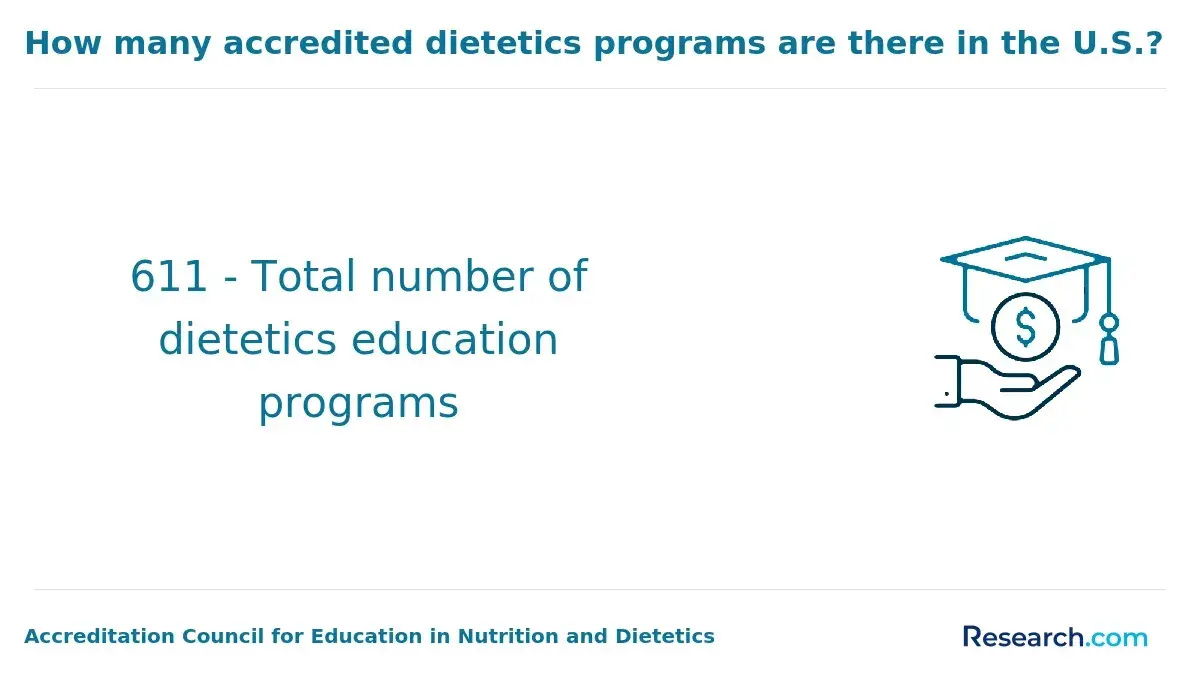
- ACEND-accredited dietetics education: Students who want to become licensed dietitians should look for programs accredited by the Accreditation Council for Education in Nutrition and Dietetics. Kansas State University offers a Bachelor of Science in Nutrition and Health, and the University of Kansas offers undergraduate and graduate nutrition science options.
- Home economics background: People with home economics education may qualify for some nutrition-related positions when the work fits their training and does not cross into services reserved for licensed dietitians.
- Graduate education: A master’s degree can be useful for advanced clinical, research, leadership, public health, or specialty nutrition roles. It can also be relevant for students considering nutritionist certification programs in Kansas.
- Shorter academic pathways: Kansas students may also consider an Associate in Science in Pre-Nutrition at Kansas City Kansas Community College, an undergraduate nutrition certificate, or a Bachelor of Science in Sports Nutrition at Kansas State University, depending on career goals.
| Education path | Best fit | What to check before enrolling |
| Certificate or short course | Wellness education, personal enrichment, fitness-related nutrition support, or career exploration | Whether employers recognize it and whether it qualifies you for the services you want to provide |
| Associate degree | Entry-level support roles or transfer into a bachelor’s program | Transfer agreements, science prerequisites, and total cost after transfer |
| Bachelor’s degree | Nutrition education, food service, public health, wellness, sports nutrition, or dietetics preparation | Accreditation, supervised practice options, internship placement support, and career outcomes |
| Graduate degree | Advanced practice, research, leadership, public health, CNS preparation, or specialized clinical work | Admission requirements, supervised hours, research expectations, and online or campus format |
Is there a licensing requirement to become a nutritionist in Kansas?
Kansas does not require a state nutritionist license for every person who gives general nutrition education. The more regulated pathway is dietetics. If you want to practice as a dietitian, use protected professional titles, or provide clinical nutrition services in healthcare settings, you should expect to meet Kansas dietitian licensing requirements through the Kansas Department of Health and Environment.
This distinction is important. A wellness nutritionist may teach meal planning basics, support healthy eating habits, or work in community education. A licensed dietitian is typically prepared for medical nutrition therapy, clinical assessment, disease-related nutrition planning, and regulated healthcare roles.
Because nutrition scope-of-practice rules can affect what services you may advertise or provide, students should verify current Kansas regulations before launching a private practice or choosing a credential. If your career goal involves hospitals, clinics, long-term care, insurance reimbursement, or medical nutrition therapy, the licensed dietitian route is usually the safer and more portable option.
| Career goal | Likely credential expectation | Why it matters |
| General wellness education | Certificate, degree, or employer-specific training may be sufficient | Work is usually limited to non-medical nutrition guidance and education |
| Hospital or clinic dietetics | RDN and Kansas dietitian licensure are commonly expected | Clinical settings require regulated preparation and documented competency |
| Private nutrition practice | Depends on services offered; RDN or CNS can improve credibility | Advertising, scope of practice, and liability risks should be reviewed carefully |
| Public health nutrition | Bachelor’s or graduate nutrition/public health education may be preferred | Roles often involve community programs, grants, education, and population health work |
How long does it take to become a nutritionist in Kansas?
The timeline can range from less than a year to several years. Your path depends on whether you want a short nutrition credential, an associate degree, a bachelor’s degree, graduate training, or licensure as a dietitian.
- Non-licensed nutritionist path: Some certificate-based or online training options can be completed in about six months to one year, but career opportunities may be narrower and employer recognition can vary.
- Associate degree: An Associate in Science in Pre-Nutrition generally takes around two years and may prepare students for transfer or entry-level nutrition-related work.
- Bachelor’s degree: A Bachelor of Science in Nutrition, Dietetics, or Sports Nutrition generally requires four years of study.
- Undergraduate certificate: Some nutrition certificates can be completed in less than a year and may help students add nutrition knowledge to a related career.
- Combined education and credentialing: Students who combine degrees, certificates, supervised practice, or graduate education may spend about five to six years preparing for advanced roles.
If flexibility is important, compare campus programs with top accredited online nutrition courses. Online study can help working adults move forward, but students seeking dietitian licensure must confirm that the program meets supervised practice and accreditation requirements.
| Pathway | Approximate timeline stated | Decision point |
| Short nutrition certificate | About six months to one year | Useful for basic wellness knowledge, but not a substitute for dietitian preparation |
| Associate in pre-nutrition | Around two years | Best when credits transfer efficiently into a bachelor’s program |
| Bachelor’s degree | Generally four years | Strong foundation for nutrition careers and required for many advanced pathways |
| Degree plus additional credentials | About five to six years | Appropriate for students targeting advanced, clinical, or specialized roles |
What are the certification options for nutritionists in Kansas?
The two credentials most often discussed by serious nutrition professionals are the Registered Dietitian Nutritionist and the Certified Nutrition Specialist. They serve different career goals, so students should not choose based on name recognition alone.
| Credential | Core requirements stated | Best for |
| Registered Dietitian Nutritionist | Bachelor’s degree in nutrition or a related field, accredited supervised practice program, and national registration exam | Hospitals, clinics, medical nutrition therapy, food service leadership, public health, and roles requiring dietitian licensure |
| Certified Nutrition Specialist | Master’s degree in nutrition or a related field and 1,000 hours of supervised practice | Advanced nutrition practice, holistic or integrative nutrition, research-informed counseling, and specialty consulting |
The RDN route is often preferred by healthcare employers because it is widely recognized and connected to dietitian licensure. The CNS route can be attractive for professionals who want graduate-level nutrition expertise and a specialization-oriented credential. Either way, credentialed professionals should expect continuing education requirements after certification.
What practical experience is required to become a nutritionist in Kansas?
Practical experience helps students move from textbook knowledge to client-centered nutrition work. For dietitian licensure, supervised practice is a formal requirement. For non-licensed nutrition roles, experience still matters because employers and clients want evidence that you can communicate clearly, apply nutrition science responsibly, and work with diverse populations.
- Community health experience: Volunteering at health fairs, wellness programs, food access initiatives, or Kansas Department of Health and Environment programs can build communication and outreach skills.
- Clinical exposure: Shadowing or working near registered dietitians in hospitals or clinics, including settings such as the University of Kansas Health System, can help students understand patient assessment, documentation, and interdisciplinary care.
- Food service management: Experience in schools, hospitals, long-term care, or community meal programs can strengthen knowledge of menu planning, food safety, purchasing, and nutrition standards.
- Research participation: Students at institutions such as the University of Kansas may be able to support nutrition-related research and learn how evidence is generated and applied.
| Experience type | Skills developed | Good questions to ask |
| Clinical rotation or shadowing | Assessment, counseling, documentation, care coordination | Will this count toward supervised practice or only general exposure? |
| Community program | Public speaking, cultural awareness, food access education | What population will I serve, and what outcomes are measured? |
| Food service setting | Menu planning, safety, regulations, budgeting | Will I learn management responsibilities or only operational tasks? |
| Research project | Data collection, literature review, evidence-based practice | Will I be trained in research methods and ethics? |
How much does it cost to become a nutritionist in Kansas?
The cost depends on program level, school type, delivery format, transfer credits, supervised practice requirements, exam fees, supplies, and whether you pursue graduate education. Students should calculate the full cost of credentialing, not just tuition.
Graduate programs at institutions such as the University of Kansas Medical Center may cost between $10,000 and $30,000. The Dietetic Internship Graduate Certificate includes 1240 hours of supervised practice, which can affect total expenses through tuition, fees, transportation, housing, reduced work hours, or required materials.
Students pursuing the licensed dietitian pathway should also budget for the Kansas Dietitian License application fee, which is prorated, and the CDR Registration Exam, which costs around $200. Textbooks, technology, background checks, immunizations, liability insurance, and professional memberships may also add to the total.
If you plan to continue beyond a bachelor’s degree, compare campus-based graduate study with an online master’s in dietetics. Online formats can be convenient, but you should confirm supervised practice logistics before enrolling.
| Cost category | What it may include | How to reduce risk |
| Tuition and fees | Certificate, associate, bachelor’s, graduate, or internship coursework | Compare total program cost, not only price per credit |
| Supervised practice | Travel, site placement requirements, uniforms, background checks, and reduced work availability | Ask whether placements are arranged by the school or secured by the student |
| Licensure and exams | Kansas Dietitian License fee and CDR Registration Exam cost of around $200 | Budget early and confirm the latest fee schedule before applying |
| Materials and technology | Textbooks, software, computer requirements, and online learning tools | Request a program expense sheet from admissions or the department |
What is the job outlook and salary for nutritionists in Kansas?
According to ONET OnLine, employment for dietitians and nutritionists in Kansas is projected to grow by 6% through 2032, which is faster than the average for all occupations. The median annual wage for nutritionists in Kansas is approximately $64,930, although actual pay varies by credential, employer, location, education, specialization, and years of experience.
Demand is shaped by several factors: preventive healthcare, chronic disease management, nutrition education, food access programs, aging populations, athletic performance, workplace wellness, and interest in evidence-based health guidance. The strongest opportunities generally go to candidates who combine nutrition knowledge with recognized credentials, supervised experience, communication skills, and the ability to work with healthcare or community teams.
| Work setting | Typical focus | Credential advantage |
| Hospitals and clinics | Medical nutrition therapy, patient education, discharge planning, chronic disease support | RDN and Kansas dietitian licensure are commonly valuable |
| Schools and food service | Menus, compliance, food safety, nutrition education, child health programs | Dietetics, food service, or public health preparation can help |
| Community health organizations | Nutrition education, food insecurity programs, preventive health outreach | Public health and community engagement experience are useful |
| Private practice or consulting | Client counseling, wellness planning, sports nutrition, specialty services | Recognized credentials, liability planning, and clear scope of practice are important |
How can interdisciplinary collaboration enhance nutrition practices in Kansas?
Nutrition care is rarely isolated from the rest of a person’s health. Kansas nutritionists who understand how to collaborate with nurses, physicians, pharmacists, counselors, public health teams, food service leaders, and social service organizations can provide more practical and coordinated support.
For example, a nutrition professional working with a patient who has a chronic condition may need to consider medication schedules, mobility limits, food access, behavioral health, and family support. Learning how to become a nurse in Kansas can help nutritionists understand nursing roles, patient monitoring, and clinical communication expectations.
What are the career advancement opportunities for nutritionists in Kansas?
Career growth depends on credentials, experience, specialization, and setting. In Kansas, advancement may mean moving into clinical dietetics, public health leadership, corporate wellness, sports nutrition, research, teaching, program management, or private practice.
- Registered Dietitian Nutritionist: This route supports work in hospitals, clinics, long-term care, and other settings where medical nutrition therapy is central.
- Public health nutritionist: These professionals may work with state or local health departments, nonprofit organizations, food access programs, and community education initiatives.
- Corporate wellness consultant: Employers that invest in employee health may hire nutrition professionals to design programs, deliver education, and support healthier workplace habits.
- Sports nutritionist: Kansas athletics, fitness organizations, and community sports programs may need nutrition guidance for performance, recovery, and safe fueling.
- Research or academia: Universities and research institutions may offer roles for professionals interested in teaching, study design, nutrition science, or public policy.
Major employers may include healthcare systems such as the University of Kansas Health System and government agencies that provide nutrition services. Nationally, dietitians and nutritionists have a projected growth rate of 5.5% through 2034. Students building toward these opportunities may want to compare online bachelors in dietetics options as one possible starting point.
How can nutritionists pursue continuing education to advance their careers in Kansas?
Continuing education helps nutrition professionals stay aligned with current research, clinical guidelines, food policy changes, counseling methods, and technology. It is also required for maintaining many professional certifications.
Useful options include accredited workshops, professional conferences, webinars, online certificates, graduate coursework, mentorship, and association-based training. Professionals seeking a flexible academic route can also compare programs such as a dietetics degree online, especially if cost and schedule flexibility are major concerns.
How does understanding nursing license requirements benefit nutritionists in Kansas?
Nutritionists who work in hospitals, clinics, long-term care, or community health programs often coordinate with nurses. Understanding the board of nursing program requirements in Kansas can make collaboration smoother because it clarifies nursing education, scope, documentation expectations, and patient safety responsibilities.
This knowledge does not expand a nutritionist’s legal scope of practice, but it can improve communication, referrals, patient education, and team-based care.
How can a nutrition master’s degree transform your career in Kansas?
A master’s degree can help nutrition professionals move into advanced practice, leadership, research, policy, teaching, and specialty consulting. It may also support preparation for credentials that require graduate-level study.
Graduate education can be especially useful for professionals interested in public health nutrition, metabolic research, culinary nutrition, integrative nutrition, digital health tools, or program leadership. For a broader look at graduate-level options, review the best careers to pursue with a nutrition masters degree.
How can mastering medical billing and coding improve nutrition practice in Kansas?
Nutrition professionals in private practice or healthcare settings may benefit from understanding billing, coding, documentation, and reimbursement workflows. These skills can reduce administrative errors, support compliance, and help practices communicate more effectively with insurers and healthcare partners.
This is especially relevant for professionals who want to operate a sustainable practice or work in multidisciplinary clinics. For related administrative training, see this guide on how to become a medical biller and coder in Kansas.
Can forensic science methodologies enhance food safety and quality for nutritionists in Kansas?
Nutrition professionals who work with food safety, quality control, agriculture, public health, or institutional food service may benefit from understanding how scientific investigation supports food authenticity, contamination detection, and product evaluation.
Kansas has strong ties to agriculture and food systems, so nutritionists interested in food safety and quality may find value in cross-training. A related scientific pathway is explained in this guide to forensic scientist education requirements in Kansas.
What specialization options are available for nutritionists in Kansas?
Specialization can make a nutrition career more focused and marketable. The best option depends on whether you prefer patient care, athletics, children’s health, public health, food systems, or research.
- Clinical nutrition: Focuses on nutrition assessment and care in hospitals, clinics, long-term care, and other healthcare settings.
- Sports nutrition: Supports athletes and active clients with fueling, recovery, hydration, body composition, and performance-focused nutrition plans.
- Pediatric nutrition: Addresses child and adolescent nutrition, growth, family education, and healthy eating habits.
- Public health nutrition: Works at the population level through community programs, education campaigns, food access initiatives, and prevention strategies.
- Food science and technology: Connects nutrition with food safety, quality, product development, agriculture, and food systems.
A sports nutritionist working with the University of Kansas Jayhawks, for example, would need to understand training demands, recovery needs, meal timing, and athlete communication. Students interested in dietetics can look at Kansas State University’s dietetics offerings as one example of a structured academic route.
What are the biggest challenges faced by nutritionists in Kansas?
Kansas nutrition professionals may face challenges related to rural access, food affordability, scope-of-practice confusion, reimbursement, and client behavior change. These challenges are manageable, but they should shape how students prepare for the field.
- Food access barriers: In many rural communities, clients may have limited access to fresh produce, grocery stores, transportation, or affordable healthful foods. The Kansas Department of Health and Environment has reported that nearly 15% of residents live in food deserts.
- Regulatory complexity: New professionals must understand what services can be offered without dietitian licensure and when clinical nutrition work requires regulated credentials.
- Community trust: Nutrition advice can conflict with culture, budget, family habits, and misinformation. Effective professionals need counseling skills, not just nutrition facts.
- Business and reimbursement issues: Private practice nutritionists may need to understand documentation, billing, marketing ethics, and liability protection.
- Keeping up with evidence: Nutrition guidance changes as research evolves, so continuing education is essential.
State and local initiatives, including Kansas Department of Agriculture programs such as Kansas Farm to School, can help connect schools with local farmers and support healthier eating environments for children.
| Common challenge | Why it matters | Better strategy |
| Assuming nutrition advice is always legally simple | Clinical nutrition services may be regulated | Review Kansas dietitian rules and consult official licensing sources before practicing |
| Giving advice that ignores food access | Clients may not have nearby stores, transportation, or budget flexibility | Build realistic plans using local resources, pantry options, and affordable foods |
| Relying only on credentials without counseling skills | Clients need support for behavior change | Develop motivational interviewing, cultural humility, and communication skills |
| Starting private practice without business preparation | Billing, documentation, taxes, and liability can become obstacles | Create a business plan and learn administrative requirements before accepting clients |
How can nutritionists benefit from advanced NP education in Kansas?
Nutritionists do not need nurse practitioner education to practice nutrition, but understanding advanced clinical training can make collaboration stronger. Nurse practitioner education often emphasizes assessment, chronic disease management, pharmacology, patient monitoring, and care coordination.
Nutrition professionals who want to work closely with clinical teams may benefit from reviewing the best accredited NP programs in Kansas to better understand how advanced practice providers are trained and how nutrition support can fit into broader care plans.
How can nutritionists expand their professional development opportunities in Kansas?
Professional development should be intentional. Rather than collecting random workshops, Kansas nutritionists should choose training that supports a clear goal: clinical competence, sports performance, public health, business ownership, food safety, behavioral counseling, or leadership.
Helpful activities include mentorship, professional association membership, supervised clinical exposure, specialty certificates, conference attendance, and graduate coursework. If your long-term goal is dietetics, reviewing the requirements to become a registered dietitian in Kansas can help you plan the correct sequence of education, supervised practice, examination, and licensure.
What are the legal regulations and responsibilities for nutritionists in Kansas?
The key legal issue in Kansas is the difference between general nutrition guidance and regulated dietetics practice. People entering the field should be careful with titles, advertising, clinical claims, disease-specific counseling, documentation, and referrals.
Licensed dietitians are positioned to provide therapeutic nutrition care, including nutrition assessment and counseling in clinical contexts. Non-licensed nutrition workers should avoid presenting themselves as licensed dietitians or offering services that require regulated credentials. Local policies, employer rules, healthcare facility standards, and insurance requirements may add further expectations.
Students who want a broader health and wellness foundation may also compare related degrees, including low-cost exercise science degrees online, but they should not assume that a related degree automatically authorizes clinical dietetics practice.
How can nutritionists and nurse practitioners work together to enhance patient care in Kansas?
Nutritionists and nurse practitioners can coordinate care for patients dealing with chronic conditions, medication changes, lifestyle barriers, weight management, preventive care, and follow-up needs. The strongest collaborations clarify who is responsible for screening, counseling, referrals, documentation, and monitoring.
Nutrition professionals who want to understand this partner role can review how to become a nurse practitioner in Kansas. Knowing how nurse practitioners are trained can help nutritionists communicate more effectively in integrated care settings.
How can nutritionists collaborate with substance abuse counselors in Kansas?
Nutrition can be relevant in recovery settings because substance use may affect appetite, digestion, nutrient intake, mental health, sleep, and overall physical stability. Nutritionists can support recovery teams by helping clients rebuild regular eating patterns, address deficiencies within their scope, and create realistic meal routines.
Collaboration should be carefully coordinated with behavioral health professionals. Nutritionists interested in this area can learn more through this guide on how to become a substance abuse counselor in Kansas.
How can nutritionists collaborate with pharmacists to optimize patient outcomes in Kansas?
Pharmacists and nutritionists can work together when diet, supplements, and medications interact. This is especially important for patients managing chronic conditions, older adults taking multiple medications, or clients using supplements alongside prescriptions.
Nutritionists can strengthen patient safety by referring medication questions to pharmacists, documenting supplement use, and aligning nutrition plans with medication timing when appropriate. Understanding pharmacist licensure requirements in Kansas can clarify the pharmacist’s role in the care team.
Questions to ask before choosing a Kansas nutrition program
Before enrolling, compare programs based on your intended credential and career setting. A program that works well for general wellness may not satisfy dietitian licensure preparation, and a low tuition price may become expensive if credits do not transfer or supervised practice is not included.
- Is the program accredited by the correct organization for my career goal?
- Will this program qualify me for RDN, CNS, dietitian licensure, or only general nutrition education roles?
- Does the school help secure supervised practice placements?
- How many credits can I transfer, and how many must be completed at the institution?
- What are the total costs, including fees, technology, books, travel, exams, and licensure?
- What graduate school, internship, employment, or exam outcomes does the program report?
- Can online students complete required labs, rotations, or supervised hours near where they live?
- Does the curriculum include counseling, cultural competence, food access, ethics, and business basics?
Common mistakes to avoid
| Mistake | Why it can hurt your career | Better decision |
| Choosing a program only because it is fast | Short programs may not qualify you for clinical or licensed roles | Match the program to the exact credential and job you want |
| Ignoring accreditation | Non-accredited education may not meet dietetics requirements | Verify ACEND status when pursuing the dietitian pathway |
| Looking only at tuition | Fees, supervised practice costs, commuting, and exam costs can change affordability | Build a full budget before applying |
| Assuming online programs automatically meet Kansas requirements | Licensure and supervised practice rules may still apply | Ask the program how Kansas students complete required experiences |
| Using protected titles or making clinical claims without proper credentials | Scope-of-practice errors can create legal and ethical risks | Confirm Kansas rules and use accurate titles in marketing and client materials |
| Relying on salary figures as guarantees | Pay varies by employer, credential, location, and experience | Use salary data as a planning benchmark, not a promise |
What Kansas nutritionists say about their work
-
: "
Working in nutrition in Kansas has allowed me to help families make realistic food choices while staying connected to local food traditions. The most rewarding moments come when clients realize that small, consistent changes can improve daily life. – Jane
"
-
: "
Kansas offers room to grow in clinical care, community programs, and wellness work. I have been able to build a career in health education while staying connected to the outdoor lifestyle I enjoy. – Derrick
"
-
: "
Some of my most meaningful work has involved nutrition programs for underserved communities. Helping families navigate food insecurity and improve nutrition makes this profession feel deeply purposeful. – Elizabeth
"
Related Articles for Nearby States
- 2027 How to Become a Nutritionist in Nebraska
- 2027 How to Become a Nutritionist in Oklahoma
- 2027 How to Become a Nutritionist in Missouri
- 2027 How to Become a Nutritionist in Colorado
- 2027 How to Become a Nutritionist in Iowa
- 2027 How to Become a Nutritionist in Arkansas
- 2027 How to Become a Nutritionist in Texas
- 2027 How to Become a Nutritionist in South Dakota
- 2027 How to Become a Nutritionist in Wyoming
- 2027 How to Become a Nutritionist in Minnesota
References:
- Accreditation Council for Education in Nutrition and Dietetics. (2024). Program Enrollment Trends 2000-2024. ACEND Data. https://www.eatrightpro.org/-/media/files/eatrightpro/acend/about-acend/acend-data/program-enrollment-trends.pdf
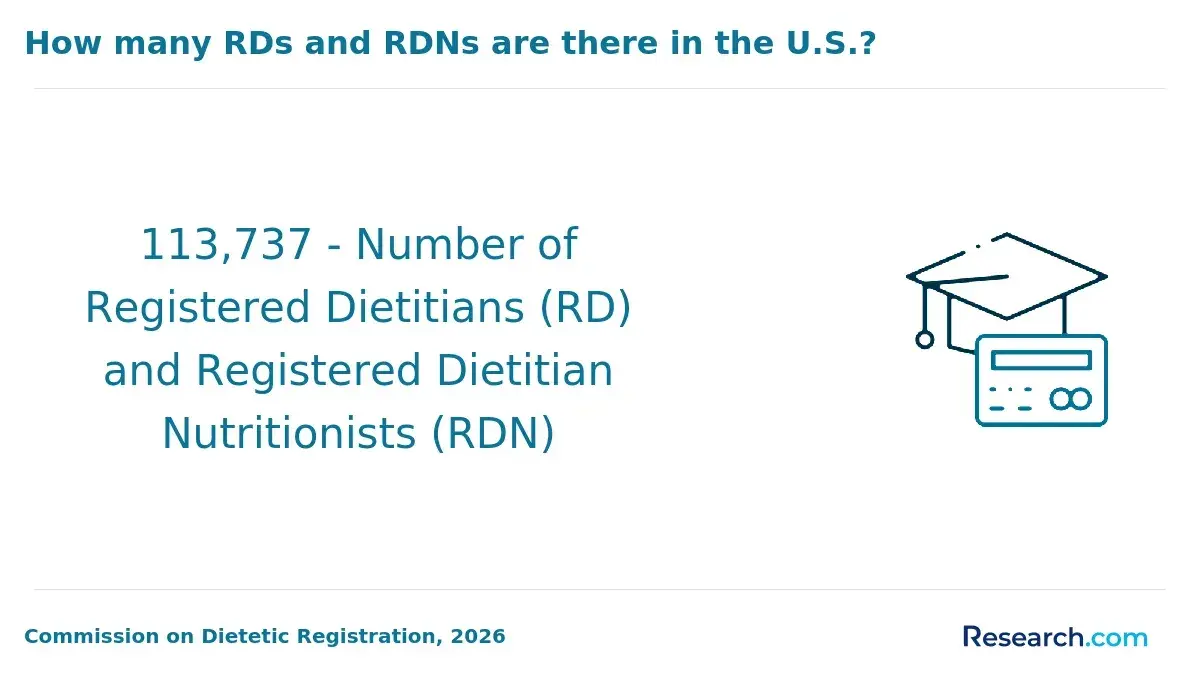
- Commission on Dietetic Registration. (2026, January 26). Registered Dietitian (RD) and Registered Dietitian Nutritionist (RDN) by Region. Retrieved January 2026, from https://www.cdrnet.org/registry-statistics?id=6926&actionxm=All
- Kansas State University Global Campus. (2026). Bachelor's in dietetics - online program. https://online.k-state.edu/programs/dietetics-bachelors
- Kansas State University Health and Human Sciences. (2026). Dietetics. https://www.hhs.k-state.edu/fndh/academics/undergraduate/dietetics
- Legal Information Institute. (n.d.). Kan. Admin. Regs. § 28-39-158 - Dietary services. https://www.law.cornell.edu/regulations/kansas/K-A-R-28-39-158
- National Health Policy Council. (2026). Kansas nutritional law. https://holisticcouncil.org/nutrition-laws/kansas
- ONET OnLine. (2025). Kansas Employment Trends 29-1031.00 - Dietitians and Nutritionists. Retrieved February 2026, from https://www.onetonline.org/link/localtrends/29-1031.00?st=KS
- University of Kansas. (n.d.). Dietetics and nutrition. https://catalog.ku.edu/health-professions/dietetics-nutrition
- University of Kansas Medical Center. (n.d.). Department of dietetics and nutrition. https://www.kumc.edu/school-of-health-professions/academics/departments/dietetics-and-nutrition.html
- U.S. Bureau of Labor Statistics. (2025, August 28). Occupational projections and worker characteristics. Retrieved January 2026, from https://www.bls.gov/emp/tables/occupational-projections-and-characteristics.htm
- U.S. Bureau of Labor Statistics. (2025, August 28). Occupational Employment and Wage Statistics - Kansas May 2024. Retrieved January 2026, from https://data.bls.gov/oes/#/area/2000000
Key Insights
- Kansas does not require every nutrition worker to hold a nutritionist license, but dietitian practice is a regulated pathway that requires formal education, supervised practice, examination, and licensure.
- The RDN credential is usually the strongest option for clinical nutrition, hospitals, medical nutrition therapy, and dietitian positions. The CNS credential may fit professionals seeking graduate-level nutrition specialization.
- Training can take less than a year for some certificate routes, around two years for an associate degree, generally four years for a bachelor’s degree, and about five to six years for combined advanced pathways.
- Program choice should be based on accreditation, supervised practice access, total cost, transfer policies, career outcomes, and whether the curriculum supports your intended scope of practice.
- Kansas nutrition professionals can build strong careers in clinical care, public health, food service, sports nutrition, community education, wellness consulting, and research, but salary and job outcomes vary by credential and setting.
- The safest next step is to decide whether you want general wellness work or licensed dietitian practice, then choose an education path that matches that goal before investing time and money.
Other Things You Should Know about Becoming a Nutritionist in Kansas
As of 2027, to become a licensed nutritionist in Kansas, you must complete a bachelor's degree in nutrition or a related field and fulfill supervised practice requirements. You must also successfully pass the Commission on Dietetic Registration (CDR) exam to gain licensure from the Kansas Department of Health and Environment.
When choosing a nutrition degree program in Kansas, consider factors like accreditation, curriculum, and career outcomes. The University of Kansas offers a Bachelor of Science in Dietetics, which is accredited by the Accreditation Council for Education in Nutrition and Dietetics (ACEND). This program prepares students for supervised practice and the Registered Dietitian Nutritionist (RDN) credential.
For advanced studies, Kansas State University provides a Master’s in Dietetics Administration, focusing on leadership and management in nutrition. Additionally, the University of Kansas Medical Center offers a Doctor of Philosophy in Nutrition, ideal for those pursuing research or academic careers.