2027 Kansas Nursing License Requirements

Co-Founder and Chief Data Scientist
Getting a Kansas nursing license is the point where nursing school, exam readiness, background screening, and state rules all come together. For new graduates, licensed nurses moving to Kansas, LPN candidates, and nurses planning advanced practice roles, the biggest risk is not usually one difficult step—it is missing a document, misunderstanding compact licensure, delaying fingerprints, or overlooking renewal requirements after the license is issued.
This guide explains how Kansas nursing licensure works, which license type fits different career goals, what the Kansas State Board of Nursing expects from applicants, how renewal and continuing education work, and what choices can affect your long-term career path. It also highlights practical ways to avoid delays, compare nursing programs, plan costs, and decide whether nursing—or a related healthcare pathway—is the right move.
Quick answer: How do you get a nursing license in Kansas?
To become licensed as a nurse in Kansas, you generally need to complete an accredited or state-approved nursing program, apply through the Kansas State Board of Nursing (KSBN), submit required documentation, complete a background check with fingerprints, register for and pass the NCLEX-RN or NCLEX-PN, and pay applicable fees. The application fee for nursing licensure in Kansas is approximately $75, with additional costs for the NCLEX exam and background checks.
Kansas nursing licenses must be renewed every two years. Nurses typically need at least 30 hours of approved continuing education during the renewal period to keep their license active.
Key things you should know about Kansas nursing licenses
- Licensing authority: The Kansas State Board of Nursing (KSBN) regulates nursing education standards, licensing, renewals, discipline, and practice requirements in the state.
- Required exam: RN applicants must pass the NCLEX-RN, while practical nursing applicants must pass the NCLEX-PN.
- Education requirement: Applicants must complete an accredited nursing program, such as an Associate Degree in Nursing (ADN) or Bachelor of Science in Nursing (BSN), before applying for RN licensure.
- Application materials: Common requirements include official transcripts, proof of NCLEX registration, clinical education documentation when applicable, and a background check.
- Approximate fee: The Kansas nursing license application fee is approximately $75, separate from NCLEX and fingerprinting or background check costs.
- What is a Kansas nursing license, and why do nurses need one?
- Which nursing license types are available in Kansas?
- What are the requirements for a Kansas nursing license?
- How do you apply for a nursing license in Kansas?
- How often must Kansas nurses renew their licenses?
- What new career paths are opening for Kansas nurses?
- Which advanced education options can strengthen a Kansas nursing career?
- What application mistakes commonly delay Kansas nursing licensure?
- Can a compact nurse practice in Kansas?
- How can out-of-state nurses get licensed in Kansas?
- What are the requirements to become an LPN in Kansas?
- Is medical billing and coding a practical healthcare alternative in Kansas?
- What resources can help Kansas applicants prepare for the NCLEX?
- How can nurses specialize as nurse midwives in Kansas?
- How can an LVN pathway support healthcare career growth in Kansas?
- What should applicants look for in a Kansas nursing school?
- Can an accelerated nursing program shorten the path to advancement?
- Is pharmacy a viable alternative to nursing in Kansas?
- Can professional nursing organizations help during the licensing process?
- What costs should aspiring Kansas nurses plan for?
What is a Kansas nursing license, and why do nurses need one?
A Kansas nursing license is the legal authorization to practice nursing in the state. It confirms that a nurse has completed required education, met examination standards, passed required screening, and is accountable to Kansas nursing laws and professional conduct rules.
The license matters because nursing involves direct responsibility for patient safety. Nurses administer medications, monitor patient changes, coordinate care, document clinical information, and communicate with physicians, patients, and families. Kansas uses licensure to make sure only qualified professionals can perform these duties.
The Kansas State Board of Nursing oversees this system by approving nursing education standards, issuing licenses, monitoring compliance, and taking action when practice standards are violated. Employers and the public can also verify license status through the state’s license verification system.
| KSBN function | Why it matters to applicants and patients |
| License verification | Allows employers and the public to confirm whether a nurse is authorized to practice in Kansas. |
| Automated Nurse Notification system | Helps employers and educational institutions track license updates, renewals, and disciplinary changes. |
| Regulatory oversight | Sets nursing education and practice standards so patient care is delivered by qualified professionals. |
Licensure is especially important in a healthcare system that depends heavily on nursing labor. In 2020, the United States allocated $196.8 billion for nursing home care, primarily funded by public sources. That scale of spending underscores why states closely regulate who may deliver nursing care.
If you are comparing nursing career options, compensation can also affect your decision. Travel nursing, for example, follows a different employment model from permanent staff nursing. Research.com’s guide to travel nurse salary by state can help you understand how that path differs financially.
Which nursing license types are available in Kansas?
Kansas offers multiple nursing license pathways. The right choice depends on how quickly you want to enter the workforce, how much responsibility you want, and whether you plan to pursue advanced clinical practice later.
| License type | Typical education path | Common responsibilities | Best fit for |
| Licensed Practical Nurse (LPN) | State-approved practical nursing program, generally lasting about one year | Basic patient care, vital sign monitoring, patient support, and assistance to RNs and physicians | Students who want a shorter route into hands-on nursing care |
| Registered Nurse (RN) | Accredited ADN or BSN program | Medication administration, care planning, patient education, coordination with healthcare teams, and clinical assessment | Students seeking broader clinical responsibility and more advancement options |
| Advanced Practice Registered Nurse (APRN) | Master’s degree in nursing and national certification | Diagnosis, treatment, prescribing authority where permitted, and specialized care as NPs, CNSs, CRNAs, or CNMs | Experienced nurses who want expanded practice, leadership, or specialty roles |
The most common RN education choices are the ADN and BSN. An ADN can be a faster and often less expensive entry point, while a BSN may support broader advancement, leadership preparation, and graduate school eligibility. Nurses planning to become nurse practitioners may later consider options such as online nurse practitioner programs.
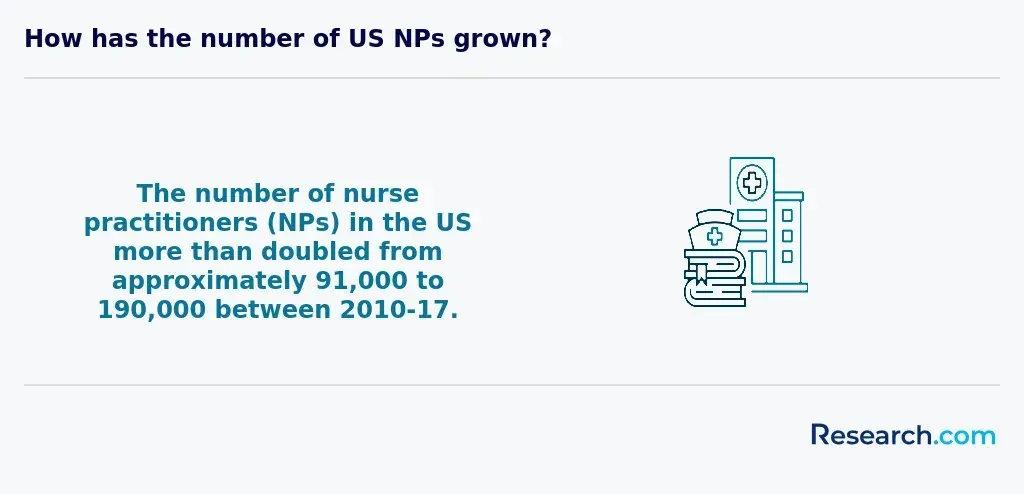
Workforce age is another factor shaping nursing careers. The median age of RNs is 52 years, while LPNs/LVNs average 53 years, indicating that many healthcare employers are working with an experienced nursing population and may need new graduates to replace retiring professionals over time.
What are the requirements for a Kansas nursing license?
Kansas nursing license requirements are designed to confirm that applicants are educationally prepared, clinically trained, and safe to enter practice. Requirements vary by license type, but most candidates should expect education verification, examination, background screening, and formal application review.
| Requirement | What applicants should prepare | Why it matters |
| Approved nursing education | Completion of an accredited nursing program, such as an ADN or BSN for RN applicants | Shows that the applicant completed required classroom and clinical preparation |
| Clinical experience | Documented clinical hours completed through the nursing program; the number varies by institution | Demonstrates supervised hands-on patient care preparation |
| Licensing exam | NCLEX-RN for registered nurses or NCLEX-PN for practical nurses | Measures readiness for safe entry-level nursing practice |
| Background check | Fingerprint submission and criminal background screening | Supports patient safety and professional accountability |
| International graduate documentation | CGFNS report and proof of English proficiency through TOEFL or IELTS when required | Helps verify that international education and language readiness meet U.S. expectations |
Applicants interested in advanced practice should also understand long-term education requirements. Nurse anesthetists, nurse midwives, and nurse practitioners are projected to grow by 38% from 2022 to 2032, making advanced practice preparation an important consideration for nurses who want more autonomy and specialization. If that is your goal, an online nurse practitioner degree may be worth researching after you meet RN and graduate admission requirements.
The most important decision at this stage is choosing a program that meets Kansas requirements and supports your career goals. Do not assume every online, hybrid, out-of-state, or accelerated program automatically qualifies you for Kansas licensure.
How do you apply for a nursing license in Kansas?
The Kansas nursing license application process is managed by the Kansas State Board of Nursing. Applicants should treat it as a document-driven process: delays often happen when transcripts, fingerprints, NCLEX registration, or eligibility materials are missing or outdated.
- Complete the required nursing education. Finish an accredited or state-approved nursing program that matches your intended license type.
- Prepare official transcripts. Request official records showing completion of your nursing education.
- Submit the KSBN application. Apply through the KSBN process and pay the required fee.
- Register for the NCLEX through PearsonVue. RN applicants take the NCLEX-RN, and practical nursing applicants take the NCLEX-PN.
- Complete fingerprinting and background screening. Applicants for multi-state licensure must submit new fingerprints. Applicants seeking a single-state license may use fingerprints submitted within the past six months.
- Respond quickly to any KSBN requests. If the board asks for clarification, additional documents, or corrected information, delays can extend your timeline.
Starting July 1, 2024, there will be an adjustment in fees related to fingerprint processing, which may create additional costs for applicants. Review current KSBN instructions before you submit payment or schedule fingerprinting.
Applicants pursuing multi-state licensure must meet 11 uniform licensure requirements, including providing a Kansas driver's license. Internationally educated applicants must submit a CGFNS report and TOEFL or IELTS scores to demonstrate English proficiency when required.
Some applicants may need special handling. Military personnel, applicants with disabilities, and candidates requesting accommodations should review the correct KSBN procedure before submitting materials. The application remains valid for six months while documentation is pending; if the file is not completed within that period, a new application and fee will be required.
| Application issue | How to avoid a delay |
| Transcript not received | Request official transcripts early and confirm they were sent to the correct destination. |
| Fingerprint problem | Follow the current KSBN fingerprint instructions and check whether new fingerprints are required. |
| NCLEX registration missing | Register with PearsonVue before expecting exam authorization to move forward. |
| Wrong license type selected | Confirm whether you need single-state, multi-state, endorsement, LPN, RN, or APRN licensure. |
| Application expires | Track the six-month validity period and submit missing materials before the deadline. |
Nurses planning graduate study after licensure may want to compare flexible programs such as the most affordable online MSN programs before committing to a long-term education plan.
The chart below shows the type of license currently held by registered nurses.
How often must Kansas nurses renew their licenses?
Kansas nursing licenses must be renewed every two years. Renewal is not the same as first-time licensure. Instead of proving initial eligibility, nurses must show that they remain professionally active, compliant, and up to date with required continuing education.
Kansas nurses typically must complete a minimum of 30 hours of approved continuing education during the renewal period. They must also submit the renewal application and pay required fees on time. A lapsed license can affect employment, advancement, and the legal ability to practice.
| Renewal requirement | Practical action |
| Renew every two years | Set calendar reminders several months before expiration. |
| Complete 30 hours of continuing education | Choose approved coursework and keep proof of completion. |
| Submit renewal application | Review all information carefully before submitting. |
| Pay renewal fees | Budget for renewal costs before the deadline. |
Continuing education can also support career growth, especially for RNs who plan to move into leadership, specialty practice, or BSN completion. Cost-conscious nurses may want to compare affordable online RN to BSN programs when planning the next education step.
What continuing education opportunities are available for nurses in Kansas?
Continuing education helps Kansas nurses maintain licensure while staying current with patient care standards, new technologies, specialty practices, and regulatory expectations. The best option depends on your work schedule, learning goals, and whether you are pursuing specialty certification.
- State-required continuing education: Kansas requires RNs to complete a minimum of 30 hours of continuing education every two years for license renewal.
- Workshops and seminars: Hospitals, health systems, and professional groups may offer sessions in areas such as critical care, pediatrics, leadership, or quality improvement.
- Online courses: Accredited online CE options can help working nurses meet requirements without traveling or taking extended time away from work.
- Professional association education: Groups such as the Kansas State Nurses Association may provide conferences, updates, and professional development resources.
- Specialty certification preparation: Nurses may pursue training in areas such as wound care, diabetes management, gerontology, or other practice areas.
- Mentorship and workplace learning: Structured mentorship can help newer nurses build confidence and learn from experienced colleagues.
What new career paths are opening for Kansas nurses?
Kansas nurses are increasingly needed in roles that go beyond traditional bedside care. Healthcare organizations use nurses in care coordination, telehealth support, case management, specialty clinics, long-term care, community health, and rural access roles. These positions can be especially relevant for nurses who want patient contact but also want a different pace, schedule, or level of responsibility.
Advanced practice is another major pathway. Nurses who want more clinical autonomy can explore nurse practitioner programs in Kansas to compare options that prepare graduates for expanded assessment, diagnosis, treatment, and specialty care responsibilities.
Which advanced education options can strengthen a Kansas nursing career?
Advanced education can help Kansas nurses move into nurse practitioner, leadership, educator, informatics, public health, or specialty roles. The right program should match your license status, work experience, career goals, and clinical placement needs.
| Education path | When it makes sense | What to check before enrolling |
| RN to BSN | You are an RN who wants broader advancement options or graduate school preparation. | Accreditation, transfer credit policy, tuition, clinical or practicum expectations, and employer tuition support. |
| BSN to NP | You hold a BSN and want advanced practice preparation. | Specialty track, certification alignment, clinical placement support, and Kansas practice requirements. |
| MSN | You want leadership, education, informatics, administration, or advanced clinical options. | Program outcomes, practicum requirements, flexibility, and total cost. |
| Post-graduate certificate | You already hold a graduate nursing degree and want another specialty. | Eligibility, certification preparation, and whether credits meet your professional goals. |
For nurses specifically planning advanced clinical practice, BSN to NP programs can provide a structured route from registered nursing into specialized graduate-level preparation.
What application mistakes commonly delay Kansas nursing licensure?
Many Kansas nursing license delays are preventable. Applicants often focus heavily on the NCLEX while underestimating the administrative details that determine whether their file is complete.
| Common mistake | Better approach |
| Choosing a program without verifying licensure eligibility | Confirm accreditation, state approval, and Kansas compatibility before enrolling. |
| Waiting too long to request transcripts | Order official transcripts as soon as your program allows release. |
| Using outdated fingerprint instructions | Review current KSBN guidance before submitting fingerprints. |
| Ignoring fee changes | Check the current fee schedule, especially around July 1, 2024 fingerprint processing changes. |
| Assuming compact status applies automatically | Verify whether you qualify for a multi-state license and meet all uniform requirements. |
| Letting the application sit incomplete | Track the six-month application validity period and follow up on missing items. |
Applicants who want a broader step-by-step career overview can use Research.com’s guide on how to become a nurse in Kansas.
Can a compact nurse practice in Kansas?
Yes. Kansas participates in the Nurse Licensure Compact (NLC). The NLC allows eligible RNs and licensed practical/vocational nurses (LPN/VNs) to practice in multiple compact states using one multi-state license issued by their home state.
The NLC was enacted in 2000 to improve nurse mobility across state lines. As of October 2023, 39 states have joined the NLC. Kansas became a member of the NLC in 2018, which means nurses who hold a valid compact license from their home state may practice in Kansas without obtaining a separate Kansas license, as long as they meet compact requirements.
Compact licensure is useful for nurses working in travel nursing, telehealth, border-state employment, and health systems that operate across state lines. However, nurses should not assume they are compact-eligible just because they hold a license. Multi-state license eligibility depends on meeting uniform licensure requirements and maintaining the correct primary state of legal residence.
How can out-of-state nurses get licensed in Kansas?
Nurses already licensed in another state may apply for Kansas licensure by endorsement. This route allows qualified nurses to obtain a Kansas license without retaking the NCLEX, provided they meet Kansas requirements.
Out-of-state endorsement applicants generally need to:
- Submit a completed application to the Kansas State Board of Nursing and pay the required fee.
- Provide proof of a current, active nursing license in another state or territory.
- Submit official transcripts from the nursing education program.
- Complete the required criminal background check.
Foreign-educated nurses may have additional requirements. They typically must have their nursing education evaluated by a recognized credential evaluation service to determine whether it meets U.S. standards. Foreign-educated nurses are not eligible for endorsement without passing the NCLEX-RN exam.
Before relocating or accepting a job offer, out-of-state nurses should verify whether they need endorsement, compact practice privileges, or a Kansas single-state license.
What are the requirements to become an LPN in Kansas?
To become an LPN in Kansas, candidates must complete a state-approved practical nursing program that combines classroom instruction with supervised clinical practice. After completing the program, applicants must meet Kansas application requirements and pass the appropriate licensing examination for practical nursing.
The LPN pathway can be a strong fit for students who want a shorter route into patient care before deciding whether to pursue RN or BSN education later. For a more detailed breakdown of education, clinical expectations, and the exam process, see Research.com’s guide on how to become an LPN in Kansas.
Is medical billing and coding a practical healthcare alternative in Kansas?
Medical billing and coding may be a reliable alternative for people who want to work in healthcare but prefer administrative, technical, or data-focused responsibilities instead of direct clinical care. This path centers on medical records, coding systems, insurance claims, billing accuracy, and compliance.
It may be especially relevant for individuals who like healthcare settings but do not want the physical demands, licensure structure, or shift work often associated with nursing. To understand the credentialing route, review Research.com’s guide to medical billing and coding certification in Kansas.
What resources can help Kansas applicants prepare for the NCLEX?
The NCLEX is not an exam to approach casually. It tests whether candidates can apply nursing knowledge safely, prioritize care, recognize clinical risk, and make sound decisions under pressure. Kansas applicants should build a study plan before graduation or immediately after completing their nursing program.
- Use NCLEX review books and practice questions: Practice questions help identify weak areas and improve test-taking endurance.
- Try online question banks: Platforms such as UWorld and Kaplan offer practice exams and question banks that mirror the exam format.
- Review the KSBN process: Make sure your application, transcripts, and PearsonVue registration are aligned so administrative issues do not interfere with exam scheduling.
- Join a study group: Peer review can help with accountability, difficult concepts, and confidence.
- Connect with professional organizations: Groups such as the Kansas State Nurses Association can provide networking, updates, and professional support.
- Simulate test conditions: Timed practice sessions can reduce anxiety and improve pacing.
The chart below shows the 2022 NCLEX Pass Rates.
How can nurses specialize as nurse midwives in Kansas?
Becoming a nurse midwife in Kansas requires advanced nursing education, specialty clinical preparation, and ongoing certification. This pathway is intended for nurses who want to focus on reproductive health, pregnancy, childbirth, postpartum care, and newborn care.
Prospective nurse midwives should look for programs with dedicated maternal and neonatal coursework, supervised clinical rotations, simulation training, and preparation for certification requirements. For a detailed explanation of the pathway, read Research.com’s guide to the educational requirements for a nurse midwife in Kansas.
How can an LVN pathway support healthcare career growth in Kansas?
The licensed vocational nurse pathway can serve as a practical entry point into patient care, especially for students seeking hands-on clinical experience before deciding whether to continue toward RN-level practice. In Kansas, the LPN term is more commonly used, but applicants researching LVN pathways may still encounter similar role comparisons across states.
This route can help workers build healthcare experience, understand patient care workflows, and decide whether to pursue additional credentials later. For details about eligibility, certification, and career progression, see how to become an LVN in Kansas.
What should applicants look for in a Kansas nursing school?
The nursing school you choose affects licensure eligibility, NCLEX preparation, clinical readiness, cost, and future advancement. Do not choose a program based only on convenience or tuition. A lower-cost program that lacks strong clinical placement support or licensure alignment can become expensive if it delays your career.
| Factor to review | Questions to ask before enrolling |
| Accreditation and state approval | Is the program approved for Kansas licensure preparation? |
| NCLEX preparation | How does the program support students before the licensing exam? |
| Clinical placements | Where do students complete clinical hours, and who arranges placements? |
| Program format | Is the program campus-based, online, hybrid, full-time, or part-time? |
| Total cost | What are tuition, fees, books, uniforms, background checks, supplies, and exam costs? |
| Transfer credit policy | Will previous college credits, LPN coursework, or RN credits apply? |
| Graduate outcomes | What student support, career services, and employer connections are available? |
Students comparing options can review Research.com’s ranking of the best nursing schools in Kansas.
Can an accelerated nursing program shorten the path to advancement?
Accelerated nursing programs can help qualified students move faster, but they are not the best fit for everyone. These programs usually require strong time management, prior academic preparation, and the ability to handle intensive coursework and clinical expectations.
For working RNs, an accelerated RN to BSN option may support advancement while reducing time away from employment. However, applicants should verify accreditation, clinical requirements, transfer credit policies, and whether the schedule is realistic. A 6-month RN to BSN program may be attractive, but speed should not outweigh quality, affordability, or licensure relevance.
| Accelerated program advantage | Potential drawback |
| Can shorten the timeline to a BSN or advanced credential | Course load may be difficult for students working full time |
| May build on prior nursing or college credits | Transfer credit rules vary by school |
| Can support advancement into leadership or graduate study | Total cost may still be high despite a shorter timeline |
| Often offers flexible online coursework | Clinical or practicum requirements may still require local coordination |
Is pharmacy a viable alternative to nursing in Kansas?
Pharmacy can be a strong healthcare alternative for people who are interested in medication therapy, patient counseling, pharmacology, safety monitoring, and healthcare systems but do not want the same day-to-day duties as nurses. The education, licensure, and scope of practice differ significantly from nursing, so this path requires separate planning.
Students comparing healthcare careers can review Research.com’s guide on how to become a licensed pharmacist in Kansas to understand the pharmacy route before deciding.
Can professional nursing organizations help during the licensing process?
Professional nursing organizations can make the licensing journey easier by helping applicants stay connected, informed, and supported. They may offer continuing education, regulatory updates, networking, mentorship, conference access, and specialty resources.
Organizations are especially useful for nurses who are new to Kansas, returning to practice, preparing for the NCLEX, or comparing career advancement options. They can also help nurses learn about flexible education routes, including the top online nursing programs in Kansas.
What costs should aspiring Kansas nurses plan for?
Aspiring nurses in Kansas should plan for more than tuition. Licensure, testing, screening, supplies, transportation, continuing education, and future renewal costs can all affect the total investment required to enter and remain in nursing.
| Cost category | What it may include |
| Education | Tuition, fees, books, supplies, uniforms, technology, lab costs, and clinical-related expenses |
| Licensure application | Kansas application fee, approximately $75, plus any required related charges |
| NCLEX | Exam registration and preparation materials |
| Background check and fingerprints | Fingerprint processing and criminal background screening costs |
| Renewal | Biennial renewal fees and continuing education expenses |
| Advanced education | BSN, MSN, NP, certification, clinical placement, and graduate exam-related costs where applicable |
ADN programs are typically more cost-effective than BSN programs, but the lower upfront cost may come with trade-offs in advancement options. BSN and graduate programs can cost more but may support leadership, specialty, or advanced practice goals.
Nurses planning to become nurse practitioners should budget for graduate tuition, certification exams, licensure, and related expenses. Research.com’s guide on how much it costs to become a nurse practitioner in Kansas offers a more focused look at that pathway.
To reduce costs, compare total program price rather than tuition alone, ask about transfer credits, look for employer tuition reimbursement, research scholarships, and avoid programs that do not clearly meet licensure or certification expectations.
Related Articles for Nearby States
- 2027 Nebraska Nursing License Requirements
- 2027 Oklahoma Nursing License Requirements
- 2027 Missouri Nursing License Requirements
- 2027 Colorado Nursing License Requirements
- 2027 Iowa Nursing License Requirements
- 2027 Arkansas Nursing License Requirements
- 2027 Texas Nursing License Requirements
- 2027 South Dakota Nursing License Requirements
- 2027 Wyoming Nursing License Requirements
- 2027 Minnesota Nursing License Requirements
Key insights
- Kansas nursing licensure is managed by the KSBN. Applicants should rely on current board instructions for applications, fingerprints, exams, renewals, and compact licensure details.
- The main pathways are LPN, RN, and APRN. LPN programs offer a shorter entry route, RN licensure supports broader clinical responsibility, and APRN roles require graduate education and national certification.
- Application accuracy matters. Missing transcripts, outdated fingerprints, incomplete NCLEX registration, or misunderstanding compact requirements can delay licensure.
- Kansas nurses renew every two years. Renewal generally requires 30 hours of approved continuing education, an application, and payment of required fees.
- Program choice affects licensure and ROI. Check accreditation, Kansas approval, NCLEX support, clinical placements, total cost, and transfer credit policies before enrolling.
- Compact licensure can expand mobility. Kansas joined the NLC in 2018, but nurses must meet multi-state license requirements and maintain proper eligibility.
- Advanced education can widen career options. RN to BSN, MSN, BSN to NP, nurse midwife, and other graduate pathways can support specialization, but they require careful cost and licensure planning.
- Nursing is not the only healthcare option. Medical billing and coding, pharmacy, and other healthcare careers may fit people who want different responsibilities, schedules, or education requirements.
References:
- ksbn.kansas.gov (01 Jul 2024). Fee Change. [ksbn.kansas.gov] https://ksbn.kansas.gov
- U.S. Bureau of Labor Statistics. (2023, September 6). Occupational Outlook Handbook - Nursing assistants and orderlies. Retrieved February 16, 2024, from https://www.bls.gov/ooh/healthcare/nursing-assistants.htm
- Smiley, R., Ruttinger, C., Oliveira, C., Hudson, L., Allgeyer, R., Reneau, K., Silvestre, J., & Alexander, M. (2021). The 2020 National Nursing Workforce Survey. Journal of Nursing Regulation. (21)00027-2. https://doi.org/10.1016/S2155-8256
- kansas.gov (n.d.). License Verification. https://www.kansas.gov/ksbn-verifications
Other Things You Should Know About Nursing Licenses in Kansas
To become an RN in Kansas, candidates must complete specific educational requirements. The state mandates that aspiring RNs obtain either an ADN or a BSN.
- An ADN typically takes two to three years to complete and is offered at community colleges.
- A BSN, which employers increasingly prefer, usually requires four years of study at a university.
Both programs include clinical training and must be accredited by the Accreditation Commission for Education in Nursing or the Commission on Collegiate Nursing Education. After completing their education, candidates must pass the NCLEX-RN exam to obtain licensure in Kansas.
In 2027, to obtain a nursing license in Kansas, individuals must complete an approved nursing program, pass the NCLEX-RN exam, and submit fingerprints for a criminal background check. Additionally, applicants must apply for the license through the Kansas Board of Nursing and pay the applicable fees.